Health
From Super to Mega El Niño: What the Latest Weather Warning Means for Nigeria
Nigeria is once again being warned about the health risks posed by a powerful El Niño weather event. The country could see an additional 31,400 heat-related deaths in the coming months.
The World Meteorological Organisation (WMO) says the current El Niño is becoming stronger and is likely to remain strong or even very strong until early 2027. Separately, the University of Chicago’s Climate Impact Lab has independently estimated, using climate and mortality data, that Nigeria could experience an additional 31,400 heat-related deaths between September 2026 and February 2027.

Photo: Getty images
Whilst media reports have referred to both ‘Super’ and ‘Mega’ El Niño events, it is useful to clarify what these terms actually mean. They do not describe newly recognised weather events but rather particularly powerful versions of El Niño. These can influence global weather, including rainfall patterns and temperatures.
What is El Niño and why is it now a concern?
El Niño is a natural weather cycle in which the tropical Pacific Ocean experiences abnormally high sea surface temperatures. It is one aspect of the El Niño-Southern Oscillation (ENSO) cycle, which also includes a ‘cool’ phase (La Niña) and a neutral phase.
Beyond raising sea surface temperatures, El Niño can also influence global weather patterns. Depending on where someone lives and the time of year, this may result in either drought or increased rainfall and flooding. El Niño tends to occur every 2-7 years and generally lasts for 9-12 months, according to the WMO.
On 3 September 2026, the WMO confirmed that the current El Niño was already underway and was set to strengthen further. There was also a virtually 100% chance that it would continue until February 2027.
The National Oceanic and Atmospheric Administration (NOAA) in the US has also stated that El Niño continues to strengthen. It has predicted that strong and very strong conditions are likely to continue from January to March 2027.
What Might the Weather Warning Imply for Nigeria?

Photo: Getty images
Whilst all countries can be affected differently by El Niño, the strength of the event alone will not determine Nigeria’s weather. Local weather forecasts will also need to consider the influence of other climate factors, including conditions in the Atlantic and Indian Oceans.
The Nigerian Meteorological Agency (NiMet) has recognised that a strong El Niño event is currently underway. In an assessment carried out in August 2026, it also mentioned the possibility of changes in rainfall patterns and higher than usual temperatures. However, these projections related to particular timeframes and should not be taken as a definitive guide to what will happen in all Nigerian states up to February 2027.
In October 2026, TheCable reported that NiMet had observed temperatures of 41°C in Nguru, Yobe State, and 34°C in Lagos. These figures show how high temperatures have been in some parts of Nigeria, although they do not necessarily mean that all areas will experience similar conditions.
Prolonged exposure to high temperatures can make it harder for the body to regulate its temperature, increasing the risk of dehydration, heat exhaustion and heatstroke. The World Health Organization (WHO) also warns that extreme heat can worsen existing health conditions, including heart, lung and kidney disease and diabetes.
How Nigerians Can Protect Themselves

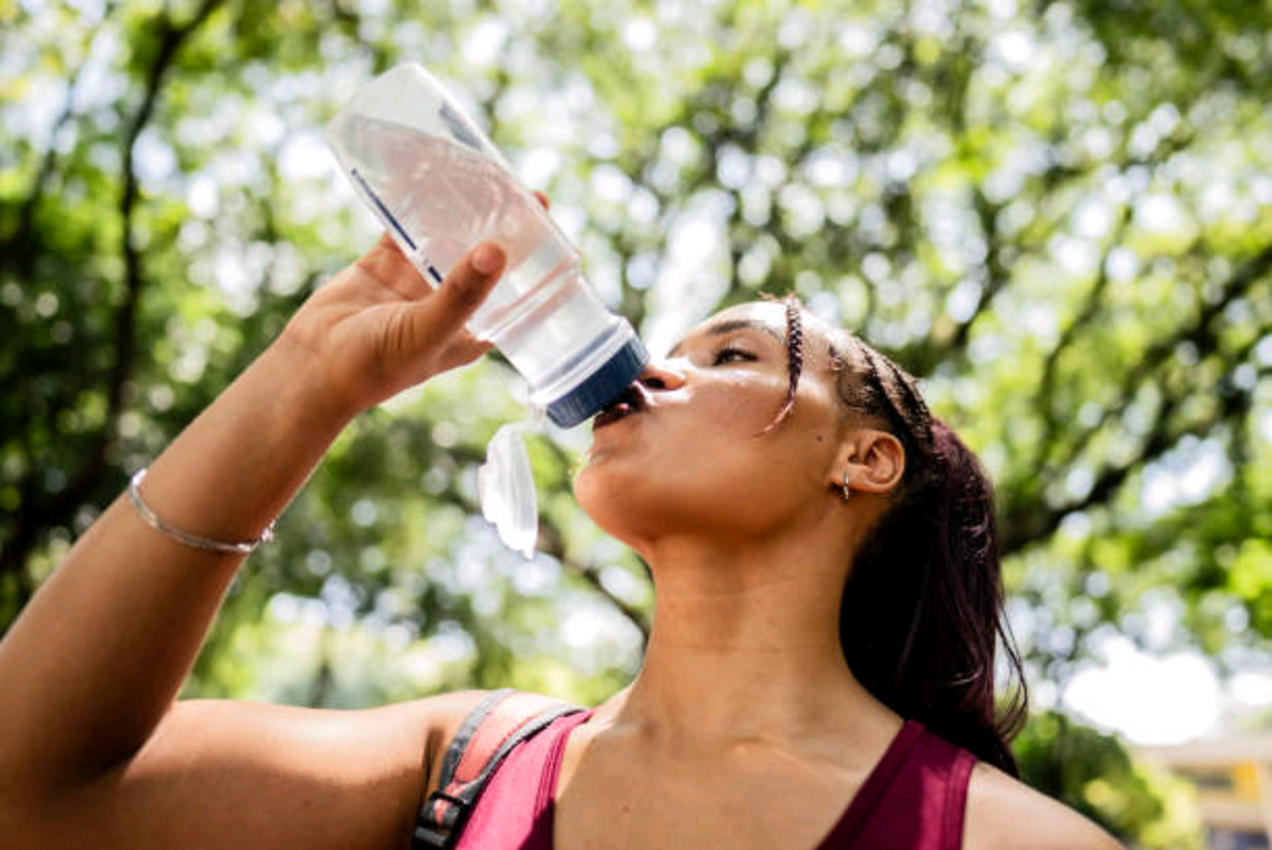
Photo: Getty images
On 27 October 2026, the National Emergency Management Agency (NEMA) published guidance on how Nigerians can prepare for the possible impacts of the current El Niño.
It advised individuals to limit their exposure to the sun, especially between 11am and 4pm. Where possible, people should take breaks from outdoor work, seek shade and carry out strenuous activities when temperatures are lower.
NEMA also recommended conserving water and avoiding unnecessary waste. Water should be stored in clean, covered containers.
The WHO has also offered the following advice to help people protect themselves from extreme heat:
- Drink enough water, particularly when spending time outdoors or engaging in physical activity.
- Wear loose, lightweight clothing to help the body stay cool.
- Seek shade or cooler environments to avoid direct exposure to the sun and find relief from high temperatures.
- Keep homes cool by opening windows when outdoor temperatures are lower and limiting direct sunlight entering rooms when temperatures are high.
- Look after more vulnerable people, including elderly family members, young children and those with existing health conditions, as well as neighbours who live alone.
- Where possible, avoid strenuous activities during periods of high temperatures.