Makeup
How to Choose the Right Foundation Shade Without Guesswork
Finding the right foundation shade can feel confusing, especially with so many options on the market. Many people end up with a shade that looks too light, too dark, or slightly off once they step outside. The good news is that choosing the right match does not have to rely on guesswork. With a few practical steps and a bit of patience, you can find a foundation that blends seamlessly into your skin.
The first thing to understand is your undertone. This is different from your skin tone, which can change with sun exposure. Undertones stay the same and usually fall into three groups: warm, cool, or neutral. A simple way to check is by looking at the veins on your wrist. If they appear green, you likely have warm undertones. If they look bluish or purple, you lean cool. If it is hard to tell, you are probably neutral. Knowing this helps you narrow down shades that will actually complement your skin instead of clashing with it.

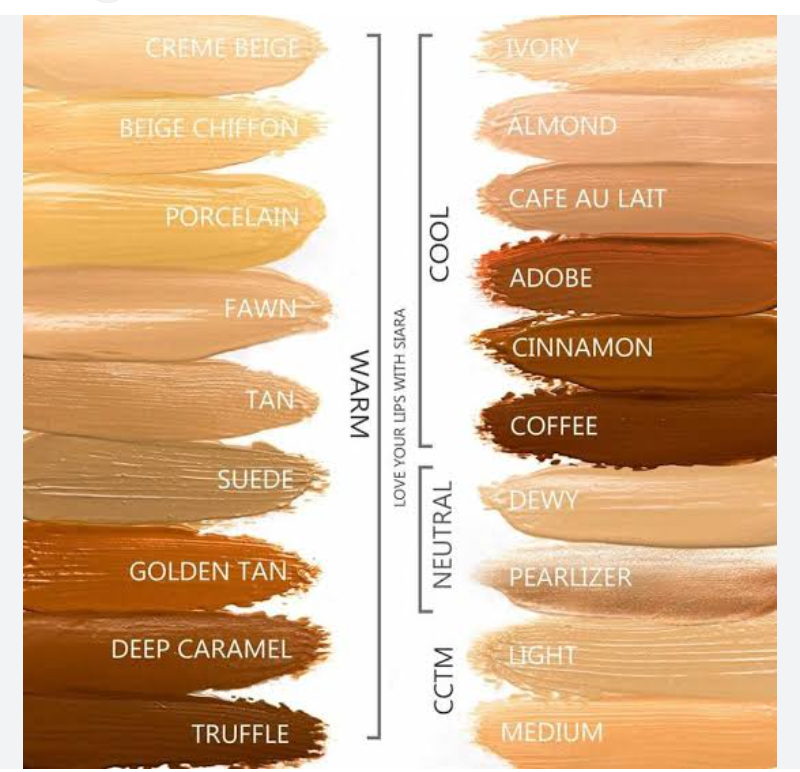
Photo: Stock photos
Testing foundation on your jawline is another step that makes a big difference. Many people try it on their hand, but the skin there often does not match your face. The jawline gives you a better view of how the shade blends between your face and neck. Apply a small amount, blend it slightly, and observe. The right shade should almost disappear into your skin without leaving a visible line.
Lighting also matters more than most people think. Store lighting can be misleading, especially if it is too bright or tinted. Always check the shade in natural light before making a decision. Step outside or stand near a window. What looks perfect indoors can appear completely different in daylight.

Photo: Sylvimak-Foundation
It also helps to test more than one shade at a time. Instead of settling on the first option that seems close, try two or three similar shades side by side. This makes it easier to compare and spot which one truly matches. If you are in between shades, choosing the slightly darker option often looks more natural than going lighter, as lighter shades can appear ashy.
Another detail people overlook is how foundation changes after application. Some formulas oxidize, meaning they get a bit darker after a few minutes. After applying, give it time to settle before deciding. Walk around, let it sit on your skin, and then check again.

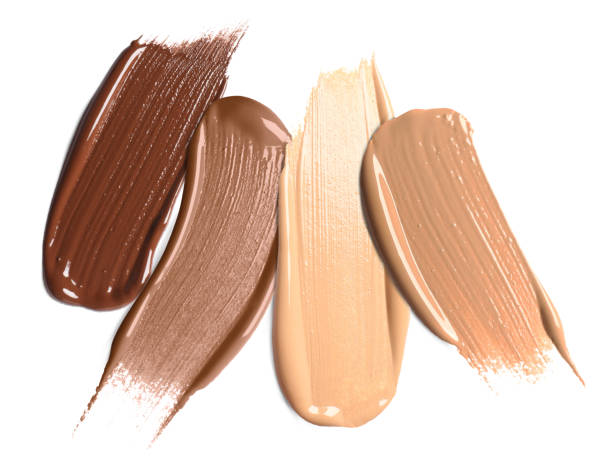
Photo: Stock photos
If you are shopping online, try to use brand shade finders and read reviews from people with similar skin tones. While it is not as accurate as testing in person, it can guide you in the right direction. You can also stick to brands you have used before and compare shade descriptions.
Choosing the right foundation shade is not about getting lucky. It is about paying attention to your undertone, testing in the right place, and checking your match in natural light. Once you understand these basics, the process becomes much easier. In the end, the right foundation should look like your skin, just more even and polished.