Health
How to Protect Yourself From Ebola Virus Disease
Nigeria confirmed an imported case of Ebola Bundibugyo virus disease in Abuja, prompting health authorities to intensify surveillance and contact tracing. The Federal Ministry of Health and Social Welfare announced that laboratory tests had confirmed the Bundibugyo virus in a woman who had recently travelled from Uganda.
According to the World Health Organization (WHO), the patient developed symptoms on October 7 and sought medical attention at a private health facility in Abuja on October 11. By October 20, health authorities had identified 44 contacts for monitoring as investigations continued. As of October 22, Nigeria’s health minister said there was no evidence of wider community transmission.
Knowing how the virus spreads and how to avoid exposure can help protect you and those around you.
Wash Your Hands Regularly

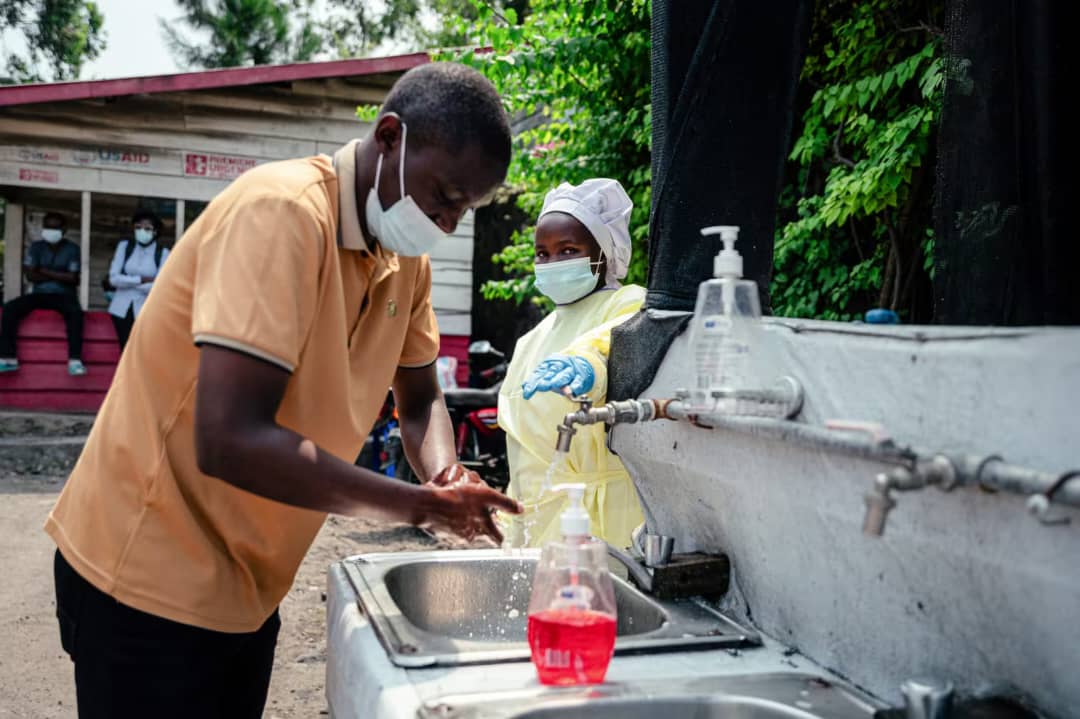
Photo: Getty Images
Wash your hands with soap and running water before eating or preparing food, after using the toilet, and after caring for someone who is ill. This helps remove germs picked up from contaminated surfaces or materials.
If soap and water are unavailable, use an alcohol-based hand sanitiser. Avoid touching your eyes, nose or mouth with unwashed hands, particularly after handling potentially contaminated items.
Avoid Handling Sick or Dead Wild Animals
Certain wild animals, including some bats and non-human primates, can carry Ebola viruses. Contact with infected animals or their body fluids can expose people to the virus.
Do not handle wild animals found sick or dead, especially when the cause of death is unknown. Avoid eating raw meat from wild animals, and ensure that meat is handled and cooked properly.
If you find an animal suspected of carrying an infection, contact the appropriate local authorities rather than attempting to move or dispose of it yourself.
Do Not Share Items That May Be Contaminated

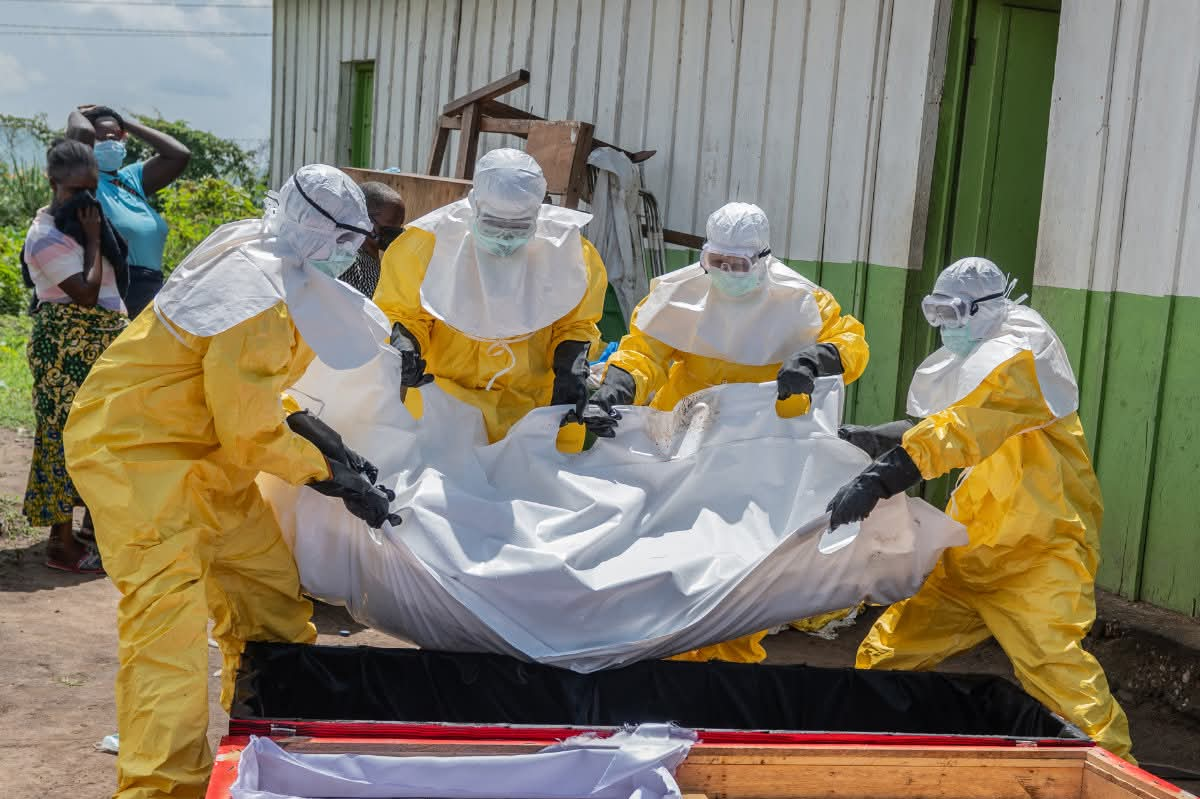
Photo: Getty Images
Clothing, towels and bedding can spread Ebola if contaminated with an infected person’s body fluids. Avoid sharing these items with someone suspected or confirmed to have the disease.
Do not handle or clean potentially contaminated materials without proper guidance. Healthcare workers and designated response teams should follow appropriate safety procedures when cleaning affected areas and disposing of waste.
Recognise the Symptoms and Report Possible Exposure
Ebola symptoms can appear between two and 21 days after exposure. Early signs include fever, severe headache, muscle pain, weakness and fatigue. Other symptoms may include vomiting, diarrhoea and abdominal pain. Some patients also experience unexplained bleeding.
These symptoms can resemble those of other illnesses, including malaria, which is common in Nigeria. Having a fever does not automatically mean you have Ebola, but possible exposure should not be ignored.
Avoid Contact With the Body Fluids of Infected People
Photo: Getty Images
Ebola spreads mainly through direct contact with the blood or other body fluids of an infected person who has developed symptoms. These include vomit, diarrhoea, urine and saliva. Clothing, bedding and medical equipment contaminated with these fluids can also transmit the virus.
Do not touch these materials if they may be contaminated. If you suspect someone has Ebola, avoid providing hands-on care without appropriate training and protective equipment. Contact healthcare professionals or public health authorities for guidance on how to help safely.
Anyone who may have been exposed should follow the instructions of health officials and avoid handling potentially infectious materials.
Contact Health Professionals if You Suspect Exposure
If you believe you have been exposed to Ebola, contact a healthcare provider or public health authority promptly, even if you feel well. Do not wait for symptoms to appear before reporting a known exposure.
Where possible, call ahead before visiting a healthcare facility and explain your concerns. This allows medical personnel to prepare and take steps to protect other patients and healthcare workers.
Follow Contact-Tracing and Monitoring Instructions
Health authorities may monitor people who have been in contact with a confirmed Ebola patient. Monitoring can continue for 21 days after the last possible exposure because symptoms may take that long to appear.
If public health officials contact you about a possible exposure, provide accurate information and follow their instructions. Report any symptoms immediately and attend medical assessments arranged by the response team.
Being identified as a contact does not mean you have Ebola. Contact tracing helps health authorities identify possible infections early and prevent further transmission.
Stay Informed and Act Promptly
Follow updates from the Federal Ministry of Health and Social Welfare, the Nigeria Centre for Disease Control and Prevention, and the World Health Organization rather than relying on unverified claims.