Lifestyle
Ramadan Is Here! Meaningful Ways to Make the Most of the Holy Month
Ramadan arrives each year with predictable changes in daily routine: altered sleep schedules, crowded mosques, slower afternoons, and long evenings built around prayer and shared meals. Beyond fasting from dawn to sunset, the month is a time for reassessment. It invites a review of habits, relationships, priorities, and how time is used. For many people, the challenge is not understanding Ramadan’s significance, but turning intention into daily action. Making the most of the month requires planning.


Photo Credit – Google
Fasting is often treated as an endurance task, measured by hunger and thirst. It can also be understood as training in self-discipline. The same self-control that prevents eating or drinking can be applied to speech, spending, and digital habits. Limiting idle scrolling, avoiding unnecessary arguments, and reducing impulsive purchases turns fasting into a broad change in habits. Attaching a non-food discipline to the fast makes the lesson practical. A fixed daily break from social media or a strict rule against gossip shifts the focus of fasting beyond physical hunger and into conduct, reflecting the ethical principles Ramadan emphasizes.

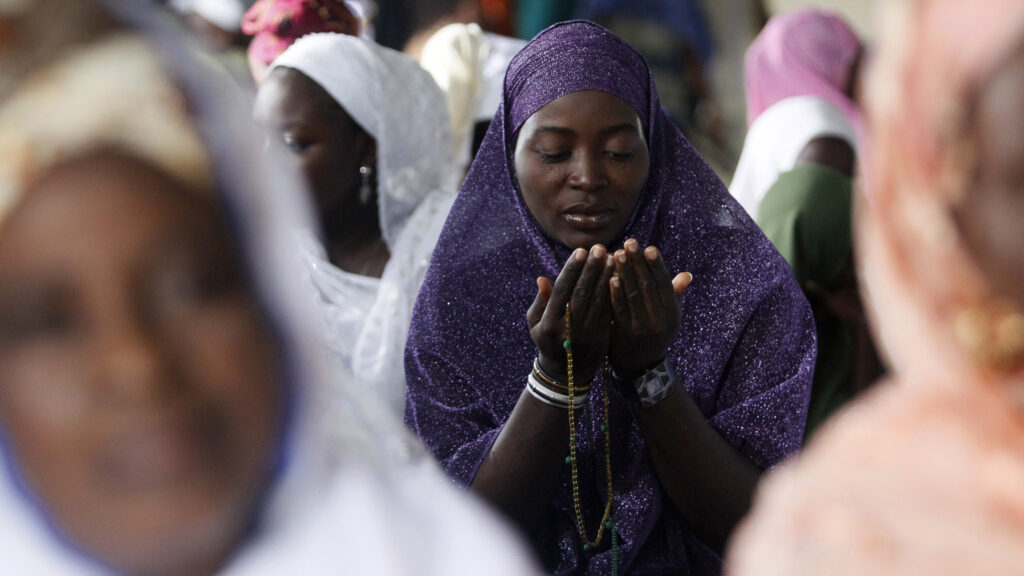
Photo Credit – Google
Ambition can undermine consistency. Many people begin the month with intense plans that collapse by the second week. A better strategy is to design a schedule that fits existing responsibilities. Short, consistent acts are more effective than occasional extremes. A manageable plan might include a set number of Qur’an pages each day, a weekly charity contribution, and specific prayer goals that account for work and family life. Schedule these commitments clearly. Treating worship with the same seriousness as appointments makes it sustainable.
Suhoor and iftar can easily become rushed or indulgent, yet they frame the day. Eating mindfully changes their purpose. Choosing balanced portions, avoiding excess, and beginning with gratitude reinforces the reason for fasting: awareness of dependence and self-control. Families can turn iftar into a daily checkpoint. A short conversation about what each person learned or struggled with during the fast adds reflection to the daily pattern and encourages accountability.

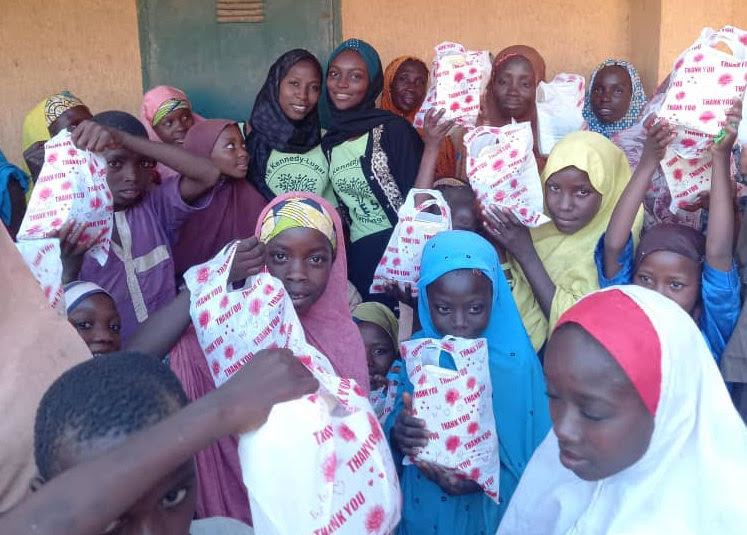
Photo Credit – Google
Charitable giving often peaks in the final nights, but spreading it across the month makes the effort more consistent. Setting a daily or weekly plan, even in small amounts, builds discipline. Charity is not limited to money. Time, skills, and attention also count. Organizing a recurring act of service, such as food distribution or tutoring, turns generosity into regular action and helps it continue after Ramadan ends.
The month also offers an opportunity to repair strained relationships. Reaching out to relatives, apologizing for past conflicts, or reopening communication with friends should be intentional, not postponed. Listing a few relationships that need attention and assigning each one a specific action, a call, visit, or message, makes reconciliation a clear objective.


Photo Credit – Google
Ramadan fatigue is real. Late nights and early mornings disrupt sleep, affecting mood and concentration. Protecting energy is as important as protecting hours. Strategic naps, simplified meals, and realistic social commitments help maintain focus on worship. Reducing unnecessary engagements is a matter of priorities. The month is temporary, and preserving energy allows fuller participation in prayer and reflection.
An overlooked part of making the most of Ramadan is planning for what follows it. The purpose of the month is not a temporary increase in devotion that disappears afterward. Identifying one or two practices to continue, a weekly fast, a fixed charity amount, or daily reading, connects Ramadan to the rest of the year. Writing these commitments down before the month ends increases the chance they last. Ramadan then becomes a period meant to shape long-term habits rather than a one-time experience.