Skin Care
The Dangers of Adult Skincare Products for Children and Teens.
Over the past few years, skincare has become one of the biggest trends on social media. What was once a conversation about treating acne or protecting the skin from the sun has evolved into elaborate routines featuring serums, exfoliating acids and anti-ageing products. As these routines gain popularity, more children and teenagers are reaching for products originally developed for adults, often without knowing how those ingredients work.
Dermatologists have increasingly warned that this trend can do more harm than good. Children’s skin is thinner and more delicate than adult skin, while teenagers generally do not need products designed to address concerns such as fine lines, wrinkles or loss of elasticity. Using the wrong products too early can disrupt the skin’s natural balance instead of improving it.

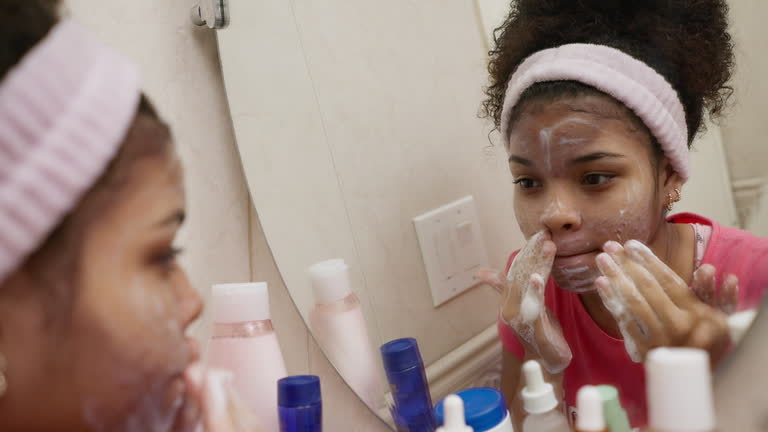
Photo: iStock
One of the biggest concerns is the growing use of retinoids, including retinol. These vitamin A derivatives are widely recommended for treating signs of ageing and some forms of acne in adults, but they can also cause dryness, peeling, redness and irritation, particularly when introduced without guidance. For younger users with healthy skin, the risks often outweigh any seen benefits.
Chemical exfoliants are another category that deserves caution. Ingredients such as glycolic acid and other alpha hydroxy acids (AHAs), along with beta hydroxy acids (BHAs) like salicylic acid, help remove dead skin cells. While some lower-strength salicylic acid products may be appropriate for certain teenagers with acne, frequent or unnecessary use of strong exfoliants can weaken the skin barrier, leaving the skin dry, sensitive and more vulnerable to irritation.
Some adult skincare products also contain high concentrations of active ingredients, fragrances or essential oils that can trigger allergic reactions or skin sensitivity in younger users. Products marketed for skin brightening, particularly those containing hydroquinone, should not be used by children or teenagers unless specifically prescribed and supervised by a qualified healthcare professional.

Photo: iStock
A damaged skin barrier is one of the most common consequences of using products that are too harsh. When the skin barrier is compromised, moisture escapes more easily and irritants can penetrate the skin more readily. This may lead to persistent dryness, stinging, flaking and discomfort. Certain active ingredients can also increase the skin’s sensitivity to sunlight, making daily sunscreen even more important.
For most children, skincare does not need to be complicated. A gentle cleanser, a fragrance-free moisturiser when needed and a broad-spectrum sunscreen are usually enough to keep the skin healthy. Teenagers can also benefit from a simple routine, with additional products introduced only when there is a genuine skin concern and after choosing ingredients that suit their age and skin type.
Healthy skin is not built by copying a viral routine or filling a bathroom shelf with expensive bottles. It comes from using products that match the skin’s actual needs. Before following the latest beauty trend, children and teenagers should remember that skincare is not one-size-fits-all. Choosing age-appropriate products and keeping routines simple is often the safest and most effective approach.
Watch Below:
