Fitness
Should Women Train on an Empty Stomach?
Fasted training, which involves exercising for several hours without eating, is a common practice among people hoping to improve fat burning or lose weight. It is often done first thing in the morning before breakfast. While the idea has gained popularity, scientific evidence suggests that the benefits are more limited than many people assume, especially for women.
During a fasted workout, the body relies more heavily on stored fat for fuel because carbohydrate stores are lower. However, using more stored fat for energy during the exercise does not necessarily translate into greater body fat loss over time. Studies comparing fasted and fed workouts have generally found that overall weight loss depends more on total calorie balance and consistent physical activity than on whether someone eats before exercising.

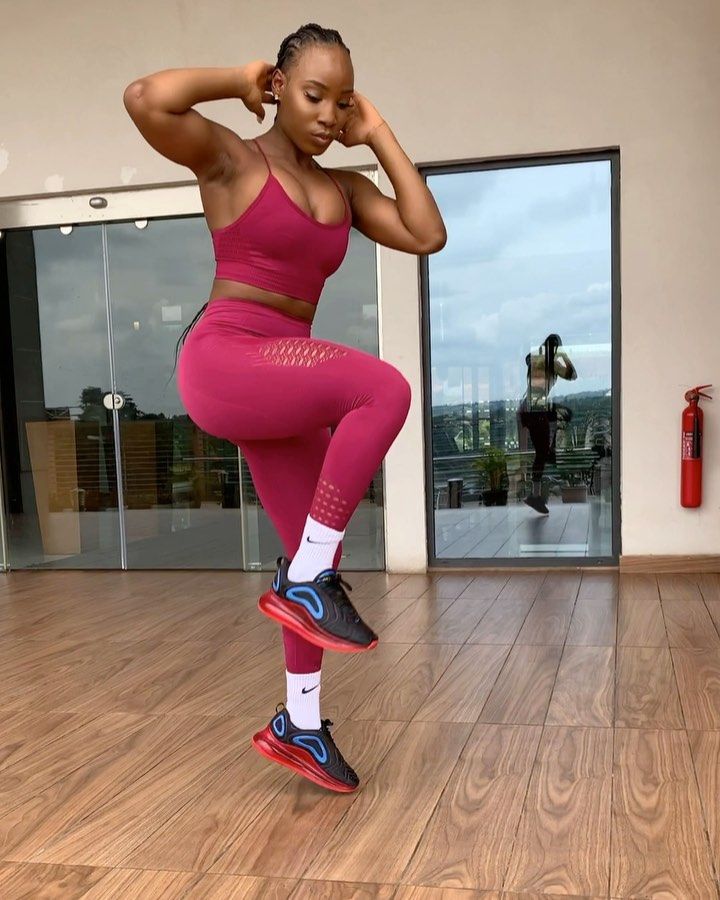
Photo: Pinterest
Women may respond differently to fasted training than men because female hormones play an important role in regulating energy use, metabolism and reproductive health. Some research indicates that prolonged or frequent fasted exercise, particularly when combined with inadequate calorie intake, may place additional stress on the body. This can affect energy levels, recovery and, in some cases, menstrual function. Women who are pregnant, breastfeeding or have a history of eating disorders should be especially cautious and seek medical advice before trying fasted workouts.
The type and intensity of exercise also matter. Low to moderate intensity activities such as walking, light cycling or gentle yoga are generally well tolerated on an empty stomach if a person feels comfortable doing them. However, high-intensity interval training, sprinting, heavy strength training or endurance sessions often require readily available carbohydrates to support performance. Eating a light meal or snack beforehand may help maintain energy, improve workout quality and support better recovery afterward.

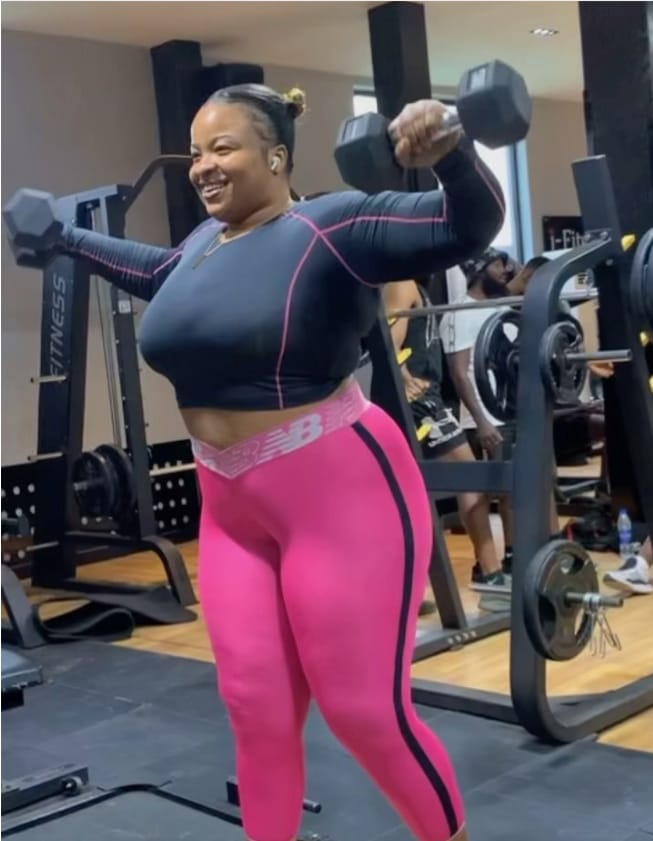
Photo: Instagram
Listening to the body’s signals is important. Feeling dizzy, weak, unusually fatigued or unable to complete a workout may indicate that exercising without food is not the right approach. In such cases, a small pre-workout snack containing carbohydrates, with a little protein if possible, can provide the energy needed without causing discomfort. Examples include a banana, whole-grain toast with peanut butter, yoghurt with fruit or a small bowl of oatmeal.
Hydration should also not be overlooked. Whether training in a fasted or fed state, drinking enough water before, during and after exercise helps maintain performance and supports recovery.


Photo: Instagram
Current evidence does not support the idea that women must exercise on an empty stomach to achieve better fitness or weight-loss results. The most effective routine is one that can be maintained consistently while providing enough energy to support health, performance and recovery. For many women, eating before demanding workouts improves both exercise quality and overall well-being, while others may comfortably complete lighter sessions before breakfast. The best choice depends on individual goals, health status and personal comfort because what works well for one woman may not work as well for another.