Health
Workout Routines That Support Bones Health
Strong bones depend on more than just calcium or supplements. Research shows that bones respond to physical stress: when muscles and weight-bearing activities challenge the skeleton, bone tissue becomes denser and stronger. To protect skeletal health over the long term, exercise should combine weight-bearing activity, resistance training, and balance work. Together, these exercises address the main risk factors for fractures: low bone density, weak muscles, and poor coordination.

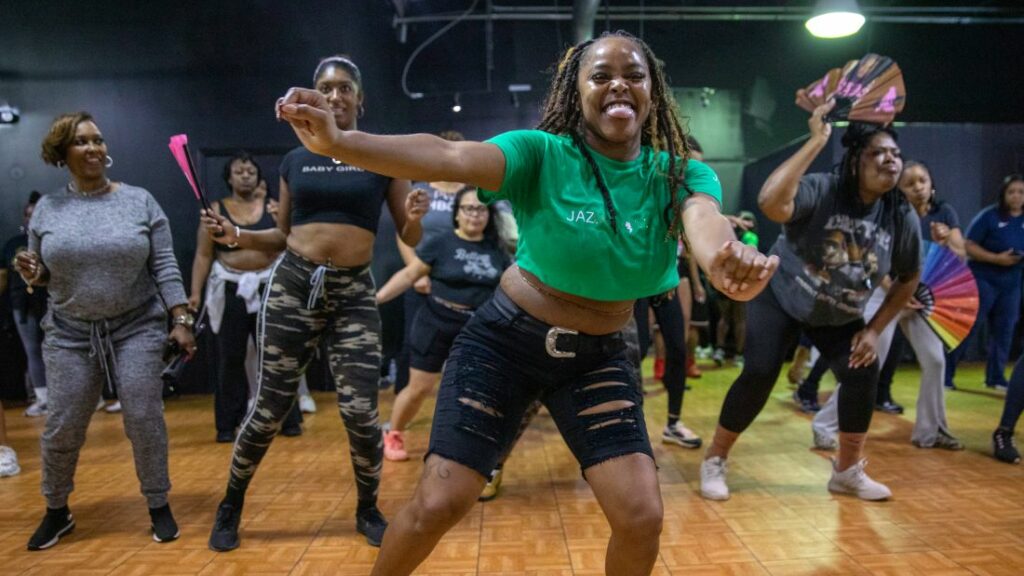
Photo Credit – Google
Weight-bearing activity doesn’t need to be extreme to be effective. Regular brisk walking around neighbourhoods or local parks strengthens hips, legs, and spine, while climbing stairs or light jogging improves lower-body density. Dance classes, including Afrobeat or traditional Nigerian dances, provide varied movement patterns that engage muscles and improve coordination. Starting with 15–20 minutes per session, three to five days a week, and gradually increasing intensity or duration can deliver measurable benefits.


Photo Credit – Google
Resistance training plays a key role in maintaining strong bones. Gradually increasing weight or resistance helps muscles and bones adapt. Exercises such as squats and deadlifts target the hips, thighs, and spine, while lunges and step-ups build strength in the lower body and promote functional movement. Push-ups, pull-ups, and shoulder presses strengthen the upper body and spine. Two to three sessions per week covering all major muscle groups are sufficient. Free weights, resistance bands, or bodyweight exercises can all be effective depending on what equipment is available.


Photo Credit – Google
Balance is equally important because falls are a leading cause of fractures. Single-leg stands and heel-to-toe walking improve stability and coordination, while yoga, Tai Chi, or mobility exercises enhance control and complement other workouts. Integrating balance with strength and weight-bearing exercises provides a complete approach to bone health.
Common mistakes include relying solely on low-impact cardio such as swimming or cycling, which has little effect on bone density, and attempting high-impact exercises without preparation, which can increase injury risk. Effective routines should be planned, progressive, and performed consistently to build resilience safely.


Photo Credit – Google
A sample weekly schedule could include strength-focused exercises on Monday, such as squats or step-ups, deadlifts or hip-hinge movements, and push-ups or shoulder presses. Wednesday could focus on weight-bearing activity and balance through brisk walks, single-leg and heel-to-toe drills, and light dynamic movements. Friday can target functional strength with lunges or carries using household objects, core stability exercises, and stretching or yoga. This cycle can be repeated weekly, increasing load or complexity gradually.
Strong bones require intentional, evidence-based exercise. By combining weight-bearing activity, resistance training, and balance work, Nigerians can maintain bone density, reduce fracture risk, and improve overall skeletal resilience. Starting at your current fitness level, increasing load progressively, and including balance exercises will help protect bones for the long term.