
Health
HOW EFFECTIVE ARE BIRTH CONTROL?

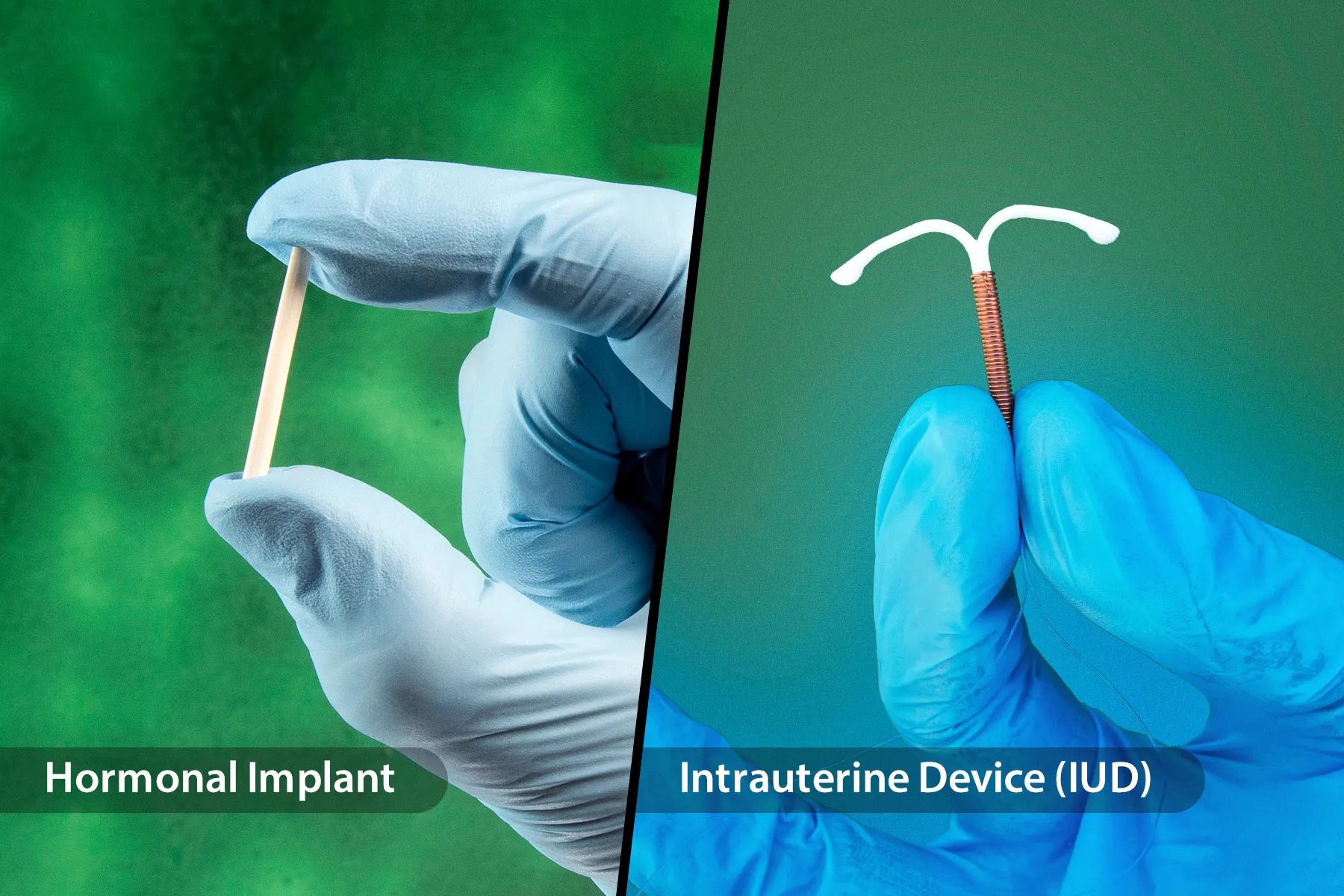
In the world we live in today, birth control has become common, not only among adults but also among teenagers.
This is to prevent unwanted pregnancy among teenagers and young adults who are not ready for parenthood, and also among married couples who do not want more children but also want to enjoy their sex lives as couples.
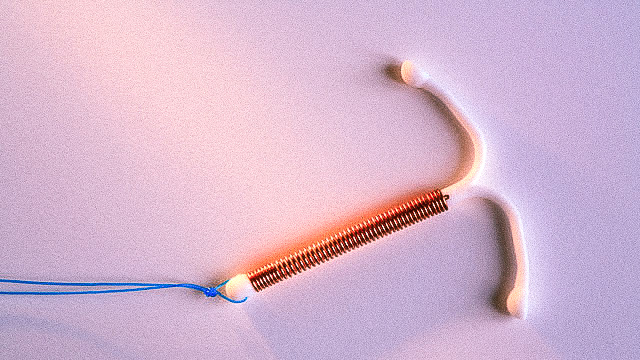
IUD contraceptive implant
This is how effective birth control is, especially birth control injections and contraceptive implants.
According to health experts, birth control methods are up to 99% effective when used correctly.
Birth control is the method or medicine taken to prevent pregnancy. This can involve using pills, vasectomy and condoms, and other medically approved methods.
According to the World Health Organization (WHO), as of 2021, there were 1.9 billion women aged 15–49 worldwide. About 1.1 billion had a need for family planning but only 874 million are using modern contraceptives.
One of the main reasons for this – some women use it to avoid unintended pregnancies or to stop having more children after reaching their desired family size.
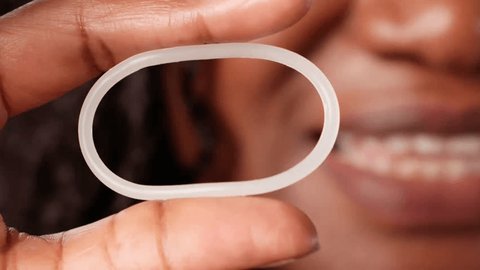
Condom contraceptive
However, birth control methods also have side effects that may affect health.
And this includes:
1. Irregular menstrual cycles: Taking birth control can frequent your period but it’s a period of time before your hormones get used to it.
2. Headaches: There’d be headaches to deal with but that will subside later.
3. Breasts Changes such as tenderness or swelling.
4. Rarely, hormonal methods can increase the risk of stroke, or heart attack, especially in women with other risk factors.
So while you are using any of the birth control methods; condoms, contraceptive implants or even injections, you should pay attention to how your body responds and ask your doctor any important questions.
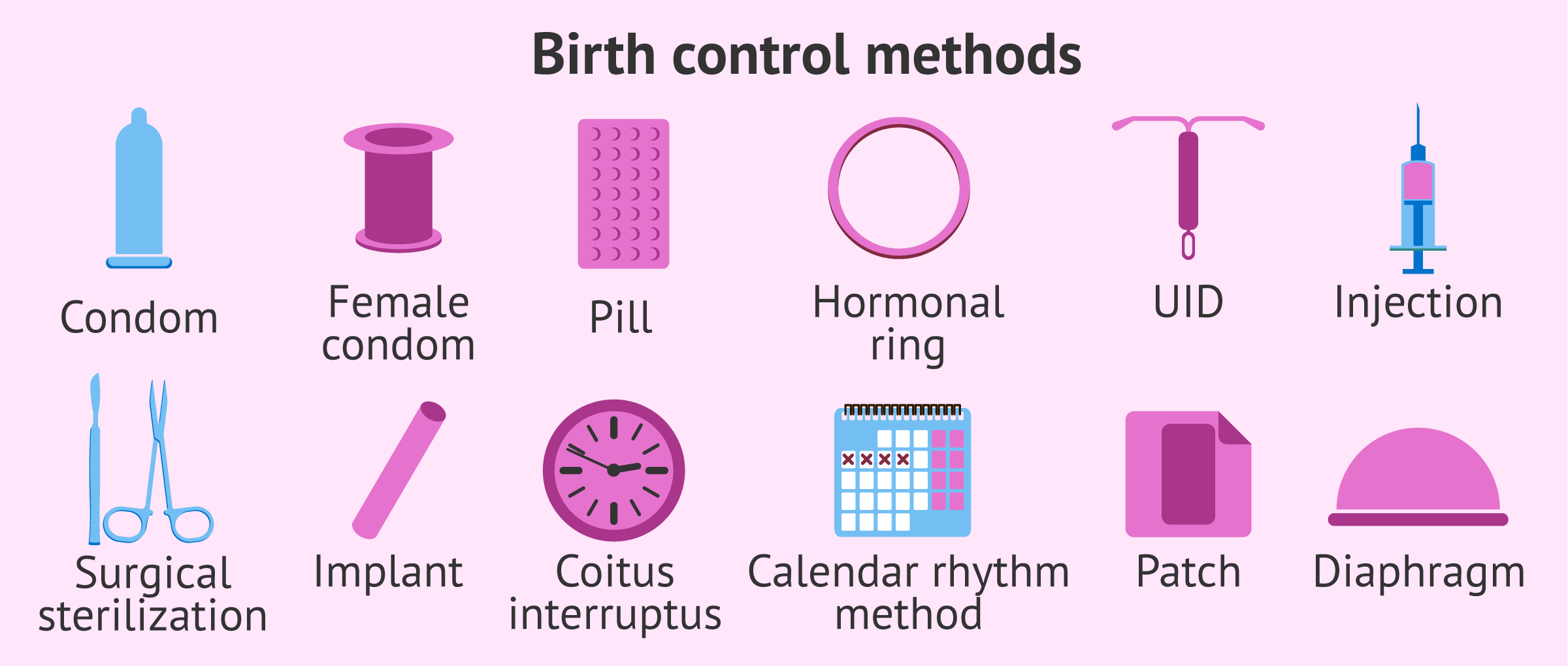
Birth control methods
Birth control, especially the implants, has failed a few women because the implant was not replaced on time.
Nevertheless, there are benefits of birth control methods here are:
1. It reduces painful periods and cramps.
2. Reduces acne by helping the hormones that cause excess oil which results in spots clothing and formation.
3. Supports family planning and informed decisions.
4. Helps couples enjoy intimacy without constant worry.
5. Provides peace of mind for those who are highly fertile.
Birth control methods are effective, but it is important to follow a doctor’s guidance. Consulting a qualified gynecologist ensures you get the method best suited to you.

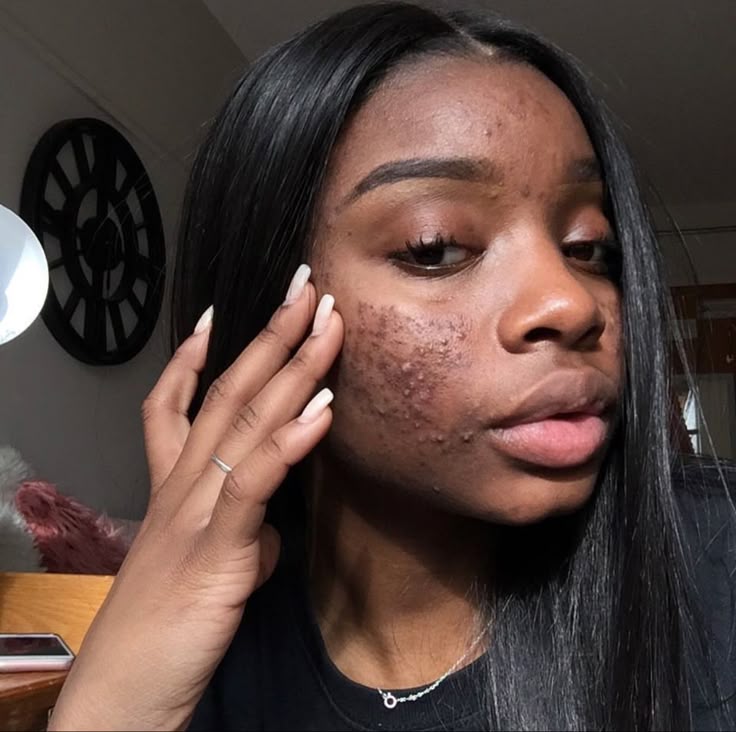
For years, women have known the condition as PCOS, short for Polycystic Ovary Syndrome. It is one of the most talked about hormonal disorders affecting women of reproductive age. But now, health experts are pushing for a new name: PMOS, which stands for Polyendocrine Metabolic Ovary Syndrome.
At first glance, it may seem like a simple rebrand. But the proposed change says a lot about how doctors now understand the condition and how women’s health is evolving.
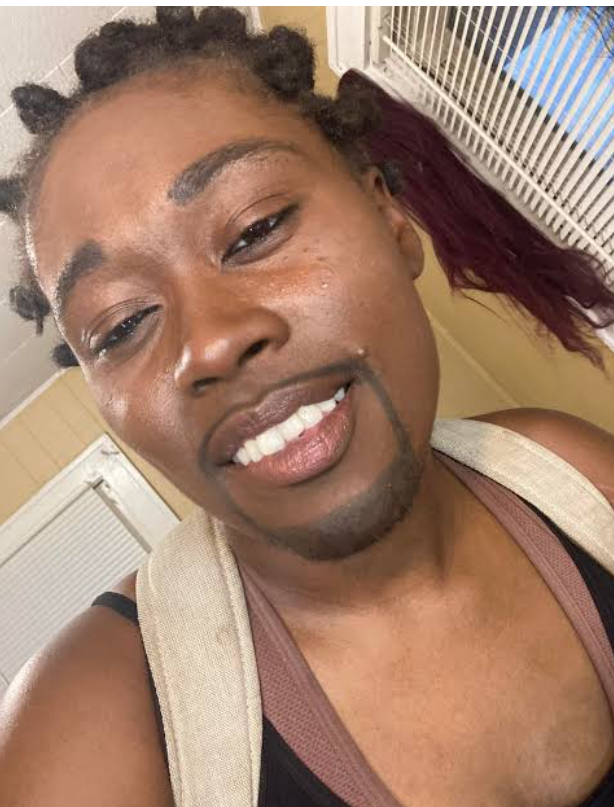
Photo: Getty images/PMOS attributed beards
The problem with the name PCOS is that it focuses heavily on ovarian cysts. In reality, not every woman with PCOS has cysts on her ovaries. Some women are diagnosed without having any visible cysts at all. On the other hand, many women with ovarian cysts do not have PCOS.
This has caused confusion for years. Health professionals argue that the old name also downplays the broader impact the condition has on the body. PCOS is not just about irregular periods or fertility struggles. It is closely linked to metabolism, insulin resistance, weight changes, inflammation, cholesterol problems, and even increased risk of type 2 diabetes and heart disease.
That is where PMOS comes in.
The proposed name, Polyendocrine Metabolic Ovary Syndrome, shifts attention to the metabolic side of the condition. Doctors want people to understand that this is not only a reproductive health issue. It affects the entire body.
For many women, that explanation may finally make their symptoms feel connected. A woman dealing with fatigue, stubborn weight gain, acne, excessive hair growth, anxiety, irregular cycles, and blood sugar issues may not realize all of these can stem from the same condi
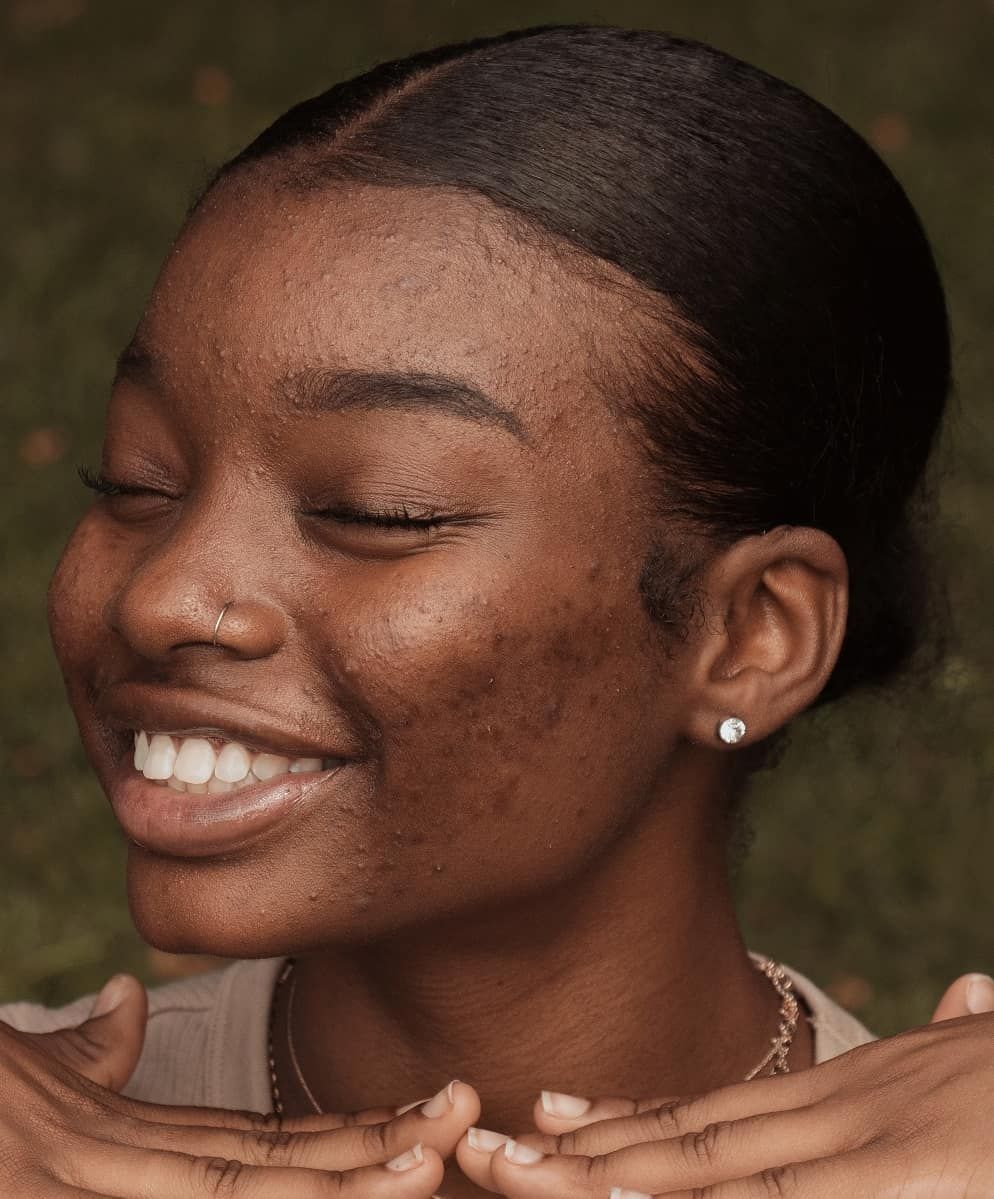
Photo: Getty images/hormonal acne
The name change also matters because language shapes healthcare. When a condition is misunderstood, patients often struggle to get proper treatment. Some women with PCOS spend years being told to “just lose weight” without receiving deeper evaluation for insulin resistance or hormonal imbalance.
By highlighting the metabolic component, PMOS could encourage more comprehensive care. That means treatment may go beyond fertility medications or birth control. Doctors may focus more on blood sugar management, nutrition, exercise, mental health support, and long term disease prevention.
Still, not everyone agrees on the new name yet. Some researchers believe changing the name could create temporary confusion, especially since PCOS is already widely recognized in medical spaces and online communities. Others argue that awareness campaigns would be needed to help patients understand the transition.
But one thing is clear. Women’s health conversations are changing. Conditions that were once reduced to reproductive symptoms are now being viewed through a wider lens.
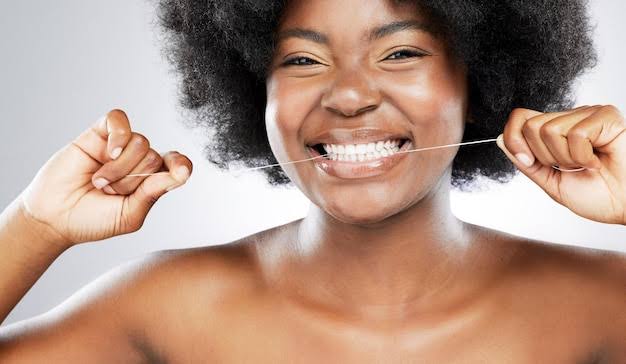
It is easy to assume that our teeth are clean after using a toothbrush, but oral hygiene goes far beyond a bright front tooth. Many people skip flossing after brushing, yet it remains a non-negotiable step in maintaining healthy teeth and gums.
The Hidden Trigger: Plaque & Tartar
Most people brush twice a day and have learnt techniques, but still have plaques and tartar. That’s because, beyond the surface of your teeth, food particles can still settle between teeth and often remain even with aggressive brushing, which may damage the gums. Plaque thrives between teeth where bristles cannot reach, leading to tartar buildup within 48 hours.
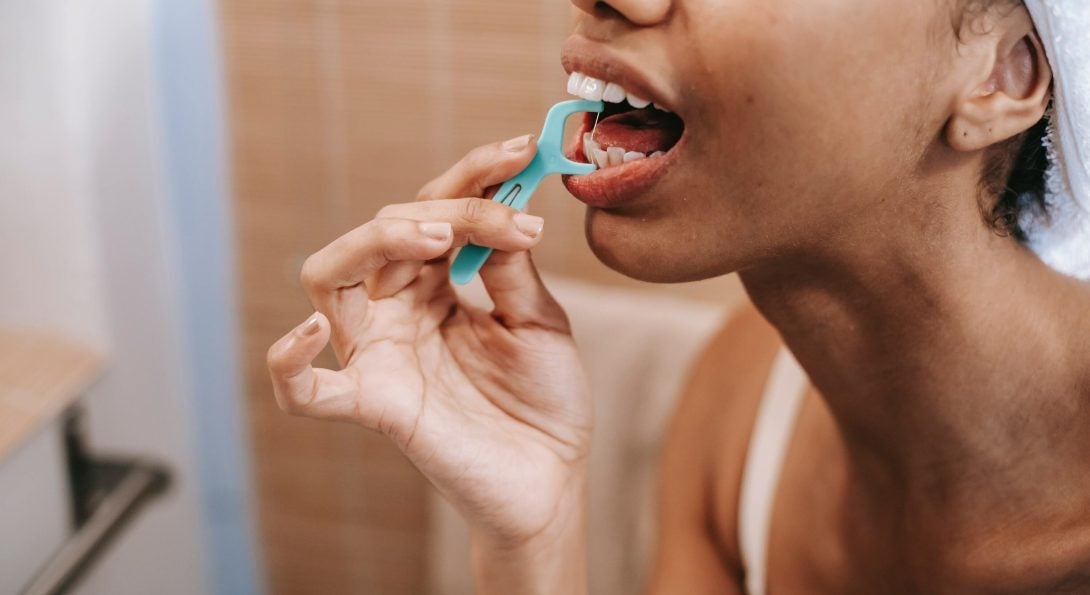
Photo – Google
Preventing Gum Disease
When tartar builds up in between your teeth, it can lead to gingivitis, irritating the gums and causing swelling. If Gingivitis is left untreated, it progresses to Periodontitis, a leading cause of tooth loss. Healthy gums should not bleed during brushing, so persistent bleeding may be an early sign of gum disease.
Prevention Against Cavities
Flossing prevents cavities that develop between teeth, which occurs when bacteria feed on the lingering food particles between your teeth. The process produces harmful oral acids, and it erodes enamel on the hidden side of the teeth. Those black buildups around your tooth root can be difficult to detect early and often require complex and expensive dental fillings.

Photo – Google
Protect your heart and bloodstream
Some people think keeping poor oral hygiene only affects the teeth, but it’s not the case. The buildup of bacteria can enter your bloodstream through bleeding gums. This process increases the risk of heart disease
Eliminate Chronic Halitosis (bad breath)
Mouthwash only cleanses and masks odour, temporarily, but flossing prevents it entirely. Halitosis is caused by bacteria in the mouth that release sulfur compounds, which make your mouth smell. Chronic bad breath can negatively affect confidence and social interactions.
Make flossing a consistent part of your daily routine and use proper techniques.
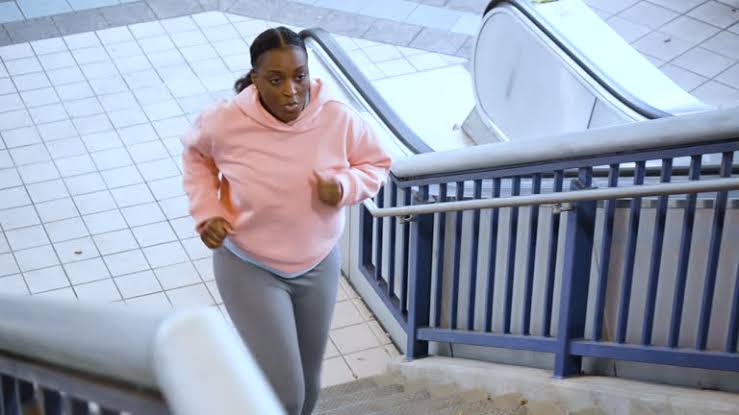
Strong bones depend on more than just calcium or supplements. Research shows that bones respond to physical stress: when muscles and weight-bearing activities challenge the skeleton, bone tissue becomes denser and stronger. To protect skeletal health over the long term, exercise should combine weight-bearing activity, resistance training, and balance work. Together, these exercises address the main risk factors for fractures: low bone density, weak muscles, and poor coordination.
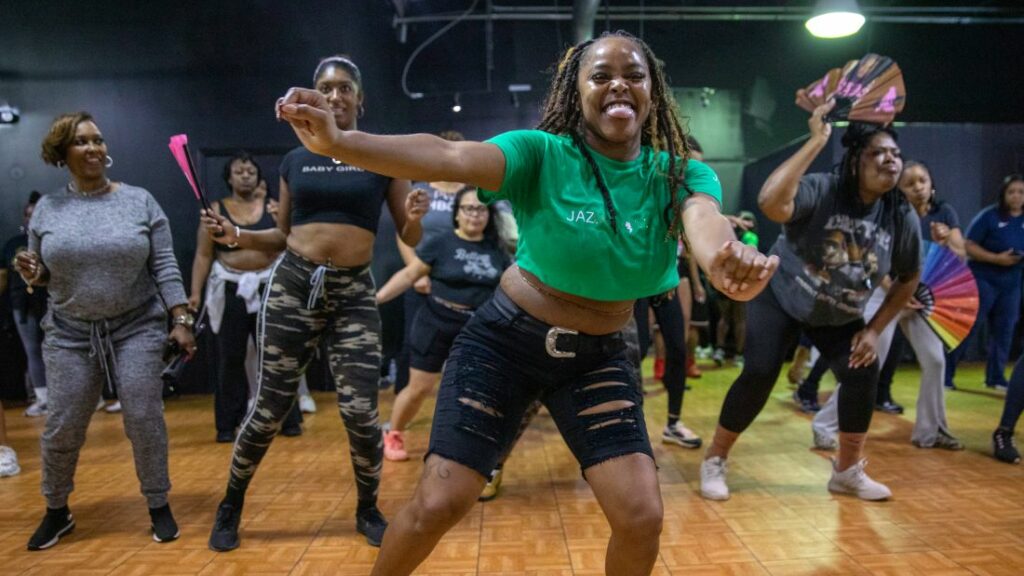
Photo Credit – Google
Weight-bearing activity doesn’t need to be extreme to be effective. Regular brisk walking around neighbourhoods or local parks strengthens hips, legs, and spine, while climbing stairs or light jogging improves lower-body density. Dance classes, including Afrobeat or traditional Nigerian dances, provide varied movement patterns that engage muscles and improve coordination. Starting with 15–20 minutes per session, three to five days a week, and gradually increasing intensity or duration can deliver measurable benefits.
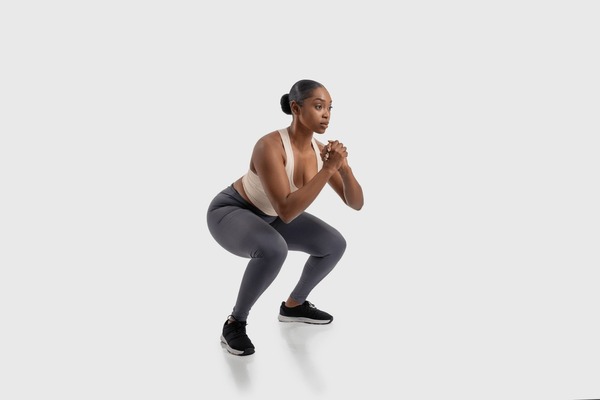
Photo Credit – Google
Resistance training plays a key role in maintaining strong bones. Gradually increasing weight or resistance helps muscles and bones adapt. Exercises such as squats and deadlifts target the hips, thighs, and spine, while lunges and step-ups build strength in the lower body and promote functional movement. Push-ups, pull-ups, and shoulder presses strengthen the upper body and spine. Two to three sessions per week covering all major muscle groups are sufficient. Free weights, resistance bands, or bodyweight exercises can all be effective depending on what equipment is available.
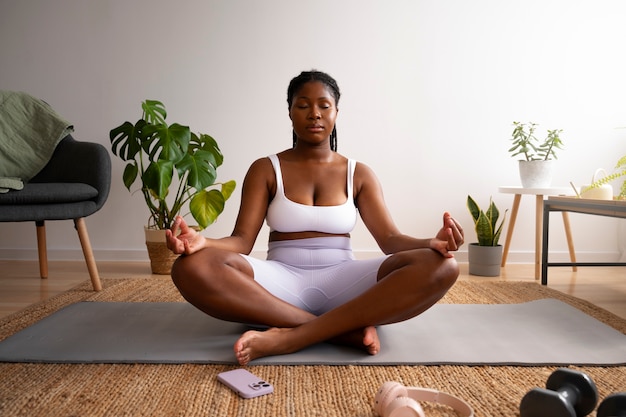
Photo Credit – Google
Balance is equally important because falls are a leading cause of fractures. Single-leg stands and heel-to-toe walking improve stability and coordination, while yoga, Tai Chi, or mobility exercises enhance control and complement other workouts. Integrating balance with strength and weight-bearing exercises provides a complete approach to bone health.
Common mistakes include relying solely on low-impact cardio such as swimming or cycling, which has little effect on bone density, and attempting high-impact exercises without preparation, which can increase injury risk. Effective routines should be planned, progressive, and performed consistently to build resilience safely.
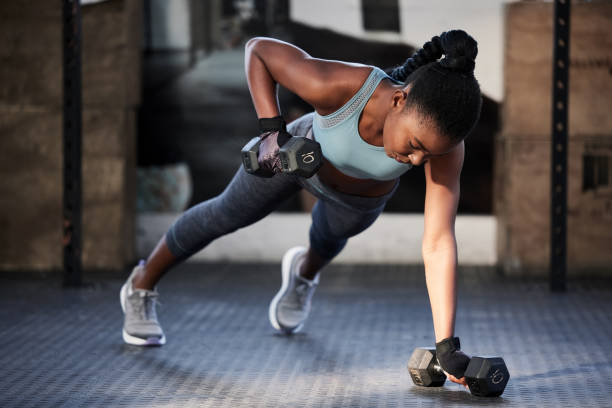
Photo Credit – Google
A sample weekly schedule could include strength-focused exercises on Monday, such as squats or step-ups, deadlifts or hip-hinge movements, and push-ups or shoulder presses. Wednesday could focus on weight-bearing activity and balance through brisk walks, single-leg and heel-to-toe drills, and light dynamic movements. Friday can target functional strength with lunges or carries using household objects, core stability exercises, and stretching or yoga. This cycle can be repeated weekly, increasing load or complexity gradually.
Strong bones require intentional, evidence-based exercise. By combining weight-bearing activity, resistance training, and balance work, Nigerians can maintain bone density, reduce fracture risk, and improve overall skeletal resilience. Starting at your current fitness level, increasing load progressively, and including balance exercises will help protect bones for the long term.


These Nigerian Bag Brands Are Raising the Bar for Made-in-Nigeria Fashion

Kola Omotoso Breaks the Menswear Rule in a Pink Suit

Tiwa Savage Reveals Why Her Private Video Was Leaked.

First Look At ‘Children of Blood and Bone’: Star-Studded Cast Brings Tomi Adeyemi’s World to Life.

“Clarissa” Brings a Nigerian Adaptation of Mrs Dalloway to Cannes Film Festival

Genevieve Nnaji Returns to Screen in BBC Drama Series “Wahala” Alongside Adelayo Adedayo & Cush Jumbo

Bovi and Nomzamo Mbatha to Host the 12th AMVCA

Chioma Ikokwu Chooses Refined Cream Tailoring for Event on Nigerian Real-Life Stories
Tiwa Savage Reveals Why Her Private Video Was Leaked.

5 Nollywood Films to Watch This Weekend.

The Dangers of Adult Skincare Products for Children and Teens.

New Music to Kickstart Your Week From Victony, Timaya, Duncan Mighty, Mr Eazi & Fave.


-

 Netflix2 months ago
“Blood Sisters” Returns to Netflix This Week: What to Expect.
-

 Music1 month ago
Mr P Returns With New Music Video for ‘I Can’t Look Away’.
-

 Celebrity Style2 months ago
Chioma Ikokwu Just Gave Us the Ultimate Lesson in French Riviera Chic
-

 Lifestyle2 months ago
5 Spots in Lagos to Reset for the Weekend.
-

 Music1 month ago
Ayra Starr’s “Tornado” Video Enters an Unbelievable New World.
-

 Lifestyle1 month ago
The Nigerian It Girls of YouTube.
-

 Celeb Babies1 month ago
Veekee James and Husband Femi Atere Share Cute Photos of Their Daughter Eliana.
-

 Models1 month ago
Tamunosoye Karibi George Wins Miss World Nigeria 2026
-

 Fashion2 months ago
Oleku Is Back and Better, But with a Fresh Twist
-

 Celebrity Style1 month ago
Dede Ashiogwu Puts Y2K Nostalgia Back on the Radar