
Health
The Hidden Health Risk of Energy Drinks

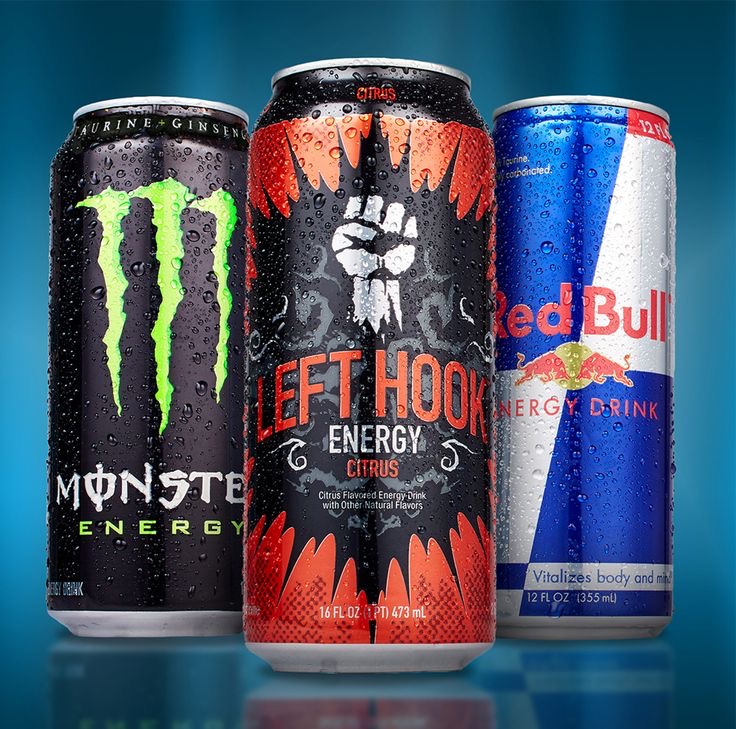
Energy drinks are now the new soft drink, aside from the facts that it’s used to help you stay awake through a study night session, active for your daily activities, gives instant energy. Some people now consume it because of how it makes them feel or the sweetness like it’s a regular beverage not knowing the dangers that comes with consuming it often.
What is Really Inside That Can?
Energy drinks are often packed with caffeine — and not just a regular amount, a single can contains more caffeine than two cups of coffee. It’s also mixed with sugar, guarana, taurine, and other “boosting” ingredients. The mix might make you feel energized for a while, but what comes after isn’t always so fun.
The Health Side Effects
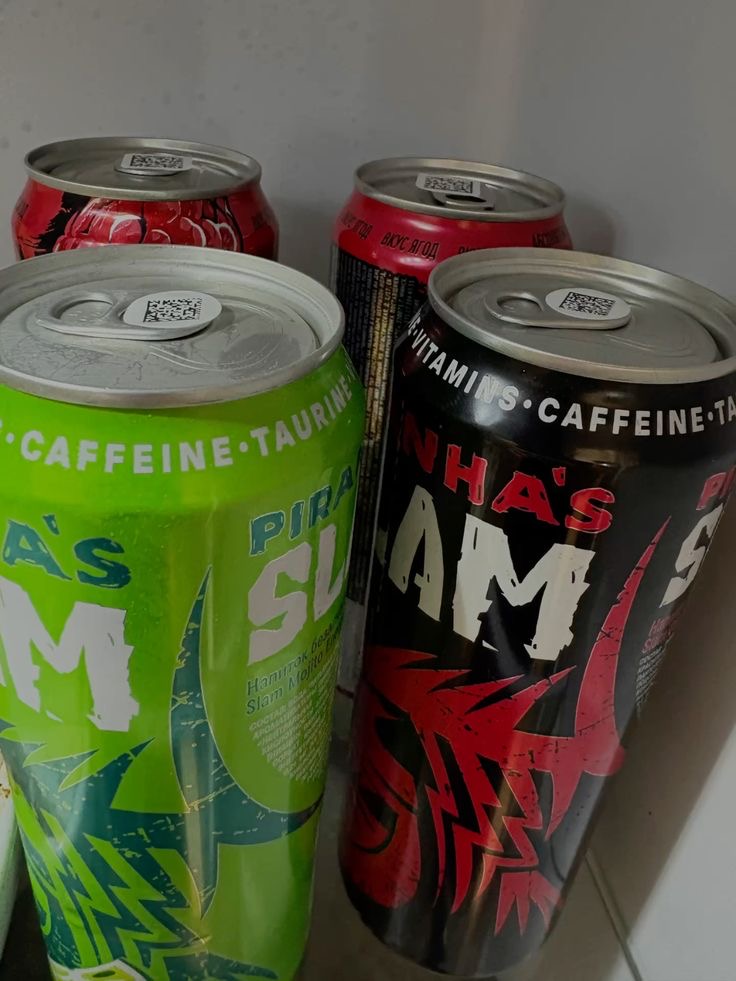
They can increase your heart rate and blood pressure, leading to heart related complications especially if you drink them often. Some people even report feeling jittery, anxious, or dizzy after just one can. Worst part is that it not only affects your heart, your kidneys are also at risk. The high amount of sodium and caffeine can lead to formation of kidney stones.
It can also disrupt your sleep pattern. You might think you’re just staying awake for now, but those drinks can cause insomnia, making it harder to fall asleep later — and that leads to more fatigue in the long run.
Also, the amount of sugar. Many energy drinks are loaded with it. Too much sugar increases the risk of Type 2 diabetes, weight gain, insulin resistance, and breakouts — not to talk of that mid-day crash when the sugar high fades.
Who is at higher risk?
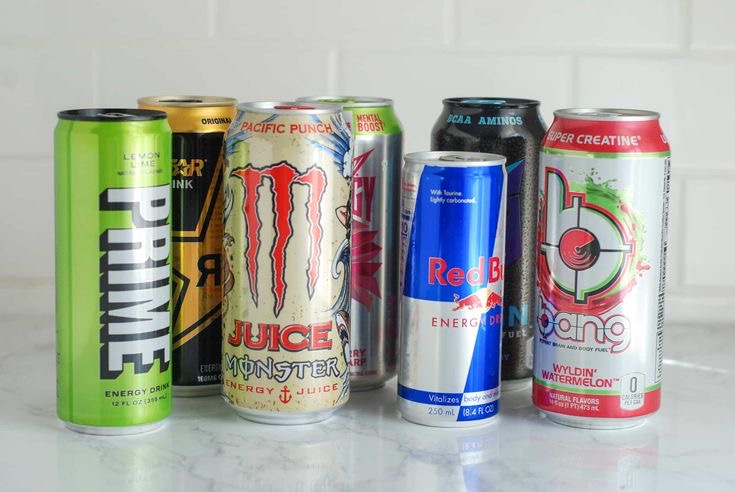
If you have high blood pressure, heart related problems, anxiety, or trouble sleeping, energy drinks are definitely not your friend. Teens, especially students who often make use of energy drinks to keep them awake for studying and young adults, are more at risk because their bodies respond faster to stimulants — and that can be dangerous if taken in large amounts or mixed with alcohol.
Are There Safer Alternatives?
There are a few habits that can help you stay alert and active throughout the day;
• Drink more water. Dehydration is often mistaken for tiredness.
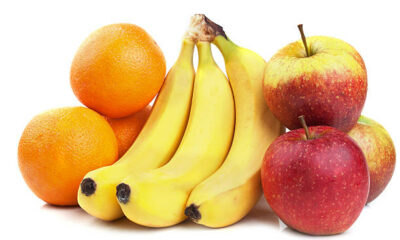
• Snack on fruits like bananas or apples. Natural sugars provide good energy.
• Get quality sleep
• Try smoothies with oats, nuts, or dates.
• Engage in daily exercise
• Stay away from junks and incorporate veggies into your diet. The body needs a healthy diet to function well
Final Thoughts
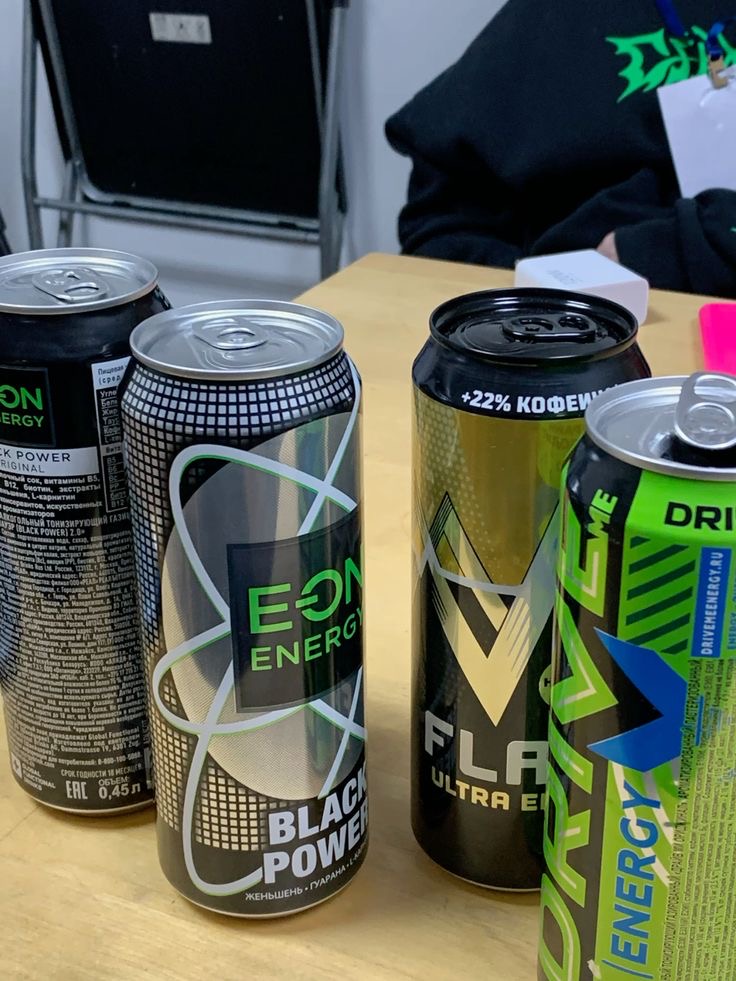
Energy drinks might seem like a quick fix, but over time, the risks often outweigh the benefits. Think about the aftermath of your decision, it’s not worth that little extra energy you get from it. Your body doesn’t need a temporary surge of energy — it needs real fuel. So next time you feel drained, pause and think: “What does my body actually need?” You might just be tired, dehydrated, or in need of rest — not another can of buzz.
So, are you team energy drink? Let us know your take below.











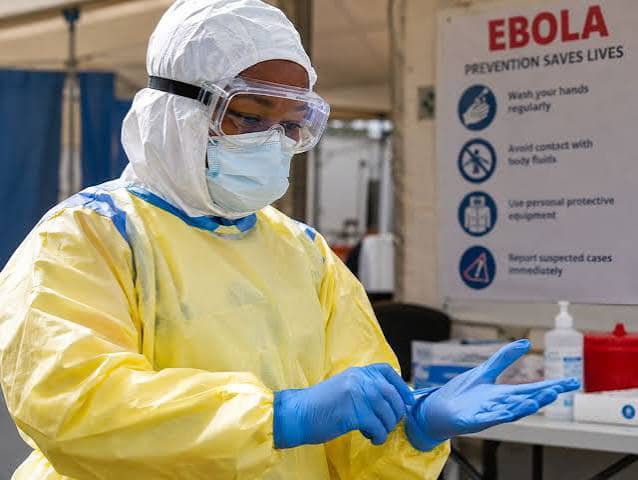
Nigeria confirmed an imported case of Ebola Bundibugyo virus disease in Abuja, prompting health authorities to intensify surveillance and contact tracing. The Federal Ministry of Health and Social Welfare announced that laboratory tests had confirmed the Bundibugyo virus in a woman who had recently travelled from Uganda.
According to the World Health Organization (WHO), the patient developed symptoms on October 7 and sought medical attention at a private health facility in Abuja on October 11. By October 20, health authorities had identified 44 contacts for monitoring as investigations continued. As of October 22, Nigeria’s health minister said there was no evidence of wider community transmission.
Knowing how the virus spreads and how to avoid exposure can help protect you and those around you.
Wash Your Hands Regularly
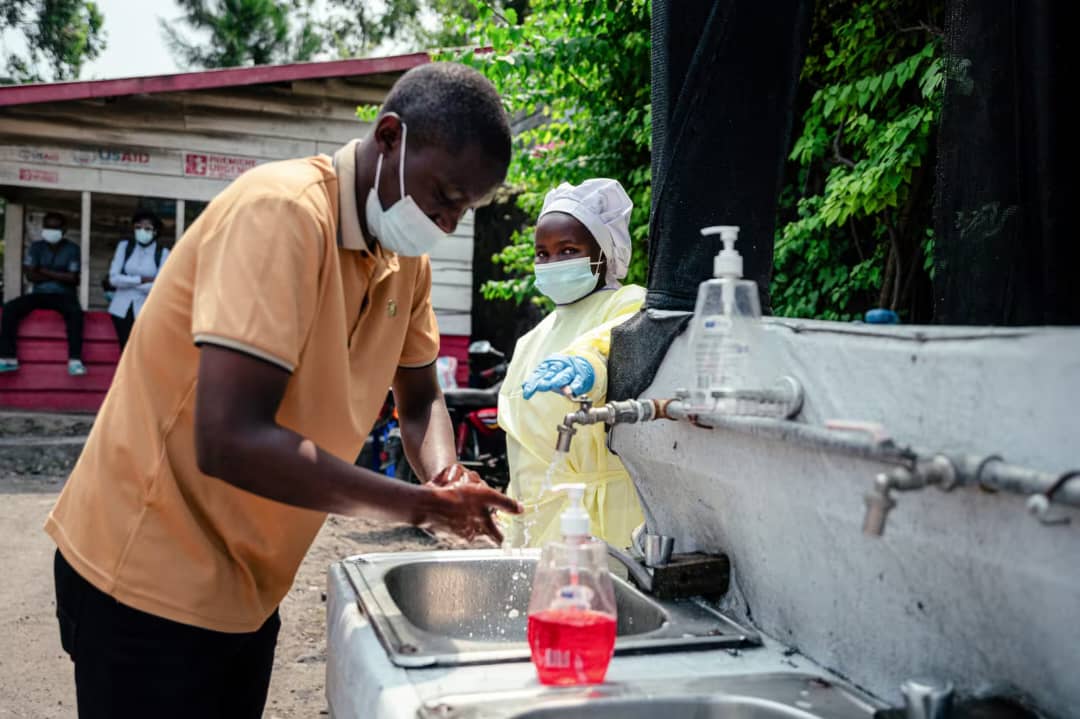
Photo: Getty Images
Wash your hands with soap and running water before eating or preparing food, after using the toilet, and after caring for someone who is ill. This helps remove germs picked up from contaminated surfaces or materials.
If soap and water are unavailable, use an alcohol-based hand sanitiser. Avoid touching your eyes, nose or mouth with unwashed hands, particularly after handling potentially contaminated items.
Avoid Handling Sick or Dead Wild Animals
Certain wild animals, including some bats and non-human primates, can carry Ebola viruses. Contact with infected animals or their body fluids can expose people to the virus.
Do not handle wild animals found sick or dead, especially when the cause of death is unknown. Avoid eating raw meat from wild animals, and ensure that meat is handled and cooked properly.
If you find an animal suspected of carrying an infection, contact the appropriate local authorities rather than attempting to move or dispose of it yourself.
Do Not Share Items That May Be Contaminated
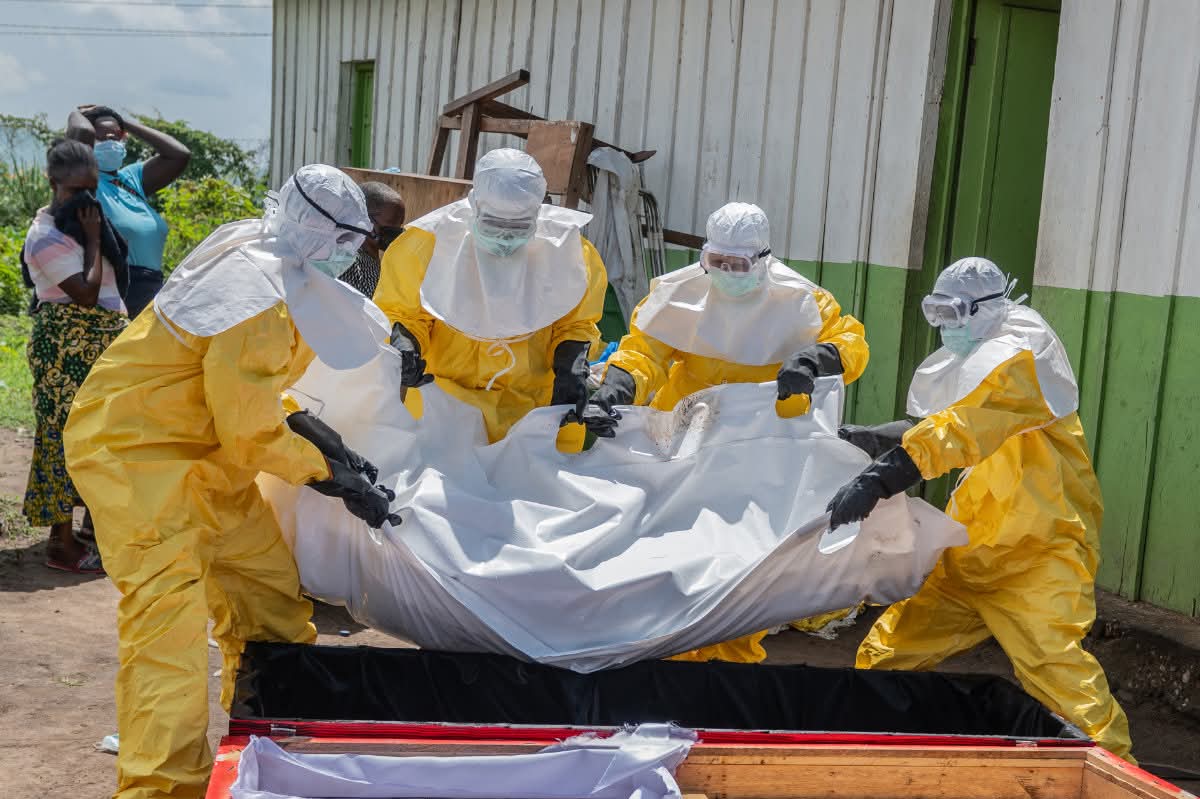
Photo: Getty Images
Clothing, towels and bedding can spread Ebola if contaminated with an infected person’s body fluids. Avoid sharing these items with someone suspected or confirmed to have the disease.
Do not handle or clean potentially contaminated materials without proper guidance. Healthcare workers and designated response teams should follow appropriate safety procedures when cleaning affected areas and disposing of waste.
Recognise the Symptoms and Report Possible Exposure
Ebola symptoms can appear between two and 21 days after exposure. Early signs include fever, severe headache, muscle pain, weakness and fatigue. Other symptoms may include vomiting, diarrhoea and abdominal pain. Some patients also experience unexplained bleeding.
These symptoms can resemble those of other illnesses, including malaria, which is common in Nigeria. Having a fever does not automatically mean you have Ebola, but possible exposure should not be ignored.
Avoid Contact With the Body Fluids of Infected People
Photo: Getty Images
Ebola spreads mainly through direct contact with the blood or other body fluids of an infected person who has developed symptoms. These include vomit, diarrhoea, urine and saliva. Clothing, bedding and medical equipment contaminated with these fluids can also transmit the virus.
Do not touch these materials if they may be contaminated. If you suspect someone has Ebola, avoid providing hands-on care without appropriate training and protective equipment. Contact healthcare professionals or public health authorities for guidance on how to help safely.
Anyone who may have been exposed should follow the instructions of health officials and avoid handling potentially infectious materials.
Contact Health Professionals if You Suspect Exposure
If you believe you have been exposed to Ebola, contact a healthcare provider or public health authority promptly, even if you feel well. Do not wait for symptoms to appear before reporting a known exposure.
Where possible, call ahead before visiting a healthcare facility and explain your concerns. This allows medical personnel to prepare and take steps to protect other patients and healthcare workers.
Follow Contact-Tracing and Monitoring Instructions
Health authorities may monitor people who have been in contact with a confirmed Ebola patient. Monitoring can continue for 21 days after the last possible exposure because symptoms may take that long to appear.
If public health officials contact you about a possible exposure, provide accurate information and follow their instructions. Report any symptoms immediately and attend medical assessments arranged by the response team.
Being identified as a contact does not mean you have Ebola. Contact tracing helps health authorities identify possible infections early and prevent further transmission.
Stay Informed and Act Promptly
Follow updates from the Federal Ministry of Health and Social Welfare, the Nigeria Centre for Disease Control and Prevention, and the World Health Organization rather than relying on unverified claims.
You get home late, hungry enough to eat a full plate. Maybe you have spent the whole of the day moving from place to place, or traffic held you up longer than usual. Either way, you walk in, spot the leftover jollof in the kitchen, and before long you’re eating.
For many Nigerians, a late-night meal could mean rice and chicken, pepper soup, suya or a well-served swallow. Trouble tends to show up when a heavy meal is followed almost immediately by sleep. Eating late once in a while won’t hurt most people, but large portions, spicy dishes and greasy foods can leave you too full, bring on heartburn or worsen acid reflux once you lie down. If this happens to you often, try finishing a substantial meal about three hours before bed.
Pounded Yam and Other Heavy Swallows
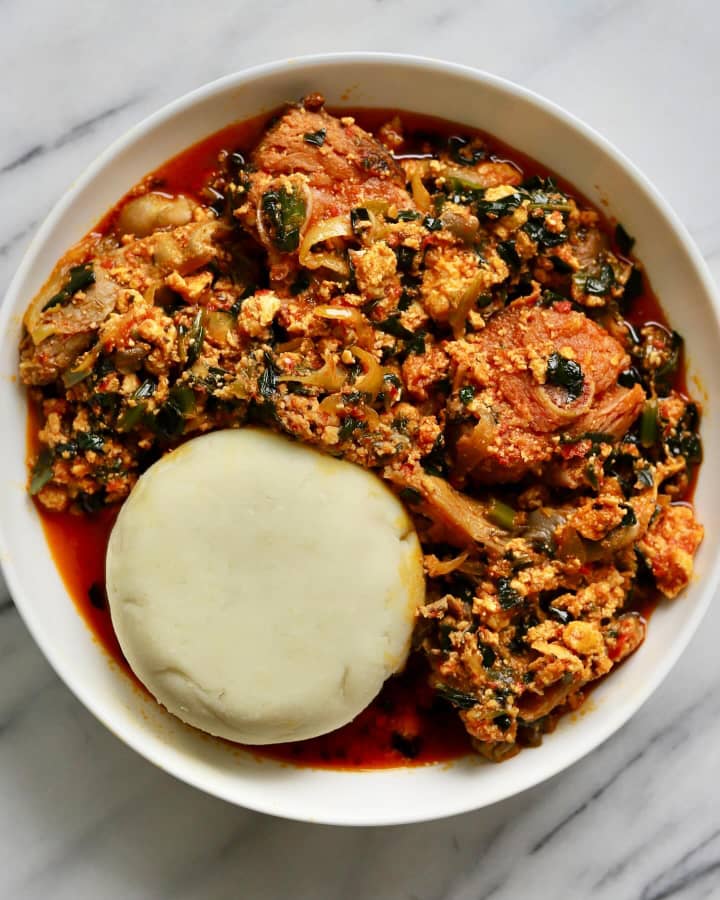
Photo: Instagram/@travelandmunchies
Pounded yam, eba and fufu are regular features at most Nigerian dinner table, and paired with egusi, ogbono or a rich vegetable soup, they make for a meal that keeps you full for hours.
That’s fine earlier in the day, when you still have hours ahead of you. But during the night, a large serving can leave your stomach still working overtime. A sizeable portion, oily soup and plenty of meat only add to that load, and going straight from the dining table to bed can raise the odds of discomfort or reflux, especially if you already deal with it.
Jollof Rice With Fried Meat
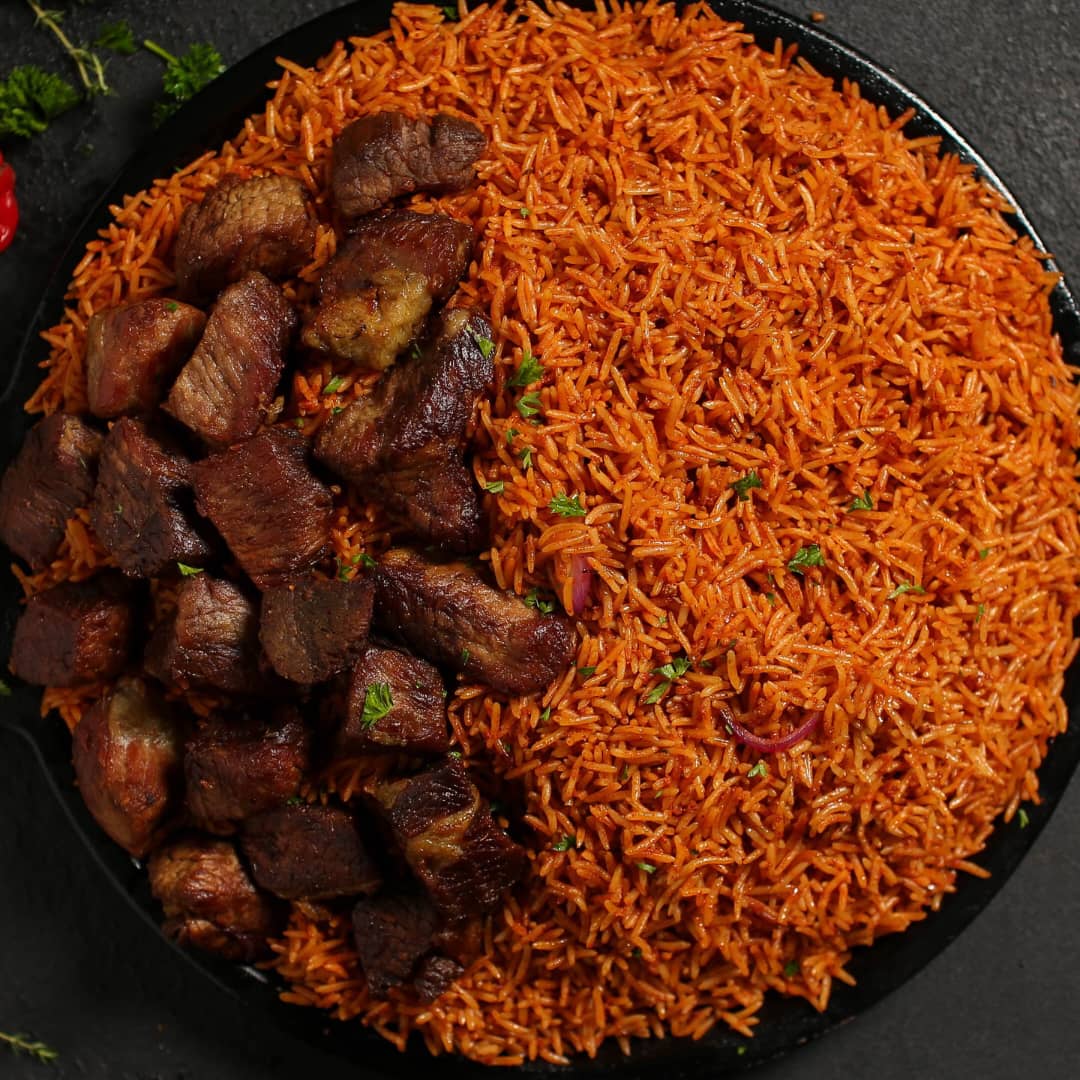
Photo: Instagram/@kikifoodies
Jollof rice holds a notable spot in Nigerian food culture, and for good reason. It becomes an issue when a late-night plate turns into a mountain of rice, fried chicken, beef and a few extra sides for good measure.
Fried meat and other oily additions push up the fat content of the meal, and high-fat foods tend to slow digestion and trigger heartburn in some people. Eating a heavy plate and lying straight down afterwards only makes it worse. If you get home late and yesterday’s jollof is all that’s in the fridge, go ahead and eat it, nobody’s saying otherwise. Just dish out a smaller portion and give yourself time before bed, rather than piling your plate minutes before you sleep.
Suya
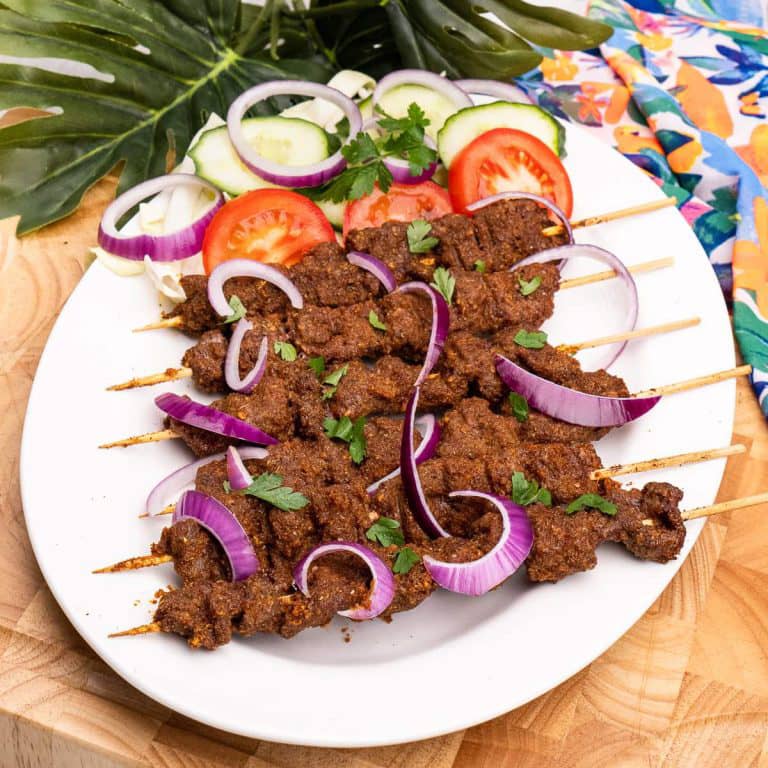
Photo: adukecuisine.com
Few things are more tempting on a Nigerian evening than the smell of freshly grilled suya. You stop by the roadside, order a portion, and within minutes the meat is gone.
At bedtime, though, suya’s mix of fatty meat, seasoning and plenty of pepper can work against you. For anyone sensitive to spicy food, that familiar peppery kick can turn into heartburn or indigestion later in the night. Timing matters here too: suya at 11 pm followed by bed hits differently than suya eaten earlier in the evening. If pepper tends to unsettle your stomach at night, have your suya earlier and go easy on the extra pepper.
Pepper Soup
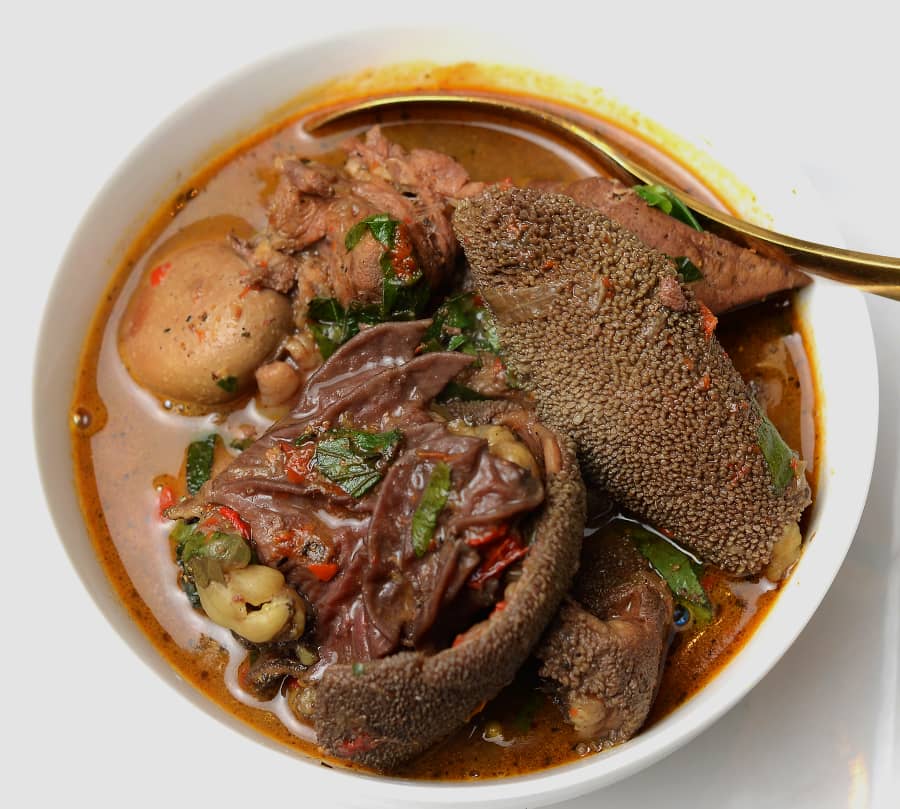
Photo: africanchopbetter.com
Pepper soup sounds like the lighter option depending on how it’s made, but Nigerian pepper soup can also pack serious heat.
If you’re prone to heartburn or acid reflux, a very spicy bowl shortly before bed isn’t the wisest choice, lying down tends to make the discomfort worse. There’s also a real gap between a mild bowl of fish pepper soup and one loaded with pepper, spices and oil, so how yours is usually prepared matters.
Akara and Other Deep Fried Snacks
Photo: kikifoodies.com
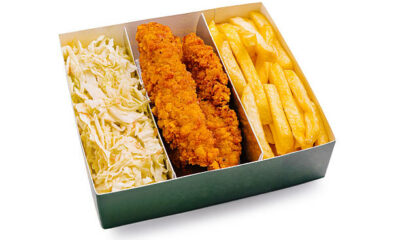
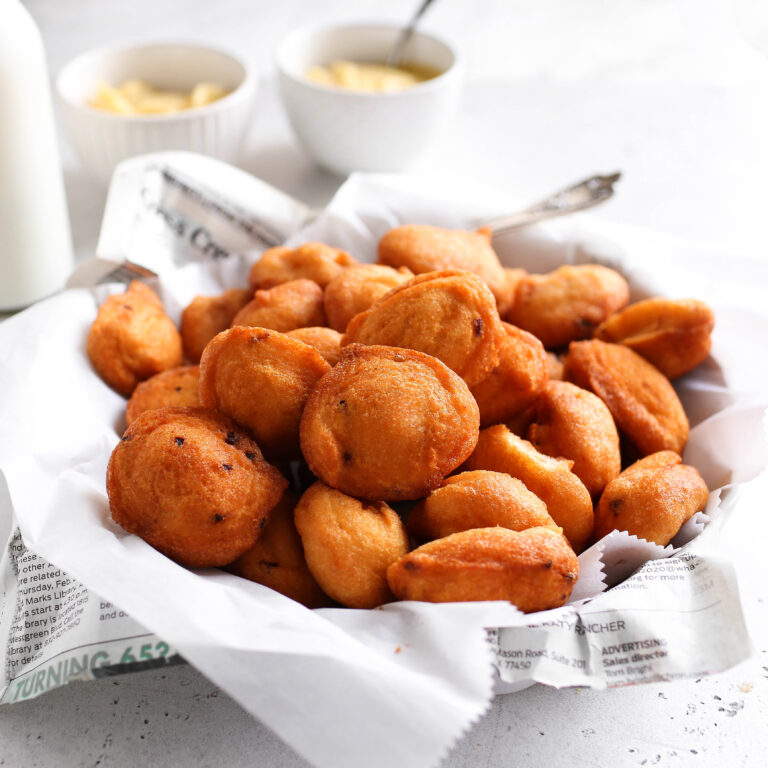
Akara and puff puff are easy to reach for when you’re hungry but don’t want to cook a proper meal, and pair either one with bread and you’ve got a quick, low effort dinner.
Deep fried foods are high in fat and a large amount close to bedtime tends to leave you feeling heavy and uncomfortable. They can also trigger heartburn in some people. A few pieces with bread late at night can add up to a much heavier meal than it looks.
What Can You Eat If You Are Hungry at Night?

Photo: kitchenreadybetty.com
Nobody wants to lie in bed listening to their stomach growl. If you’re genuinely hungry, a small snack is usually easier on your system than a full plate.
A piece of fruit, plain yoghurt, a little oatmeal or a small handful of nuts make good lighter options, enough to take the edge off your hunger without turning midnight into a second dinner. And if heartburn or reflux is something you deal with regularly, pay attention to what tends to set it off, not everyone reacts to the same foods.
Still, that’s no reason to give up pounded yam, jollof, suya, pepper soup or akara. They’re everyday foods, not forbidden ones. What actually makes the difference at night is portion size, how the food was prepared and how close to bedtime you eat it. Sometimes the simplest fix is just eating earlier. If dinner is going to be heavy, give your body enough time to digest before you go to bed.
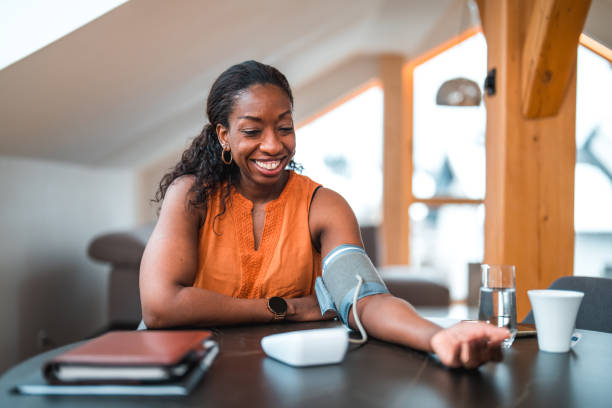
For many young adults, blood pressure is probably not something that crosses their minds between work, school, social plans and trying to keep up with everyday life. It is often seen as a health concern for parents or grandparents. Yet, hypertension is showing up in young adults to, sometimes during a routine medical check they had no particular reason to worry about.
A 2025 study, using data collected in 2021, young adults aged 18 to 40 in Abia, Oyo and Kano states found that 18.2% of the participants had hypertension. The study also looked at awareness and healthcare-seeking habits.
Another Nigerian study published in the Nigerian Medical Journal in 2024 found hypertension in 19.93% of 279 medical students aged 18 to 35 at the University of Nigeria, Enugu. Almost half of the participants also had prehypertension, showing that blood pressure problems can appear well before middle age.

Photo: Pinterest
Several factors can increase the risk of high blood pressure in young adults. Meals loaded with salt, frequent consumption of processed foods, spending long hours sitting down and not getting enough physical activity can all raise the risk. Being overweight, smoking and drinking too much alcohol are also linked to hypertension. Stress and poor sleep can add to the problem, particularly when they become a regular part of life rather than occasional experiences.
Still, it would be unfair to blame everything on lifestyle. Genetics can play a role, while conditions such as diabetes and kidney disease may also increase someone’s chances of developing the problem.
Perhaps the tricky part is that there may be nothing obvious to notice. A young person can feel fine, go about their normal routine and have no idea that their blood pressure is higher than it should be. That makes regular checks important, especially for people with a family history of hypertension or other risk factors.

Photo: Dreamstime.com
Ignoring it, however, can have consequences later. Persistently high blood pressure can put extra strain on the heart and blood vessels and increase the risk of serious problems such as heart disease, stroke and kidney disease.
The encouraging part is that some of the risk can be reduced. Eating more balanced meals, cutting back on excess salt, staying active, avoiding tobacco, limiting alcohol and getting enough sleep are useful steps. Anyone who has already been diagnosed should also follow the advice of a healthcare professional rather than trying to manage the condition alone.
High blood pressure may not fit the picture many people have of a young person’s health problem, but age does not make someone immune. Sometimes, a simple blood pressure check can reveal something that the body has been quietly hiding.


What to Expect From Lagos Fashion Week 2026

Nail Colours for Dark Skin: What to Wear and What to Skip

Francis Duru Dies at 57

Broda Shaggi Reveals He Was Hit by a Stray Bullet

Laura Ikeji Proves Polka Dots Are Back and Better Than Ever

5 Nollywood Films to Stream on YouTube

What Exactly Are Ayra Starr and ZAYN Singing About on “Heaven Baby”?

These Nigerian Bag Brands Are Raising the Bar for Made-in-Nigeria Fashion
Broda Shaggi Reveals He Was Hit by a Stray Bullet

New Nigerian Movies to Watch on Netflix

Ayra Starr Performs ‘Rush’ and ‘Heaven Baby’ at NFL Halftime Show in London | Watch Video

Ayra Starr and ZAYN Finally Share the Screen in “Heaven Baby” Video


-

 Celebrity Style2 weeks ago
Nancy Isime Gives Aṣọ Òkè a Cool, Corporate Look
-

 Big Brother Naija2 months ago
Gerard Evicted from Big Brother Naija
-

 Music1 month ago
Rema Tackles Mixed Signals and Desire on New Single “Oh No”
-

 High Tech2 months ago
Samsung, Duolingo Throw Shade at Apple Over iPhone Duo Reveal
-

 Fragrance2 months ago
Nigerian Fragrance Brands Winning Right Now — and You Need to Try
-

 Lifestyle1 month ago
5 Beaches in Lagos for Your Next Staycation
-

 Celebrity Bios1 month ago
Tems’ Journey From Lagos to Global Stardom
-

 Models2 months ago
Tamunosoye Karibi-George Secures Top 12 Finish at Miss World 2026
-

 The Best Dressed Celebrities This Week1 month ago
The Best Dressed Stars Of The Week
-

 Big Brother Naija1 month ago
Keivo Emerges as Week 9 Head of House, Barry Grants All Housemates Immunity