
Health
5 Ways to Improve Mental Health.


More often than not, our mental health is an aspect of our lives that is overlooked. We tend to pay attention to other parts and aspects of our lives, take optimum care of them and ensure that nothing goes wrong. However, we often draw the line at mental health.
We originate from conservative societies where we are taught not to pay attention to our mental health nor seek help. This is not to be seen as weak. This makes us unable to do things that helps us keep a healthy mental health. However, people are beginning to pay attention to their health and are doing things that would help them keep healthy, mentally.
Do you feel overwhelmed or in need of tips to help you improve your mental health? Here are a few things you can do to improve your mental health.
Exercise Regularly.
Research has shown, times without number, that physical exercise has a way of relaxing the mind. It also boosts your mood, reduces your stress and enhances cognitive function. So, step out of your room and jog that distance, register at that gym and take those squats. You will realize that after doing these, your health mentally will take a better shape. You will also feel better than before.

Engage in Hobbies.
Doing things that make you happy has a way of helping you to maintain a healthy mental state. Note that, The more you engage in things that keep you excited and happy, the more dopamine secretion is increased and the happier you are. Getting involved with things that help you channel your passion and release your inner creativity helps to improve your mental health and be happier.

Practice Gratitude.
The more one focuses on the negativities of life, the sadder that person becomes. However, if you can pay lesser attention to the negatives and more attention to the positives, you will be happier. Be grateful for each day at a time and all that comes with it.
Instead of ending your day with complaints and annoyance, end your day with gratitude and be happy about the things that went well. That way you can get the mental improvement that you yearn for.
Practice Self-care.
Taking care of yourself and doing things that pamper your self goes a long way in improving your mental health. Engage in activities that bring you relaxation and joy. Go on that spa date, travel on that vacation, spend some time with those friends of yours, and read that book. Just do those things that make you happy and gives you peace and your mental health is on its way to improvement.
Read Also: Mental Health Versus Sleep; The Benefits Of Sleep On Your Mental Health.
Build Strong Relationships.
Research has proved many times that being around people that you love and are comfortable around helps to reduce stress levels. Nurturing relationships with family, friends, romantic partners and people in the community helps you be better. Moreover, you should have people to confide in and be free around. Reduced stress levels helps to improve your mental health and keep you happy. Make those friends and have fun with them. You will be doing your mental health a great deal of good.
Bonus tip.
Setting Healthy Boundaries.
You might also want to set healthy boundaries that would help you keep at bay, anything that would affect your mental health negatively. Boundaries with friendships, relationships, work and life in general would help you to manage and handle your life effectively and avoid any negative triggers on your mental health.
Do not ever forget to prioritize your mental health and do things that would help you keep a healthy, mentally. You do not want to be a physically well but mentally unhealthy person, do you? I will be looking forward to your feedback on the result of using these tips. You are welcome.













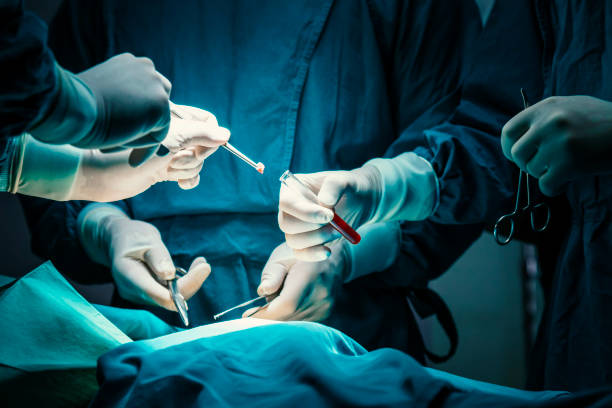
Detecting cancer often involves medical examinations, imaging tests and laboratory analysis of tissue samples. In cancer care, liquid biopsy is already used to examine genetic changes in tumours, guide treatment decisions and monitor patients’ responses to medication. Researchers are now exploring another possible application: using blood tests to identify signs of cancer, potentially before symptoms develop.
Unlike conventional biopsies, which involve collecting tissue directly from a suspected tumour, liquid biopsy uses blood or other body fluids to search for biological clues linked to cancer. One emerging application is multi-cancer early detection (MCED) testing, which uses a single blood sample to look for signals associated with several types of cancer.
Understanding Liquid Biopsy
Cancer cells can release different materials into the bloodstream as they grow. These include circulating tumour DNA (ctDNA), which consists of small fragments of genetic material shed by tumours, and circulating tumour cells that have entered the blood.
By analysing these materials, laboratories can identify genetic changes associated with certain cancers. Liquid biopsy can provide additional information about a tumour, particularly when monitoring changes in the disease or assessing its response to treatment. However, it does not replace traditional tissue biopsies. Doctors may still need to collect tissue samples to obtain details about a tumour that blood tests cannot reveal.
How Blood Tests Identify Cancer-Related Signals
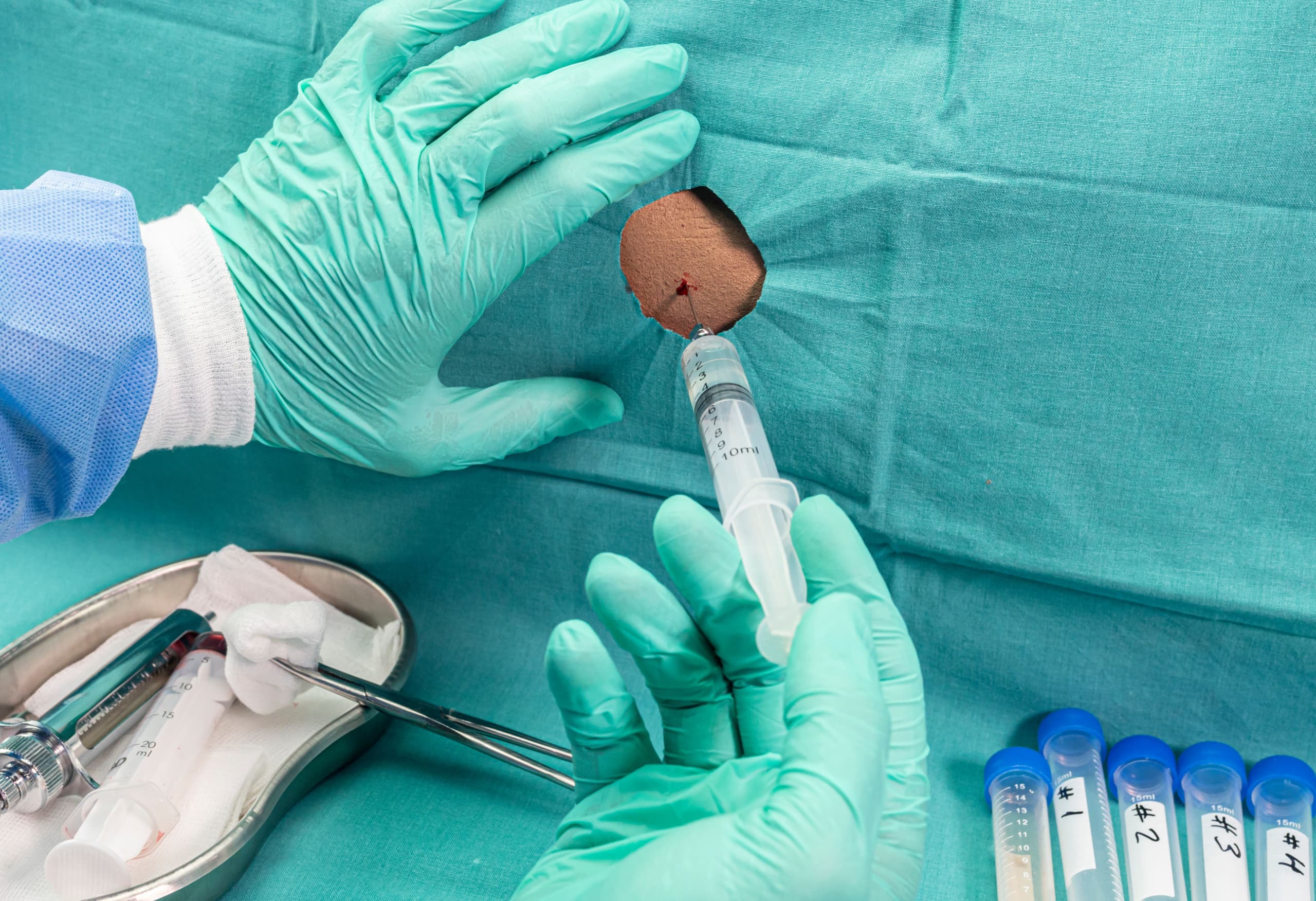
Photo: Getty Images
Laboratory specialists examine blood samples for unusual genetic patterns and other biological markers associated with cancer. The presence of these signals can provide clues that further medical investigation may be necessary.
One area attracting attention is multi-cancer early detection (MCED) testing. These tests are being developed to search for signals associated with several cancer types rather than focusing on just one. Some can also provide an indication of where in the body a cancer may have originated.
However, detecting a suspicious signal does not automatically mean someone has cancer. Further examinations are necessary to determine what caused the result and whether the disease is actually present.
The Possibility of Detecting Cancer Before Symptoms Appear
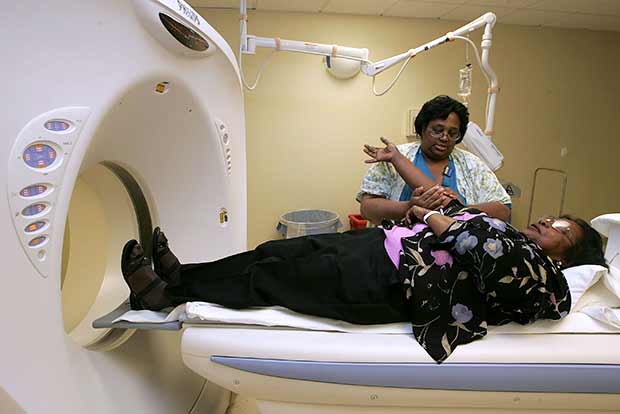
Photo: Getty Images
Some cancers may develop without causing noticeable symptoms in their early stages. This can make diagnosis difficult, particularly when people have no obvious reason to seek medical attention. Researchers hope blood-based screening could eventually help identify certain cancers before they become more advanced.
However, the ability to detect a possible cancer signal does not necessarily mean a test can prevent deaths or improve survival.
Potential Benefits of Liquid Biopsy
One of the main advantages of liquid biopsy is that collecting blood is relatively straightforward compared with obtaining tissue directly from a tumour. This can be particularly useful when a tumour is difficult to reach or when collecting a tissue sample would be challenging. The less invasive nature of the procedure also makes repeated sample collection easier when doctors need additional information about a patient’s condition.
The Limitations of Blood-Based Cancer Testing
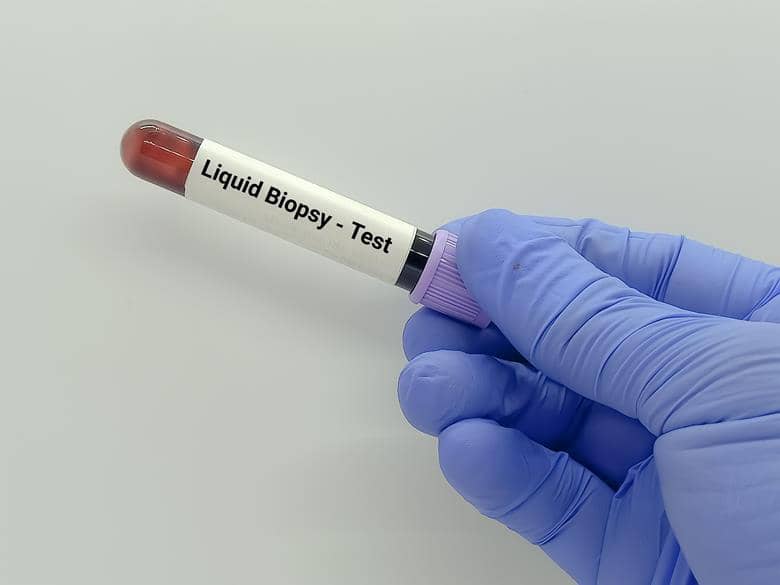
Photo: Getty Images
Despite its potential, liquid biopsy is not always accurate. A false-positive result may suggest that cancer is present when further examinations find no evidence of the disease. A false-negative result, on the other hand, occurs when a test fails to identify cancer-related signals in someone who actually has cancer.
Such results can lead to uncertainty and additional medical investigations. Depending on the findings, doctors may recommend imaging scans, tissue biopsies or other tests before making a diagnosis. The National Cancer Institute notes that researchers are still evaluating the accuracy, benefits and possible risks of multi-cancer detection tests.
Liquid biopsy is opening another area of cancer research, but its role in routine early screening is not yet established. For now, recommended cancer screenings and medical investigations remain important tools for detecting the disease.
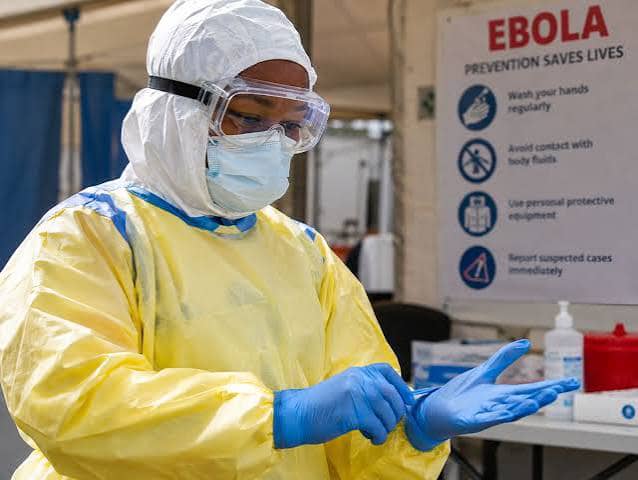
Nigeria confirmed an imported case of Ebola Bundibugyo virus disease in Abuja, prompting health authorities to intensify surveillance and contact tracing. The Federal Ministry of Health and Social Welfare announced that laboratory tests had confirmed the Bundibugyo virus in a woman who had recently travelled from Uganda.
According to the World Health Organization (WHO), the patient developed symptoms on October 7 and sought medical attention at a private health facility in Abuja on October 11. By October 20, health authorities had identified 44 contacts for monitoring as investigations continued. As of October 22, Nigeria’s health minister said there was no evidence of wider community transmission.
Knowing how the virus spreads and how to avoid exposure can help protect you and those around you.
Wash Your Hands Regularly
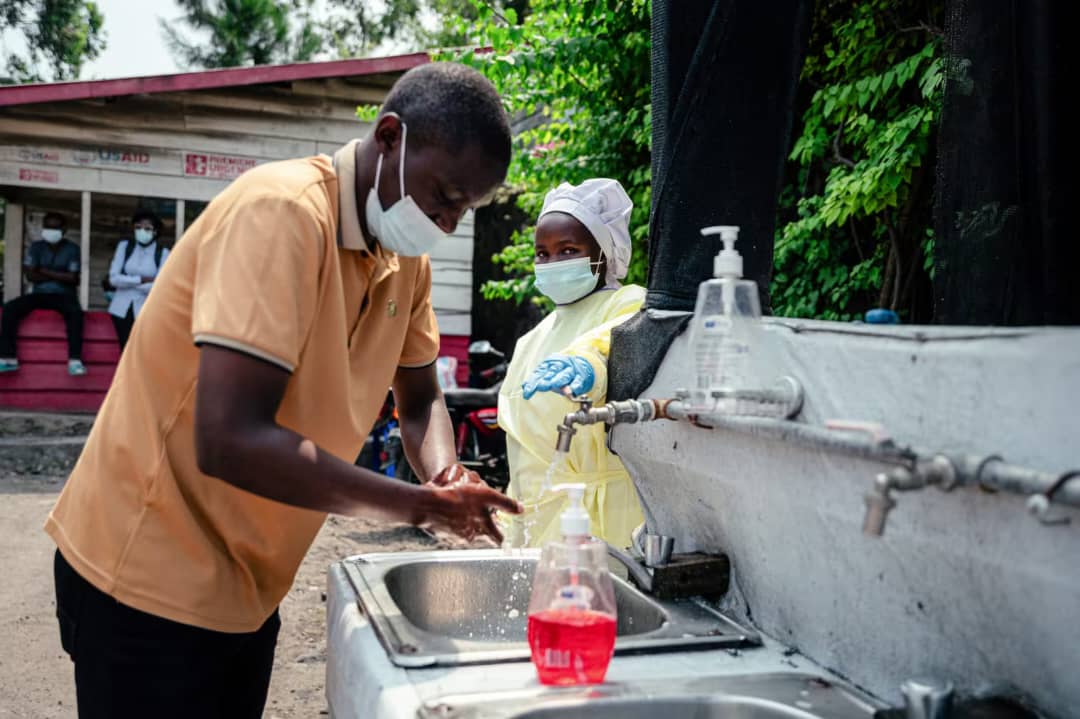
Photo: Getty Images
Wash your hands with soap and running water before eating or preparing food, after using the toilet, and after caring for someone who is ill. This helps remove germs picked up from contaminated surfaces or materials.
If soap and water are unavailable, use an alcohol-based hand sanitiser. Avoid touching your eyes, nose or mouth with unwashed hands, particularly after handling potentially contaminated items.
Avoid Handling Sick or Dead Wild Animals
Certain wild animals, including some bats and non-human primates, can carry Ebola viruses. Contact with infected animals or their body fluids can expose people to the virus.
Do not handle wild animals found sick or dead, especially when the cause of death is unknown. Avoid eating raw meat from wild animals, and ensure that meat is handled and cooked properly.
If you find an animal suspected of carrying an infection, contact the appropriate local authorities rather than attempting to move or dispose of it yourself.
Do Not Share Items That May Be Contaminated
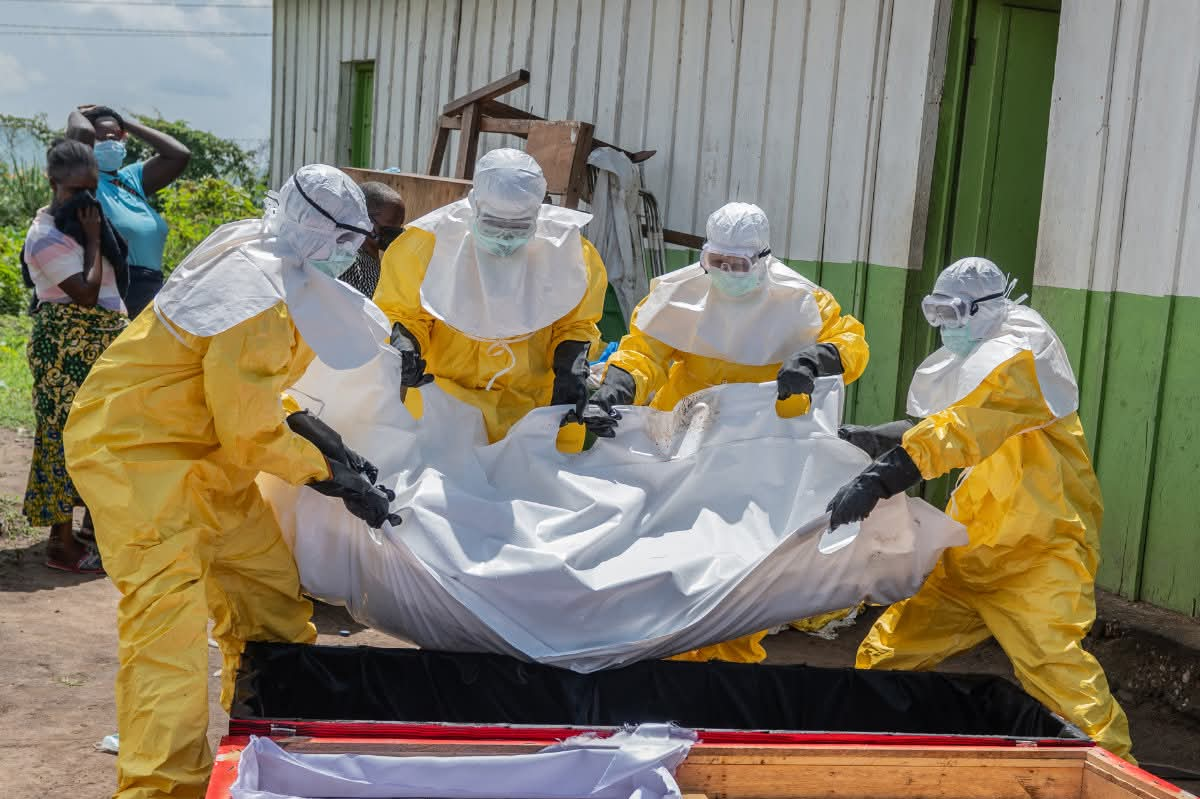
Photo: Getty Images
Clothing, towels and bedding can spread Ebola if contaminated with an infected person’s body fluids. Avoid sharing these items with someone suspected or confirmed to have the disease.
Do not handle or clean potentially contaminated materials without proper guidance. Healthcare workers and designated response teams should follow appropriate safety procedures when cleaning affected areas and disposing of waste.
Recognise the Symptoms and Report Possible Exposure
Ebola symptoms can appear between two and 21 days after exposure. Early signs include fever, severe headache, muscle pain, weakness and fatigue. Other symptoms may include vomiting, diarrhoea and abdominal pain. Some patients also experience unexplained bleeding.
These symptoms can resemble those of other illnesses, including malaria, which is common in Nigeria. Having a fever does not automatically mean you have Ebola, but possible exposure should not be ignored.
Avoid Contact With the Body Fluids of Infected People
Photo: Getty Images
Ebola spreads mainly through direct contact with the blood or other body fluids of an infected person who has developed symptoms. These include vomit, diarrhoea, urine and saliva. Clothing, bedding and medical equipment contaminated with these fluids can also transmit the virus.
Do not touch these materials if they may be contaminated. If you suspect someone has Ebola, avoid providing hands-on care without appropriate training and protective equipment. Contact healthcare professionals or public health authorities for guidance on how to help safely.
Anyone who may have been exposed should follow the instructions of health officials and avoid handling potentially infectious materials.
Contact Health Professionals if You Suspect Exposure
If you believe you have been exposed to Ebola, contact a healthcare provider or public health authority promptly, even if you feel well. Do not wait for symptoms to appear before reporting a known exposure.
Where possible, call ahead before visiting a healthcare facility and explain your concerns. This allows medical personnel to prepare and take steps to protect other patients and healthcare workers.
Follow Contact-Tracing and Monitoring Instructions
Health authorities may monitor people who have been in contact with a confirmed Ebola patient. Monitoring can continue for 21 days after the last possible exposure because symptoms may take that long to appear.
If public health officials contact you about a possible exposure, provide accurate information and follow their instructions. Report any symptoms immediately and attend medical assessments arranged by the response team.
Being identified as a contact does not mean you have Ebola. Contact tracing helps health authorities identify possible infections early and prevent further transmission.
Stay Informed and Act Promptly
Follow updates from the Federal Ministry of Health and Social Welfare, the Nigeria Centre for Disease Control and Prevention, and the World Health Organization rather than relying on unverified claims.

You get home late, hungry enough to eat a full plate. Maybe you have spent the whole of the day moving from place to place, or traffic held you up longer than usual. Either way, you walk in, spot the leftover jollof in the kitchen, and before long you’re eating.
For many Nigerians, a late-night meal could mean rice and chicken, pepper soup, suya or a well-served swallow. Trouble tends to show up when a heavy meal is followed almost immediately by sleep. Eating late once in a while won’t hurt most people, but large portions, spicy dishes and greasy foods can leave you too full, bring on heartburn or worsen acid reflux once you lie down. If this happens to you often, try finishing a substantial meal about three hours before bed.
Pounded Yam and Other Heavy Swallows

Photo: Instagram/@travelandmunchies
Pounded yam, eba and fufu are regular features at most Nigerian dinner table, and paired with egusi, ogbono or a rich vegetable soup, they make for a meal that keeps you full for hours.
That’s fine earlier in the day, when you still have hours ahead of you. But during the night, a large serving can leave your stomach still working overtime. A sizeable portion, oily soup and plenty of meat only add to that load, and going straight from the dining table to bed can raise the odds of discomfort or reflux, especially if you already deal with it.
Jollof Rice With Fried Meat

Photo: Instagram/@kikifoodies
Jollof rice holds a notable spot in Nigerian food culture, and for good reason. It becomes an issue when a late-night plate turns into a mountain of rice, fried chicken, beef and a few extra sides for good measure.
Fried meat and other oily additions push up the fat content of the meal, and high-fat foods tend to slow digestion and trigger heartburn in some people. Eating a heavy plate and lying straight down afterwards only makes it worse. If you get home late and yesterday’s jollof is all that’s in the fridge, go ahead and eat it, nobody’s saying otherwise. Just dish out a smaller portion and give yourself time before bed, rather than piling your plate minutes before you sleep.
Suya

Photo: adukecuisine.com
Few things are more tempting on a Nigerian evening than the smell of freshly grilled suya. You stop by the roadside, order a portion, and within minutes the meat is gone.
At bedtime, though, suya’s mix of fatty meat, seasoning and plenty of pepper can work against you. For anyone sensitive to spicy food, that familiar peppery kick can turn into heartburn or indigestion later in the night. Timing matters here too: suya at 11 pm followed by bed hits differently than suya eaten earlier in the evening. If pepper tends to unsettle your stomach at night, have your suya earlier and go easy on the extra pepper.
Pepper Soup
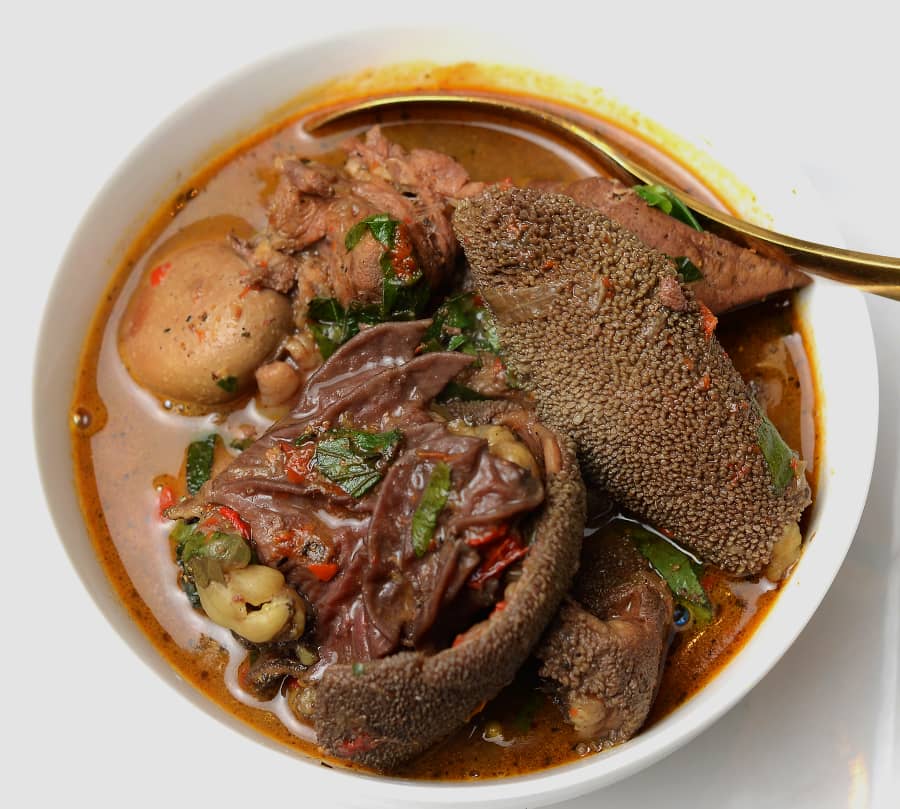
Photo: africanchopbetter.com
Pepper soup sounds like the lighter option depending on how it’s made, but Nigerian pepper soup can also pack serious heat.
If you’re prone to heartburn or acid reflux, a very spicy bowl shortly before bed isn’t the wisest choice, lying down tends to make the discomfort worse. There’s also a real gap between a mild bowl of fish pepper soup and one loaded with pepper, spices and oil, so how yours is usually prepared matters.
Akara and Other Deep Fried Snacks
Photo: kikifoodies.com
Akara and puff puff are easy to reach for when you’re hungry but don’t want to cook a proper meal, and pair either one with bread and you’ve got a quick, low effort dinner.
Deep fried foods are high in fat and a large amount close to bedtime tends to leave you feeling heavy and uncomfortable. They can also trigger heartburn in some people. A few pieces with bread late at night can add up to a much heavier meal than it looks.
What Can You Eat If You Are Hungry at Night?

Photo: kitchenreadybetty.com
Nobody wants to lie in bed listening to their stomach growl. If you’re genuinely hungry, a small snack is usually easier on your system than a full plate.
A piece of fruit, plain yoghurt, a little oatmeal or a small handful of nuts make good lighter options, enough to take the edge off your hunger without turning midnight into a second dinner. And if heartburn or reflux is something you deal with regularly, pay attention to what tends to set it off, not everyone reacts to the same foods.
Still, that’s no reason to give up pounded yam, jollof, suya, pepper soup or akara. They’re everyday foods, not forbidden ones. What actually makes the difference at night is portion size, how the food was prepared and how close to bedtime you eat it. Sometimes the simplest fix is just eating earlier. If dinner is going to be heavy, give your body enough time to digest before you go to bed.


Ayra Starr Confirmed to Perform at Coachella 2027

Bimbo Ademoye Rejects Apology Over Copyright Claim That Demonetised Her YouTube Film

Meagan Good Wears Nigerian Label Weiz Dhurm Franklyn

Solana’s ‘Okunkun’ Is Bringing YoruPop to a Wider Audience




-

 Celebrity Style4 weeks ago
Nancy Isime Gives Aṣọ Òkè a Cool, Corporate Look
-

 Music3 weeks ago
Burna Boy to Headline Day 1 of Rolling Loud India
-

 Lifestyle2 months ago
5 Beaches in Lagos for Your Next Staycation
-

 Celebrity Style3 weeks ago
“BBC Called, and She Answered”: Omowunmi Dada Takes Her Style and Film Story to BBC Africa
-

 Music1 month ago
Weekend Playlist: 4 New Songs From FOLA, Blaqbonez and More
-

 Fashion2 months ago
Onalaja Unveils Re:Birth at London Fashion Week After Studio Fire
-

 Celebrity Bios2 months ago
Tiwa Savage’s Journey From Backup Singer to Global Music Star
-

 Music1 month ago
Kizz Daniel’s ‘Owo Oluwa’ Finds Grace in Faith, Family and Loss
-

 Entertainment4 weeks ago
Lil Baby Confirmed as Headliner for Flytime’s Detty December 2026
-

 Music4 weeks ago
Victony’s ‘SLICK Remix’ Video Featuring Summer Walker and Don Toliver: Review