
Health
How and why we can create a good well being through personal development.

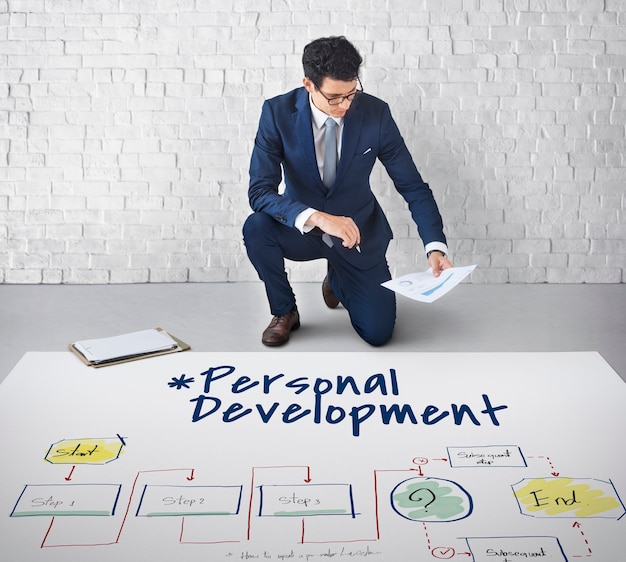
Personal Development is a powerful tool to have a deep sense of well being, including not only our physical health but also our mental and emotional resilience.
When we actively engage in personal growth, we can have a wealth of benefits that transform our lives from the inside out.
Why personal development matters?
Personal Development is no longer a luxury, but a necessity. When we invest in our own growth and well being, we can have a deeper sense of purpose and resilience.
Personal Development is not just about self improvement; it’s about having the right skills, mindset and habits necessary to thrive in all areas of life.
Focusing on personal development, let’s tap into four key benefits that transform our lives from the inside out:
1.Self Awareness:
Brene Brown, a research professor and a popular author has spoken publicly about how self awareness transformed her life. In her book, “The Gifts of Imperfection” she made a quote which says, “ The greatest barrier to self awareness is our tendency to avoid the discomfort that comes with confronting our own flaws and weaknesses. But it’s precisely this discomfort that can spark the most profound growth and transformation,”
Brene Brown story and quote shows us how self awareness can help us:
1. Recognize and accept our flaws.
2. Develop a more authentic and compassionate relationship with themselves.
3. Embrace imperfections.
4. Cultivate personal growth and transformation.
Being self aware allows us to understand our values, standards, and weaknesses. This allows us to make informed choices, set meaningful goals and develop a positive self image.
2. Resilience:
Two weeks after Sarah Williams lost her parents, she faces severe hardship when she loses her job due to the company restructuring. These challenges affected Sarah but she chose not to give up. Instead of backing out, Sarah uses her resilience skills to:
1. Take care of her emotional wellbeing.
2. Update her skills and resume.
3. Network with former colleagues and industry connections.
4. Landed a new job within two months.
This is what resilience skills means. It helps us to develop coping skills. We will be able to learn from our failures and embrace challenges that increase our ability to navigate life’s obstacles with confidence.

3. Mindfulness:
According to Mark Williams in his book “Mindfulness: A Practical Guide to Finding Peace in a Frantic World” Mindfulness is not a means of making your mind quiet; it’s a means of entering into the quiet that’s already there – buried under the 50,000 thoughts the average person thinks every day.
Mindfulness enables us to reduce stress, enhance our focus and provide a deeper connection with ourselves and others.

4. Purpose:
A study published in the Journal of Positive Psychology found that having a sense of purpose in life is associated with greater life satisfaction, high self esteem, better mental and physical health and increased resilience.
Having a clear purpose allows us to discover our passions and values which gives us direction, motivation and a sense of fulfillment.
Having revealed why personal development matters, here are the four ways in which you can create a good well being through Personal Development.

How to Create Good Well-being through Personal Development:
1. Set Intentions:
Setting intentions is the act of defining and clarifying what you want to achieve in your life. Setting intentions helps you to identify areas for improvement and set specific and achievable goals.

2. Practice- Self Care:
Practicing self care allows you to engage in activities that nourish your mind, body, and spirit, such as exercises, meditation, and spending time in nature.

3. Develop Emotional Intelligence:
Developing emotional intelligence enables you to learn how to recognize, understand, and manage your emotions to improve relationships and decision making.
4. Cultivate Positive Habits:
Cultivating a positive habit allows you to replace your negative patterns with healthy habits, such as gratitude practices, journalling, or reading.
Now that we have explored the benefits of personal development, let’s tap into the advantages of mental health and positivity.
Here are list of a few advantages of mental health and positivity:
1.Mental health boost your self esteem:
People who struggle with mental health issues constantly doubt themselves. Once you have good mental health, it helps increase your self esteem. You start to feel confident of yourself and people with good mental health are more likely to focus on positive things rather than feeling less or thinking negatively of themselves.

2. Mental health helps in improving healthy relationships:
Nurturing mental health and positivity can significantly increase our relationships with others. When we feel good about ourselves and have a positive outlook, we:
≈ Communicate more effectively.
≈ Listen actively.
≈ Empathize with others.
≈ Build a stronger and meaningful connection.
Our relationships become more authentic and fulfilling. This leads to a stronger social support network and a greater sense of overall well being.

3. Mental health enhances your productivity:
Having good mental health allows you to work more effectively and produce work of a high level of excellence.

4. Other advantages of mental health includes:
— Improved physical health.
— Enhanced creativity.
— A heightened sense of purpose.
— A greater sense of inner peace.
— Reduce stress and anxiety.
— Improved mood.
Finally, personal development, mental health, and positivity are intertwined. They create a transformative impact on our lives. Invention in personal growth, cultivating self awareness, resilience, mindfulness and purpose can lead to improved mental health and positivity.
This, in turn, improves our relationships, creativity, productivity and overall well being. Always remember that personal development is not a solo journey: it’s a path that ties together the threads of mental health and positivity.
Start your personal development journey today, and watch how it transforms your life from the inside out.
Read also: Benefits of sleep on your mental health
Benefits of caring for our mental wellness



























You get home late, hungry enough to eat a full plate. Maybe you have spent the whole of the day moving from place to place, or traffic held you up longer than usual. Either way, you walk in, spot the leftover jollof in the kitchen, and before long you’re eating.
For many Nigerians, a late-night meal could mean rice and chicken, pepper soup, suya or a well-served swallow. Trouble tends to show up when a heavy meal is followed almost immediately by sleep. Eating late once in a while won’t hurt most people, but large portions, spicy dishes and greasy foods can leave you too full, bring on heartburn or worsen acid reflux once you lie down. If this happens to you often, try finishing a substantial meal about three hours before bed.
Pounded Yam and Other Heavy Swallows
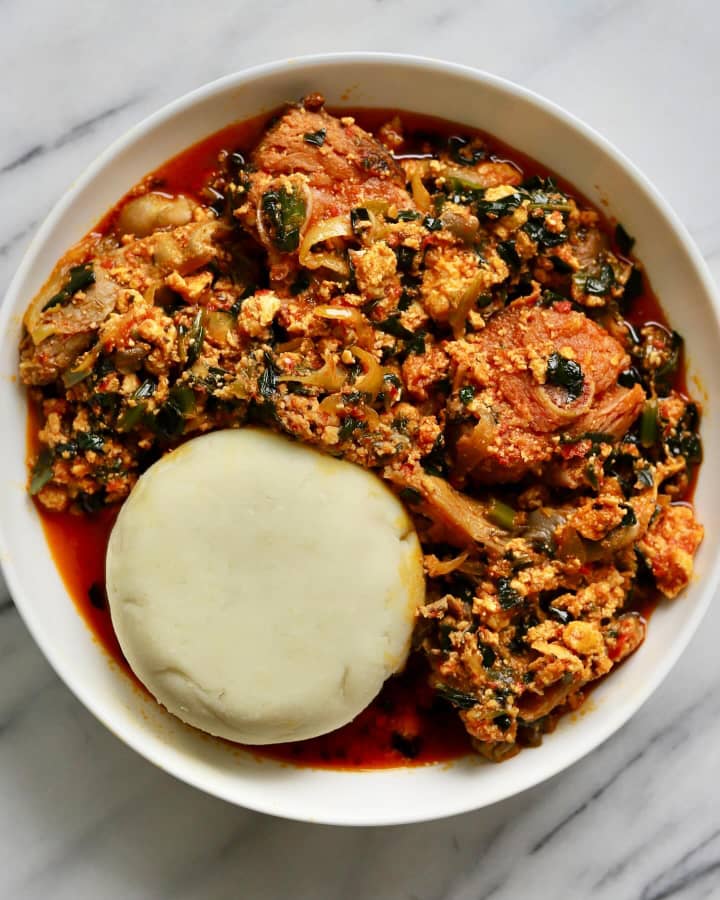
Photo: Instagram/@travelandmunchies
Pounded yam, eba and fufu are regular features at most Nigerian dinner table, and paired with egusi, ogbono or a rich vegetable soup, they make for a meal that keeps you full for hours.
That’s fine earlier in the day, when you still have hours ahead of you. But during the night, a large serving can leave your stomach still working overtime. A sizeable portion, oily soup and plenty of meat only add to that load, and going straight from the dining table to bed can raise the odds of discomfort or reflux, especially if you already deal with it.
Jollof Rice With Fried Meat

Photo: Instagram/@kikifoodies
Jollof rice holds a notable spot in Nigerian food culture, and for good reason. It becomes an issue when a late-night plate turns into a mountain of rice, fried chicken, beef and a few extra sides for good measure.
Fried meat and other oily additions push up the fat content of the meal, and high-fat foods tend to slow digestion and trigger heartburn in some people. Eating a heavy plate and lying straight down afterwards only makes it worse. If you get home late and yesterday’s jollof is all that’s in the fridge, go ahead and eat it, nobody’s saying otherwise. Just dish out a smaller portion and give yourself time before bed, rather than piling your plate minutes before you sleep.
Suya

Photo: adukecuisine.com
Few things are more tempting on a Nigerian evening than the smell of freshly grilled suya. You stop by the roadside, order a portion, and within minutes the meat is gone.
At bedtime, though, suya’s mix of fatty meat, seasoning and plenty of pepper can work against you. For anyone sensitive to spicy food, that familiar peppery kick can turn into heartburn or indigestion later in the night. Timing matters here too: suya at 11 pm followed by bed hits differently than suya eaten earlier in the evening. If pepper tends to unsettle your stomach at night, have your suya earlier and go easy on the extra pepper.
Pepper Soup
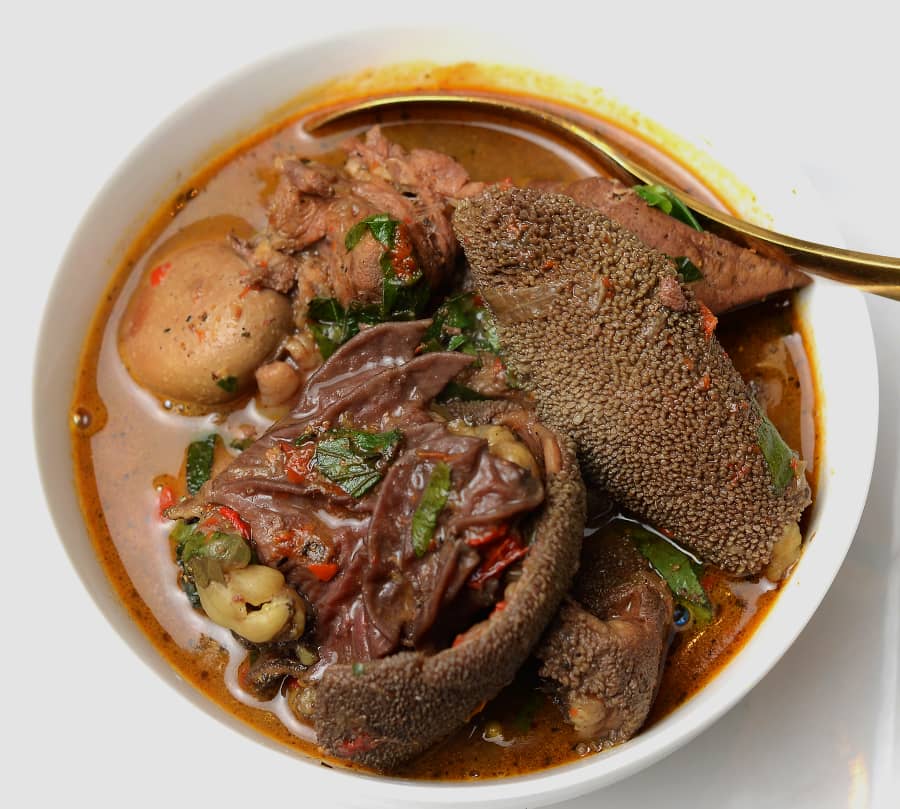
Photo: africanchopbetter.com
Pepper soup sounds like the lighter option depending on how it’s made, but Nigerian pepper soup can also pack serious heat.
If you’re prone to heartburn or acid reflux, a very spicy bowl shortly before bed isn’t the wisest choice, lying down tends to make the discomfort worse. There’s also a real gap between a mild bowl of fish pepper soup and one loaded with pepper, spices and oil, so how yours is usually prepared matters.
Akara and Other Deep Fried Snacks
Photo: kikifoodies.com
Akara and puff puff are easy to reach for when you’re hungry but don’t want to cook a proper meal, and pair either one with bread and you’ve got a quick, low effort dinner.
Deep fried foods are high in fat and a large amount close to bedtime tends to leave you feeling heavy and uncomfortable. They can also trigger heartburn in some people. A few pieces with bread late at night can add up to a much heavier meal than it looks.
What Can You Eat If You Are Hungry at Night?
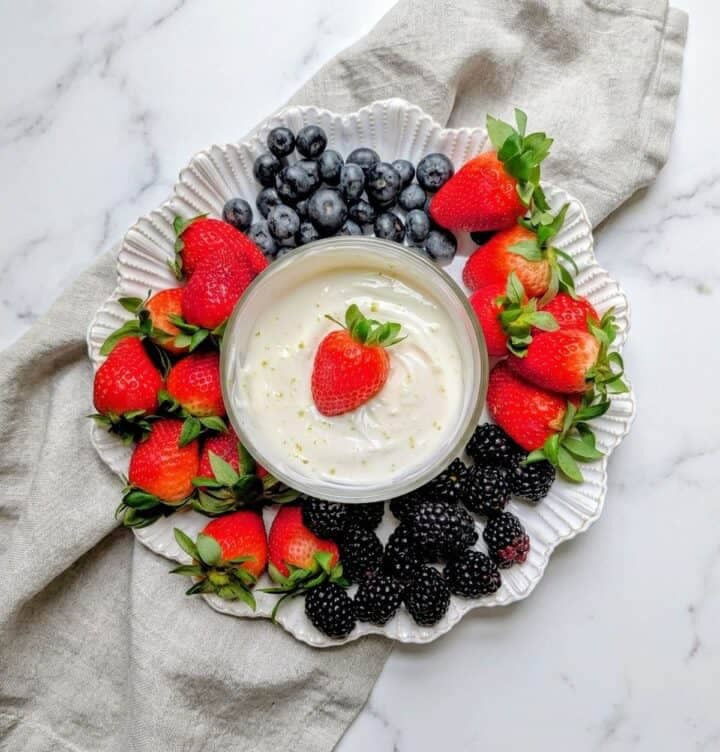
Photo: kitchenreadybetty.com
Nobody wants to lie in bed listening to their stomach growl. If you’re genuinely hungry, a small snack is usually easier on your system than a full plate.
A piece of fruit, plain yoghurt, a little oatmeal or a small handful of nuts make good lighter options, enough to take the edge off your hunger without turning midnight into a second dinner. And if heartburn or reflux is something you deal with regularly, pay attention to what tends to set it off, not everyone reacts to the same foods.
Still, that’s no reason to give up pounded yam, jollof, suya, pepper soup or akara. They’re everyday foods, not forbidden ones. What actually makes the difference at night is portion size, how the food was prepared and how close to bedtime you eat it. Sometimes the simplest fix is just eating earlier. If dinner is going to be heavy, give your body enough time to digest before you go to bed.

For many young adults, blood pressure is probably not something that crosses their minds between work, school, social plans and trying to keep up with everyday life. It is often seen as a health concern for parents or grandparents. Yet, hypertension is showing up in young adults to, sometimes during a routine medical check they had no particular reason to worry about.
A 2025 study, using data collected in 2021, young adults aged 18 to 40 in Abia, Oyo and Kano states found that 18.2% of the participants had hypertension. The study also looked at awareness and healthcare-seeking habits.
Another Nigerian study published in the Nigerian Medical Journal in 2024 found hypertension in 19.93% of 279 medical students aged 18 to 35 at the University of Nigeria, Enugu. Almost half of the participants also had prehypertension, showing that blood pressure problems can appear well before middle age.

Photo: Pinterest
Several factors can increase the risk of high blood pressure in young adults. Meals loaded with salt, frequent consumption of processed foods, spending long hours sitting down and not getting enough physical activity can all raise the risk. Being overweight, smoking and drinking too much alcohol are also linked to hypertension. Stress and poor sleep can add to the problem, particularly when they become a regular part of life rather than occasional experiences.
Still, it would be unfair to blame everything on lifestyle. Genetics can play a role, while conditions such as diabetes and kidney disease may also increase someone’s chances of developing the problem.
Perhaps the tricky part is that there may be nothing obvious to notice. A young person can feel fine, go about their normal routine and have no idea that their blood pressure is higher than it should be. That makes regular checks important, especially for people with a family history of hypertension or other risk factors.

Photo: Dreamstime.com
Ignoring it, however, can have consequences later. Persistently high blood pressure can put extra strain on the heart and blood vessels and increase the risk of serious problems such as heart disease, stroke and kidney disease.
The encouraging part is that some of the risk can be reduced. Eating more balanced meals, cutting back on excess salt, staying active, avoiding tobacco, limiting alcohol and getting enough sleep are useful steps. Anyone who has already been diagnosed should also follow the advice of a healthcare professional rather than trying to manage the condition alone.
High blood pressure may not fit the picture many people have of a young person’s health problem, but age does not make someone immune. Sometimes, a simple blood pressure check can reveal something that the body has been quietly hiding.


For years, women have known the condition as PCOS, short for Polycystic Ovary Syndrome. It is one of the most talked about hormonal disorders affecting women of reproductive age. But now, health experts are pushing for a new name: PMOS, which stands for Polyendocrine Metabolic Ovary Syndrome.
At first glance, it may seem like a simple rebrand. But the proposed change says a lot about how doctors now understand the condition and how women’s health is evolving.

Photo: Getty images/PMOS attributed beards
The problem with the name PCOS is that it focuses heavily on ovarian cysts. In reality, not every woman with PCOS has cysts on her ovaries. Some women are diagnosed without having any visible cysts at all. On the other hand, many women with ovarian cysts do not have PCOS.
This has caused confusion for years. Health professionals argue that the old name also downplays the broader impact the condition has on the body. PCOS is not just about irregular periods or fertility struggles. It is closely linked to metabolism, insulin resistance, weight changes, inflammation, cholesterol problems, and even increased risk of type 2 diabetes and heart disease.
That is where PMOS comes in.
The proposed name, Polyendocrine Metabolic Ovary Syndrome, shifts attention to the metabolic side of the condition. Doctors want people to understand that this is not only a reproductive health issue. It affects the entire body.
For many women, that explanation may finally make their symptoms feel connected. A woman dealing with fatigue, stubborn weight gain, acne, excessive hair growth, anxiety, irregular cycles, and blood sugar issues may not realize all of these can stem from the same condi

Photo: Getty images/hormonal acne
The name change also matters because language shapes healthcare. When a condition is misunderstood, patients often struggle to get proper treatment. Some women with PCOS spend years being told to “just lose weight” without receiving deeper evaluation for insulin resistance or hormonal imbalance.
By highlighting the metabolic component, PMOS could encourage more comprehensive care. That means treatment may go beyond fertility medications or birth control. Doctors may focus more on blood sugar management, nutrition, exercise, mental health support, and long term disease prevention.
Still, not everyone agrees on the new name yet. Some researchers believe changing the name could create temporary confusion, especially since PCOS is already widely recognized in medical spaces and online communities. Others argue that awareness campaigns would be needed to help patients understand the transition.
But one thing is clear. Women’s health conversations are changing. Conditions that were once reduced to reproductive symptoms are now being viewed through a wider lens.


Denim, But Make It Different: 3 Celebrities Wearing Statement Denim Designs

Burna Boy to Headline Day 1 of Rolling Loud India

Solange Omon Walks Victoria’s Secret Fashion Show as Its Newest Angel

Victony’s ‘SLICK Remix’ Video Featuring Summer Walker and Don Toliver: Review

Laura Ikeji Proves Polka Dots Are Back and Better Than Ever

Rapper Tommie Lee Arrested at 2026 FIFA World Cup.

What Exactly Are Ayra Starr and ZAYN Singing About on “Heaven Baby”?

The Dangers of Adult Skincare Products for Children and Teens.

Ayra Starr Performs ‘Rush’ and ‘Heaven Baby’ at NFL Halftime Show in London | Watch Video

Ayra Starr and ZAYN Finally Share the Screen in “Heaven Baby” Video

Kizz Daniel’s ‘Owo Oluwa’ Finds Grace in Faith, Family and Loss

‘Black Market’ Breaks Guinness World Record With Over 51,000 Viewers


-

 The Best Dressed Celebrities This Week2 months ago
The Best-Dressed Stars of the Week Kept Things Chic and Daring
-

 Celebrity Style2 months ago
Our Favourite Looks at ‘The Wedding Story’ Premiere
-

 Movies2 months ago
“Dear Ajayi” Makes History as First Nigerian Production in Venice Days Competition | Watch Trailer
-

 Entertainment2 months ago
Funke Akindele Releases First Images of ‘The Four’
-

 Big Brother Naija2 months ago
All the Drama BBNaija Week 6 Brought
-

 Entertainment2 months ago
Burna Boy Becomes First Nigerian Artist to Surpass 4 Billion YouTube Views
-

 Celebrity Bios2 months ago
5 Things You Didn’t Know About Ayra Starr
-

 Big Brother Naija1 month ago
Gerard Evicted from Big Brother Naija
-

 Reality TV2 months ago
Carolyna Hutchings Quits The Real Housewives of Lagos
-

 Music1 month ago
Rema Tackles Mixed Signals and Desire on New Single “Oh No”