
Music
Oscar Heman-Ackah & 2Baba’s “Save Me from Myself”

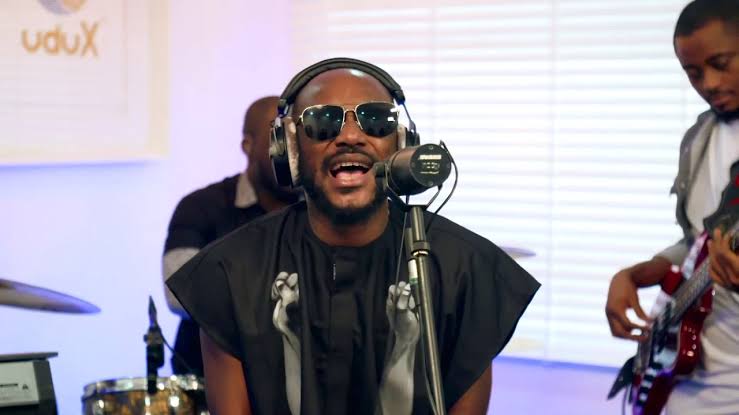
The video opens with 2Baba staring straight into the camera—not with flair, but with pain. No distractions. Just his face. His eyes. His voice. The way he sings that first line doesn’t feel like a performance—it feels like a plea. In that moment, you’re not watching—you’re inside the guilt, inside the quiet storm he’s been carrying for too long. The song, already weighty with emotion on its own, is the original soundtrack from To Kill a Monkey—a limited series already stirring conversation for its bold storytelling.
This is the heart of “Save Me from Myself”, the collaborative single by Oscar Heman-Ackah and 2Baba, paired with a striking visual directed by Kemi Adetiba.
A Man on Trial—By Himself
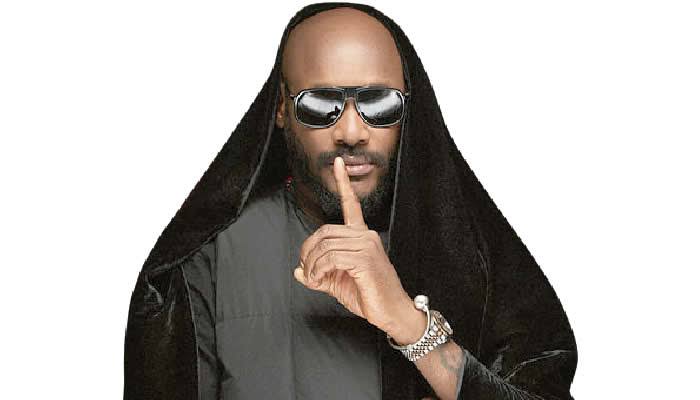
The central metaphor of the video unfolds in a surreal courtroom where 2Baba plays multiple roles: the judge, the accused, the spectator, and even part of the crowd. It’s a deliberate decision—and a powerful one. This is a trial of the self, where guilt isn’t just remembered, it’s performed. The imagery mirrors what many go through privately—punishing themselves long before anyone else does.
Each version of 2Baba feels distinct. The judge is cold and distant. The accused is visibly shaken. But perhaps the most jarring layer comes from the background noise: the crowd—loud, aggressive, and merciless—shouting and jeering at him as the trial unfolds. Their faces blur into the background, but their voices hit like stones. It’s not just judgment—it’s humiliation. It captures the chaos of a mind in crisis, when even imagined onlookers become enemies.
When the guilty verdict is delivered, he doesn’t protest. He doesn’t flinch. He accepts it quietly—like someone who’s been carrying that sentence long before it was spoken aloud.
The Drowning Man: A Soul in Crisis
Scattered between the courtroom scenes are haunting underwater shots. 2Baba, submerged in dark water, not struggling—just sinking. Not screaming—just still. It’s not dramatic. It’s devastating. The kind of descent that speaks to people who’ve felt numb for so long they forget what the surface looks like.
When 2Baba Sings, He Means It
Throughout the video, 2Baba sings directly into the camera—unblinking, stripped of ego. There’s no act here. His performance feels more like a confession. His gaze doesn’t waver. And because of that, neither does yours. There’s a raw kind of bravery in singing something so heavy and looking your listener dead in the eye while you do it.
It’s the kind of moment that doesn’t beg for sympathy—it demands honesty. You’re not just hearing him. You’re seeing him. And maybe, seeing yourself too.
Themes That Stay With You

This isn’t a breakup song. It’s not a love ballad. It’s something heavier. A reckoning. The song—and especially the video—deals with emotional isolation, shame, regret, and the fear of never outrunning your past. The courtroom is the mind. The crowd is your conscience. The judge is your memory. And the sentence? That’s the part you’ve written for yourself.
Final Thoughts: A Confession Set to Music
“Save Me from Myself” is brave in its simplicity and relentless in its truth. Kemi Adetiba’s direction gives it space to breathe—to ache—to haunt. There are no distractions. No gloss. Just two things: a message, and a man willing to speak it.
And 2Baba? He delivers one of the most emotionally exposed performances of his career. Quiet. Controlled. Unforgettable.
In One Sentence?
This is what it looks like when guilt becomes the loudest voice in the room—and there’s nowhere left to hide.










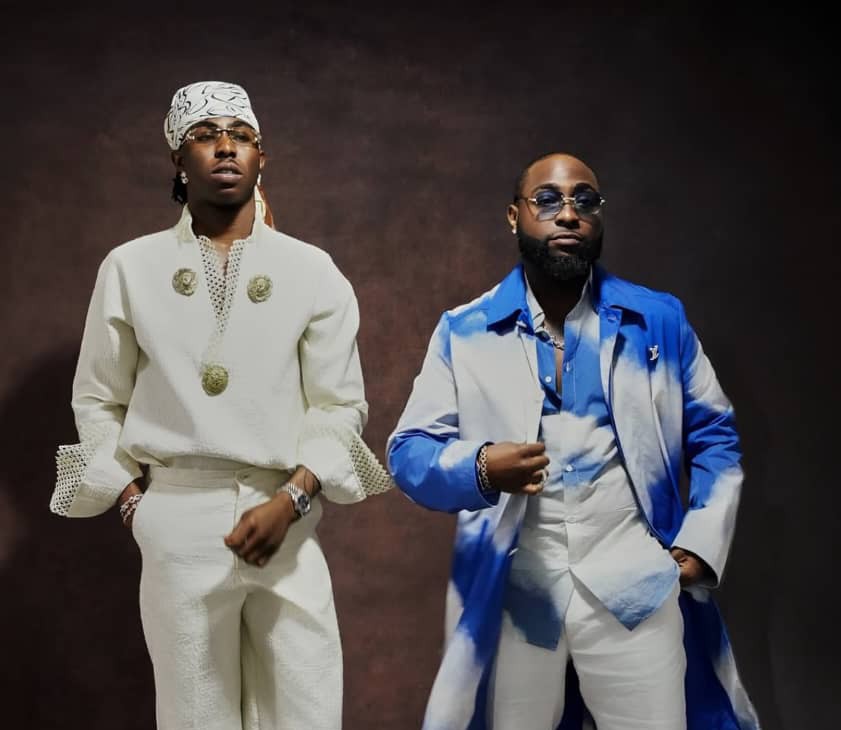
A good weekend playlist needs songs for different moods, whether you’re winding down after a long week or getting ready to head out. This week’s picks include a new collaboration between FOLA and Davido, Duncan Mighty’s link-up with Halver, and fresh releases from Ayo Maff, Zinoleesky, Blaqbonez and Asake. Each track brings something different, from a familiar take on romance to songs built around everyday struggles and lively rhythms.
Malaria – Ayo Maff ft. Zinoleesky
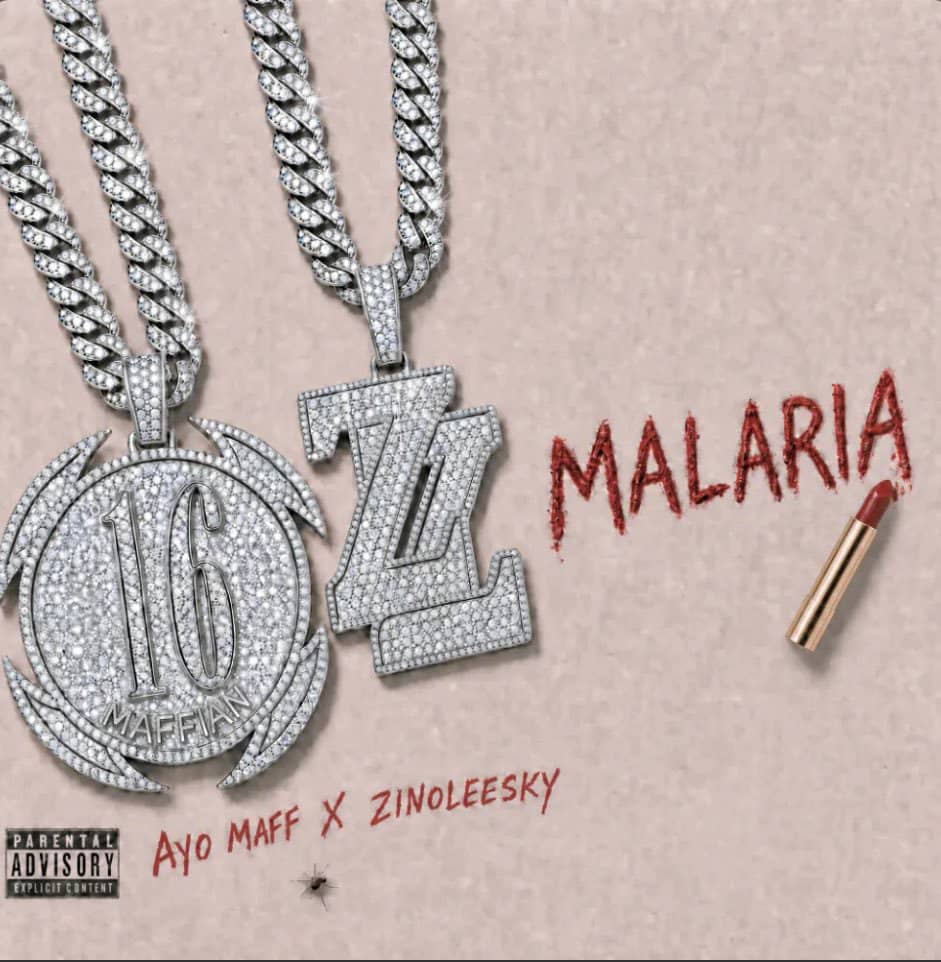
Photo: X/@chartsafrica
Love is the subject of “Malaria,” but Ayo Maff and Zinoleesky approach it through an unusual comparison. Released on September 24, 2026, the song likens falling in love to catching an infection, presenting romance as something that can take hold of a person and become difficult to ignore.
The midtempo street-pop production leaves room for both singers to bring their individual styles to the track. Ayo Maff delivers his verses in a deeper tone, while Zinoleesky adds a more melodic touch to the chorus. Their different vocal approaches give the song its character, with the hook providing a memorable centrepiece.
Ikebe 3000 – Blaqbonez ft. Asake
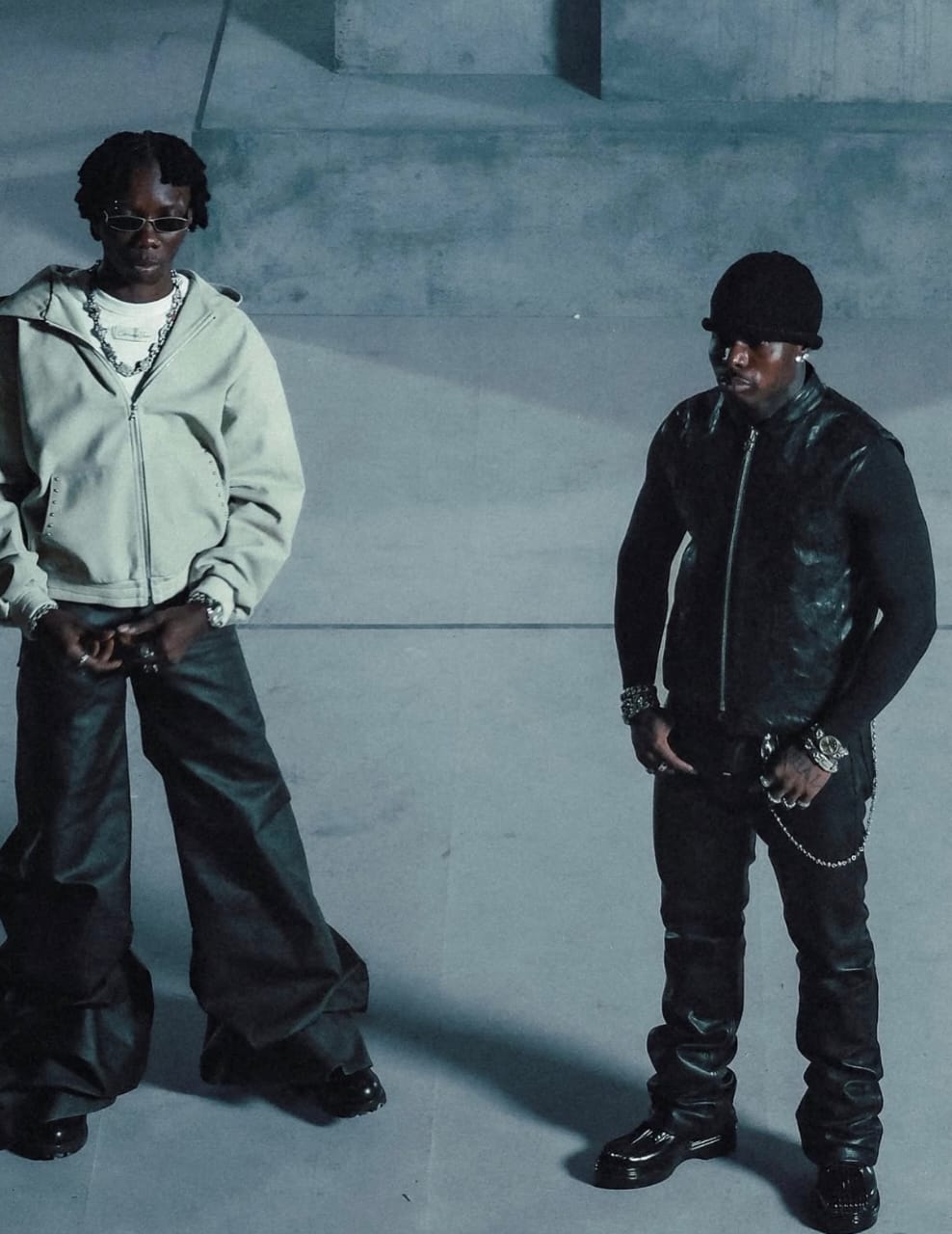
Photo: Instagram/@hypestribeng
Blaqbonez reunites with Asake on “Ikebe 3000,” released on October 2, 2026. The pair previously collaborated on “Chanel,” and their latest release brings them together again ahead of Blaqbonez’s forthcoming project, NOMADINHO: 4TH PRIME.
Punchy percussion and lively melodies drive the track, while the repeated chorus gives it an easy rhythm to follow. Blaqbonez takes a melodic approach to his delivery, and Asake adds his recognisable vocals to the mix. The result is a lively record suited to parties, social gatherings and moments when a playlist needs more energy.
Hustler – Halver ft. Duncan Mighty
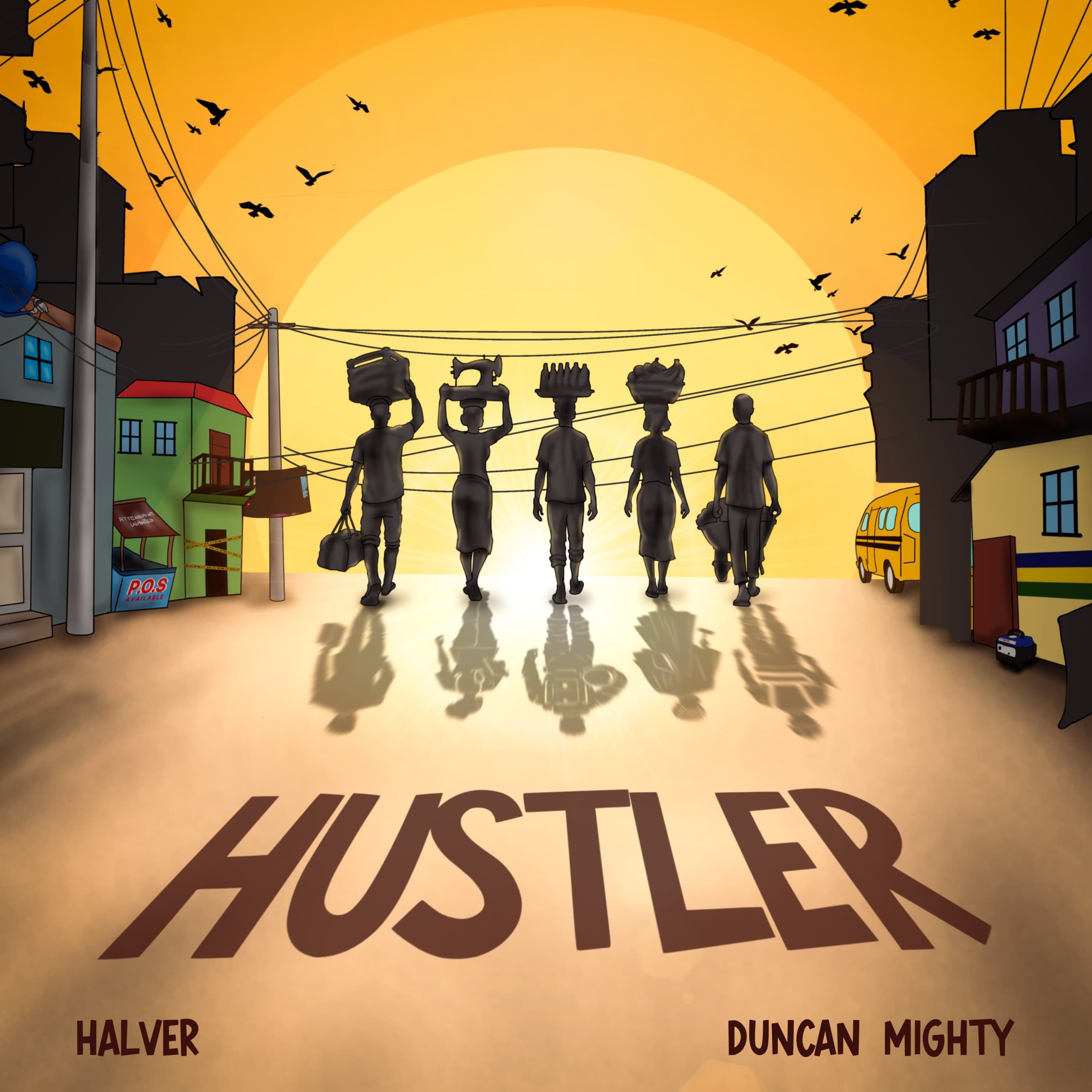
Photo: Instagram/@thahalver
Halver teams up with Duncan Mighty on “Hustler,” released on October 8, 2026. The song focuses on the effort it takes to earn a living, with financial pressure and the sacrifices involved in pursuing personal goals shaping its message.
Its drill-inspired hip-hop foundation sets it apart from the other releases on this list. Traditional African instrumentation adds another layer to the production, while Duncan Mighty’s presence connects the track to the sound associated with the Port Harcourt singer.
2am in Toronto – FOLA ft. Davido
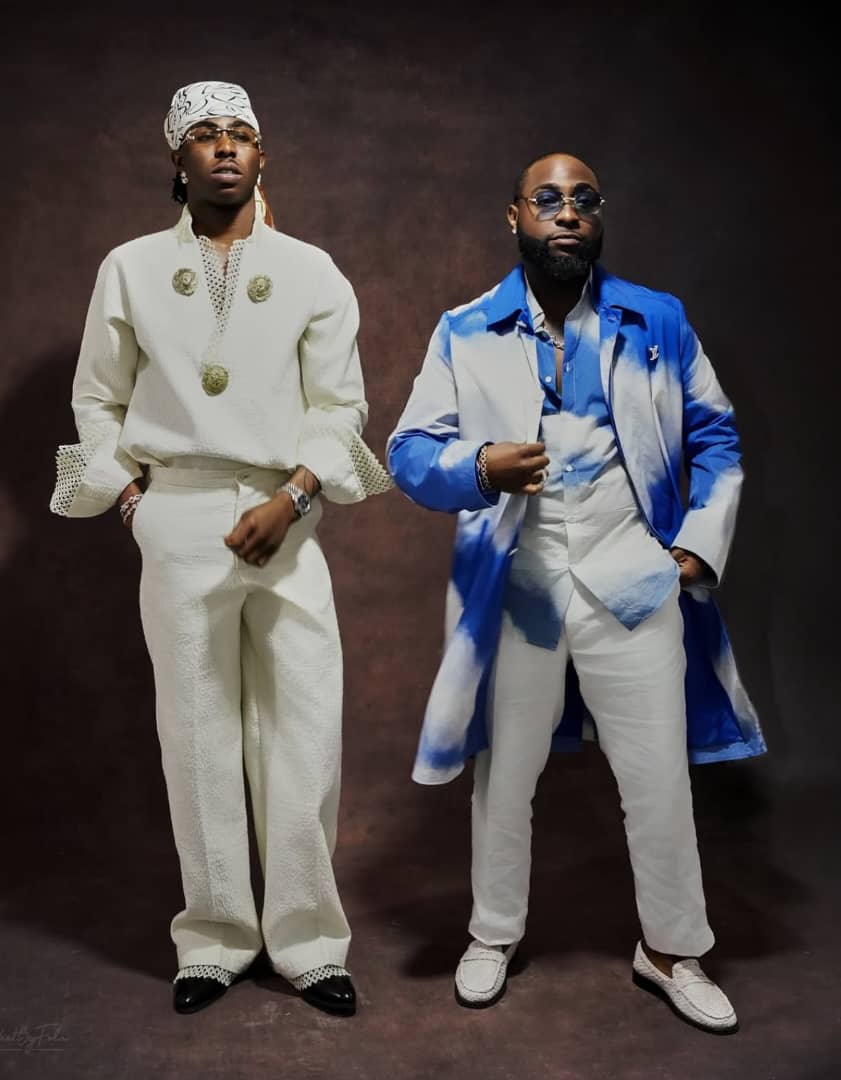
Photo: Instagram/@hypestribeng
“2am in Toronto” appears as the third track on FOLA’s sophomore album, 9, released on October 9, 2026. The 14-track project gives the song a place within a larger body of work, but the collaboration with Davido is one of its main attractions.
Romance takes centre stage as FOLA delivers the song with his melodic vocals, while Davido adds his own style to the record. The pairing suits the song’s love-focused theme, making it a natural fit for late-night listening or a playlist built around romantic Afrobeats.
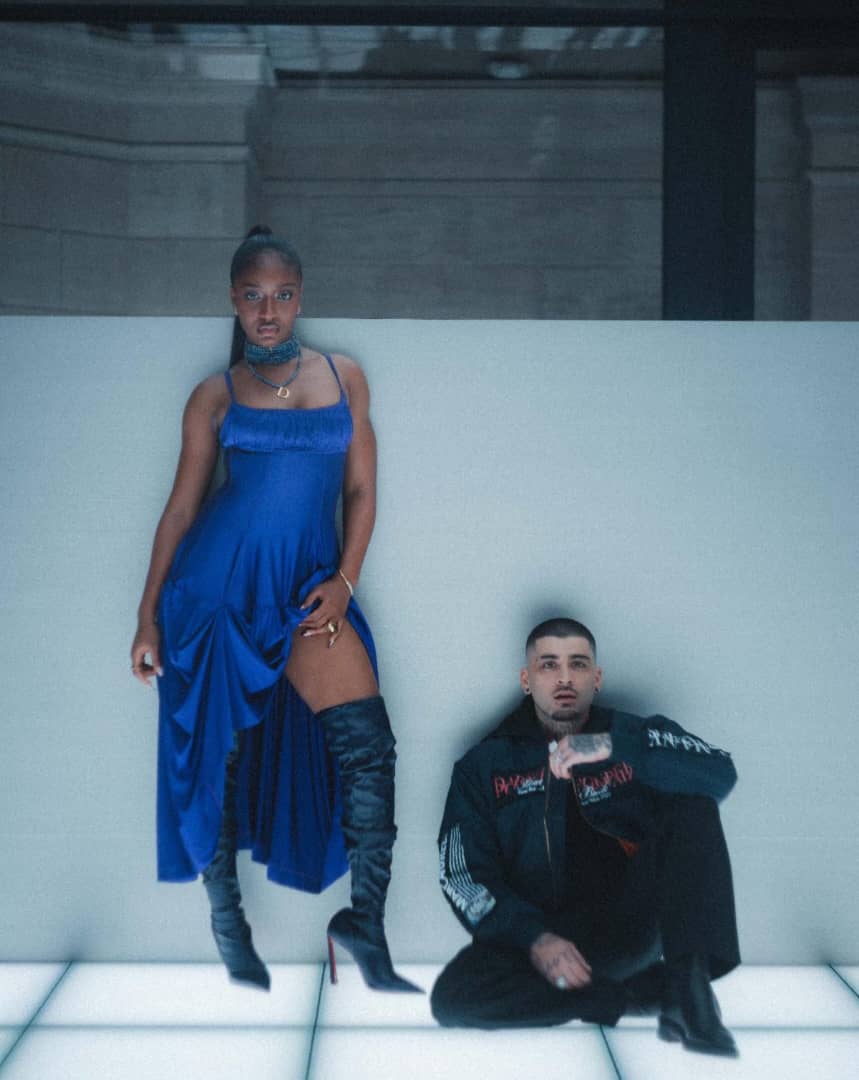
Ayra Starr and Zayn have appeared together in the official music video for “Heaven Baby,” giving their collaboration its first music video featuring both artists. Released on October 5, the video comes weeks after the Nigerian singer and British pop star teamed up on the track.
The video unfolds in a dark, futuristic setting with metallic surfaces, tinted glass and illuminated floor panels. Ayra Starr wears a royal blue satin dress, while ZAYN appears in a dark outfit as close-up shots capture his performance.
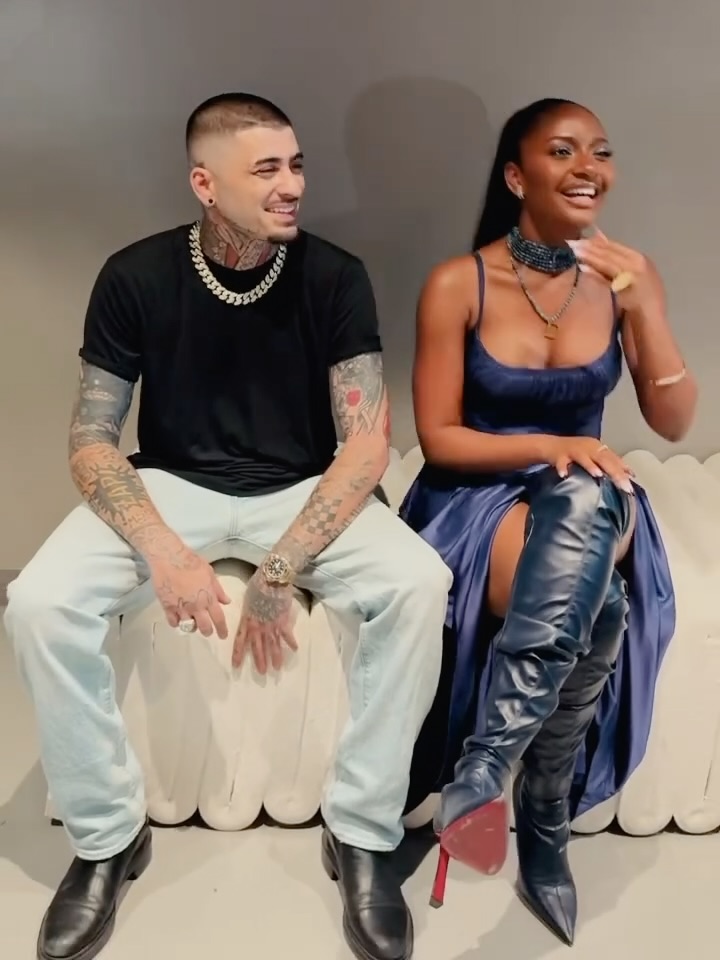
Photo: Instagram/@zsquad
Ayra and ZAYN appear separately in some scenes before coming together in the same setting. The visual also offers a different take on their August performance of “Heaven Baby” at All Points East in London, where ZAYN appeared on a large screen behind Ayra during their live duet. In the new video, they appear to share the same physical space.
“Heaven Baby” is featured on Ayra Starr’s third studio album, Starrgirl, released on August 14, 2026. ZAYN features on the track, pairing Ayra’s Afropop delivery with his pop and R&B-influenced vocals. Apple Music describes it as a piano-led duet about attraction, affection and a celestial idea of love.
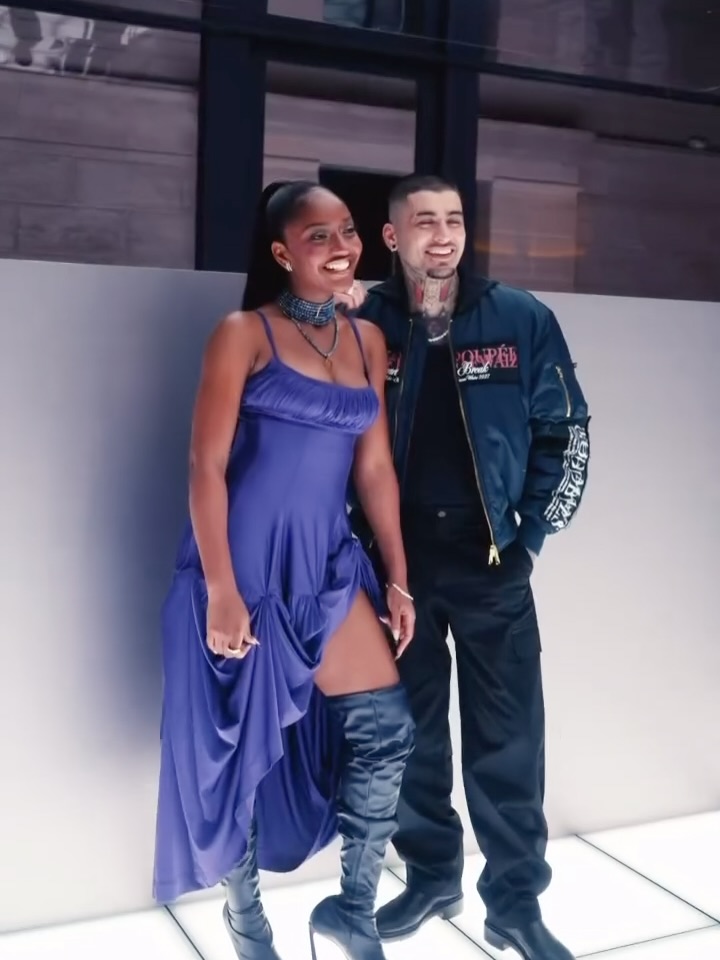
Photo: Instagram/@zsquad
The collaboration had already drawn attention before the video was released. Ayra Starr has spoken about being a fan of ZAYN since his One Direction days, making their meeting on the song a notable moment for the singer. Behind-the-scenes footage from the video shoot also gave fans an early glimpse of the pair before the full visual arrived.
“Heaven Baby” has also performed well on the UK charts. The song peaked at No. 2 on the UK Official Afrobeats Chart after entering the chart in August, giving the collaboration another milestone before the video’s release.
Directed by Earthboi, the “Heaven Baby” video gives the collaboration its first full visual featuring both artists.
Watch Below:
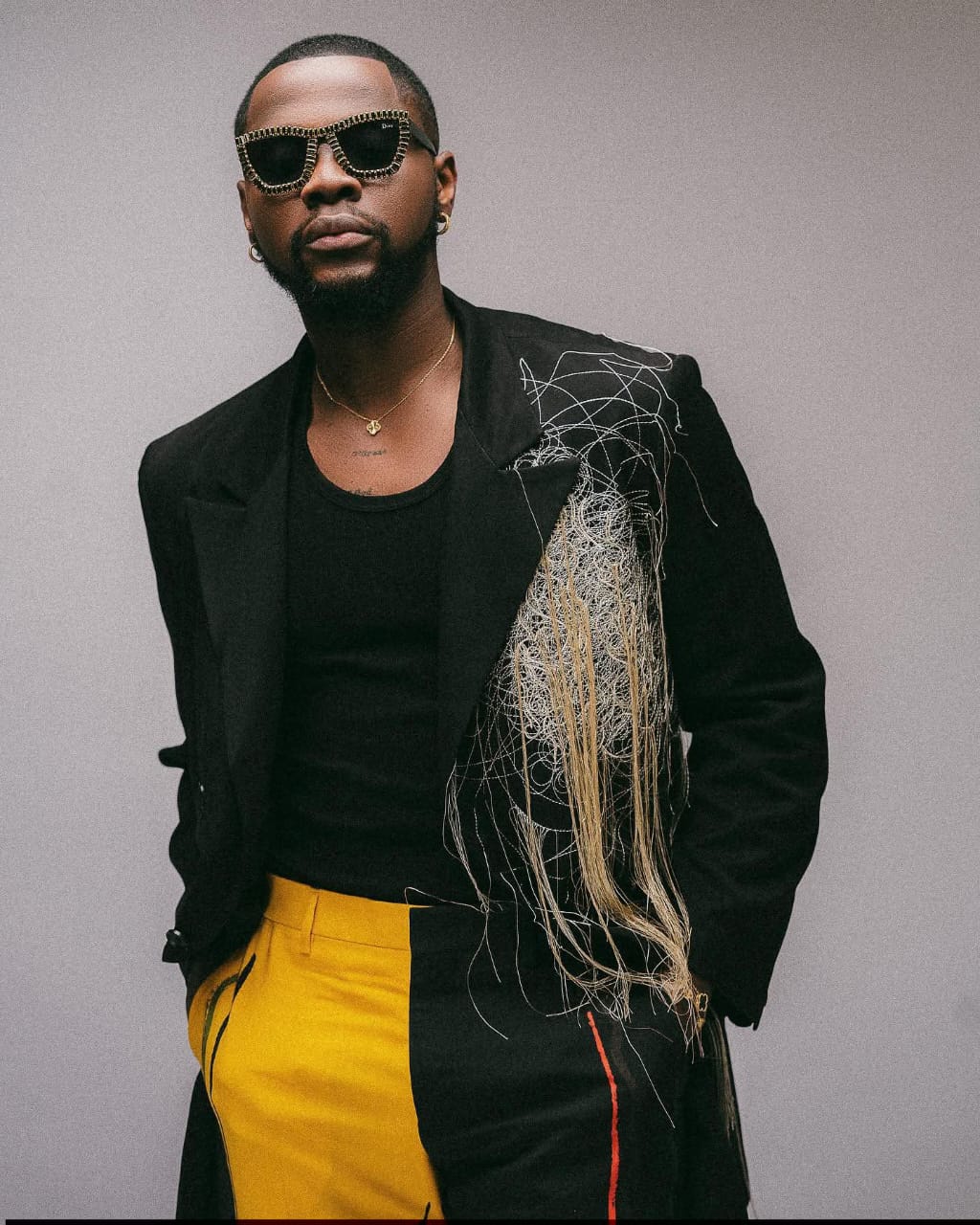
Kizz Daniel has given “Owo Oluwa” a deeper visual treatment with a music video that draws on faith, family and personal loss. Released on 30 September, the video explores themes of kindness, gratitude and divine favour.
“Owo Oluwa,” which translates to “The Hand of God,” focuses on divine favour, protection and gratitude. The song opens with a house-influenced sound before settling into an Afrobeats groove produced by Krizbeatz. Young Jonn contributes vocals, while Wave Choir provide the choral parts that give the record its praise-inspired feel. Rather than romance or nightlife, Kizz Daniel turns his attention to blessings and holding on to faith during uncertain times.
The song followed a difficult period for the singer. In September, Kizz Daniel revealed that he had taken a break from music after his mother died earlier in the year. Responding to a fan who linked the break to his album plans, he explained that he had stepped away because of his mother and needed to return to work to support the rest of his family. “Owo Oluwa” was later released as his first official single of 2026.
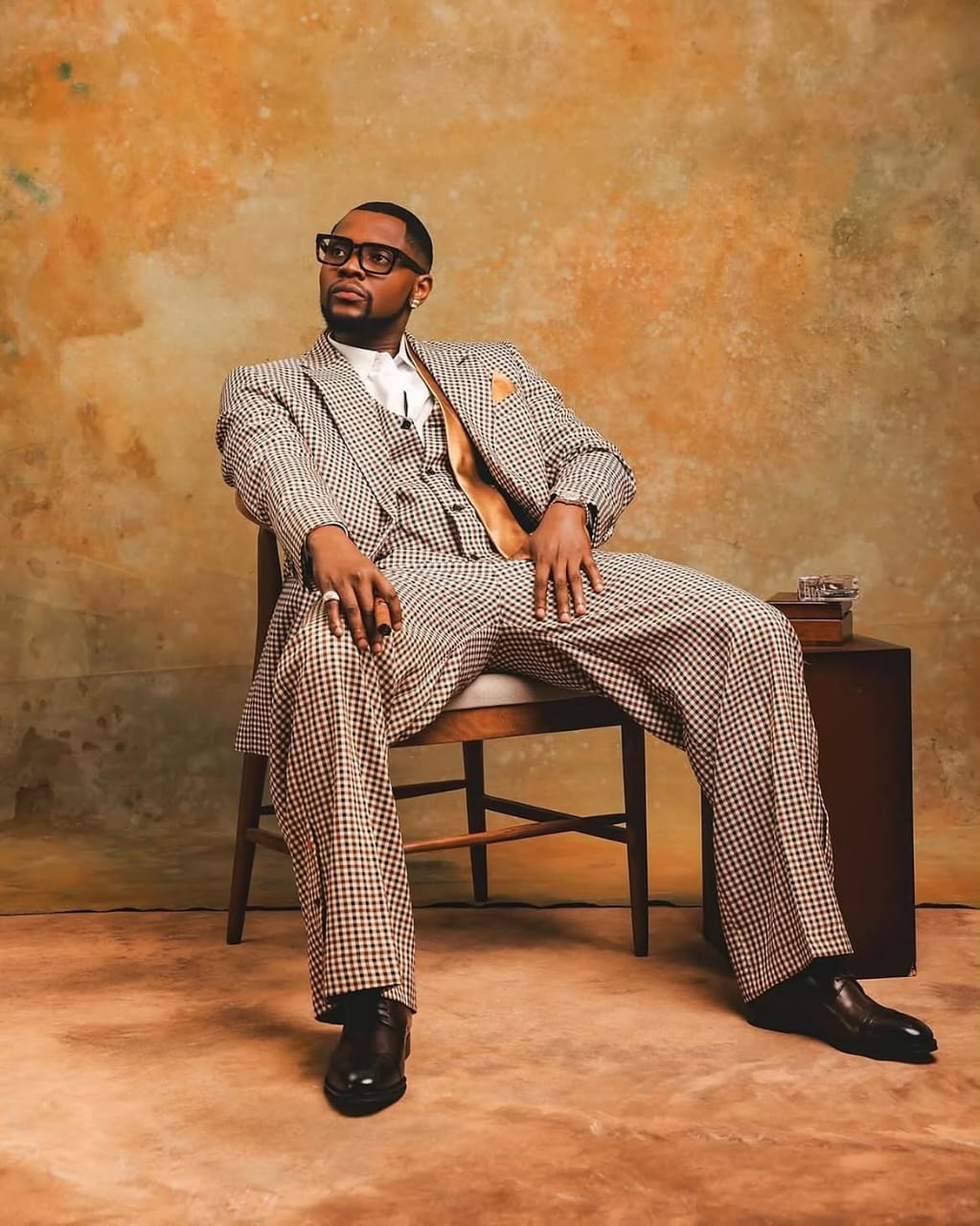
Photo: Instagram/@kizzdaniel
That experience gives the song a personal context, although Kizz Daniel has not said that every part of the record is about his mother. The song also takes on a personal dimension in the music video, which is dedicated to Kizz Daniel’s late parents and carries its theme of faith, grace and giving into a series of acts of kindness.
Directed by Perliks Definition and Asherkine, the video moves away from a typical performance setting. It follows people on Nigerian streets and uses acts of kindness to bring the song’s message to life. An aspiring fashion designer receives a sewing machine, while a commercial driver gets a motorised tricycle. The scenes show how a simple act of help can change someone’s circumstances.
“Owo Oluwa” also serves as the first major introduction to Kizz Daniel’s forthcoming album, Radio Gidi. Its spiritual direction offers an early glimpse into the project while retaining the Afrobeats sound that has shaped much of the singer’s career. The song reached No. 12 on the Official Afrobeats Chart in its first chart week, dated October 3.
For Kizz Daniel, “Owo Oluwa” marks a return to music shaped by faith, family and personal loss, while giving listeners an early look at the direction of Radio Gidi.
Watch Below:

Nancy Isime Set to Produce Her First Film

Weekend Playlist: 4 New Songs From FOLA, Blaqbonez and More

Dabota Lawson Wears Trisho Couture’s Iconic Laser Cut Series in Coffee Brown

Temi Nkem Goes Preppy for Her First Media Round After BBNaija Win

Laura Ikeji Proves Polka Dots Are Back and Better Than Ever

4 Nigerian Celebrities Who Swapped Entertainment for the U.S. Military.

Rapper Tommie Lee Arrested at 2026 FIFA World Cup.

New Music to Kickstart Your Week From Victony, Timaya, Duncan Mighty, Mr Eazi & Fave.

Ayra Starr and ZAYN Finally Share the Screen in “Heaven Baby” Video

Kizz Daniel’s ‘Owo Oluwa’ Finds Grace in Faith, Family and Loss

‘Black Market’ Breaks Guinness World Record With Over 51,000 Viewers

Omah Lay Brings Raw Emotion to Clean Bandit and Chlöe’s ‘Company’


-
 Music2 months ago
What Exactly Are Ayra Starr and ZAYN Singing About on “Heaven Baby”?
-
 Models2 months ago
Meet the African Queens Competing for the Miss World 2026 Crown
-
 Big Brother Naija1 month ago
Everything You Missed on Big Brother Naija Week 5
-

 Movies1 month ago
5 Nollywood Films to Stream on YouTube
-

 The Best Dressed Celebrities This Week1 month ago
The Best-Dressed Stars of the Week Kept Things Chic and Daring
-

 Celebrity News1 month ago
Ayra Starr to Headline 2026 NFL London Game Halftime Show
-

 Movies1 month ago
“Dear Ajayi” Makes History as First Nigerian Production in Venice Days Competition | Watch Trailer
-

 Celebrity Style1 month ago
Our Favourite Looks at ‘The Wedding Story’ Premiere
-

 Big Brother Naija1 month ago
All the Drama BBNaija Week 6 Brought
-

 Models1 month ago
Tamunosoye Karibi-George Wins African Top Model Title at Miss World