
Music
Ogunlowo Opeyemi (Psyy) :The Rising Musical Sensation Ready to Take on the World


Nigeria is home to an army of top musical talents which includes the likes of Tiwa Savage, Burna Boy, Wizkid and Davido. However, Ogunlowo Opeyemi Morenikeji also known as Psyy is catching interest from music lovers all over the country. With impressive musical skills and a growing album, she has the potential to become Nigeria’s top music icon in the coming years.
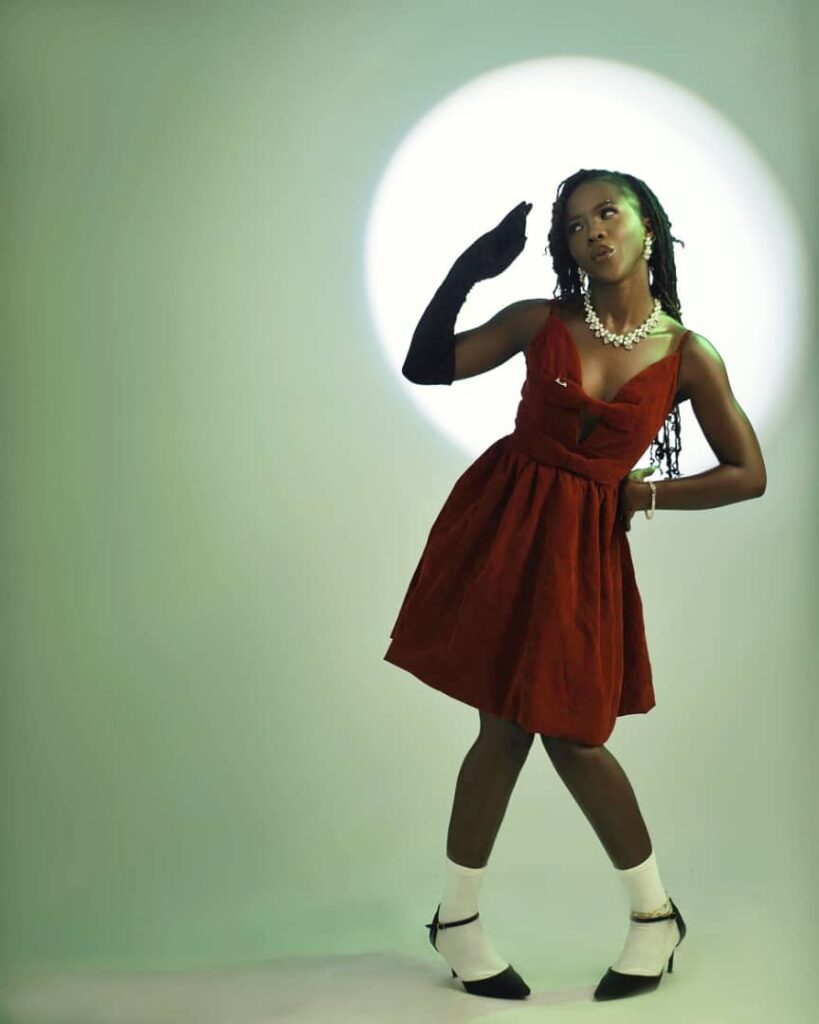
Psyy was born in Osogbo, Osun State into a polygamous family where getting love was difficult. Like most polygamous homes in Nigeria, survival was a regular battle. Money was the least of the problems in the Ogunlowo house, as Opeyemi’s parents were doing well financially.
Despite the animosity from her step siblings , she was loved by her parents, who did everything humanly possible to protect her. In her childhood. Notwithstanding some health challenges during her childhood , she came out strong. Furthermore, Psyy is well educated and attended some of the best primary and secondary schools in Osogbo.

Later, she gained admission into the prestigious University of Ekiti to study study biochemistry, but in her third year, she wanted to do something else. She discovered her love for dancing, and that was how her musical career began. Dropping out of school in her third year brought her at loggerheads with her parents, who were well-respected religious leaders in the community.
Read Also : Francisca Enadeghe The Nigerian Iconic Model !
With time, Psyy found solace in the theatre and immersed herself in music. In 2014, she wrote and recorded her first song, Baddaman. From there onwards, Psyy has performed in various Nigerian musical events which include:
- Big Brother Naija
- Felabration
- Gidi Fest
- Fanfare Autofest
In 2019, she organised her first concert, called Jazz with Psyy. Psyy genre is what is called Afropsychedelic, a music style that blends African music with psychedelic rock. In 2020, she came out with her debut extended play (EP), “A Psy of Relief”, which was widely accepted and gained her a reputation as an “Artist to Look Out For in 2021”.

After her success, she released notable singles like Adrenaline, which got her featured on BBC Radio UK. Some of her albums include Function and Body Talk, which you can listen to and download on her YouTube channel. She currently studies tourism at the National Open University.
Psyy is a talented musician, storyteller, and artist with unique skills. She is committed to redefining how music is viewed and becoming a major name in the music industry.











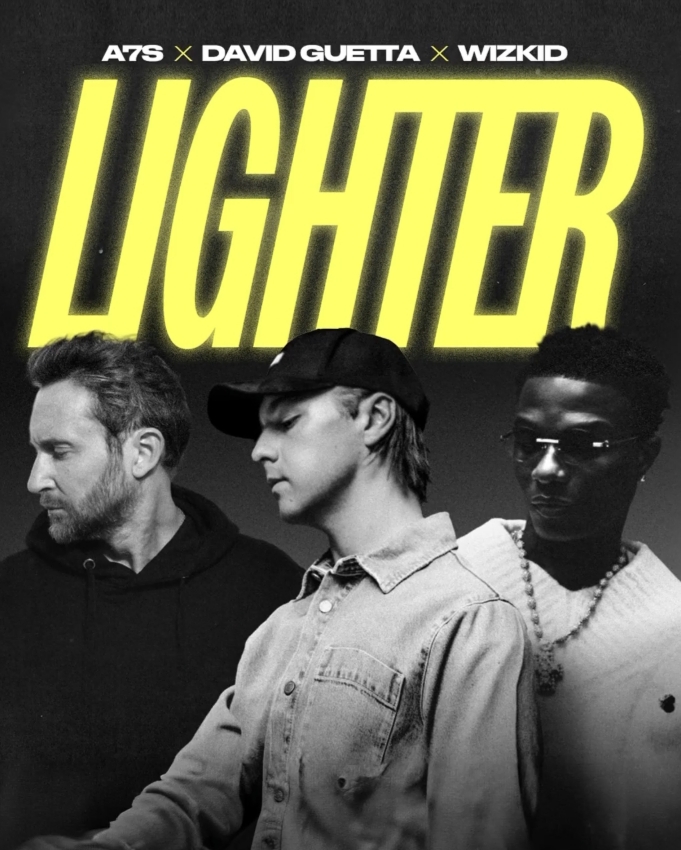
There’s something steady about Lighter — no rush, no noise, just a song that knows what it wants to be. A7S, David Guetta, and WizKid come together on this track without stepping over each other. It’s not about showing off. It’s about making space for mood, rhythm, and feeling.
A7S opens with a soft, almost weary vocal. “So take the pain away, make it lighter,” he sings — not with drama, but with quiet honesty. His voice sits just above the beat, not straining for emotion but letting it come through naturally. The production under him is sparse but warm, giving the lyrics room to breathe.

David Guetta, who often leans toward bold, energetic sounds, holds back here. His touch is more subtle than usual. The beat moves with a calm pulse — there’s structure, but it doesn’t overpower. It’s a shift from his typical style, but it fits the tone of the track. You can tell the goal wasn’t to make something loud. It was to make something that sits with you.
Then WizKid enters. His delivery is smooth, relaxed, and completely in his element. He weaves between English and Yoruba without missing a beat. One moment he sings, “Baby make I hold you tighter,” and then shifts to, “Emi naa lo mo pe mo wa alright.” It doesn’t feel like a performance; it feels like how he talks. That ease adds something you don’t hear in every pop collaboration — a bit of home, a bit of truth.
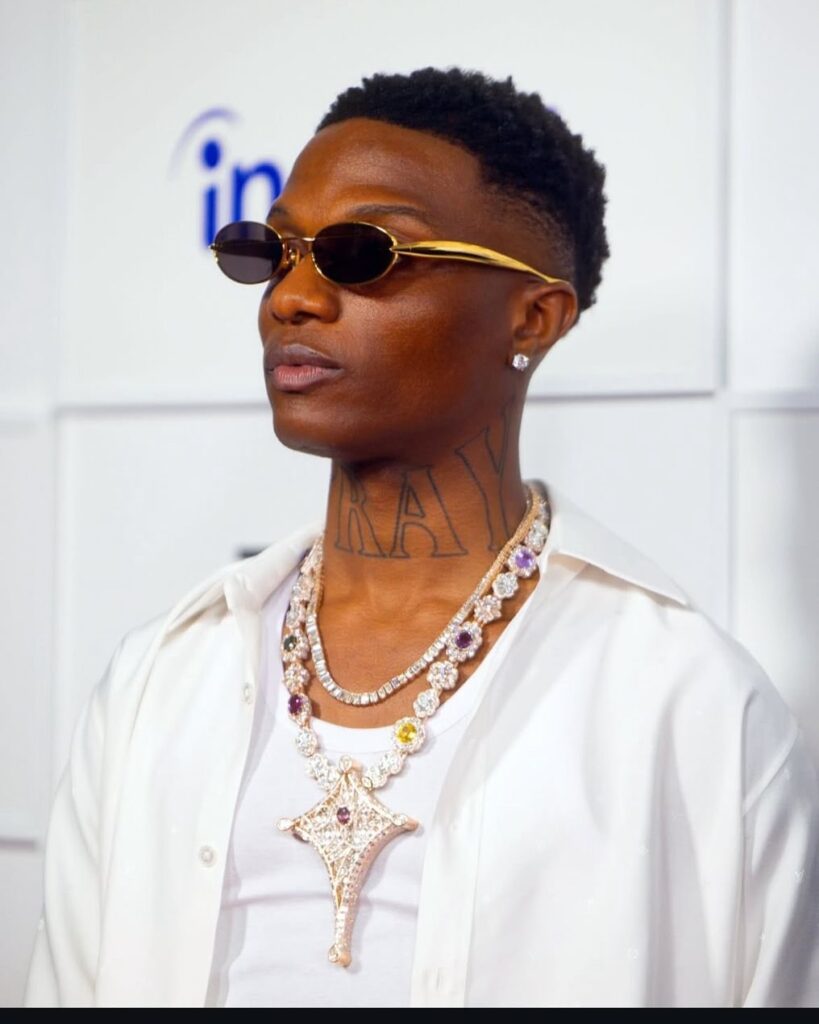
WizKid’s verses always carry a certain calm, and here, that calm sharpens the song rather than slowing it down. The Yoruba lines aren’t just decorative — they belong there. They ground the song in real-life rhythm, making it less polished in the best possible way.
There’s a clear rhythm to Lighter, but it doesn’t rely on a hook to carry it. The lyrics are simple, but that simplicity is what makes them feel close. Nobody’s trying to outshine anyone. The parts are balanced. A7S brings a light touch, Guetta stays in the background, and WizKid fills the spaces with warmth.

At under three minutes, the song ends as gently as it began. No big finish, no buildup to a drop — just a fade that feels earned. You might not notice every detail the first time around, but it stays with you, and the next time it plays, it feels familiar.
Lighter doesn’t push to be a hit. It’s more personal than that — more like a moment caught in the middle of a busy day, or a voice note sent late at night. And that’s exactly why it works.
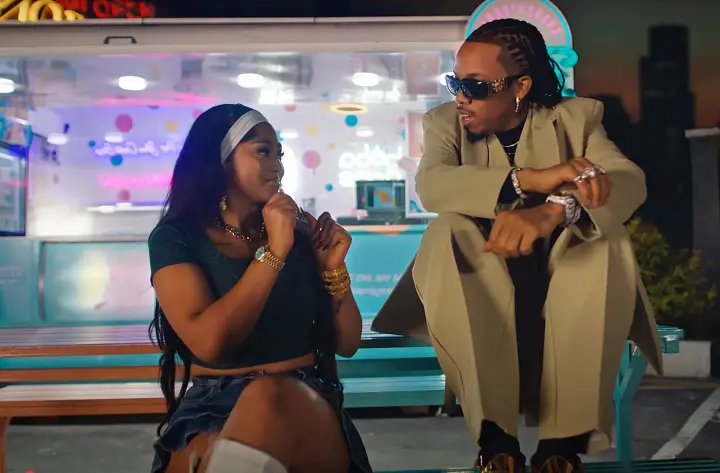
Tekno’s new video for “Power Bank” isn’t trying to be anything more than what it is—a light, charming, and well-paced visual companion to a catchy Afrobeats track. Set in Abuja and featuring Nollywood actress Regina Daniels, the video moves with ease, mixing simple storytelling with bright visuals that echo the song’s upbeat mood. It stays subtle, allowing the chemistry and mood to carry the story.
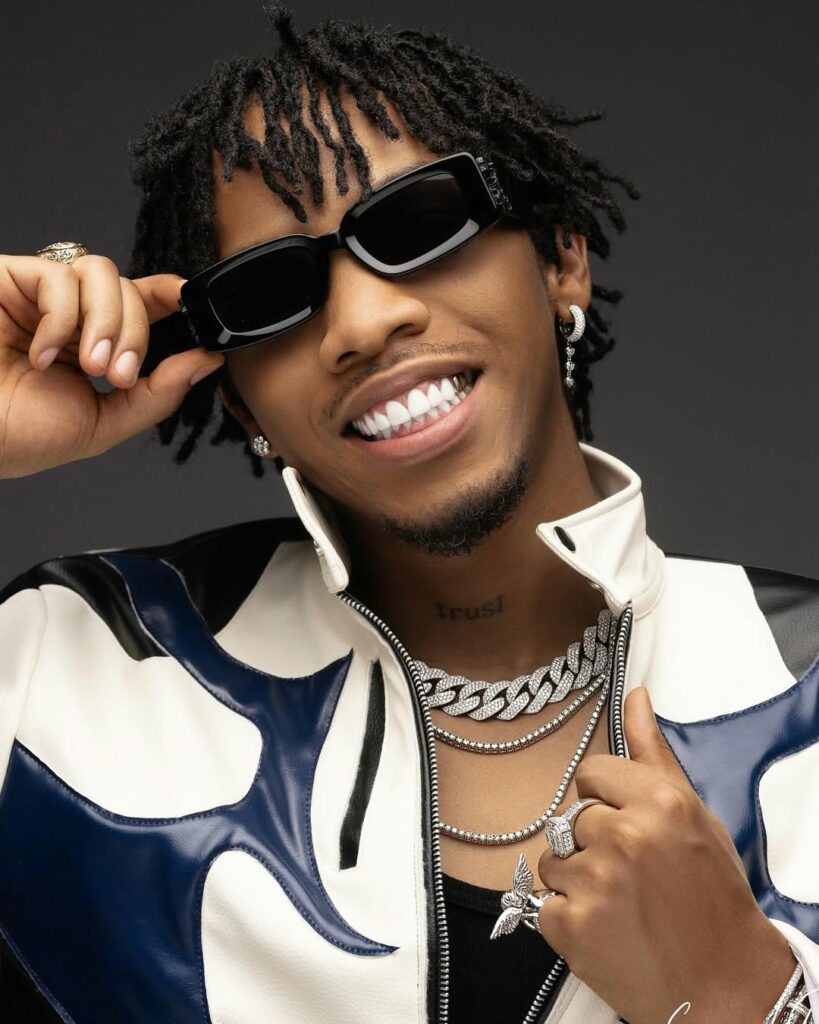
The video follows a playful love story between Tekno and Daniels, leaning into moments that feel more casual than scripted. A quick chase scene, some light flirtation, and plenty of shared looks make up the bulk of the narrative. It’s not trying to deliver a heavy message or a deep plot—it simply plays with the idea that love, like a power bank, gives you the energy to move through life.
Visually, it’s clean and vibrant. The director, Kemz, uses color and pacing well without overloading the screen. The shots are tight where they need to be and open up when the music calls for it. There’s a clear sense of rhythm between what you see and what you hear, but it’s handled with restraint. The editing keeps things moving but never feels rushed. The wardrobe and locations are thoughtful without being distracting.

One of the video’s strongest points is the chemistry between its leads. Tekno and Regina Daniels don’t overplay their roles—they keep things relaxed, which helps the idea behind the song land more naturally. Their interaction feels easy, and that’s what gives the video its charm. It doesn’t push too hard to make you believe in the story; it just lets the story unfold.
The concept of “power bank” as a metaphor for emotional energy isn’t overexplained—it’s just there, running quietly beneath the visuals. Whether it’s the spark between the characters or the bursts of color and movement, there’s a current that keeps the video alive. It’s a straightforward execution, but one that works because it doesn’t try to be more than the song needs.
“Power Bank” won’t reinvent the music video format, but that’s not its goal. It’s comfortable in its own lane—a simple, well-made visual that complements the music and leaves a pleasant impression. Tekno knows how to stay in step with his sound, and this video is another example of that. It’s short, sharp, and clear about what it wants to deliver. And it does.

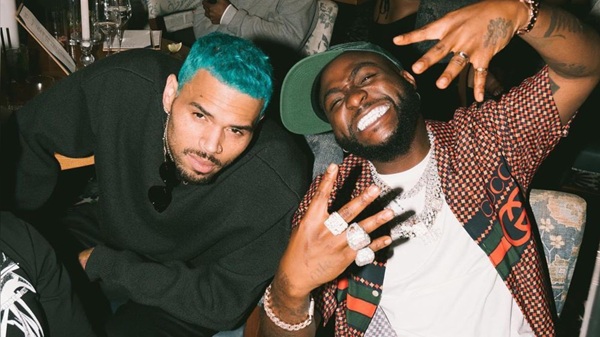
Davido took the roof off with his electrifying performance of With You at the long-anticipated tour of Chris Brown, BREEZY BOWL 2025 at Tottenham hotspur stadium, UK. Energy was so palpable as the crowd sang along to every word mesmerised by the infectious stage presence of Davido.

Davido and Chris Brown
You could not help but get the thrill growing as you watched Davido finally get on stage. Davido who is an entertainer in his live performances did not disappoint. He got the full stadium dancing and moving their hands up in the air with his unique Afrobeats and hip-hop. The cheering of the stadium went deafening when he sang a song titled With You, and this solidified his allegiance with the rest of the world and his prowess in music.
However, what was really unique about this performance was the brotherhood between Davido and Chris Brown. The two music giants are friends as they have spent years together and their on stage chemistry was unquestionable. The show was, as Davido himself wrote, capable of being described as epic, and we have to second that! In his words “BREEZY BOWL 2025 was epic! Always a pleasure sharing the stage with my brother, Chris Brown.”
Chris Brown’s BREEZY BOWL XX celebrates 20 years of his career.
Where do Davido and Chris Brown go next? The two together have unlimited talent and charisma. We can only expect that we will see something cool soon that the two musical heavyweights will put out next! Meanwhile, Davido’s 5 ALIVE Tour is fast approaching. Let’s anticipate the Davido and Chris Brown’s synergy on stage.

Essential Dandruff Shampoos for a Healthier Scalp

Signs To Know It’s Time to Move On From Your Relationship

Diddy Not Found Guilty on RICO, Guilty on Prostitution Charges

Wigs, Braids, and Bold Cuts—Celebrity Hair Moments to Save

5 Reasons why Eating Fruits and Vegetables Regularly Would Make You Healthy

Chioma Good Hair Stuns in a Regal Gold Gown at Labake Olododo Premiere

Regina Daniels Took the Pixie Cut and Made It Chic

Transform your Home with These New Shades.

The Shadow of Greed Trailer Review

Regina & Mercy- Bonded by Style, Backed by Loyalty

From Natural to Glam: 3 Makeup Tutorials for Beginners.

Medlin Boss, Fashion Queen, ”Named Among 100 Most Influential African Women”

-

 Fragrance2 months ago
Master the Art of Perfume Layering for a Signature Scent
-

 Beauty2 months ago
Unapologetically Red: Nancy Isime’s Unwavering Commitment to her Favorite Lipsticks Shades
-

 Movies2 months ago
The 5 Best New Nollywood Movies to See on Netflix
-

 Music2 months ago
Ayra Starr & Wizkid’s “Gimme Dat” Honest Review
-

 Skin Care2 months ago
Not Just Fine Lines: 5 Shocking Signs You’re Losing Collagen
-

 Celebrity News1 month ago
From Nollywood to the Navy: Grace Bassey, Former Nollywood Actress,Joins the U.S Navy.
-

 Skin Care2 months ago
DIY Face Mask Using Local Ingredients
-

 Sex & Relashionships1 month ago
10 Signs You Are The Less Affectionate Partner
-
 Deco4 weeks ago
Wall Deco Inspiration – How to Create a Gallery Wall
-

 Food4 weeks ago
Food for Thought: The Psychology of Eating