
Health
Healthy Living: 9 Ways To Keep Your Body In Good Health

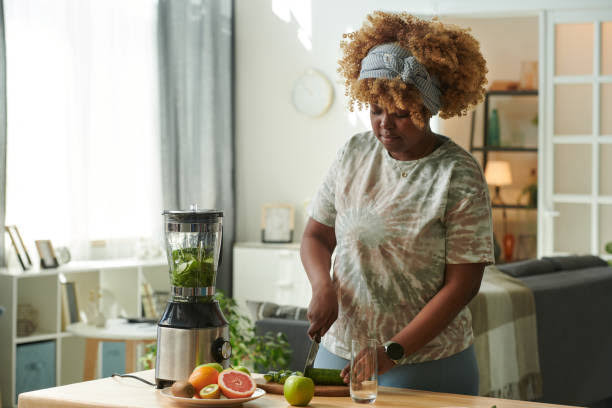
Healthy Living: 9 Ways To Keep Your Body In Good Health.
Staying healthy is not hard. Whether you are exercising, improving your diet, or simply maintaining good hygiene practices, it doesn’t have to be complicated at all. In this article, I’ll share with you 9 simple tips you can use to maintain healthy living. You know the best part? This tips will not cost you hours of time, it’s so good even for those with busy schedule!
Table Of Content.
- Eat balanced diet
- Adequate sleep
- Stay hydrated
- Exercise regularly
- Stress management
- Reduce screen time
- Avoid bad habits
- Healthy relationships
- Maintain a healthy weight.
- Conclusion.
Eat Balanced Diet: Reason and Tip.

Maintaining a healthy body requires that you eat rich meals. This means your food should have varieties of nutrents that will help nourish your organs and tissues improving overall well being. A balanced diet should consist of the main food, fruits, vegetables, etc.
Reason: It improves your overall health, helping you stay energized throughout the day, and minimizes the risk for diseases.
Tip: Add lots of vegetables when cooking and try to eat fruits after meals as they both contain essential nutrients like vitamins, minerals, fibers, needed by your body to stay healthy.
Adequate sleep: Reason and Tip
When you sleep, your body gets the full rest it needs to repair, detoxify, prepare for the next day. It is advised you get a maximum of 8 hours of good night rest to enjoy the benefits of sleep.
Reason: It helps to make you feel better, enhances your memory and focus. It also support growth of cells for replacement of work out cells.
Tip: Maintain a regular sleep pattern such that your body gets used to it. Sleep and wake up at same time everyday.
Stay hydrated: Reason and Tip
60% of your body is made of water therefore the importance of staying hydrated for healthy living cannot be overemphasized. Water not only helps improve skin health but also helps your body do things like digestion, excretion, etc.
Reason: Dehydration causes you to lose focus and have splitting headache. So to avoid this state, drink lots of water and you will remain healthy to work on your goals.
Tip: carry a bottle of water wherever you go and sip water from it regularly.
Exercise Regularly: Reason and Tip
You don’t need to be Usain bolt to enjoy all the benefits exercising gives to the body. A simple 10 mins workout session every morning would do the magic.
Reason: helps strengthen your muscles and bones, maintain weight gain, prevent heart diseases, and improves your mood making you feel energized.
Tip: is there any fun sport activities like dancing, biking, football, you enjoy? Just do it and stick with it.
Stress Management: Reason and Tips

Life gets so busy and most times overwhelming that it makes us sick. Causing stress on both the body and mind leading to health disorders and mental disorders. Knowing how to manage stress is a vital key to healthy living.
Reason: Excess stress causes problems like headache, insomia, and sickness affecting our body and general health. Learning how to manage stress no matter the challenge can help you stay calm and focused.
Tip: Try out different relaxation techniques like meditation, or you can have a good conversation with your loved ones.
Reduce Screen Time: Reason and Tips
The world has gone digital. The global market. It has become very easy to spend lots of hours on screens like TV, phone, laptop, and other electronic gadgets. This can affect your health by causing you headaches and tiredness. It is therefore necessary to put a curb on screen time.
Reason: Too much screen time can strain your eyes, cause you headache, give you bad body posture especially because you stay in one position for hours while on your screen. This can also cause sleep issues making you less active.
Tip: Limit your screen time by deciding to spend specific hours on your phone each day. While at that, make sure you take breaks in between to move your body. This will greatly help with maintaining good health for your body.
Avoid bad habits: Reasons and Tips
Doing bad things is very easy and bad habits can negatively impact your health. It is therefore important you turn from negative habits like smoking, drinking, being a junkie as they can cause damage to your organs and allow for excessive weight gain.
Reason: when you avoid bad habits, you are telling your self and body that you love it so much that you want it to remain strong and healthy.
Tips: Anytime you are tempted to engage in bad habits, remember the long term effects of these habits on your overall well being and desist from such. Make choices that your future self will thank you for.
Healthy Relationships: Reason and Tip
Positive relationship is as good as what you can ever imagine. It helps you boost your mood and manage stress levels. Having good relationship with both friends, family, and loved ones is as important as eating balanced diet and avoiding bad habits.
Reason: When you have those good relationship, it enhances support from loved ones making you feel connected and also helps improve your mental health.
Tip: Hang out with people who value you and make you feel good about yourself. It could be eating out, going to the amusement park or karoke for a fun time. It could also be having great conversation about life and laughing out loud. Whatever it is, ensure you feel good about yourself.
Maintain a Healthy Weight: Reason and Tips
Obesity is an illness and you don’t want to be overweight right? Being overweight or underweight can have serious health challenges leading you to feel sick and down.
Reason: When you maintain healthy weight, you reduce your chances of getting chronic dieases like heart diseases and diabetes. It is also easy to remain active and feel so good about yourself.
Tip: Streamline your focus to eating healthy meals and staying active by moving your body several times a day.
Conclusion
Healthy living and having a healthy body is all about making the right decisions down to what you eat, when you wake and the activities you engage in. You don’t need to be perfect to keep your body in good health. You just need to make use of the Tips I have shared and achieve your goals.








You get home late, hungry enough to eat a full plate. Maybe you have spent the whole of the day moving from place to place, or traffic held you up longer than usual. Either way, you walk in, spot the leftover jollof in the kitchen, and before long you’re eating.
For many Nigerians, a late-night meal could mean rice and chicken, pepper soup, suya or a well-served swallow. Trouble tends to show up when a heavy meal is followed almost immediately by sleep. Eating late once in a while won’t hurt most people, but large portions, spicy dishes and greasy foods can leave you too full, bring on heartburn or worsen acid reflux once you lie down. If this happens to you often, try finishing a substantial meal about three hours before bed.
Pounded Yam and Other Heavy Swallows
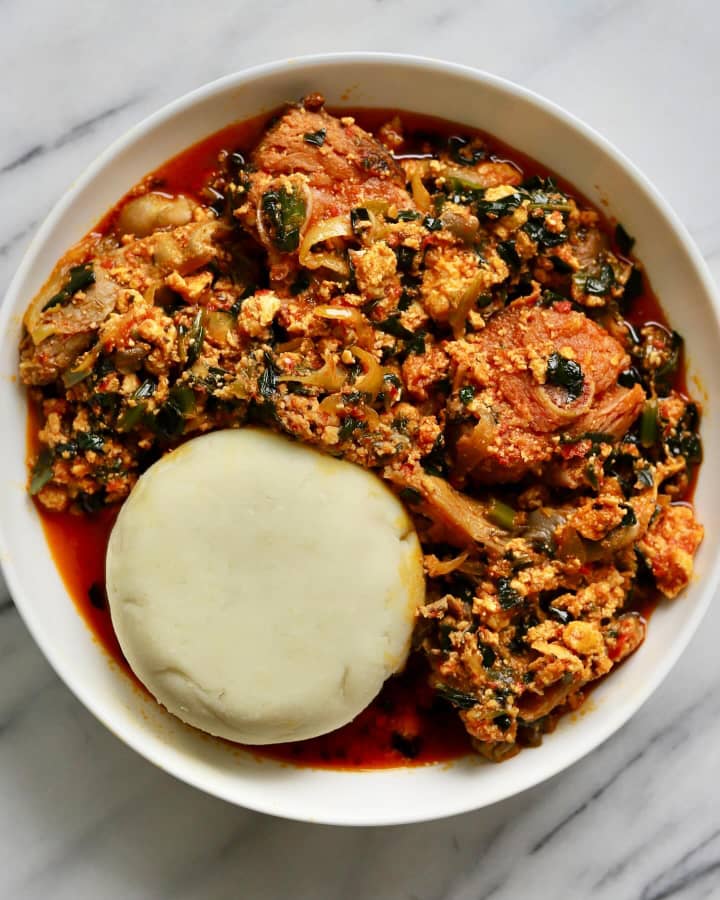
Photo: Instagram/@travelandmunchies
Pounded yam, eba and fufu are regular features at most Nigerian dinner table, and paired with egusi, ogbono or a rich vegetable soup, they make for a meal that keeps you full for hours.
That’s fine earlier in the day, when you still have hours ahead of you. But during the night, a large serving can leave your stomach still working overtime. A sizeable portion, oily soup and plenty of meat only add to that load, and going straight from the dining table to bed can raise the odds of discomfort or reflux, especially if you already deal with it.
Jollof Rice With Fried Meat
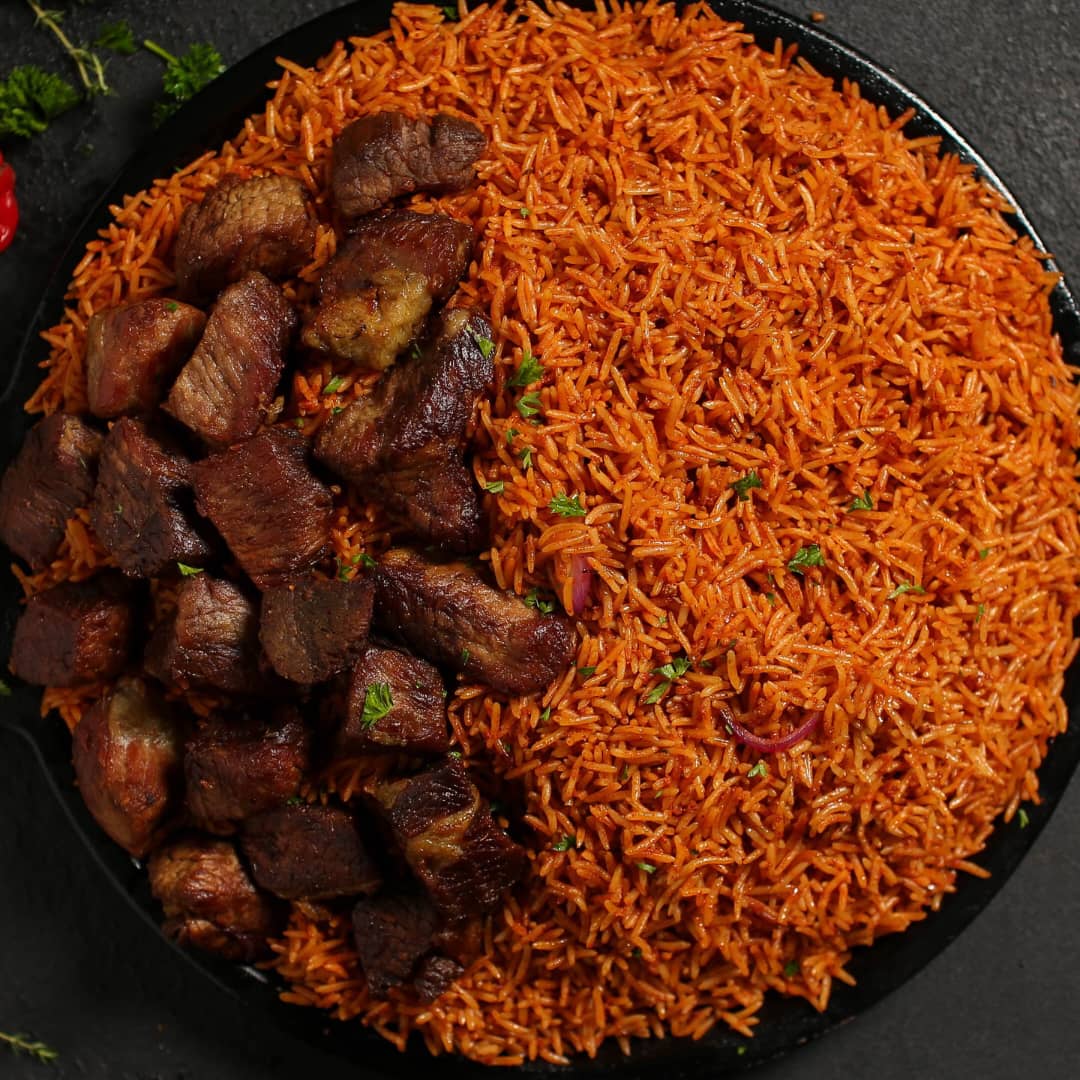
Photo: Instagram/@kikifoodies
Jollof rice holds a notable spot in Nigerian food culture, and for good reason. It becomes an issue when a late-night plate turns into a mountain of rice, fried chicken, beef and a few extra sides for good measure.
Fried meat and other oily additions push up the fat content of the meal, and high-fat foods tend to slow digestion and trigger heartburn in some people. Eating a heavy plate and lying straight down afterwards only makes it worse. If you get home late and yesterday’s jollof is all that’s in the fridge, go ahead and eat it, nobody’s saying otherwise. Just dish out a smaller portion and give yourself time before bed, rather than piling your plate minutes before you sleep.
Suya

Photo: adukecuisine.com
Few things are more tempting on a Nigerian evening than the smell of freshly grilled suya. You stop by the roadside, order a portion, and within minutes the meat is gone.
At bedtime, though, suya’s mix of fatty meat, seasoning and plenty of pepper can work against you. For anyone sensitive to spicy food, that familiar peppery kick can turn into heartburn or indigestion later in the night. Timing matters here too: suya at 11 pm followed by bed hits differently than suya eaten earlier in the evening. If pepper tends to unsettle your stomach at night, have your suya earlier and go easy on the extra pepper.
Pepper Soup
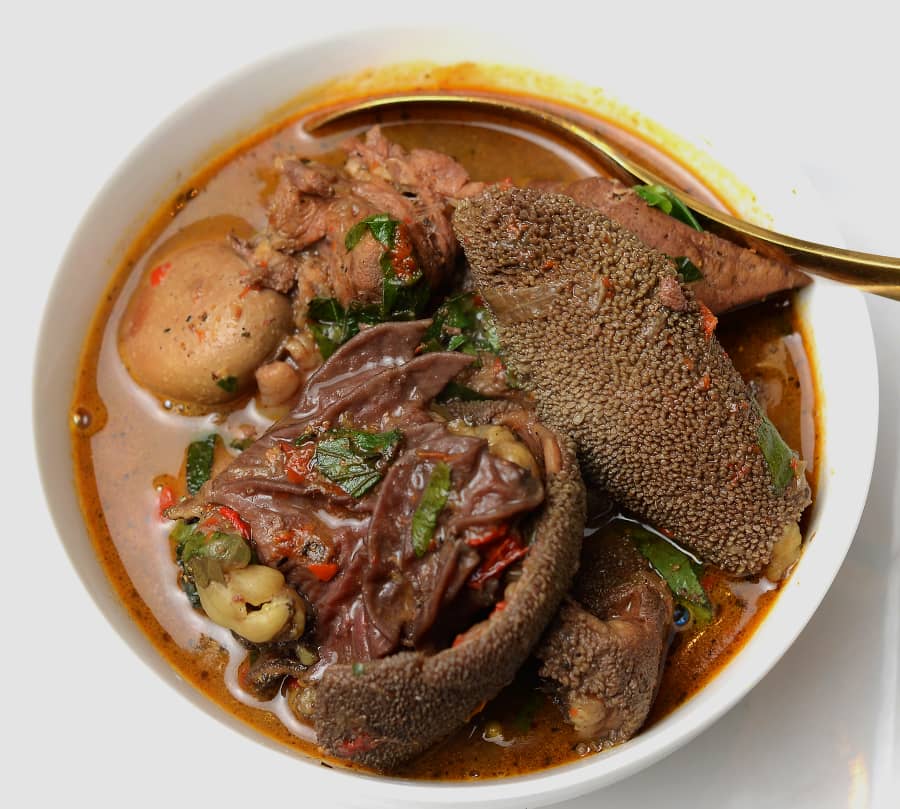
Photo: africanchopbetter.com
Pepper soup sounds like the lighter option depending on how it’s made, but Nigerian pepper soup can also pack serious heat.
If you’re prone to heartburn or acid reflux, a very spicy bowl shortly before bed isn’t the wisest choice, lying down tends to make the discomfort worse. There’s also a real gap between a mild bowl of fish pepper soup and one loaded with pepper, spices and oil, so how yours is usually prepared matters.
Akara and Other Deep Fried Snacks
Photo: kikifoodies.com
Akara and puff puff are easy to reach for when you’re hungry but don’t want to cook a proper meal, and pair either one with bread and you’ve got a quick, low effort dinner.
Deep fried foods are high in fat and a large amount close to bedtime tends to leave you feeling heavy and uncomfortable. They can also trigger heartburn in some people. A few pieces with bread late at night can add up to a much heavier meal than it looks.
What Can You Eat If You Are Hungry at Night?
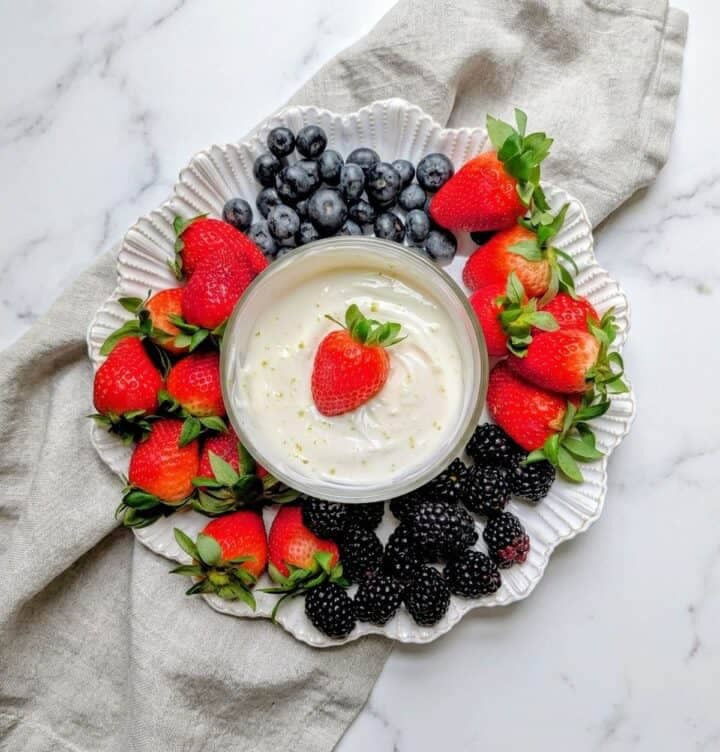
Photo: kitchenreadybetty.com
Nobody wants to lie in bed listening to their stomach growl. If you’re genuinely hungry, a small snack is usually easier on your system than a full plate.
A piece of fruit, plain yoghurt, a little oatmeal or a small handful of nuts make good lighter options, enough to take the edge off your hunger without turning midnight into a second dinner. And if heartburn or reflux is something you deal with regularly, pay attention to what tends to set it off, not everyone reacts to the same foods.
Still, that’s no reason to give up pounded yam, jollof, suya, pepper soup or akara. They’re everyday foods, not forbidden ones. What actually makes the difference at night is portion size, how the food was prepared and how close to bedtime you eat it. Sometimes the simplest fix is just eating earlier. If dinner is going to be heavy, give your body enough time to digest before you go to bed.

For many young adults, blood pressure is probably not something that crosses their minds between work, school, social plans and trying to keep up with everyday life. It is often seen as a health concern for parents or grandparents. Yet, hypertension is showing up in young adults to, sometimes during a routine medical check they had no particular reason to worry about.
A 2025 study, using data collected in 2021, young adults aged 18 to 40 in Abia, Oyo and Kano states found that 18.2% of the participants had hypertension. The study also looked at awareness and healthcare-seeking habits.
Another Nigerian study published in the Nigerian Medical Journal in 2024 found hypertension in 19.93% of 279 medical students aged 18 to 35 at the University of Nigeria, Enugu. Almost half of the participants also had prehypertension, showing that blood pressure problems can appear well before middle age.

Photo: Pinterest
Several factors can increase the risk of high blood pressure in young adults. Meals loaded with salt, frequent consumption of processed foods, spending long hours sitting down and not getting enough physical activity can all raise the risk. Being overweight, smoking and drinking too much alcohol are also linked to hypertension. Stress and poor sleep can add to the problem, particularly when they become a regular part of life rather than occasional experiences.
Still, it would be unfair to blame everything on lifestyle. Genetics can play a role, while conditions such as diabetes and kidney disease may also increase someone’s chances of developing the problem.
Perhaps the tricky part is that there may be nothing obvious to notice. A young person can feel fine, go about their normal routine and have no idea that their blood pressure is higher than it should be. That makes regular checks important, especially for people with a family history of hypertension or other risk factors.

Photo: Dreamstime.com
Ignoring it, however, can have consequences later. Persistently high blood pressure can put extra strain on the heart and blood vessels and increase the risk of serious problems such as heart disease, stroke and kidney disease.
The encouraging part is that some of the risk can be reduced. Eating more balanced meals, cutting back on excess salt, staying active, avoiding tobacco, limiting alcohol and getting enough sleep are useful steps. Anyone who has already been diagnosed should also follow the advice of a healthcare professional rather than trying to manage the condition alone.
High blood pressure may not fit the picture many people have of a young person’s health problem, but age does not make someone immune. Sometimes, a simple blood pressure check can reveal something that the body has been quietly hiding.


For years, women have known the condition as PCOS, short for Polycystic Ovary Syndrome. It is one of the most talked about hormonal disorders affecting women of reproductive age. But now, health experts are pushing for a new name: PMOS, which stands for Polyendocrine Metabolic Ovary Syndrome.
At first glance, it may seem like a simple rebrand. But the proposed change says a lot about how doctors now understand the condition and how women’s health is evolving.

Photo: Getty images/PMOS attributed beards
The problem with the name PCOS is that it focuses heavily on ovarian cysts. In reality, not every woman with PCOS has cysts on her ovaries. Some women are diagnosed without having any visible cysts at all. On the other hand, many women with ovarian cysts do not have PCOS.
This has caused confusion for years. Health professionals argue that the old name also downplays the broader impact the condition has on the body. PCOS is not just about irregular periods or fertility struggles. It is closely linked to metabolism, insulin resistance, weight changes, inflammation, cholesterol problems, and even increased risk of type 2 diabetes and heart disease.
That is where PMOS comes in.
The proposed name, Polyendocrine Metabolic Ovary Syndrome, shifts attention to the metabolic side of the condition. Doctors want people to understand that this is not only a reproductive health issue. It affects the entire body.
For many women, that explanation may finally make their symptoms feel connected. A woman dealing with fatigue, stubborn weight gain, acne, excessive hair growth, anxiety, irregular cycles, and blood sugar issues may not realize all of these can stem from the same condi

Photo: Getty images/hormonal acne
The name change also matters because language shapes healthcare. When a condition is misunderstood, patients often struggle to get proper treatment. Some women with PCOS spend years being told to “just lose weight” without receiving deeper evaluation for insulin resistance or hormonal imbalance.
By highlighting the metabolic component, PMOS could encourage more comprehensive care. That means treatment may go beyond fertility medications or birth control. Doctors may focus more on blood sugar management, nutrition, exercise, mental health support, and long term disease prevention.
Still, not everyone agrees on the new name yet. Some researchers believe changing the name could create temporary confusion, especially since PCOS is already widely recognized in medical spaces and online communities. Others argue that awareness campaigns would be needed to help patients understand the transition.
But one thing is clear. Women’s health conversations are changing. Conditions that were once reduced to reproductive symptoms are now being viewed through a wider lens.


The Best-Dressed Stars of the Week Kept Things Chic and Daring

5 Things You Didn’t Know About Ayra Starr

All the Drama BBNaija Week 6 Brought

Burna Boy Becomes First Nigerian Artist to Surpass 4 Billion YouTube Views

Laura Ikeji Proves Polka Dots Are Back and Better Than Ever

5 Things You Didn’t Know About Uzoamaka Power.

“Blood Sisters” Returns to Netflix This Week: What to Expect.

Mr P Returns With New Music Video for ‘I Can’t Look Away’.




-
 Celebrity Style1 month ago
Laura Ikeji Proves Polka Dots Are Back and Better Than Ever
-

 Entertainment1 month ago
Tems to Executive Produce Children of Blood and Bone Soundtrack
-

 Big Brother Naija1 month ago
Meet The Big Brother Naija Season 11 Housemates
-

 Bags2 months ago
These Nigerian Bag Brands Are Raising the Bar for Made-in-Nigeria Fashion
-

 Celebrity News1 month ago
Tems Becomes First Female African Artist to Earn RIAA Diamond Certification
-

 Entertainment2 months ago
Tiwa Savage Reveals Why Her Private Video Was Leaked.
-

 Top Xclusiv1 month ago
Shakira Reveals She Waited 20 Days for Burna Boy’s Verse on the FIFA World Cup Song “Dai Dai”
-

 Top Xclusiv1 month ago
Cardi B Appears to Respond to Maduka Okoye and His Baby Mama’s Drama
-

 Beauty1 month ago
Everything You Need to Know About Toner Pads
-

 Celebrity Style1 month ago
How Dede Ashiogwu Styles a Classic White Dress