
Movies
Trailer Review: Highest to Lowest

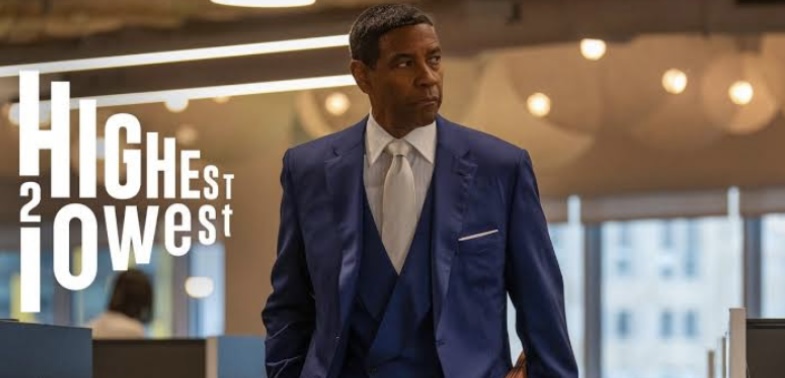
Directed by Spike Lee, “Highest to Lowest” is a crime drama based on a Japanese film, “High and Low” by Akira Kurosawa. Starring Denzel Washington in the lead role, with A$AP Rocky, Jeffrey Wright, and Ilfenesh Hadera. Set to be released on August 22, 2024, the trailer teases a story that hints at family, power, tough decisions and responsibility.
Plot
It introduces David King (Denzel Washington), a successful music mogul, married to Pam King (Ilfenesh Hadera) and their teen son Tray King (Aubrey Joseph), a talented basketball player. David seems to have everything one can wish for — money, power, and authority. But their world is shaken when they receive a devastating news, their son has reportedly been abduct. The twist? The kidnappers have mistaken the driver’s son, Kyle for Tray. Caught in a dilemma, David must choose whether to use his influence and money to help, or turn his back on his driver’s son because it’s not his family who’s at risk.
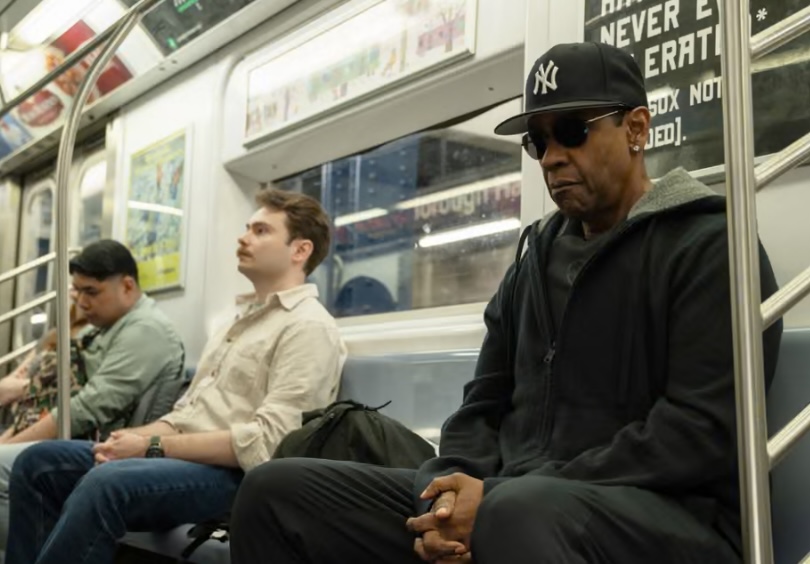
Denzel Washington
What makes the plot stand out is that David’s conflict of having to choose if he should save his driver’s son, isn’t a simple case of right or wrong— it’s about what people do when they’re not directly affected, and how power shapes a person’s sense of duty. Early in the trailer, a voice-over declares that, “This isn’t about the money. It’s about the principle,” that alone sums up the tension he was going through perfectly. He’s confronting what kind of man he truly is.
Cinematography
The trailer didn’t really reveal much but the visuals are on point, with sharp shots and smooth editing. There’s a lot of movement and action in the scenes that will keep your eyes glued to the screen. Plus, the way they show the characters’ emotions, especially during intense or quiet moments looked real. The darkness of the streets and abduction, builds up suspension. Scenes of flashing lights, the soundtrack, the angle at which the camera was held, and emotions from the characters was really amazing.
Cast and Character’s Chemistry
Denzel Washington as David King was made for this role, he has this aura of quiet dominance — someone who walks into a room and his confidence speaks, no words needed. From the trailer, his performance reveals a man torn between two sides of himself. He looks calm on the outside, but you can tell there’s guilt and pressure building up underneath — and it feels like he’s slowly losing control.
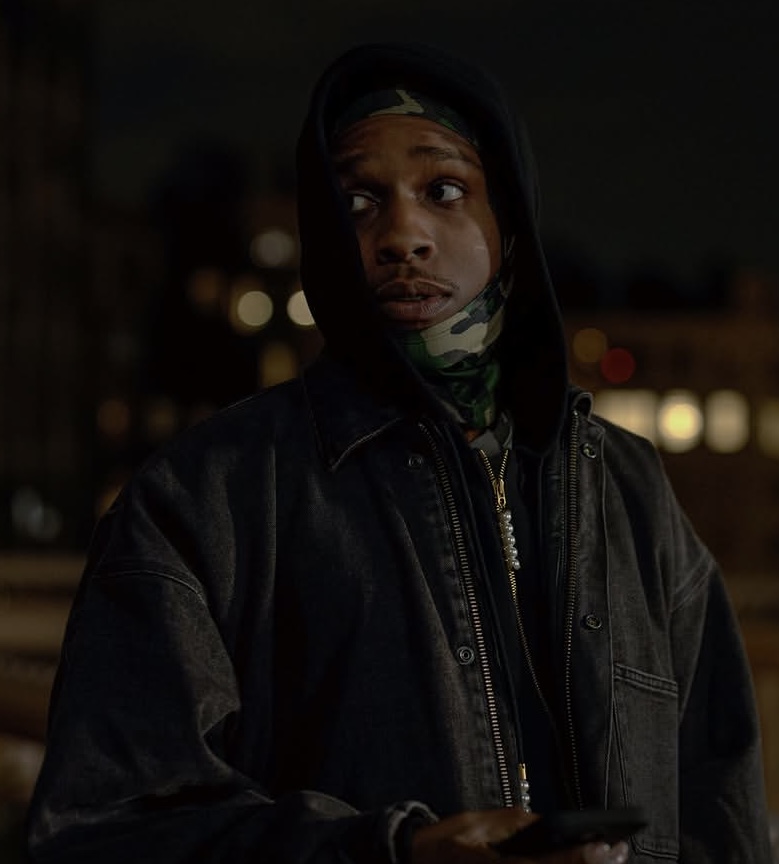
A$AP Rocky
A$AP Rocky, who plays one of the kidnappers, brings an edge that’s both captivating and dangerous. His presence adds tension and excitement to the trailer, there’s this chemistry between him and Denzel thats unpredictable.
Jeffrey Wright, as the father of the kidnapped boy, is very emotional. You can see that he’s hurting, but he doesn’t make a big show of it or act overly dramatic. His pain is quiet — from his eyes, his body language, and the way he pauses while speaking shows the pain and sadness he’s experiencing. Even though he doesn’t have many scenes, those few moments feel powerful.
Ilfenesh Hadera and the rest of the supporting cast play their roles perfectly with the right emotion for each scene. Their performances were intentional, enhancing the narrative without pulling the spotlight away from the main storyline.
Our Review
Highest to Lowest looks like it’s more than a flashy thriller. It’s thoughtful, intense, and there are lots of lessons to learn— It poses a question that stays with you: what would you do if the life on the line wasn’t your own?
In the midst of having to deal with family, guilt, power, and the consequences of choices. What action would you take with all the pressure or would you rather abandon everything and move on because it doesn’t affect you.
Tap the link below to watch the official trailer



Movies
“Dear Ajayi” Makes History as First Nigerian Production in Venice Days Competition | Watch Trailer


“Dear Ajayi” Makes History as First Nigerian Production in Venice Damilola Orimogunje’s “Dear Ajayi” has been selected for the 2026 Giornate degli Autori, also known as Venice Days, at the 83rd Venice International Film Festival. The selection makes it the first Nigerian production to compete in the Venice Days section. The Nigeria-Germany co-production will have its world premiere as part of the competition.
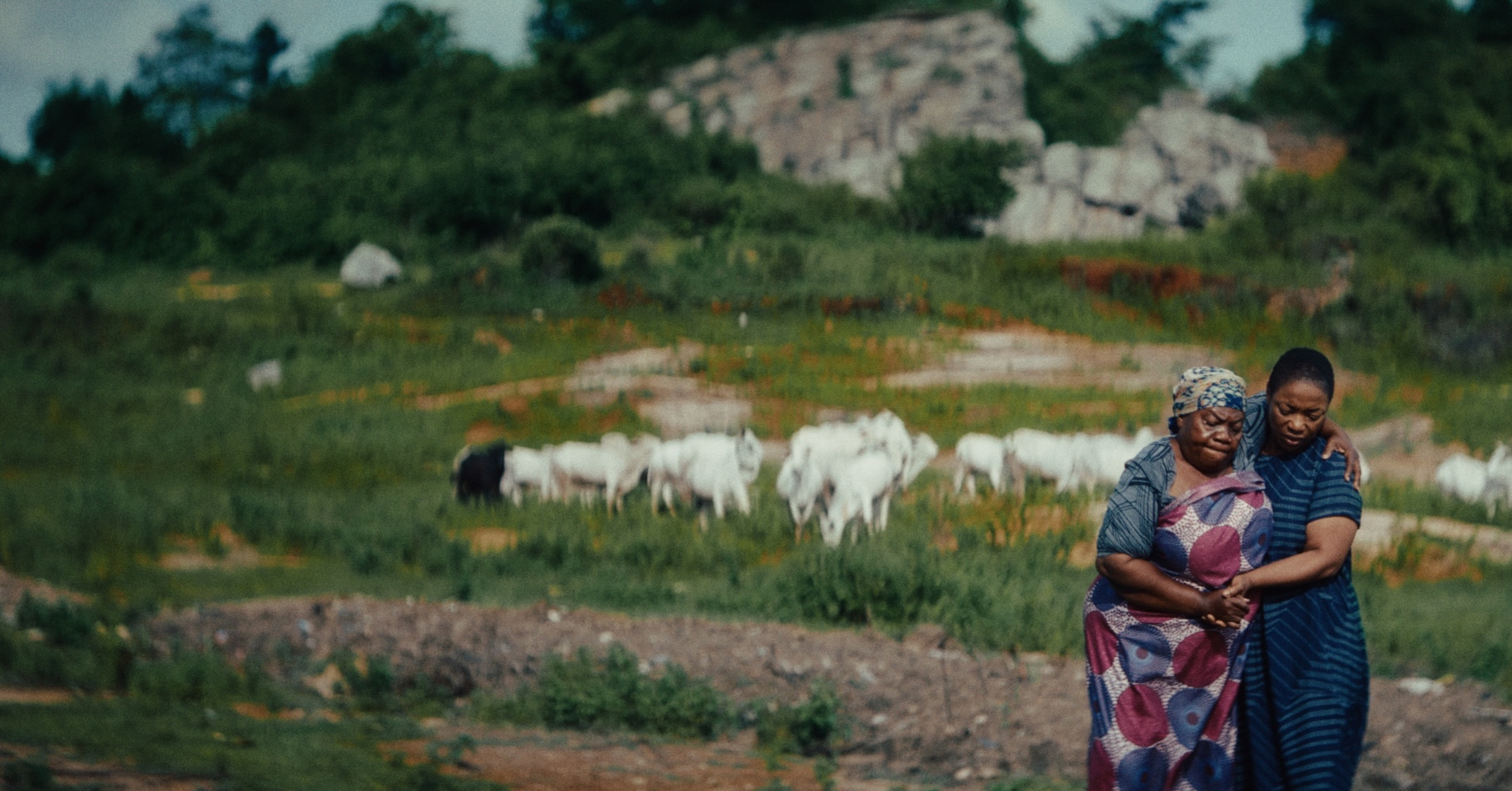
Photo: 2o9ine Films
Set in 1990s southwestern Nigeria, “Dear Ajayi” follows two sisters, Ade and Titi Ajayi, whose lives have gone in very different directions. Ade is a committed Christian and the main breadwinner in the family, while Titi is an aspiring singer who has chosen a more independent path. When their paralysed mother requires care, the sisters have no choice but to come back together.
Orimogunje wrote and directed the film. The cast includes Bimbo Akintola as Ade and Tosin Adeyemi as Titi, alongside Lanre Hassan, William Benson, Antar Laniyan, Uzoamaka Power, Michelle Dede and Chioma Omeruah, (Chigul)

Photo: 2o9ine Films
Re Olunuga composed the music, while KC Obiajulu served as cinematographer. The film was produced by 2o9ine Films, with Mayana Films, Depth and Optics Productions and Zynox Productions joining as co-production partners.
The film received support from the Hubert Bals Fund+ Europe, while Luminalia is handling its world sales
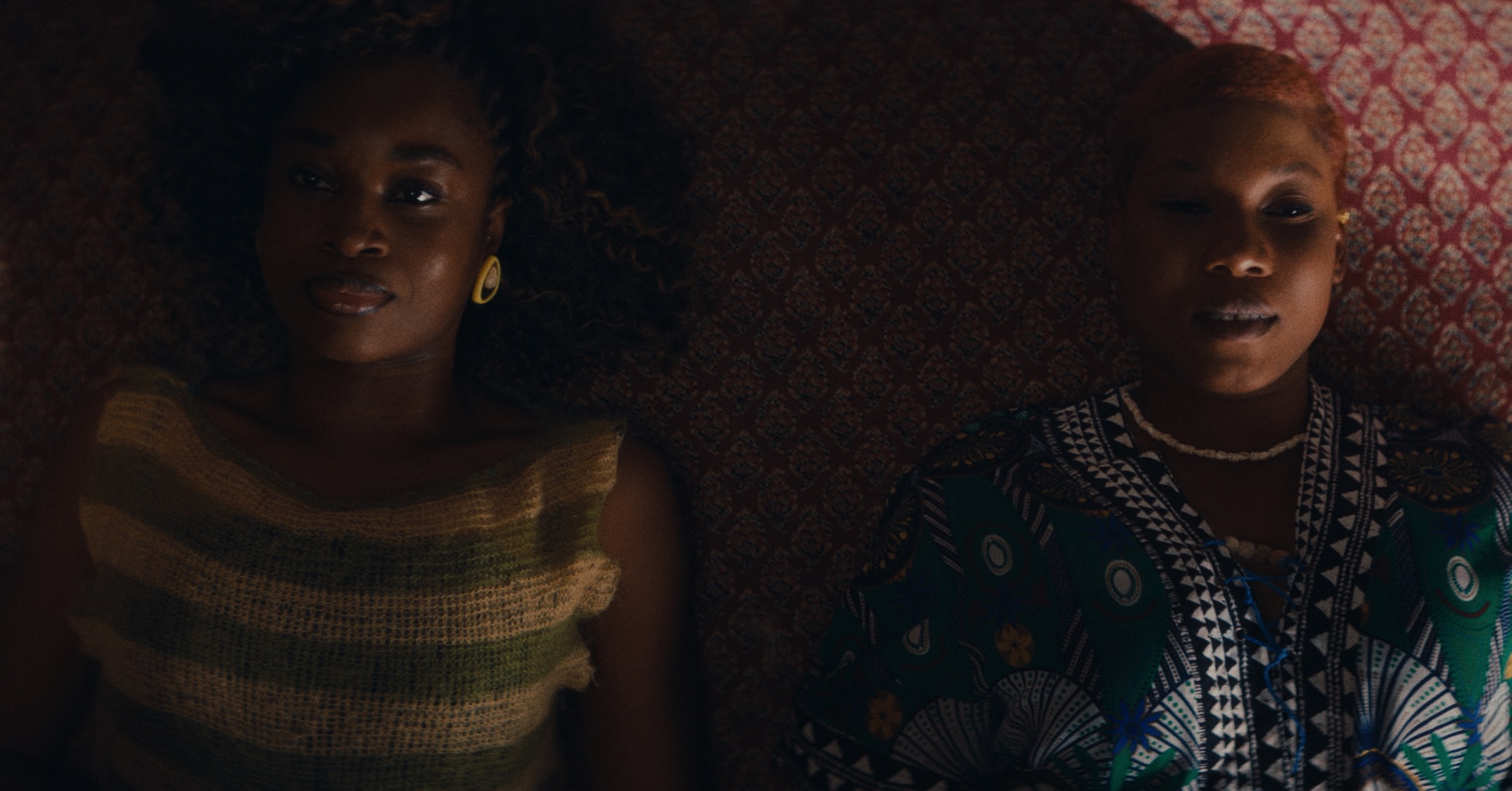
Photo: 2o9ine Films
Ahead of its Venice premiere, the first trailer gives viewers a look at the Ajayi family and the strained relationship between the two sisters.
Dear Ajayi will have its press and industry screening on September 4, with public screenings scheduled for September 10 and 12 during Venice Days.
Watch the trailer below.

YouTube is no longer limited to music videos, skits and short clips. Nollywood filmmakers have increasingly used the platform to release full-length movies, giving viewers another way to find recent Nigerian films without moving between different streaming services.
For anyone looking for something to watch, the options range from family drama and straight drama to comedy. Here are five Nollywood films currently available through the YouTube channels associated with their releases.
Alechenu – Family Drama (Biodun Stephen TV)
“Alechenu” is a family drama directed by Biodun Stephen and available on “Biodun Stephen TV” on YouTube. The film stars Royal Aziomaku in the title role, alongside Bimbo Ademoye, Mike Ezuruonye, Femi Adebayo and Blessing Jessica Obasi-Nze. Following its cinema release in July, the movie is now available for viewers who want to watch it on YouTube.
The film follows 13-year-old Alechenu, an autistic boy who leaves his home in Oyo and travels to Lagos in search of the mother he has never met. Armed with only a photograph and his birth certificate, he sets out to find her, but the search takes him into a family carrying secrets of its own. What begins as a young boy’s attempt to find his mother gradually becomes a journey into questions about his identity, his family and where he truly belongs.
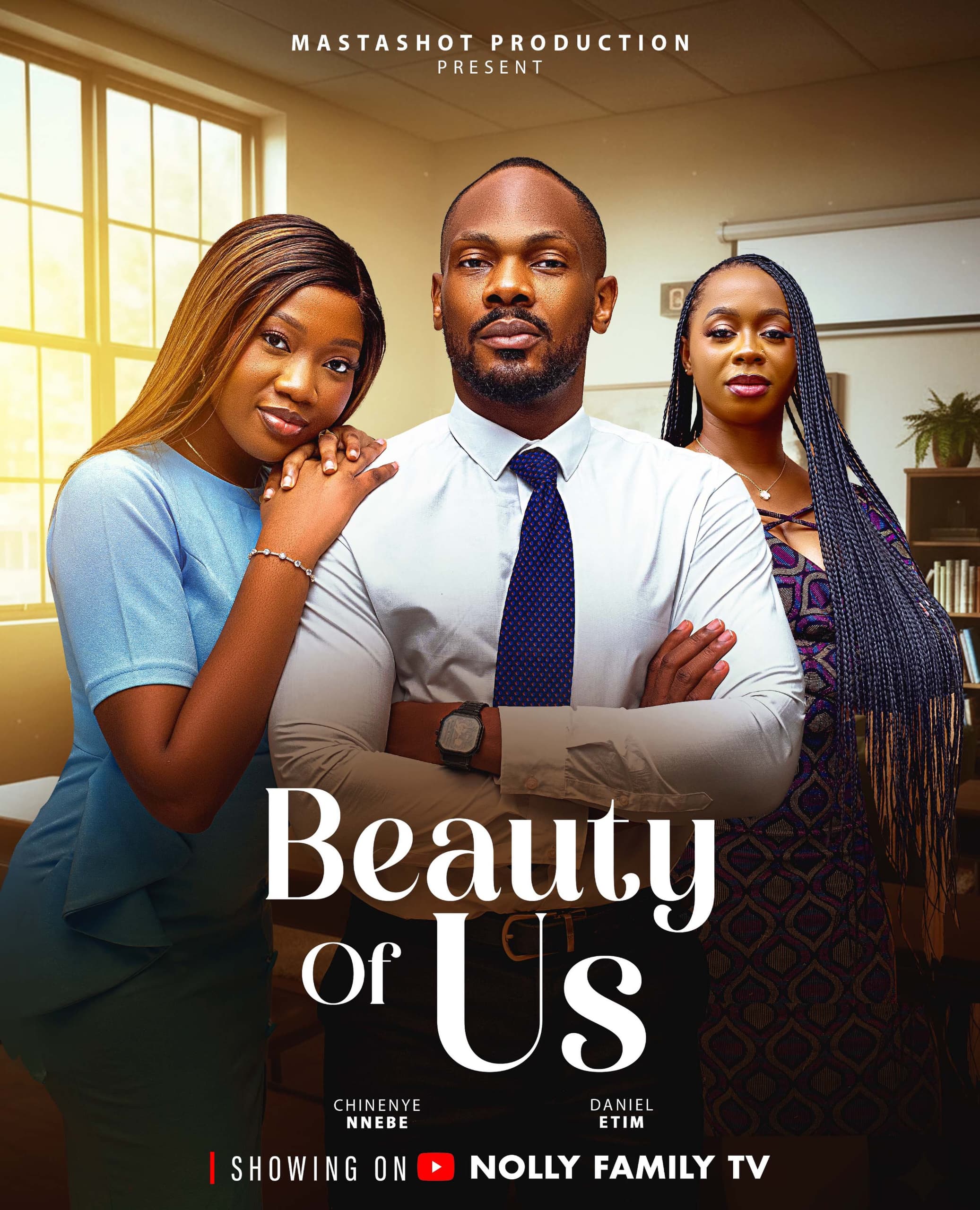
Beauty of Us – Drama (NollyFamily TV)
“Beauty of Us” is a Nollywood drama starring Chinenye Nnebe and Daniel Etim Effiong. The full movie is available on “NollyFamily TV” on YouTube, where it is listed as “BEAUTY OF US (Full Movie) – DANIEL ETIM, CHINENYE NNEBE 2026 Latest Nollywood New Movie”.
The story follows characters whose relationships are tested by the choices they make and the circumstances they find themselves in. As personal interests and emotions begin to affect those relationships, the characters are forced to deal with the consequences of their decisions. With Nnebe and Etim Effiong leading the cast, the film offers a relationship-focused drama built around conflict, choices and the complications that follow.
Sibe – Comedy (Bimbo Ademoye TV)
“Sibe” is a comedy starring Bimbo Ademoye, Uche Montana, Uzor Arukwe and Deyemi Okanlawon. The film is available on “Bimbo Ademoye TV” on YouTube and runs for about 2 hours and 25 minutes. Ademoye takes on the title role, bringing the Sibe character she previously featured in her online content into a full-length movie.
The story follows Sibe as she finds herself caught up in a series of situations that turn everyday encounters into comic trouble. As the events unfold, her personality and the people around her drive the film’s humour, with one situation leading to another. For viewers who enjoy Bimbo Ademoye’s comedic roles, Sibe offers a longer story built around the character rather than a short online skit.
The Party Crashers – Romantic Drama (Omoni Oboli TV)
“The Party Crashers” is a 2026 romantic drama directed by Isioma Osaje and produced by Susan Ogutuga, with Omoni Oboli serving as executive producer. The film stars Michael Dappa, Sophia Chisom, Ihionu Sydney Chisom, Juliet Dunu and Chidera Frankline, and is available on “Omoni Oboli TV” on YouTube. It runs for about one hour and 34 minutes.
The film follows Chidi, a man buried in debt who presents himself as a successful logistics entrepreneur, and Amaka, an influencer whose glamorous lifestyle is also built on appearances. They meet at a lavish dinner and quickly develop a relationship, but their romance becomes complicated as Chidi’s creditors close in and Amaka’s carefully constructed image starts to fall apart. When the truth about their separate deceptions begins to surface, the couple must confront whether their relationship can survive what they have been hiding from each other.
Chika’s Secret – Drama (Uche Nancy TV)
“Chika’s Secret” is a Nollywood drama starring Ebube Obio and Mike Ezuruonye, with the full movie available on “Uche Nancy TV” on YouTube. The movie was uploaded on July 5, 2026, and has a runtime of about 1 hour and 37 minutes.
The film centres on Chika and the secret that gives the story its title, with events around her gradually bringing hidden issues to the surface. As the characters deal with the consequences of what has been kept from them, the story develops through personal relationships, difficult choices and revelations.
From family drama to comedy and romance, these five films offer different options for a Nollywood movie night.

If you’re planning a relaxed weekend indoors or looking for your next cinema outing, Nollywood has no shortage of compelling stories to keep you entertained. From crime thrillers and family drama to romantic comedies and culturally rooted epics, this list features something for every kind of movie lover. Whether you enjoy emotional storytelling, suspense or films inspired by Nigerian history and traditions, these five titles deserve a place on your watchlist.
The Return of Omotara Johnson – (2026/Crime drama Action-thriller)
The Return of Omotara Johnson marks Bukky Wright‘s return to one of her most iconic screen characters, nearly two decades after the original film became a favourite among Nollywood audiences. Directed by Adeoluwa Owu, the film follows Omotara, a woman determined to leave her troubled past behind and build a peaceful life with her son. That hope is shattered when he becomes the prime suspect in a murder case, forcing her to confront old enemies and buried secrets. Featuring Richard Mofe-Damijo, Nse Ikpe-Etim, Chidi Mokeme, Timini Egbuson and Shaffy Bello, the crime drama combines suspense with emotional family conflict.
Apaara: The Outcast – (2026/Epic drama and historical thriller)
Apaara: The Outcast, directed by Damola Olatunji and Sunday Alabi Osibata, the film blends history, mythology and political intrigue into one gripping story. It follows a fearless freedom fighter whose struggle against corruption sparks betrayal, tragedy and a supernatural battle that stretches across generations. The cast includes Ibrahim Chatta, Muyiwa Ademola, Iyabo Ojo, Bimbo Ademoye, Adunni Ade and Antar Laniyan, making it one of the most ambitious Yoruba productions in recent times. Although it is scheduled to open in cinemas on July 24, its release is only a few days away, making it one to keep on your watchlist as you plan your next movie outing.
On Different Grounds – (2026/Romantic Comedy and Family Drama)
Directed by acclaimed filmmaker Mildred Okwo, the film centres on a wealthy separated couple who are brought back together during preparations for their daughter’s wedding. What begins as an uncomfortable reunion gradually turns into a heartfelt story filled with humour, awkward moments and the possibility of second chances. Led by Nkem Owoh, Jennifer Eliogu and Bob-Manuel Udokwu, the film balances laughter with genuine emotional moments.
Market People – (2025/Drama)
If you enjoy quiet, character-driven dramas, Market People is worth adding to your weekend watchlist. Directed by Jeremiah John, the film follows a grieving woman and a struggling writer whose lives become unexpectedly connected through an unusual housing arrangement. Starring Chimezie Imo, Elma Mbadiwe, Tina Mba, Francis Duru and Kelechi Udegbe, the film delivers a heartfelt story about healing, hope and the relationships that emerge in everyday life.
Alechenu – (2026/Emotional Family Drama)
Directed by Biodun Stephen, Alechenu tells the touching story of a young autistic boy who travels from Oyo to Lagos in search of the mother he has never met. Along the way, his journey uncovers long-hidden family secrets and changes the lives of everyone he encounters. Starring Bimbo Ademoye, Mike Ezuruonye, Femi Adebayo, Wumi Toriola and young actor Royal Aziomaku, the film explores family, identity and resilience while highlighting compassion and acceptance.
If you’re still deciding what to watch this weekend, these five Nollywood films are a solid place to start. Each one brings a different kind of story, whether you’re looking for suspense, laughter, heartfelt moments or a film that reflects familiar Nigerian experiences.

The Best-Dressed Stars of September 2026

Akin Faminu Inducted Into the BoF 500 Class of 2026

Kizz Daniel’s ‘Owo Oluwa’ Finds Grace in Faith, Family and Loss

Temi Nkem Crowned Big Brother Naija Season 11 Winner

Laura Ikeji Proves Polka Dots Are Back and Better Than Ever

The Fashion-Girl Guide to Styling Jerseys This Season

4 Nigerian Celebrities Who Swapped Entertainment for the U.S. Military.

Rapper Tommie Lee Arrested at 2026 FIFA World Cup.
Kizz Daniel’s ‘Owo Oluwa’ Finds Grace in Faith, Family and Loss

‘Black Market’ Breaks Guinness World Record With Over 51,000 Viewers

Omah Lay Brings Raw Emotion to Clean Bandit and Chlöe’s ‘Company’

Tyler Perry Reveals Why He Has Chosen to Stay Away From Marriage


-

 Music1 month ago
What Exactly Are Ayra Starr and ZAYN Singing About on “Heaven Baby”?
-
 Models1 month ago
Meet the African Queens Competing for the Miss World 2026 Crown
-

 Movies1 month ago
5 Nollywood Films to Stream on YouTube
-
 Big Brother Naija1 month ago
Everything You Missed on Big Brother Naija Week 5
-

 Lifestyle2 months ago
Angélique Kidjo Makes History With Hollywood Walk of Fame Star
-

 Models2 months ago
Teminikan Goes Blonde-Girl for Birthday Shoot
-

 The Best Dressed Celebrities This Week1 month ago
The Best-Dressed Stars of the Week Kept Things Chic and Daring
-

 Celebrity News1 month ago
Ayra Starr to Headline 2026 NFL London Game Halftime Show
-

 Movies1 month ago
“Dear Ajayi” Makes History as First Nigerian Production in Venice Days Competition | Watch Trailer
-

 Celebrity Style2 months ago
Black Dandyism Is Back: Why Bimbo Ademoye’s Oversized Suit Is Peak Fashion Inspiration