
Fitness
Finding and Sticking to Your Workout Routine

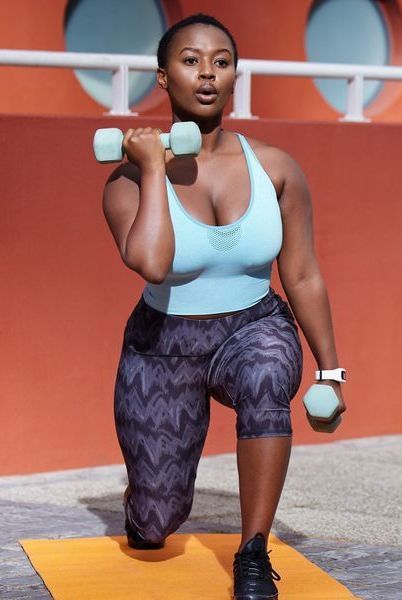
Maintaining your health and fitness doesn’t mean following every new fad or promise of a quick fix. It all comes down to perseverance and knowing yourself well enough to make it work for you. The hard part is figuring out how to continue when life gets busy, motivation wanes, and there’s always some new fitness fad vying for attention. Most of us understand why staying fit is important. Establishing and maintaining a fitness regimen can be quite challenging.
But it doesn’t have to be. Health and wellness experts agree that long-term success begins with understanding yourself: your goals, limitations, preferences, and even your daily energy patterns.
“The best workout is the one you’ll actually do,” says fitness coach and wellness consultant Amaka Johnson. “People often force themselves into routines that look good on social media but don’t align with their lifestyle or personality. That’s a fast track to burnout.”
Start Where You Are
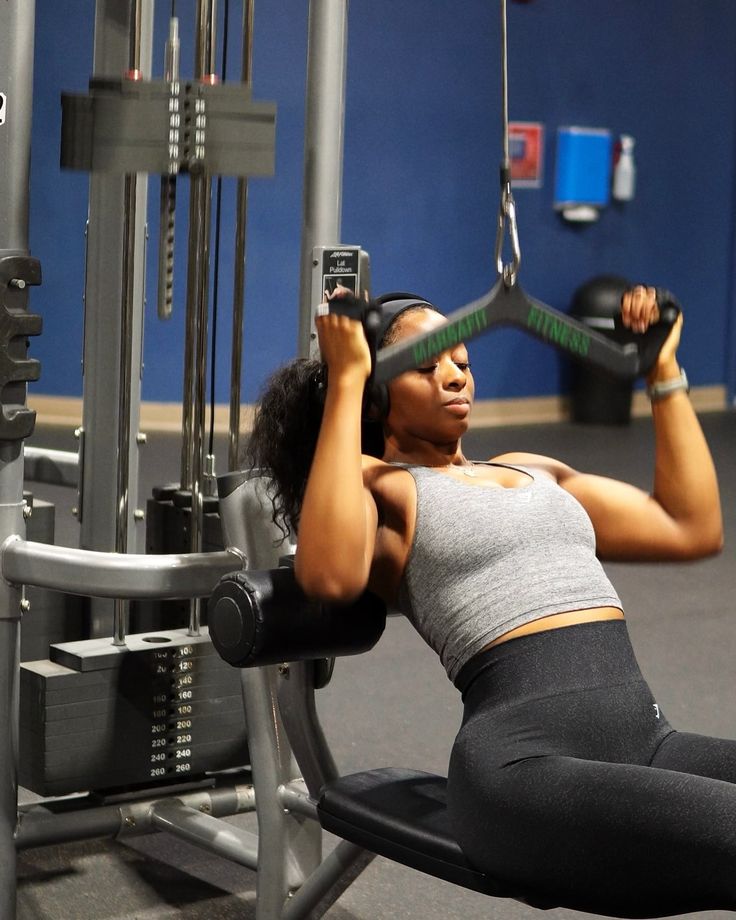
You don’t have to be in shape to begin. You might have work and family, be returning to exercise after a break, or starting for the first time, and it’s okay to start small. What matters is that you do start.
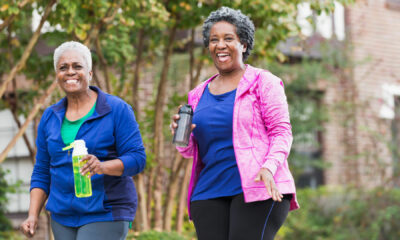
“Even a 20-minute daily walk is a huge step in the right direction,” according to Amaka. “Once your body becomes accustomed to consistent movement, you can try other things—like strength training, swimming, cycling, or dance exercise.”
Focus on Enjoyment
Fun is usually the secret ingredient missing in exercise routines. If you despise running, don’t run. If you feel awkward at the gym, try working out at home or outdoors. When exercise is a duty, motivation disappears. When it’s enjoyable, it’s something you actually look forward to.
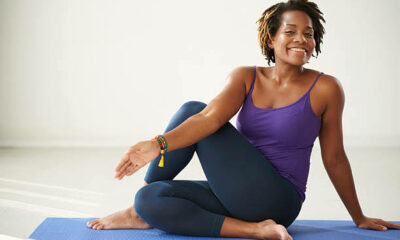
Try out different activities until you find one you enjoy—like yoga, Pilates, martial arts, hiking, or even video games. The goal isn’t to force a strict routine but to find a kind of movement that feels right for you.
It’s Not About Perfection
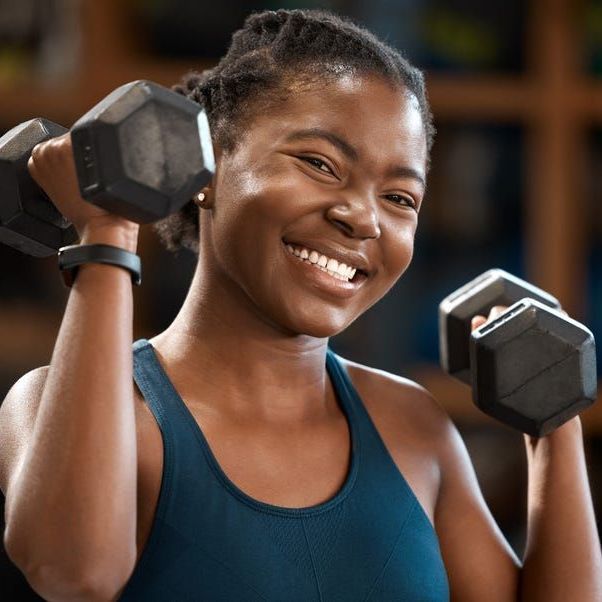
Too many people quit on fitness because they seek perfection. Life gets in the way—skipped workouts, hectic weeks, low-energy days. And that’s fine.
“Missing a day, or even a week, doesn’t mean you’ve failed,” Dr. Chidi Eze, exercise scientist and physical therapist, says. “Consistency is really flexible. The trick is to get back on track without guilt.” Instead of aiming for the daily workout, try 3–4 times a week. Create momentum, not a streak of perfection. Progress, not perfection, is what matters.
Let It Become Who You Are
The real change happens when exercising is no longer something you have to do, but who you are becoming. You begin to see yourself as a person who takes care of his or her body, who is deliberate in his movement, who keeps coming even when it’s not easy. This shift from habit to identity is what turns short-term goals into long-term change.
Use Support and Accountability
You don’t have to go it alone. Whether a fitness buddy, personal trainer, or online support group, having someone to rely on can keep you motivated and on schedule.
Even social media can work for you if you stick with creators who offer genuine, encouraging content. Seeing others push through the same challenges and successes can encourage you to stick it out.
Final Thoughts
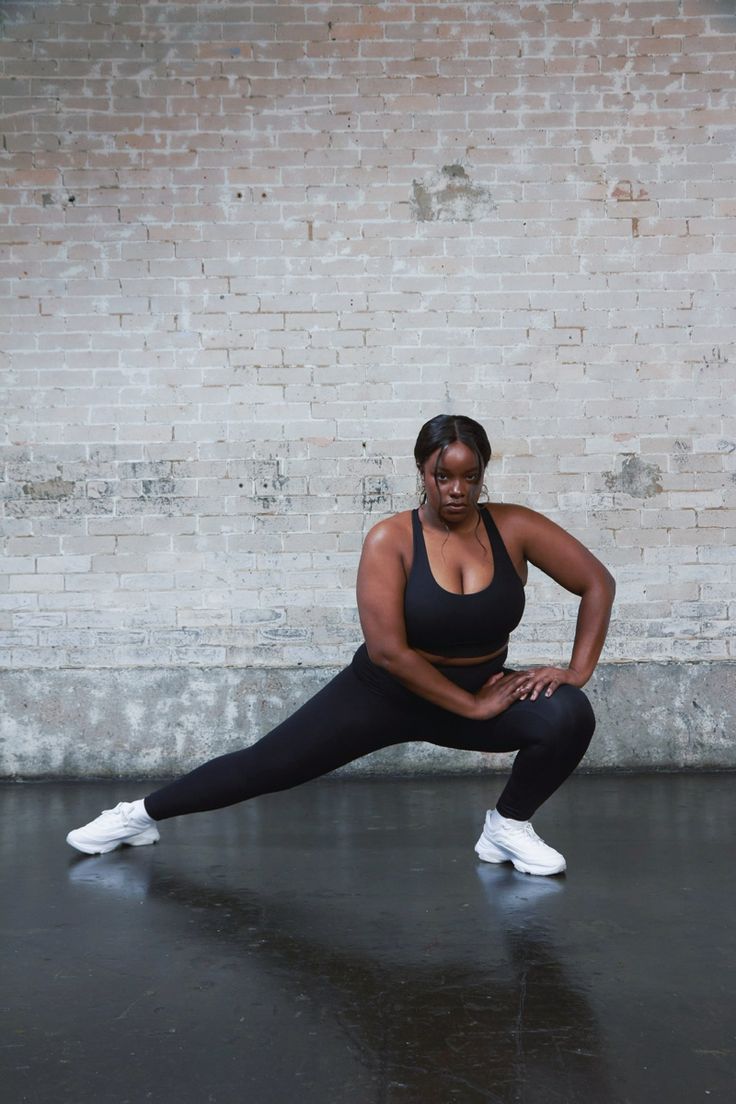
Fitness isn’t do-it-yourself—and that is what’s so fabulous about it. By starting small, choosing what you enjoy, and treating yourself gently along the way, you can build a habit that will endure.
So take your time. Roll up your feet in your sneakers. Try something new. And remember: your fitness journey doesn’t have to be perfect—it simply must be yours.









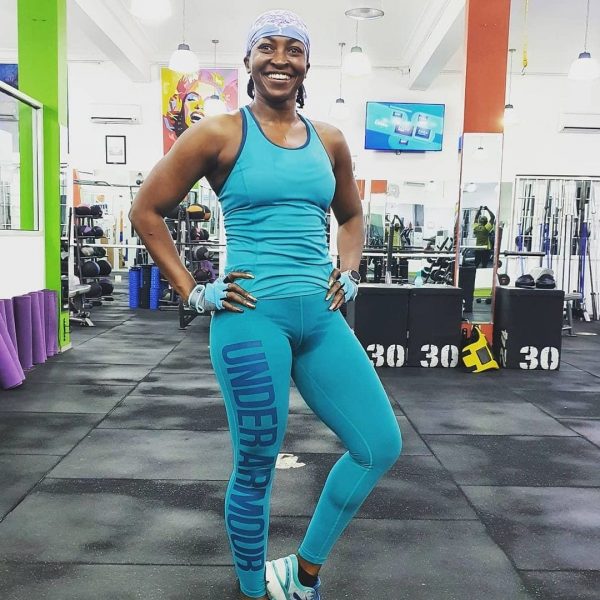
Fasted training, which involves exercising for several hours without eating, is a common practice among people hoping to improve fat burning or lose weight. It is often done first thing in the morning before breakfast. While the idea has gained popularity, scientific evidence suggests that the benefits are more limited than many people assume, especially for women.
During a fasted workout, the body relies more heavily on stored fat for fuel because carbohydrate stores are lower. However, using more stored fat for energy during the exercise does not necessarily translate into greater body fat loss over time. Studies comparing fasted and fed workouts have generally found that overall weight loss depends more on total calorie balance and consistent physical activity than on whether someone eats before exercising.
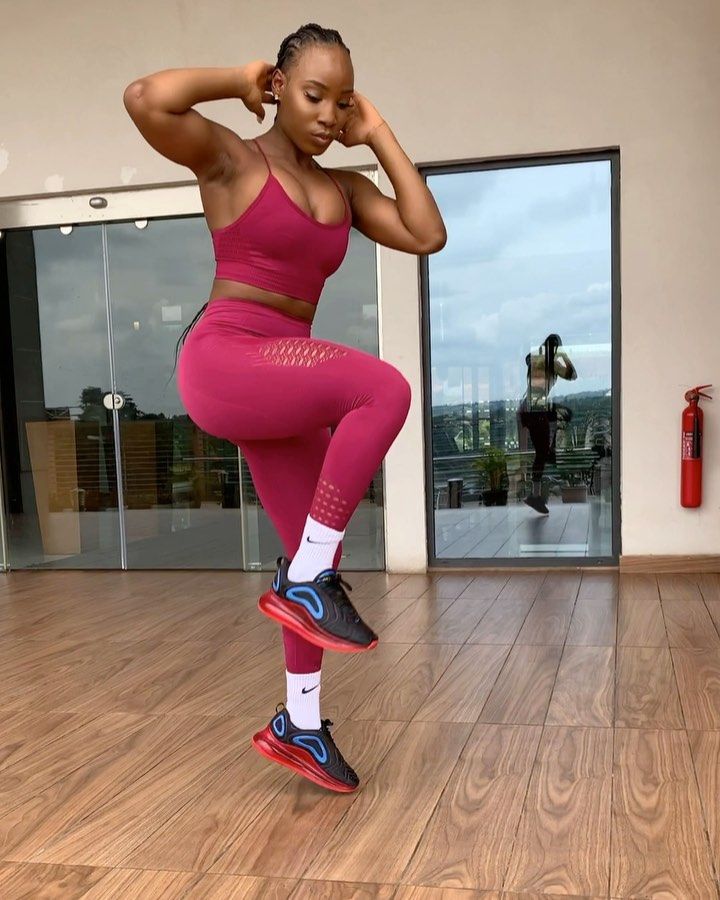
Photo: Pinterest
Women may respond differently to fasted training than men because female hormones play an important role in regulating energy use, metabolism and reproductive health. Some research indicates that prolonged or frequent fasted exercise, particularly when combined with inadequate calorie intake, may place additional stress on the body. This can affect energy levels, recovery and, in some cases, menstrual function. Women who are pregnant, breastfeeding or have a history of eating disorders should be especially cautious and seek medical advice before trying fasted workouts.
The type and intensity of exercise also matter. Low to moderate intensity activities such as walking, light cycling or gentle yoga are generally well tolerated on an empty stomach if a person feels comfortable doing them. However, high-intensity interval training, sprinting, heavy strength training or endurance sessions often require readily available carbohydrates to support performance. Eating a light meal or snack beforehand may help maintain energy, improve workout quality and support better recovery afterward.
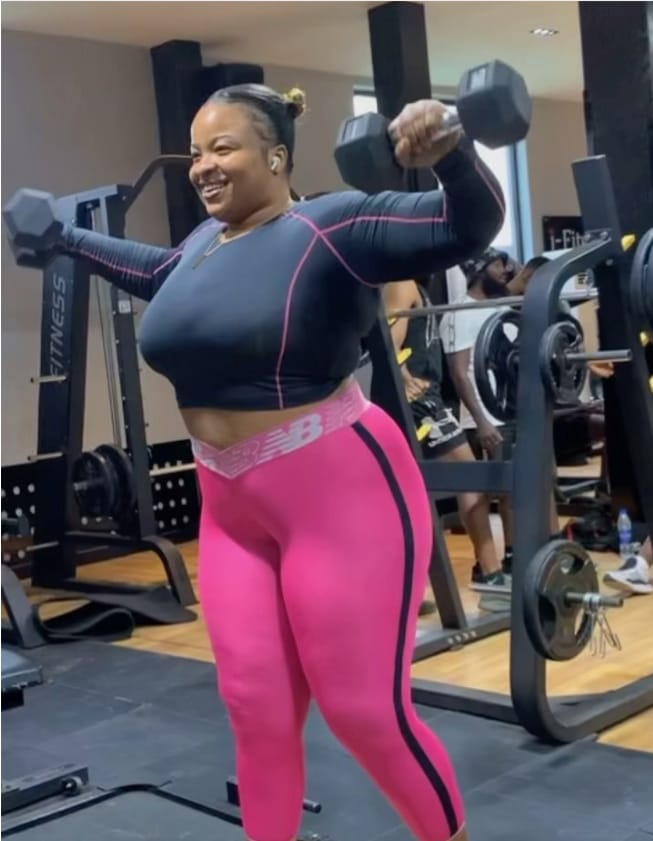
Photo: Instagram
Listening to the body’s signals is important. Feeling dizzy, weak, unusually fatigued or unable to complete a workout may indicate that exercising without food is not the right approach. In such cases, a small pre-workout snack containing carbohydrates, with a little protein if possible, can provide the energy needed without causing discomfort. Examples include a banana, whole-grain toast with peanut butter, yoghurt with fruit or a small bowl of oatmeal.
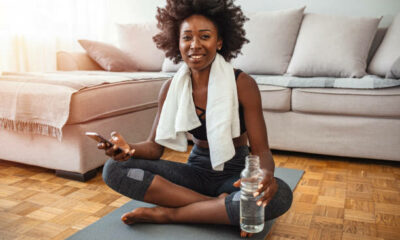
Hydration should also not be overlooked. Whether training in a fasted or fed state, drinking enough water before, during and after exercise helps maintain performance and supports recovery.
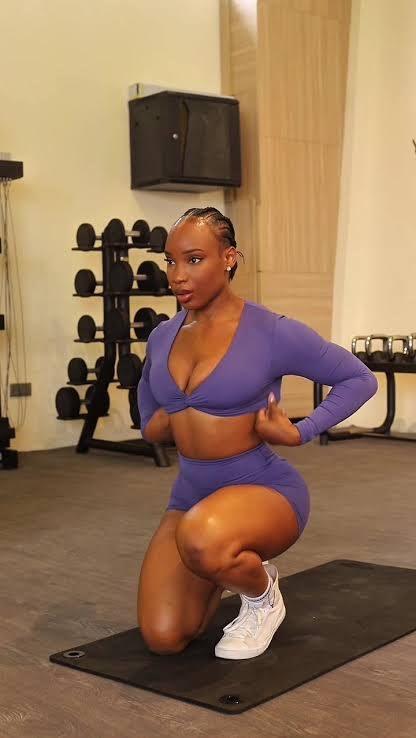
Photo: Instagram
Current evidence does not support the idea that women must exercise on an empty stomach to achieve better fitness or weight-loss results. The most effective routine is one that can be maintained consistently while providing enough energy to support health, performance and recovery. For many women, eating before demanding workouts improves both exercise quality and overall well-being, while others may comfortably complete lighter sessions before breakfast. The best choice depends on individual goals, health status and personal comfort because what works well for one woman may not work as well for another.

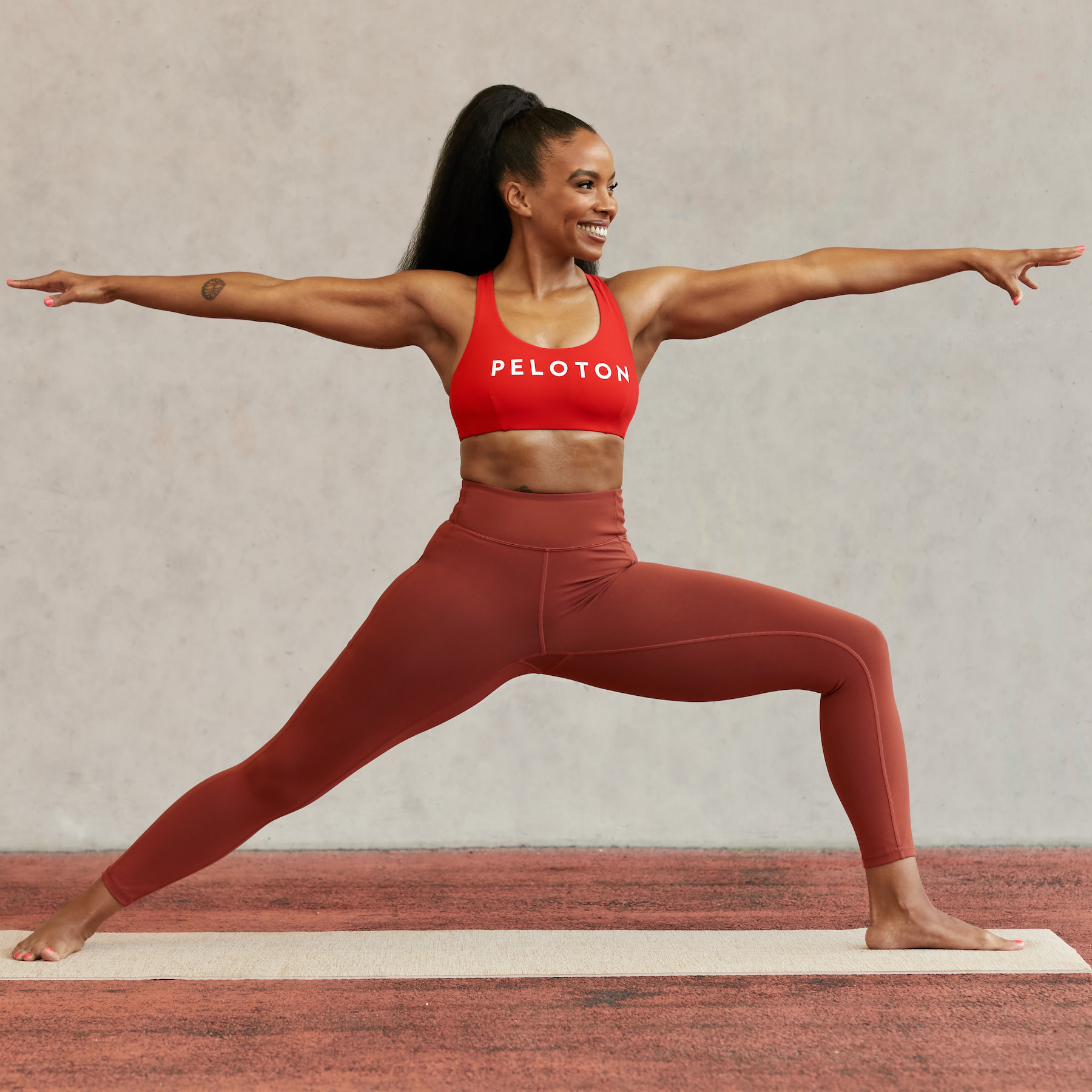
When people think of strength training, heavy weights and gym sessions usually come to mind. But fitness experts are increasingly highlighting a different approach that delivers real results: power yoga. In just 20 minutes, a focused session can challenge your major muscles, improve balance, and boost endurance, all without stepping into a gym.
Power yoga emphasizes flowing movements linked to breath, rather than slow stretches. Many poses require you to support your own body weight, engaging multiple muscle groups at once. This helps develop functional strength, the kind your body uses every day, whether carrying groceries, lifting children, or sitting at a desk for long hours.
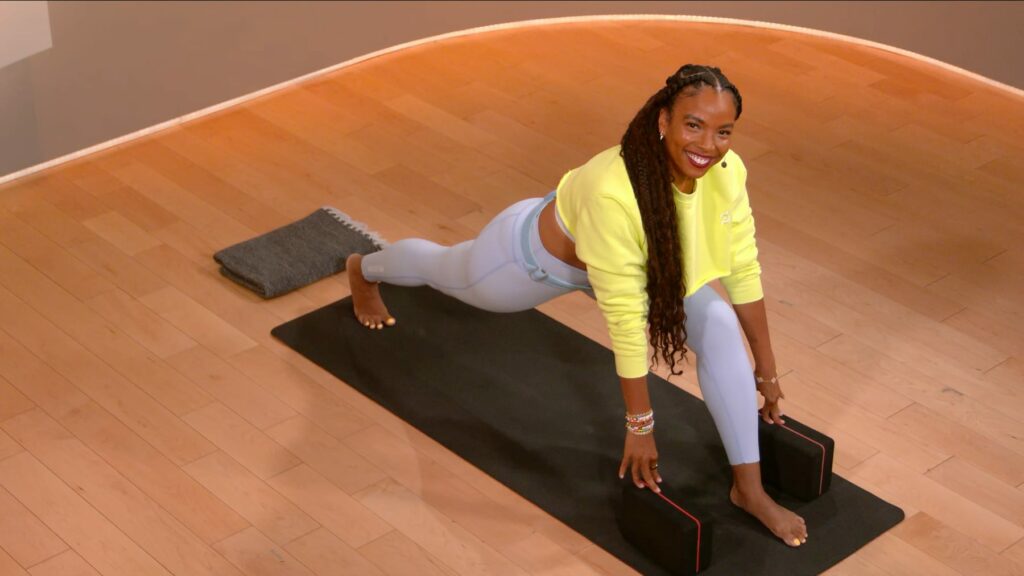
Photo Credit – Google
A 20-minute session usually starts with gentle stretches to wake up muscles and joints. The flow then moves into more challenging poses like high lunges, plank-to-chaturanga transitions, and standing balances such as Warrior III. Each posture works shoulders, core, legs, and back, helping you build strength while improving stability and coordination.
Because your muscles are constantly adjusting to maintain alignment, power yoga strengthens stabiliser muscles that protect joints and prevent injuries. Unlike traditional weight training, it develops lean, resilient muscles instead of bulk. Many practitioners also report better endurance, faster recovery, and improved body awareness when combining power yoga with other workouts.
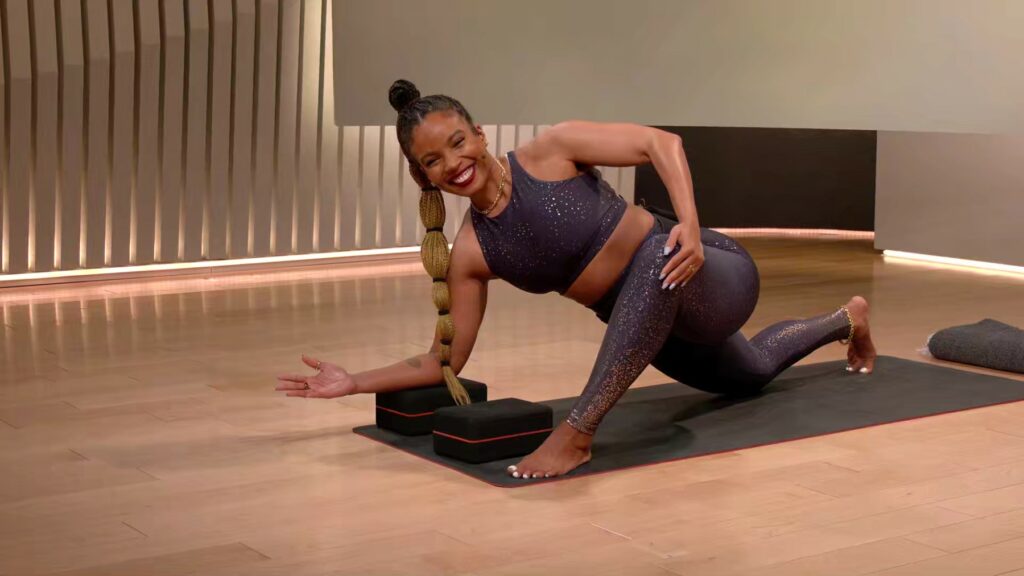
Photo Credit – Google
One of the best things about this 20-minute format is that it’s short but effective. Busy professionals, parents, or anyone with a tight schedule can practice daily or a few times a week and see real gains. All you need is a yoga mat, and optionally a block or strap for extra support.
Beginners can modify poses to match their level. Plank variations can be done on the knees, and balance holds can be shortened until strength improves. Keeping your breathing steady helps maintain control and reduces tension.
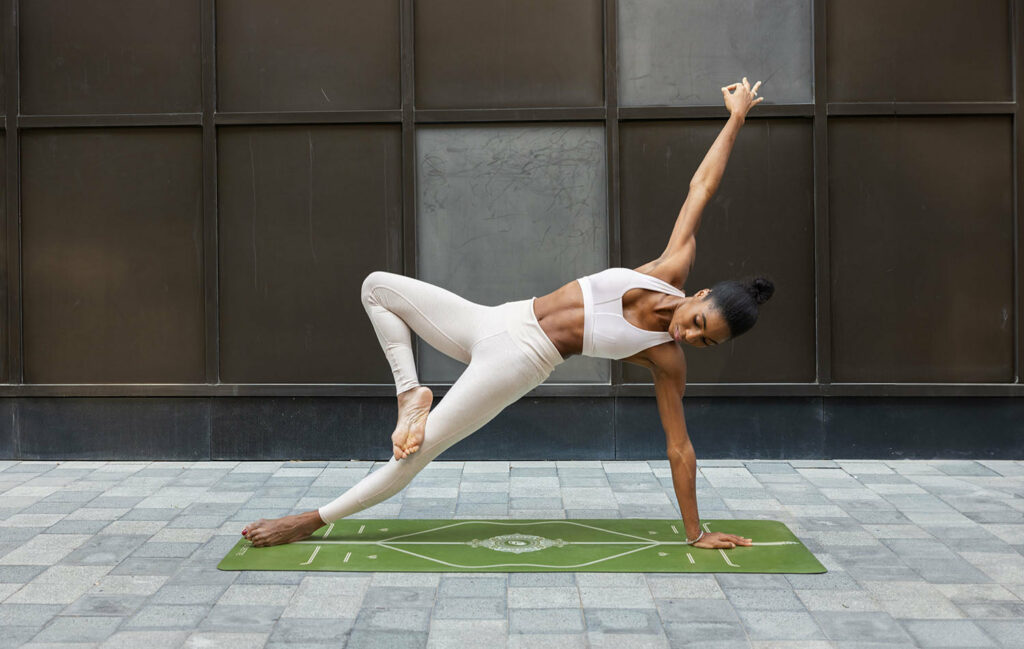
Photo Credit – Google
For Nigerians looking for a practical way to stay strong at home, before work, or even during a lunch break, a 20-minute power yoga session is a time-efficient, effective way to build strength, stability, and endurance. With consistency, it complements other workouts and improves overall fitness, without the need for heavy weights.
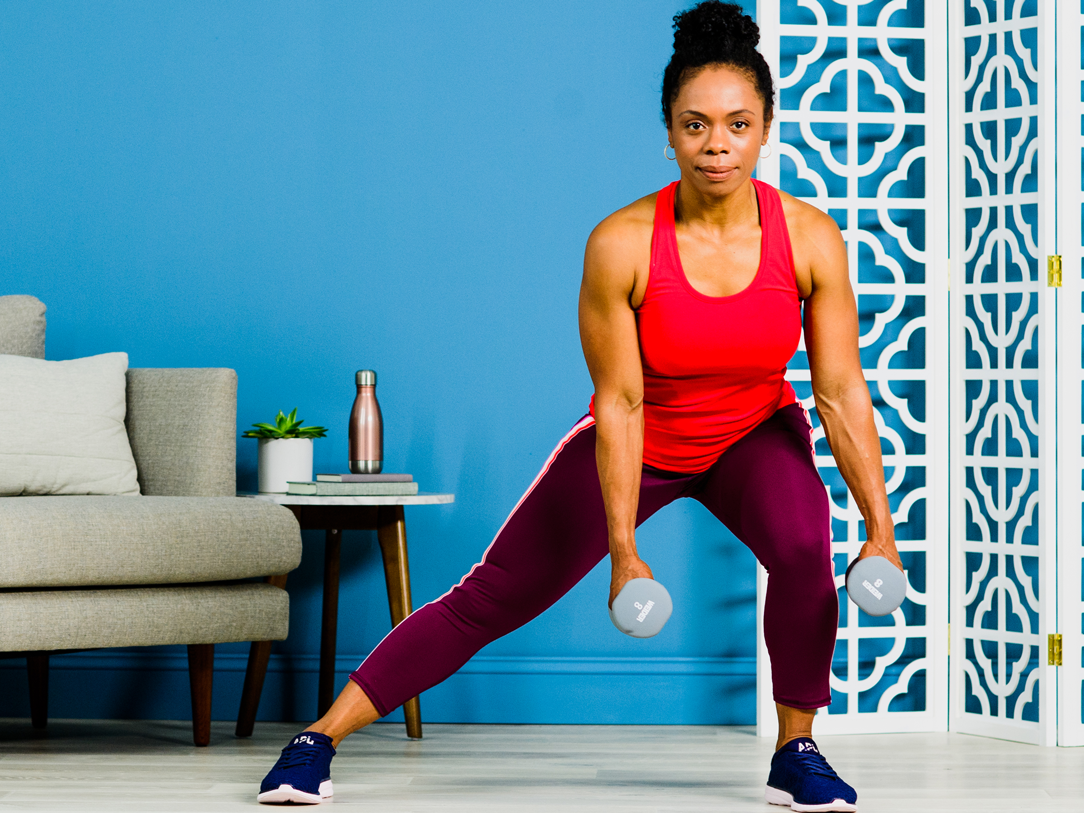
The dumbbell deadlift looks straightforward, but it requires precise form to get the benefits and protect your lower back. Done correctly, it strengthens your glutes, hamstrings, core, and muscles along the spine. Done poorly, it can lead to strain or injury. Experts agree: proper setup and technique are more important than lifting heavier weights.
Start with your feet hip-width apart. Hold a dumbbell in each hand in front of your thighs. Before you move, engage your core and lift your chest slightly while drawing your shoulders back. This keeps your spine in its natural curve and reduces unnecessary stress on your lower back.
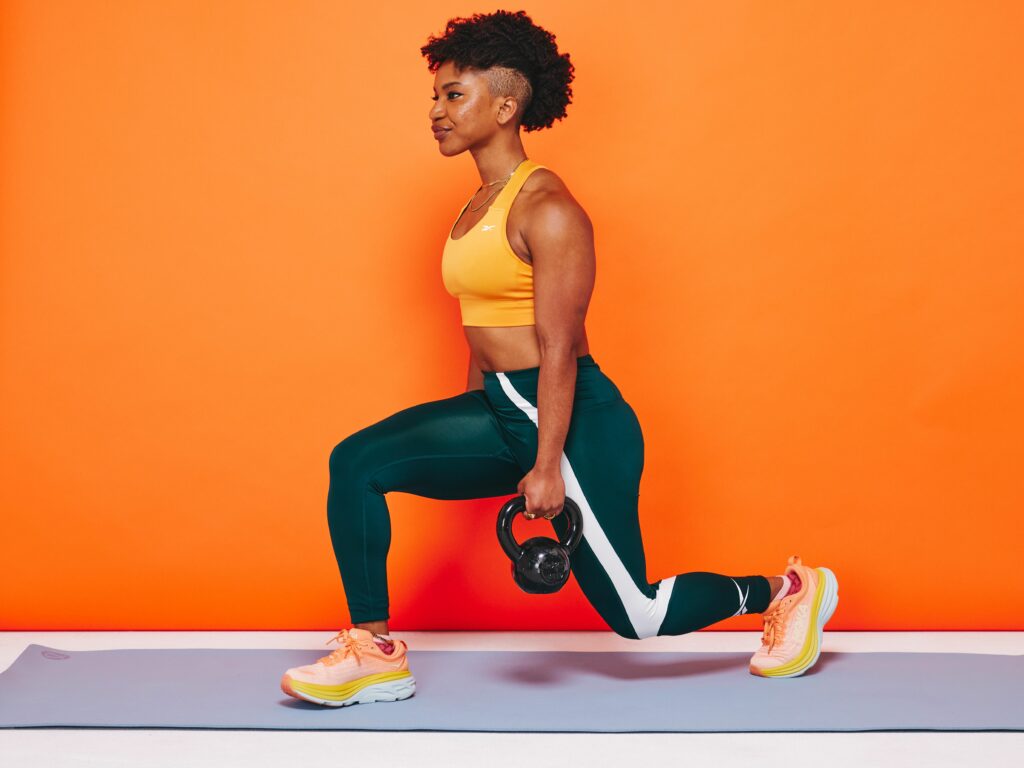
Photo Credit – Google
The key movement is the hip hinge, not a squat. Push your hips backward while keeping your spine neutral, allowing the dumbbells to slide down along your legs. Your knees bend slightly, just enough to let the weights pass. Focus on moving from the hips rather than bending your lower back.
Keep your back neutral throughout the motion. Avoid rounding or over-arching your spine. Look forward or slightly downward to maintain neck alignment. This positioning stabilizes your spine and reduces the risk of injury.
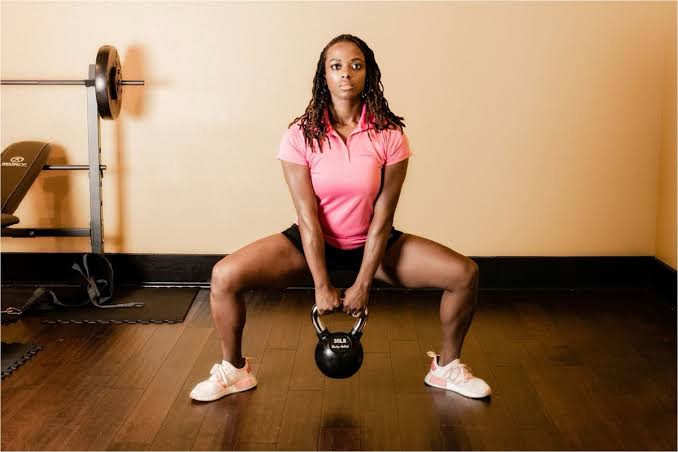
Photo Credit – Google
Lower the dumbbells until you feel a comfortable stretch in your hamstrings while maintaining a neutral spine. Then, push through your heels and squeeze your glutes to return to standing. Keep the dumbbells close to your legs; letting them drift forward increases strain on your lower back.
Your arms should hold the dumbbells steady. The power comes from your hips and legs, not your arms. Think of your arms as hooks keeping the weights in place rather than doing the lifting.
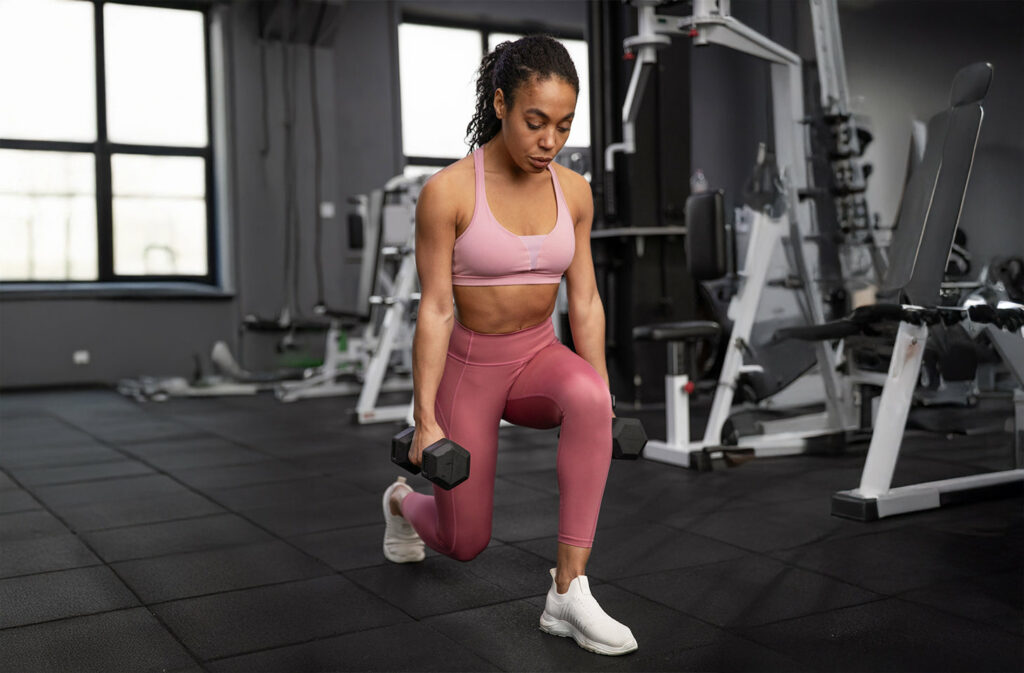
Photo Credit – Google
Common mistakes include lifting too quickly, bending your knees too much, letting the dumbbells drift forward, and trying to use your back to lift. Focus on slow, controlled movements. Start with lighter weights to build muscle memory and ensure your form is correct before increasing load.
Protecting your back means maintaining alignment under load, hinging at the hips, and engaging your core and glutes, rather than trying to keep it perfectly straight. When done properly, the dumbbell deadlift is a safe and effective exercise that builds strength, flexibility, and overall stability.


Nail Colours for Dark Skin: What to Wear and What to Skip

Francis Duru Dies at 57

Broda Shaggi Reveals He Was Hit by a Stray Bullet

How to Protect Yourself From Ebola Virus Disease

Laura Ikeji Proves Polka Dots Are Back and Better Than Ever

5 Nollywood Films to Stream on YouTube

What Exactly Are Ayra Starr and ZAYN Singing About on “Heaven Baby”?

These Nigerian Bag Brands Are Raising the Bar for Made-in-Nigeria Fashion
Broda Shaggi Reveals He Was Hit by a Stray Bullet

New Nigerian Movies to Watch on Netflix

Ayra Starr Performs ‘Rush’ and ‘Heaven Baby’ at NFL Halftime Show in London | Watch Video

Ayra Starr and ZAYN Finally Share the Screen in “Heaven Baby” Video


-

 Celebrity Style2 weeks ago
Nancy Isime Gives Aṣọ Òkè a Cool, Corporate Look
-

 Big Brother Naija2 months ago
Gerard Evicted from Big Brother Naija
-

 Music1 month ago
Rema Tackles Mixed Signals and Desire on New Single “Oh No”
-

 High Tech1 month ago
Samsung, Duolingo Throw Shade at Apple Over iPhone Duo Reveal
-

 Fragrance2 months ago
Nigerian Fragrance Brands Winning Right Now — and You Need to Try
-

 Lifestyle1 month ago
5 Beaches in Lagos for Your Next Staycation
-

 Celebrity Bios1 month ago
Tems’ Journey From Lagos to Global Stardom
-

 Models2 months ago
Tamunosoye Karibi-George Secures Top 12 Finish at Miss World 2026
-

 The Best Dressed Celebrities This Week1 month ago
The Best Dressed Stars Of The Week
-

 Big Brother Naija1 month ago
Keivo Emerges as Week 9 Head of House, Barry Grants All Housemates Immunity