
Health
The Worst Foods for High Cholesterol (and What to Eat Instead)


We enjoy eating every day – eating to our satisfaction and also to our stomach appeasement, what most people never tell you about eating, especially for enjoyment, is that it can quietly damage your health.
It can alter your health in so many ways before you know it and before you’d know what is happening – you are already taking medications.

High cholesterol foods
If you have heard about High Cholesterol, you are aware that eating a lot of food that is cholesterol risk implied in earlier lines, high in saturated fat can raise your cholesterol levels.
According to the Federal ministry of health, too much LDL(low-density lipoprotein) can lead to atherosclerosis – this is the buildup of cholesterol and fatty material in your blood vessels.
Talking about the worst food that can contribute to high cholesterol, they have the highest levels of fat that can damage your health control – you should be conscious of eating less of them.
We have:
Fries: frying foods build up the calorie count in your body, this is because saturated fats and cholesterol are absorbed by the food during the frying process.

Meat
Red Meat: Are you a lover of meat? It’s time to take control of the consumption. Meat also includes ribs, the pork meat you eat, burgers too. Even if you don’t want to cut off eating red meat entirely, you can start and focus on small amounts or size. You can avoid eating too much red meat all week or maybe, just once in a week. Poultry also contains saturated fats and can be responsible for high cholesterol, so when you hear “stop eating protein” it does not mean you should lean on munching chicken.

Cake – high cholesterol foods
Baked Food: The pastries, pies, cakes and even biscuits you eat with pride contain so much cholesterol from either the palm oil or added butter. There’s also something about added sugars. According to research, sugar has been found to be contributing to lower levels of beneficial high-density lipoprotein(HDL) cholesterol levels. It also contributes to triggering higher levels of a blood fat also known as triglycerides, which is possible to elevate heart attack risk.
What do you eat instead?
Aquatic proteins specifically fish and shellfish will keep your cholesterol in a moderate level.
You can learn to bake at home, that way you control the amount, type of fat and sugar you use or you can talk to your baker concerning how to reduce each ingredient that can contribute to high cholesterol.
Replace sausages with eggs(although, not too many eggs, you can control how you eat eggs too).
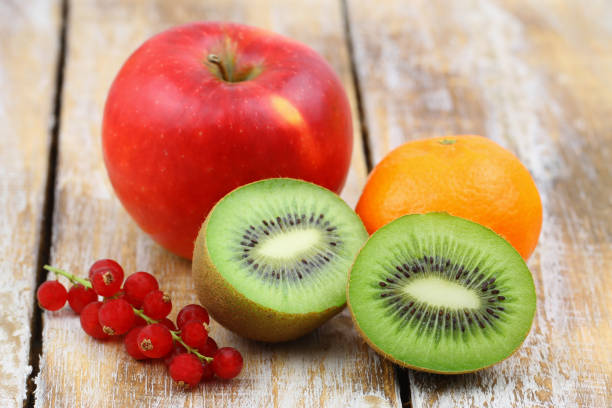
Kiwi, apple, berries
Eat more fruits like apples, berries, pears, kiwi and avocado help to lower cholesterol levels and improve your overall health.
Your heart health and over all is important – don’t damage it with too much cholesterol. Eat responsibly.


For many young adults, blood pressure is probably not something that crosses their minds between work, school, social plans and trying to keep up with everyday life. It is often seen as a health concern for parents or grandparents. Yet, hypertension is showing up in young adults to, sometimes during a routine medical check they had no particular reason to worry about.
A 2025 study, using data collected in 2021, young adults aged 18 to 40 in Abia, Oyo and Kano states found that 18.2% of the participants had hypertension. The study also looked at awareness and healthcare-seeking habits.
Another Nigerian study published in the Nigerian Medical Journal in 2024 found hypertension in 19.93% of 279 medical students aged 18 to 35 at the University of Nigeria, Enugu. Almost half of the participants also had prehypertension, showing that blood pressure problems can appear well before middle age.

Photo: Pinterest
Several factors can increase the risk of high blood pressure in young adults. Meals loaded with salt, frequent consumption of processed foods, spending long hours sitting down and not getting enough physical activity can all raise the risk. Being overweight, smoking and drinking too much alcohol are also linked to hypertension. Stress and poor sleep can add to the problem, particularly when they become a regular part of life rather than occasional experiences.
Still, it would be unfair to blame everything on lifestyle. Genetics can play a role, while conditions such as diabetes and kidney disease may also increase someone’s chances of developing the problem.
Perhaps the tricky part is that there may be nothing obvious to notice. A young person can feel fine, go about their normal routine and have no idea that their blood pressure is higher than it should be. That makes regular checks important, especially for people with a family history of hypertension or other risk factors.

Photo: Dreamstime.com
Ignoring it, however, can have consequences later. Persistently high blood pressure can put extra strain on the heart and blood vessels and increase the risk of serious problems such as heart disease, stroke and kidney disease.
The encouraging part is that some of the risk can be reduced. Eating more balanced meals, cutting back on excess salt, staying active, avoiding tobacco, limiting alcohol and getting enough sleep are useful steps. Anyone who has already been diagnosed should also follow the advice of a healthcare professional rather than trying to manage the condition alone.
High blood pressure may not fit the picture many people have of a young person’s health problem, but age does not make someone immune. Sometimes, a simple blood pressure check can reveal something that the body has been quietly hiding.


For years, women have known the condition as PCOS, short for Polycystic Ovary Syndrome. It is one of the most talked about hormonal disorders affecting women of reproductive age. But now, health experts are pushing for a new name: PMOS, which stands for Polyendocrine Metabolic Ovary Syndrome.
At first glance, it may seem like a simple rebrand. But the proposed change says a lot about how doctors now understand the condition and how women’s health is evolving.

Photo: Getty images/PMOS attributed beards
The problem with the name PCOS is that it focuses heavily on ovarian cysts. In reality, not every woman with PCOS has cysts on her ovaries. Some women are diagnosed without having any visible cysts at all. On the other hand, many women with ovarian cysts do not have PCOS.
This has caused confusion for years. Health professionals argue that the old name also downplays the broader impact the condition has on the body. PCOS is not just about irregular periods or fertility struggles. It is closely linked to metabolism, insulin resistance, weight changes, inflammation, cholesterol problems, and even increased risk of type 2 diabetes and heart disease.
That is where PMOS comes in.
The proposed name, Polyendocrine Metabolic Ovary Syndrome, shifts attention to the metabolic side of the condition. Doctors want people to understand that this is not only a reproductive health issue. It affects the entire body.
For many women, that explanation may finally make their symptoms feel connected. A woman dealing with fatigue, stubborn weight gain, acne, excessive hair growth, anxiety, irregular cycles, and blood sugar issues may not realize all of these can stem from the same condi

Photo: Getty images/hormonal acne
The name change also matters because language shapes healthcare. When a condition is misunderstood, patients often struggle to get proper treatment. Some women with PCOS spend years being told to “just lose weight” without receiving deeper evaluation for insulin resistance or hormonal imbalance.
By highlighting the metabolic component, PMOS could encourage more comprehensive care. That means treatment may go beyond fertility medications or birth control. Doctors may focus more on blood sugar management, nutrition, exercise, mental health support, and long term disease prevention.
Still, not everyone agrees on the new name yet. Some researchers believe changing the name could create temporary confusion, especially since PCOS is already widely recognized in medical spaces and online communities. Others argue that awareness campaigns would be needed to help patients understand the transition.
But one thing is clear. Women’s health conversations are changing. Conditions that were once reduced to reproductive symptoms are now being viewed through a wider lens.

It is easy to assume that our teeth are clean after using a toothbrush, but oral hygiene goes far beyond a bright front tooth. Many people skip flossing after brushing, yet it remains a non-negotiable step in maintaining healthy teeth and gums.
The Hidden Trigger: Plaque & Tartar
Most people brush twice a day and have learnt techniques, but still have plaques and tartar. That’s because, beyond the surface of your teeth, food particles can still settle between teeth and often remain even with aggressive brushing, which may damage the gums. Plaque thrives between teeth where bristles cannot reach, leading to tartar buildup within 48 hours.
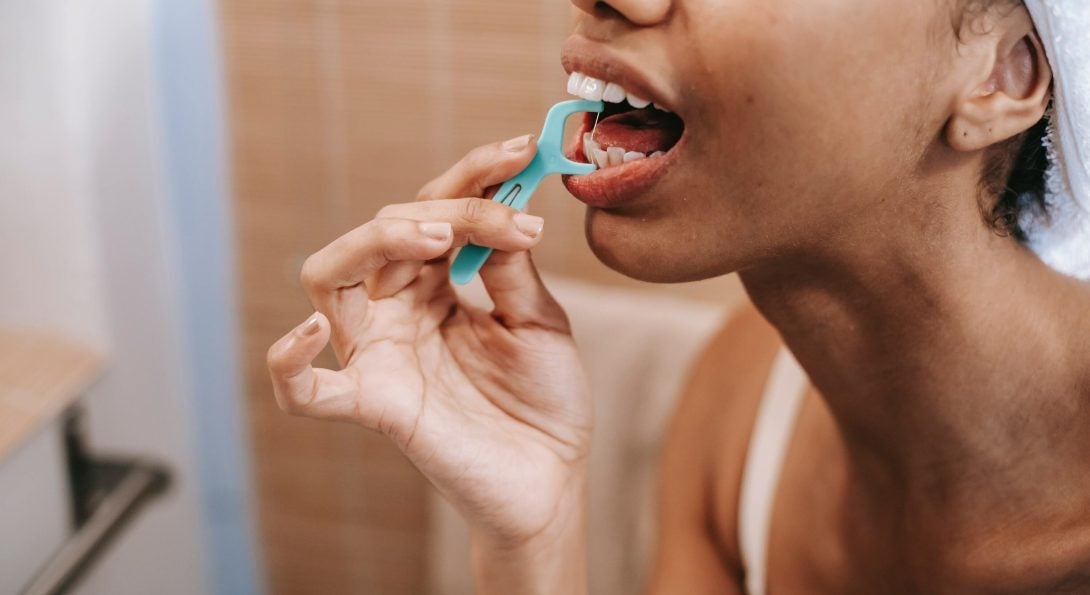
Photo – Google
Preventing Gum Disease
When tartar builds up in between your teeth, it can lead to gingivitis, irritating the gums and causing swelling. If Gingivitis is left untreated, it progresses to Periodontitis, a leading cause of tooth loss. Healthy gums should not bleed during brushing, so persistent bleeding may be an early sign of gum disease.
Prevention Against Cavities
Flossing prevents cavities that develop between teeth, which occurs when bacteria feed on the lingering food particles between your teeth. The process produces harmful oral acids, and it erodes enamel on the hidden side of the teeth. Those black buildups around your tooth root can be difficult to detect early and often require complex and expensive dental fillings.

Photo – Google
Protect your heart and bloodstream
Some people think keeping poor oral hygiene only affects the teeth, but it’s not the case. The buildup of bacteria can enter your bloodstream through bleeding gums. This process increases the risk of heart disease
Eliminate Chronic Halitosis (bad breath)
Mouthwash only cleanses and masks odour, temporarily, but flossing prevents it entirely. Halitosis is caused by bacteria in the mouth that release sulfur compounds, which make your mouth smell. Chronic bad breath can negatively affect confidence and social interactions.
Make flossing a consistent part of your daily routine and use proper techniques.


Ayra Starr to Headline 2026 NFL London Game Halftime Show

Dede Ashiogwu Shows Off Abs in Bra Top and Crochet Skirt

Medlin Boss Says Summer Isn’t Just Prints—It’s Dolce & Gabbana

Full List: Wizkid, Davido and Burna Boy Lead 2026 Headies Nominations

“Clarissa” Brings a Nigerian Adaptation of Mrs Dalloway to Cannes Film Festival

Laura Ikeji Proves Polka Dots Are Back and Better Than Ever

Nike and Slawn Unveils Nigeria’s 2026 World Cup Collection.

5 Things You Didn’t Know About Uzoamaka Power.




-
 Celebrity Style4 weeks ago
Laura Ikeji Proves Polka Dots Are Back and Better Than Ever
-

 Top Xclusiv1 month ago
Rapper Tommie Lee Arrested at 2026 FIFA World Cup.
-

 Music2 months ago
New Music to Kickstart Your Week From Victony, Timaya, Duncan Mighty, Mr Eazi & Fave.
-
 Skin Care2 months ago
The Dangers of Adult Skincare Products for Children and Teens.
-

 Top Xclusiv2 months ago
Tems On Fame, Fashion And Her Journey From Lagos To The World In British Vogue
-

 Top Xclusiv1 month ago
Zendaya Is Bringing Back the Gladiator Sandal
-

 Big Brother Naija1 month ago
Meet The Big Brother Naija Season 11 Housemates
-

 Celebrity Style2 months ago
Kiki’s Best Looks All Have One Thing in Common
-

 Entertainment2 months ago
Burna Boy Set to Join Shakira, Madonna and Justin Bieber in FIFA’s Historic Halftime Show.
-

 Entertainment1 month ago
Tems to Executive Produce Children of Blood and Bone Soundtrack