
Fitness
The Right Way to Do a Dumbbell Deadlift and Protect Your Back

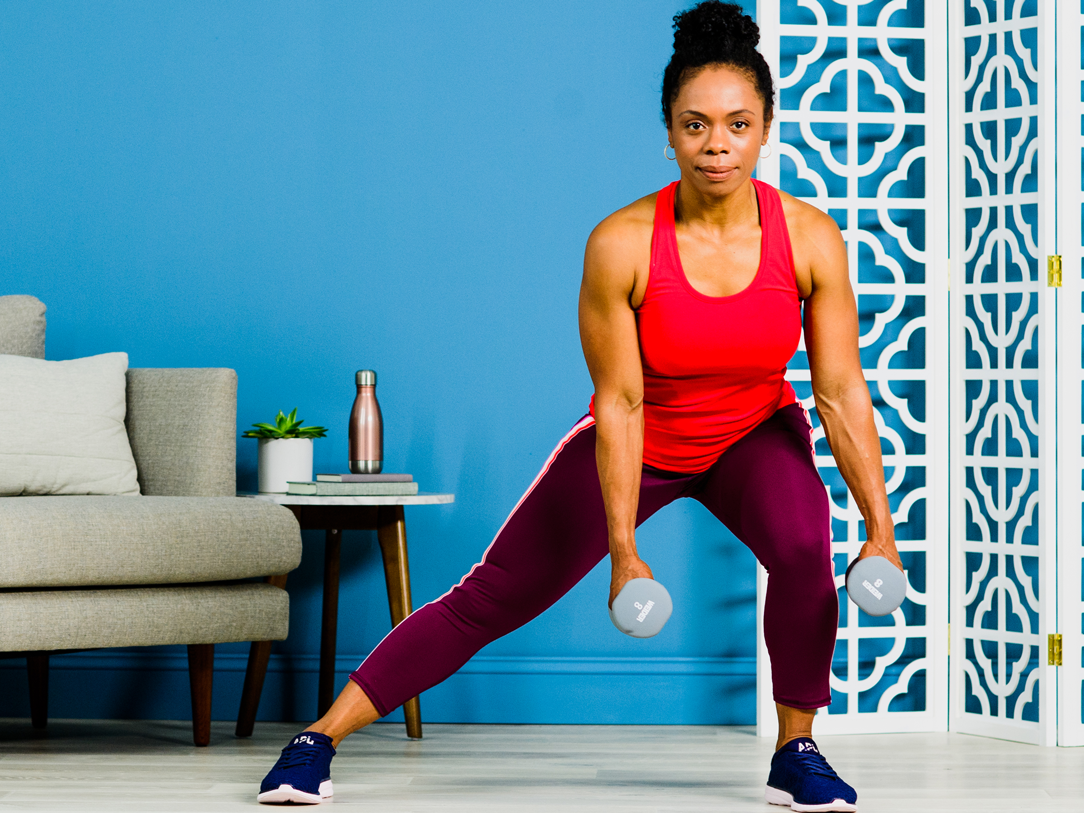
The dumbbell deadlift looks straightforward, but it requires precise form to get the benefits and protect your lower back. Done correctly, it strengthens your glutes, hamstrings, core, and muscles along the spine. Done poorly, it can lead to strain or injury. Experts agree: proper setup and technique are more important than lifting heavier weights.
Start with your feet hip-width apart. Hold a dumbbell in each hand in front of your thighs. Before you move, engage your core and lift your chest slightly while drawing your shoulders back. This keeps your spine in its natural curve and reduces unnecessary stress on your lower back.
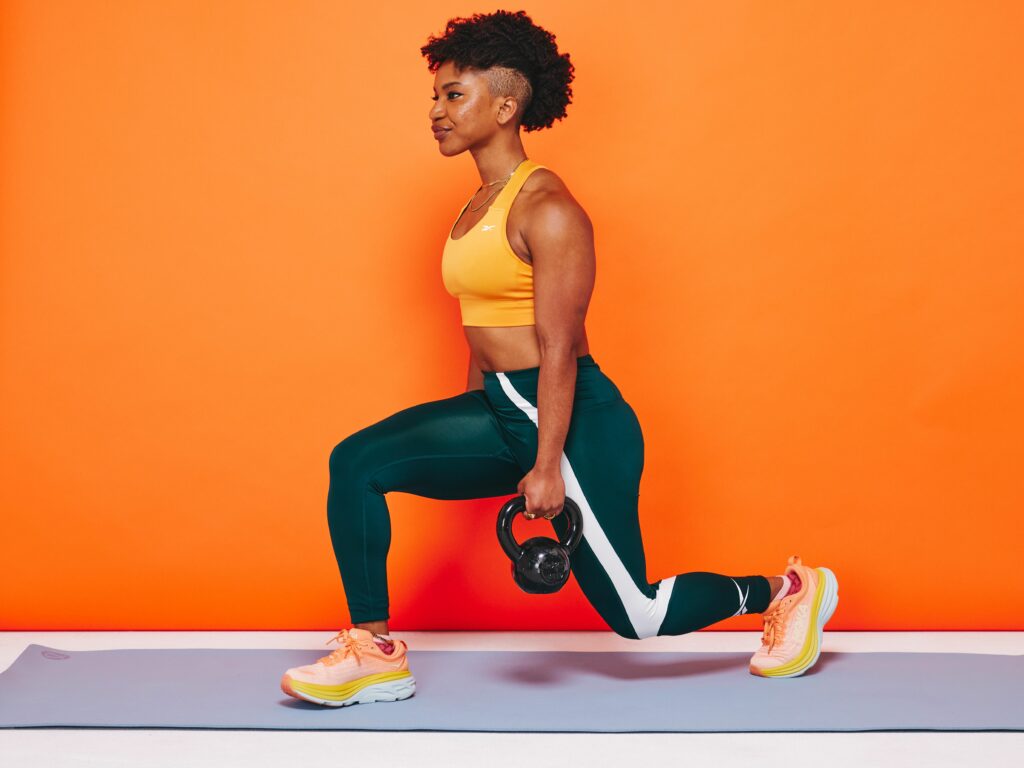
Photo Credit – Google
The key movement is the hip hinge, not a squat. Push your hips backward while keeping your spine neutral, allowing the dumbbells to slide down along your legs. Your knees bend slightly, just enough to let the weights pass. Focus on moving from the hips rather than bending your lower back.
Keep your back neutral throughout the motion. Avoid rounding or over-arching your spine. Look forward or slightly downward to maintain neck alignment. This positioning stabilizes your spine and reduces the risk of injury.
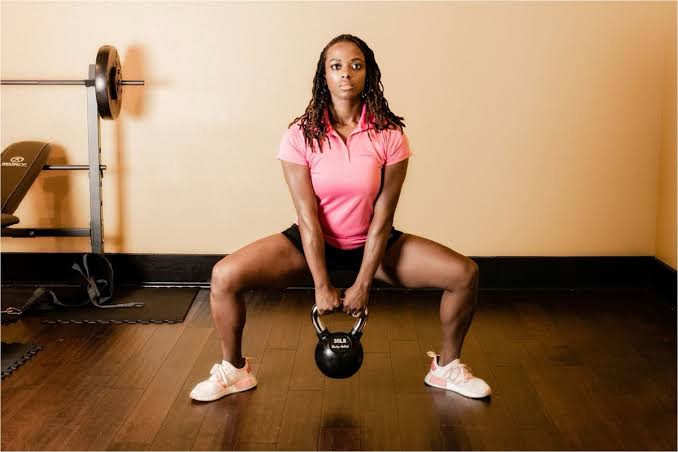
Photo Credit – Google
Lower the dumbbells until you feel a comfortable stretch in your hamstrings while maintaining a neutral spine. Then, push through your heels and squeeze your glutes to return to standing. Keep the dumbbells close to your legs; letting them drift forward increases strain on your lower back.
Your arms should hold the dumbbells steady. The power comes from your hips and legs, not your arms. Think of your arms as hooks keeping the weights in place rather than doing the lifting.
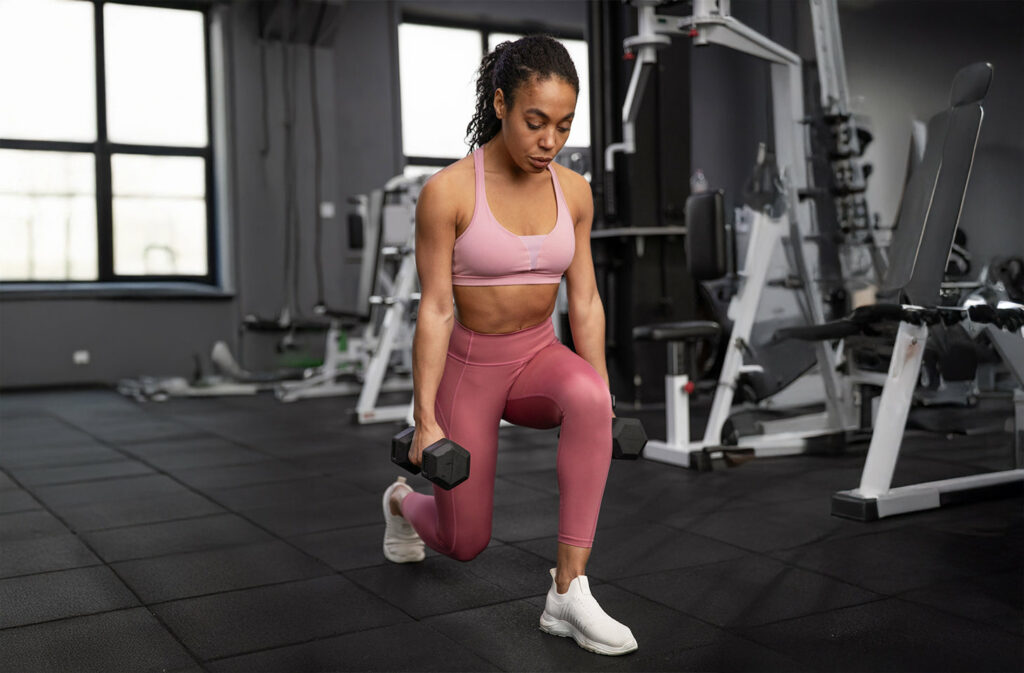
Photo Credit – Google
Common mistakes include lifting too quickly, bending your knees too much, letting the dumbbells drift forward, and trying to use your back to lift. Focus on slow, controlled movements. Start with lighter weights to build muscle memory and ensure your form is correct before increasing load.
Protecting your back means maintaining alignment under load, hinging at the hips, and engaging your core and glutes, rather than trying to keep it perfectly straight. When done properly, the dumbbell deadlift is a safe and effective exercise that builds strength, flexibility, and overall stability.
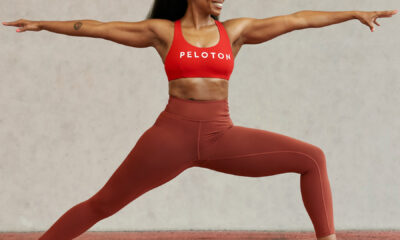

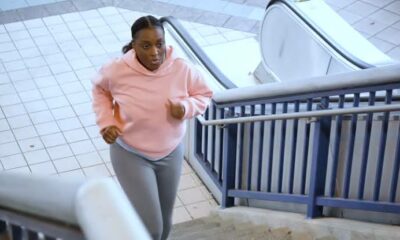

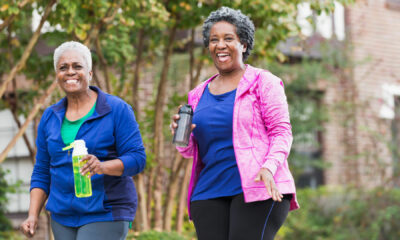

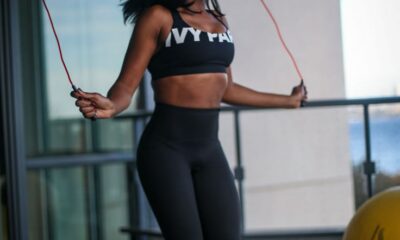

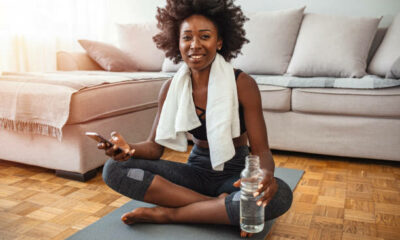


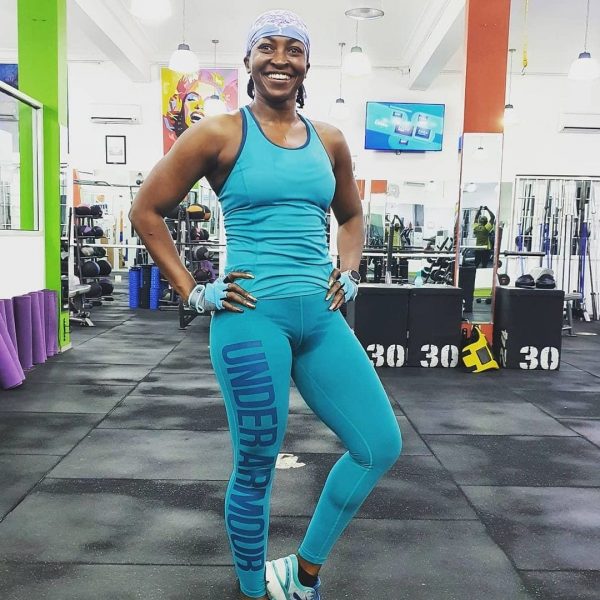
Fasted training, which involves exercising for several hours without eating, is a common practice among people hoping to improve fat burning or lose weight. It is often done first thing in the morning before breakfast. While the idea has gained popularity, scientific evidence suggests that the benefits are more limited than many people assume, especially for women.
During a fasted workout, the body relies more heavily on stored fat for fuel because carbohydrate stores are lower. However, using more stored fat for energy during the exercise does not necessarily translate into greater body fat loss over time. Studies comparing fasted and fed workouts have generally found that overall weight loss depends more on total calorie balance and consistent physical activity than on whether someone eats before exercising.
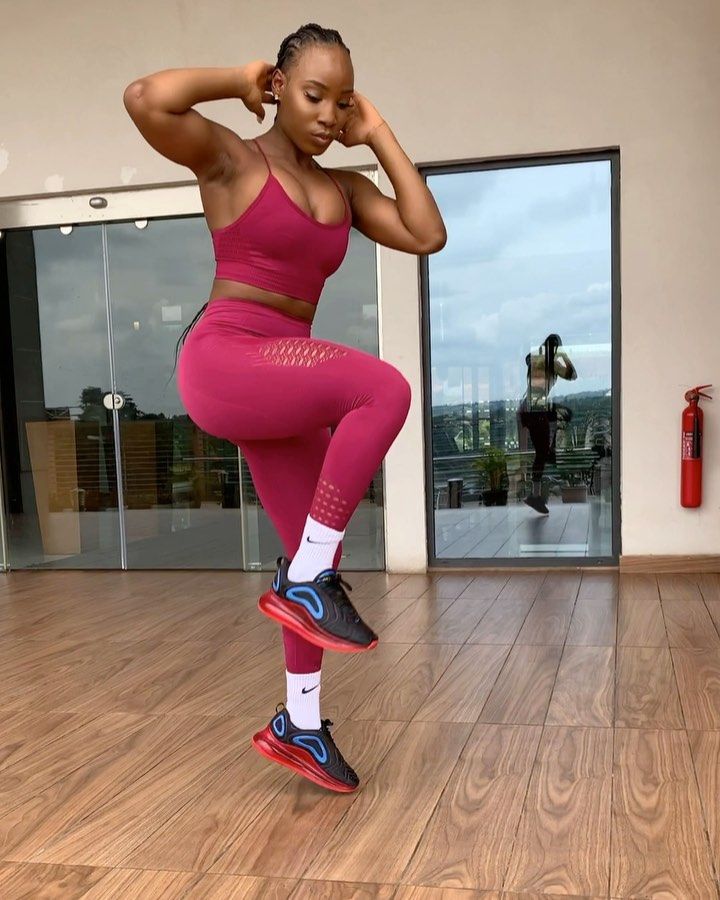
Photo: Pinterest
Women may respond differently to fasted training than men because female hormones play an important role in regulating energy use, metabolism and reproductive health. Some research indicates that prolonged or frequent fasted exercise, particularly when combined with inadequate calorie intake, may place additional stress on the body. This can affect energy levels, recovery and, in some cases, menstrual function. Women who are pregnant, breastfeeding or have a history of eating disorders should be especially cautious and seek medical advice before trying fasted workouts.
The type and intensity of exercise also matter. Low to moderate intensity activities such as walking, light cycling or gentle yoga are generally well tolerated on an empty stomach if a person feels comfortable doing them. However, high-intensity interval training, sprinting, heavy strength training or endurance sessions often require readily available carbohydrates to support performance. Eating a light meal or snack beforehand may help maintain energy, improve workout quality and support better recovery afterward.
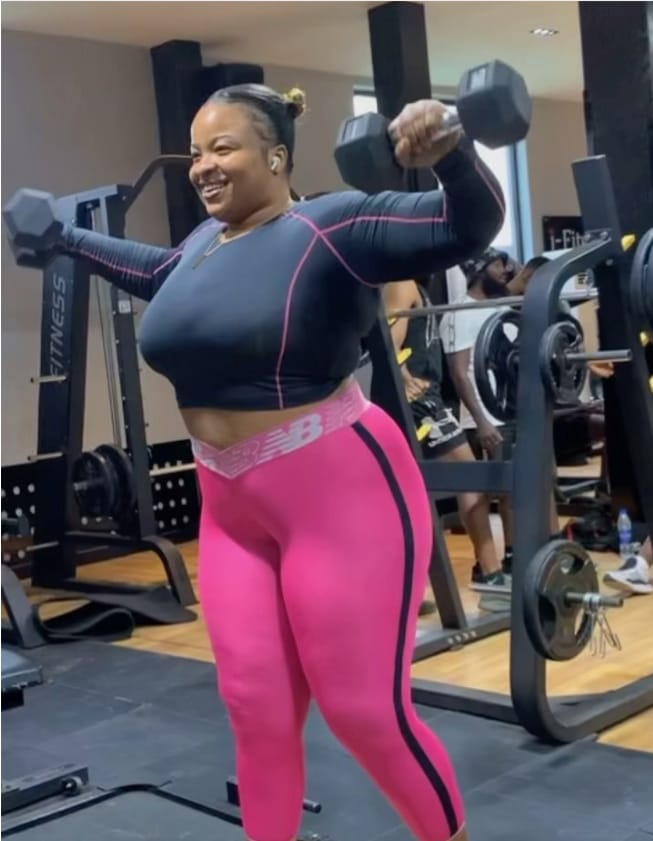
Photo: Instagram
Listening to the body’s signals is important. Feeling dizzy, weak, unusually fatigued or unable to complete a workout may indicate that exercising without food is not the right approach. In such cases, a small pre-workout snack containing carbohydrates, with a little protein if possible, can provide the energy needed without causing discomfort. Examples include a banana, whole-grain toast with peanut butter, yoghurt with fruit or a small bowl of oatmeal.
Hydration should also not be overlooked. Whether training in a fasted or fed state, drinking enough water before, during and after exercise helps maintain performance and supports recovery.
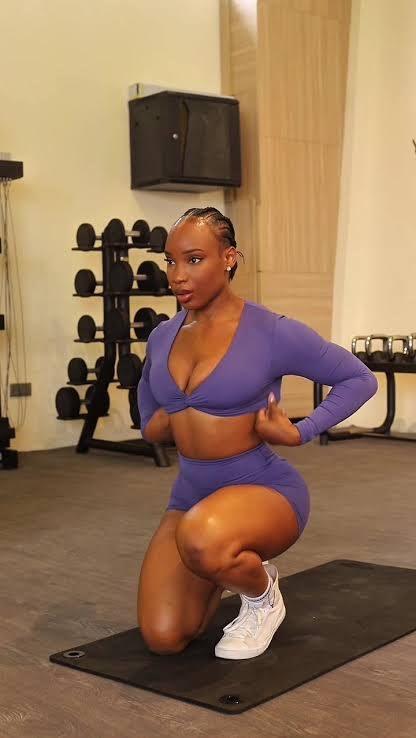
Photo: Instagram
Current evidence does not support the idea that women must exercise on an empty stomach to achieve better fitness or weight-loss results. The most effective routine is one that can be maintained consistently while providing enough energy to support health, performance and recovery. For many women, eating before demanding workouts improves both exercise quality and overall well-being, while others may comfortably complete lighter sessions before breakfast. The best choice depends on individual goals, health status and personal comfort because what works well for one woman may not work as well for another.
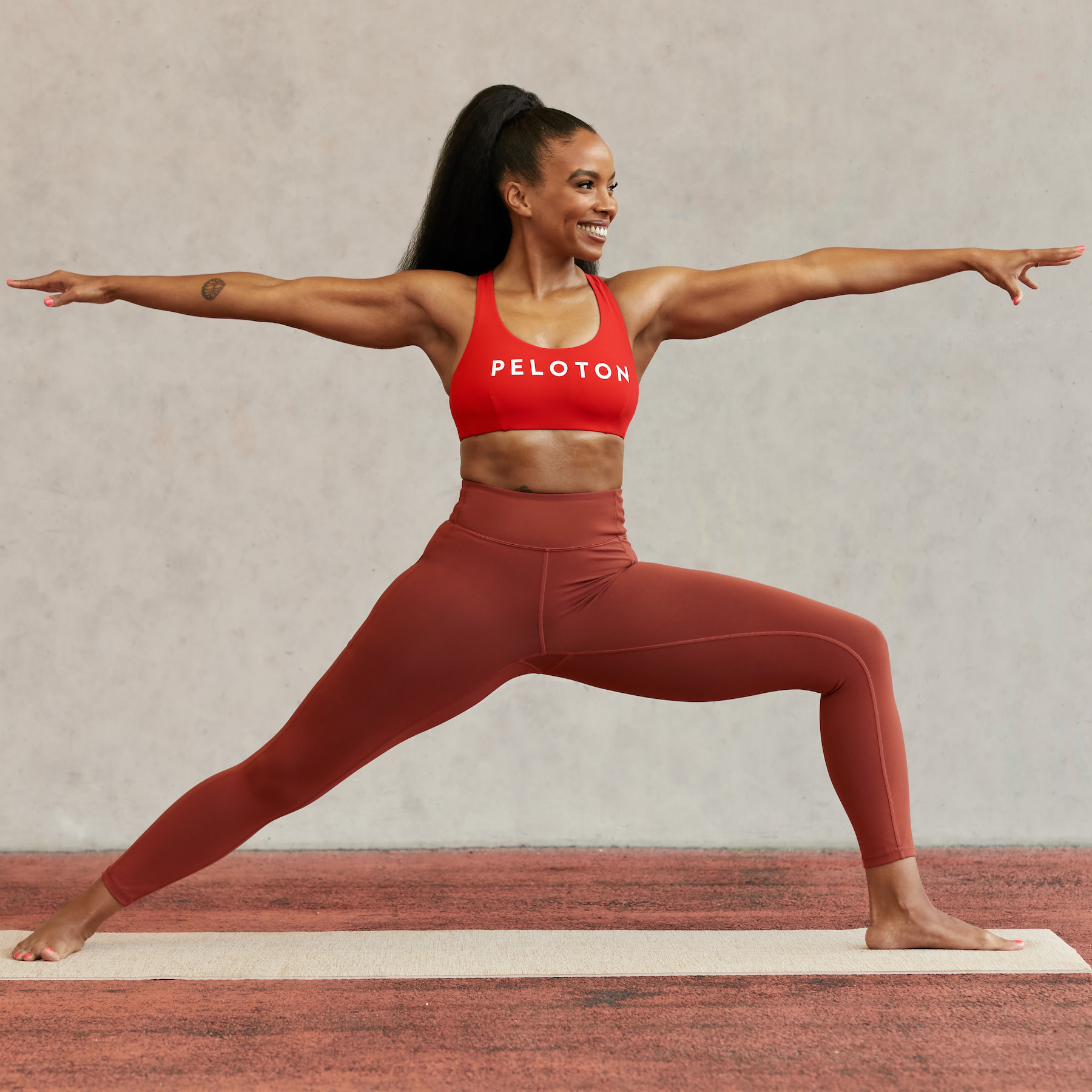
When people think of strength training, heavy weights and gym sessions usually come to mind. But fitness experts are increasingly highlighting a different approach that delivers real results: power yoga. In just 20 minutes, a focused session can challenge your major muscles, improve balance, and boost endurance, all without stepping into a gym.
Power yoga emphasizes flowing movements linked to breath, rather than slow stretches. Many poses require you to support your own body weight, engaging multiple muscle groups at once. This helps develop functional strength, the kind your body uses every day, whether carrying groceries, lifting children, or sitting at a desk for long hours.
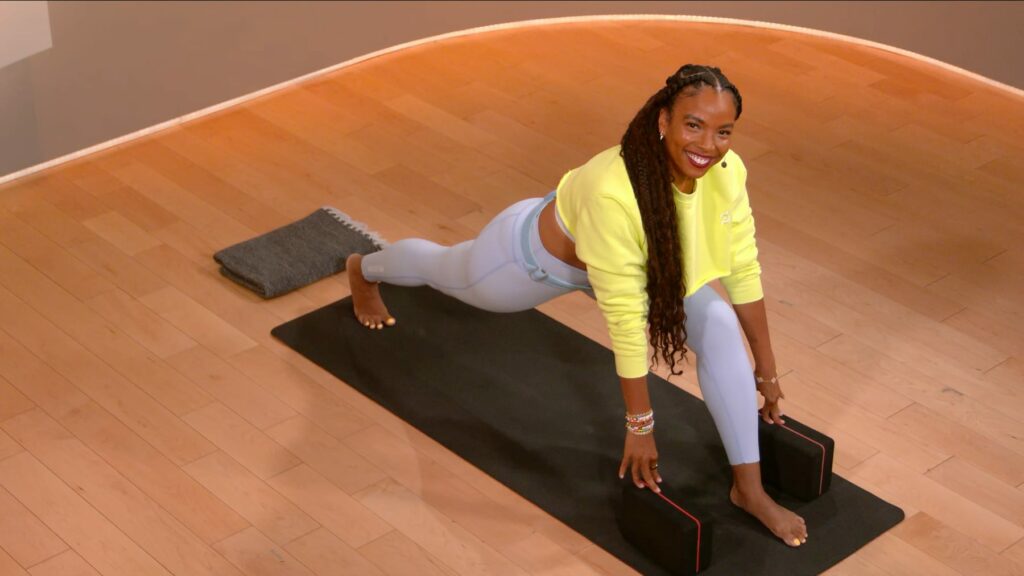
Photo Credit – Google
A 20-minute session usually starts with gentle stretches to wake up muscles and joints. The flow then moves into more challenging poses like high lunges, plank-to-chaturanga transitions, and standing balances such as Warrior III. Each posture works shoulders, core, legs, and back, helping you build strength while improving stability and coordination.
Because your muscles are constantly adjusting to maintain alignment, power yoga strengthens stabiliser muscles that protect joints and prevent injuries. Unlike traditional weight training, it develops lean, resilient muscles instead of bulk. Many practitioners also report better endurance, faster recovery, and improved body awareness when combining power yoga with other workouts.
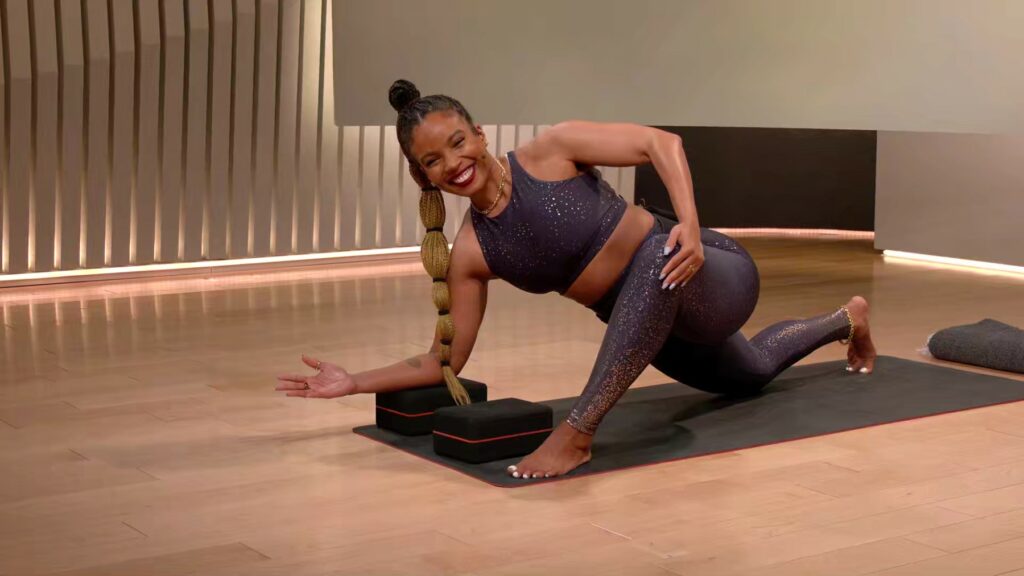
Photo Credit – Google
One of the best things about this 20-minute format is that it’s short but effective. Busy professionals, parents, or anyone with a tight schedule can practice daily or a few times a week and see real gains. All you need is a yoga mat, and optionally a block or strap for extra support.
Beginners can modify poses to match their level. Plank variations can be done on the knees, and balance holds can be shortened until strength improves. Keeping your breathing steady helps maintain control and reduces tension.
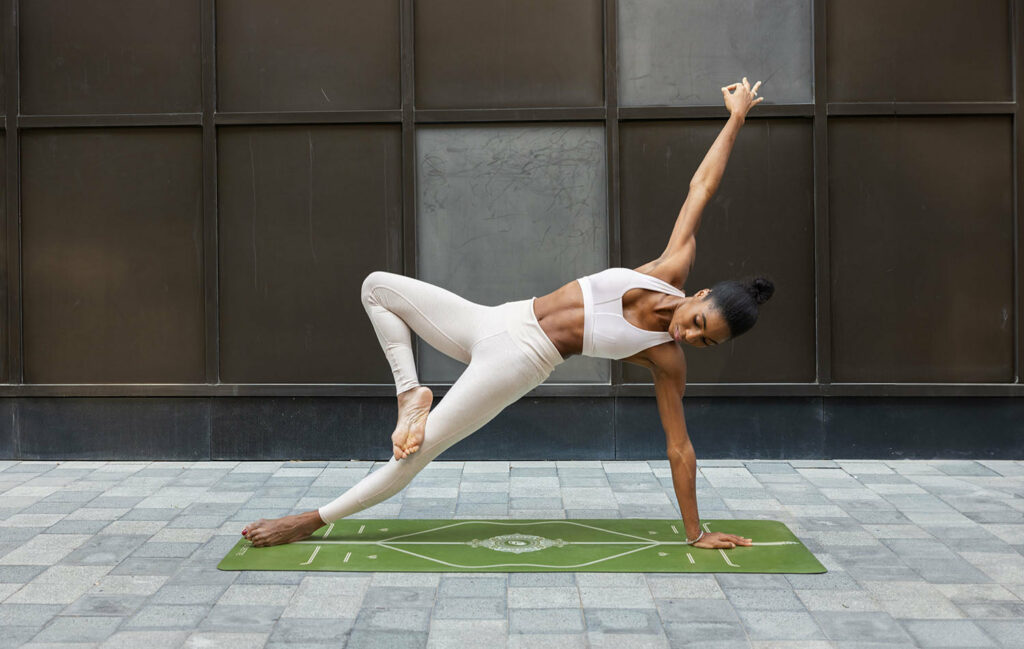
Photo Credit – Google
For Nigerians looking for a practical way to stay strong at home, before work, or even during a lunch break, a 20-minute power yoga session is a time-efficient, effective way to build strength, stability, and endurance. With consistency, it complements other workouts and improves overall fitness, without the need for heavy weights.

The Miss One Nigeria Beauty Pageant is a national beauty competition. The event brings together contestants from all across the country for the crown. Alongside a panel of judges monitoring the selection process. The event places priority on presentation, meaning everyone on stage, including the judges, are part of the overall visible presentation.
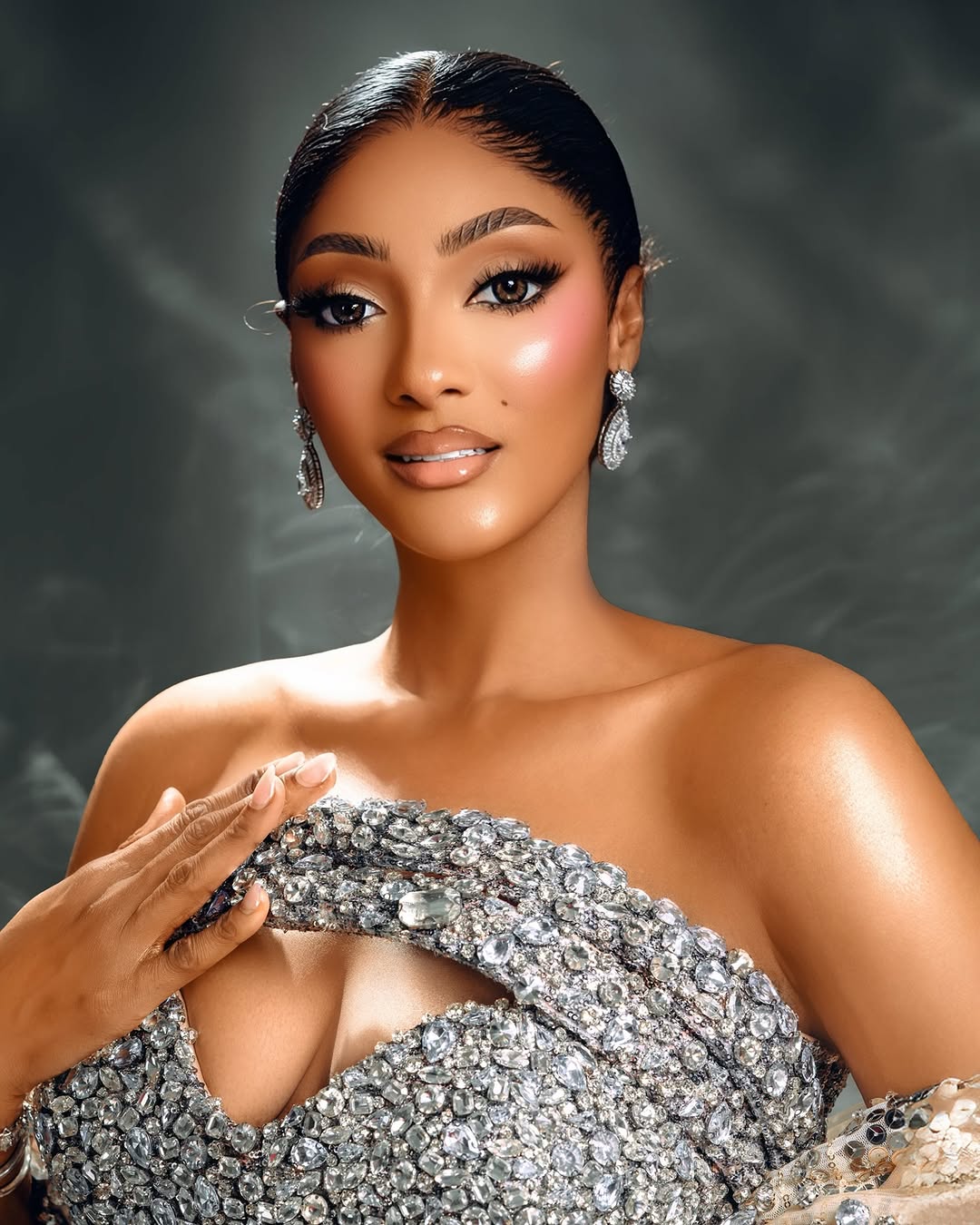
At this year’s edition of the pageant, Delonyii showed up as a judge, but her outfit matched the styling typically associated with that of the contestants. If you didn’t, know one would think she’s one of them. Delonyii’s outfit was different and well noticeable.
Delonyii – Instagram
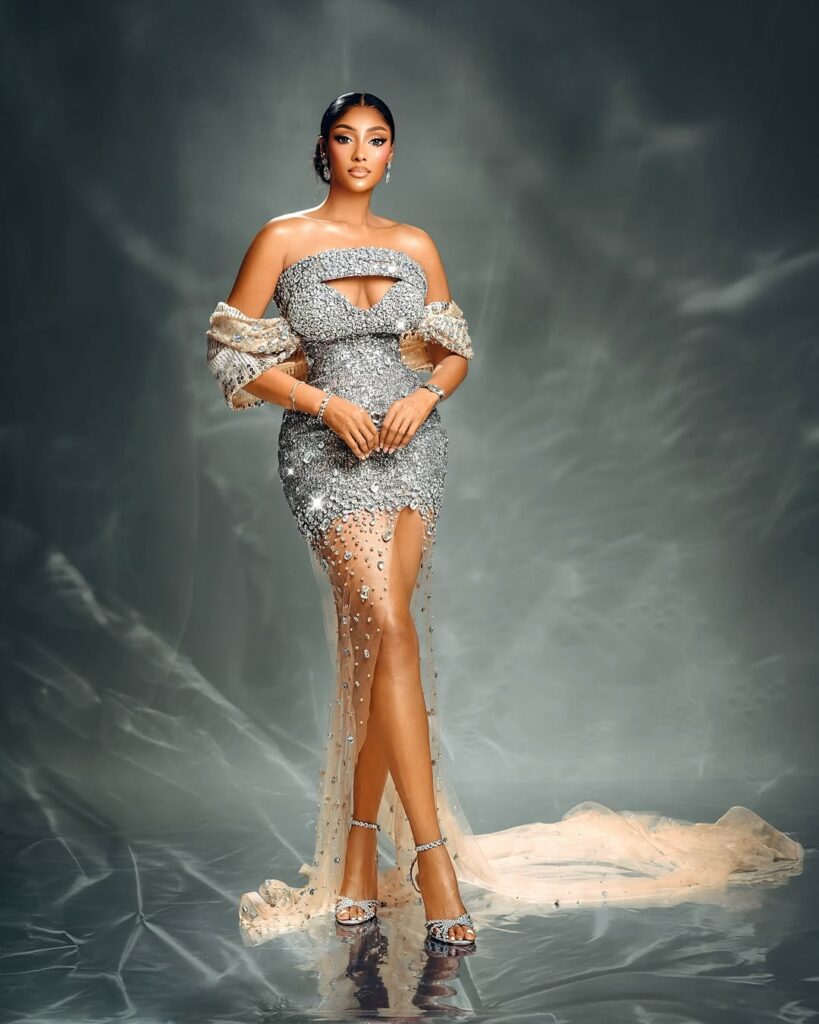
She wore a silver, body-con mini gown with a heart-shaped neckline and a keyhole cutout at the bust. The dress hugged her frame delicately and well above the knee. Its surface was covered with silver sequins and crystals.
What made the dress different was the sheer, champagne-colored train attached to the back. While the front of the dress stayed short and fitted, the train extended to the floor, adding length to the overall design. Typically, this mix of a mini dress paired with a flowing train is often seen on contestants more than on judges. The off-the-shoulder sheer short sleeves added another visual layer, easing the look while keeping its structure intact.

Delonyii – Instagram
Her accessories stayed within a neutral colour range to match the outfit. She wore silver dangle earrings, simple bracelets on both wrists, strappy silver high-heeled sandals, and a delicate anklet on her right leg.
In a context where judges usually choose simple gowns or tailored outfits, Delonyii’s dressing aligned closely with what is worn by those competing on stage. The dress element made her look more like a contestant than a judge.

Yusuf, Bells, Chimsom Chuka Evicted From BBNaija Season 11

Tems’ Journey From Lagos to Global Stardom

Burna Boy Set to Headline Halftime Show at 2026 NFL Paris Game

What Went Down in BBNaija Week 8 So Far

Laura Ikeji Proves Polka Dots Are Back and Better Than Ever

Ayra Starr’s “Tornado” Video Enters an Unbelievable New World.

‘The Polygamist’: Nigerians Weigh In on Netflix’s New Series.

DJ Cuppy Explains Why She Cannot Marry a Nigerian and Reflects on Her Past Relationships.




-
 Celebrity Style2 months ago
How Dede Ashiogwu Styles a Classic White Dress
-
 Music2 months ago
Ayra Starr Announces Third Studio Album ‘Starr Girl’
-
 Music4 weeks ago
What Exactly Are Ayra Starr and ZAYN Singing About on “Heaven Baby”?
-
 Celebrity Style2 months ago
The Best Celebrity Looks of July 2026
-
 Big Brother Naija2 months ago
Big Brother Naija Season 11: Sheba Wins Week 2 Head of House Title as Eviction Tension Builds
-
 Fashion1 month ago
Yvonne Godswill’s LBD? A Black Dress Done Right — Here’s How to Wear One Now
-
 Music1 month ago
Ayra Starr’s ‘Starrgirl’: Tracklist, Features and Everything You Need to Know
-
 Models4 weeks ago
Meet the African Queens Competing for the Miss World 2026 Crown
-
 Lifestyle1 month ago
These Women Are in Their ‘Rich Girl Era’ and We’re Taking Notes
-
 Beauty2 months ago
Gift Eno Ndah Finishes Third Runner-Up at Miss Supranational 2026