
Lifestyle
6 Essential Items to Pack for a Stress Free Trip


Preparing for a trip can be both exciting and stressful. Even if you’re traveling within Nigeria, heading to another African country, or flying overseas, not having the essential items can turn a smooth journey into a frustrating experience. From power outages at the airport to unexpected weather changes, travelers from Nigeria often face unexpected challenges that require smart packing. But no matter where you’re going, having the right necessities can make all the difference. And if you’re reading this from other parts of the world, you’ll find these tips just as useful for your own trips
To help you travel with ease, we’ve put together six must-have items that will keep you comfortable, organized, and stress-free on your next trip.
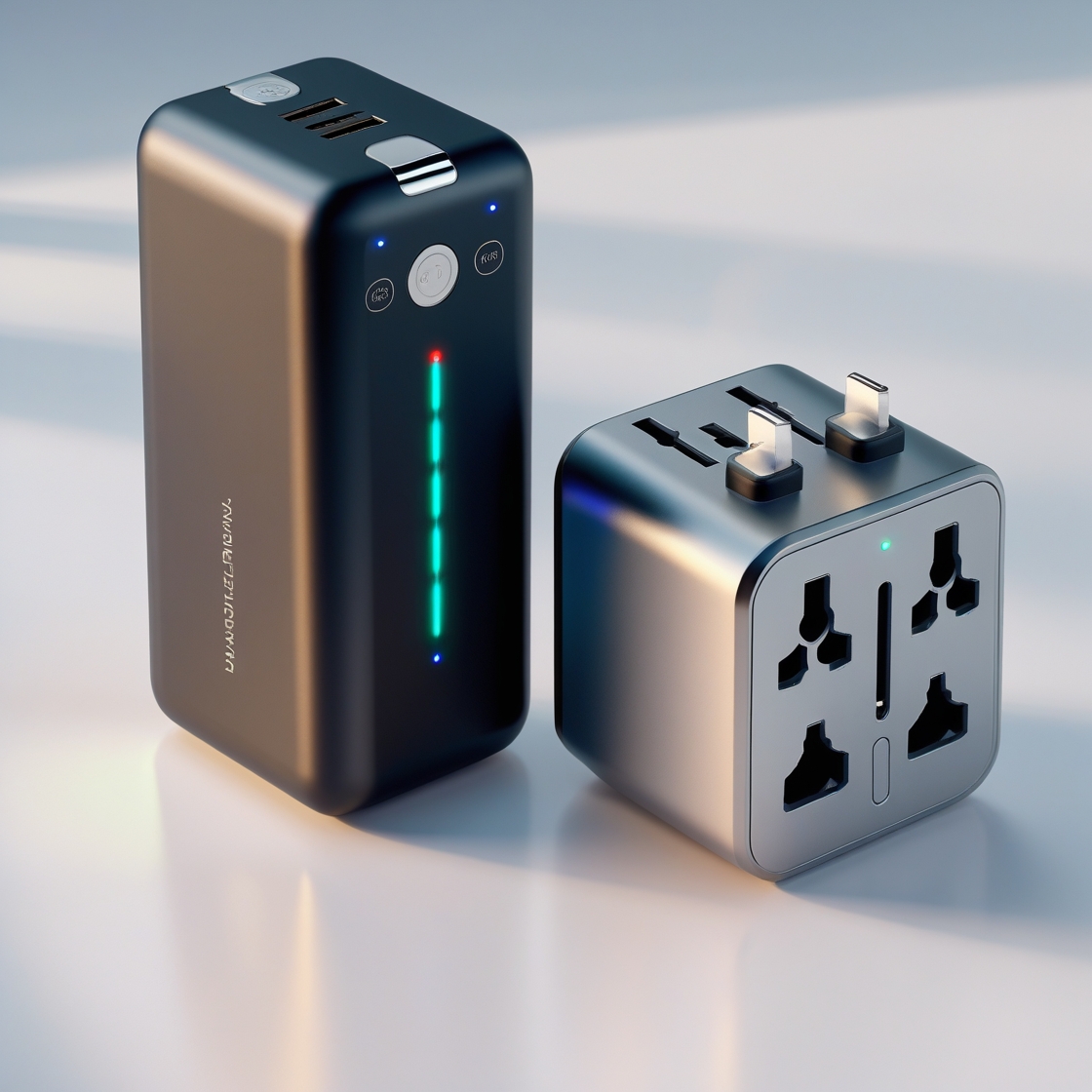
Power bank And Adapter
1. A Power Bank and Universal Travel Adapter
If you’ve ever experienced a dead phone at Murtala Muhammed International Airport or needed to send an urgent message in transit, you understand the importance of a reliable power bank. Flights get delayed, buses break down, and sometimes, power outlets are scarce.
A high-capacity power bank (at least 10,000mAh) will keep your phone, earbuds, or even a mini fan running. And if you’re traveling internationally, a universal adapter is a must. Many Nigerians visiting the US, UK, or Europe forget that power outlets are different from those back home. You don’t want to be stranded at a hotel unable to charge your phone because you didn’t bring the right adapter.
Pro tip: If you’re flying with a power bank, make sure it’s in your carry-on, as airlines don’t allow them in checked luggage.
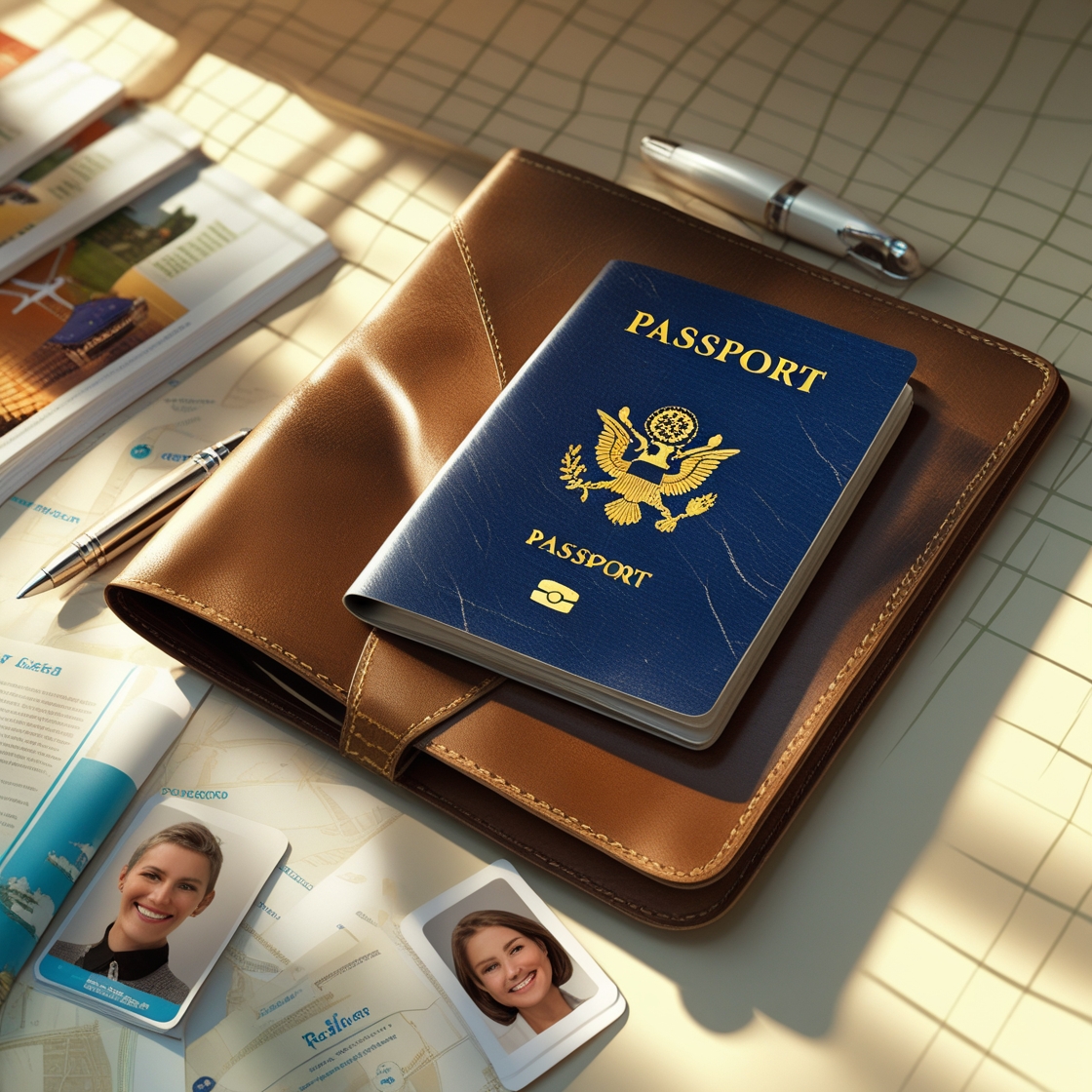
Necessary Document
2. Original Copies of Important Documents (Plus Digital Backups)
A trip can be swiftly ruined by misplaced passports, unaccounted-for tickets, and unremembered hotel bookings. Always bring these important documents:
- A passport (if going abroad, one that is valid for at least six months).
- Documentation for a visa, if necessary.
- Travel insurance information.
- Hotel bookings.
- Vaccination records (yellow cards for certain locations).
Take photos and upload copies to your cloud storage or email instead of simply keeping them in your backpack. Having digital backups will make it easier to replace your documents in the event that they are lost or stolen.
For Nigerians who are going overseas: Make sure you have a return ticket on hand if you are on a visitation visa, as Immigration officials frequently need evidence that you do not intend to remain longer than necessary.
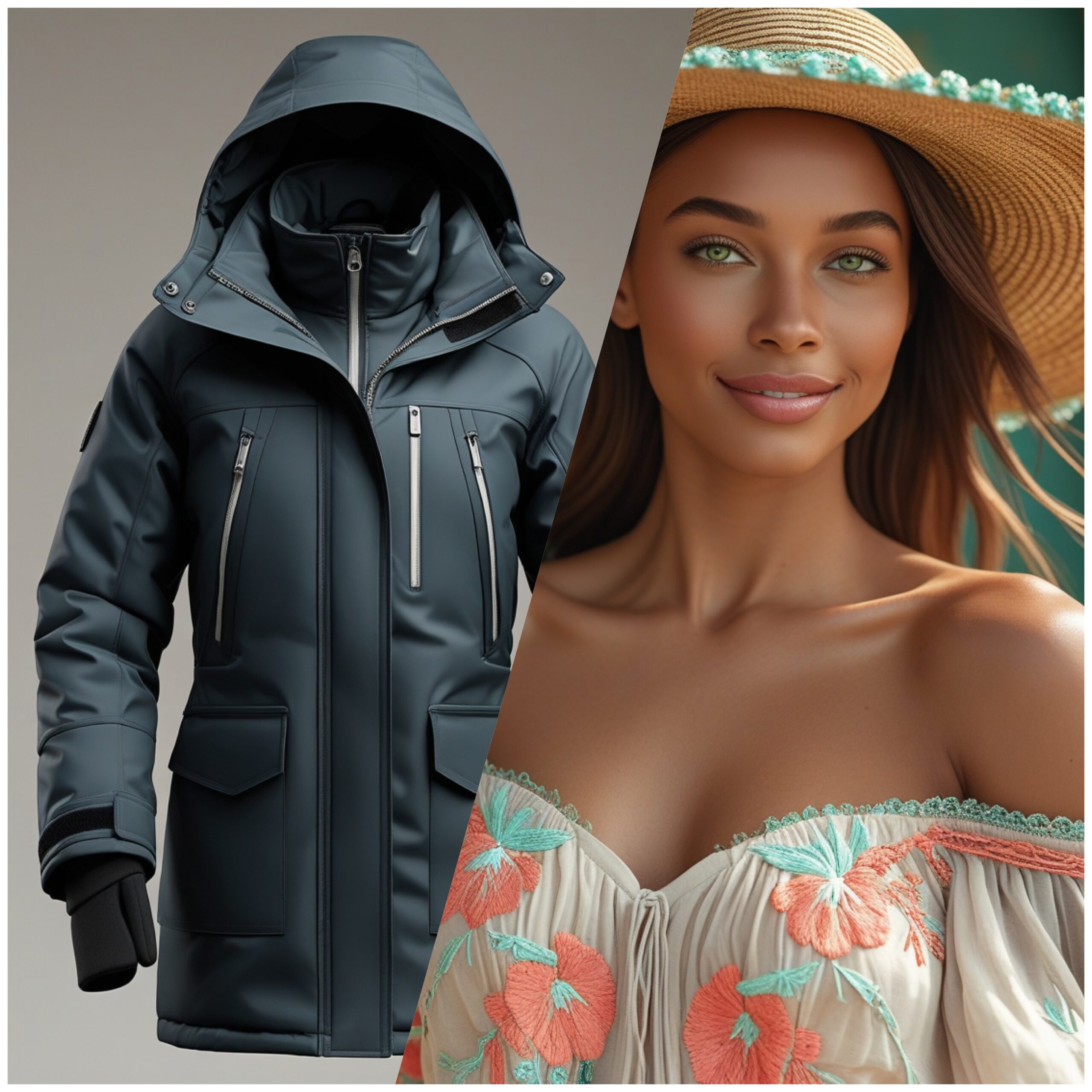
Cold and hot weather
3. Lightweight, Weather-Appropriate Clothing
Packing the wrong clothes can make a trip uncomfortable. If you’re leaving Nigeria for colder regions, don’t assume you’ll “manage” with a hoodie, buy proper winter jackets. Likewise, if you’re heading to a sunny destination like Dubai or Ghana, go for breathable fabrics like cotton and linen.
Ladies, as much as that bodycon dress looks good on Instagram, consider comfort, too. Gentlemen, a well-ironed kaftan is great, but ensure it suits the weather.
For travelers in Nigeria, keep in mind that harmattan can be unpredictable. A light sweater might be useful even when traveling within the country.
Pro tip: Pack versatile outfits that can be mixed and matched. This reduces luggage weight while keeping you stylish.

Essential Toiletries
4. Toiletries and Medications
Yes, hotels provide soap and shampoo, but what if the quality isn’t great? Worse, what if they don’t provide any at all? To avoid unnecessary expenses, carry your own toiletries:
- Toothpaste and toothbrush
- Soap and deodorant
- Face wipes (especially for Lagosians dealing with dust)
- Lotion (harmattan can be brutal!)
For medications, even if you’re healthy, always carry basic drugs:
- Painkillers (paracetamol or ibuprofen)
- Antimalarial drugs (for trips within West Africa)
- Allergy medication
- Prescribed medications (if you take any)
For Nigerians traveling abroad: Some drugs that are common in Nigeria, like certain pain relievers, may be restricted in other countries. Always check travel regulations before packing medication .

Cash
5. Cash and a Functional Bank Card
Although carrying actual cash may seem outdated in an age of digital banking, anyone who has had their Nigerian bank card rejected overseas will tell you that it’s a lifesaver.
Sometimes network problems or expenditure caps cause international transactions to fail. It’s equally crucial to have cash for local travel.
ATMs can be unreliable in some places, and not all taxis or small vendors take transfers.
A pro suggestion is to let your bank know in advance if you will be travelling abroad to prevent your card from being blocked for “suspicious activity.” And in case of an emergency, always have a small amount of foreign currency on hand.
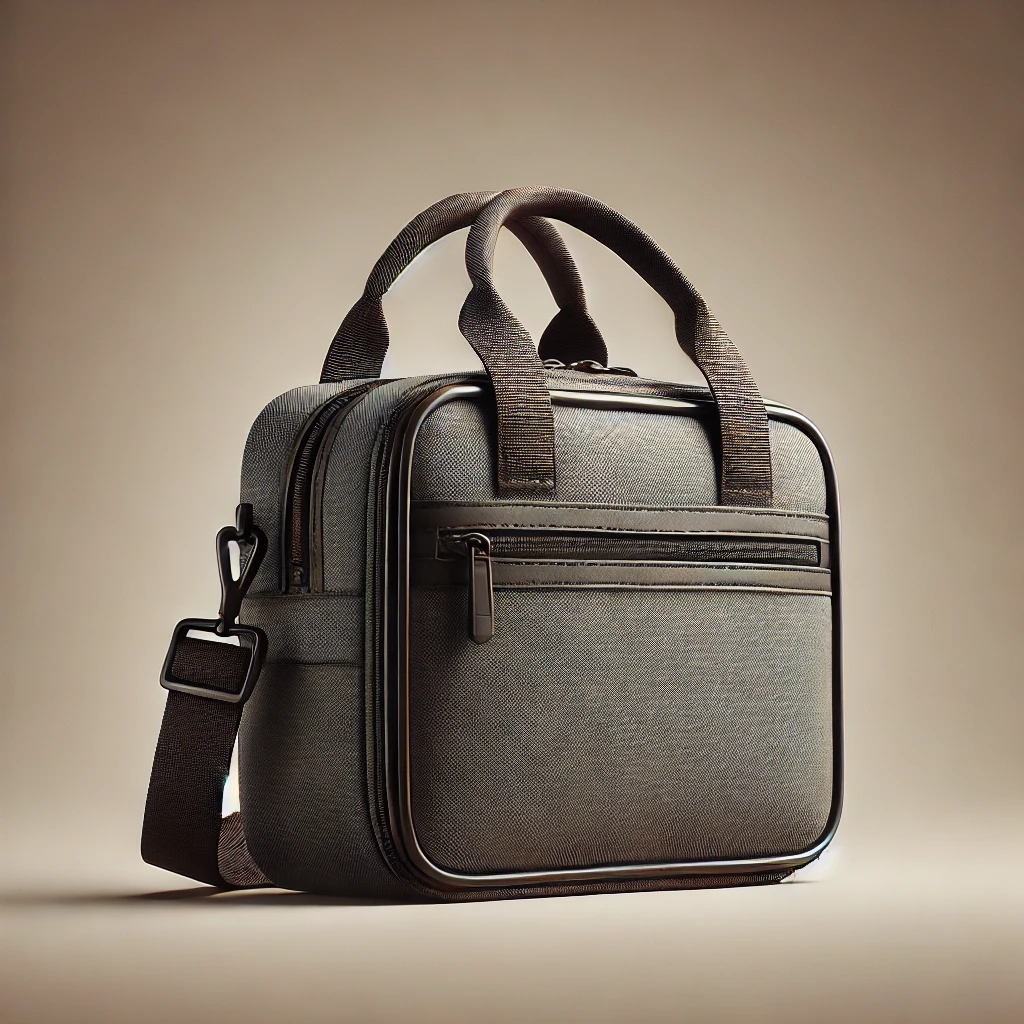
Hand luggage
6. A Reliable Hand Luggage Bag
Your checked bag may not always arrive with you, ask anyone who has flown through certain airports. That’s why a well-packed carry-on bag is essential. It should contain:
- A change of clothes (in case of lost luggage)
- Snacks (because airplane food isn’t always filling)
- Headphones (to block out noisy passengers)
- A neck pillow (for comfortable naps)
- A book or downloaded movies (to pass time)
Make sure your carry-on is lightweight but spacious enough to fit your essentials.
Wrapping off :
Whether you’re traveling for work, vacation, or even japa, these six essentials will help keep stress at bay. The goal is to be prepared without overpacking.
For Nigerians, travel can sometimes feel like an extreme sport because of fluctuating exchange rates, long queues at the airport, and unexpected expenses. But with the right items, you can navigate any trip with ease.
Also if you’re in any other country, these tips are just as useful. After all, a stress-free trip starts with smart packing. Safe travels.
related articles: Top 5 Exotic Nigerian Resorts to Check Out This Holiday Season

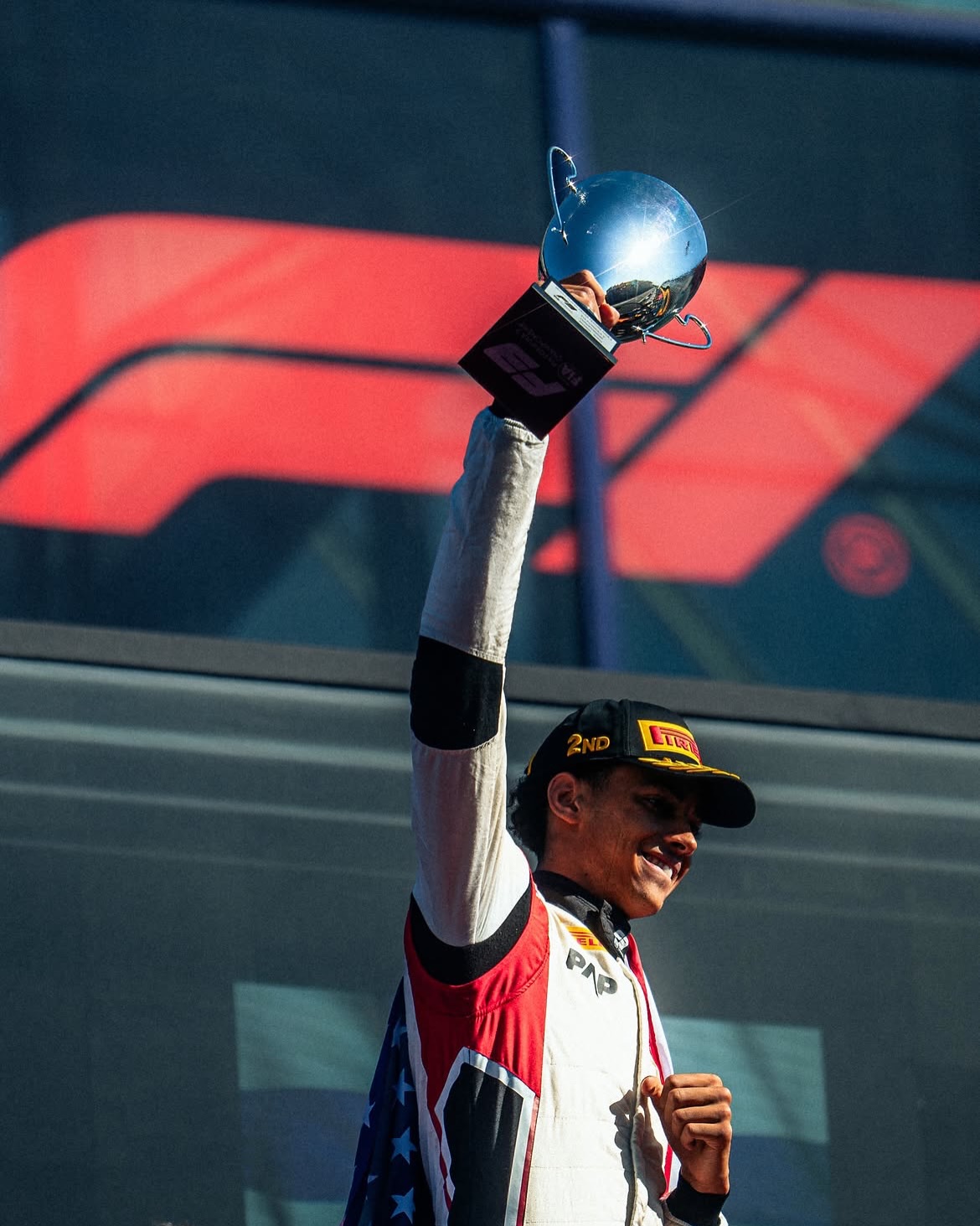
Ugo Ugochukwu has won the 2026 FIA Formula 3 Drivers’ Championship, becoming the first American driver to claim the title in the current FIA Formula 3 Championship.
The 19-year-old secured the championship on Sunday, September 13, at the Madring circuit in Madrid. Driving for Campos Racing, Ugochukwu finished second in the second Feature Race behind MP Motorsport’s Tuukka Taponen. Freddie Slater, his main title rival, finished eighth for Trident.
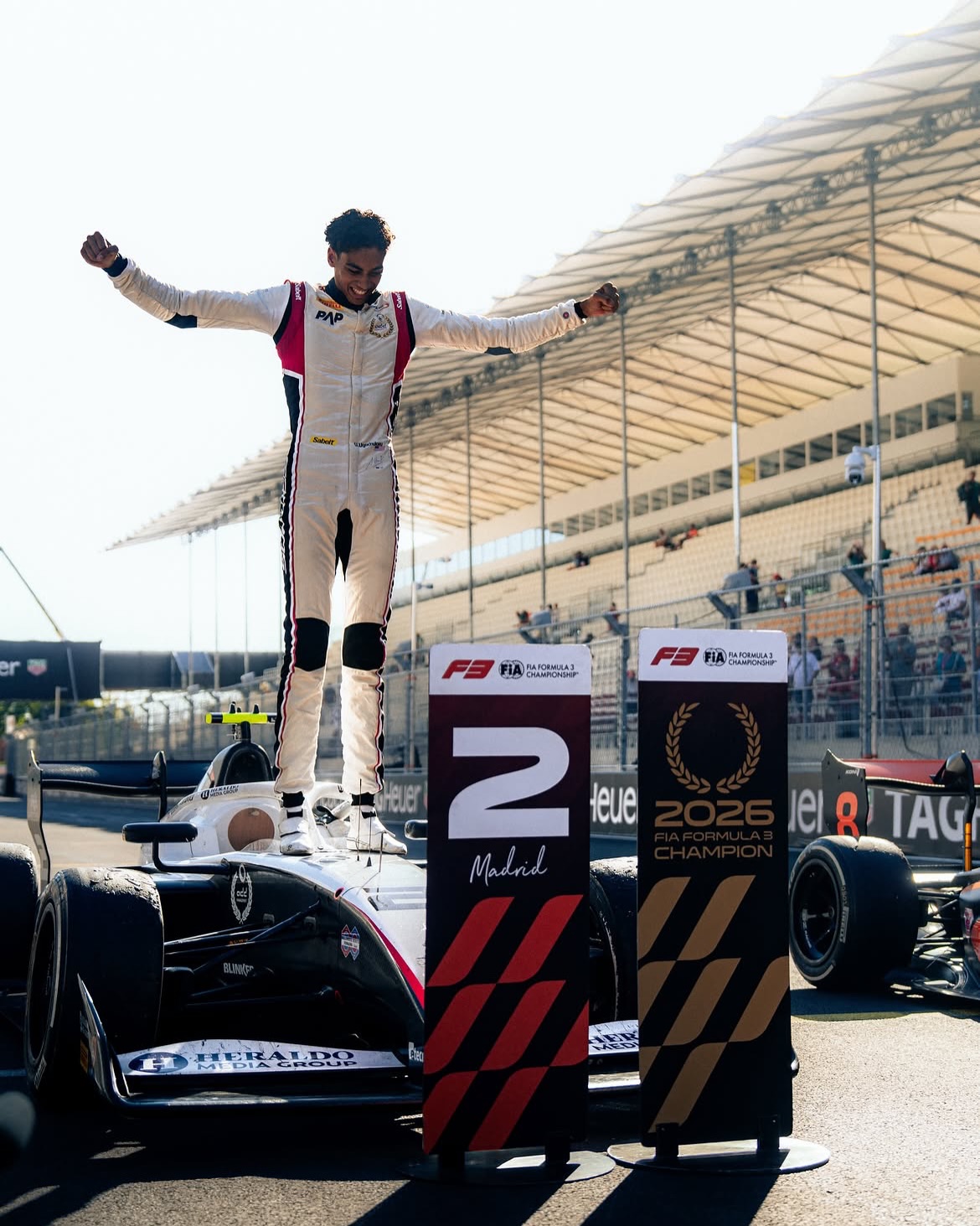
Photo: Instagram/@fiaf3
The result put Ugochukwu on 159 points for the season, 14 points ahead of Slater, who finished second with 145. Taponen’s victory also moved him into third place in the final Drivers’ Championship standings with 109 points.
Ugochukwu’s title came in his second FIA Formula 3 season. He won the opening Feature Race in Melbourne, Australia, before taking another victory in the Silverstone Sprint Race. He also finished on the podium in Catalonia, at the Red Bull Ring, in Hungary and in Madrid.
Ugochukwu arrived in Madrid 15 points behind Slater. After the weekend’s earlier races, the pair were level on 141 points going into the final Feature Race. Ugochukwu started the race from second on the grid, while Slater started eighth. Ugochukwu held second to the finish, while Slater remained eighth, giving Ugochukwu enough points to take the championship.
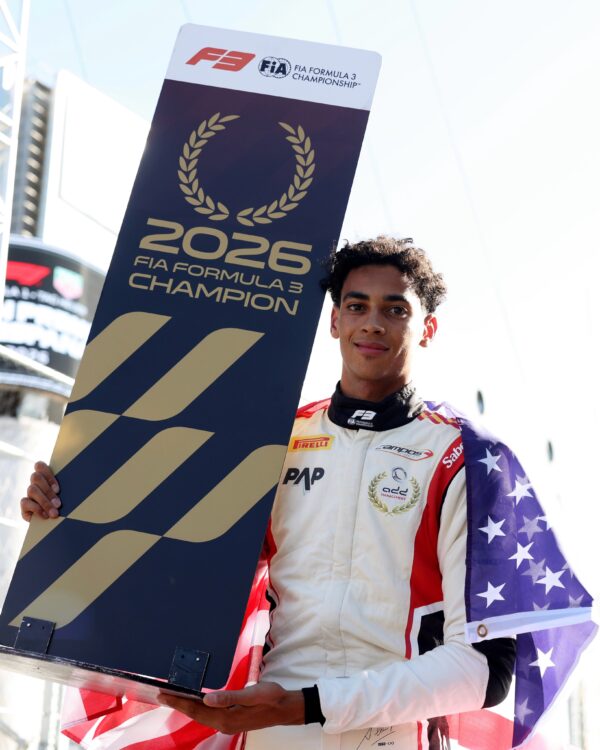
Photo: Instagram/@fiaf3
Ugochukwu is the son of Nigerian fashion model Oluchi Onweagba. Born in New York, he moved from karting into single-seater racing in 2022, competing in British F4. He won the Euro 4 Championship in 2023 and the Macau Grand Prix in 2024.
He joined the FIA Formula 3 grid with PREMA Racing in 2025, finishing 16th in the championship and recording two podiums. He switched to Campos Racing for 2026 and began the year by winning the Formula Regional Oceania trophy.
He now joins former FIA Formula 3 champions including Oscar Piastri and Gabriel Bortoleto, who have gone on to compete in Formula One.

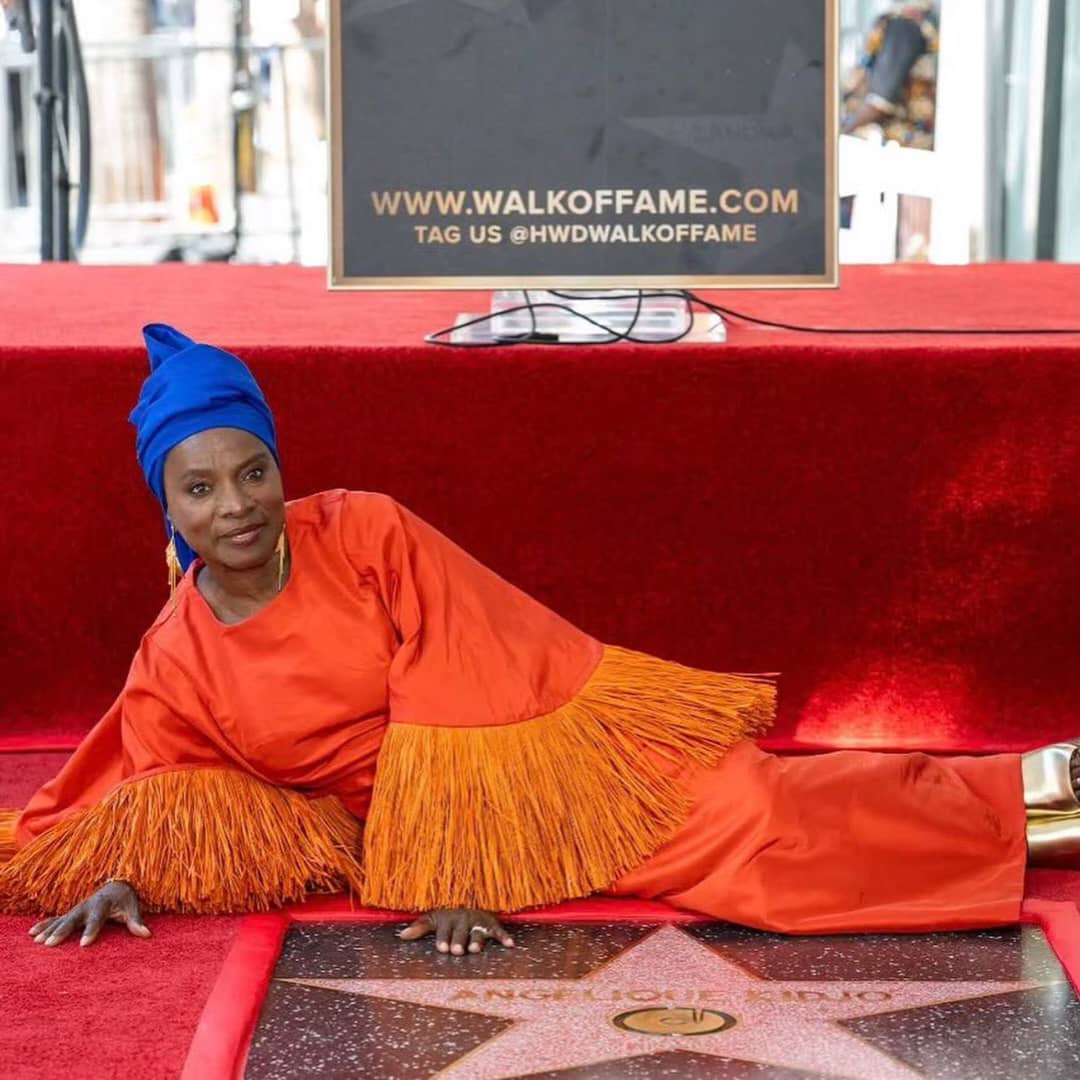
Angélique Kidjo has become the first African musician and first Black African artist to receive a star on the Hollywood Walk of Fame, marking a significant moment for the Beninese singer whose career has taken African music to audiences around the world.
The five-time Grammy Award winner received the honour on Tuesday, August 18, 2026, during a ceremony in Los Angeles. Her star, the 2,854th on the Hollywood Walk of Fame, was placed in the Recording category at 7011 Hollywood Boulevard.
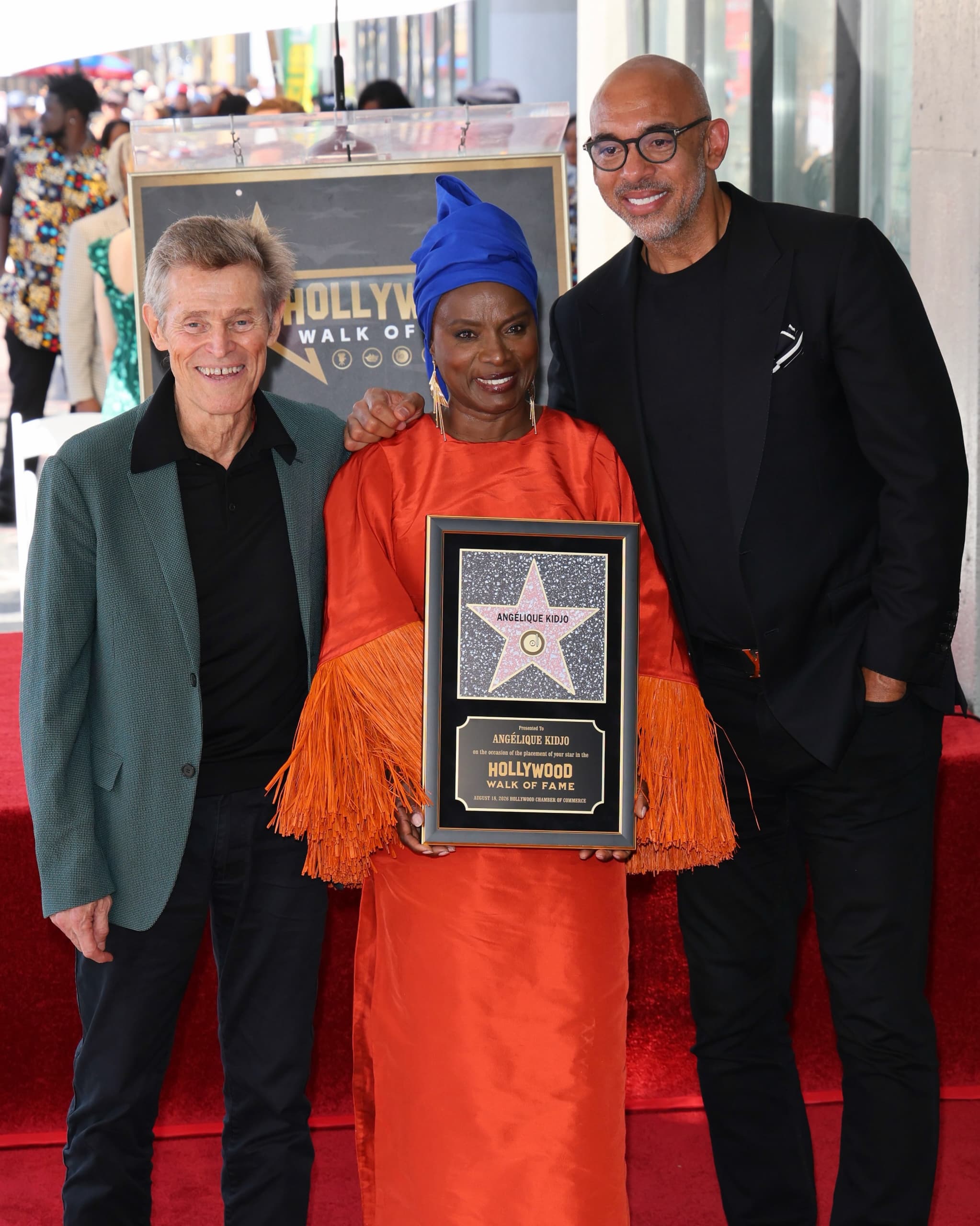
Photo: Getty images
Kidjo was among the names selected for the Hollywood Walk of Fame Class of 2026. The selection was announced in July 2025, with the Beninese singer included alongside several prominent figures from music, film, television and other areas of entertainment.
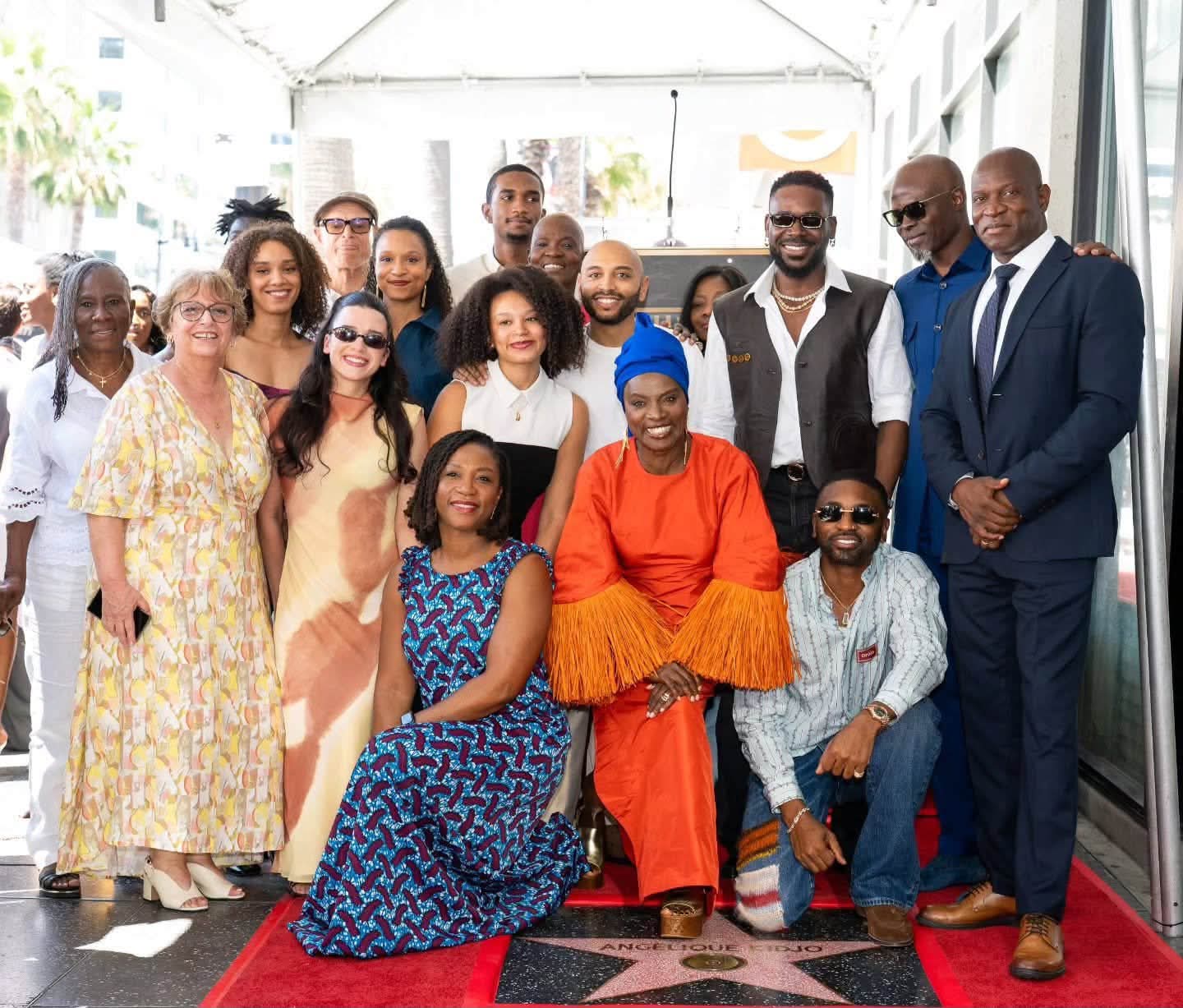
x.com/@MadamAfrika
The ceremony brought together several notable figures, including Oscar-nominated actor Willem Dafoe and Recording Academy CEO Harvey Mason Jr. Nigerian singer Adekunle Gold and actor Djimon Hounsou were also reported to be among those who attended the occasion.
For Kidjo, the recognition is tied closely to where she comes from and the music she has carried across borders throughout her career. During her speech, she reflected on Africa’s contribution to music and the influence of the continent’s culture on sounds heard around the world.
“We Africans don’t know what we’ve given to the world. Without us, there’s no music possible on this planet,” she said during the ceremony.
The 66-year-old singer has spent more than four decades in music, building a career that extends beyond recording and live performances. She has released numerous albums, worked with international artists and used her public platform to support social and humanitarian causes. Her collaborations have included musicians such as Alicia Keys, Peter Gabriel, John Legend, Bono, Yo-Yo Ma and Burna Boy.
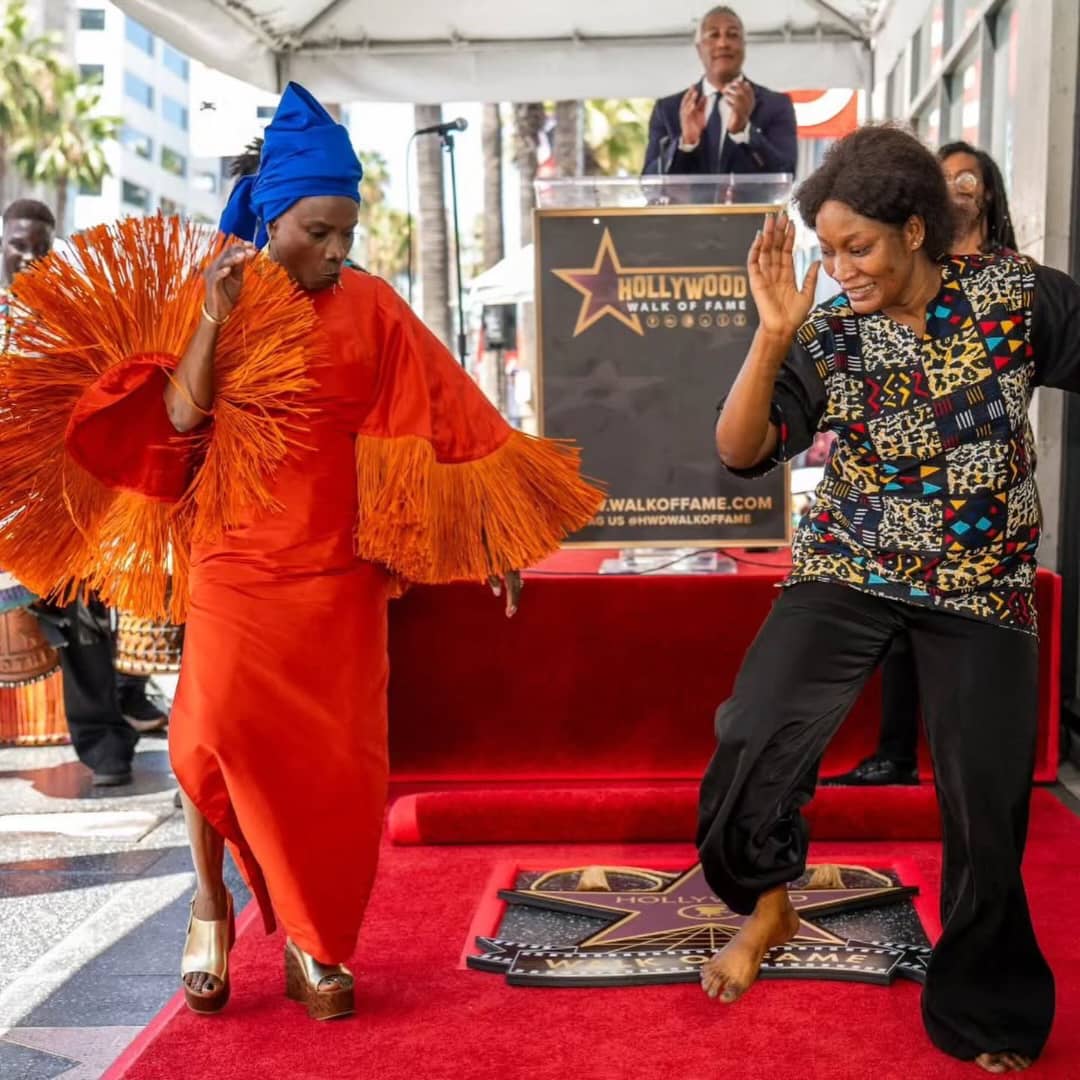
Photo: Getty images
Her Grammy history is another major part of that career. Kidjo has won five Grammy Awards, adding to a list of international honours that have established her as one of the most recognised African musicians working on the global stage.
The Hollywood recognition also came with a special declaration. August 18 was officially recognised as Angélique Kidjo Day in Hollywood, adding another distinction to the occasion.
The significance of the star goes beyond the name engraved on the famous boulevard. Kidjo’s achievement places a Beninese musician at a landmark that has long been associated with some of the biggest names in international entertainment. For African music, it is another visible acknowledgement of the artists who have carried sounds, languages and traditions from the continent into wider global audiences.
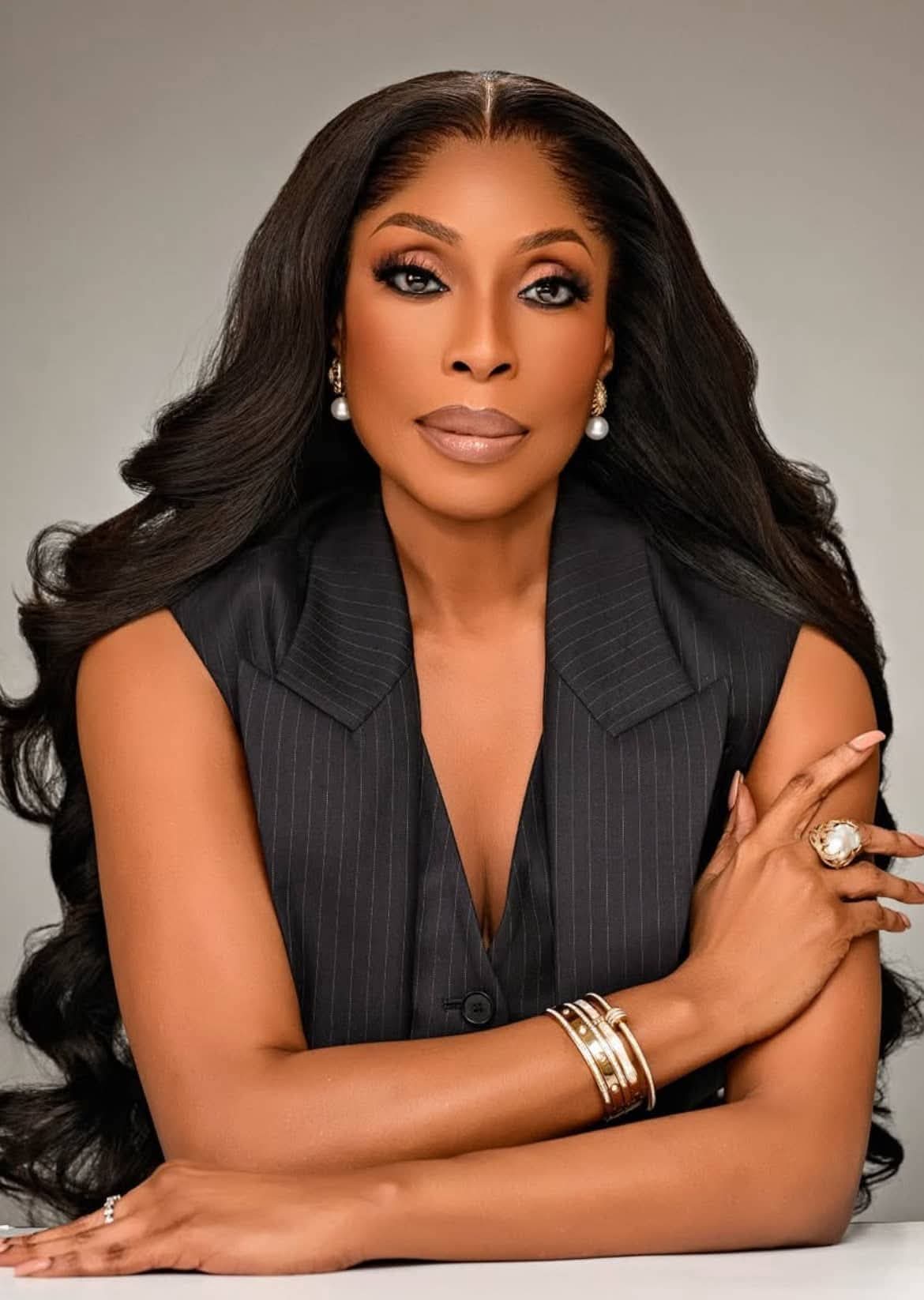
The “rich girl era” is not only about designer labels, luxury holidays or having an enviable lifestyle. For these Nigerian women, it also shows up in the businesses they own, the audiences they have built and the industries they have managed to influence. From film and music to media, fashion and food, each has found a different way to turn talent and visibility into something bigger. Here are seven women whose careers are worth watching and taking notes from.
Funke Akindele – Film, Television and Business
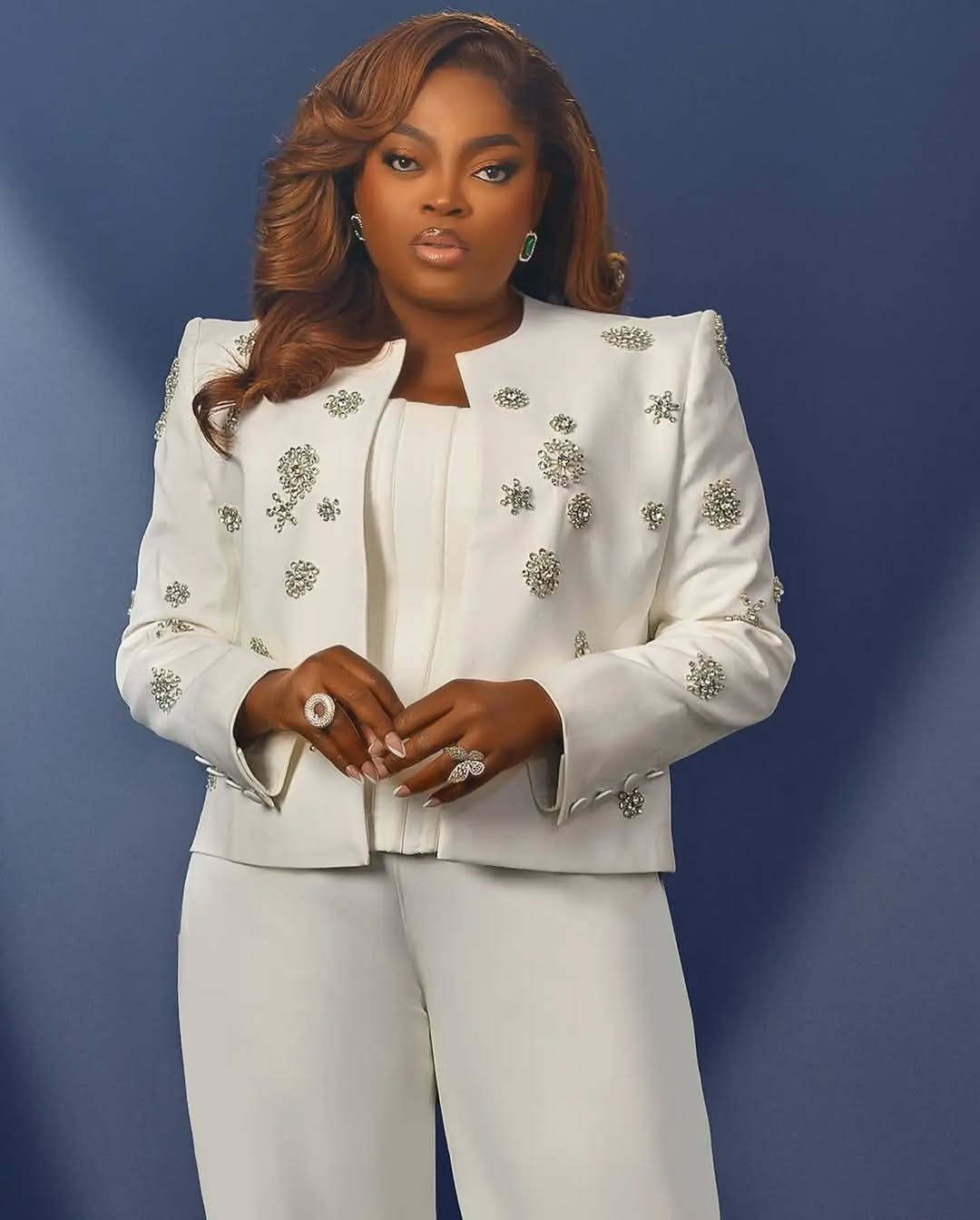
Photo: Instagram/@funkejenifaakindele
Funke Akindele‘s career has grown far beyond her work as an actress. She has become one of Nollywood’s most commercially successful filmmakers, taking on roles behind the camera as a producer and filmmaker. Her 2023 film A Tribe Called Judah became the first Nollywood title to cross ₦1 billion in Nigerian cinema ticket sales, eventually finishing its cinema run with about ₦1.4 billion.
That kind of success explains why Akindele belongs on a list about building wealth rather than simply displaying it. Her biggest asset is not one particular role or red-carpet appearance, it is the ability to create projects that generate commercial value. She has taken the visibility that came with years on television and in film and pushed it into production, where she has greater creative and commercial control.
Mo Abudu – Media, Entertainment and Business
Photo: Instagram/@moabudu
Mo Abudu took the idea of African storytelling and built an entire media business around it. She founded EbonyLife, which has grown into a group spanning television, film, studios, creative education and the EbonyLife Place in Lagos. EbonyLife Media says its studios have produced more than 5,000 hours of original programming and eight feature films.
Her business has also moved beyond the Nigerian market. Forbes notes that EbonyLife has entered major partnerships with Sony Pictures Television, AMC Networks and Netflix, while the company launched EbonyLife ON Plus in November 2025 as a digital global platform. For Abudu, the “rich girl era” is less about looking wealthy and more about creating an organisation capable of taking African stories to international audiences.
Tiwa Savage – Music, Fashion and Luxury
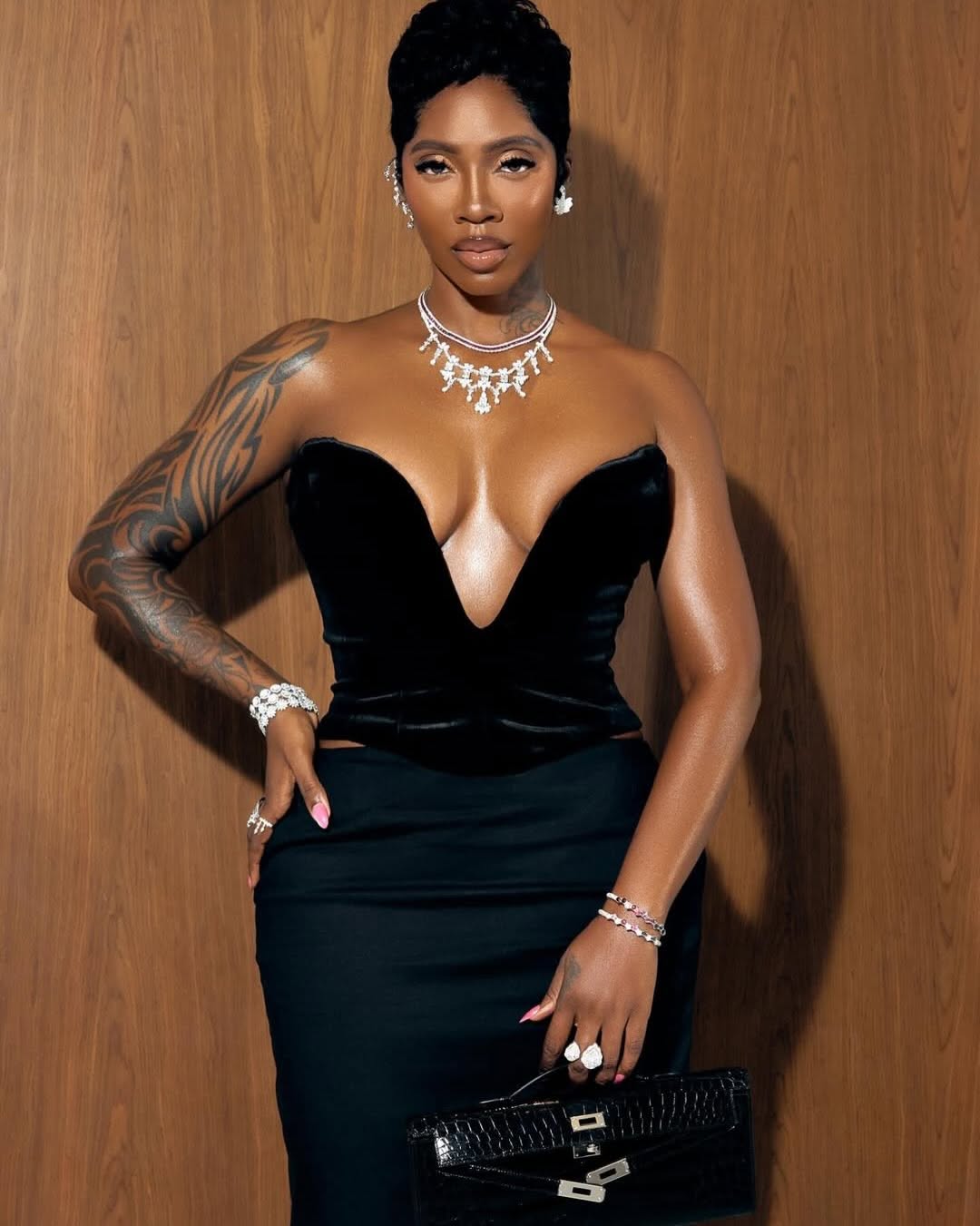
Photo: Instagram/@tiwasavage
Tiwa Savage has spent more than a decade building her name in music, but her public profile now stretches well beyond the recording studio. Her international career has placed her alongside global artists and on major fashion platforms, including New York Fashion Week, Paris Fashion Week and the British Fashion Awards, while her appearances and brand relationships have made fashion an important part of how she presents herself to the world.
That matters because Savage’s appeal is no longer tied to one song or album. Her music career gives her the platform, while fashion, luxury and commercial partnerships add other dimensions to the brand she has built around her name. In her case, the lesson is simple, a successful career can become the foundation for opportunities in completely different industries.
Toke Makinwa – Media, Beauty and Fashion
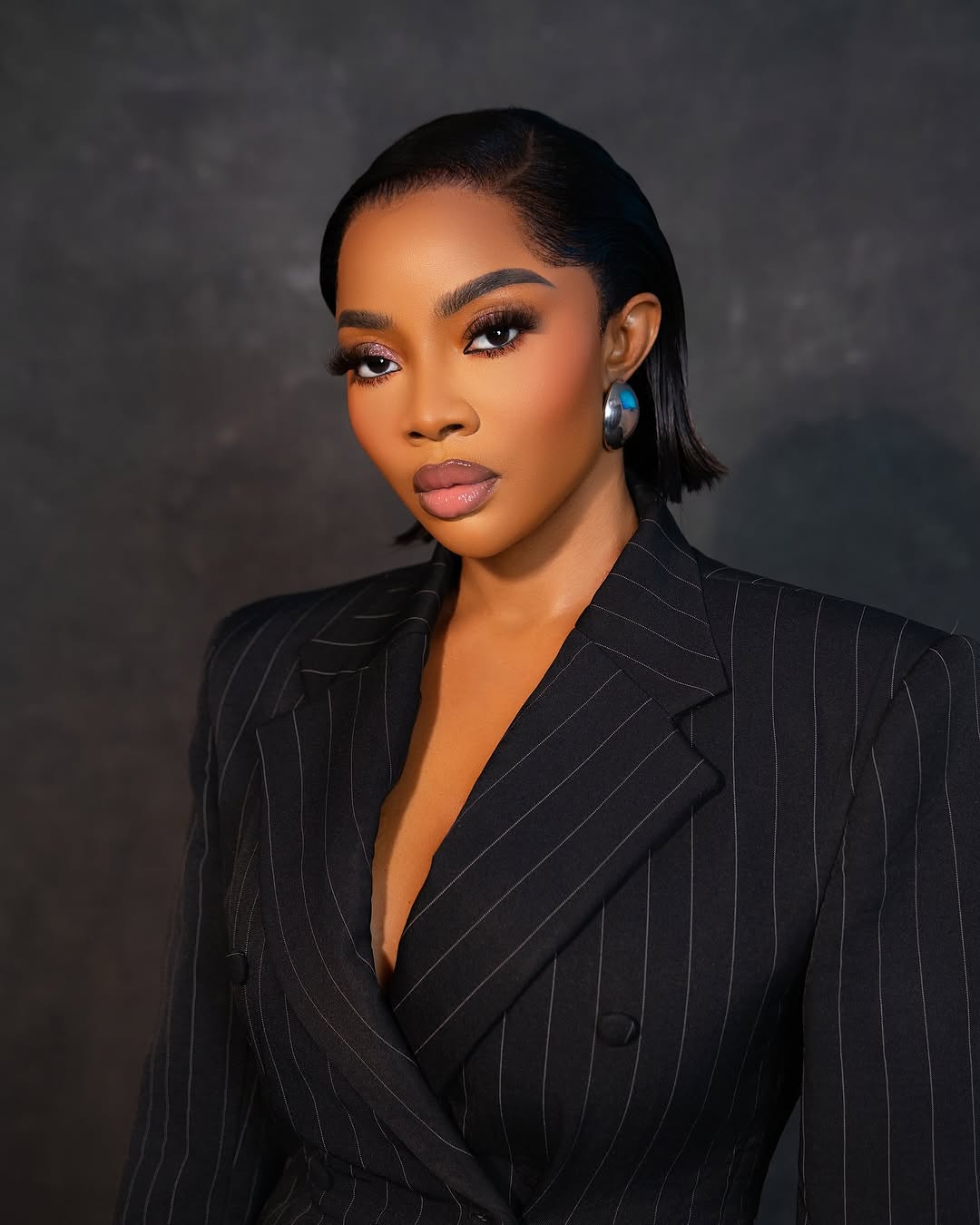
Photo: Instagram/@tokemakinwa
Toke Makinwa has made a career out of being recognisable, but she did not stop at radio, television and social media. Her media career has expanded into publishing, fashion and beauty, including the launch of Glow by TM, a skincare brand she developed with California-based beauty company Buluwa Inc.
The beauty business is particularly relevant to her story because it shows how a personal brand can be converted into a product. Makinwa already had an audience that knew her style and followed her beauty choices, Glow by TM gave that audience something connected to the brand she had spent years building.
Veekee James – Fashion, Celebrity Culture and Business
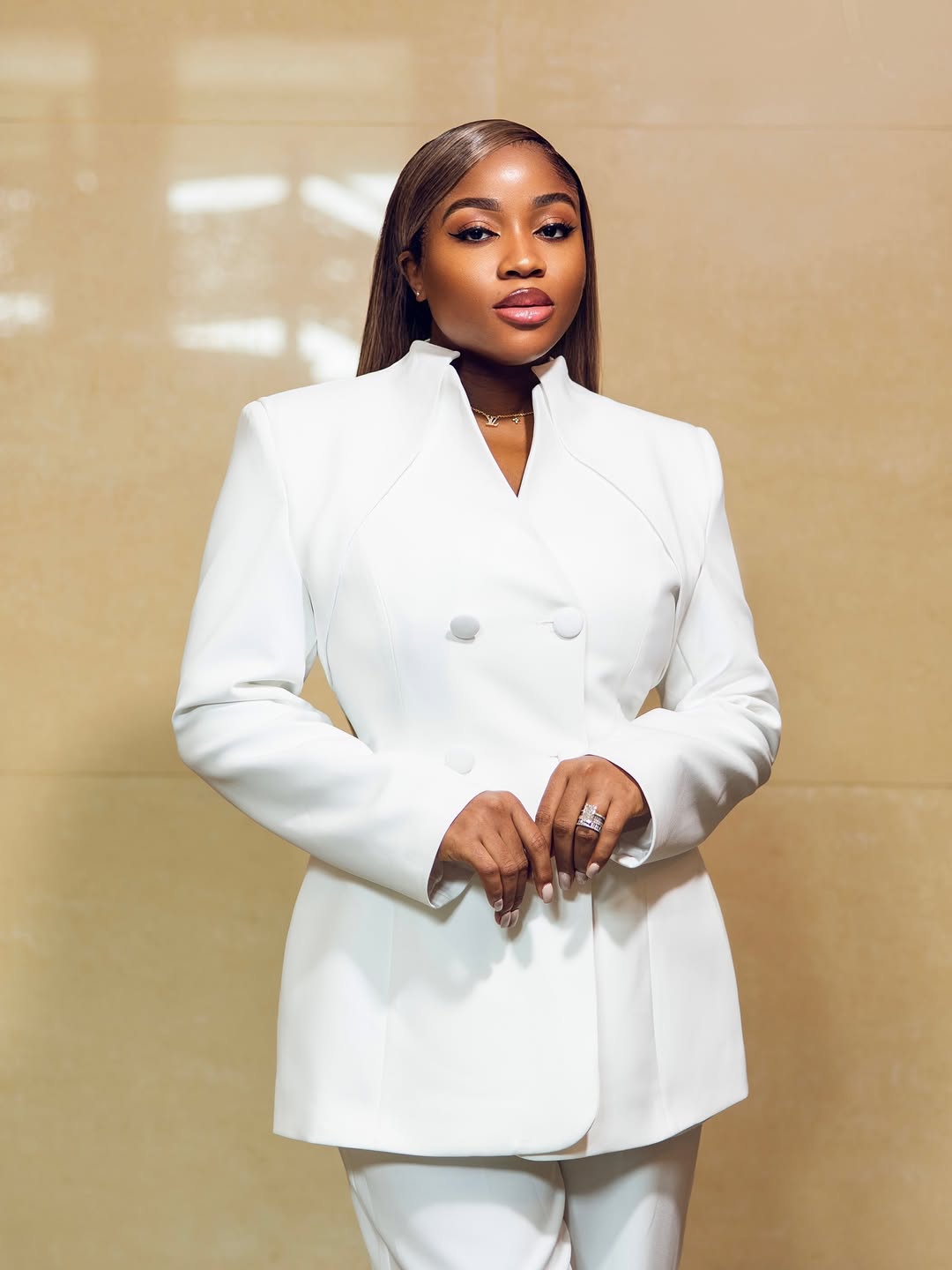
Photo: Instagram/@veekee_james
Veekee James has made fashion her business rather than treating it simply as a creative outlet. Her fashion house, founded in 2018, specialises in custom pieces, and her official profile describes her as an award-winning designer and creative director. She also traces her entrepreneurial interest to childhood, when she made knitted pieces to sell in her local community.
Her rise has also been closely connected to celebrity fashion and social media, where the designer herself has become part of the brand. That combination has helped turn individual clothing designs into a recognisable fashion identity. Veekee’s story is a reminder that the product is not always the only thing people buy into; sometimes, they are also buying into the person, taste and reputation behind it.
Hilda Baci – Food, Entrepreneurship and Lifestyle
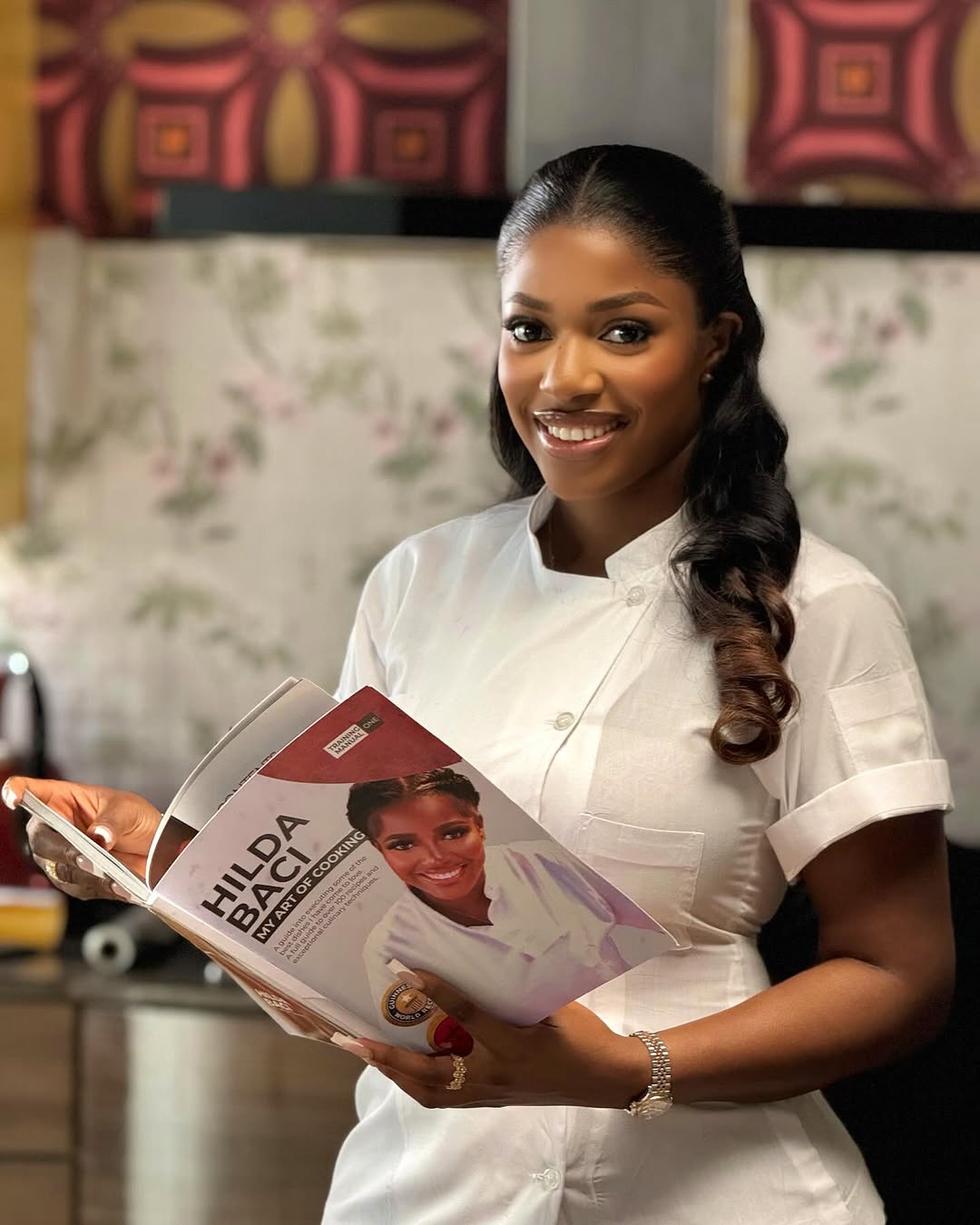
Photo: Instagram/@hildabaci
Hilda Baci‘s rise began in the kitchen, but it did not remain there. In 2023, she officially set the Guinness World Records title for the longest cooking marathon by an individual after cooking for 93 hours and 11 minutes in Lagos. She later returned to the record books in 2025 by creating the largest serving of Nigerian-style jollof rice, weighing 8,780kg.
What makes her story especially interesting is what she has done with the attention. Guinness World Records describes her as a restaurateur who launched Hilda’s Kitchen, now known as My Food by Hilda, while building a large online following around food. The organisation reported in 2026 that expanding My Food by Hilda across Nigeria and eventually into international markets is among her goals. The records brought the spotlight, but the business gives that spotlight somewhere to go.
Linda Ikeji – Media, Business and Wealth
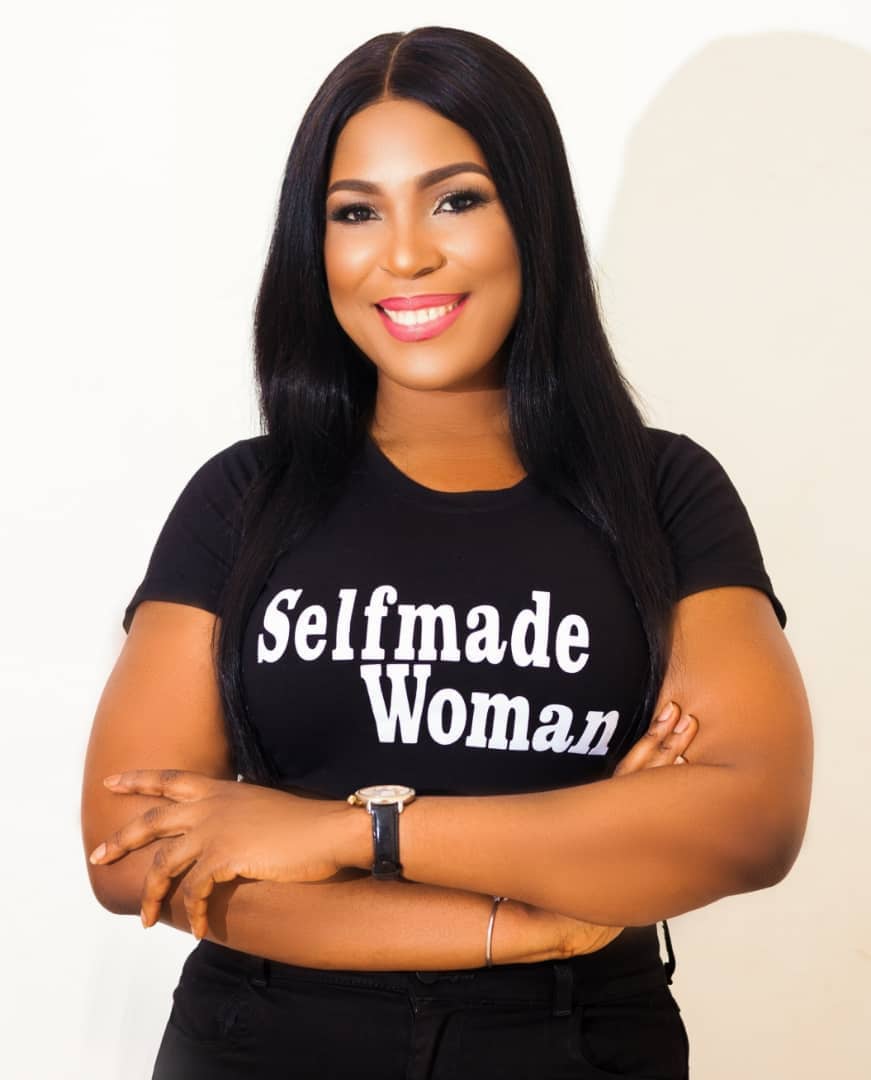
Photo: Linda Ikeji’s Blog
Linda Ikeji represents an earlier chapter of Nigeria’s digital entrepreneurship story. She built one of the country’s best-known media brands around her blog at a time when blogging was still widely treated as a hobby rather than a serious business. From that platform, she expanded into other media ventures, including Linda Ikeji TV.
Her story stands out because she built around an audience before social-media influencing became a mainstream career path. The value was not simply in publishing stories, it was in developing a large readership that could support advertising and other commercial ventures. That makes Ikeji’s career an important part of the conversation around women who have turned attention into ownership.
These women may operate in very different industries, but the common thread is not simply expensive taste. It is the decision to build something around what they already do well. One turned acting into film production, another built a media company, another turned cooking into a food brand, while others extended music, fashion or media careers into new businesses.
The luxury may be what people notice first, but the ownership is the part worth taking notes on.

Tems and Kim Kardashian Coordinate in Dark Shades for SKIMS Launch

Keivo Emerges as Week 9 Head of House, Barry Grants All Housemates Immunity

Yusuf, Bells, Chimsom Chuka Evicted From BBNaija Season 11

Tems’ Journey From Lagos to Global Stardom

Laura Ikeji Proves Polka Dots Are Back and Better Than Ever

Ayra Starr’s “Tornado” Video Enters an Unbelievable New World.

DJ Cuppy Explains Why She Cannot Marry a Nigerian and Reflects on Her Past Relationships.

‘The Polygamist’: Nigerians Weigh In on Netflix’s New Series.




-
 Celebrity Style2 months ago
How Dede Ashiogwu Styles a Classic White Dress
-
 Music2 months ago
Ayra Starr Announces Third Studio Album ‘Starr Girl’
-

 Music4 weeks ago
What Exactly Are Ayra Starr and ZAYN Singing About on “Heaven Baby”?
-
 Celebrity Style2 months ago
The Best Celebrity Looks of July 2026
-
 Models4 weeks ago
Meet the African Queens Competing for the Miss World 2026 Crown
-

 Big Brother Naija2 months ago
Big Brother Naija Season 11: Sheba Wins Week 2 Head of House Title as Eviction Tension Builds
-

 Fashion2 months ago
Yvonne Godswill’s LBD? A Black Dress Done Right — Here’s How to Wear One Now
-
 Music1 month ago
Ayra Starr’s ‘Starrgirl’: Tracklist, Features and Everything You Need to Know
-
 Lifestyle1 month ago
These Women Are in Their ‘Rich Girl Era’ and We’re Taking Notes
-
 Big Brother Naija4 weeks ago
Everything You Missed on Big Brother Naija Week 5