
Movies
The Big Bangle Bracelet Trend: Swipe or Pass?

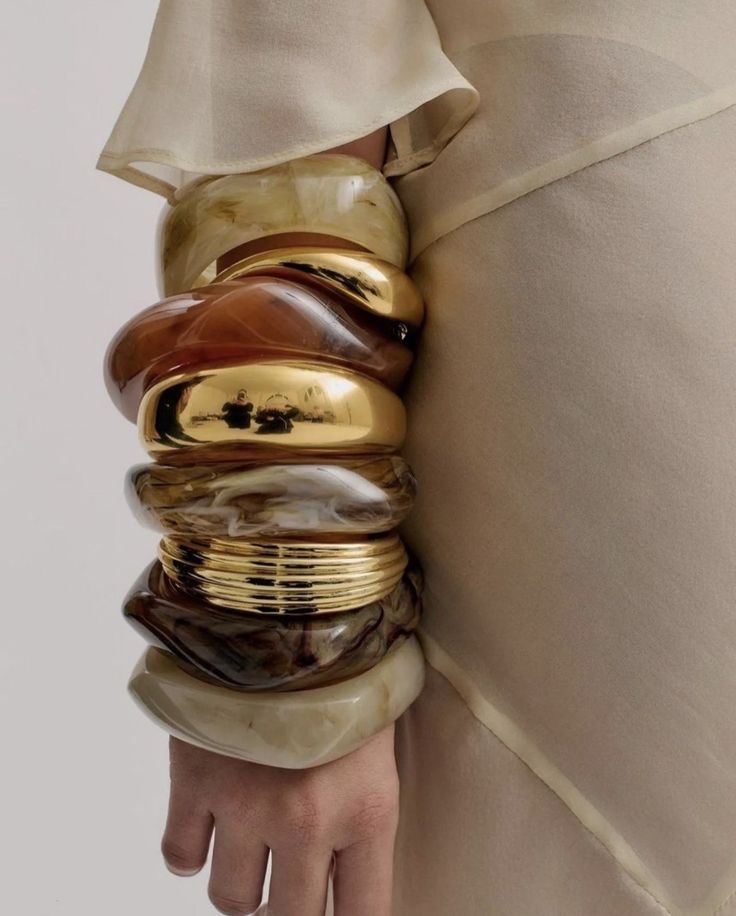
There’s something big, bold, and clunky making its way back onto the fashion radar—and no, it’s not shoulder pads or 90s platform sandals (although those are having their moment too). It’s big bangle bracelets, and they’re not whispering for attention. They’re shouting and it is very loud.
From runways to street style and TikTok fashion loops, chunky bangles are banging their way into the spotlight. But the question on everyone’s lips is: swipe or pass? Let’s break it down.
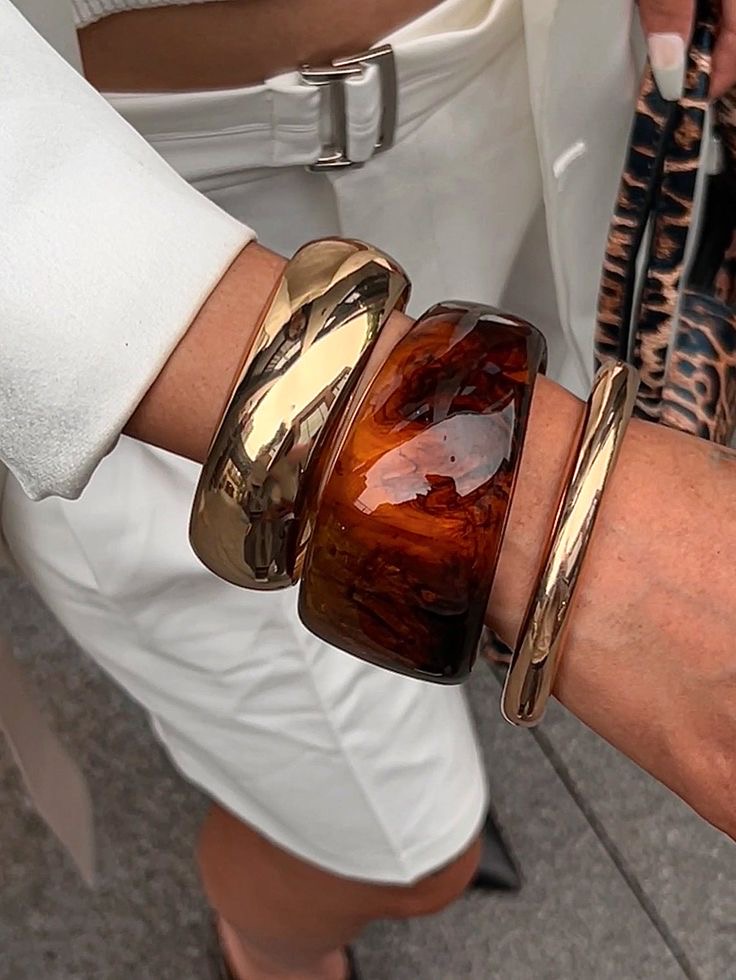
Big Bangles
The Comeback Nobody Saw Coming
A few years ago, slim, dainty jewelry dominated fashion feeds. The vibe was all about minimalism, clean lines, simple stacks, barely-there pieces that whispered elegance. But as with all things fashion, the trend has swung back very hard.
Big bangle bracelets, once reserved for your mom’s old photo albums or retro-themed parties, have made a fierce return. The trend started simmering in 2023 but has reached boiling point in 2025. Thanks to nostalgic fashion, the Y2K revival, and bold self-expression is taking the center stage, bangle stacking is back and it’s bigger than ever.
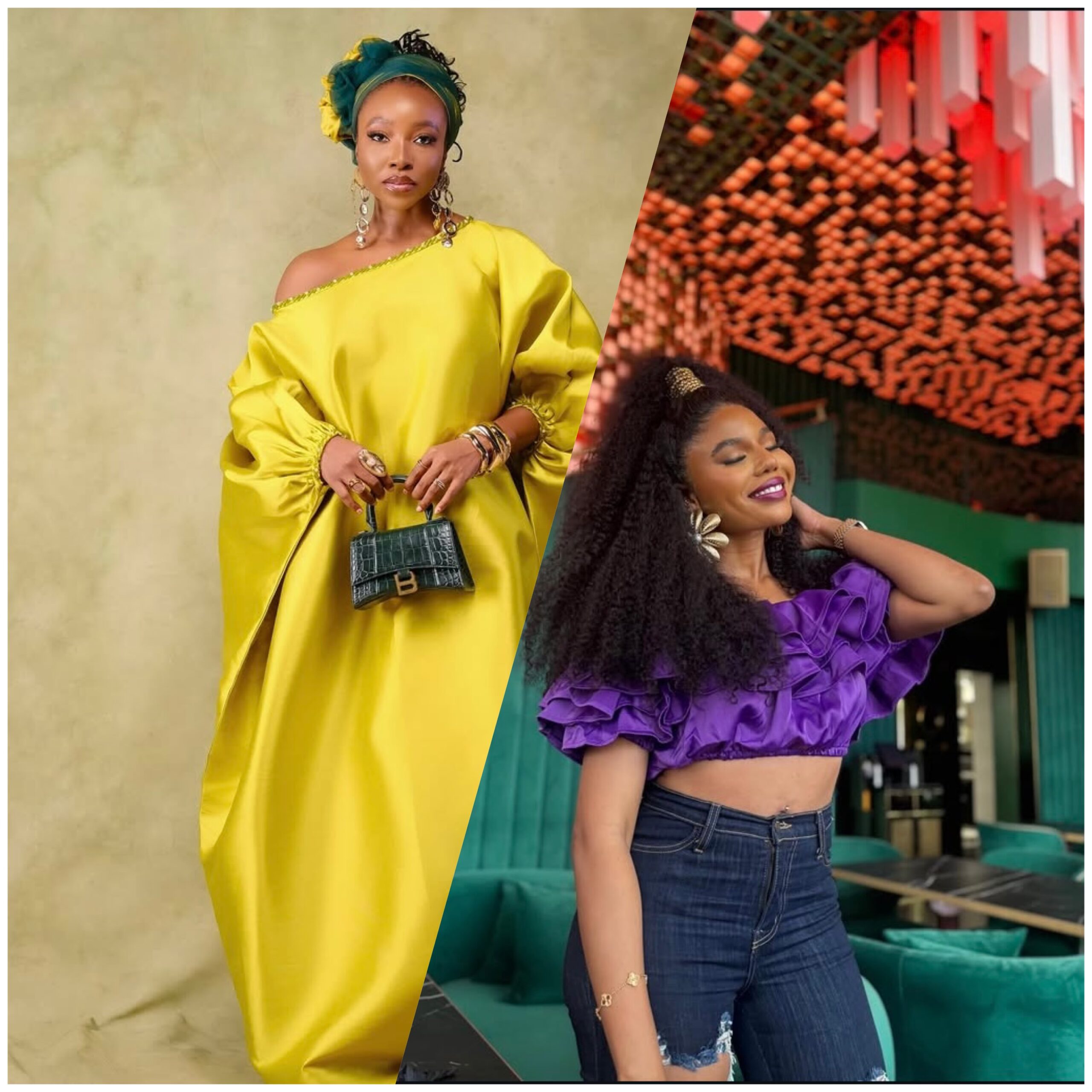
Ini- Dinma and Nancy Isime
What Makes Them So Popular?
The charm of oversized bangles lies in their unapologetic statement. They aren’t trying to blend in, they stand out. A stack of thick resin or metallic bangles can turn a basic outfit into a high-fashion look. They add dimension, movement, and color in a way few accessories can.
Fashion influencers and stylists love them because they’re versatile. Whether you’re rocking a plain white tee, a breezy kaftan, or a structured power suit, there’s a way to incorporate a big bangle stack and instantly elevate the look.
Celebrities like Ini- Dinma Okojie, Toke Makinwa, and even Nancy Isime have been spotted rocking thick bangles on the red carpet, during casual street outings, and in editorial shoots. With that kind of endorsement, it’s no wonder everyone is reaching for them again.
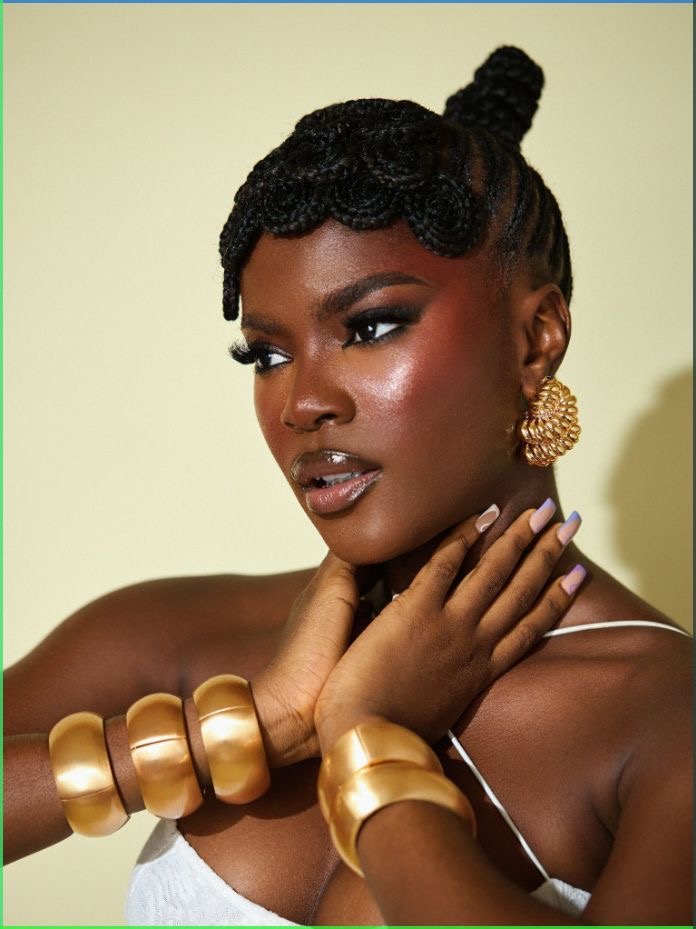
Keep outfit minimal
How to Style Big Bangle Bracelets (Without Looking Like a Costume)
If you’re wondering how to pull off this trend without looking like you’re headed to a 70s disco, here’s the trick: balance is everything.
- Keep the outfit simple: Let the bangles do the talking. A plain outfit or a clean form gives your chunky accessories room to shine.
- Mix materials: Don’t be afraid to combine resin, wood, metal, or even fabric-wrapped bangles. Mixing textures adds depth.
- Mind the noise: Literally. Too many bangles clinking together can be distracting. Choose three to five well-spaced ones for style without the soundtrack.
- Layer with intention: Stack on one wrist and leave the other bare, or go asymmetrical with different sizes on each wrist.
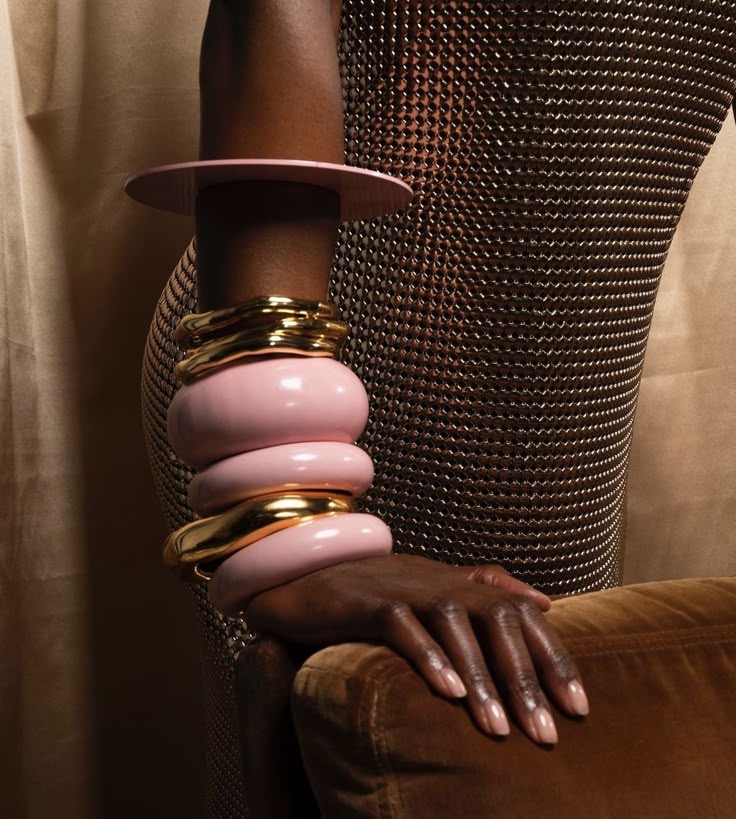
Are you joining the trend or not?
Swipe or Pass: What the Internet Is Saying
Scroll through Instagram or TikTok , and you’ll see fashion lovers divided. Some say, “Swipe! The bigger, the better!” Others? Not so much.
Those who are team Swipe love how bold and creative the trend feels. It’s empowering, nostalgic, and playful. Plus, it’s a great way to bring color and fun to neutral or minimalistic wardrobes.
On the Pass side, some argue that the bulkiness is impractical. Typing with five bangles? A challenge. Trying to fit your wrist through a slim coat sleeve? A struggle. There’s also the concern of them overpowering an outfit.
But as always in fashion, trends are about personal taste. Love it? Rock it. Don’t? Leave it behind. There’s no style police here. So do whatever suits you.
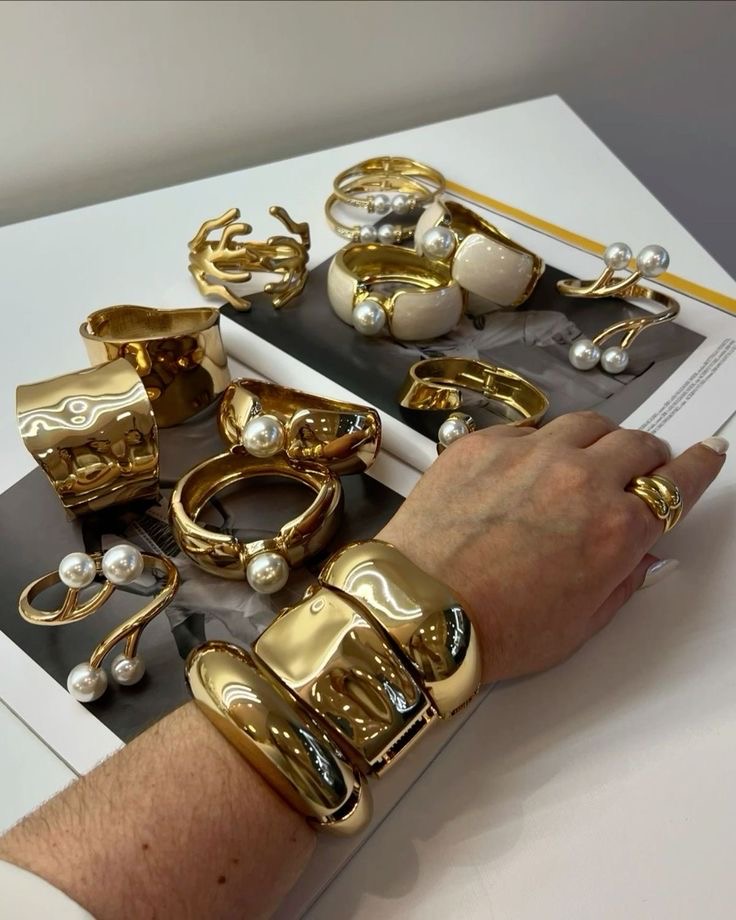
Big Bangles
Are Big Bangles Worth the Investment?
If you’re considering trying out this trend, the good news is: it doesn’t have to break the bank. Many fast-fashion brands and vintage stores offer bold bangles in fun colors and styles. Alternatively, if you’re into slow fashion, you can invest in handcrafted pieces that double as wearable art.
Styling tip? Look for bangles that align with your existing wardrobe’s color palette, so they complement multiple looks. And remember, trends come and go, but personal style is forever. If it makes you feel confident and expressive, it’s already worth it.
Final Verdict
So, big bangle bracelets: swipe or pass? If you’re into expressive fashion, love layering, and want to stand out in a crowd, go ahead and swipe right. It’s playful, nostalgic, and undeniably bold. But if you’re a lover of minimalist, fuss-free fashion, it’s totally okay to pass.
Whether you’re stacking them high or just admiring from a distance, there’s no denying that big bangles are having a major moment.
Ready to give your wrists a statement-making glow-up? Dive into the trend and find out if big bangles are your next style obsession.
also read Nail Trends to Try in April 2025

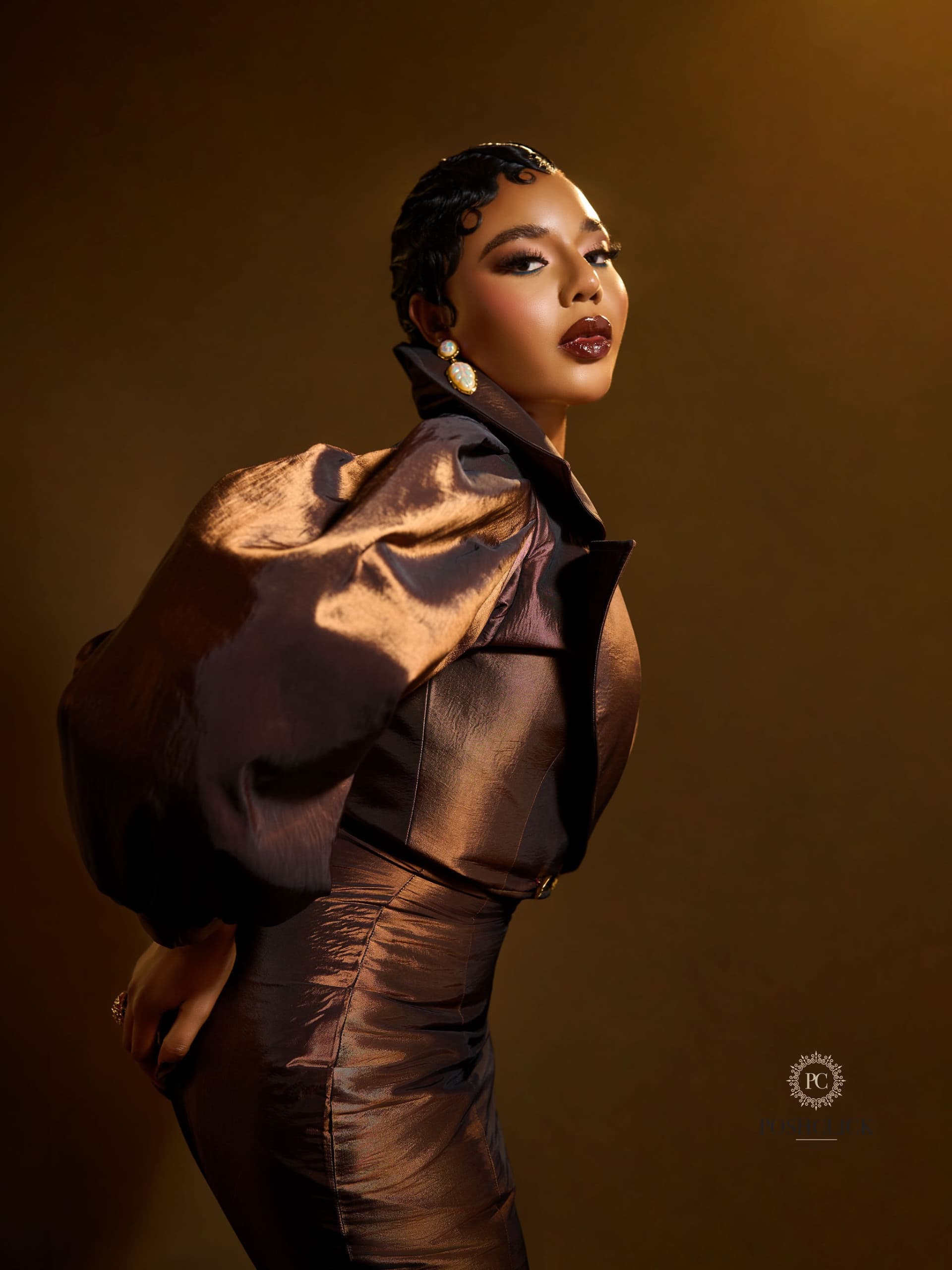
Nancy Isime has built a career across modelling, television presenting and acting. After years in front of the camera, the Nollywood actress is preparing to take on a new role as an executive producer, applying her experience in the entertainment industry to a project of her own.
In an Instagram video shared on October 7, 2026, Isime announced the project and admitted that she was nervous about taking on the responsibility.
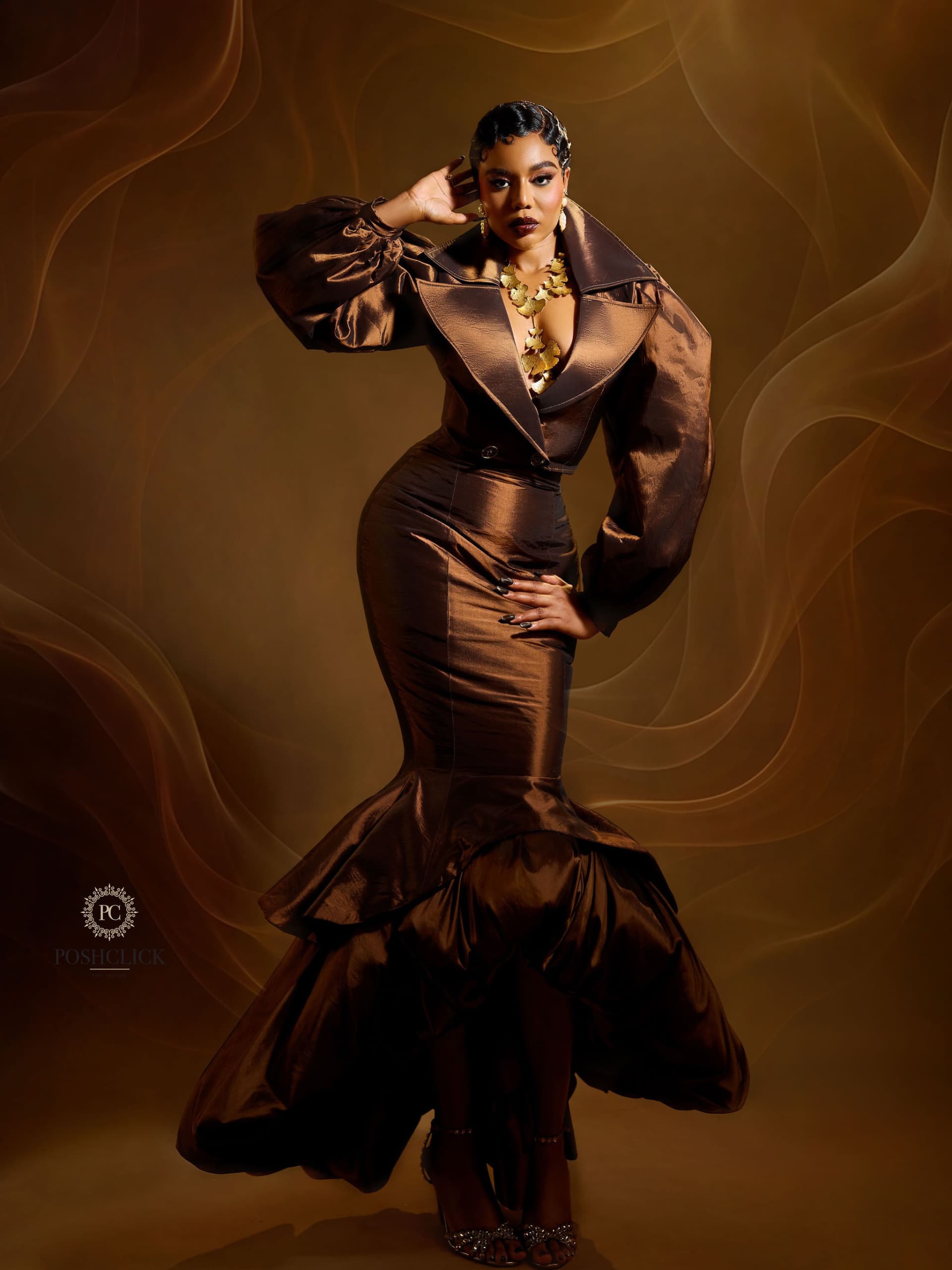
Photo: Instagram/@nancyisimeofficial
“This is my first production as executive producer. I can’t lie, I am nervous and wondering if I am ready, but I think it’s about time; I have also tried,” she said.
Isime also plans to document the production, giving fans a look at the process as the film takes shape. She intends to share updates on production meetings, creative decisions, successes and challenges along the way.
“My first film as an Executive Producer. And I want you to come along for the entire journey,” she added.
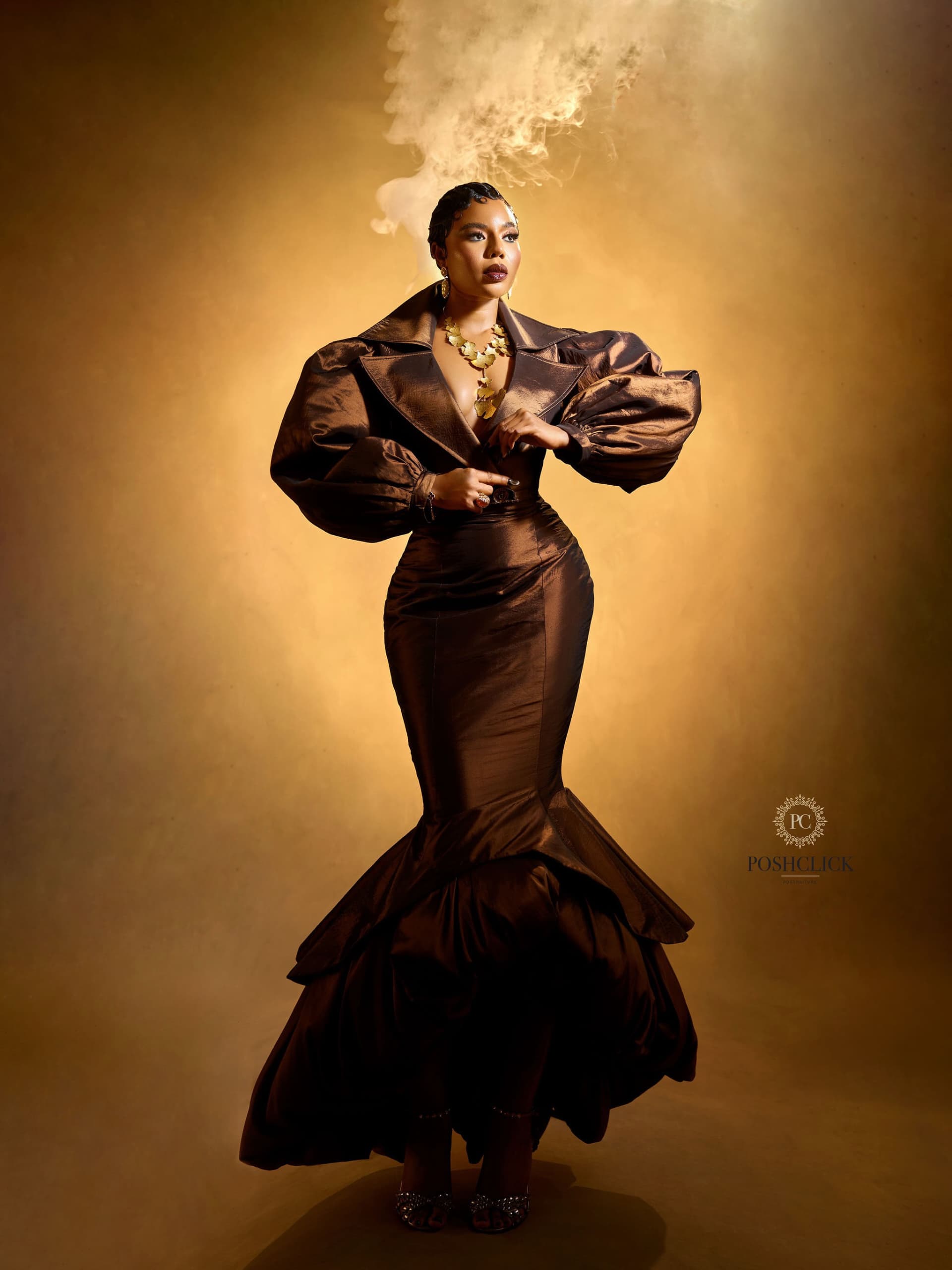
Photo: Instagram/@nancyisimeofficial
Her experience in television includes hosting The Nancy Isime Show, which launched in 2019. She also made her acting debut in the 2011 television series Echoes and has since appeared in Nollywood productions, including Blood Sisters, Shanty Town and The Wait.
Isime began her entertainment career as a model before moving into television presenting and acting, building experience across different parts of the industry before venturing into film production.
The film’s title, cast, storyline and release date have yet to be announced.
Movies
“Dear Ajayi” Makes History as First Nigerian Production in Venice Days Competition | Watch Trailer

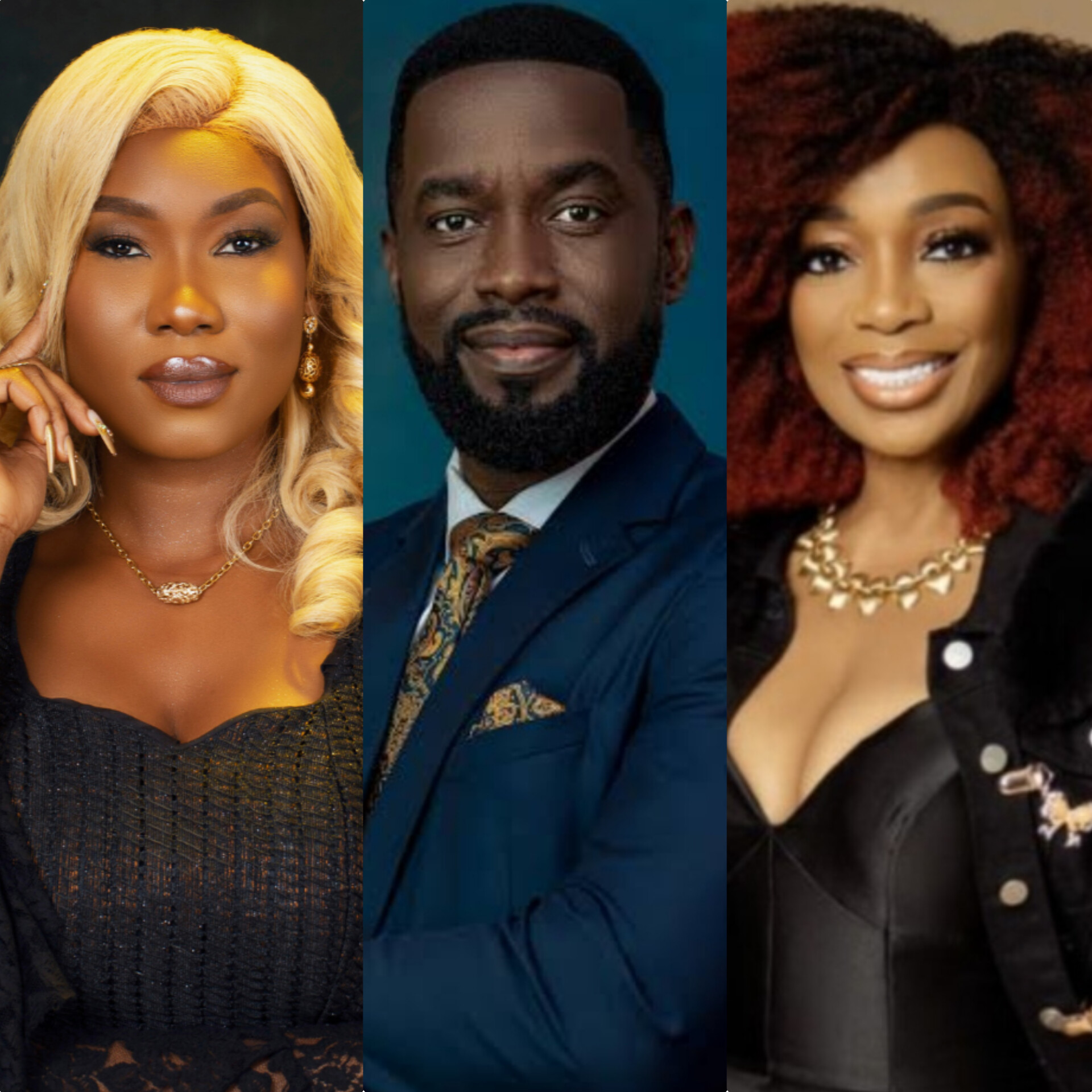
“Dear Ajayi” Makes History as First Nigerian Production in Venice Damilola Orimogunje’s “Dear Ajayi” has been selected for the 2026 Giornate degli Autori, also known as Venice Days, at the 83rd Venice International Film Festival. The selection makes it the first Nigerian production to compete in the Venice Days section. The Nigeria-Germany co-production will have its world premiere as part of the competition.
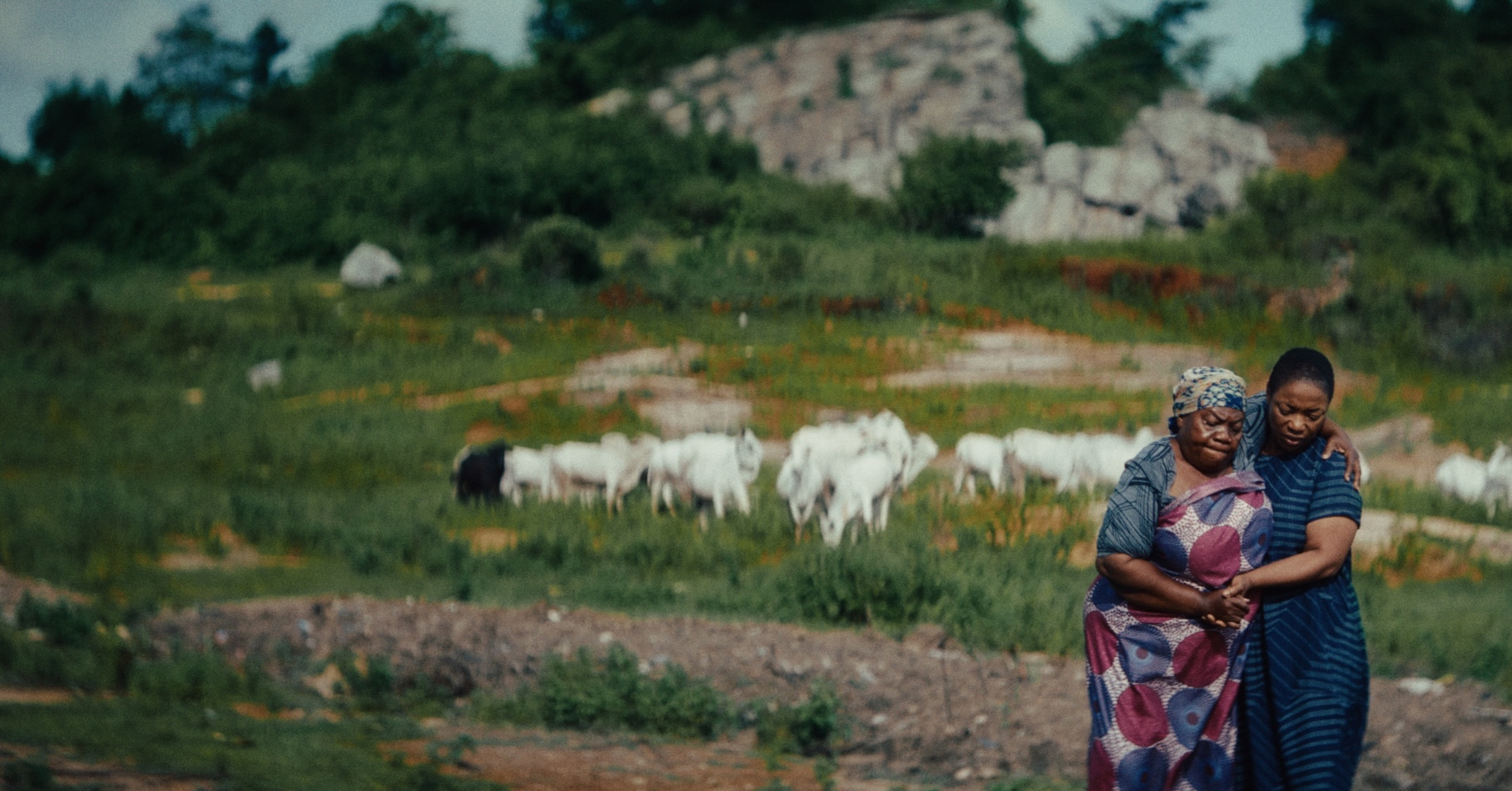
Photo: 2o9ine Films
Set in 1990s southwestern Nigeria, “Dear Ajayi” follows two sisters, Ade and Titi Ajayi, whose lives have gone in very different directions. Ade is a committed Christian and the main breadwinner in the family, while Titi is an aspiring singer who has chosen a more independent path. When their paralysed mother requires care, the sisters have no choice but to come back together.
Orimogunje wrote and directed the film. The cast includes Bimbo Akintola as Ade and Tosin Adeyemi as Titi, alongside Lanre Hassan, William Benson, Antar Laniyan, Uzoamaka Power, Michelle Dede and Chioma Omeruah, (Chigul)
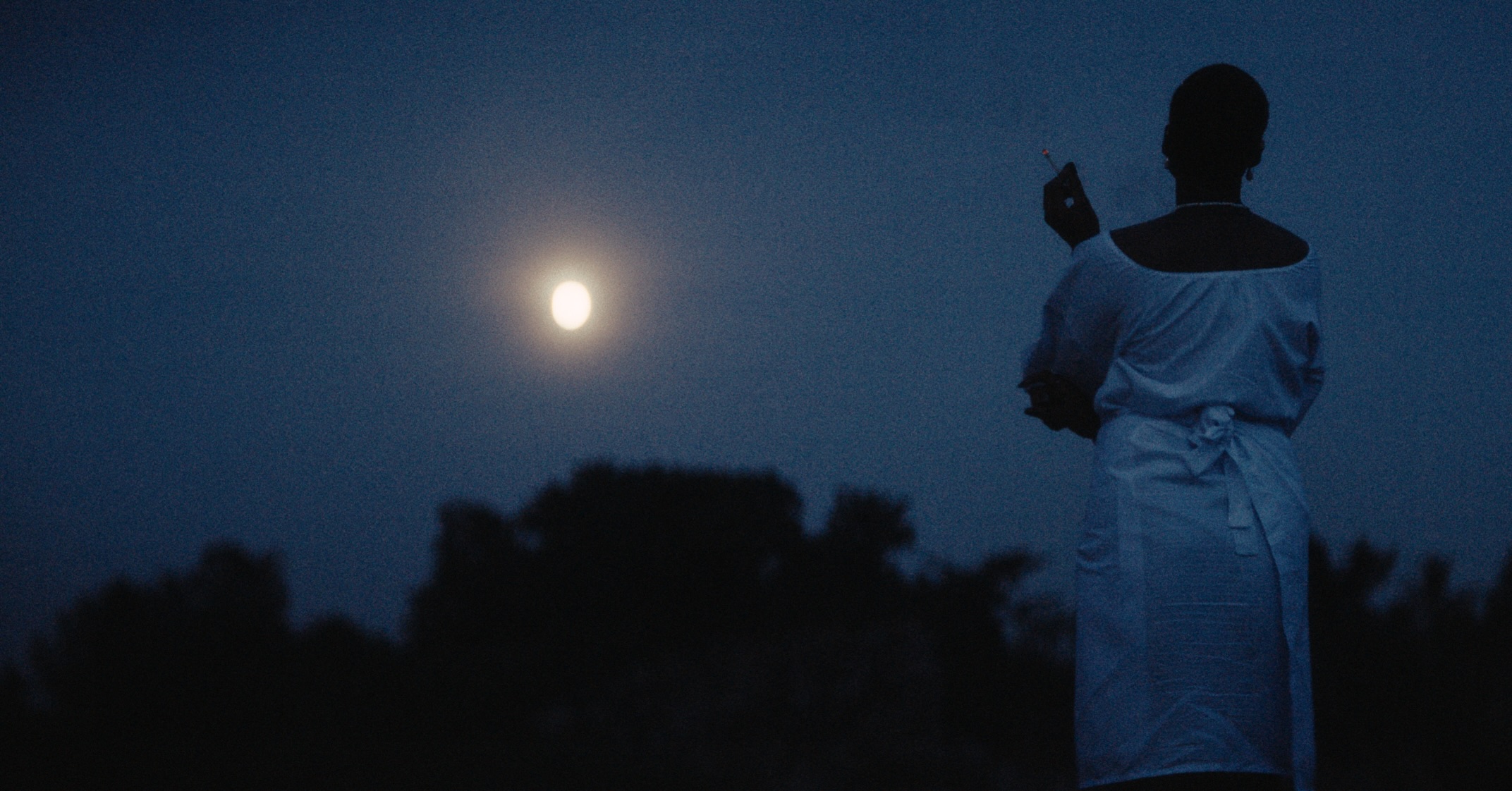
Photo: 2o9ine Films
Re Olunuga composed the music, while KC Obiajulu served as cinematographer. The film was produced by 2o9ine Films, with Mayana Films, Depth and Optics Productions and Zynox Productions joining as co-production partners.
The film received support from the Hubert Bals Fund+ Europe, while Luminalia is handling its world sales
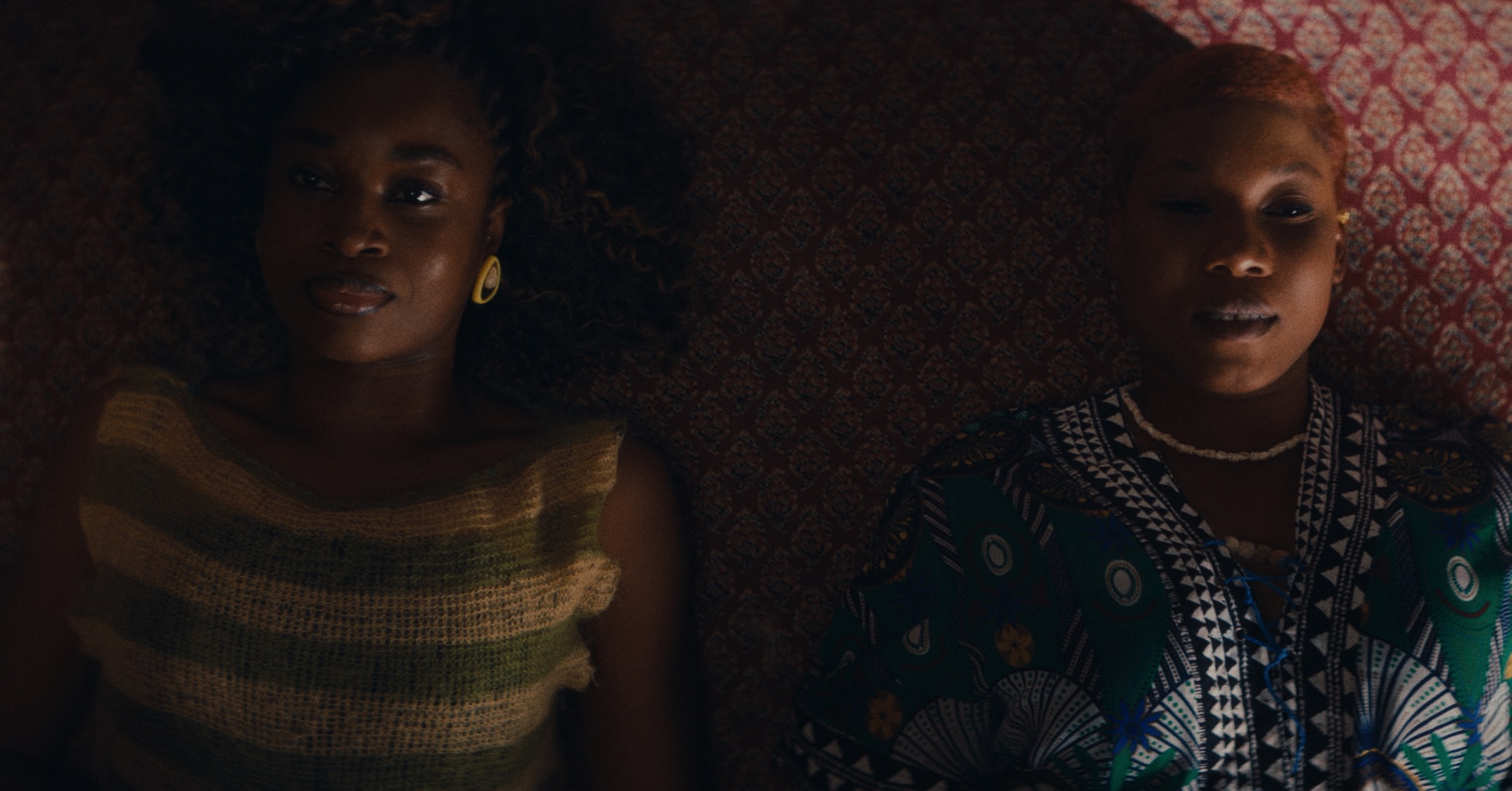
Photo: 2o9ine Films
Ahead of its Venice premiere, the first trailer gives viewers a look at the Ajayi family and the strained relationship between the two sisters.
Dear Ajayi will have its press and industry screening on September 4, with public screenings scheduled for September 10 and 12 during Venice Days.
Watch the trailer below.
YouTube is no longer limited to music videos, skits and short clips. Nollywood filmmakers have increasingly used the platform to release full-length movies, giving viewers another way to find recent Nigerian films without moving between different streaming services.
For anyone looking for something to watch, the options range from family drama and straight drama to comedy. Here are five Nollywood films currently available through the YouTube channels associated with their releases.
Alechenu – Family Drama (Biodun Stephen TV)
“Alechenu” is a family drama directed by Biodun Stephen and available on “Biodun Stephen TV” on YouTube. The film stars Royal Aziomaku in the title role, alongside Bimbo Ademoye, Mike Ezuruonye, Femi Adebayo and Blessing Jessica Obasi-Nze. Following its cinema release in July, the movie is now available for viewers who want to watch it on YouTube.
The film follows 13-year-old Alechenu, an autistic boy who leaves his home in Oyo and travels to Lagos in search of the mother he has never met. Armed with only a photograph and his birth certificate, he sets out to find her, but the search takes him into a family carrying secrets of its own. What begins as a young boy’s attempt to find his mother gradually becomes a journey into questions about his identity, his family and where he truly belongs.
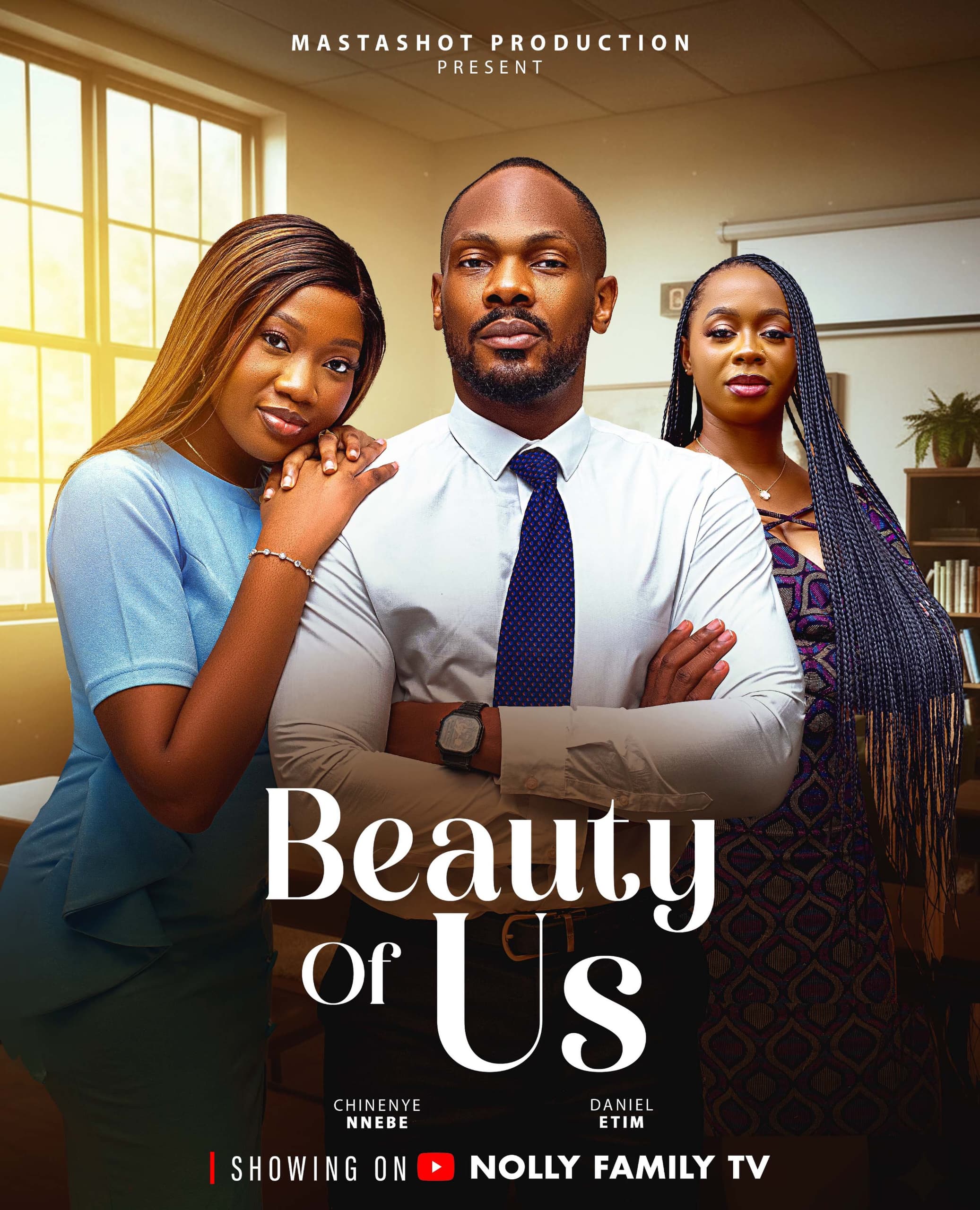
Beauty of Us – Drama (NollyFamily TV)
“Beauty of Us” is a Nollywood drama starring Chinenye Nnebe and Daniel Etim Effiong. The full movie is available on “NollyFamily TV” on YouTube, where it is listed as “BEAUTY OF US (Full Movie) – DANIEL ETIM, CHINENYE NNEBE 2026 Latest Nollywood New Movie”.
The story follows characters whose relationships are tested by the choices they make and the circumstances they find themselves in. As personal interests and emotions begin to affect those relationships, the characters are forced to deal with the consequences of their decisions. With Nnebe and Etim Effiong leading the cast, the film offers a relationship-focused drama built around conflict, choices and the complications that follow.
Sibe – Comedy (Bimbo Ademoye TV)
“Sibe” is a comedy starring Bimbo Ademoye, Uche Montana, Uzor Arukwe and Deyemi Okanlawon. The film is available on “Bimbo Ademoye TV” on YouTube and runs for about 2 hours and 25 minutes. Ademoye takes on the title role, bringing the Sibe character she previously featured in her online content into a full-length movie.
The story follows Sibe as she finds herself caught up in a series of situations that turn everyday encounters into comic trouble. As the events unfold, her personality and the people around her drive the film’s humour, with one situation leading to another. For viewers who enjoy Bimbo Ademoye’s comedic roles, Sibe offers a longer story built around the character rather than a short online skit.
The Party Crashers – Romantic Drama (Omoni Oboli TV)
“The Party Crashers” is a 2026 romantic drama directed by Isioma Osaje and produced by Susan Ogutuga, with Omoni Oboli serving as executive producer. The film stars Michael Dappa, Sophia Chisom, Ihionu Sydney Chisom, Juliet Dunu and Chidera Frankline, and is available on “Omoni Oboli TV” on YouTube. It runs for about one hour and 34 minutes.
The film follows Chidi, a man buried in debt who presents himself as a successful logistics entrepreneur, and Amaka, an influencer whose glamorous lifestyle is also built on appearances. They meet at a lavish dinner and quickly develop a relationship, but their romance becomes complicated as Chidi’s creditors close in and Amaka’s carefully constructed image starts to fall apart. When the truth about their separate deceptions begins to surface, the couple must confront whether their relationship can survive what they have been hiding from each other.
Chika’s Secret – Drama (Uche Nancy TV)
“Chika’s Secret” is a Nollywood drama starring Ebube Obio and Mike Ezuruonye, with the full movie available on “Uche Nancy TV” on YouTube. The movie was uploaded on July 5, 2026, and has a runtime of about 1 hour and 37 minutes.
The film centres on Chika and the secret that gives the story its title, with events around her gradually bringing hidden issues to the surface. As the characters deal with the consequences of what has been kept from them, the story develops through personal relationships, difficult choices and revelations.
From family drama to comedy and romance, these five films offer different options for a Nollywood movie night.

Ayra Starr Performs ‘Rush’ and ‘Heaven Baby’ at NFL Halftime Show in London | Watch Video

Brandy Set to Headline Flytime Detty December in Lagos

Oma Osele Wins Miss Continental World 2026

Best-Dressed Stars of the Week

Laura Ikeji Proves Polka Dots Are Back and Better Than Ever

Rapper Tommie Lee Arrested at 2026 FIFA World Cup.

New Music to Kickstart Your Week From Victony, Timaya, Duncan Mighty, Mr Eazi & Fave.

Toke Makinwa Weighs In on Love, Money and Dating Expectations.
Ayra Starr Performs ‘Rush’ and ‘Heaven Baby’ at NFL Halftime Show in London | Watch Video

Ayra Starr and ZAYN Finally Share the Screen in “Heaven Baby” Video

Kizz Daniel’s ‘Owo Oluwa’ Finds Grace in Faith, Family and Loss

‘Black Market’ Breaks Guinness World Record With Over 51,000 Viewers

-
 Music2 months ago
What Exactly Are Ayra Starr and ZAYN Singing About on “Heaven Baby”?
-
 Models2 months ago
Meet the African Queens Competing for the Miss World 2026 Crown
-

 Movies2 months ago
5 Nollywood Films to Stream on YouTube
-
 Big Brother Naija2 months ago
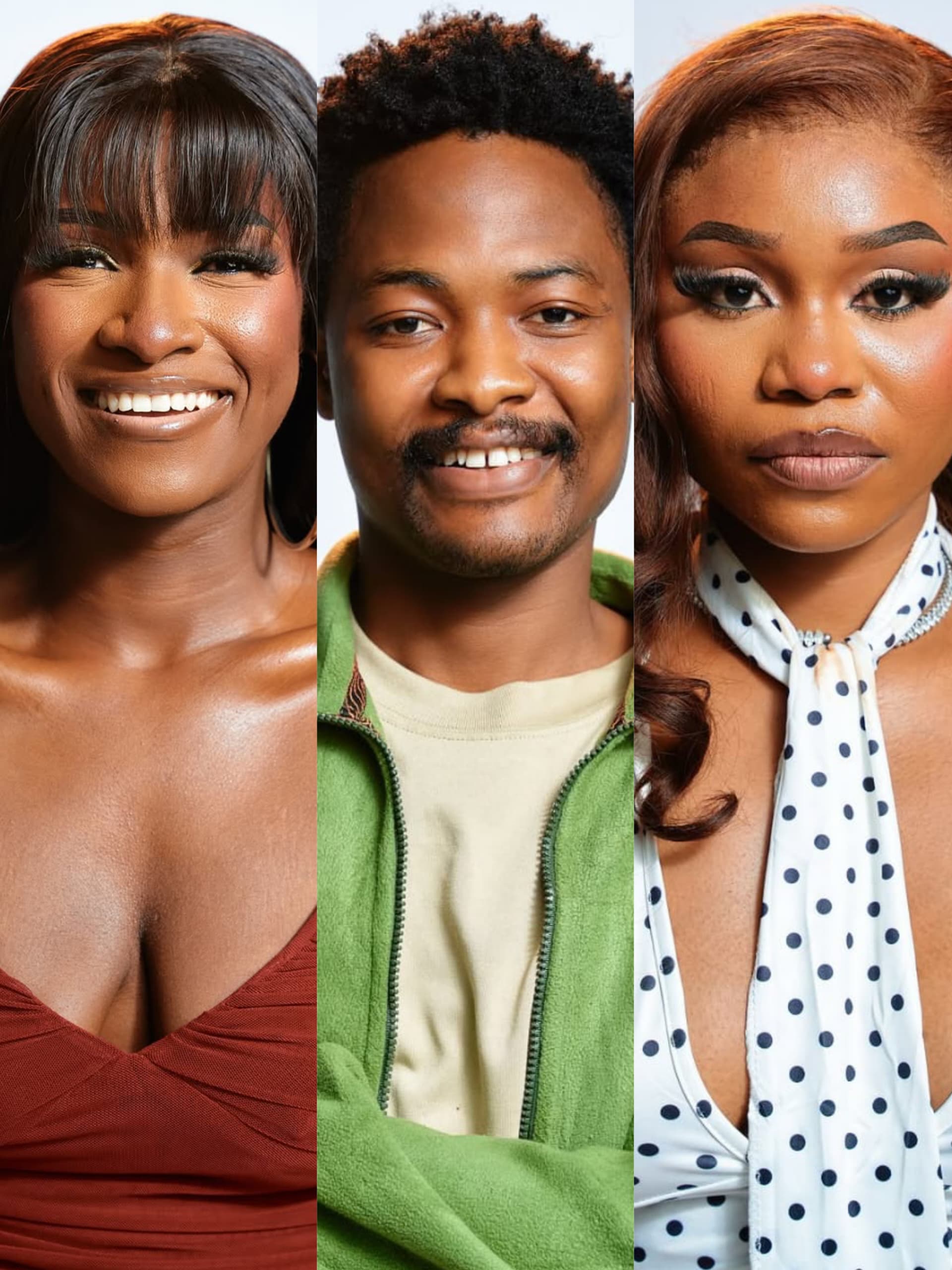
Everything You Missed on Big Brother Naija Week 5
-

 The Best Dressed Celebrities This Week1 month ago
The Best-Dressed Stars of the Week Kept Things Chic and Daring
-

 Movies1 month ago
“Dear Ajayi” Makes History as First Nigerian Production in Venice Days Competition | Watch Trailer
-
 Celebrity News2 months ago
Ayra Starr to Headline 2026 NFL London Game Halftime Show
-

 Celebrity Style1 month ago
Our Favourite Looks at ‘The Wedding Story’ Premiere
-

 Big Brother Naija1 month ago
All the Drama BBNaija Week 6 Brought
-
 Models1 month ago
Tamunosoye Karibi-George Wins African Top Model Title at Miss World