
Sex & Relashionships
The Blurred Lines of Flirting: Is It Really Cheating?


It starts with a smile, a playful comment, or a friendly text that lingers just a little too long. You tell yourself it’s harmless—just flirting. But deep down, a question nags at you: Is this crossing a line? In today’s world of constant communication and casual connections, the lines between innocent fun and emotional betrayal have never been more blurred. So where does flirting end and cheating begin?
The truth is, there’s no one-size-fits-all answer. What feels like harmless fun to one person might feel like betrayal to another. For some couples, a flirty joke is no big deal. For others, even a “like” on a certain kind of photo can spark a serious argument. That’s why the first and most important step is knowing your boundaries—and your partner’s.

Experts often describe flirting as a “gateway behavior.” It may not be physical, but it can still open the door to deeper emotional involvement. Emotional cheating, after all, doesn’t require touch. It’s about connection, secrecy, and where your attention goes when it should be focused on your relationship.
The digital world makes things even trickier. With texting, DMs, and social media likes, it’s easy to connect—and easy to hide. A message sent in the middle of the night might not seem like much, but if it’s something you wouldn’t want your partner to see, that’s a red flag.

So how can you tell if flirting has gone too far? Ask yourself this: Would I be okay if my partner did the same thing with someone else? If the answer is no, then it’s time to take a closer look at your behavior.
At the end of the day, flirting isn’t always cheating—but it can be. The key is honesty. Be honest with yourself, with your partner, and about your intentions. Because when it comes to love and trust, even the smallest actions can have the biggest impact.












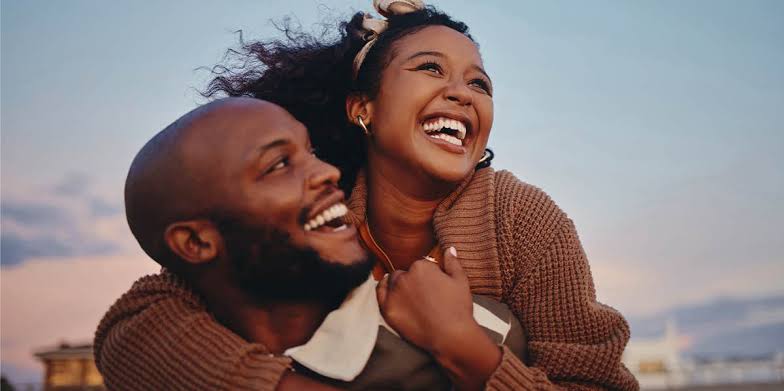
When people talk about lasting love, they often mean the initial excitement or spark. It’s easy to assume that if two people love each other, nothing else matters. But experience and research show that what keeps relationships strong over time is rarely just passion. More often, it is compatibility, the practical alignment of values, lifestyle, and life goals.
Romantic chemistry is powerful. Studies show that attraction activates the brain’s reward centres, triggering strong positive feelings. But this excitement naturally fades as initial excitement diminishes. Relationships that rely mainly on this early spark often struggle when daily challenges and responsibilities arise. When couples say “we just fell out of love,” it is usually because the initial chemistry was not supported by deeper compatibility.

Photo Credit – Google
Compatibility is not about liking the same movies or hobbies. It is about aligning on core aspects of life: values, ambitions, communication styles, emotional rhythms, and expectations. Couples who share these foundations navigate conflicts with less friction, make decisions together on major matters like finances and family, enjoy day-to-day life, and support each other’s growth. Compatibility allows a relationship to function even during challenges. Without it, the relationship can still function, but it is vulnerable to stress and disagreement.

Photo Credit – Google
Research shows that love alone does not predict long-term satisfaction; compatibility does. Couples who share beliefs, communicate effectively, and pursue common life goals report more stable and satisfying relationships. Shared values help couples prioritise what matters most, aligned communication reduces misunderstandings, common goals create direction, and emotional attunement builds resilience when life gets tough. Compatibility also grows with effort. Couples who negotiate, adapt, and understand each other’s needs strengthen their bond over time.

Photo Credit – Credit
Love still plays a role. It motivates commitment and encourages couples to invest in the relationship. A relationship with love but no compatibility can feel exciting early on, but it is likely to struggle when reality tests expectations. Conversely, two compatible people who do not nurture emotional connection risk forming a partnership lacking emotional depth.

Photo Credit – Google
For relationships that last in the Nigerian context, where extended family, social expectations, and financial pressures often come into play, compatibility is critical. Couples should focus on honest communication, shared future goals, conflict resolution, trust, and supporting each other’s personal growth. When love and compatibility work together, the relationship is better able to handle daily challenges.
Lasting partnerships are not built solely on emotion. They are built intentionally. They require daily choices, mutual understanding, and the willingness to grow together. This sustains relationships.

In today’s dating culture, conversations about the future often start early. Someone talks about marriage within weeks, mentions introducing you to their family, or casually includes you in plans that stretch years ahead. On the surface, it can feel reassuring. In reality, this pattern has a name, and it rarely leads where it claims to be going.
Future faking describes a situation where one partner speaks confidently about long-term plans without taking any steps to make those plans real. The promises sound specific enough to feel sincere, yet nothing in the present changes. There is no progress, no clarity, and no movement beyond conversation. Over time, the future becomes a holding space rather than a destination.

Photo Credit – Google
What makes future faking difficult to identify is that it often looks like commitment. The language is intentional. The confidence is convincing. But commitment shows up in behaviour, not projections. Someone who genuinely plans a future begins to align their choices with it. They create timelines, address obstacles, and make decisions that affect both people, not just the person being reassured.
In many dating situations, especially where expectations around marriage and stability are culturally significant, future faking can subtly extend relationships that are no longer growing. One partner remains emotionally invested, waiting for clear next steps that are repeatedly postponed. The other maintains closeness without accountability, often shifting the goalposts when questions become more direct.

Photo Credit – Google
This behaviour does not always come from malice. Some people enjoy the comfort of emotional security without the responsibility that commitment requires. Others are unsure of what they want but use future plans to avoid difficult conversations in the present. Regardless of intent, the effect is the same. Time passes, expectations deepen, and clarity never arrives.
A consistent sign of future faking is vagueness. Plans are described without dates. Decisions are delayed indefinitely. Conversations about progress are met with reassurance instead of action. When pressed, the future remains flexible, conditional, or dependent on circumstances that never seem to resolve.

Photo Credit – Google
Recognising future faking is not about distrusting optimism or shutting down conversations about what lies ahead. It is about paying attention to alignment. When words repeatedly outpace actions, the imbalance becomes information. Dating is not sustained by promises alone. It is sustained by evidence of shared direction.
In the end, the most reliable indicator of intent is not how vividly someone describes the future, but how seriously they engage with the present. Where effort is consistent, plans tend to follow. Where effort stalls, promises often replace progress.
Online dating looks different in 2026. Swiping is no longer a pastime. For many, it has become a deliberate way to meet people who fit into real life. Whether the goal is romance, companionship, or something in between, expectations are clearer than they used to be.
Here is a look at the dating apps proving useful this year, based on how people are engaging with them in real life.
Tinder: Where Everyone Seems to Be

Photo Credit – Google
Tinder continues to dominate because of its sheer user base. In major cities, it is almost impossible not to find someone nearby.
The challenge lies in filtering profiles. While some users are serious about dating, others are only interested in casual chats or brief connections. Making Tinder work depends on being honest in your profile and clear in your conversations from the start.
Bumble: Women Call the Shots

Photo Credit – Google
Bumble stands out because it puts women in control of conversations. After a match is made, only women can initiate contact, which helps reduce unwanted messages.
The app goes beyond dating. It also allows users to build friendships or make professional connections. This flexibility makes it appealing to people juggling busy work and social schedules.
Badoo: Casual or Serious? You Decide

Photo Credit – Google
Badoo offers flexibility. Features such as “people nearby” and video chats make it easy to meet new people without much pressure.
The user base is mixed. Some are looking for meaningful relationships, while others prefer light conversations. Being selective and engaging thoughtfully improves the experience.
Apps Built with Local Culture in Mind

Photo Credit – Google
Alongside global platforms, locally focused apps are gaining attention. These services are designed with cultural context and communication habits in mind, making them easier to navigate and more practical for everyday use.
Location-based matching, profile verification, and fewer paywalls increase the chances of real-life meetings rather than endless online chatting.
A Quick Reality Check

Photo Credit – Google
No dating app is perfect. Fake profiles, unclear intentions, and ghosting still happen. What makes the difference is how the platform is used:
Be honest in your profile
Decide early whether you want friendship, casual dating, or a long-term relationship
Communicate clearly and respectfully
People who follow these basics tend to have better experiences, regardless of the app they choose.
Which App Should You Try?

Photo Credit – Google
Tinder: Best for a large pool of potential matches
Bumble: Ideal if you prefer women to initiate conversations
Badoo: Works for those open to both casual chats and serious connections
Local apps: Useful for features shaped around cultural familiarity and practical use
In 2026, dating apps are tools, not solutions on their own. The right choice depends on your goals, lifestyle, and level of intention. With patience and clarity, these platforms can still lead to meaningful connections. In a year where time feels increasingly limited, the right dating app is the one that respects it.


The Nike Air Max Plus is Taking Over Lagos Homecoming Festival

Tracee Ellis Ross Launches Eyewear Collaboration with Emmanuelle Khanh

Priscilla Ojo Gets It Just Right in Brown Tones and Sharp Corsetry

Hawa Magaji Shows How to Style Sports Shorts

Toyin Abraham’s Over Sabi Aunty Crosses ₦1 Billion at the Box Office

Pantone’s 2026 Colour Cloud Trend Gets Uche Montana’s Seal of Approval

Uzor Arukwe, Idia Aisien and Others at the Bridgerton Season 4 Premiere in South Africa

Dating App Worth Swiping Right on in 2026
Tracee Ellis Ross Launches Eyewear Collaboration with Emmanuelle Khanh

Mr Eazi Leads DJ Cuppy Through a Private Wine Tasting

Toka McBaror’s ‘The Creek’ Trailer Drops, Full Cast (Bucci Franklin, Sam Dede, Sunshine Rosman) & What to Expect

Are We Finally Getting the R9 Album? Fans Read the Signs Around Rihanna


-
 Movies3 months ago
Toyin Abraham’s Over Sabi Aunty Crosses ₦1 Billion at the Box Office
-
 Celebrity Style3 months ago
Pantone’s 2026 Colour Cloud Trend Gets Uche Montana’s Seal of Approval
-
 Celebrity Style3 months ago
Uzor Arukwe, Idia Aisien and Others at the Bridgerton Season 4 Premiere in South Africa
-

 Celebrity Style4 months ago
Uche Montana Offers a Perfect Take on Wearing Leather
-

 Fashion3 months ago
Tolu Bally Impresses in Bold Floral Two-Piece Look
-

 Health5 months ago
Disordered Eating Vs. Eating Disorder: Experts Explain The Differences And When To Seek Help
-

 Fitness4 months ago
Glute Workouts That Deliver Real Results
-

 Celebrity Style5 months ago
November’s Best Dressed Star
-

 Movies5 months ago
4 Nollywood Movies To Watch This Week
-
 Sex & Relashionships3 months ago
Dating App Worth Swiping Right on in 2026