
Top Xclusiv
Fela Kuti’s Grammy Lifetime Achievement Award and it’s Impact to His Legacy

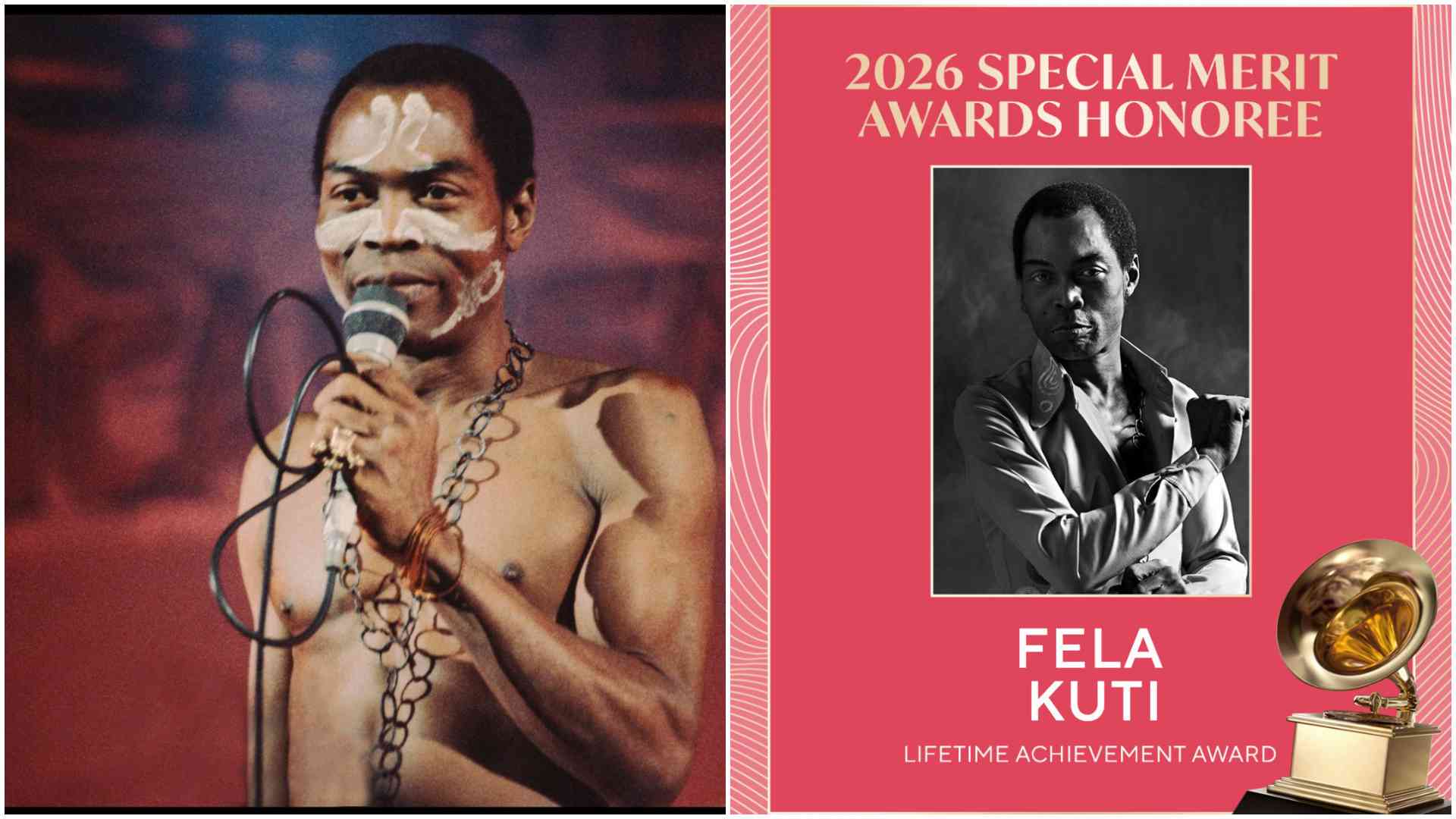
Fela Anikulapo Kuti’s reported recognition with a Grammy Lifetime Achievement Award in January 2026 arrives decades after the period that defined his influence, which is part of what makes the moment complicated. His legacy has never depended on Western validation. Afrobeat reshaped global music long before award institutions caught up. Yet formal recognition still carries weight because it determines how history is archived, taught and circulated to new audiences.
The Lifetime Achievement Award is designed to acknowledge artists whose recorded output alters the direction of music itself. By that measure, Fela’s case is straightforward. He constructed Afrobeat as a hybrid language, combining jazz improvisation, funk bass lines, Yoruba percussion and extended band arrangements that rejected radio formats. His compositions unfolded gradually, often stretching beyond ten minutes, driven by rhythm sections that functioned like engines rather than accompaniment. The structure of the music mattered as much as the message. It prioritised endurance, repetition and collective energy over commercial neatness.
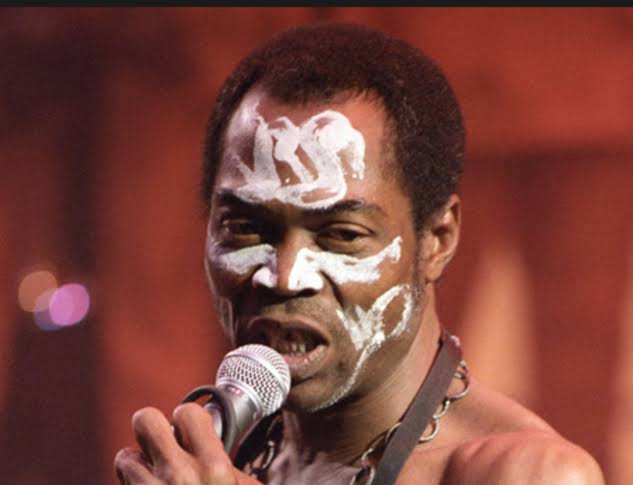
Photo Credit – Google
What separated Fela from many of his contemporaries was the clarity of his political intent. His lyrics did not gesture vaguely toward protest. They targeted specific systems of power. Songs such as Zombie and Expensive Shit criticised military authority, state violence and economic hypocrisy with names and details intact. The Kalakuta Republic, his communal compound, operated as both creative base and political statement. It invited confrontation, and confrontation arrived repeatedly in the form of raids, arrests and censorship. Recognising Fela within a Grammy framework effectively acknowledges an artist who treated music as an instrument of civic opposition, not simply cultural export.
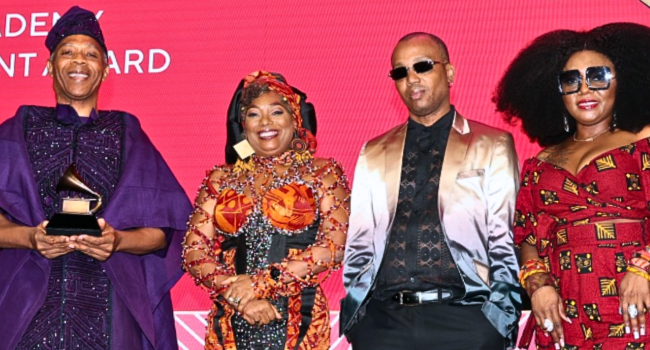
Photo Credit – Google
The significance extends beyond one career. African music has often been positioned internationally as an adjacent category rather than a central force in shaping modern sound. Labels such as “world music” historically isolated it from the mainstream narrative of innovation. Fela’s influence contradicts that separation. His rhythmic architecture appears in hip-hop sampling, contemporary jazz ensembles, dance music production and the groove logic of present-day African pop. Many artists borrow Afrobeat’s horn arrangements and layered percussion without always naming the source. Formal recognition forces that lineage into the open.
There is also the question of timing. Fela did not receive major Grammy recognition during his lifetime, despite circulating widely outside Nigeria from the 1970s onward. If the Lifetime Achievement honour is confirmed, it reads less as discovery than delayed acknowledgement. Cultural impact rarely waits for institutions, and institutions rarely move at the speed of culture. The gap between the two is where artists like Fela often live, celebrated by audiences, debated by critics, and only later absorbed into official histories.
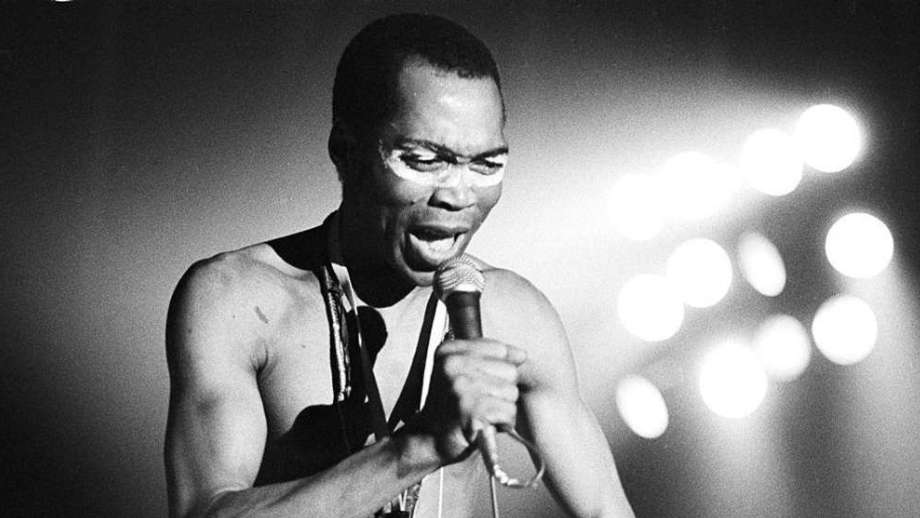
Photo Credit – Google
Renewed attention around the award has practical consequences. Younger listeners encountering his work for the first time are being directed toward original recordings rather than secondhand myth. Archives, exhibitions and academic programmes are revisiting Afrobeat as a disciplined musical system, not just a rebellious aesthetic. This shift matters because Fela is frequently reduced to an image of defiance, the performer as symbol, while the technical precision of his band leadership and composition receives less scrutiny than it deserves.
The moment also sharpens discussion about the relationship between contemporary Afrobeats and its foundation. Today’s global African pop industry operates on a scale Fela could not have imagined, yet many of its rhythmic instincts trace back to his experiments. His career demonstrated that African musicians could export sound without flattening identity for international approval. That lesson remains central to how current artists balance local specificity with global reach.
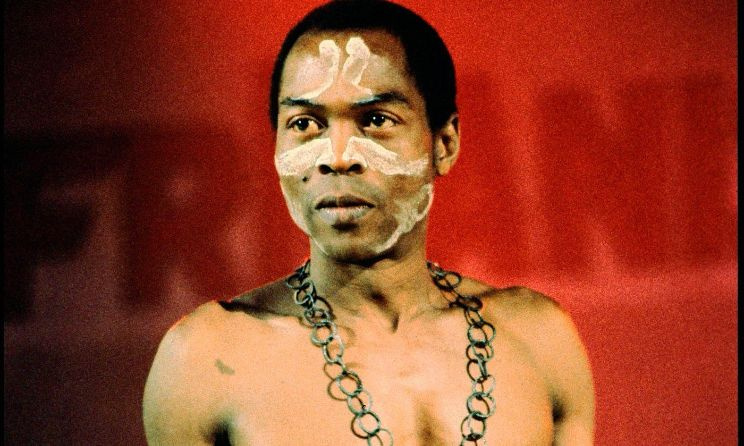
Photo Credit – Google
Perhaps the most enduring effect of this recognition is the renewed circulation of Fela’s political language. His critiques of authority, inequality and cultural dependency have not aged into nostalgia. They read like frameworks that still apply. A Grammy platform introduces those ideas to listeners who may know the groove but not the argument behind it. It expands his presence from cult admiration into formal historical placement, which shapes how future generations interpret both his music and the period that produced it.
Awards follow legacies. They do not manufacture them. Fela Kuti’s position in modern music was secured by the architecture of his work and the risks he attached to it. Institutional recognition does not rewrite that history, but it influences how widely and accurately the history circulates. If confirmed, the Lifetime Achievement Award closes part of the distance between influence and acknowledgement. More importantly, it encourages engagement with Fela not as a monument, but as an active reference point for how music can confront power while remaining structurally inventive.


Top Xclusiv
Shakira Reveals She Waited 20 Days for Burna Boy’s Verse on the FIFA World Cup Song “Dai Dai”

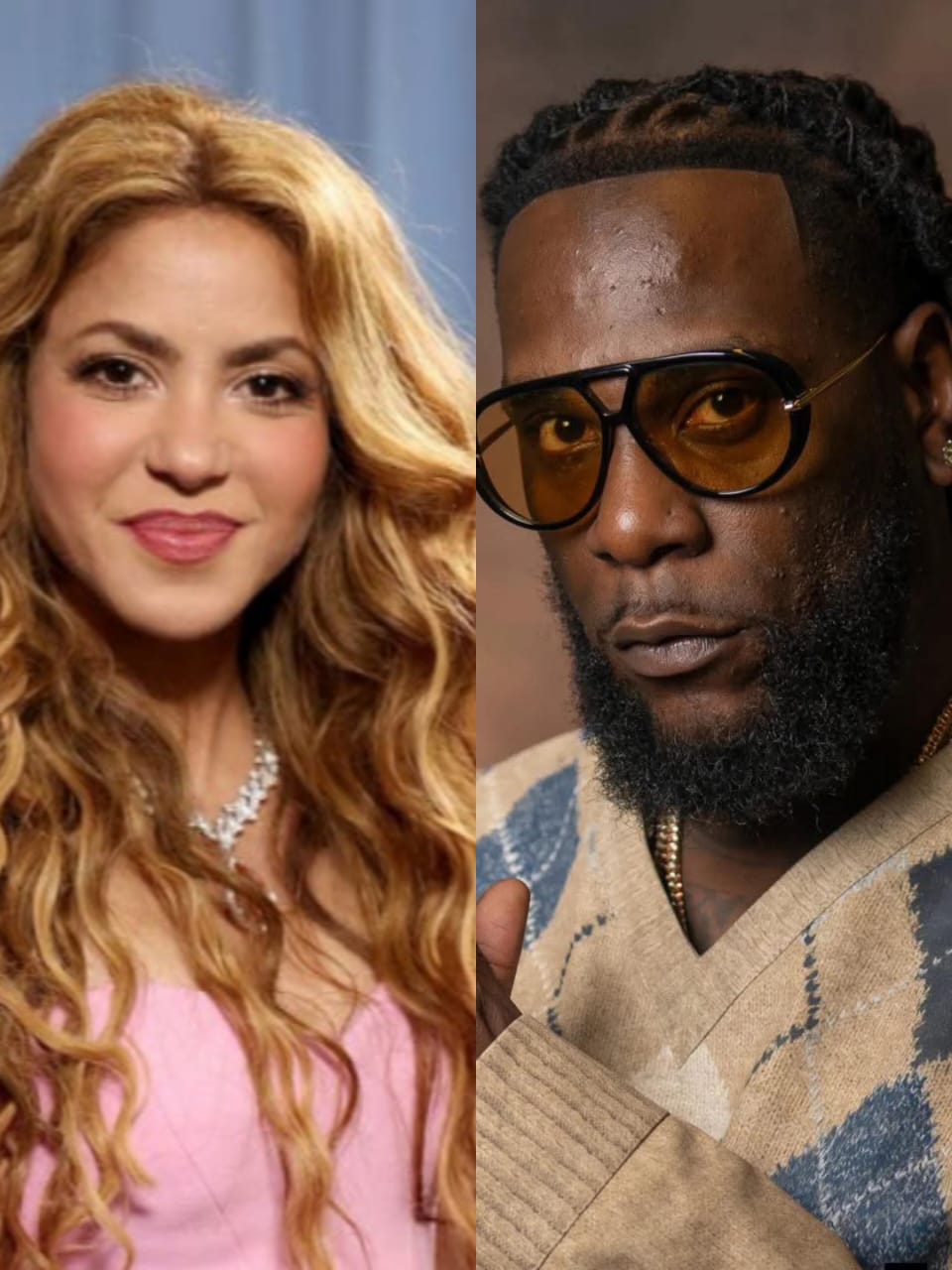
Colombian music star Shakira has shared a behind-the-scenes story about her collaboration with Nigerian Grammy winner Burna Boy on the 2026 FIFA World Cup anthem during a recent appearance on the Capital Evening Show with Jimmy Hill, revealing that she waited nearly three weeks before receiving his contribution to the song.
Speaking about how the collaboration came together, the singer explained that Burna Boy sent his verse 20 days after agreeing to be part of the project. Despite the delay, she said she remained confident that he would deliver because she was determined to have him on the record.
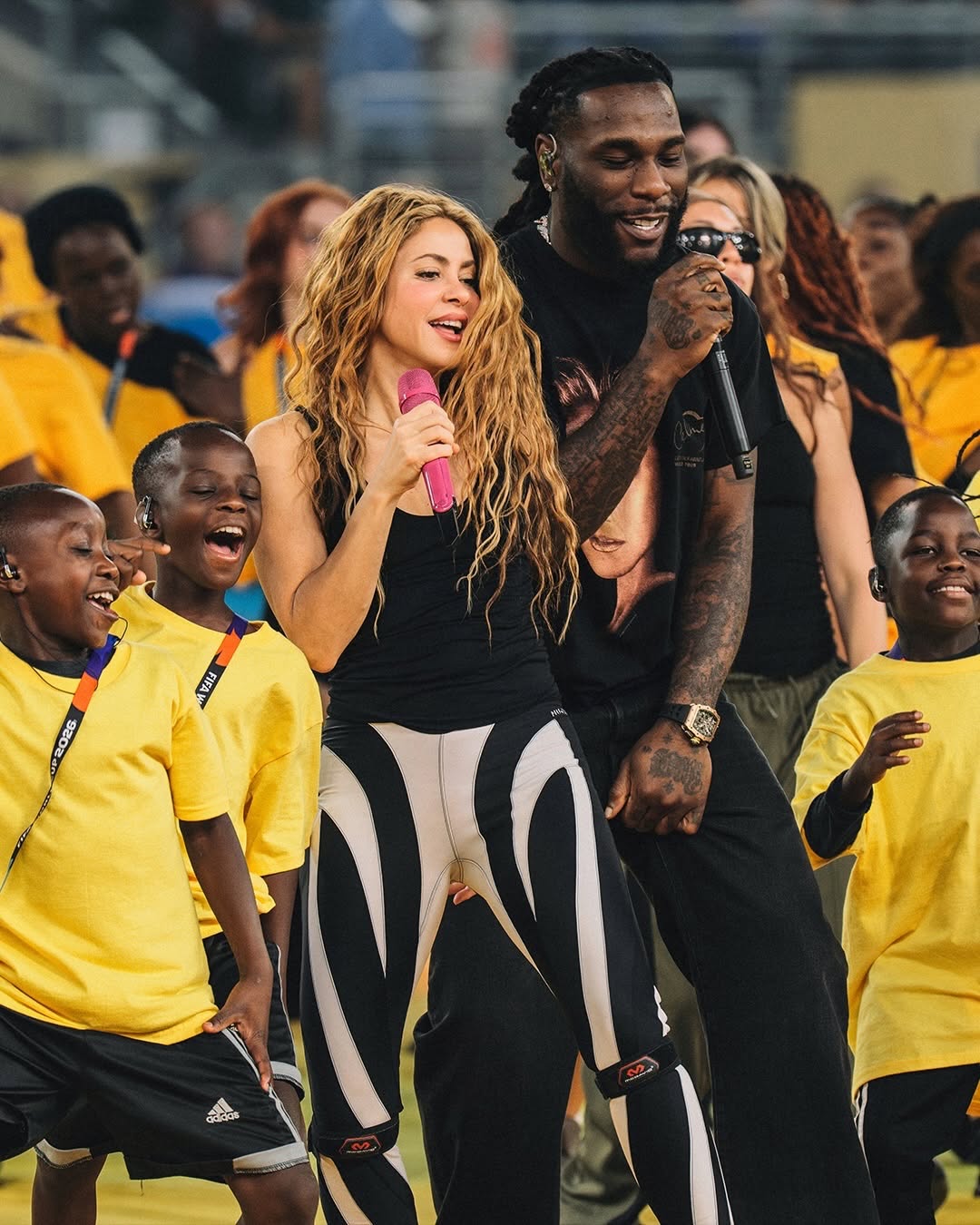
Photo: Instagram
“I called him and I was like, ‘Hey, are you down to do this?’ And he was like, ‘Yeah, why not?’… I was like waiting for 20 days for him to send something and I’m like, ‘Okay, maybe he’s not gonna do it.’ But then he sent his magic and it was just absolutely perfect,” Shakira said.
Shakira also explained why she specifically reached out to the African Giant hitmaker. According to her, she had been a fan of his music for years and wanted a distinctive male voice that could match the energy and global appeal of the World Cup.
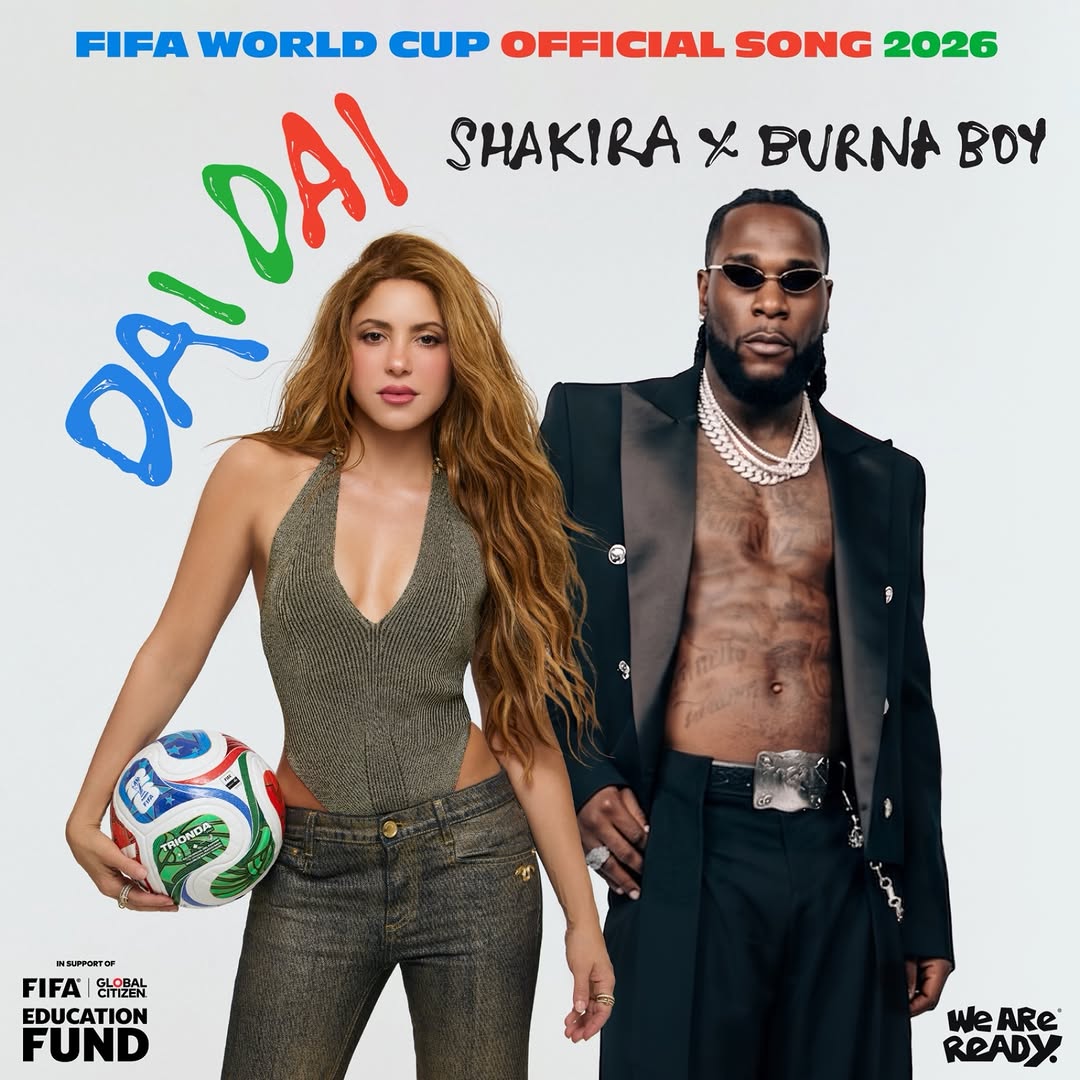
Photo: Instagram/@shakira
“And I’ve always loved Burna, like I always wanted to do something with him,” Shakira said. She praised his unique vocal style, adding, “I think his voice is just, it works so well on this song, so well. I couldn’t imagine anybody else on it, actually.”
The collaboration resulted in “Dai Dai,” the official song released for the 2026 FIFA World Cup. The track brought together two internationally recognised artists, pairing Shakira’s long-running connection with FIFA World Cup music with Burna Boy’s contribution to the tournament’s latest anthem.
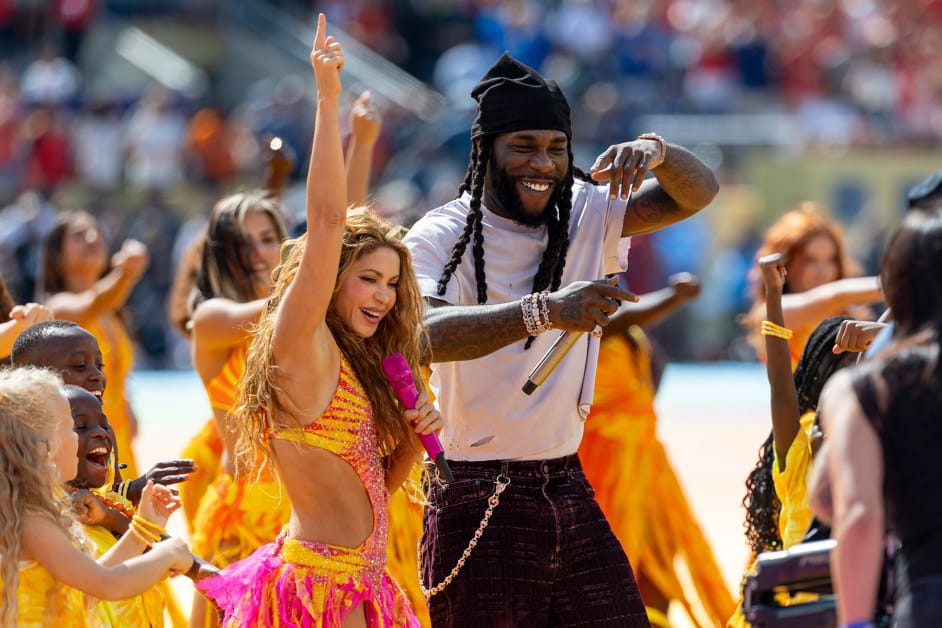
Photo: Instagram
The 2026 project also added another chapter to Shakira’s history with the FIFA World Cup. She performed “Waka Waka (This Time for Africa)”, the official song of the 2010 tournament in South Africa, before releasing “La La La” for the 2014 World Cup in Brazil. Her collaboration with Burna Boy on “Dai Dai” continued that association, this time alongside one of Africa’s biggest music stars.
Looking back on the collaboration, Shakira said Burna Boy’s contribution justified the wait. Although she admitted she briefly wondered whether he would eventually send his verse, she said the finished record confirmed why she had wanted him on the song from the beginning, describing his contribution as “absolutely perfect”.
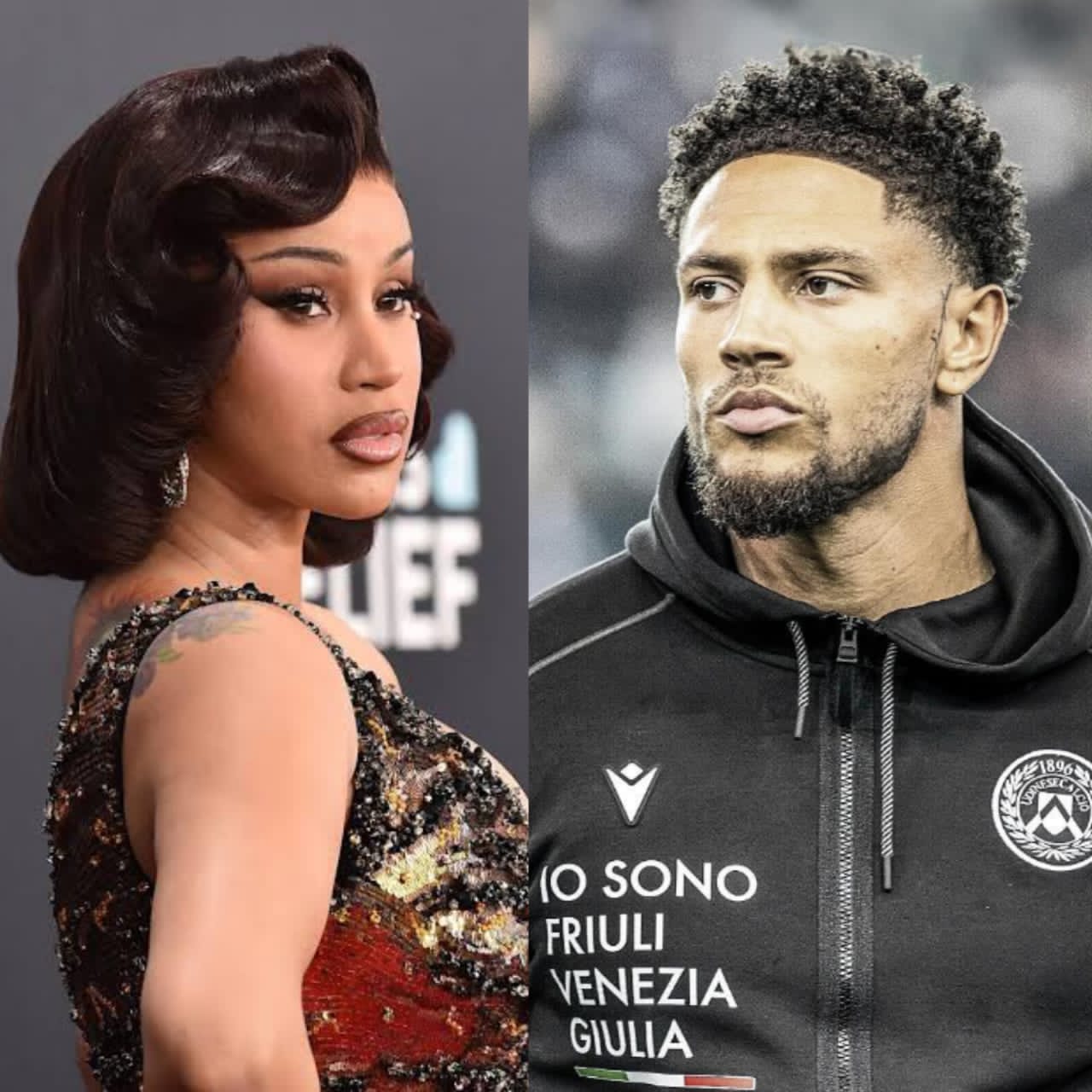
American rapper Cardi B has shared comments that many social media users believe were aimed at the recent controversy involving Super Eagles goalkeeper Maduka Okoye and the mother of his child, Jelicia Westhoff. While the rapper did not mention either person by name, her remarks came as online conversations around the situation continued to gain attention.
In a video circulated across social media, Cardi B addressed the public scrutiny surrounding her personal life, saying she has been dealing with false stories about the people she dates since she was 20 years old. She also said, “I slipped up, went back to some bullshit, left right away… And guess what? Ever since then, I’ve been living my life”, she added “One thing about it, two things for sure, I’m telling y’all this since I was 20. As long as your man got an ex, this is going to happen… She was obsessed with me. She was calling my house phone… She even came to my job”. prompting many social media users to speculate that the remarks were linked to the controversy involving Okoye.
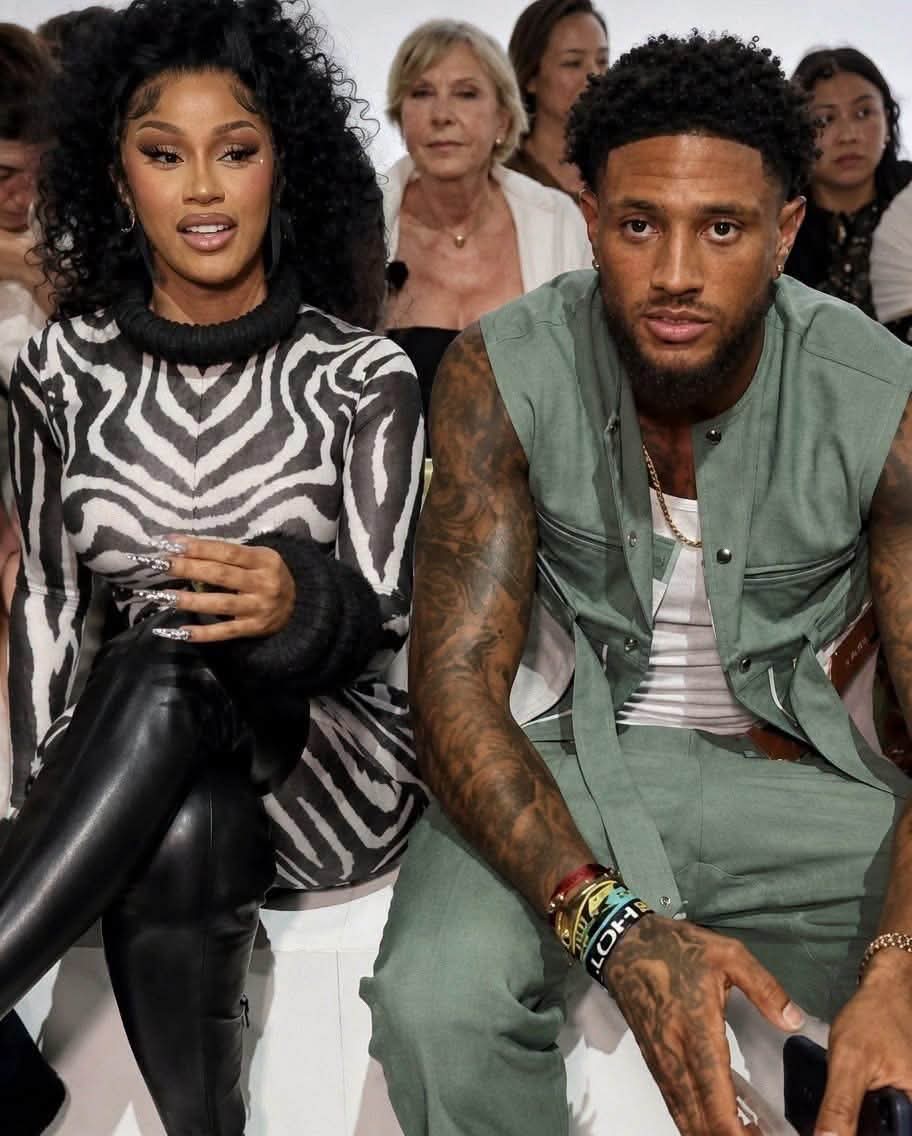
Photo: Facebook
The speculation follows recent public appearances involving Cardi B and the Nigerian footballer. The pair were first seen together during Paris Fashion Week before later being photographed at a group dinner in Venice, Italy. Their outings prompted dating rumours, although neither Cardi B nor Okoye has confirmed that they are in a relationship.
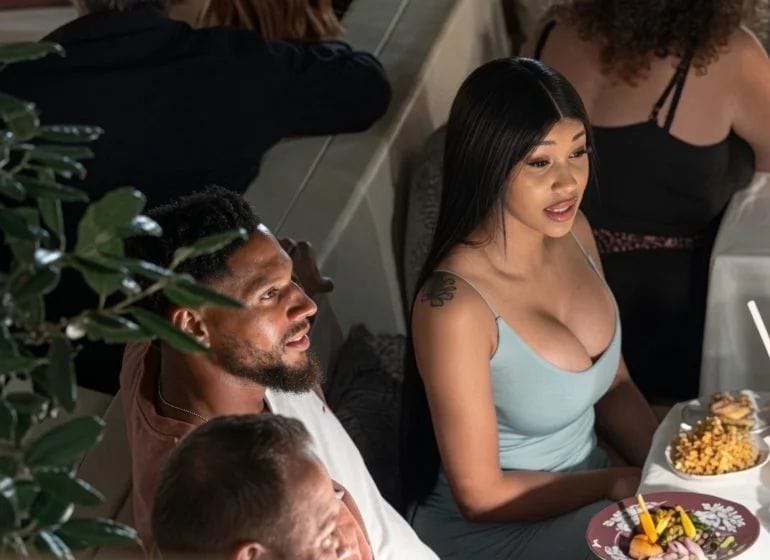
Photo: Facebook
The conversation took another turn after Jelicia Westhoff, who shares a son with Okoye, made a series of allegations against the Udinese goalkeeper on social media. She accused him of infidelity, domestic abuse, neglecting their child and failing to provide adequate support. The allegations have not been independently verified, and Okoye has not publicly responded to them.
Westhoff later clarified that her criticism was directed at Okoye rather than Cardi B. In follow-up posts, she indicated that her concern was centred on her son’s welfare and her experiences with the footballer, not the Grammy-winning rapper.
As conversations about the situation continued online, Cardi B’s latest comments drew widespread attention across social media, with many users linking them to the unfolding situation. Others, however, pointed out that the rapper spoke generally about dealing with rumours and public speculation without identifying anyone or confirming that her remarks were connected to Okoye or Westhoff.
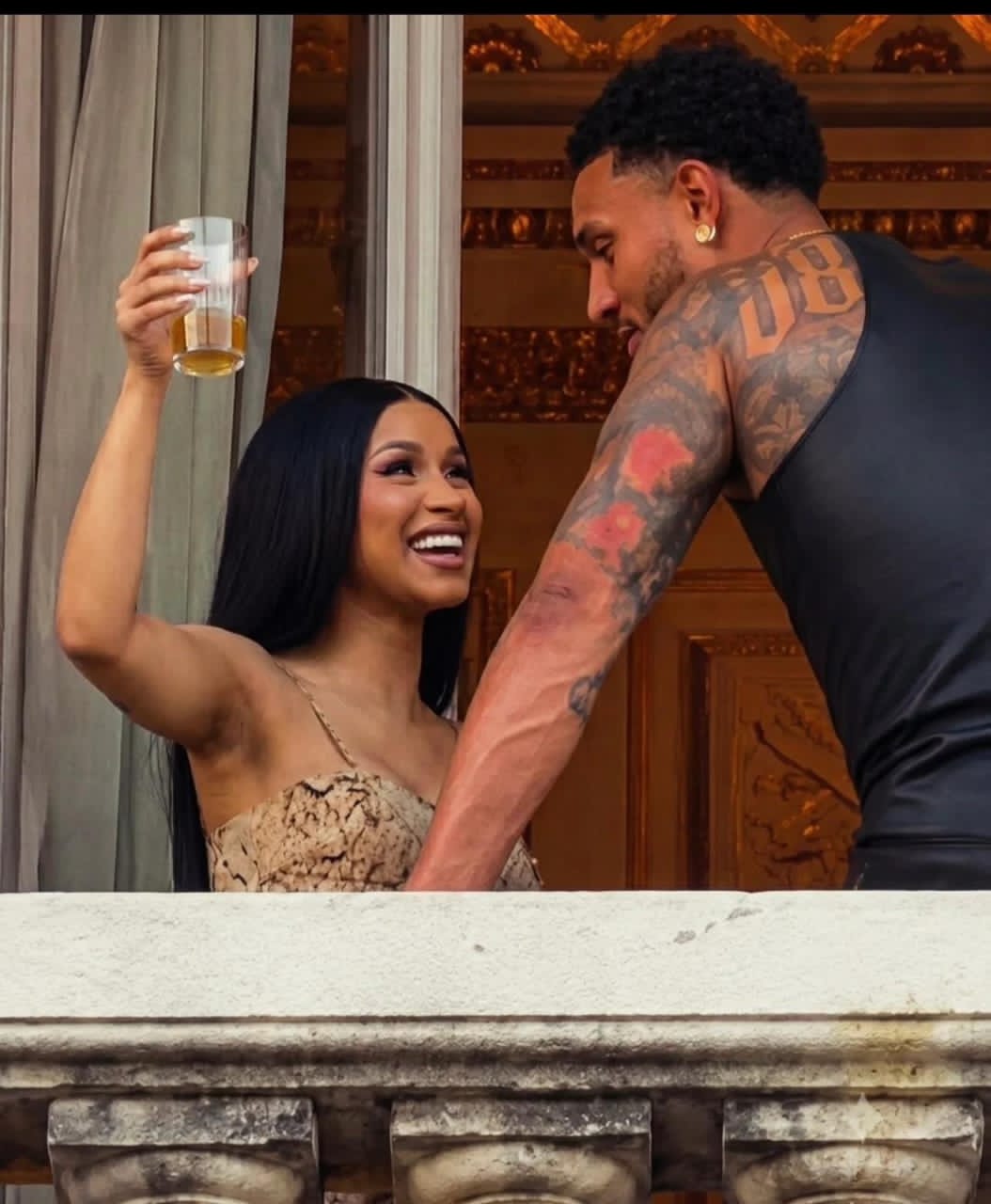
Photo: Instagram
The controversy has also been accompanied by misinformation online. A viral image claiming to show Cardi B kissing Okoye during Paris Fashion Week was later debunked, with reports confirming that the photo had been digitally manipulated.
For now, there is no official confirmation that Cardi B’s comments were intended as a response to the allegations involving Okoye and Westhoff. Her remarks have added another layer to a story that continues to generate discussion across social media, even as key questions surrounding the situation remain unanswered.
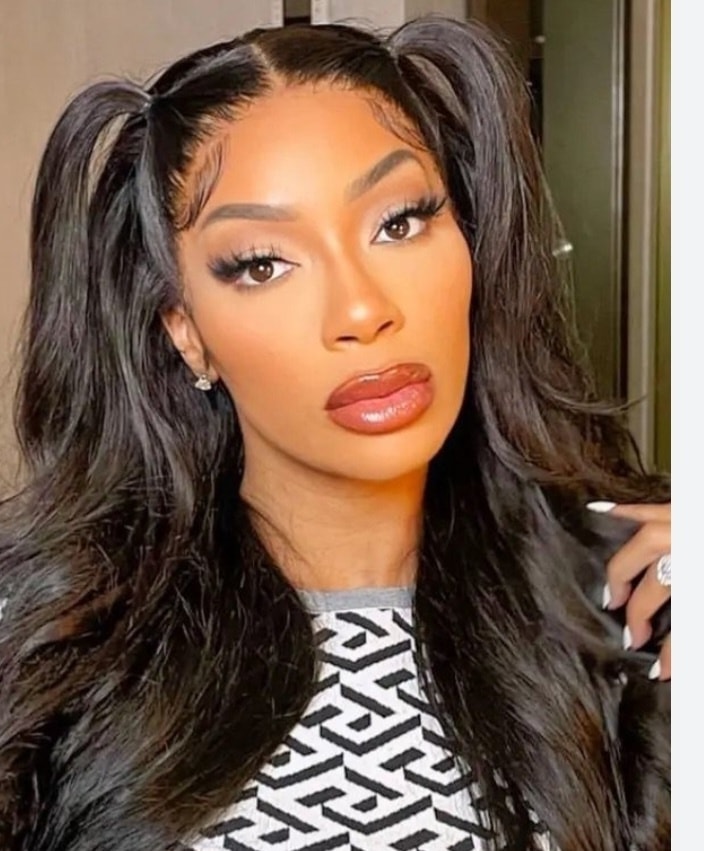
American rapper and reality television personality Tommie Lee was arrested during the 2026 FIFA World Cup after authorities said she allegedly entered Hard Rock Stadium in Miami Gardens, Florida, through an unauthorized entrance without a valid ticket.
The incident occurred on July 11, during the quarterfinal match between England and Norway, one of the tournament’s most anticipated knockout fixtures. According to the Miami-Dade Sheriff’s Office, Lee, whose real name is Atasha Chizaah Jefferson, allegedly bypassed security measures and made her way into the stadium before being stopped by deputies in the 100-level seating section.
Authorities charged the rapper with interference with a sporting or entertainment event, a third-degree felony under Florida law. Investigators said she entered the venue without proper authorization, prompting law enforcement officers on site to take her into custody.
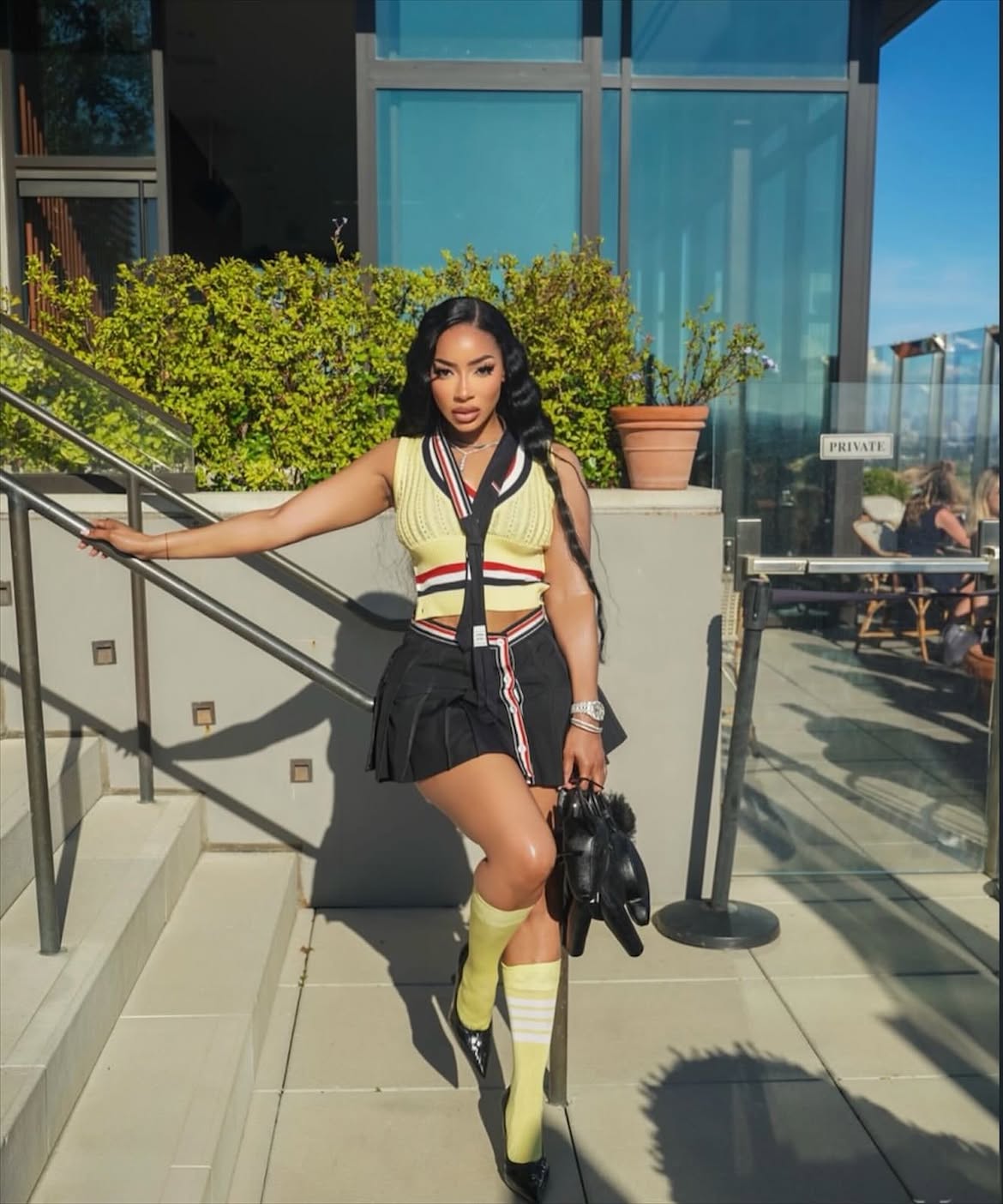
Photo: Instagram
The arrest quickly drew attention on social media after news of the incident emerged. However, officials described it as an isolated security matter and said it did not disrupt the match or affect the overall safety of fans attending the game.
Lee was one of six people arrested during the England versus Norway fixture. The Miami-Dade Sheriff’s Office also confirmed that 19 spectators were ejected from the stadium for separate incidents, while tournament operations continued without interruption.
Court records indicate that Lee was later released after posting a $1,000 bond. She has since pleaded not guilty to the charge. As with any criminal case, the allegations remain before the court, and she is presumed innocent unless proven guilty.
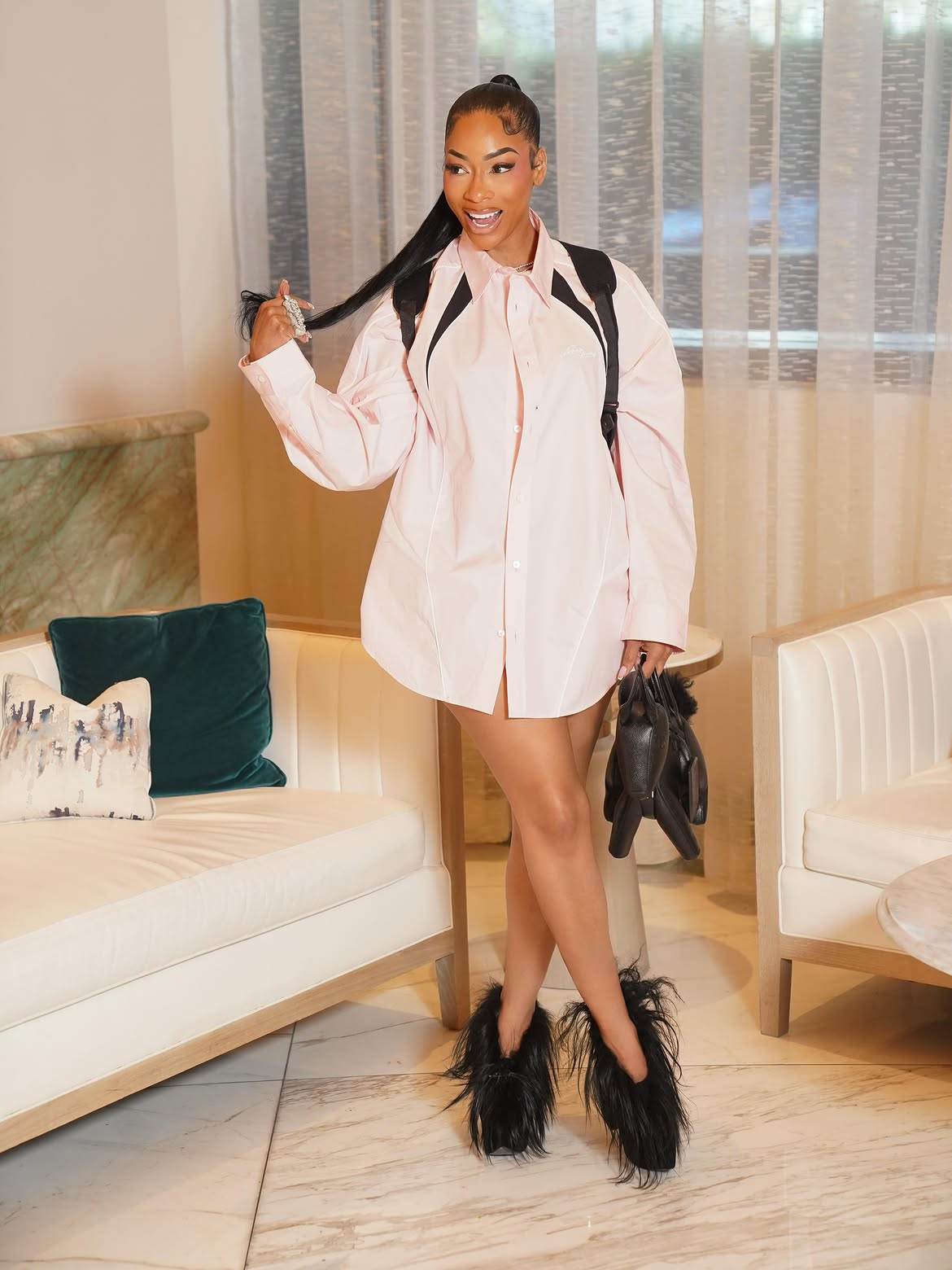
Photo: Instagram
Tommie Lee rose to prominence through her appearances on Love & Hip Hop: Atlanta before launching a music career and later featuring on other reality television projects. Over the years, she has remained a regular subject of entertainment headlines, often attracting public attention.
The arrest comes as the 2026 FIFA World Cup continues to draw massive crowds across host cities in the United States, Canada and Mexico. Tournament organizers have maintained heightened security at all venues, with thousands of spectators passing through extensive screening procedures before every match.
As the case moves through the Florida court system, the incident has also highlighted the strict security measures in place at World Cup venues, where unauthorized entry is treated as a serious offence regardless of a person’s public profile.

The Best-Dressed Stars of the Week Kept Things Chic and Daring

5 Things You Didn’t Know About Ayra Starr

All the Drama BBNaija Week 6 Brought

Burna Boy Becomes First Nigerian Artist to Surpass 4 Billion YouTube Views

Laura Ikeji Proves Polka Dots Are Back and Better Than Ever

5 Things You Didn’t Know About Uzoamaka Power.

“Blood Sisters” Returns to Netflix This Week: What to Expect.

Mr P Returns With New Music Video for ‘I Can’t Look Away’.




-
 Celebrity Style1 month ago
Laura Ikeji Proves Polka Dots Are Back and Better Than Ever
-

 Entertainment1 month ago
Tems to Executive Produce Children of Blood and Bone Soundtrack
-
 Big Brother Naija1 month ago
Meet The Big Brother Naija Season 11 Housemates
-

 Bags2 months ago
These Nigerian Bag Brands Are Raising the Bar for Made-in-Nigeria Fashion
-

 Celebrity News1 month ago
Tems Becomes First Female African Artist to Earn RIAA Diamond Certification
-
 Entertainment2 months ago
Tiwa Savage Reveals Why Her Private Video Was Leaked.
-
 Top Xclusiv1 month ago
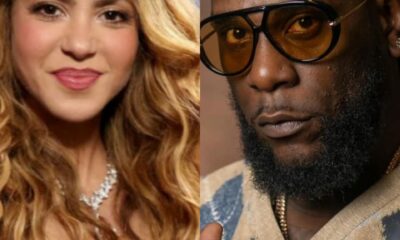
Shakira Reveals She Waited 20 Days for Burna Boy’s Verse on the FIFA World Cup Song “Dai Dai”
-
 Top Xclusiv1 month ago
Cardi B Appears to Respond to Maduka Okoye and His Baby Mama’s Drama
-
 Beauty1 month ago
Everything You Need to Know About Toner Pads
-

 Celebrity News1 month ago
Mercy Eke Brings Three Looks to Escape Magazine Shoot