
Lifestyle
Ramadan Is Here! Meaningful Ways to Make the Most of the Holy Month

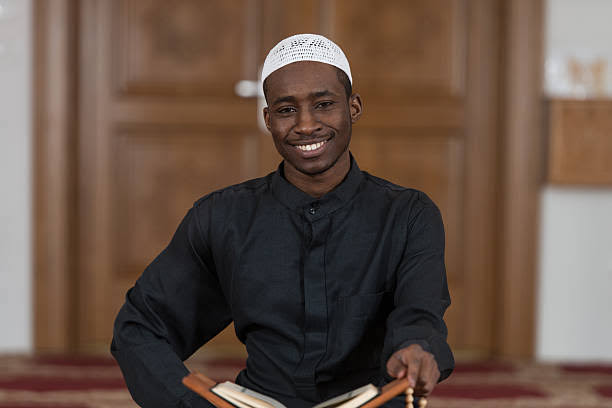
Ramadan arrives each year with predictable changes in daily routine: altered sleep schedules, crowded mosques, slower afternoons, and long evenings built around prayer and shared meals. Beyond fasting from dawn to sunset, the month is a time for reassessment. It invites a review of habits, relationships, priorities, and how time is used. For many people, the challenge is not understanding Ramadan’s significance, but turning intention into daily action. Making the most of the month requires planning.
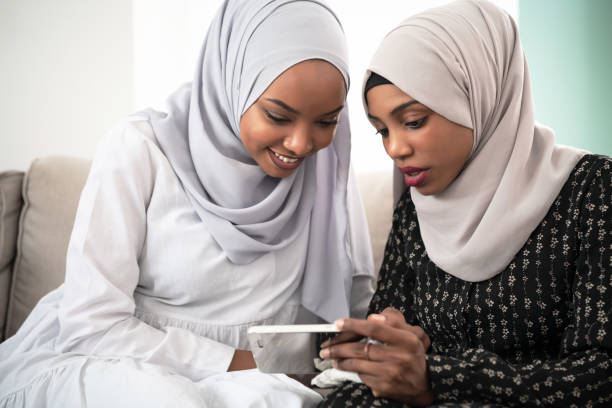
Photo Credit – Google
Fasting is often treated as an endurance task, measured by hunger and thirst. It can also be understood as training in self-discipline. The same self-control that prevents eating or drinking can be applied to speech, spending, and digital habits. Limiting idle scrolling, avoiding unnecessary arguments, and reducing impulsive purchases turns fasting into a broad change in habits. Attaching a non-food discipline to the fast makes the lesson practical. A fixed daily break from social media or a strict rule against gossip shifts the focus of fasting beyond physical hunger and into conduct, reflecting the ethical principles Ramadan emphasizes.
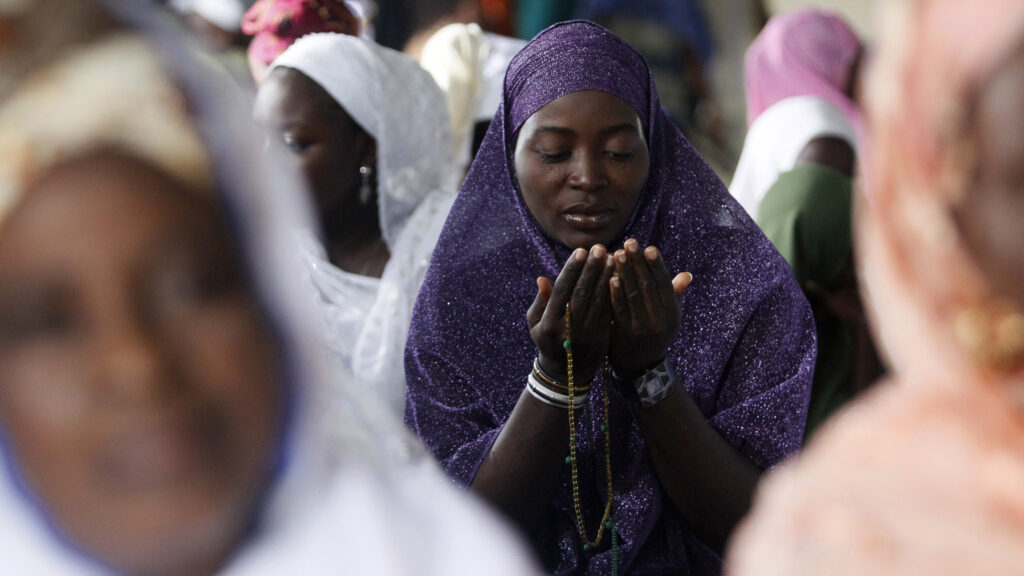
Photo Credit – Google
Ambition can undermine consistency. Many people begin the month with intense plans that collapse by the second week. A better strategy is to design a schedule that fits existing responsibilities. Short, consistent acts are more effective than occasional extremes. A manageable plan might include a set number of Qur’an pages each day, a weekly charity contribution, and specific prayer goals that account for work and family life. Schedule these commitments clearly. Treating worship with the same seriousness as appointments makes it sustainable.
Suhoor and iftar can easily become rushed or indulgent, yet they frame the day. Eating mindfully changes their purpose. Choosing balanced portions, avoiding excess, and beginning with gratitude reinforces the reason for fasting: awareness of dependence and self-control. Families can turn iftar into a daily checkpoint. A short conversation about what each person learned or struggled with during the fast adds reflection to the daily pattern and encourages accountability.
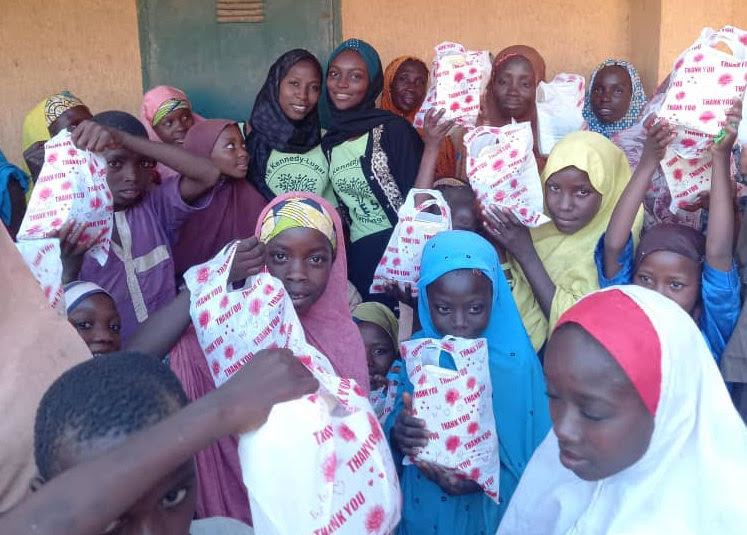
Photo Credit – Google
Charitable giving often peaks in the final nights, but spreading it across the month makes the effort more consistent. Setting a daily or weekly plan, even in small amounts, builds discipline. Charity is not limited to money. Time, skills, and attention also count. Organizing a recurring act of service, such as food distribution or tutoring, turns generosity into regular action and helps it continue after Ramadan ends.
The month also offers an opportunity to repair strained relationships. Reaching out to relatives, apologizing for past conflicts, or reopening communication with friends should be intentional, not postponed. Listing a few relationships that need attention and assigning each one a specific action, a call, visit, or message, makes reconciliation a clear objective.

Photo Credit – Google
Ramadan fatigue is real. Late nights and early mornings disrupt sleep, affecting mood and concentration. Protecting energy is as important as protecting hours. Strategic naps, simplified meals, and realistic social commitments help maintain focus on worship. Reducing unnecessary engagements is a matter of priorities. The month is temporary, and preserving energy allows fuller participation in prayer and reflection.
An overlooked part of making the most of Ramadan is planning for what follows it. The purpose of the month is not a temporary increase in devotion that disappears afterward. Identifying one or two practices to continue, a weekly fast, a fixed charity amount, or daily reading, connects Ramadan to the rest of the year. Writing these commitments down before the month ends increases the chance they last. Ramadan then becomes a period meant to shape long-term habits rather than a one-time experience.













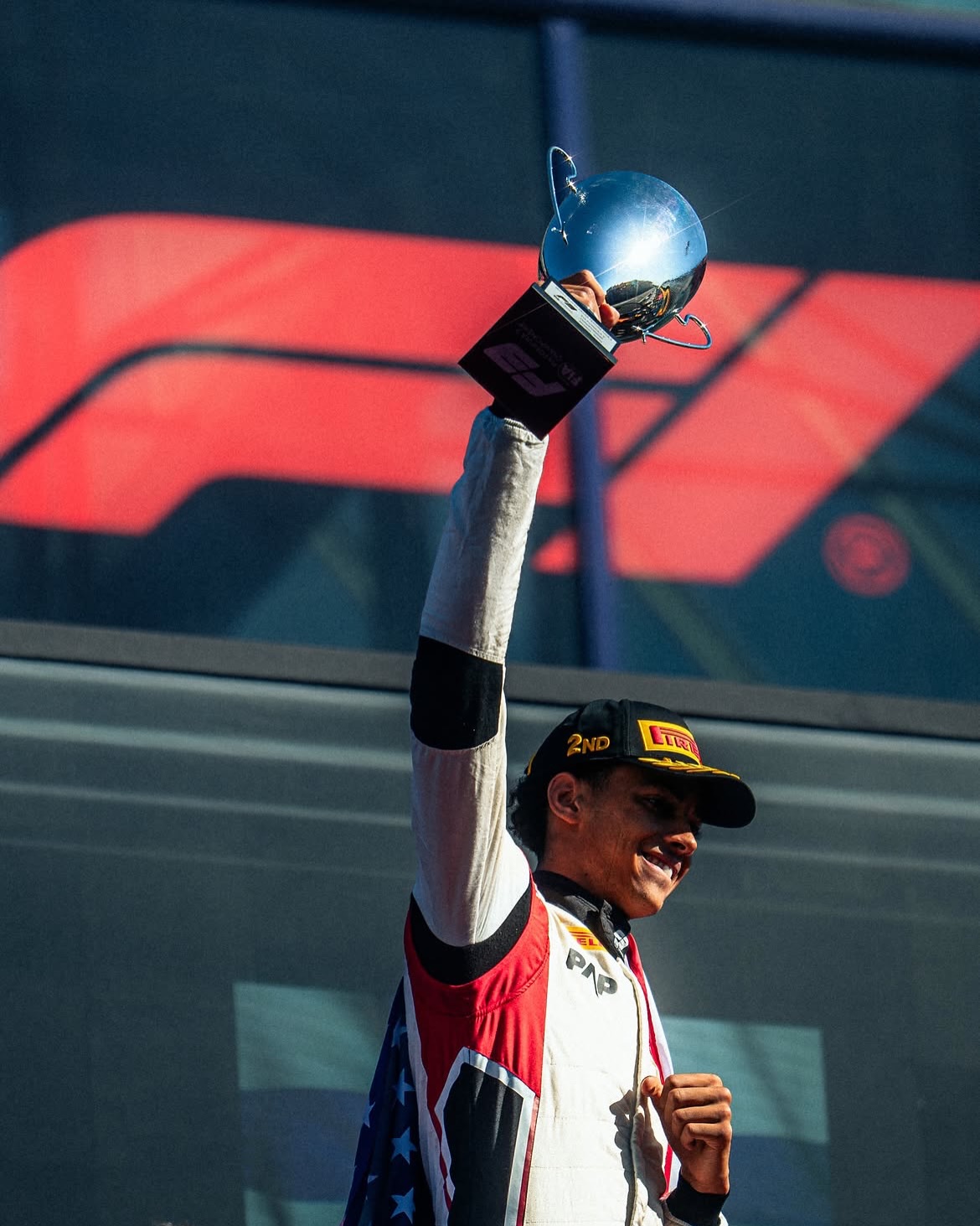
Ugo Ugochukwu has won the 2026 FIA Formula 3 Drivers’ Championship, becoming the first American driver to claim the title in the current FIA Formula 3 Championship.
The 19-year-old secured the championship on Sunday, September 13, at the Madring circuit in Madrid. Driving for Campos Racing, Ugochukwu finished second in the second Feature Race behind MP Motorsport’s Tuukka Taponen. Freddie Slater, his main title rival, finished eighth for Trident.
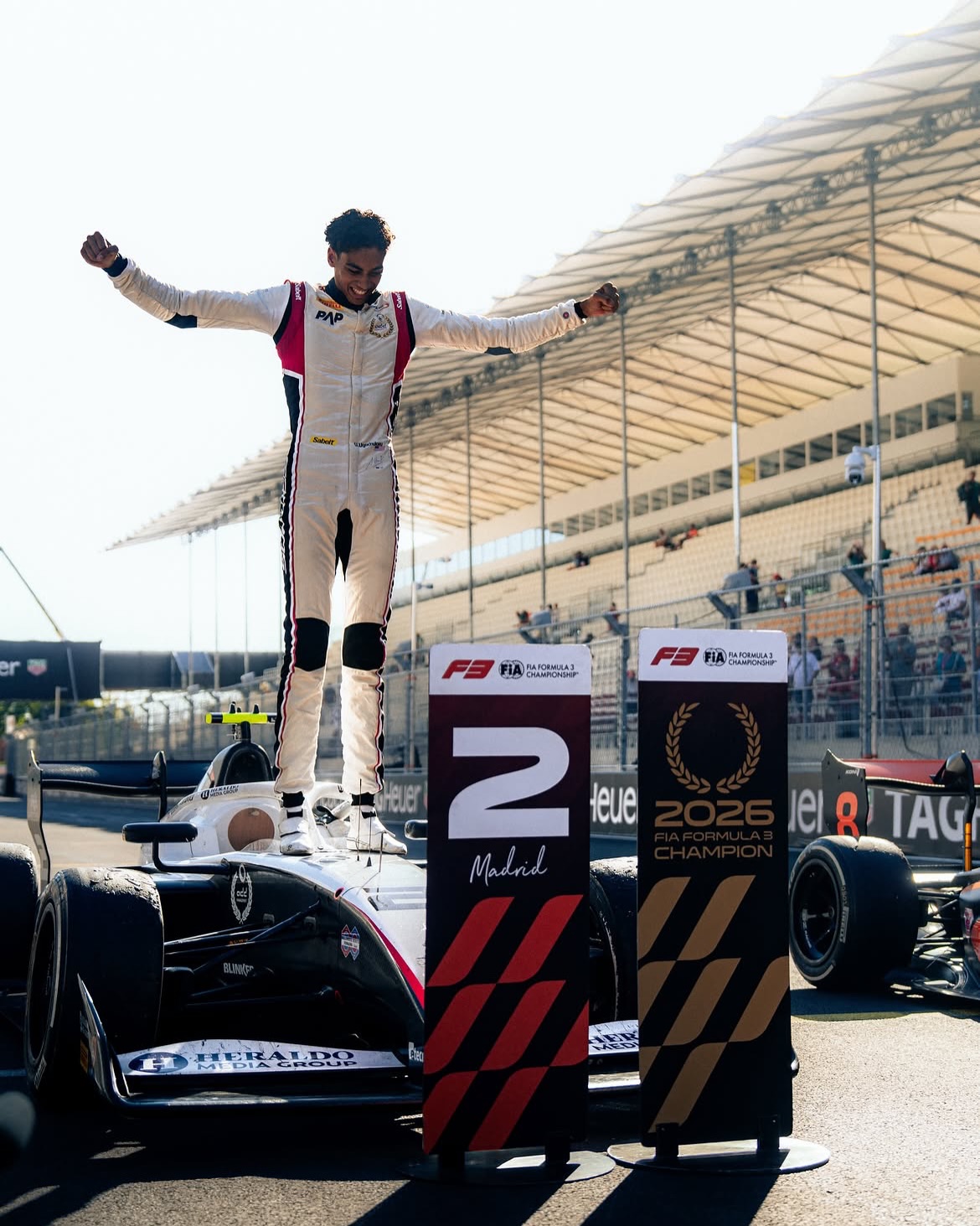
Photo: Instagram/@fiaf3
The result put Ugochukwu on 159 points for the season, 14 points ahead of Slater, who finished second with 145. Taponen’s victory also moved him into third place in the final Drivers’ Championship standings with 109 points.
Ugochukwu’s title came in his second FIA Formula 3 season. He won the opening Feature Race in Melbourne, Australia, before taking another victory in the Silverstone Sprint Race. He also finished on the podium in Catalonia, at the Red Bull Ring, in Hungary and in Madrid.
Ugochukwu arrived in Madrid 15 points behind Slater. After the weekend’s earlier races, the pair were level on 141 points going into the final Feature Race. Ugochukwu started the race from second on the grid, while Slater started eighth. Ugochukwu held second to the finish, while Slater remained eighth, giving Ugochukwu enough points to take the championship.
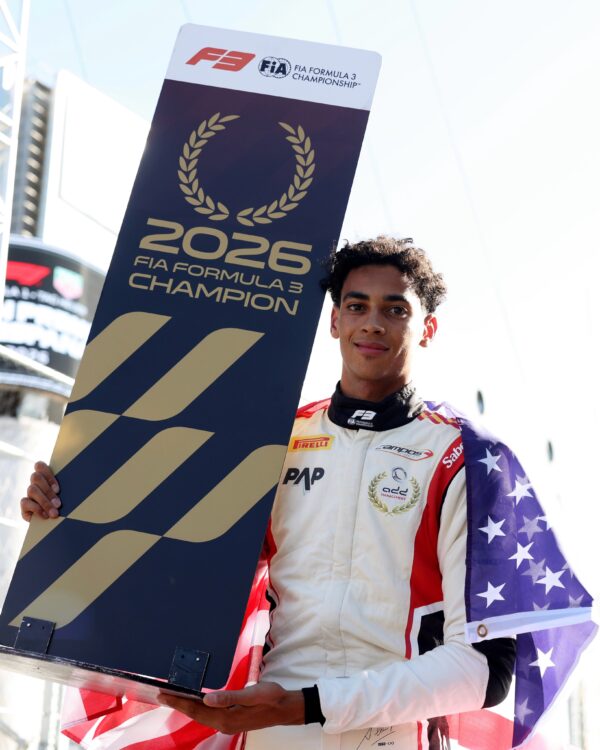
Photo: Instagram/@fiaf3
Ugochukwu is the son of Nigerian fashion model Oluchi Onweagba. Born in New York, he moved from karting into single-seater racing in 2022, competing in British F4. He won the Euro 4 Championship in 2023 and the Macau Grand Prix in 2024.
He joined the FIA Formula 3 grid with PREMA Racing in 2025, finishing 16th in the championship and recording two podiums. He switched to Campos Racing for 2026 and began the year by winning the Formula Regional Oceania trophy.
He now joins former FIA Formula 3 champions including Oscar Piastri and Gabriel Bortoleto, who have gone on to compete in Formula One.

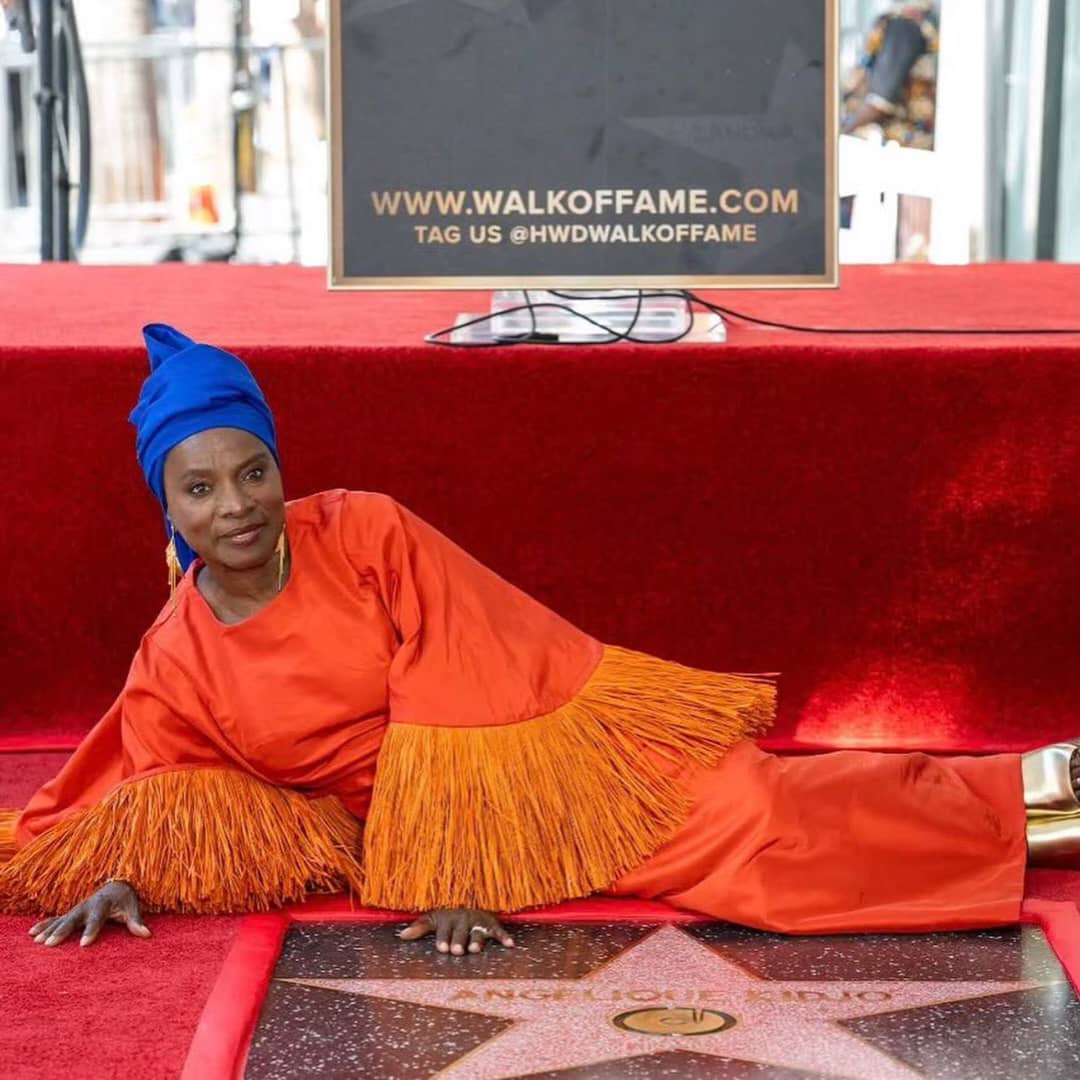
Angélique Kidjo has become the first African musician and first Black African artist to receive a star on the Hollywood Walk of Fame, marking a significant moment for the Beninese singer whose career has taken African music to audiences around the world.
The five-time Grammy Award winner received the honour on Tuesday, August 18, 2026, during a ceremony in Los Angeles. Her star, the 2,854th on the Hollywood Walk of Fame, was placed in the Recording category at 7011 Hollywood Boulevard.
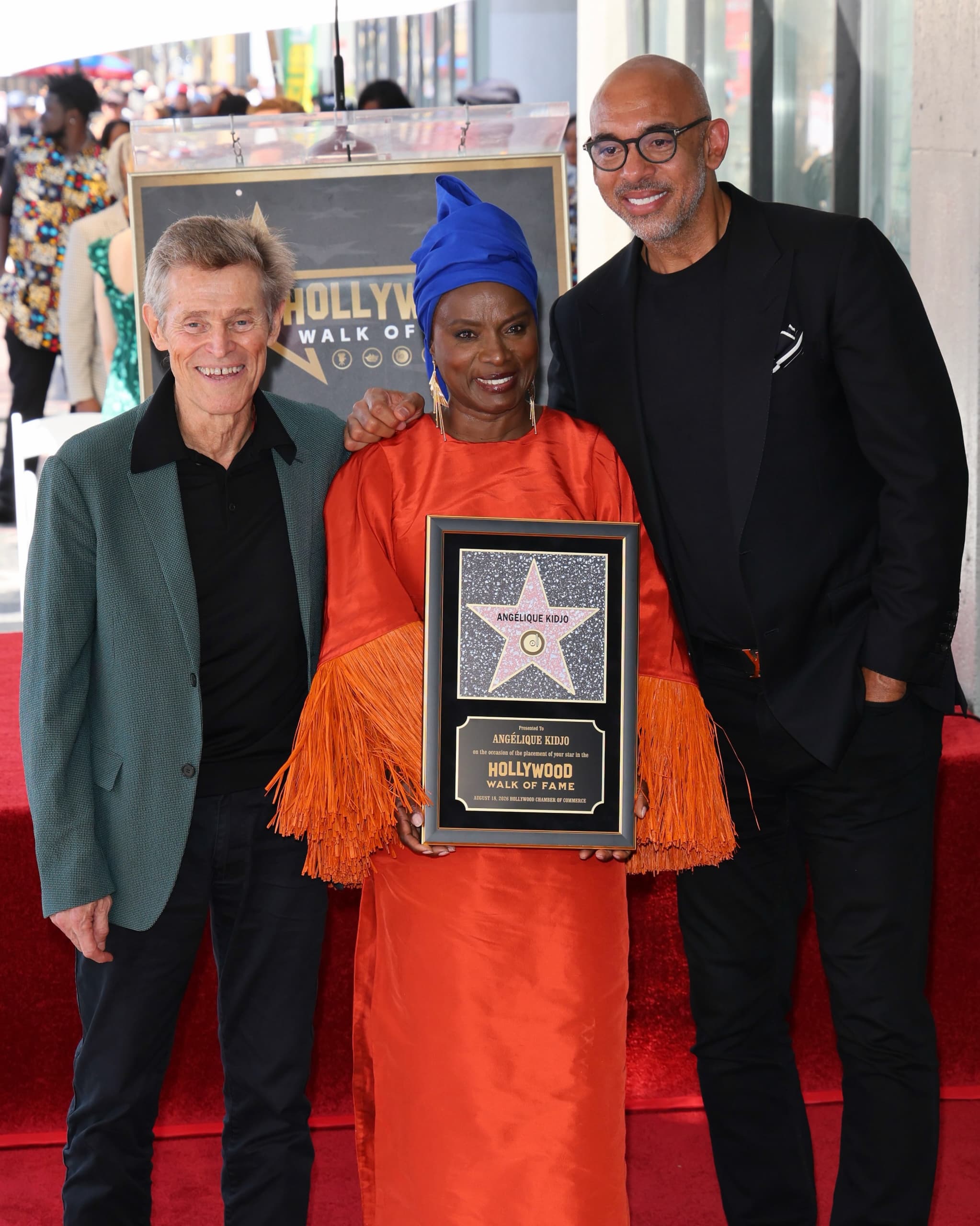
Photo: Getty images
Kidjo was among the names selected for the Hollywood Walk of Fame Class of 2026. The selection was announced in July 2025, with the Beninese singer included alongside several prominent figures from music, film, television and other areas of entertainment.
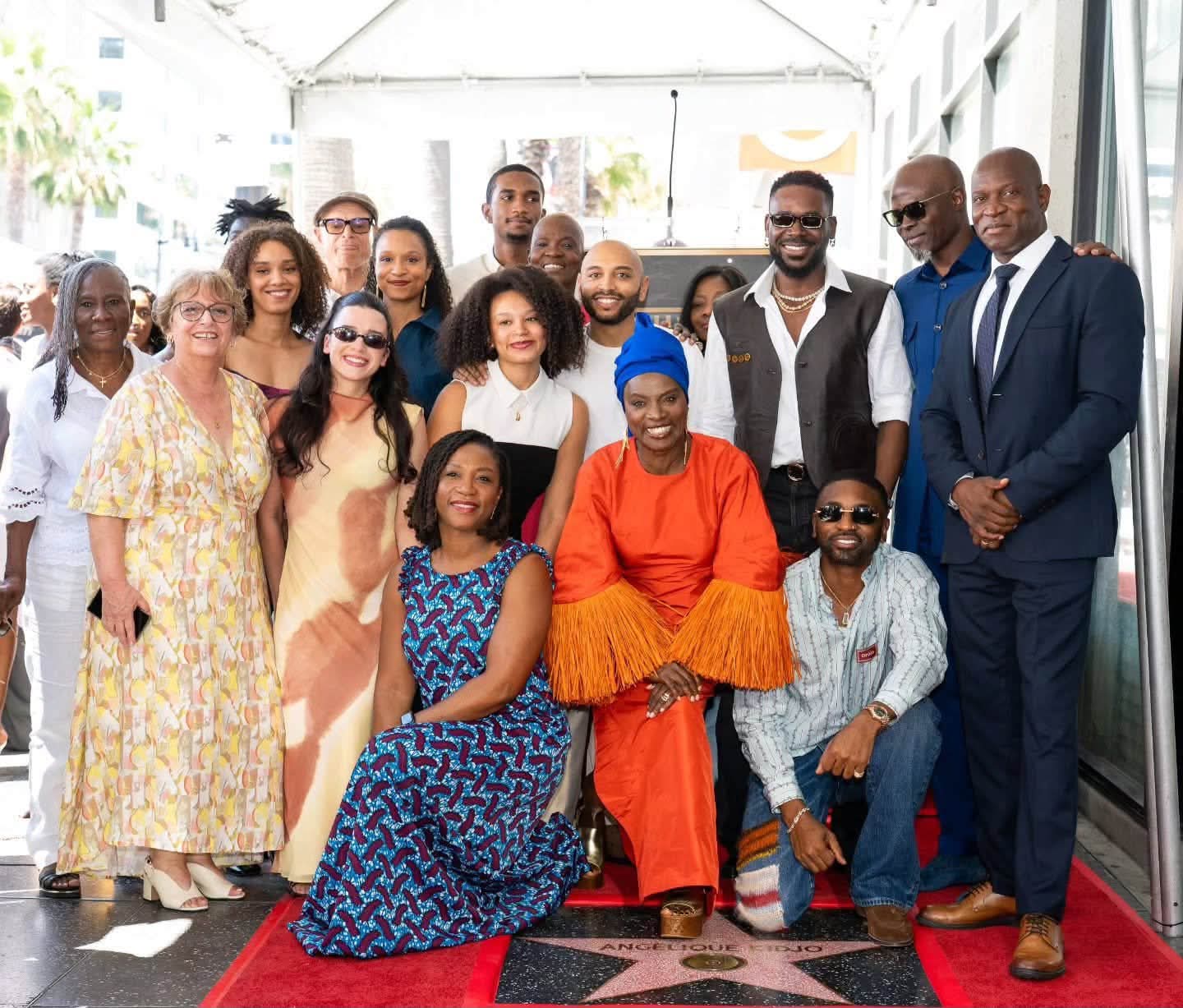
x.com/@MadamAfrika
The ceremony brought together several notable figures, including Oscar-nominated actor Willem Dafoe and Recording Academy CEO Harvey Mason Jr. Nigerian singer Adekunle Gold and actor Djimon Hounsou were also reported to be among those who attended the occasion.
For Kidjo, the recognition is tied closely to where she comes from and the music she has carried across borders throughout her career. During her speech, she reflected on Africa’s contribution to music and the influence of the continent’s culture on sounds heard around the world.
“We Africans don’t know what we’ve given to the world. Without us, there’s no music possible on this planet,” she said during the ceremony.
The 66-year-old singer has spent more than four decades in music, building a career that extends beyond recording and live performances. She has released numerous albums, worked with international artists and used her public platform to support social and humanitarian causes. Her collaborations have included musicians such as Alicia Keys, Peter Gabriel, John Legend, Bono, Yo-Yo Ma and Burna Boy.
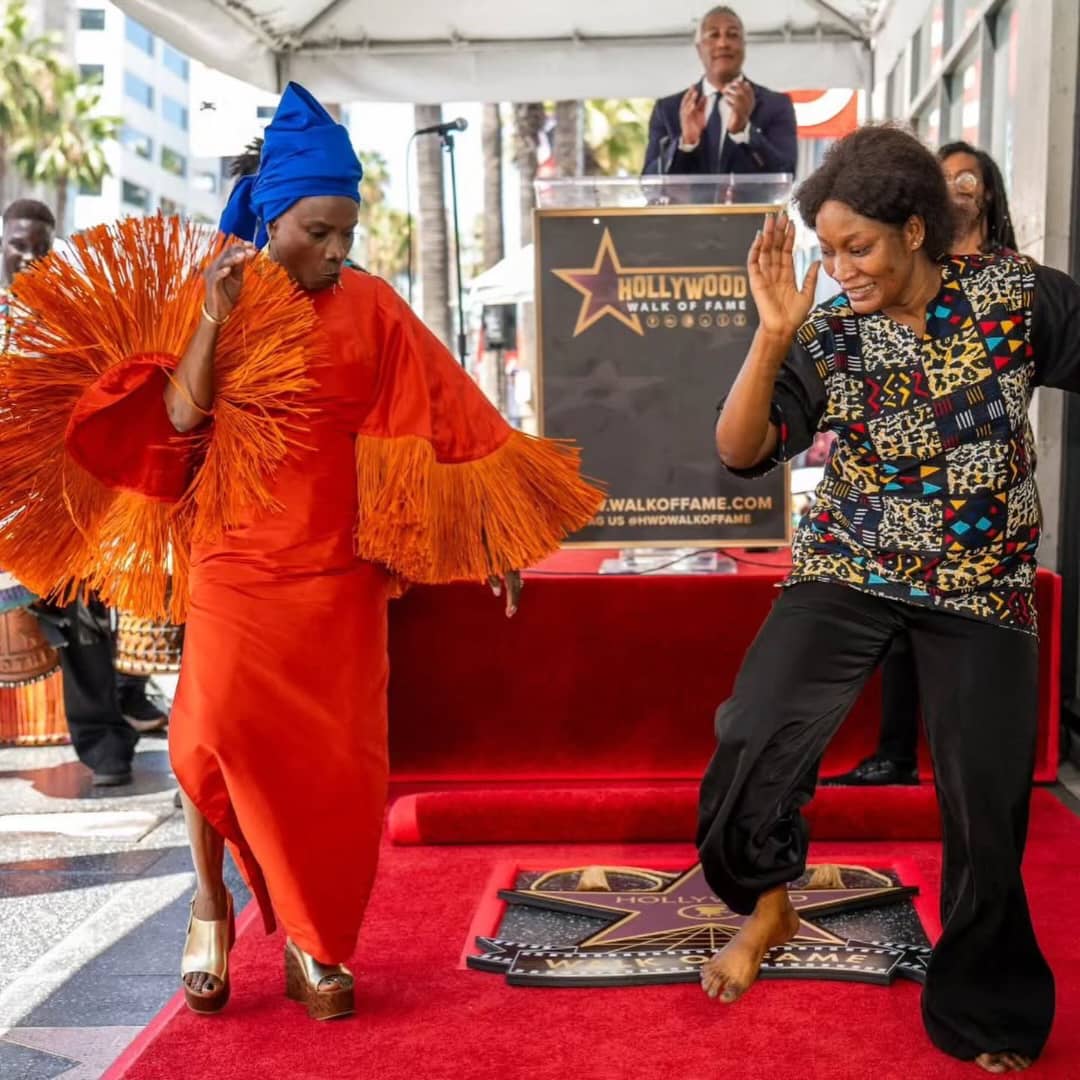
Photo: Getty images
Her Grammy history is another major part of that career. Kidjo has won five Grammy Awards, adding to a list of international honours that have established her as one of the most recognised African musicians working on the global stage.
The Hollywood recognition also came with a special declaration. August 18 was officially recognised as Angélique Kidjo Day in Hollywood, adding another distinction to the occasion.
The significance of the star goes beyond the name engraved on the famous boulevard. Kidjo’s achievement places a Beninese musician at a landmark that has long been associated with some of the biggest names in international entertainment. For African music, it is another visible acknowledgement of the artists who have carried sounds, languages and traditions from the continent into wider global audiences.
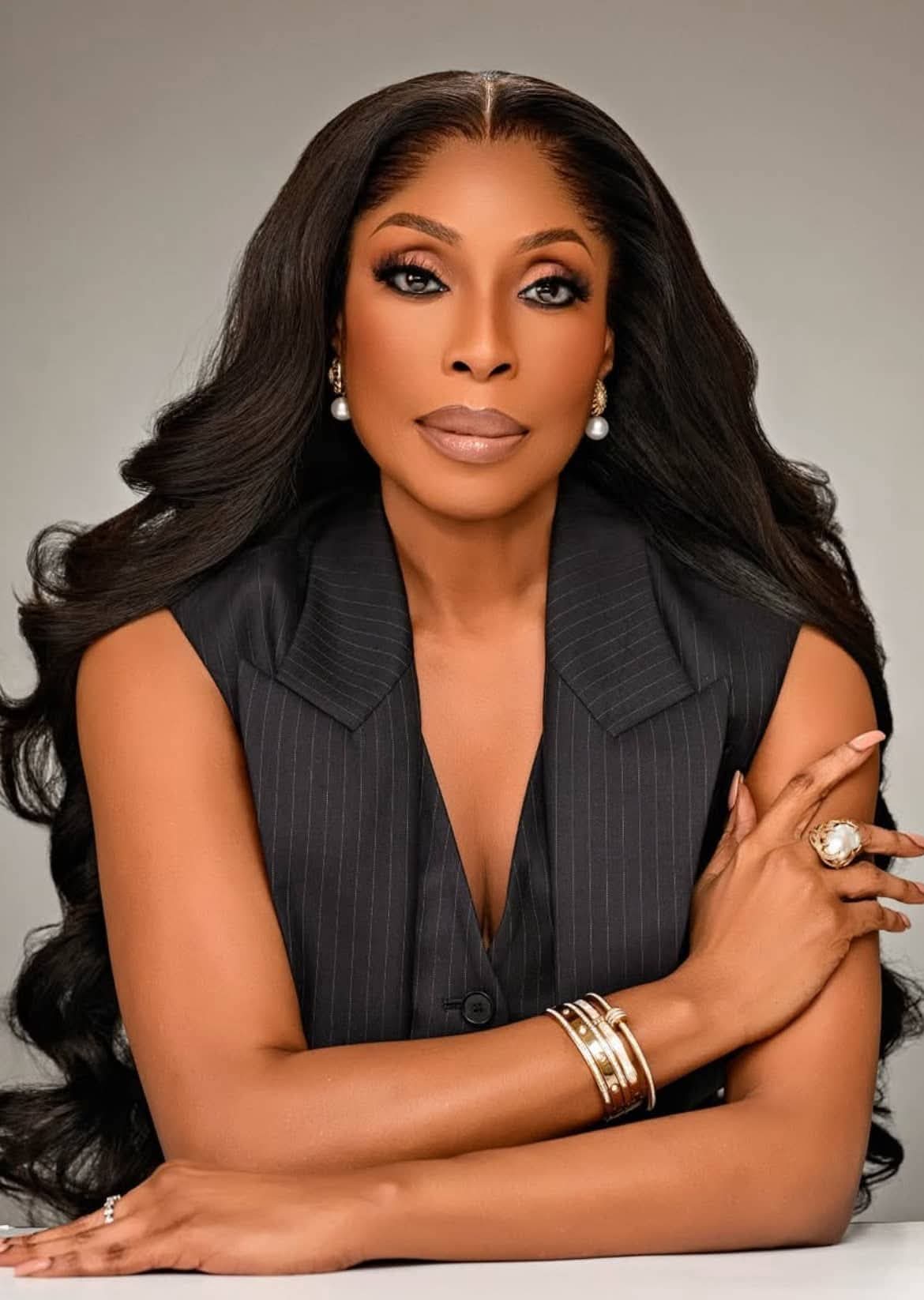
The “rich girl era” is not only about designer labels, luxury holidays or having an enviable lifestyle. For these Nigerian women, it also shows up in the businesses they own, the audiences they have built and the industries they have managed to influence. From film and music to media, fashion and food, each has found a different way to turn talent and visibility into something bigger. Here are seven women whose careers are worth watching and taking notes from.
Funke Akindele – Film, Television and Business
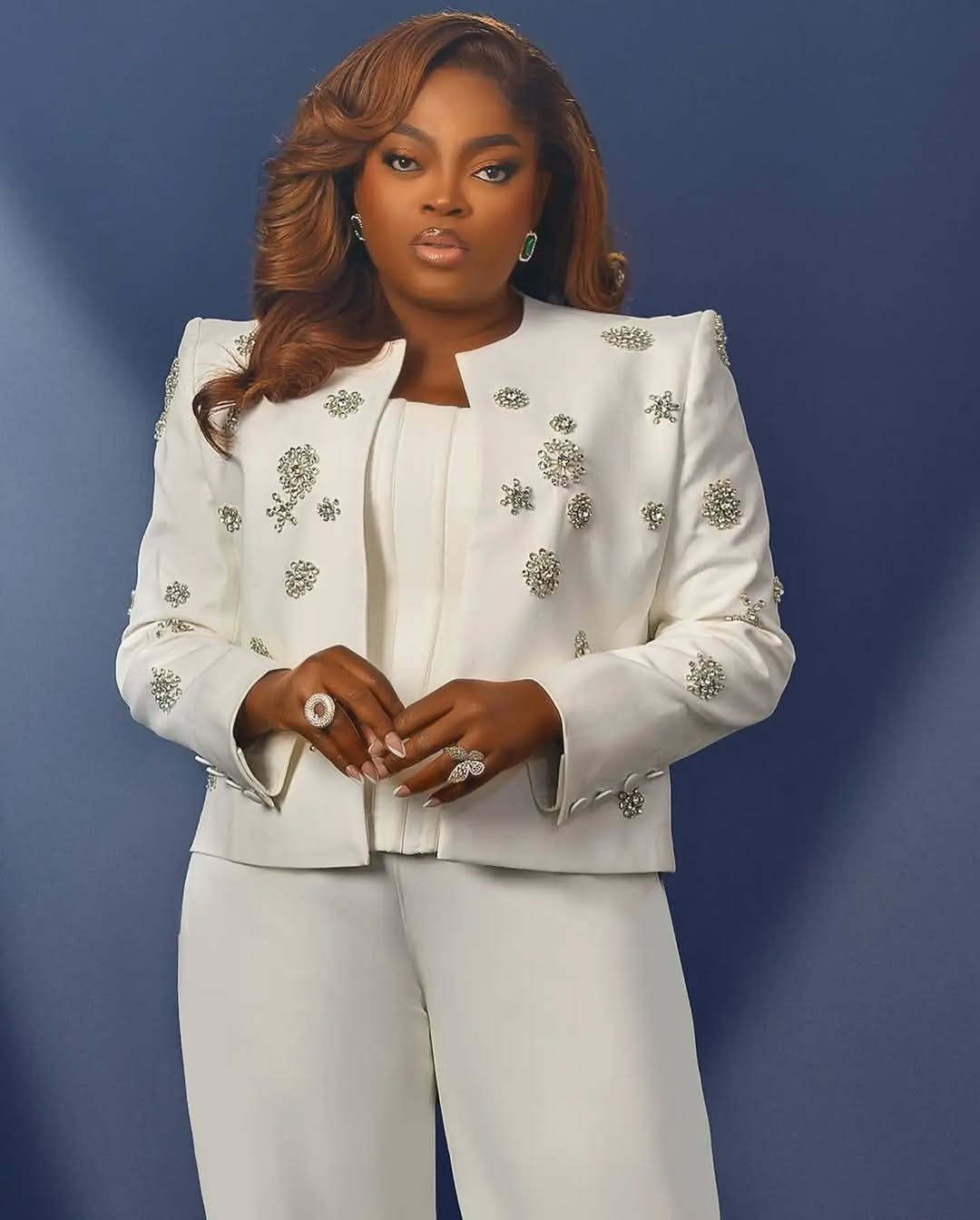
Photo: Instagram/@funkejenifaakindele
Funke Akindele‘s career has grown far beyond her work as an actress. She has become one of Nollywood’s most commercially successful filmmakers, taking on roles behind the camera as a producer and filmmaker. Her 2023 film A Tribe Called Judah became the first Nollywood title to cross ₦1 billion in Nigerian cinema ticket sales, eventually finishing its cinema run with about ₦1.4 billion.
That kind of success explains why Akindele belongs on a list about building wealth rather than simply displaying it. Her biggest asset is not one particular role or red-carpet appearance, it is the ability to create projects that generate commercial value. She has taken the visibility that came with years on television and in film and pushed it into production, where she has greater creative and commercial control.
Mo Abudu – Media, Entertainment and Business
Photo: Instagram/@moabudu
Mo Abudu took the idea of African storytelling and built an entire media business around it. She founded EbonyLife, which has grown into a group spanning television, film, studios, creative education and the EbonyLife Place in Lagos. EbonyLife Media says its studios have produced more than 5,000 hours of original programming and eight feature films.
Her business has also moved beyond the Nigerian market. Forbes notes that EbonyLife has entered major partnerships with Sony Pictures Television, AMC Networks and Netflix, while the company launched EbonyLife ON Plus in November 2025 as a digital global platform. For Abudu, the “rich girl era” is less about looking wealthy and more about creating an organisation capable of taking African stories to international audiences.
Tiwa Savage – Music, Fashion and Luxury
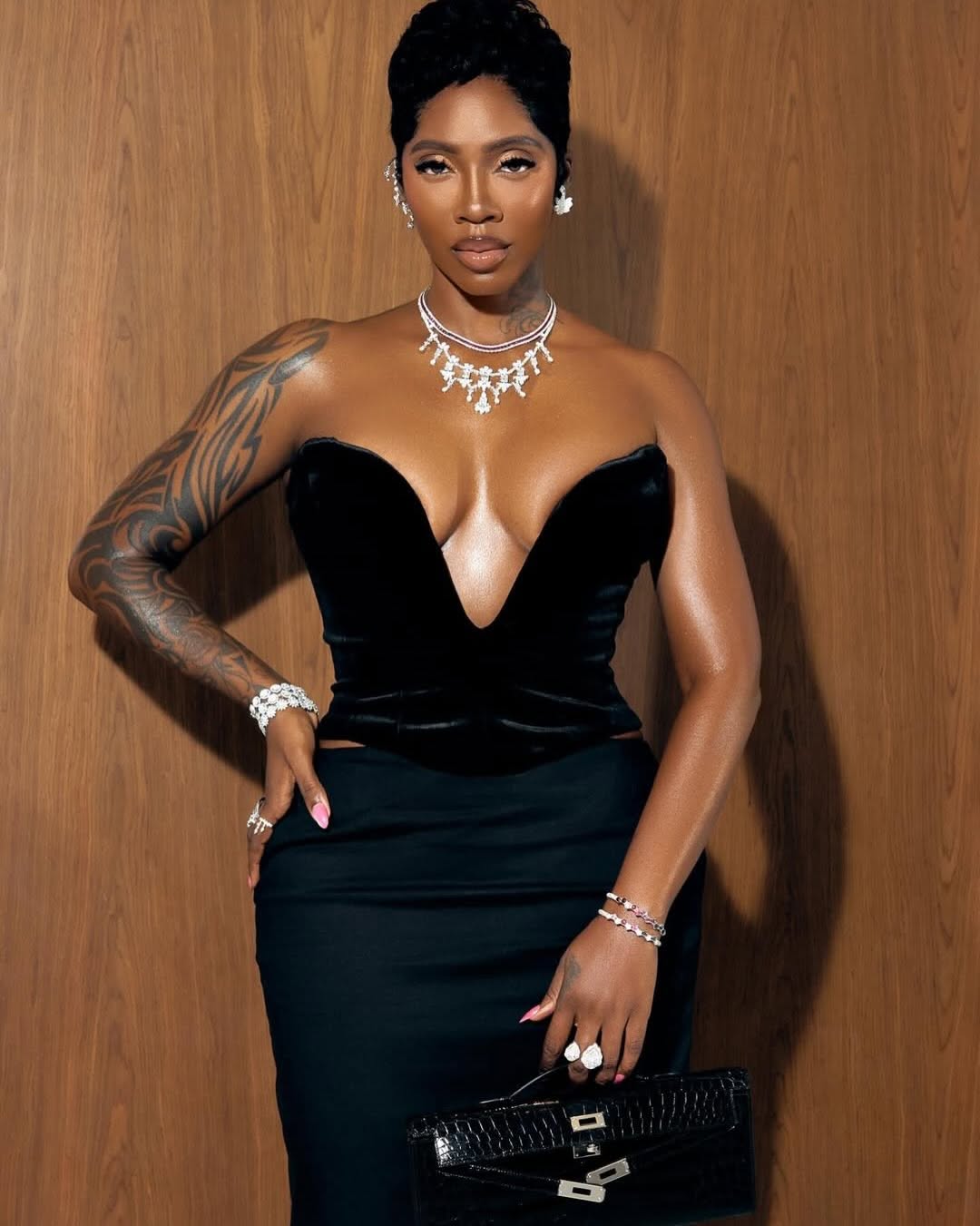
Photo: Instagram/@tiwasavage
Tiwa Savage has spent more than a decade building her name in music, but her public profile now stretches well beyond the recording studio. Her international career has placed her alongside global artists and on major fashion platforms, including New York Fashion Week, Paris Fashion Week and the British Fashion Awards, while her appearances and brand relationships have made fashion an important part of how she presents herself to the world.
That matters because Savage’s appeal is no longer tied to one song or album. Her music career gives her the platform, while fashion, luxury and commercial partnerships add other dimensions to the brand she has built around her name. In her case, the lesson is simple, a successful career can become the foundation for opportunities in completely different industries.
Toke Makinwa – Media, Beauty and Fashion
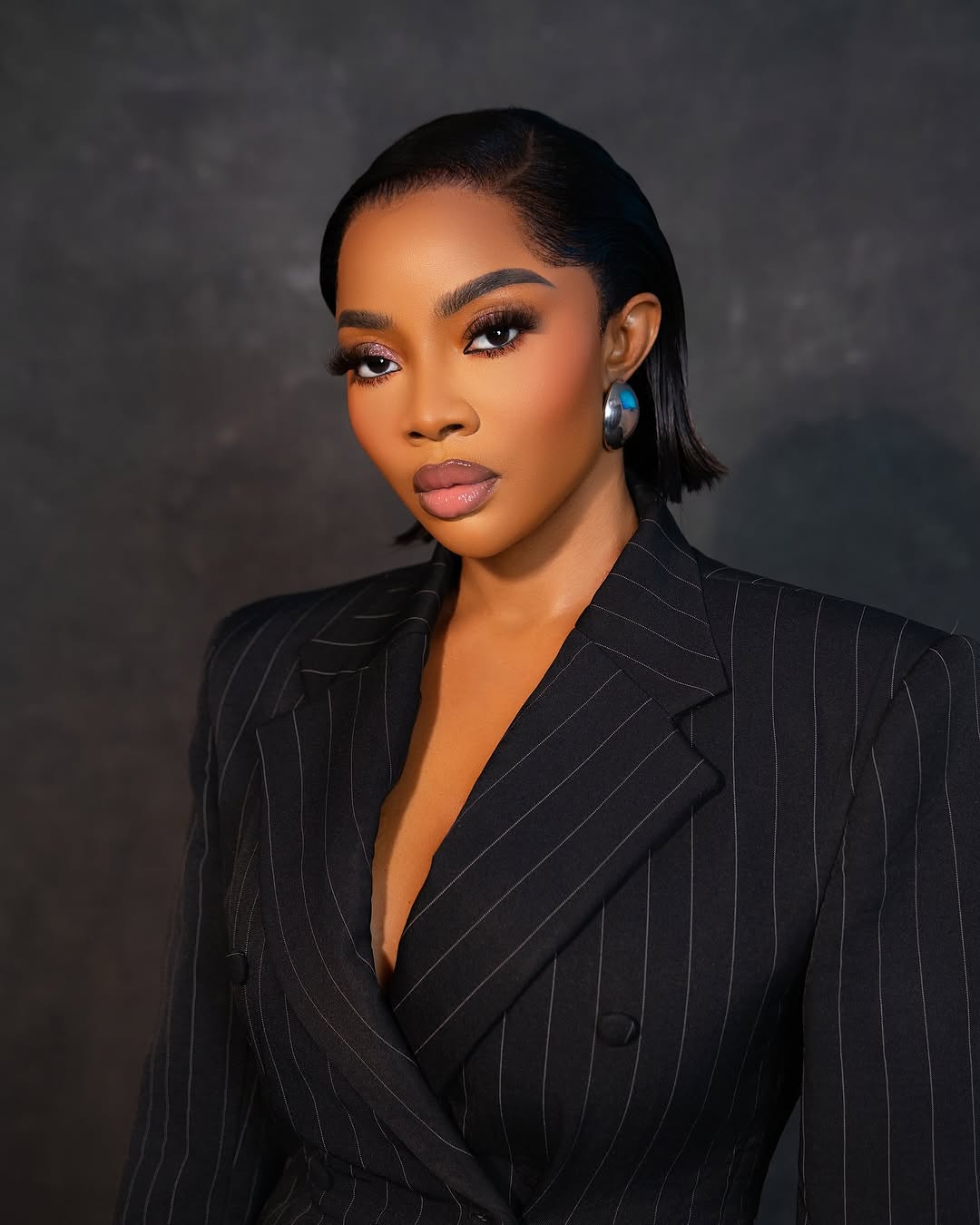
Photo: Instagram/@tokemakinwa
Toke Makinwa has made a career out of being recognisable, but she did not stop at radio, television and social media. Her media career has expanded into publishing, fashion and beauty, including the launch of Glow by TM, a skincare brand she developed with California-based beauty company Buluwa Inc.
The beauty business is particularly relevant to her story because it shows how a personal brand can be converted into a product. Makinwa already had an audience that knew her style and followed her beauty choices, Glow by TM gave that audience something connected to the brand she had spent years building.
Veekee James – Fashion, Celebrity Culture and Business
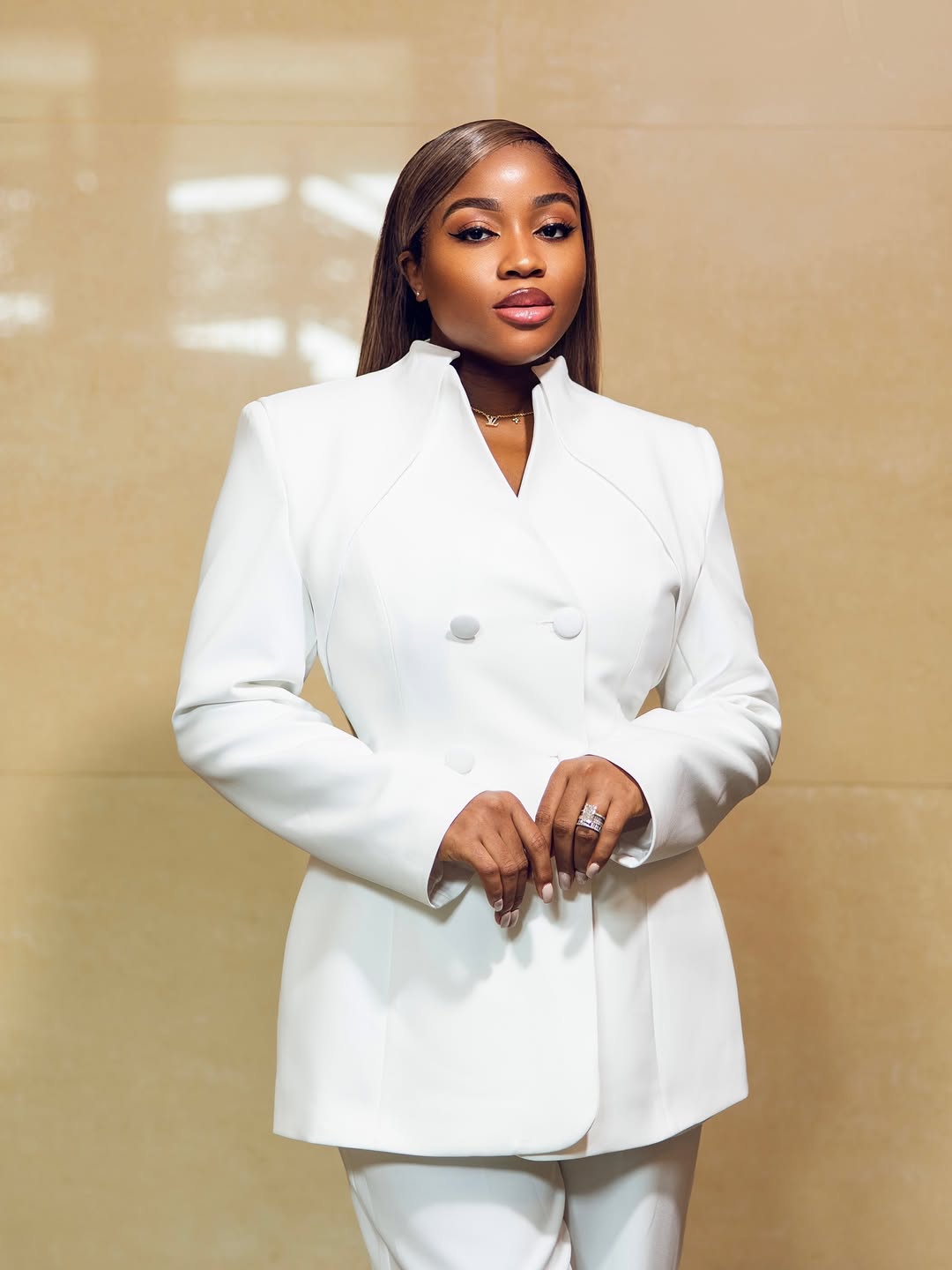
Photo: Instagram/@veekee_james
Veekee James has made fashion her business rather than treating it simply as a creative outlet. Her fashion house, founded in 2018, specialises in custom pieces, and her official profile describes her as an award-winning designer and creative director. She also traces her entrepreneurial interest to childhood, when she made knitted pieces to sell in her local community.
Her rise has also been closely connected to celebrity fashion and social media, where the designer herself has become part of the brand. That combination has helped turn individual clothing designs into a recognisable fashion identity. Veekee’s story is a reminder that the product is not always the only thing people buy into; sometimes, they are also buying into the person, taste and reputation behind it.
Hilda Baci – Food, Entrepreneurship and Lifestyle
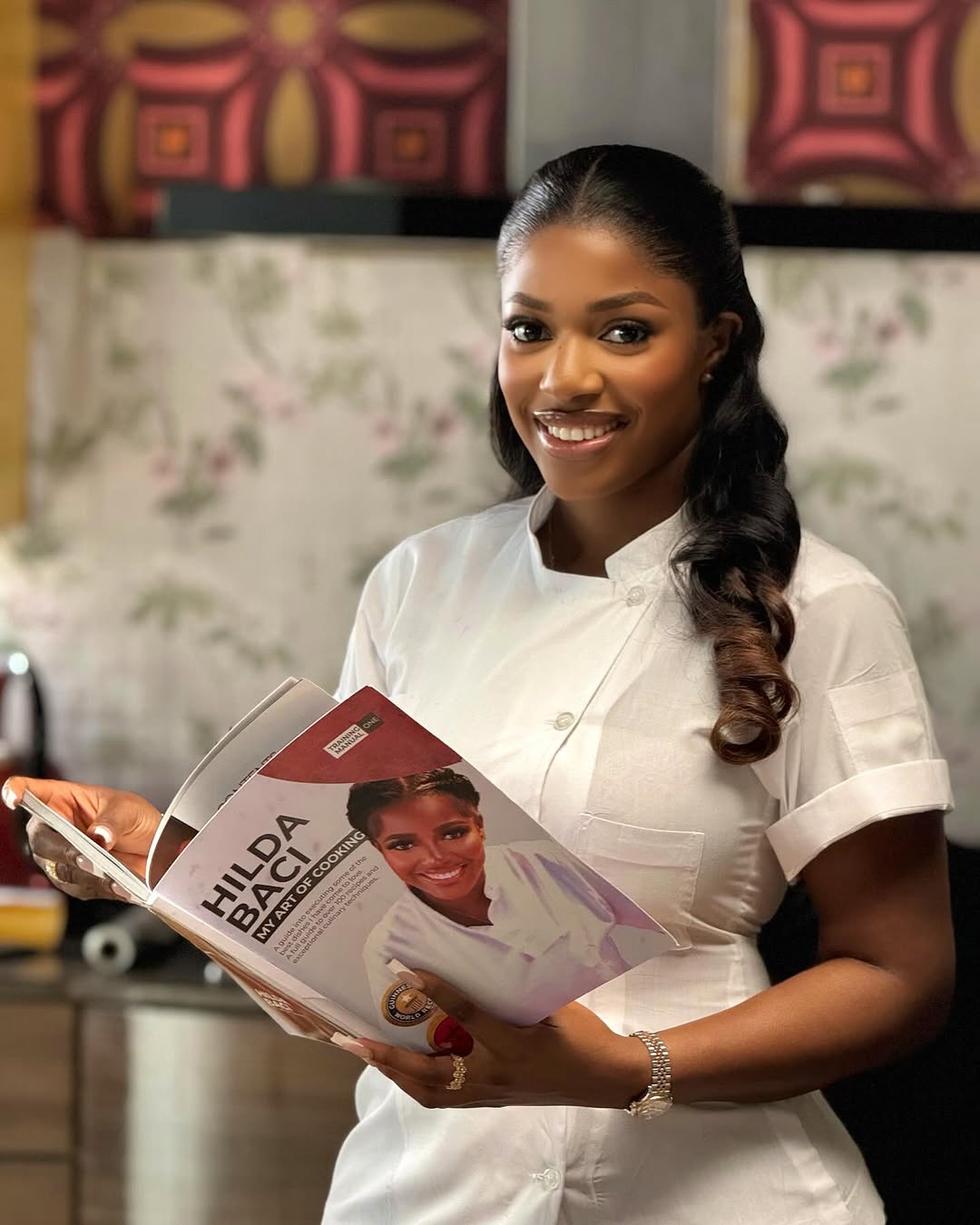
Photo: Instagram/@hildabaci
Hilda Baci‘s rise began in the kitchen, but it did not remain there. In 2023, she officially set the Guinness World Records title for the longest cooking marathon by an individual after cooking for 93 hours and 11 minutes in Lagos. She later returned to the record books in 2025 by creating the largest serving of Nigerian-style jollof rice, weighing 8,780kg.
What makes her story especially interesting is what she has done with the attention. Guinness World Records describes her as a restaurateur who launched Hilda’s Kitchen, now known as My Food by Hilda, while building a large online following around food. The organisation reported in 2026 that expanding My Food by Hilda across Nigeria and eventually into international markets is among her goals. The records brought the spotlight, but the business gives that spotlight somewhere to go.
Linda Ikeji – Media, Business and Wealth
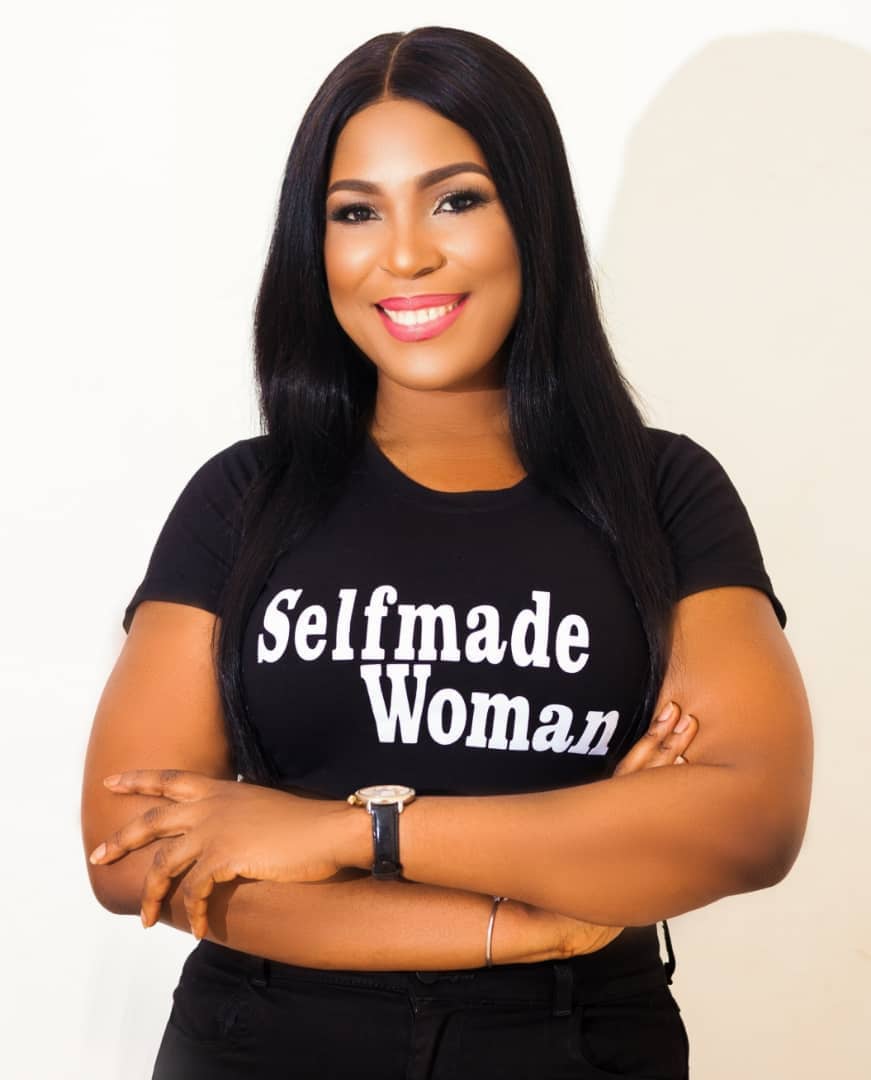
Photo: Linda Ikeji’s Blog
Linda Ikeji represents an earlier chapter of Nigeria’s digital entrepreneurship story. She built one of the country’s best-known media brands around her blog at a time when blogging was still widely treated as a hobby rather than a serious business. From that platform, she expanded into other media ventures, including Linda Ikeji TV.
Her story stands out because she built around an audience before social-media influencing became a mainstream career path. The value was not simply in publishing stories, it was in developing a large readership that could support advertising and other commercial ventures. That makes Ikeji’s career an important part of the conversation around women who have turned attention into ownership.
These women may operate in very different industries, but the common thread is not simply expensive taste. It is the decision to build something around what they already do well. One turned acting into film production, another built a media company, another turned cooking into a food brand, while others extended music, fashion or media careers into new businesses.
The luxury may be what people notice first, but the ownership is the part worth taking notes on.

Ugo Ugochukwu Makes History With 2026 FIA Formula 3 Championship Win

BBNaija Season 11: Barry Wins Week 8 Head of House and Becomes First Finalist

Wisdom Kaye Goes From iPhone Fashion Videos to Winning the Virgil Abloh Award

Abi and Araga Evicted From BBNaija Season 11

Laura Ikeji Proves Polka Dots Are Back and Better Than Ever

The Nigerian It Girls of YouTube.

Mr P Returns With New Music Video for ‘I Can’t Look Away’.

Veekee James and Husband Femi Atere Share Cute Photos of Their Daughter Eliana.




-
 Celebrity Style2 months ago
Laura Ikeji Proves Polka Dots Are Back and Better Than Ever
-
 Entertainment2 months ago
Tems to Executive Produce Children of Blood and Bone Soundtrack
-
 Celebrity Style1 month ago
How Dede Ashiogwu Styles a Classic White Dress
-
 Beauty2 months ago
Everything You Need to Know About Toner Pads
-

 Celebrity News2 months ago
Ayra Starr Opens Up About Taking a Health Break Following Major Surgery
-
 Music1 month ago
Ayra Starr Announces Third Studio Album ‘Starr Girl’
-

 Music3 weeks ago
What Exactly Are Ayra Starr and ZAYN Singing About on “Heaven Baby”?
-

 Celebrity Style1 month ago
The Best Celebrity Looks of July 2026
-
 Big Brother Naija1 month ago
Big Brother Naija Season 11: Sheba Wins Week 2 Head of House Title as Eviction Tension Builds
-

 Music2 months ago
Davido Unveils Oriadé Tracklist Featuring Black Sherif, Aya Nakamura and Leon Thomas