
Movies
“28 Years Later” Trailer Review: Does It Live Up to the Hype?

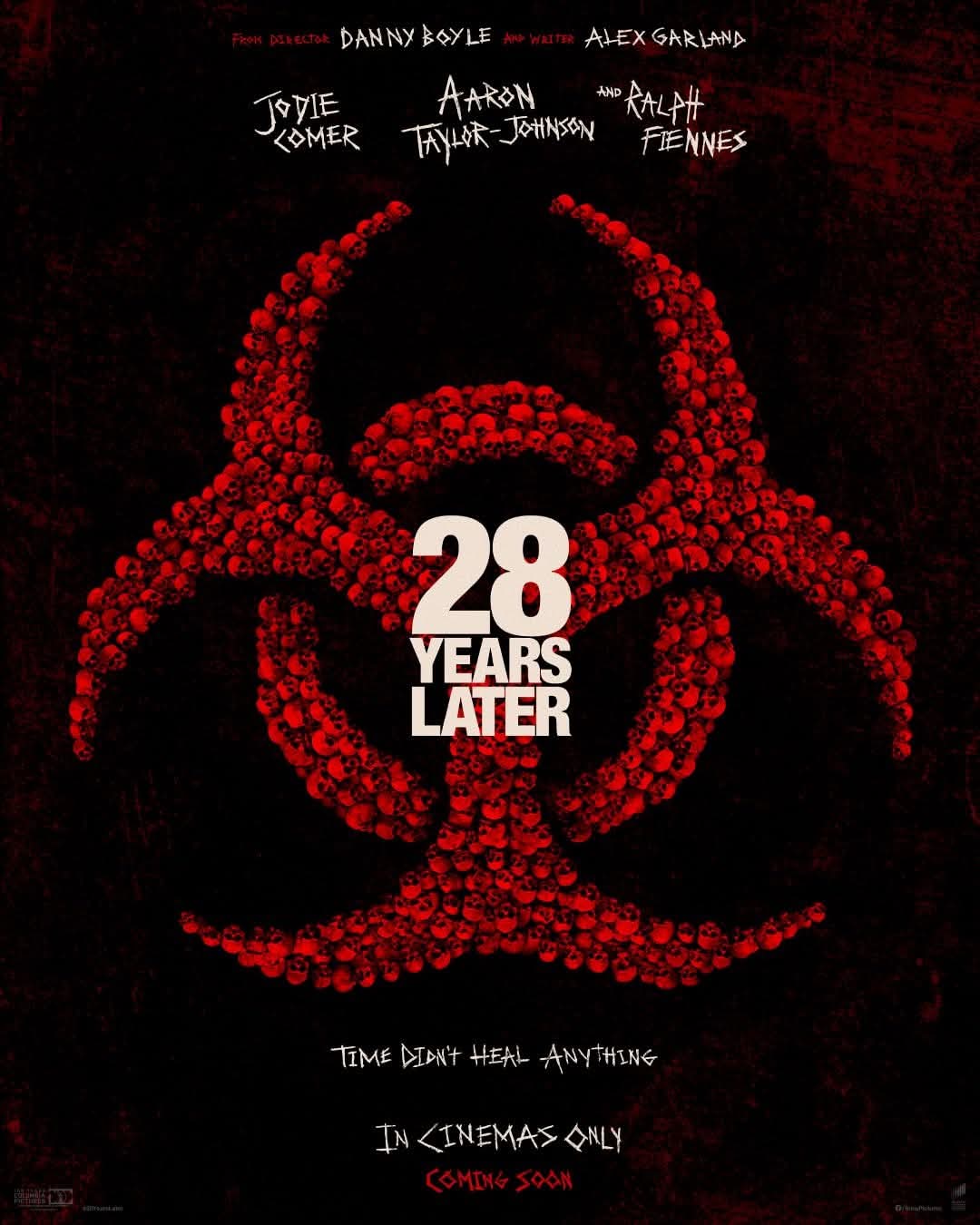
The first look at 28 Years Later arrives with a trailer that mixes quiet moments and sudden shocks. It opens with children watching Teletubbies, then cuts to a dark world haunted by the Rage virus. The voice-over—a 1915 recording of Rudyard Kipling’s poem “Boots”—sets an already strange and tense mood. In this review, we explore plot hints, character development, cinematography, and setting.
Expansion Of The Storyline
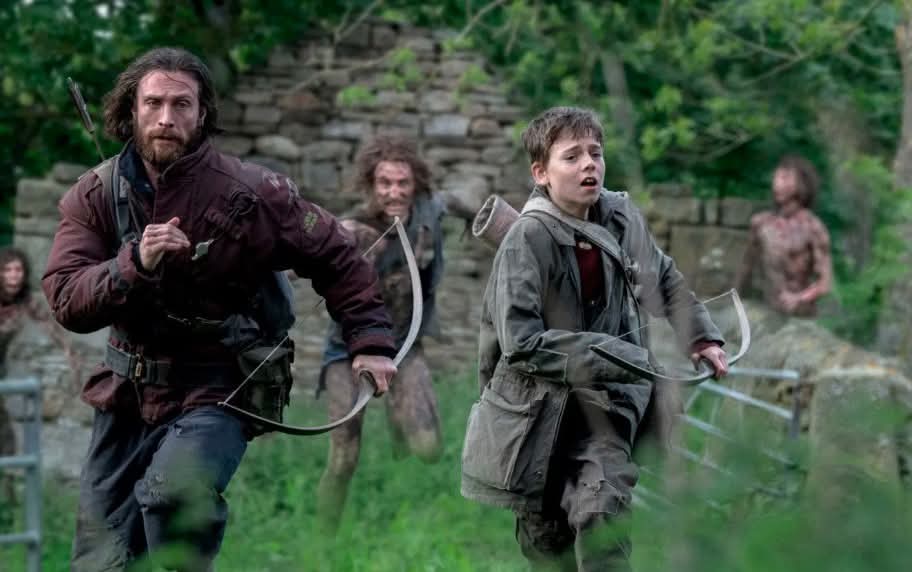
The film is set in 28 years after the virus outbreak. A group of survivors now lives on an island, separated from the mainland by a heavily guarded causeway. When a father and his son leave for the mainland, they encounter new horrors. They find smarter infected hunting in packs, distrustful survivor groups, unsettling truths about life beyond the fence. From the trailer, we catch quick glimpses—a boy learning survival skills, armed men guarding walls, and scenes hinting at shadowy scenes suggesting. While the trailer doesn’t reveal full plot details…but it shows that the it aims to examine the human condition in a world gone dark.
Meeting the Characters

We’re introduced to Jamie (Aaron Taylor-Johnson) and his son Spike (Alfie Williams) as they step into danger. The trailer shows Jamie teaching the boy to be cautious yet brave. We also glimpse Isla (Jodie Comer) and other characters like a possible cult leader (Jack O’Connell) and Dr. Kelson (Ralph Fiennes). From brief scenes, each character appears to carry emotional scars. The trailer teases inner conflicts – fear of loss, hope for a future, and moral tests when survivors clash. Even in short moments, these glimpses suggest that the film will allow its characters to evolve under pressure.
Danny Boyle reunites with cinematographer Anthony Dod Mantle, using a mix of cameras—including iPhones—for a raw, immediate feel. The trailer shows stark images: empty roads, towering fences, skull-stacked towers, burning graves, and misty forests. The use of close-ups and sudden cuts builds tension. The colour palette stays muted, punctuated by sharp flashes of red—blood, warning signs, danger. The lighting feels natural in many scenes: a soft sunset glow in one, flickering firelight in another. These choices create a world that feels both authentic and unsettling.
Setting Of The Movie
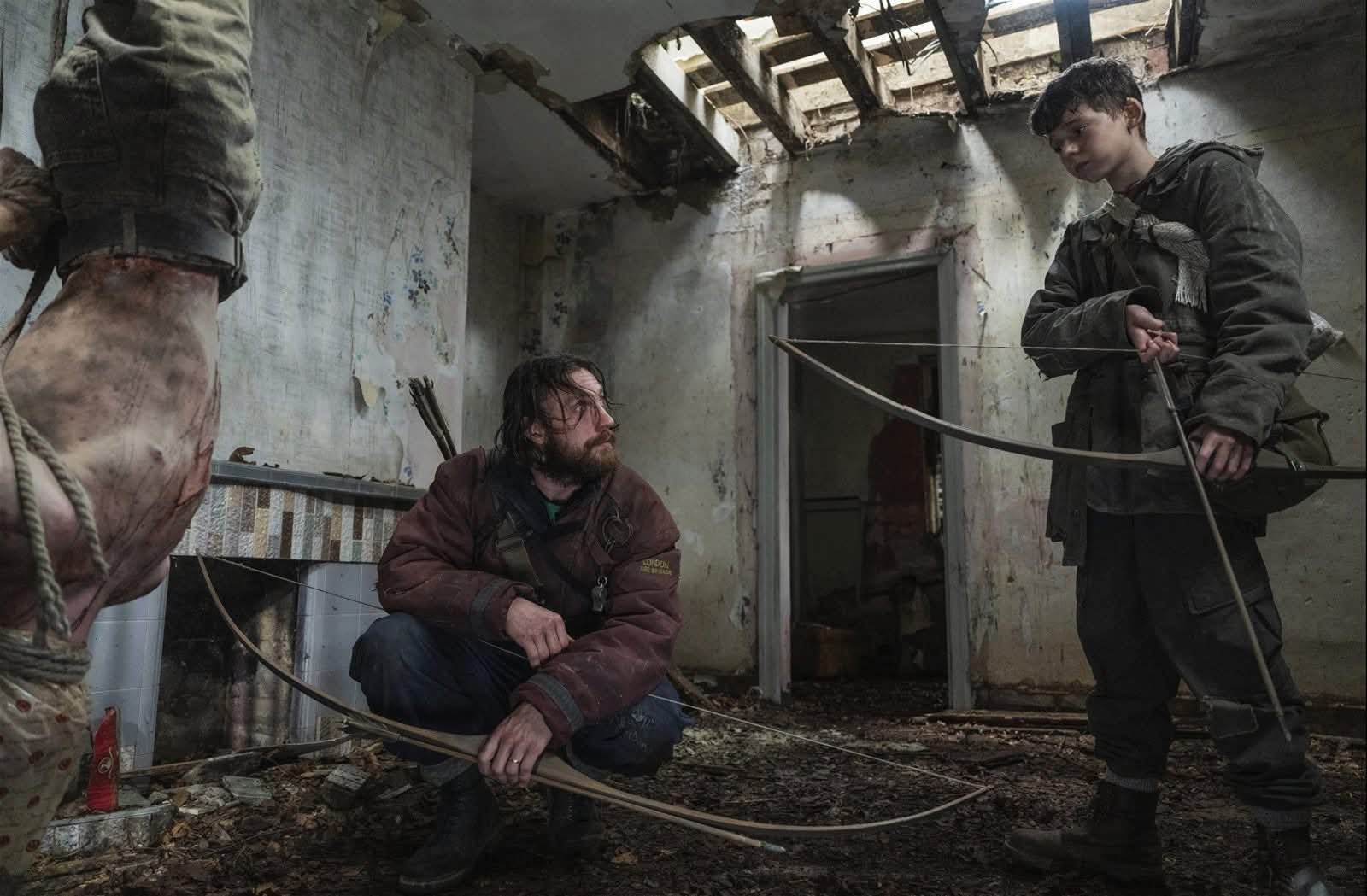
We glimpse a Britain reshaped by collapse: ruined buildings, wild fields, makeshift forts. The island refuge appears calm yet claustrophobic. The mainland seems more dangerous, with brutal weather, overgrown towns, and fragmented societies. The setting taps into real-world anxieties—disease, isolation, group conflicts. The trailer hints at varied locations: forests, fields, empty cities, fences under grey skies. This variety suggests a film that shifts in tone and tension.
Why You Shouldn’t Miss It
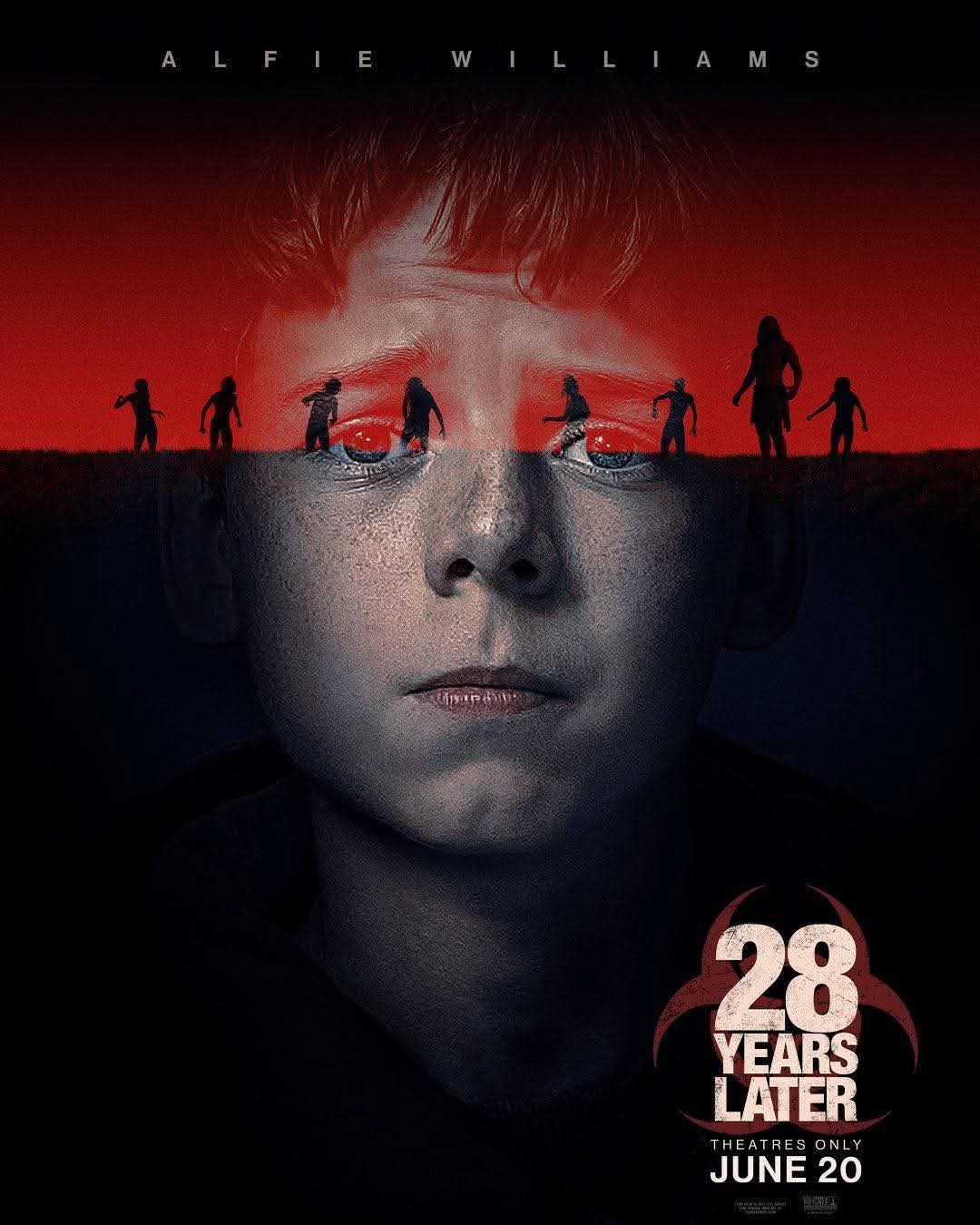
From what the trailer shows, 28 Years Later seems set to mix emotion and horror. It keeps the tense tone of the original while adding new features: smarter infected, complex survivors, and moral choices. Using the poem over the images is a bold choice. The characters seem ready to face real challenges beyond just running and fighting. Of course, a trailer can’t show everything the movie has to offer. But the hints of family bonds, human conflicts, and haunting visuals make me hopeful. If the movie balances scares with deeper questions, it could truly live up to the hype. For viewers who enjoy horror that makes them think, 28 Years Later looks like one to watch when it hits cinemas on June 20, 2025.






When the low-rise jean started creeping back into the fashion scene, many people were unsure what to do with it. For some, it brought back memories of early 2000s styling that felt tricky to wear. For others, it simply looked uncomfortable. But recently, Bimbo Ademoye appeared in a look that quietly shifted that perception. No dramatic styling. No complicated layering. Just a straightforward outfit that made the low-rise jean feel wearable again.

Photo: Instagram
She wore a brown body shaper over the blue low-rise jeans from Adunnis Closet. Instead of pairing them with ultra-short tops, she went with a more relaxed silhouette above the waistline. This small decision softened the usual sharpness that low-rise jeans often bring.
The fit of the jeans also mattered. They were not overly tight. That choice alone removed the pressure often associated with low-rise styles. The relaxed cut allowed the outfit to sit naturally and comfortably on the body.
Footwear played a quiet role in this styling as well. She wore brown open-toe heels Instead of overly chunky shoes, the choice leaned toward something practical. This grounded the entire outfit and removed the idea that low-rise jeans must be dressed up to look stiff.

Photo: Instagram
What makes this appearance significant is not that it reinvented denim. It simply showed a different approach. Low-rise jeans were styled in a way that felt modern without trying too hard.
The styling also avoided excessive accessories. She carried a brown YSL bag, had some sunglasses on and a gold wristwatch. This helped keep the outfit clean and easy to understand. Nothing distracted from the overall structure. The simplicity made it easier to see how the pieces worked together. Bimbo’s styling shows that sometimes, a small shift in styling is enough to change how we see a piece.
Movies
Toka McBaror’s ‘The Creek’ Trailer Drops, Full Cast (Bucci Franklin, Sam Dede, Sunshine Rosman) & What to Expect


The trailer for The Creek has just dropped, giving Nollywood fans a new date to mark: March 27, 2026. Directed by Toka McBaror, produced by Nicholas David Adora, and written by Emeka Jepherson, this Niger Delta action drama wastes no time in establishing its high stakes, with the trailer immediately delivering tense, cinematic visuals and a gripping narrative tone.
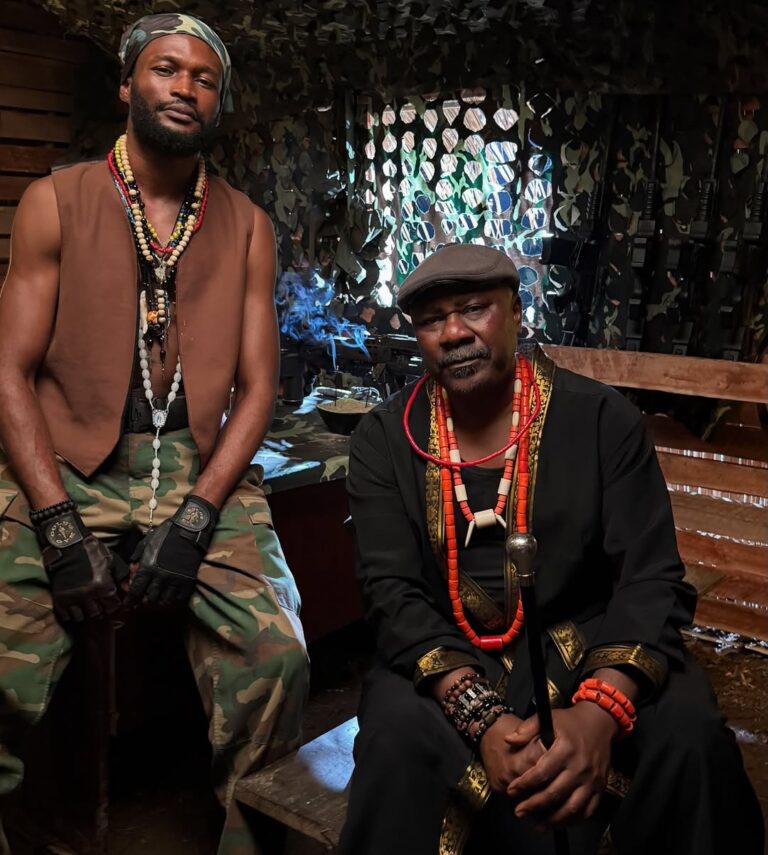
Photo: Instagram
Set in Nigeria’s oil-rich Niger Delta, the story follows men and women where justice is rare and courage comes at a cost. Betrayal, loyalty, and sacrifice shape their lives, while the creeks themselves come alive through sweeping cinematography and tense, intimate shots that make every scene feel charged with danger.
Bucci Franklin stars as Fishbone, connected to both the water and the streets. Sam Dede commands the screen as Selebo, while Sunshine Rosman brings Belema to life, sharing strong on-screen chemistry with Franklin from their To Kill a Monkey days. Haitian-American actor Jimmy Jean-Louis plays John West, Kelechi Udegbe is Shin.
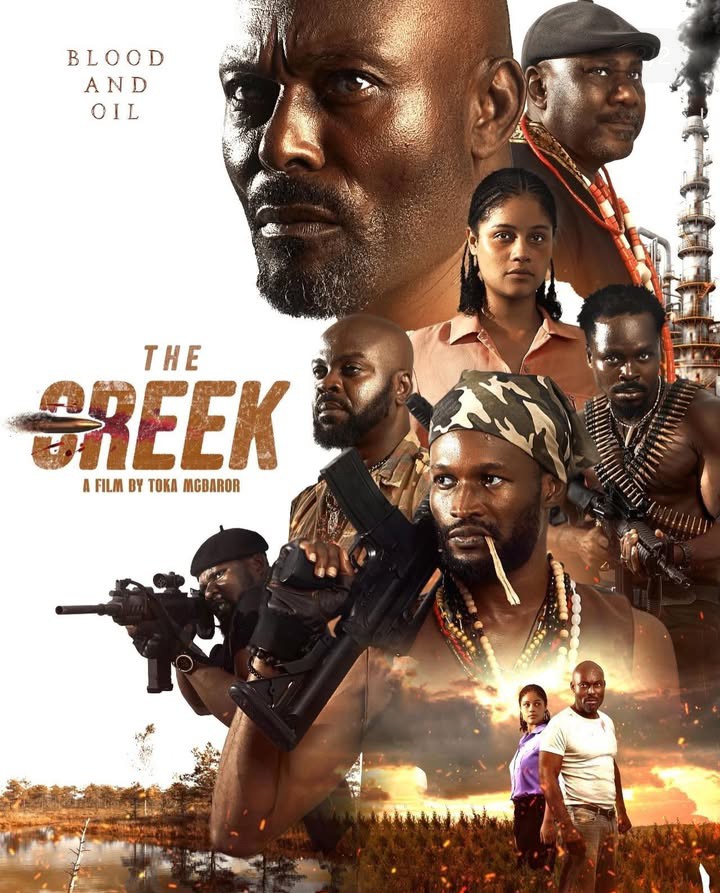
Photo: Instagram
Fans of To Kill a Monkey will recognize Franklin and Rosman, but here they face a very different world the dangerous, unpredictable Niger Delta. The trailer shows intense action, moody lighting, and constant tension, making the story as much about emotion and visuals as it is about plot.
The Creek is set to hit cinemas nationwide on March 27, 2026, promising a thrilling cinematic experience that combines action, emotional intensity, and visual storytelling.

After more than 30 years as one of Nollywood’s busiest and most influential performers, Omotola Jalade‑Ekeinde is moving into a new phase of her career, behind the camera. Her first feature as a director, Mother’s Love, premiered at the 50th Toronto International Film Festival in September 2025, marking a rare moment where a Nigerian film from an established star has taken its first steps on a major international stage.
The decision to direct was not accidental. For years Omotola has been vocal about the kinds of stories she feels Nollywood underexplores. In interviews ahead of the film’s release, she pointed to a lack of authentic portrayals of mother‑daughter relationships in Nigerian cinema, a gap she was determined to fill. Her comments underline how personal the project is: she talked about her own experiences with parenting and discipline, and how that shaped her understanding of love and expectation.
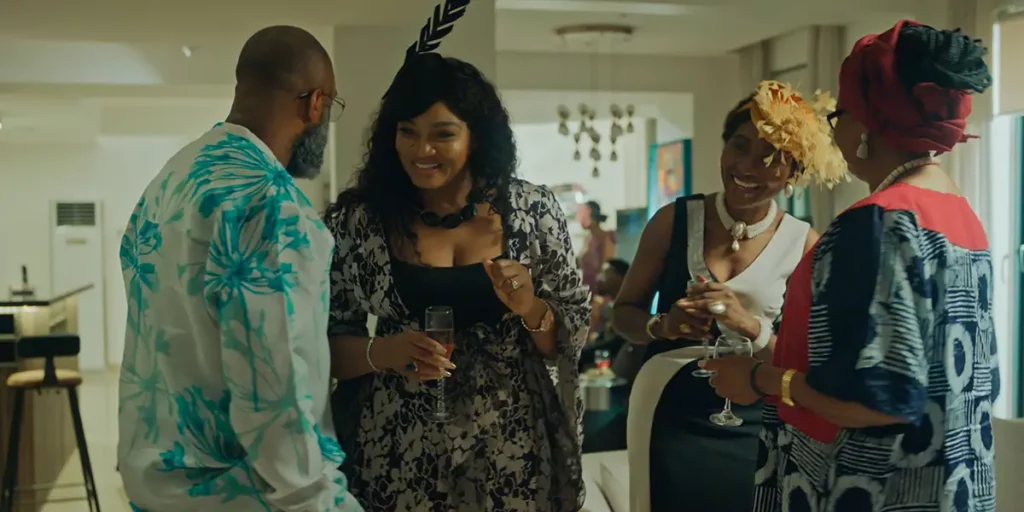
Photo Credit – Google
Mother’s Love is anchored in the relationship between a young woman and her mother, set against the backdrop of class divides and social pressures. The story follows Adebisi, a sheltered daughter from an affluent background who enters the National Youth Service Corps (NYSC), a rite of passage for many Nigerian graduates. Removed from her familiar environment, she begins to see the world, and herself, differently. What starts as a coming‑of‑age arc becomes more complex as the narrative shifts to the mother’s own hidden wounds, grief, and the emotional cost of protection.
The cast blends familiar and rising Nigerian talent. Omotola herself appears in the film alongside actors such as Ifeanyi Kalu, Noray Nehita, Lilian Afegbai, Nosa Rex, and Olumide Oworu.

Photo Credit – Google
Critics and industry professionals at TIFF praised the film’s maturity and emotional reach. Filmmaker Obi Emelonye described it as a debut “that deserves to be studied at Harvard,” reflecting the respect the project garnered from peers as well as audiences at the festival’s Lightbox screening.
Mother’s Love was shot in English and Pidgin English, a choice Omotola said was deliberate, a reflection of lived speech patterns and cultural nuance. The production took place largely in Nigeria, and the story’s texture highlights everyday realities rather than glossing them over.

Photo Credit – Google
Omotola’s path into directing was influenced by her recent foray into digital production. A short YouTube project encouraged by fellow filmmaker Ruth Kadiri opened a new creative door, giving her the confidence to try a bigger narrative project. She has described how that initial experience helped crystallise the idea for Mother’s Love, a film she initially feared might not be taken seriously.
Strategically, Mother’s Love is positioned to extend its impact beyond its festival debut. After TIFF, the film continued to other events such as the Silicon Valley African Film Festival, building buzz ahead of its planned nationwide release in Nigeria on March 6, 2026.

Photo Credit – Google
Omotola’s transition into directing is not just a career pivot, it is part of a broader conversation about Nigerian storytelling, representation, and the kinds of narratives that resonate both locally and globally. By choosing a story rooted in familial complexity and emotional honesty, avoiding stereotypes and simplistic sentiment, she is staking a claim that Nollywood can evolve into more nuanced, textured filmmaking without losing its cultural specificity.
Mother’s Love arrives at a moment when Nigerian cinema is at an inflection point, increasingly present at international festivals and engaging with diverse audiences. For Omotola, it’s both an artistic milestone and a statement: the industry’s most familiar faces can also be its most thoughtful storytellers.

The Nike Air Max Plus is Taking Over Lagos Homecoming Festival

Tracee Ellis Ross Launches Eyewear Collaboration with Emmanuelle Khanh

Priscilla Ojo Gets It Just Right in Brown Tones and Sharp Corsetry

Hawa Magaji Shows How to Style Sports Shorts

Toyin Abraham’s Over Sabi Aunty Crosses ₦1 Billion at the Box Office

Pantone’s 2026 Colour Cloud Trend Gets Uche Montana’s Seal of Approval

Uzor Arukwe, Idia Aisien and Others at the Bridgerton Season 4 Premiere in South Africa

Tolu Bally Impresses in Bold Floral Two-Piece Look
Tracee Ellis Ross Launches Eyewear Collaboration with Emmanuelle Khanh

Mr Eazi Leads DJ Cuppy Through a Private Wine Tasting

Toka McBaror’s ‘The Creek’ Trailer Drops, Full Cast (Bucci Franklin, Sam Dede, Sunshine Rosman) & What to Expect

Are We Finally Getting the R9 Album? Fans Read the Signs Around Rihanna


-
 Movies2 months ago
Toyin Abraham’s Over Sabi Aunty Crosses ₦1 Billion at the Box Office
-
 Celebrity Style3 months ago
Pantone’s 2026 Colour Cloud Trend Gets Uche Montana’s Seal of Approval
-
 Celebrity Style2 months ago
Uzor Arukwe, Idia Aisien and Others at the Bridgerton Season 4 Premiere in South Africa
-

 Celebrity Style4 months ago
Uche Montana Offers a Perfect Take on Wearing Leather
-
 Fashion3 months ago
Tolu Bally Impresses in Bold Floral Two-Piece Look
-

 Health4 months ago
Disordered Eating Vs. Eating Disorder: Experts Explain The Differences And When To Seek Help
-

 Fitness4 months ago
Glute Workouts That Deliver Real Results
-

 Movies5 months ago
4 Nollywood Movies To Watch This Week
-

 Celebrity Style4 months ago
November’s Best Dressed Star
-

 Sex & Relashionships3 months ago
Dating App Worth Swiping Right on in 2026