
Lifestyle
10 Love Languages Women Respond to


About a year ago, my best friend’s husband sent an SOS to me. It came as a shock; for starters it was the first time he was sending that type of message, secondly, I was troubled when he made me promise not to tell his wife about our little phone chat. I arrived ten minutes early to the place he had picked with a mild headache as a result of overthinking.
When he arrived, I noticed he looked drained and had bags under his eyes and seemed to have lost a few pounds from the last time we saw. He sat down heavily in a chair, “your friend is driving me nuts,” he blurted out, “she’s changed, so unreasonable and difficult to satisfy and it’s killing me.” I felt instant pity for him, this was a man in-love with his wife and ready to do anything to make her happy. I heaved a sigh of relief asked him not to worry as I educated him on Gary Chapman’s “love language” he left with a new spark in his eye and safe to say things have been going just perfect for them.
Relationship can never be perfect because people are not perfect. Every man or woman faults as well as virtues. We are sad, selfish, ungrateful or rude. We all have our definition of love, your definition of love cannot be the same as your partner’s and this is where problem comes from. Your woman is not unreasonable or detached you just haven’t discovered what her love language is yet. According to Gary Chapman, the author of “The Five Love Language” here are ten most common love language that women use or respond to.

Quality Time: Being married or in a long term relationship doesn’t mean fun has to end. Plan uninterrupted time with her such as romantic dinners, trips and movie dates. Be intentional about her interests and values by doing this you make her feel cherished.
Physical Touch: Affection in form of touching is not primarily reserved for making love. This can be anything from holding hands to cuddling. Touch is powerful and speaks louder than words, especially for women who prioritize this love language.
Acts of Service: Doing something practical for her, like gisting with her while she cooks or running an errand, can make a woman feel loved and supported.
Listening: Not listening is the number one mistake most men make. Women like to talk, and value it when their partner truly listens to them and responds thoughtfully to what they’re saying.
Compliments: Every woman wants to feel special. Not just feeling sexually attractive to you, but they want to know they’re appreciated, use your words.
Recieving Gifts: For women who prioritize this love language, gifts don’t have to be expensive or extravagant; even small thoughtful gestures like a call in the middle of the day can make a big impact.
Quality Conversation: Women use conversation primarily to form connections with people, with that said, having meaningful discussion can help strengthen the emotional connection between partners.
Acceptance: No woman wants to walk on eggshells around her partner. Women who prioritize this love language want to be fully accepted and not rejected for who they are or what they want.
Unforgettable Memories: Looking back on shared experiences, such as anniversaries, special vacations, or other memorable moments, can be a powerful way to strengthen a relationship.
Emotional Support: Nothing beats having a compassionate partner that feels your pain as much as you do and support you. Women who prioritize this love language might feel unloved if you’re not supportive emotionally.
Remember, the key is to find out which love language your partner prefers.












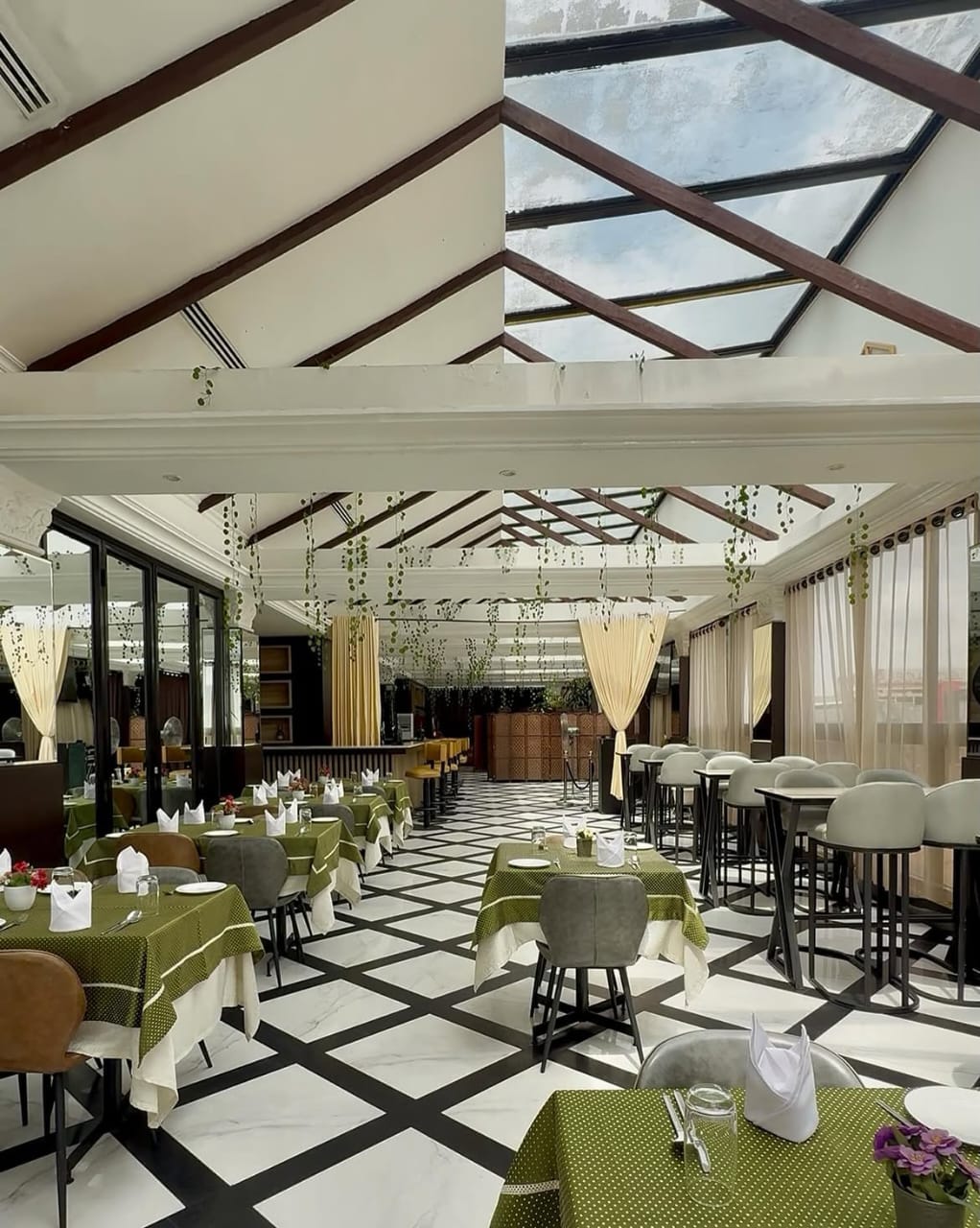
Abuja’s restaurant increasingly combines dining with visually appealing interiors and outdoor spaces. Across the city, a handful of restaurants have created spaces where stylish interiors, inviting outdoor settings and beautifully presented meals naturally encourage guests to reach for their cameras. Whether you’re planning brunch with friends or a special dinner, these restaurants offer plenty of reasons to snap a few photos before the meal begins.
BluCabana Restaurant
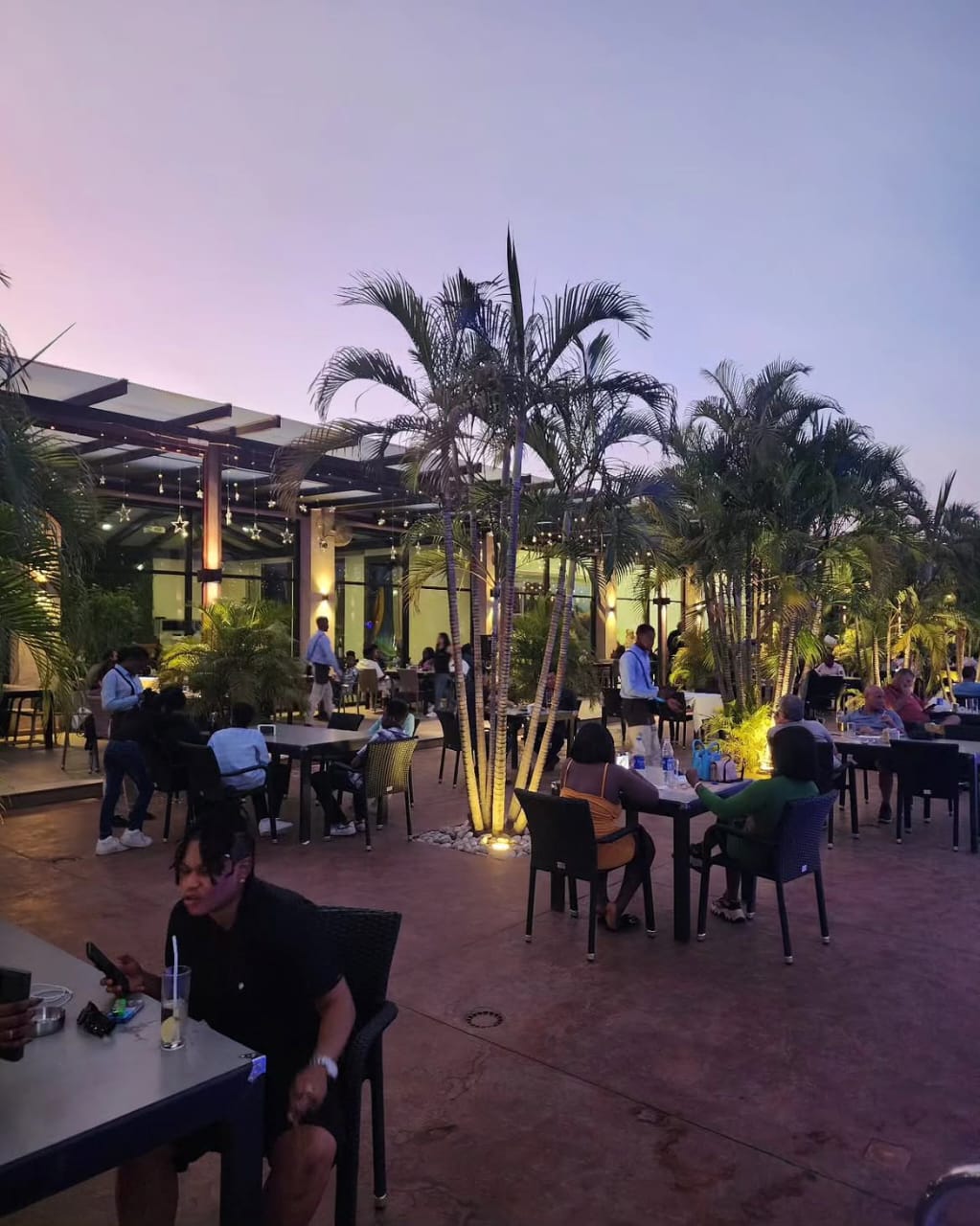
Photo: Instagram
At BluCabana Restaurant in Mabushi, the atmosphere is completely different. Surrounded by palm trees, landscaped gardens and a swimming pool, the restaurant feels like a quiet escape from the city’s bustle. Guests can dine indoors, on the terrace or beside the pool, each offering its own unique setting. The menu includes grilled meats, seafood, burgers, pasta, pancakes and colourful cocktails that add extra appeal to any table shot.
Pickle Social House
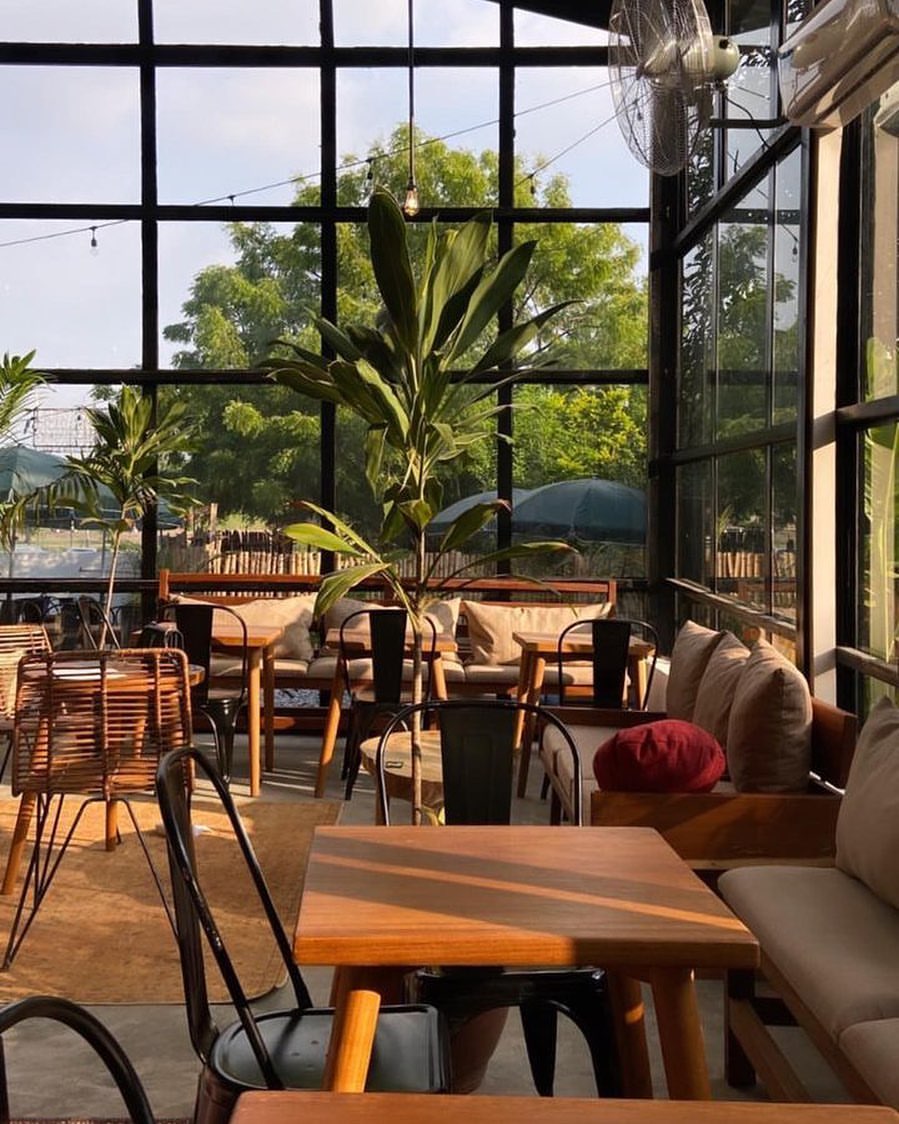
Photo: Instagram
Located within Uzzitz Park, Pickle Social House combines dining with entertainment in a lively setting. Contemporary décor, warm lighting and stylish seating give the venue a vibrant personality, it also hosts live music and social events throughout the year, contributing to its lively atmosphere. The menu features favourites such as burgers, tacos, pizzas, sharing platters and creative cocktails, making it a popular choice for casual outings and group gatherings.
Brunch Lane
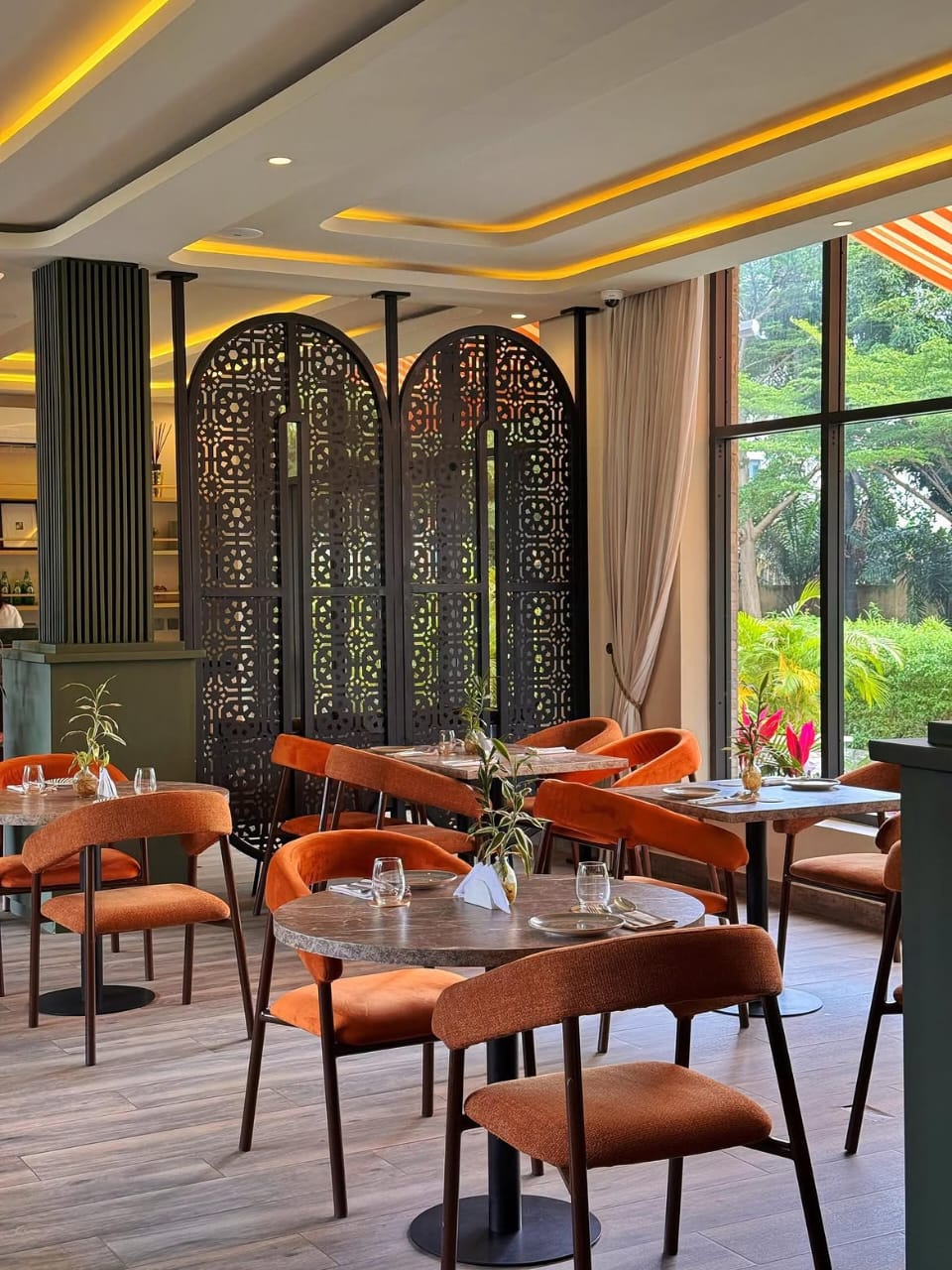
Photo: Instagram
For lovers of brunch, Brunch Lane in Asokoro offers a bright and relaxed setting filled with natural light. Its clean, minimalist interior and wooden furnishings create a calm environment that lets the food take centre stage. Pancakes topped with fresh fruit, avocado toast, eggs prepared in different styles and expertly brewed coffee are served with neat presentation, making every table look ready for a photograph.
The Ivy League Restaurant
Photo: Instagram
The Ivy League sits on the penthouse of Cube Mall in Wuse 2, giving diners sweeping views of the city skyline. The modern interior, floor-to-ceiling windows and rooftop setting make it one of Abuja’s standout dining destinations. Its menu includes steaks, seafood, sushi and cocktails, all presented with careful attention to detail. As daylight fades and the city lights come alive, the restaurant becomes an even more striking backdrop for photos.
Cilantro Abuja
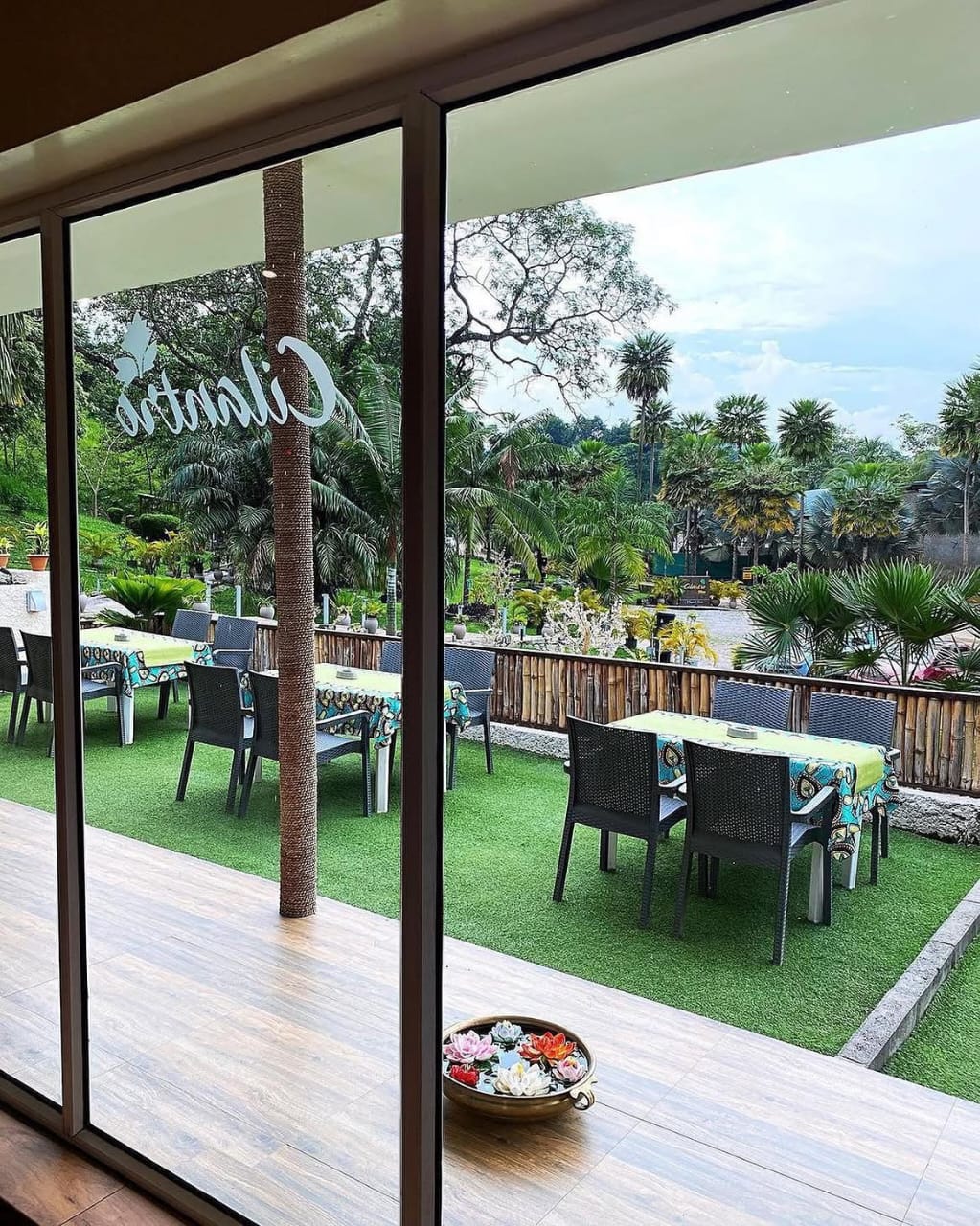
Photo: Instagram
Rounding out the list is Cilantro Abuja, a favourite among fans of Indian cuisine. Set within a peaceful garden environment in Maitama, the restaurant combines elegant indoor dining with spacious outdoor seating surrounded by mature trees. Signature dishes such as butter chicken, biryani, kebabs and freshly baked naan are served with colourful presentation that reflects the richness of Indian cuisine. Together with its landscaped surroundings, the food creates a dining experience that is both memorable and highly photogenic.
Each of these restaurants offers something different, whether it’s rooftop views, poolside scenery, vibrant social spaces or beautifully plated meals. They prove that Abuja’s restaurant scene is not only growing in flavour but also in creativity, giving diners places where good food and eye-catching surroundings come together naturally.
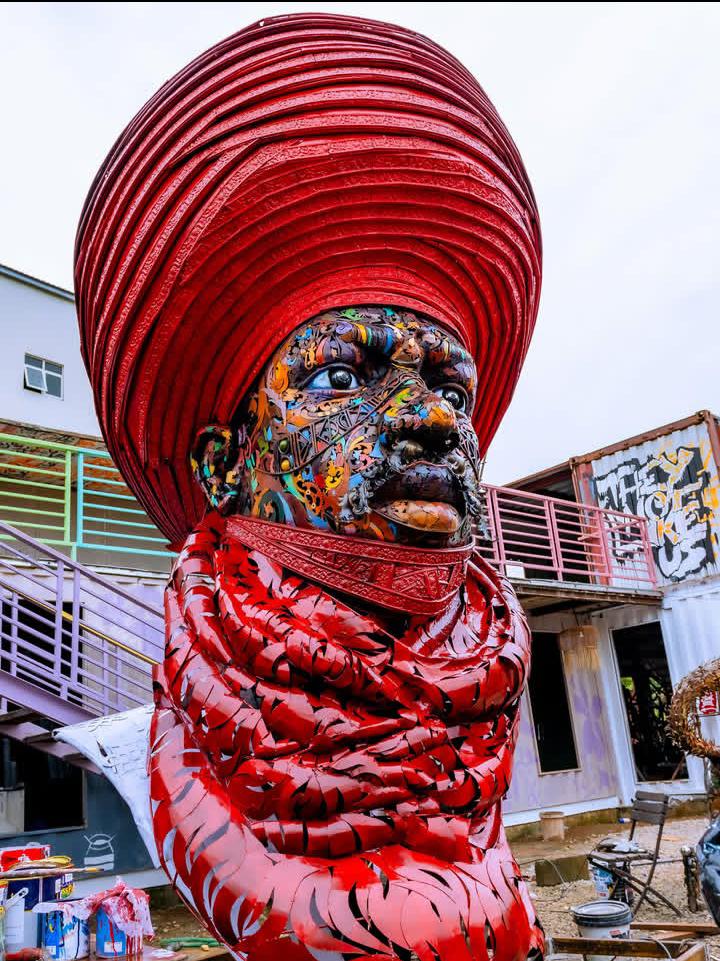
Nigerian sculptor and environmental artist Dotun Popoola is once again drawing attention to the creative possibilities hidden in discarded materials as he officially launched his 8th solo exhibition, Reclaimed Beauty; A Dialogue Between Nations.
The exhibition opened on June 12, 2026, at The Village by Tikera in Abuja and is scheduled to run until September 30. Organised by Tikera Africa in partnership with the Scrap Art Museum, the showcase presents a collection of large-scale sculptures and installations created from scrap metal and other reclaimed materials. According to the organisers, the exhibition explores themes of sustainability, transformation and cultural exchange through art.
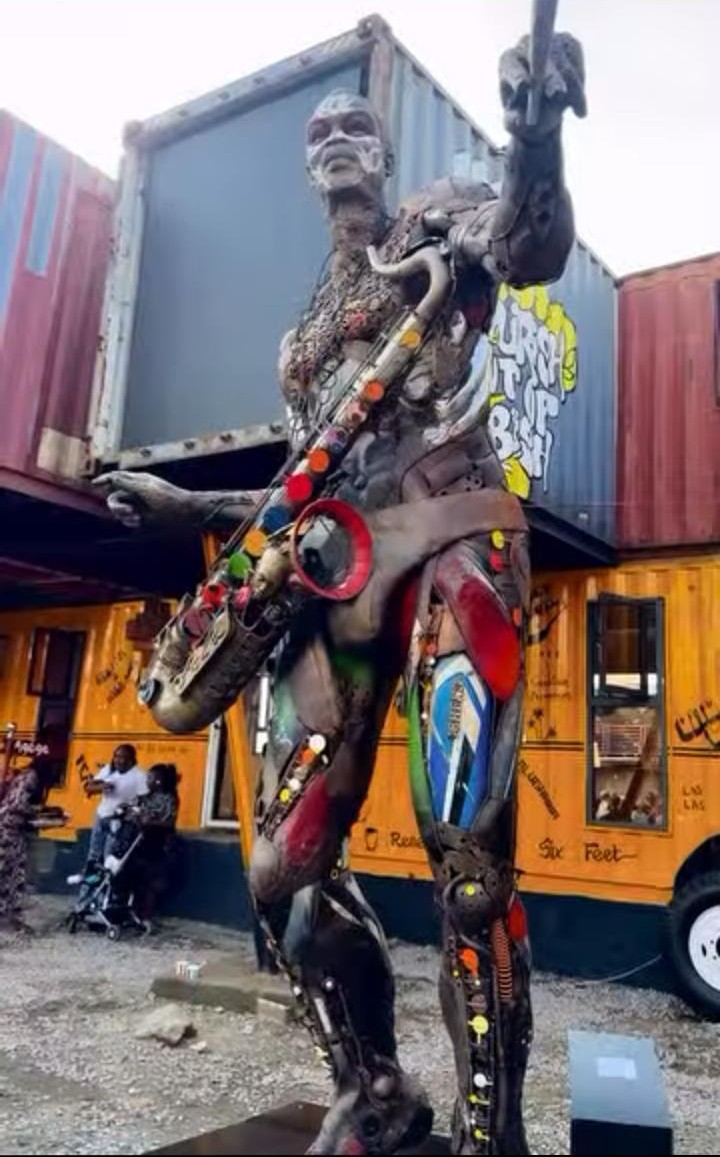
Photo: Instagram
For years, Popoola has built a reputation for transforming discarded metal into detailed sculptures that challenge perceptions of waste. Born in Lagos in 1981, the artist studied at Auchi Polytechnic and later at Obafemi Awolowo University. His work centres on giving new purpose to materials that would otherwise end up in scrapyards or landfills, turning them into pieces that carry both artistic and environmental significance.
Speaking about Reclaimed Beauty, Popoola said the exhibition was inspired by the journey his artworks have taken across different parts of the world. Over the years, his sculptures have been displayed in several countries including the United Kingdom, the United States, Turkey, India, Qatar, Ghana, Morocco and Azerbaijan. Through this experience, he has seen how art made from recycled materials can spark conversations about environmental responsibility beyond national borders.

Photo: Instagram
The exhibition also reflects a growing global interest in sustainable art. Many of the works on display are assembled from metal scraps recovered from waste streams and abandoned industrial materials. Rather than concealing the origins of these materials, Popoola incorporates them into the final designs, allowing viewers to recognise the transformation that has taken place.
During the opening ceremony, Nigeria’s Minister of Arts, Culture, Tourism and the Creative Economy, Hannatu Musawa, praised the artist for turning objects often regarded as waste into works of cultural value. She noted that his sculptures have helped project Nigerian creativity to international audiences while drawing attention to environmental issues.
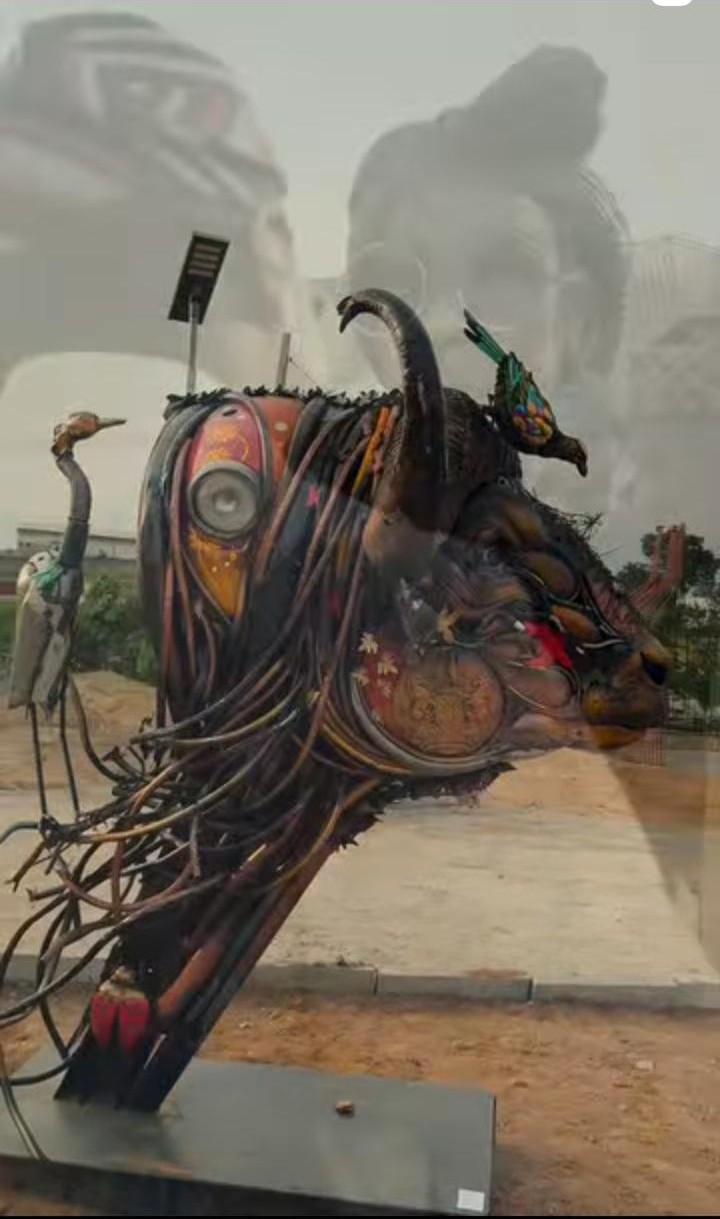
Photo: Instagram
Beyond the visual appeal of the sculptures, Reclaimed Beauty raises questions about consumption, waste management and the role creativity can play in addressing environmental challenges. By giving discarded materials a second life, Popoola invites visitors to reconsider what society throws away and what can still be created from it.
As visitors walk through the exhibition in Abuja, they encounter more than metal sculptures. They are presented with a different way of looking at waste, one that sees possibility where others see disposal. Through Reclaimed Beauty, Dotun Popoola continues to demonstrate how art can transform overlooked materials into objects that inspire conversation, reflection and appreciation.
Father’s Day coming up on June 21, 2026, is more than just another date. It is a day set aside to show appreciation to the men who have spent years offering guidance, support, encouragement, and sometimes even tough lessons that helped shape our lives.
For many people, shopping for dads is not straight forward as most fathers rarely tell you what they want. While mothers drop hints about things they like, fathers tend to say “Anything is fine” or “Don’t worry about buying me anything”. That response makes it difficult to know what gift they would actually appreciate while recognising that behind all these responses is a man who would value being celebrated.
While many fathers insist they do not need anything special, one thoughtful act can go a long way in making them feel valued. Choosing the right present does not always mean spending a huge amount. What matters most is finding something that matches his personality, interests, or daily routine.

Photo: Instagram
For dads who enjoys technology, gadgets such as wireless earbuds, smartwatches and accessories, portable speakers, or power banks can make everyday activities more convenient. These presents combine usefulness with modern style, making them suitable for fathers who like staying connected.
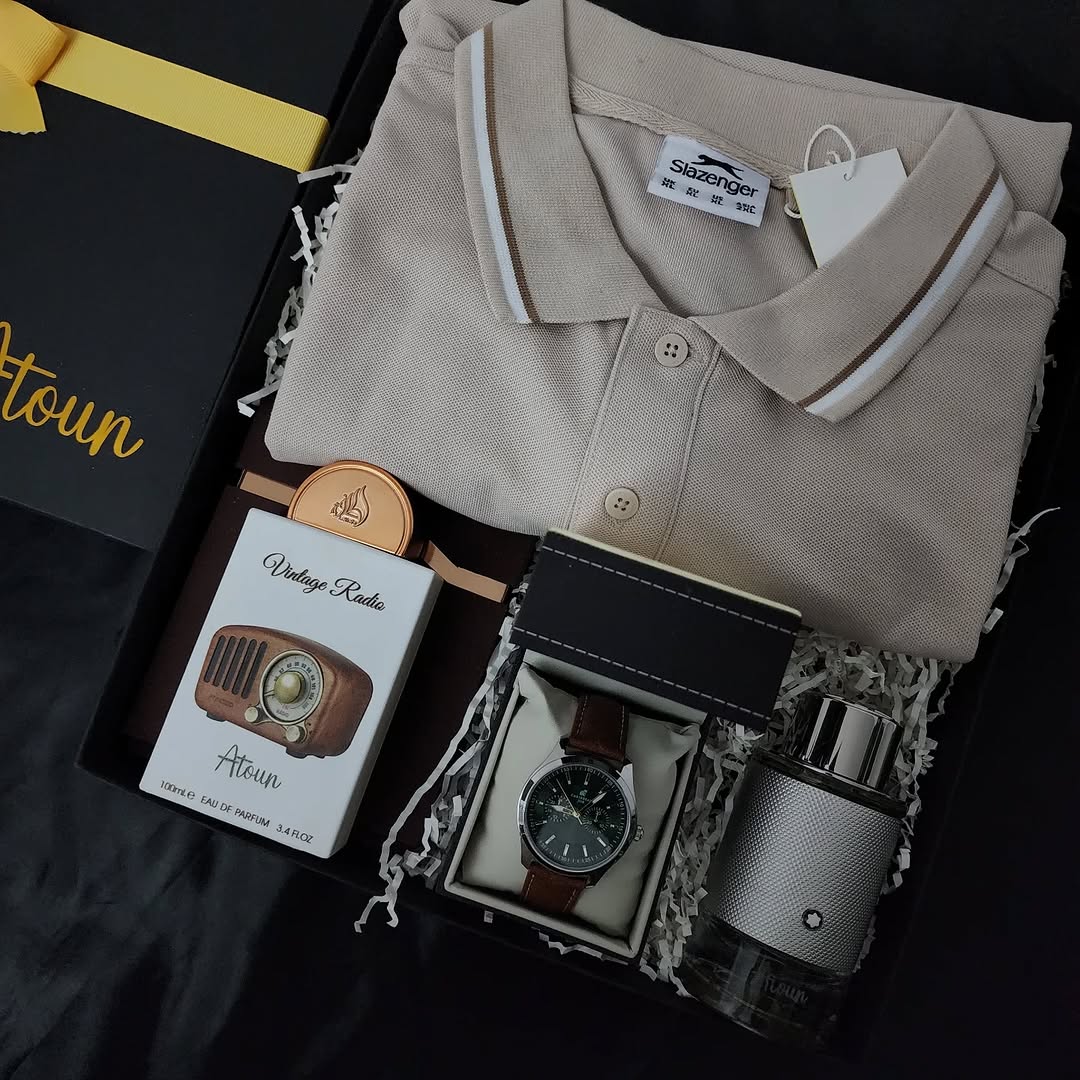
Photo: Instagram
For fashion-conscious dads, consider upgrading his wardrobe with quality outfits he can use regularly. A classic wristwatch, a fragrance, comfortable shoes, or a smart shirt can add a fresh touch to his collection. Some Nigerian fathers do prefer stylish native attires like senator wear, kaftans and agbadas from local designers. These are gifts that remain relevant long after Father’s Day has passed.
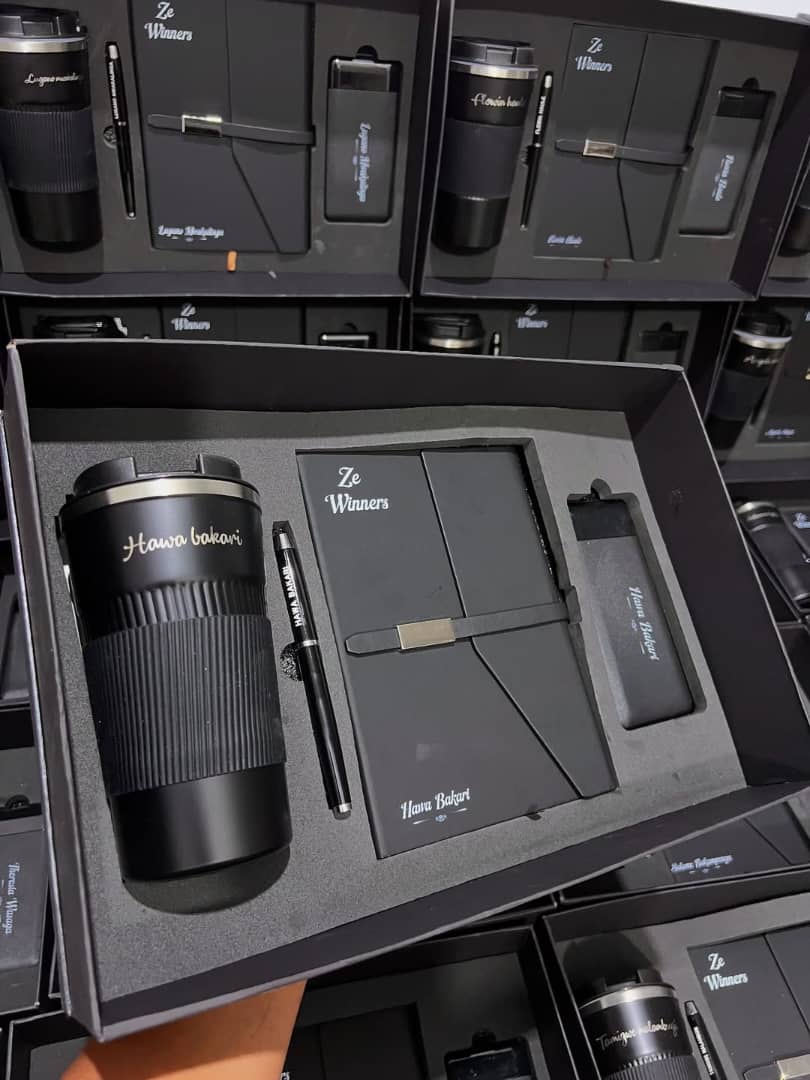
Photo: Instagram
For the father who loves relaxation, comfort-focused presents can be a pleasant surprise. A comfortable lounge set, personalized mug, or even a subscription to his favorite streaming service can help him enjoy his downtime after a busy day. Sometimes the simplest gifts become the most appreciated because they fit naturally into their regular routine.
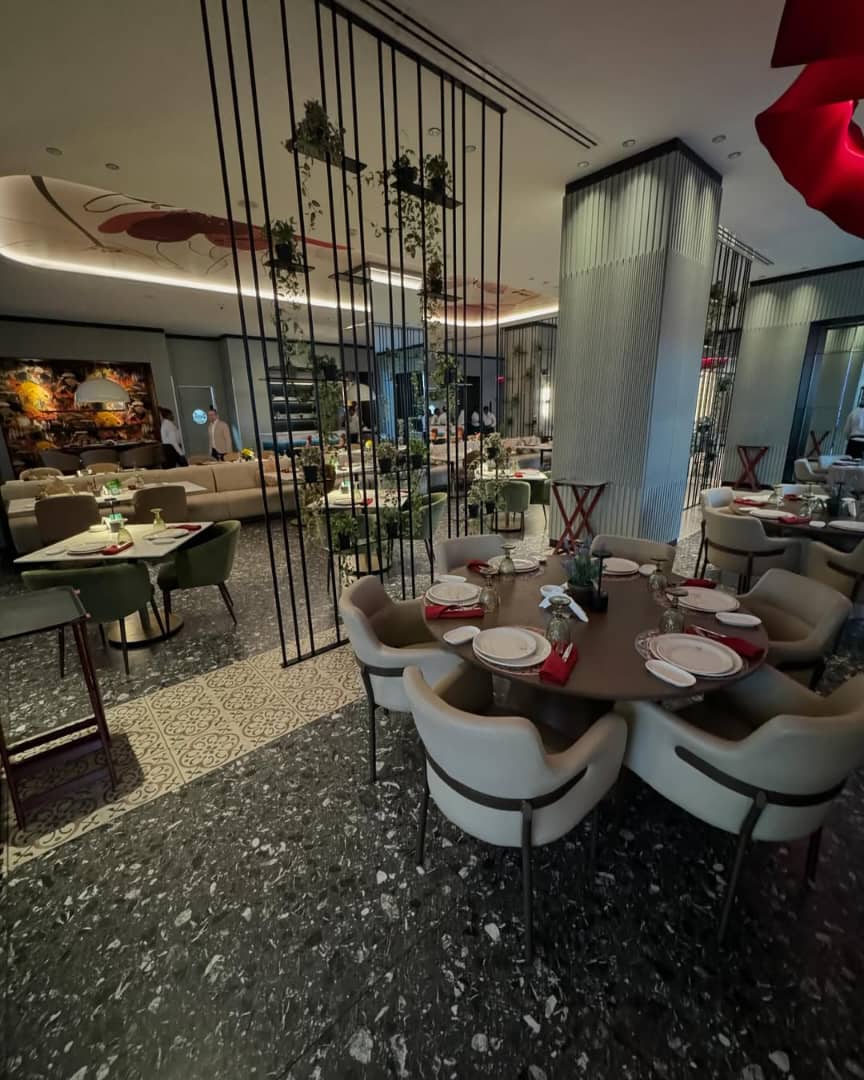
Photo: Instagram
Food-loving dads may enjoy a special dining experience rather than expensive gifts. Preparing his favourite meal at home, organizing a family picnic, or taking him to a restaurant he has always wanted to try can create a lasting memory. Shared moments often leave a stronger impression.
Photo: Pinterest
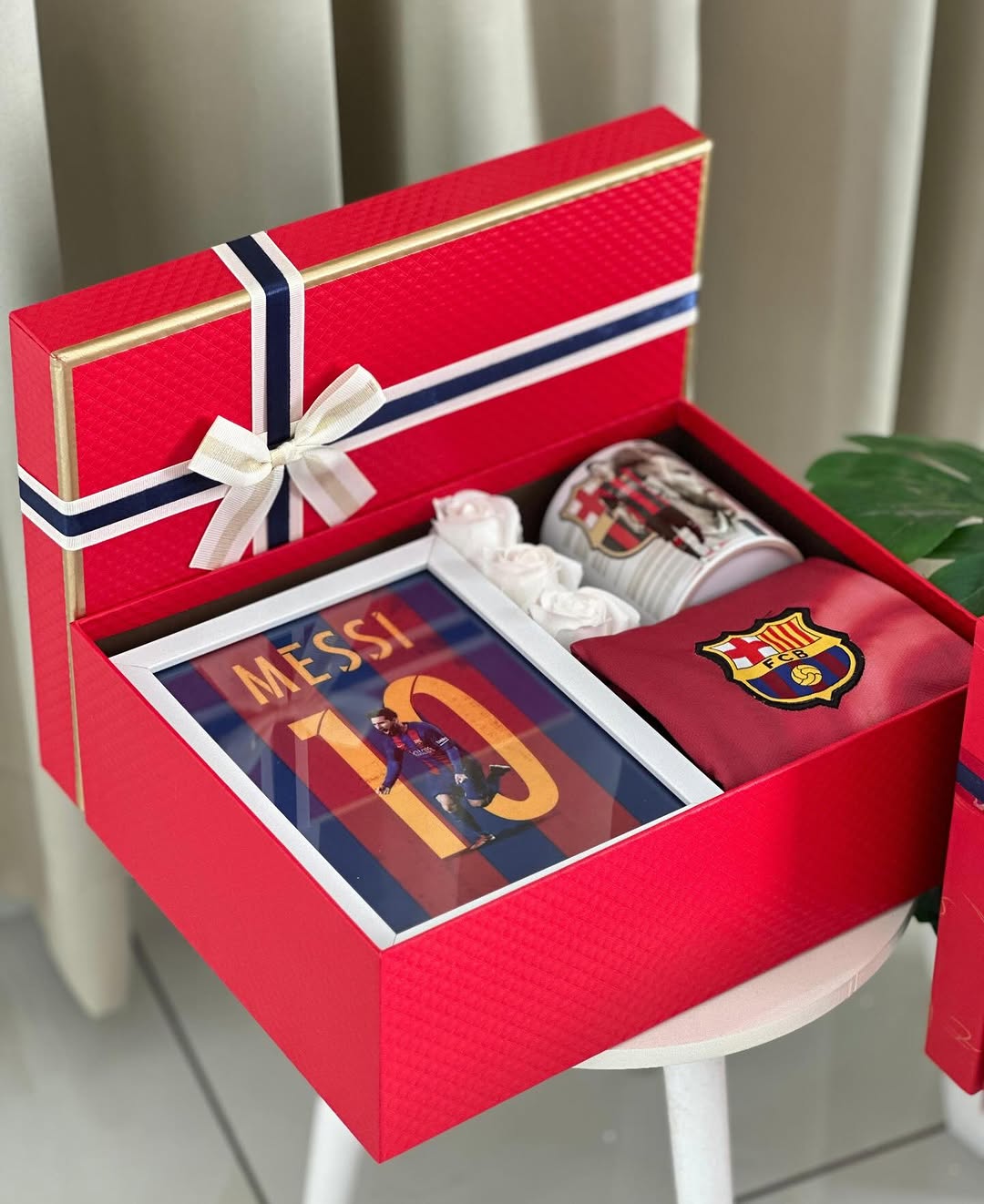
For sports-loving dads items from their favourite team, such as jerseys with their best teams badge or even a mug carrying the sticker of their top athlete, fitness accessories, or tickets to an upcoming match are worth considering. These gifts connect directly to their hobbies and shows that attention was paid to what interests them.
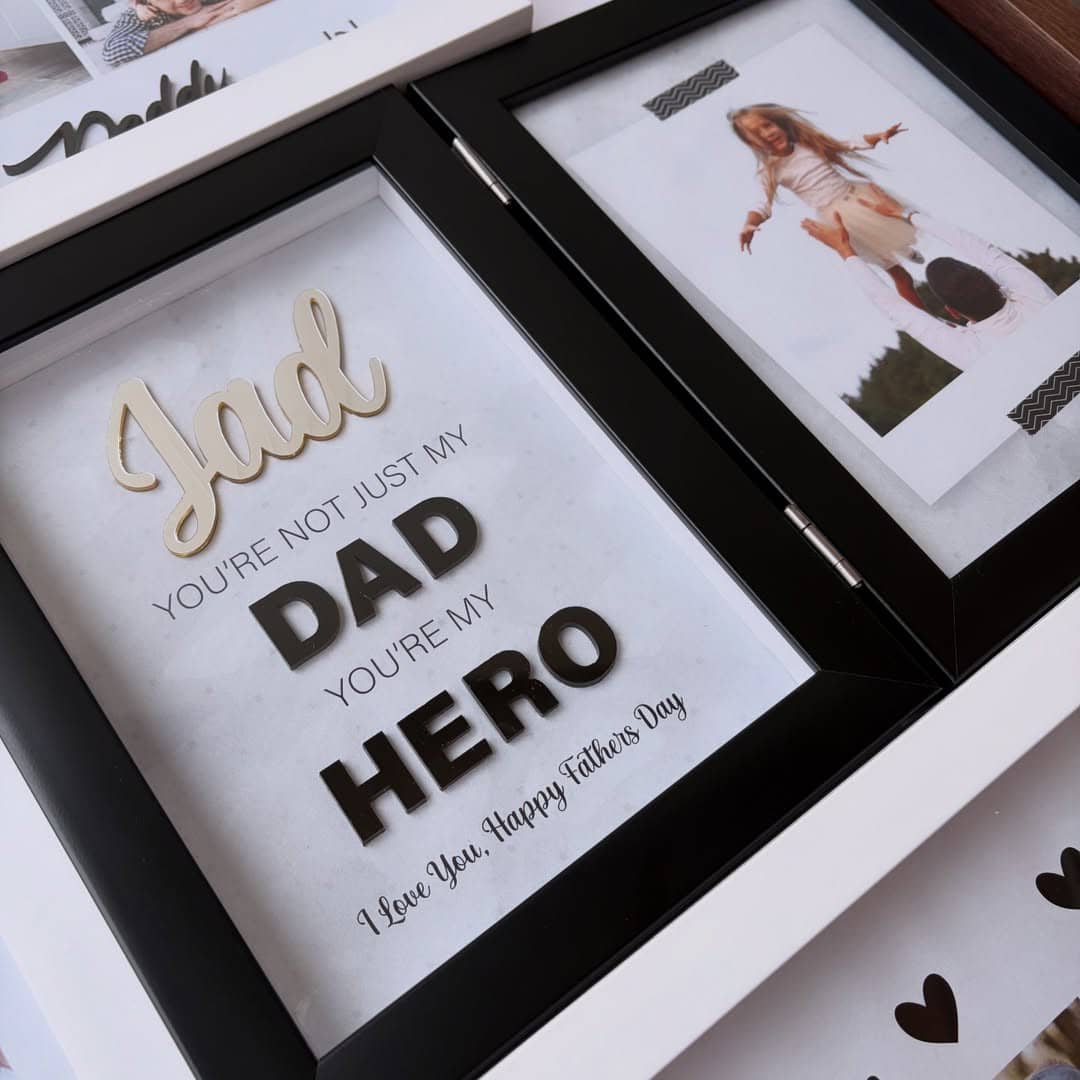
Photo: Instagram
For fathers who prefer a more personal approach, customised gift is a meaningful option. Framed family photographs and handwritten letters can carry emotional weight that no expensive material can match. Sometimes the most meaningful presents are the ones that remind a father of the people who matter most to him.
Of course, not every Father’s Day celebration requires spending money. A heartfelt message, phone call, or simply setting aside time to be together can create lasting memories. Many fathers value recognition more than presents, especially when it comes from the people they care about most.
Father’s Day is not really about finding the perfect gift. It is about appreciating the man who has offered support, advice, encouragement, and countless sacrifices over the years. The thought behind it is what carries the greatest meaning.


How Dede Ashiogwu Styles a Classic White Dress

Ayra Starr Announces Third Studio Album ‘Starr Girl’

Big Brother Naija Season 11: Sheba Wins Week 2 Head of House Title as Eviction Tension Builds

The Best Celebrity Looks of July 2026

“Clarissa” Brings a Nigerian Adaptation of Mrs Dalloway to Cannes Film Festival

Genevieve Nnaji Returns to Screen in BBC Drama Series “Wahala” Alongside Adelayo Adedayo & Cush Jumbo

Nike and Slawn Unveils Nigeria’s 2026 World Cup Collection.

Inside Nancy Isime’s 5 Skincare Tips for Women in Their 30s

Tiwa Savage Reveals Why Her Private Video Was Leaked.

5 Nollywood Films to Watch This Weekend.

The Dangers of Adult Skincare Products for Children and Teens.

New Music to Kickstart Your Week From Victony, Timaya, Duncan Mighty, Mr Eazi & Fave.


-

 Celebrity Style1 week ago
Laura Ikeji Proves Polka Dots Are Back and Better Than Ever
-

 Netflix2 months ago
‘The Polygamist’: Nigerians Weigh In on Netflix’s New Series.
-

 Celebrity Style2 months ago
Diana Eneje’s Bubble Skirt Has Main Character Energy
-

 Music2 months ago
4 New Nigerian Songs to Start Your Week With.
-

 Celebrity Style1 month ago
Bimbo Ademoye Cuts Up a White Shirt to Style an Akwete Skirt
-

 Celebrity News1 month ago
4 Nigerian Celebrities Who Swapped Entertainment for the U.S. Military.
-

 Fragrance1 month ago
Message in a Bottle: A New Wave of Fragrances for the Rainy Season.
-

 Celebrity News1 month ago
Nancy Isime Reveals She May Not Have Children.
-

 Fashion1 month ago
Celebrities Are Quietly Bringing Capri Pants Back
-

 Celebrity News1 month ago
Mr Eazi Reveals Reason Behind His Grey Hair.
JP
24 August 2024 at 6h42
I just got schooled. Lol! Thanks
Queen of White Hearts
24 August 2024 at 19h40
Great!!!