
Health
Easiest Ways to Boost Dopamine Naturally


Dopamine is a brain chemical that drives motivation, focus, and the sense of reward. Low levels can contribute to fatigue, reduced drive, and in some cases, depression. Fortunately, there are natural ways to support dopamine production without supplements or medications.
Move Your Body

Physical activity is one of the most effective ways to increase dopamine. You don’t need hours at the gym, brisk walks, dancing in your living room, or even light jogging around your compound can help. What matters most is regular movement, not intensity. Over time, consistent activity helps maintain healthy dopamine levels.
Eat Foods That Support Dopamine

Certain foods contain tyrosine, an amino acid essential for dopamine production. Beans, groundnuts, eggs, chicken, fish, and soy are excellent choices. Fruits such as bananas and avocados can also support dopamine naturally. Diets high in sugar and heavily processed foods, on the other hand, may interfere with dopamine regulation.
Prioritise Quality Sleep
Adequate rest is vital for dopamine balance. Research shows that dopamine levels rise in the morning but drop significantly when sleep is inadequate. Aim for seven to eight hours each night. Establish a consistent sleep schedule and reduce screen time before bed to improve quality rest.
Get Natural Sunlight

Exposure to sunlight helps the brain produce dopamine and supports vitamin D levels, which are important for brain function. Spending 15 to 20 minutes outdoors in the morning or late afternoon is sufficient to stimulate production. Even sitting by a bright window can help on cloudy days.
Achieve and Acknowledge Small Goals
Dopamine increases when you complete tasks or achieve goals. Break larger projects into smaller steps and celebrate milestones along the way. This could be finishing a work task, completing a week of workouts, or sticking to a healthy eating plan. The satisfaction reinforces positive motivation.
Foster Social Connections

Interacting with friends and family, sharing laughter, and offering support to others all trigger dopamine release. Strong social connections are not just enjoyable; they actively influence brain chemistry and overall wellbeing.
Maintaining healthy dopamine levels is about balance, not constant stimulation. Incorporating movement, nutritious foods, sufficient sleep, sunlight, achievable goals, and meaningful social connections into your daily life can naturally support motivation, focus, and overall mental health.














Strong bones depend on more than just calcium or supplements. Research shows that bones respond to physical stress: when muscles and weight-bearing activities challenge the skeleton, bone tissue becomes denser and stronger. To protect skeletal health over the long term, exercise should combine weight-bearing activity, resistance training, and balance work. Together, these exercises address the main risk factors for fractures: low bone density, weak muscles, and poor coordination.
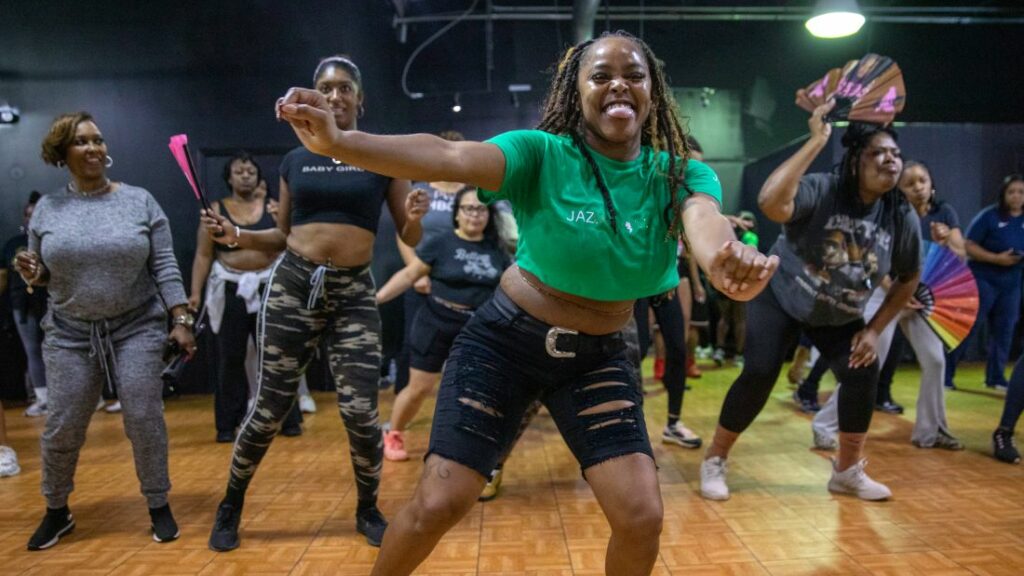
Photo Credit – Google
Weight-bearing activity doesn’t need to be extreme to be effective. Regular brisk walking around neighbourhoods or local parks strengthens hips, legs, and spine, while climbing stairs or light jogging improves lower-body density. Dance classes, including Afrobeat or traditional Nigerian dances, provide varied movement patterns that engage muscles and improve coordination. Starting with 15–20 minutes per session, three to five days a week, and gradually increasing intensity or duration can deliver measurable benefits.
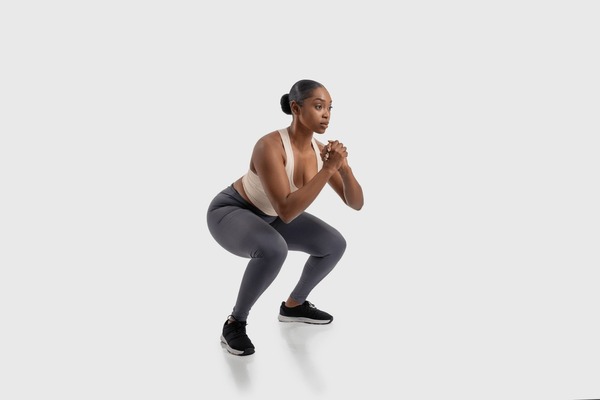
Photo Credit – Google
Resistance training plays a key role in maintaining strong bones. Gradually increasing weight or resistance helps muscles and bones adapt. Exercises such as squats and deadlifts target the hips, thighs, and spine, while lunges and step-ups build strength in the lower body and promote functional movement. Push-ups, pull-ups, and shoulder presses strengthen the upper body and spine. Two to three sessions per week covering all major muscle groups are sufficient. Free weights, resistance bands, or bodyweight exercises can all be effective depending on what equipment is available.

Photo Credit – Google
Balance is equally important because falls are a leading cause of fractures. Single-leg stands and heel-to-toe walking improve stability and coordination, while yoga, Tai Chi, or mobility exercises enhance control and complement other workouts. Integrating balance with strength and weight-bearing exercises provides a complete approach to bone health.
Common mistakes include relying solely on low-impact cardio such as swimming or cycling, which has little effect on bone density, and attempting high-impact exercises without preparation, which can increase injury risk. Effective routines should be planned, progressive, and performed consistently to build resilience safely.

Photo Credit – Google
A sample weekly schedule could include strength-focused exercises on Monday, such as squats or step-ups, deadlifts or hip-hinge movements, and push-ups or shoulder presses. Wednesday could focus on weight-bearing activity and balance through brisk walks, single-leg and heel-to-toe drills, and light dynamic movements. Friday can target functional strength with lunges or carries using household objects, core stability exercises, and stretching or yoga. This cycle can be repeated weekly, increasing load or complexity gradually.
Strong bones require intentional, evidence-based exercise. By combining weight-bearing activity, resistance training, and balance work, Nigerians can maintain bone density, reduce fracture risk, and improve overall skeletal resilience. Starting at your current fitness level, increasing load progressively, and including balance exercises will help protect bones for the long term.


Disordered eating and clinical eating disorders are not interchangeable. Disordered eating refers to irregular or emotionally influenced habits around food: chronic dieting, skipping meals, rigid food rules, occasional binge episodes or persistent preoccupation with calories, weight or body shape. These habits may shift, but when repeated over time they often point to growing vulnerability.
Clinical eating disorders, by contrast, are diagnosed mental-health or medical conditions marked by persistent, patterned behaviours that impair physical health, mental wellbeing or daily functioning. Conditions such as anorexia nervosa, bulimia nervosa, binge‑eating disorder and other specified feeding or eating disorders fall into this category.

Image: Google
Evidence from Nigerian research confirms that disordered eating attitudes and risk for eating disorders are present among young adults and adolescents. In a study of more than 1,050 undergraduates from two higher‑education institutions in Lagos, roughly 16 percent scored positive on the EAT‑26 screening tool for disordered eating attitudes.
At a university in Ile‑Ife, a survey of female undergraduates found that 17.1 percent were classified as at high risk for eating disorders, based on the same screening instrument.
A more recent analysis among female undergraduates in Lagos found a lower prevalence of disordered eating (about 5 percent). Still, the study flagged a strong association between body-image dissatisfaction, body‑mass index (BMI) and disordered eating attitudes.
Adolescents are not exempt: a survey of 13 to 19-year-olds in Ibadan used screening tools to assess disordered eating behaviours and feeding/eating disorders. Results showed that 28.2 percent exhibited disordered eating behaviours, and a significant portion also met screening criteria for feeding/eating disorders.

Image credit: Google
Clinical, clearly diagnosed cases have also been documented. There’s a recorded instance of a 20-year-old undergraduate at a Nigerian university diagnosed with anorexia nervosa showing that what may start as dieting or food anxiety can escalate into serious health and psychiatric risk.
Because disordered eating and eating disorders exist within the Nigerian context, distinguishing between them matters. Persistent preoccupation with food, weight or body shape; regular dieting, bingeing or purging; emotional distress tied to eating; and disruption of everyday life are all red flags. When those signs persist, seeking professional support whether nutritional counselling, psychological therapy or medical care becomes essential.
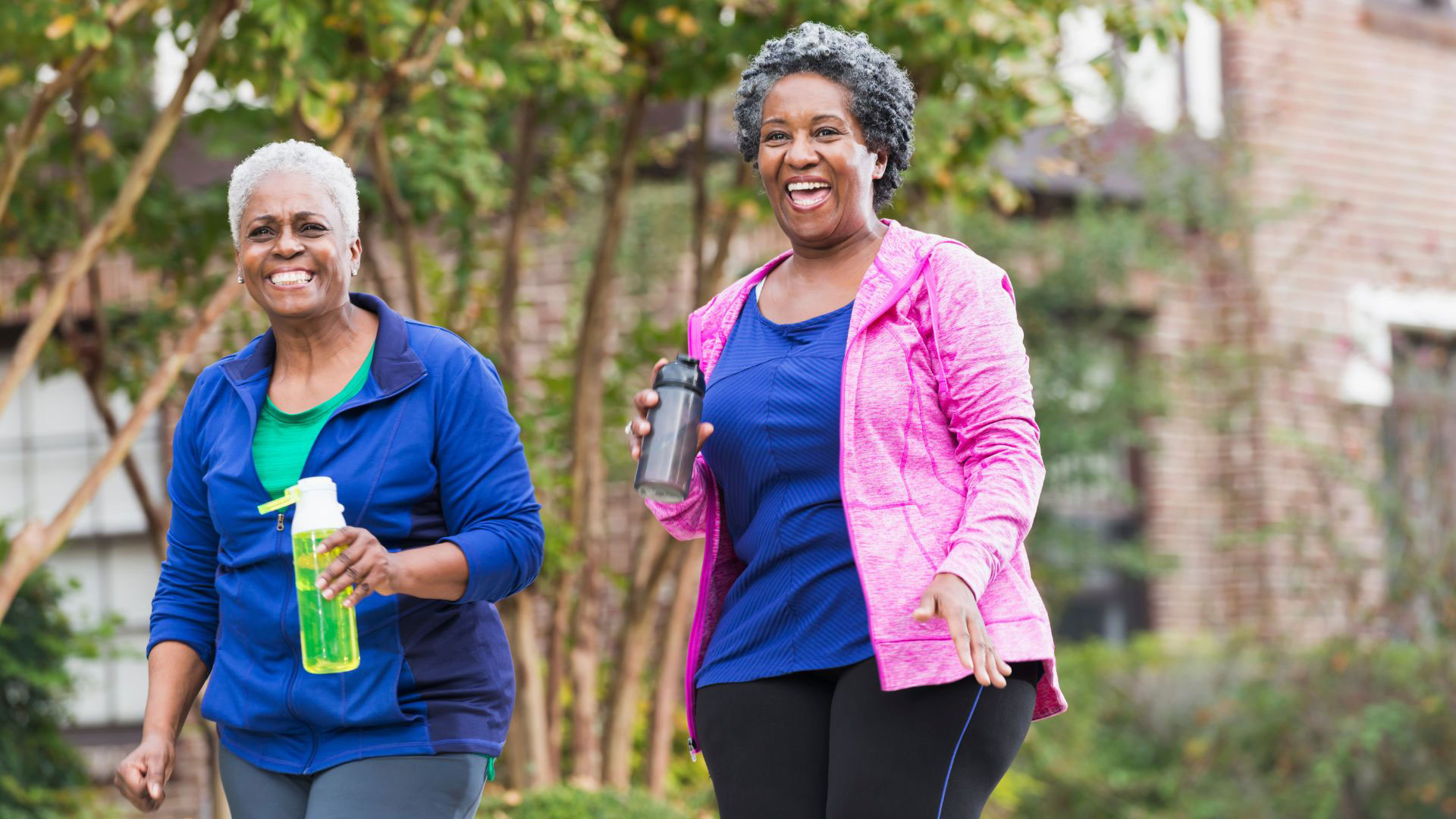
If you’ve ever met someone in their fifties who moves like they’re still in their twenties, it’s likely they’ve discovered the simple habit that keeps the body from giving in to age: regular movement.

While fitness trends keep changing, one form of exercise has stayed constant in its benefits: strength training. It’s not about building bulky muscles or chasing a perfect body. It’s about keeping your bones strong, your joints stable, and your metabolism from slowing down. After the age of 30, the body naturally begins to lose muscle each year. That’s why everyday tasks, like climbing stairs or carrying groceries, start to feel heavier. Strength training helps reverse that.

Research supports this claim. People who lift weights or engage in resistance exercises have lower risks of diabetes, heart disease, and cognitive decline. But beyond the science, it’s about how it makes you feel. Nigerians juggling work, traffic, and family life know how draining each day can be. Even short sessions of body-weight squats, lunges, or push-ups a few times a week can recharge you better than most expensive wellness fads.

It also boosts your mood. Physical activity releases chemicals that help clear mental fog and lift your energy. It’s your body’s way of proving it still has strength to give.
You don’t need a gym to start. A mat, a pair of dumbbells, or even two water bottles will do. The goal is to stay consistent, to keep your body active enough to stay responsive.
Each push, lift, or stretch is a reminder that staying young isn’t about denying age; it’s about moving through it with strength.


Tems Performs “What You Need” on ‘Fallon’

Teminikan Styles a Blazer with Sheer Tights, and It Lands

2026 AMVCA Nominations Are In, See the Complete List

Anna Ebiere Banner Confirms She’s Expecting in a Three-Part Shoot

Toyin Abraham’s Over Sabi Aunty Crosses ₦1 Billion at the Box Office

Uzor Arukwe, Idia Aisien and Others at the Bridgerton Season 4 Premiere in South Africa

Pantone’s 2026 Colour Cloud Trend Gets Uche Montana’s Seal of Approval

Tolu Bally Impresses in Bold Floral Two-Piece Look

Toka McBaror’s ‘The Creek’ Trailer Drops, Full Cast (Bucci Franklin, Sam Dede, Sunshine Rosman) & What to Expect

Are We Finally Getting the R9 Album? Fans Read the Signs Around Rihanna

Tolubally Teases Her Bag-It Jeans from 2207byBally on Instagram!

Tiwa Savage Launches Music Foundation, Teams Up with Berklee to Empower African Creatives


-

 Lagos Fashion Week5 months ago
Lagos Fashion Week’s Earthshot Prize Win Highlights a Changing Direction in African Fashion Production
-
 Movies2 months ago
Toyin Abraham’s Over Sabi Aunty Crosses ₦1 Billion at the Box Office
-
 Celebrity Style2 months ago
Uzor Arukwe, Idia Aisien and Others at the Bridgerton Season 4 Premiere in South Africa
-
 Celebrity Style3 months ago
Pantone’s 2026 Colour Cloud Trend Gets Uche Montana’s Seal of Approval
-

 Celebrity News5 months ago
Burna Boy Commands the Spirit Tunnel on The Jennifer Hudson Show
-

 Celebrity Style4 months ago
Uche Montana Offers a Perfect Take on Wearing Leather
-

 Celebrity Style5 months ago
Diadem Okojie Perfects Polka Dots
-
 Fashion3 months ago
Tolu Bally Impresses in Bold Floral Two-Piece Look
-

 Movies4 months ago
4 Nollywood Movies To Watch This Week
-

 Health4 months ago
Disordered Eating Vs. Eating Disorder: Experts Explain The Differences And When To Seek Help