
Movies
Hijack ’93: The Forgotten Nigerian Hijack Now a Netflix Hit

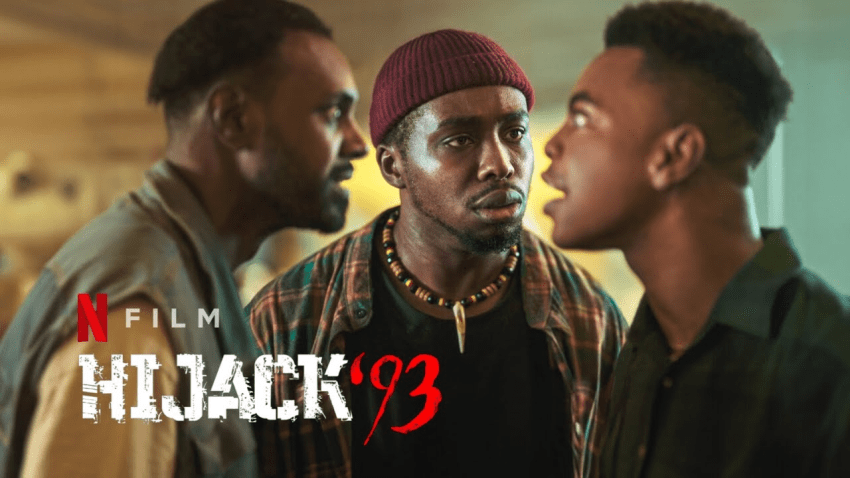
Four teenage boys hijacked a plane, not to run away or ask for ransom, but to make a statement about Nigeria. They weren’t chasing money. They just wanted to be heard. It sounds like a movie, but this really happened.
In 1993, during all the drama that followed the annulled June 12 elections, four young Nigerians did something unimaginable. They hijacked a Nigerian Airways flight and it shook the whole country.
Now, Netflix has turned that story into a film titled Hijack 93, directed by Robert O. Peters. And let me just say, it hits differently when you know this actually happened. If you haven’t seen the movie or even heard the real story, sit tight.
The Plot
On October 25, 1993, a flight going from Lagos to Abuja got hijacked mid-air by four teenage activists:
Richard Ogunderu
Kabir Adenuga
Bennett Oluwadaisi
Kenny Rasaq-Lawal
They were in a group called the Movement for the Advancement of Democracy (MAD). Their plan was to fly the plane to Germany and use that move to draw the world’s attention to Nigeria’s political crisis.
But there was no fuel. The plane had to land in Niger Republic. That’s where the real drama started — four days of tension, back-and-forth negotiations, and a tragic rescue attempt that claimed the life of a female crew member.
Eventually, the boys were arrested and spent almost 10 years behind bars.
What the Movie Shows
Hijack ’93 tells the true story of four young Nigerians who hijacked a plane in 1993 to protest the military government after the annulment of the June 12 election. In the film, they’re renamed Omar, Kayode, Ben, and Dayo.
It follows how they got pulled in by a man called Mallam Jerry, who convinced them they needed to take action to save the country. The story builds slowly, showing how frustration and broken dreams led them to that one dangerous choice.
You feel the tension from the moment they board the plane. Things take a turn when they land in Niger Republic instead of their planned destination, and reality begins to sink in fast.
The acting feels real and emotional. You can see the fear, the regret, and the weight of what they’ve done. The film keeps you watching because you want to understand why they did it, and what happened after.
Hijack ’93 is not just a political film. It’s a human story. One that makes you ask: what would I have done if I were in their shoes?
Cast Highlight

Nnamdi-Agbo
Nnamdi Agbo (Richard Ogunderu), Adam Garba (Kenny Rasaq-Lawal), Allison Emmanuel (Benneth Oluwadaisi), Nancy Isime (Flight Attendant), and John Dumelo (Pilot) didn’t just play their roles, they owned them.
Their performances kept viewers stuck to the screen. No surprise the film pulled over 3.2 million views in its first week.
Why It Still Matters
Hijack ’93 reminds us that history isn’t always about big names, sometimes, it’s about bold young people who dared to speak up.
It’s not just a movie. It’s a mirror that shows us how far we’ve come, and how far we still need to go as a nation.
What do you think? Were the hijackers heroes or rebels? Let me know your thoughts in the comment section. I’d love to hear your take.
Tap on the link below to see more of the movie.








Movies
Toka McBaror’s ‘The Creek’ Trailer Drops, Full Cast (Bucci Franklin, Sam Dede, Sunshine Rosman) & What to Expect


The trailer for The Creek has just dropped, giving Nollywood fans a new date to mark: March 27, 2026. Directed by Toka McBaror, produced by Nicholas David Adora, and written by Emeka Jepherson, this Niger Delta action drama wastes no time in establishing its high stakes, with the trailer immediately delivering tense, cinematic visuals and a gripping narrative tone.
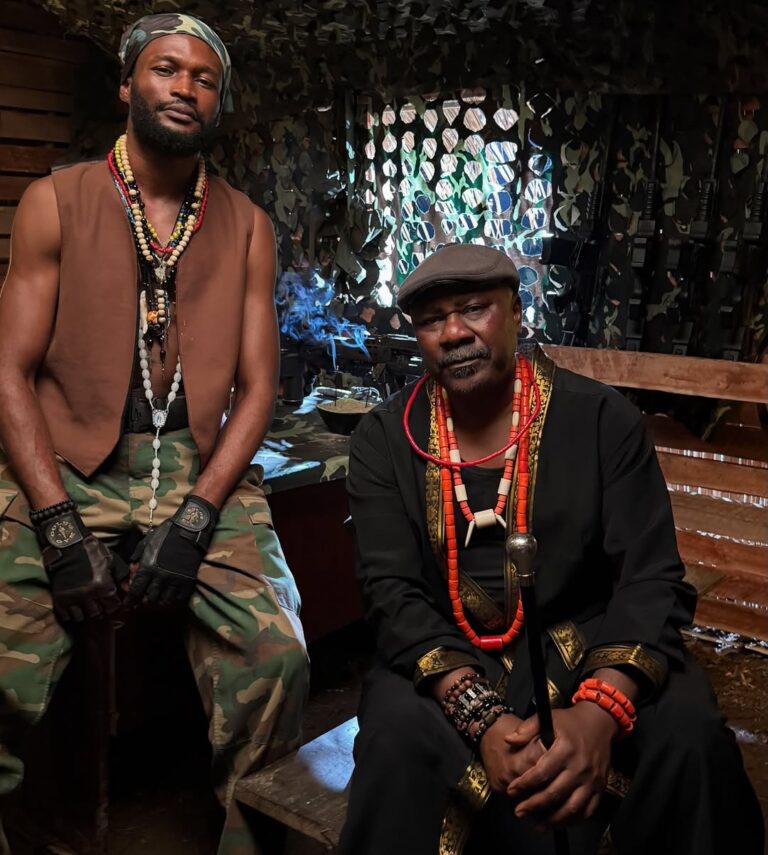
Photo: Instagram
Set in Nigeria’s oil-rich Niger Delta, the story follows men and women where justice is rare and courage comes at a cost. Betrayal, loyalty, and sacrifice shape their lives, while the creeks themselves come alive through sweeping cinematography and tense, intimate shots that make every scene feel charged with danger.
Bucci Franklin stars as Fishbone, connected to both the water and the streets. Sam Dede commands the screen as Selebo, while Sunshine Rosman brings Belema to life, sharing strong on-screen chemistry with Franklin from their To Kill a Monkey days. Haitian-American actor Jimmy Jean-Louis plays John West, Kelechi Udegbe is Shin.
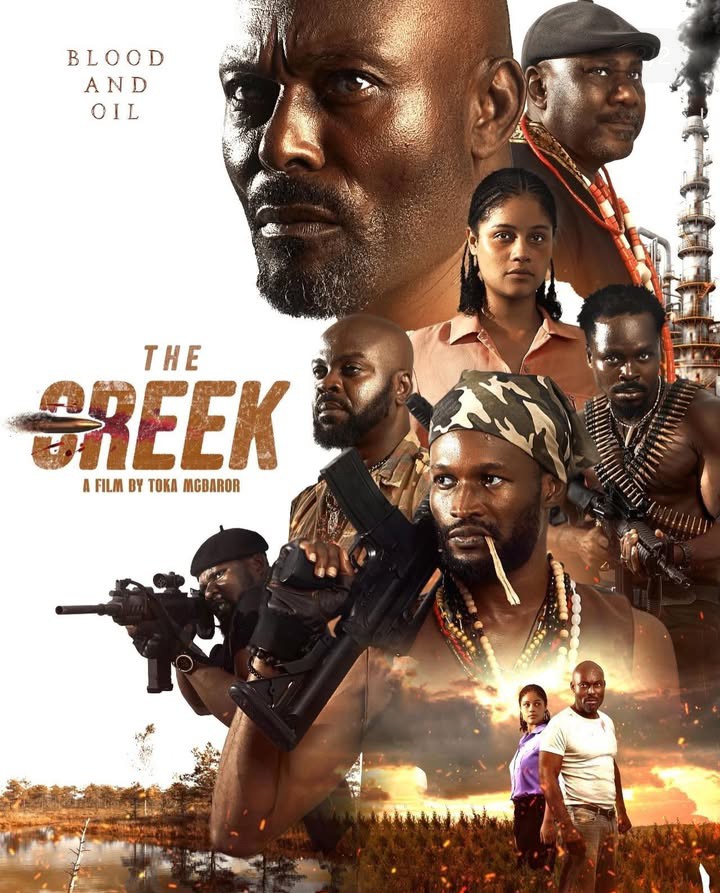
Photo: Instagram
Fans of To Kill a Monkey will recognize Franklin and Rosman, but here they face a very different world the dangerous, unpredictable Niger Delta. The trailer shows intense action, moody lighting, and constant tension, making the story as much about emotion and visuals as it is about plot.
The Creek is set to hit cinemas nationwide on March 27, 2026, promising a thrilling cinematic experience that combines action, emotional intensity, and visual storytelling.

After more than 30 years as one of Nollywood’s busiest and most influential performers, Omotola Jalade‑Ekeinde is moving into a new phase of her career, behind the camera. Her first feature as a director, Mother’s Love, premiered at the 50th Toronto International Film Festival in September 2025, marking a rare moment where a Nigerian film from an established star has taken its first steps on a major international stage.
The decision to direct was not accidental. For years Omotola has been vocal about the kinds of stories she feels Nollywood underexplores. In interviews ahead of the film’s release, she pointed to a lack of authentic portrayals of mother‑daughter relationships in Nigerian cinema, a gap she was determined to fill. Her comments underline how personal the project is: she talked about her own experiences with parenting and discipline, and how that shaped her understanding of love and expectation.
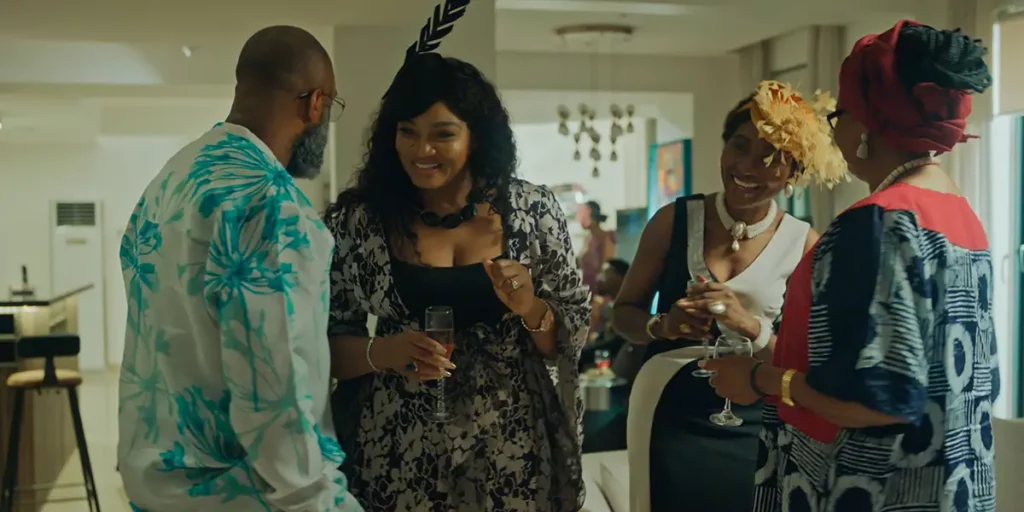
Photo Credit – Google
Mother’s Love is anchored in the relationship between a young woman and her mother, set against the backdrop of class divides and social pressures. The story follows Adebisi, a sheltered daughter from an affluent background who enters the National Youth Service Corps (NYSC), a rite of passage for many Nigerian graduates. Removed from her familiar environment, she begins to see the world, and herself, differently. What starts as a coming‑of‑age arc becomes more complex as the narrative shifts to the mother’s own hidden wounds, grief, and the emotional cost of protection.
The cast blends familiar and rising Nigerian talent. Omotola herself appears in the film alongside actors such as Ifeanyi Kalu, Noray Nehita, Lilian Afegbai, Nosa Rex, and Olumide Oworu.

Photo Credit – Google
Critics and industry professionals at TIFF praised the film’s maturity and emotional reach. Filmmaker Obi Emelonye described it as a debut “that deserves to be studied at Harvard,” reflecting the respect the project garnered from peers as well as audiences at the festival’s Lightbox screening.
Mother’s Love was shot in English and Pidgin English, a choice Omotola said was deliberate, a reflection of lived speech patterns and cultural nuance. The production took place largely in Nigeria, and the story’s texture highlights everyday realities rather than glossing them over.

Photo Credit – Google
Omotola’s path into directing was influenced by her recent foray into digital production. A short YouTube project encouraged by fellow filmmaker Ruth Kadiri opened a new creative door, giving her the confidence to try a bigger narrative project. She has described how that initial experience helped crystallise the idea for Mother’s Love, a film she initially feared might not be taken seriously.
Strategically, Mother’s Love is positioned to extend its impact beyond its festival debut. After TIFF, the film continued to other events such as the Silicon Valley African Film Festival, building buzz ahead of its planned nationwide release in Nigeria on March 6, 2026.

Photo Credit – Google
Omotola’s transition into directing is not just a career pivot, it is part of a broader conversation about Nigerian storytelling, representation, and the kinds of narratives that resonate both locally and globally. By choosing a story rooted in familial complexity and emotional honesty, avoiding stereotypes and simplistic sentiment, she is staking a claim that Nollywood can evolve into more nuanced, textured filmmaking without losing its cultural specificity.
Mother’s Love arrives at a moment when Nigerian cinema is at an inflection point, increasingly present at international festivals and engaging with diverse audiences. For Omotola, it’s both an artistic milestone and a statement: the industry’s most familiar faces can also be its most thoughtful storytellers.
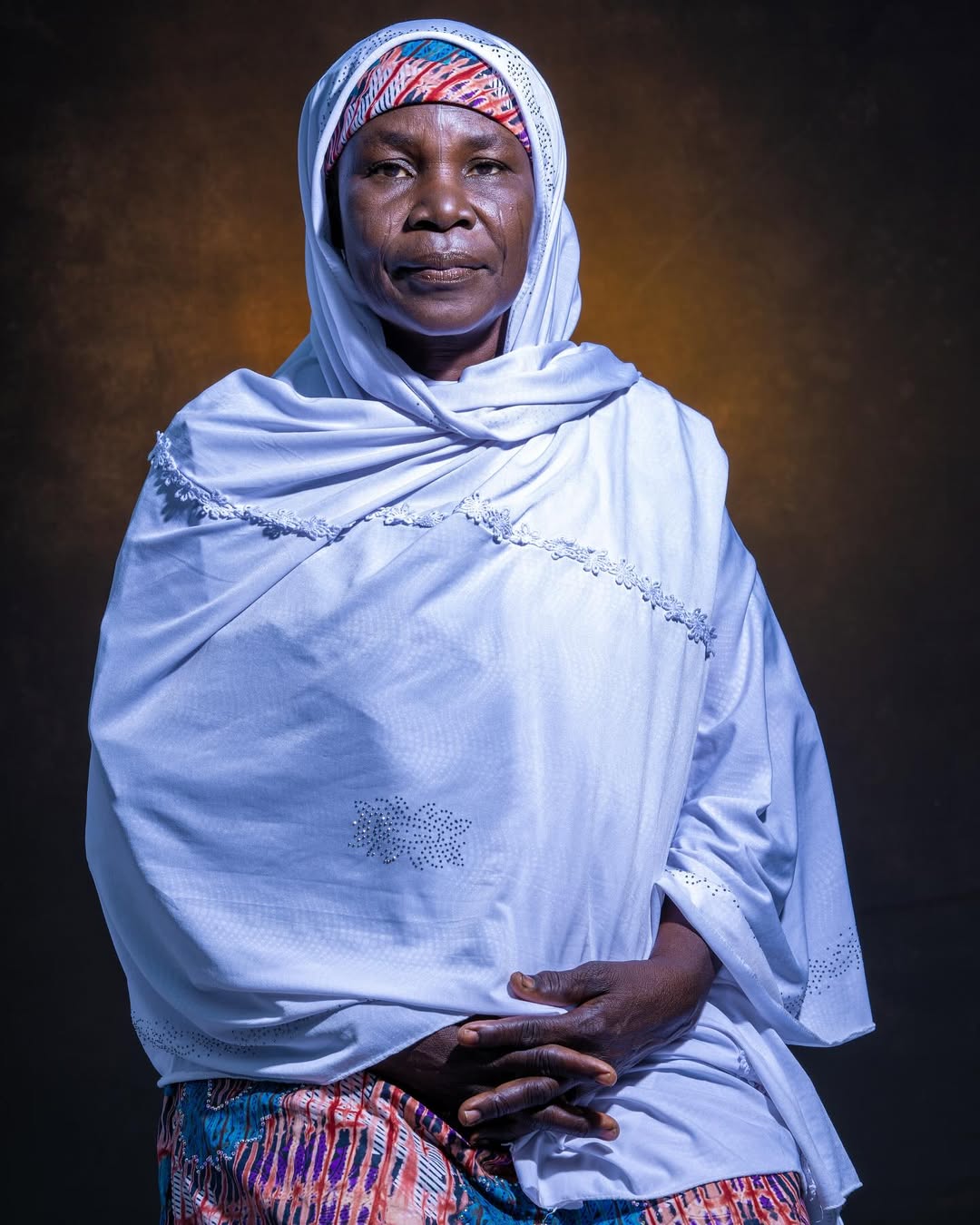
The Mothers of Chibok trailer focuses on the daily lives of women from Chibok, showing how they continue to navigate life years after the 2014 mass kidnapping of schoolgirls. It captures their routines, walking through village paths, planting crops, and attending to children, and does so with a clarity that avoids sensationalism.
Directed by Joel Kachi Benson, known for his Emmy-winning Madu and Venice-recognized Daughters of Chibok, the film moves beyond headlines and protests. It shows what happens after the media attention fades, portraying the women as active participants in their own lives rather than passive victims.
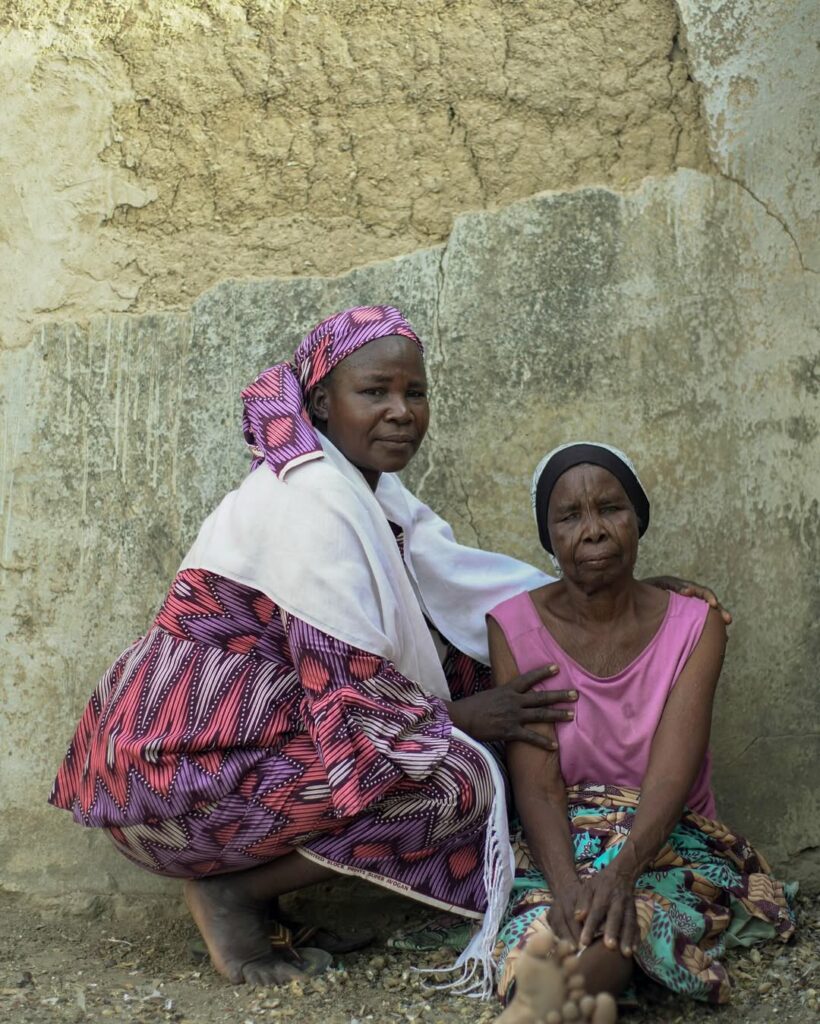
Photo Credit – Hayani Africa
The trailer does not rely on dramatic music or staged sequences. Instead, it records ordinary actions with careful observation: negotiating land, calculating school fees, and interacting with neighbors. These moments communicate resilience and determination through action rather than commentary. By showing community life alongside personal struggle, the trailer emphasizes that survival is not just a private challenge but a shared one.
Mothers of Chibok tells a story that extends beyond the initial tragedy. The documentary follows women as they work to provide for and educate their children, highlighting the long-term effects of the kidnappings on families and communities. Daily routines, farming, managing market activities, and caring for children, are depicted as essential acts of persistence, illustrating the realities of life long after the headlines have passed.
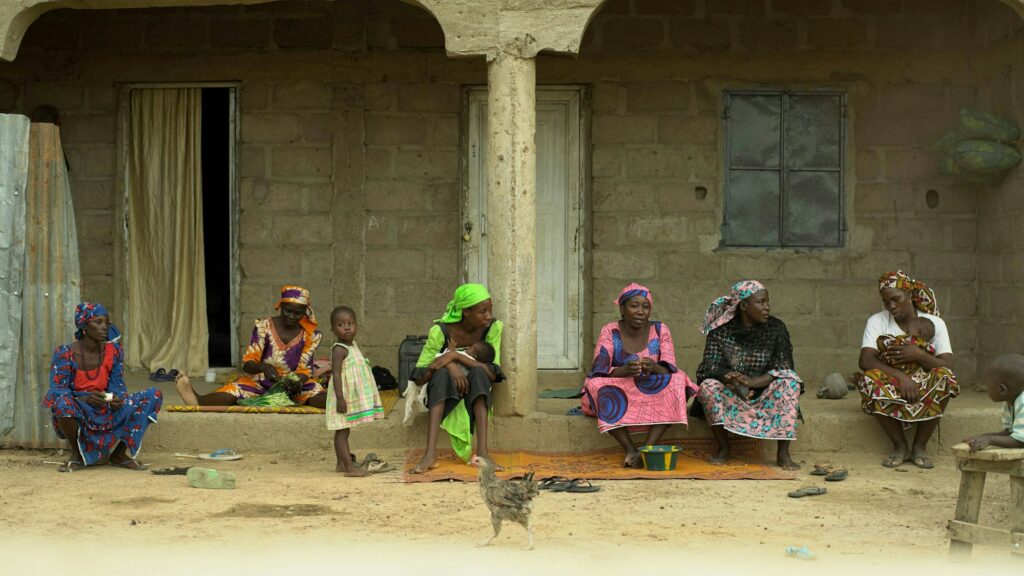
Photo Credit – Google
Visually, the trailer is grounded. Natural light and open spaces dominate, with long takes of women walking across fields and close-ups of hands at work. Faces are captured looking beyond the camera, suggesting focus and thoughtfulness rather than performance. This approach allows viewers to engage with the women’s experiences directly, without manipulation or dramatization.
The trailer does not aim to provoke shock or pity. Instead, it presents life as it is, ongoing, demanding, and sometimes difficult, while highlighting the determination these women bring to everyday challenges. Mothers of Chibok encourages viewers to consider the long-term realities of survival and recovery.
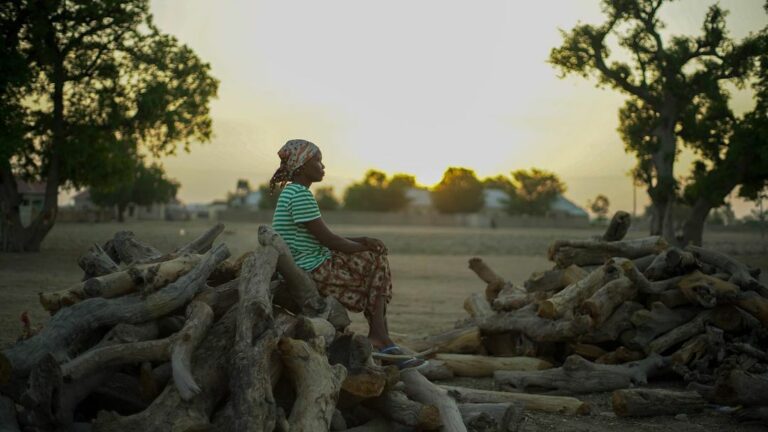
Photo Credit – Google
By centering ordinary acts and sustained effort, the trailer communicates a powerful message: these women are shaping their own futures, and their lives are defined not by a single event but by continuous resilience and action. For Nigerian audiences, the film promises a perspective that goes beyond headlines, offering insight into strength, community, and the work required to rebuild life after trauma.

Mr Eazi Leads DJ Cuppy Through a Private Wine Tasting

Simi and Adekunle Gold Announce Baby Number Two in a Denim-on-Denim Shoot

Enioluwa & Phina Keep Their Style Run Going in Paris

Chioma Ikokwu Changes the Mood in Three Looks at ‘The Return of Arinzo’ Premiere

Toyin Abraham’s Over Sabi Aunty Crosses ₦1 Billion at the Box Office

Pantone’s 2026 Colour Cloud Trend Gets Uche Montana’s Seal of Approval

Uzor Arukwe, Idia Aisien and Others at the Bridgerton Season 4 Premiere in South Africa

Tolu Bally Impresses in Bold Floral Two-Piece Look
Mr Eazi Leads DJ Cuppy Through a Private Wine Tasting

Toka McBaror’s ‘The Creek’ Trailer Drops, Full Cast (Bucci Franklin, Sam Dede, Sunshine Rosman) & What to Expect

Are We Finally Getting the R9 Album? Fans Read the Signs Around Rihanna

Tolubally Teases Her Bag-It Jeans from 2207byBally on Instagram!


-
 Movies2 months ago
Toyin Abraham’s Over Sabi Aunty Crosses ₦1 Billion at the Box Office
-

 Lagos Fashion Week5 months ago
Lagos Fashion Week’s Earthshot Prize Win Highlights a Changing Direction in African Fashion Production
-
 Celebrity Style3 months ago
Pantone’s 2026 Colour Cloud Trend Gets Uche Montana’s Seal of Approval
-
 Celebrity Style2 months ago
Uzor Arukwe, Idia Aisien and Others at the Bridgerton Season 4 Premiere in South Africa
-

 Celebrity Style4 months ago
Uche Montana Offers a Perfect Take on Wearing Leather
-
 Fashion3 months ago
Tolu Bally Impresses in Bold Floral Two-Piece Look
-

 Health4 months ago
Disordered Eating Vs. Eating Disorder: Experts Explain The Differences And When To Seek Help
-

 Fitness4 months ago
Glute Workouts That Deliver Real Results
-

 Celebrity Style5 months ago
Osas Ighodaro Marks Her Dual Role at the “3 Cold Dishes” Lagos Premiere
-

 Movies4 months ago
4 Nollywood Movies To Watch This Week