
Top Xclusiv
How Tiwa Savage Balances A Thriving Music Career And Motherhood

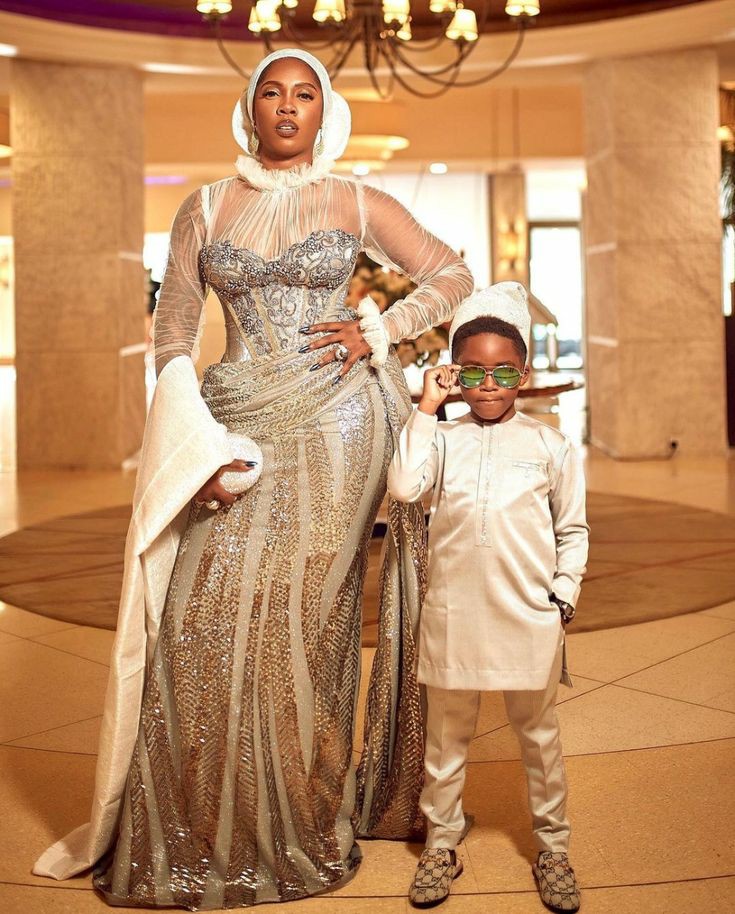
For Tiwa Savage, being a global music icon isn’t just about sold-out concerts and chart-topping hits—it’s also about being a devoted mom. Balancing a thriving music career with motherhood is no small feat, but Tiwa Savage makes it look effortless.
How does she do it? Let’s dive into the inspiring life of this Afrobeat queen to uncover her secrets to juggling two demanding roles with grace and authenticity.
A Superstar and Icon
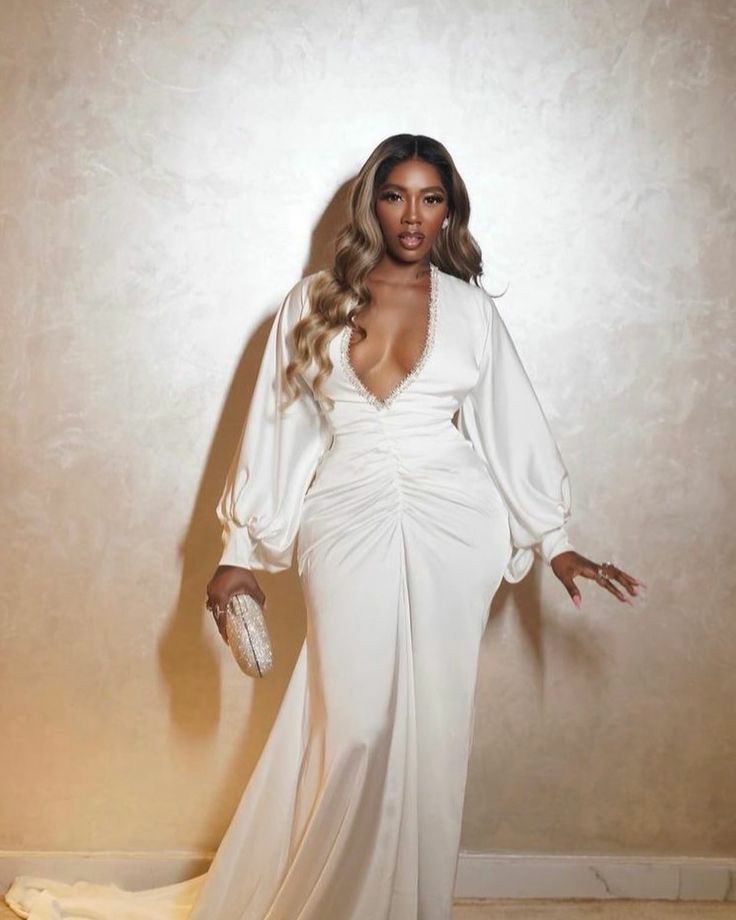
Tiwa Savage
Tiwa Savage is a force to be reckoned with in the music industry. From winning international awards to performing on the biggest stages, she’s built a legacy that puts African music on the global map. But beyond the glitz and glamour, Tiwa plays her most important role yet: being a mom to her adorable son, Jamil.
For Tiwa, motherhood is not a task—it’s her source of strength. She has often said in interviews that her son is her biggest motivation and the reason she continues to push boundaries in her career.
Her Secrets to Balancing Both Worlds.
- Prioritizing Quality Time
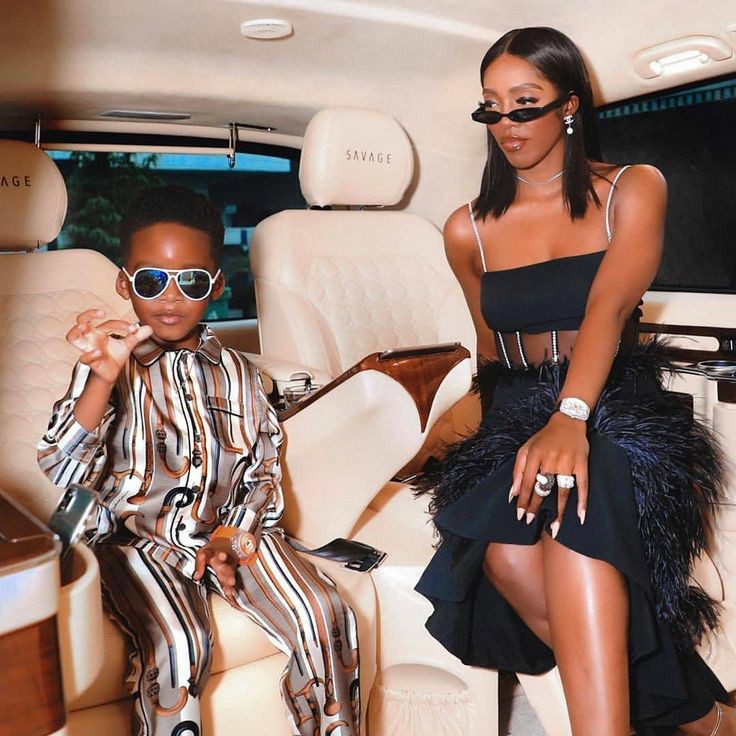
Tiwa Savage and her son, Jamil
Despite her busy schedule, Tiwa ensures she spends quality time with Jamil. Whether it’s taking him along on international tours or sharing candid moments on social media, she prioritizes being present. These moments remind us that even superstars cherish the simple joys of motherhood.
- Surrounding Herself with Support
Behind every successful woman is a strong support system. Tiwa has spoken about the importance of her family and trusted team in helping her manage her dual roles. Having a reliable circle ensures she doesn’t feel overwhelmed, even during her busiest days.
- Setting Boundaries
Tiwa Savage is known for her incredible work ethic, but she also knows when to say no. She’s intentional about creating boundaries to ensure she doesn’t miss out on important milestones in her son’s life.
- Involving Jamil in Her World
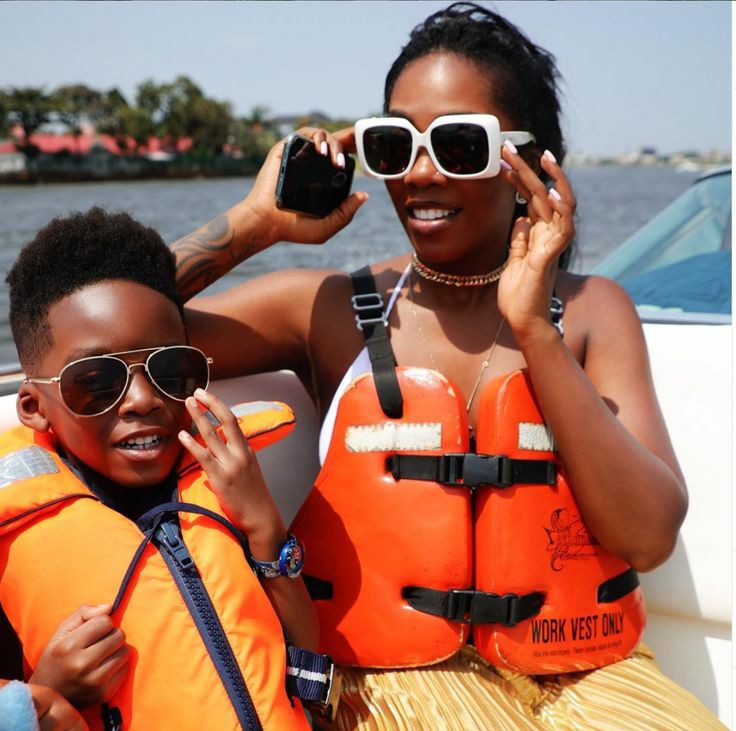
Tiwa Savage spending spending bonding time with her son
From cute backstage moments to appearances in her music videos, Tiwa has seamlessly integrated Jamil into her world. This not only strengthens their bond but also gives her fans a glimpse of the human side of their idol.
Tiwa Savage’s journey is a testament to the fact that women can have it all—with the right mindset, support, and balance. She’s an inspiration to working moms everywhere, showing that it’s possible to chase your dreams while nurturing your family.
She often uses her platform to celebrate motherhood, reminding fans that being a mom doesn’t mean giving up on personal ambitions. Instead, it’s about finding a rhythm that works for you.
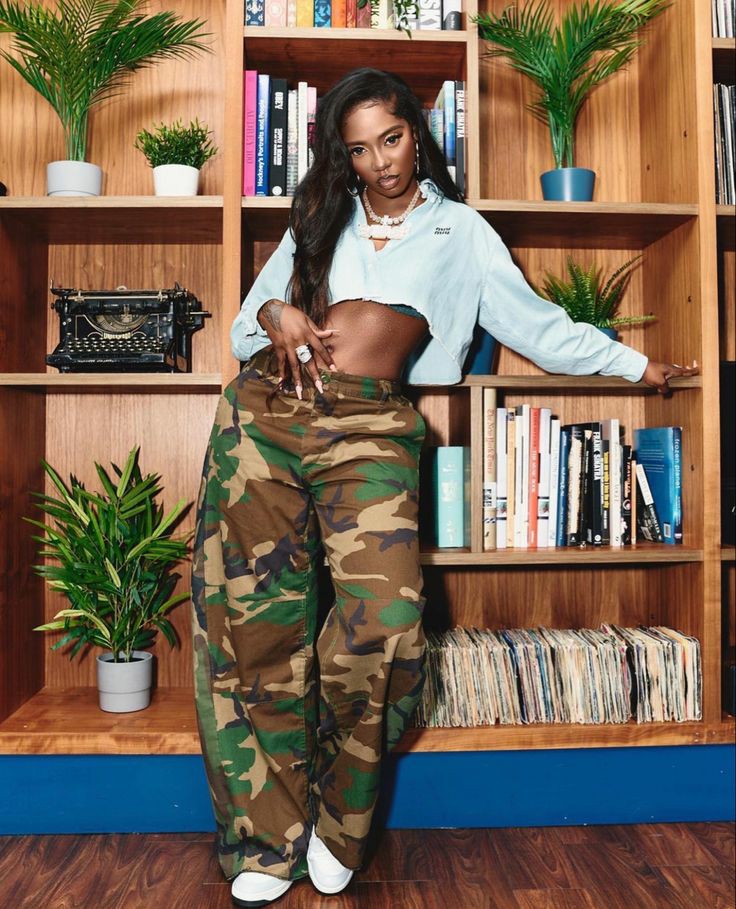
Tiwa Savage, music icon and amazing mom.
Balancing these two demanding roles hasn’t been without challenges. Tiwa has openly shared the struggles of being away from Jamil during long tours and the pressure of being a single mom in the public eye.
But her resilience shines through. Tiwa embraces the imperfections, showing that being a mom and a superstar isn’t about perfection—it’s about persistence and love. Her ability to beautifully balance being an icon and a mother has earned her the heartfelt admiration of fans all over the world.
Also See : Tiwa Savage Releases Her New Song – Forgiveness
Tiwa Savage continues to inspire women to embrace their multifaceted identities. As she juggles her iconic career and motherhood, she serves as a reminder that women are unstoppable when they set their minds to something












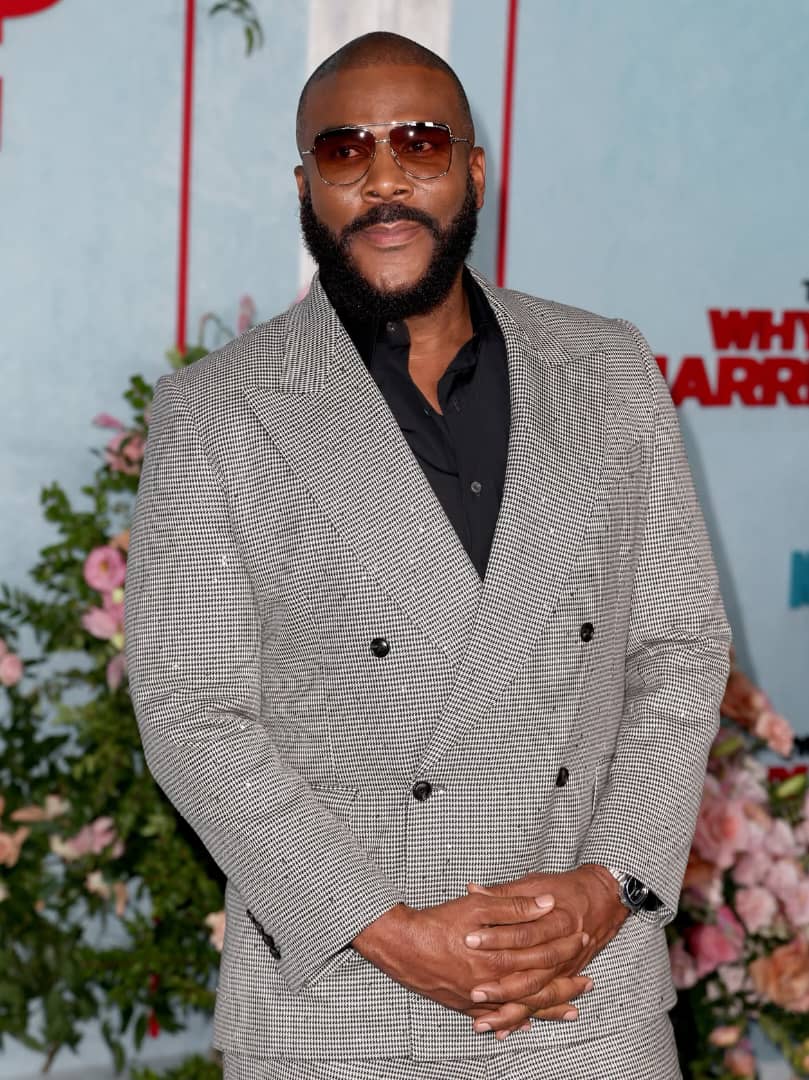
Tyler Perry has explained why he has no plans to get married, saying his decision is influenced by what he has seen people lose financially after divorce.
The actor, filmmaker and producer spoke about his decision during an appearance on The Jennifer Hudson Show while promoting his new Netflix film, Why Did I Get Married Again? The movie is the third instalment in Perry’s Why Did I Get Married? franchise, which began in 2007.
When Jennifer Hudson asked Perry if he planned to get married, he answered, “Nope.” When asked if he simply did not want to marry, Perry clarified that marriage itself was not his concern.
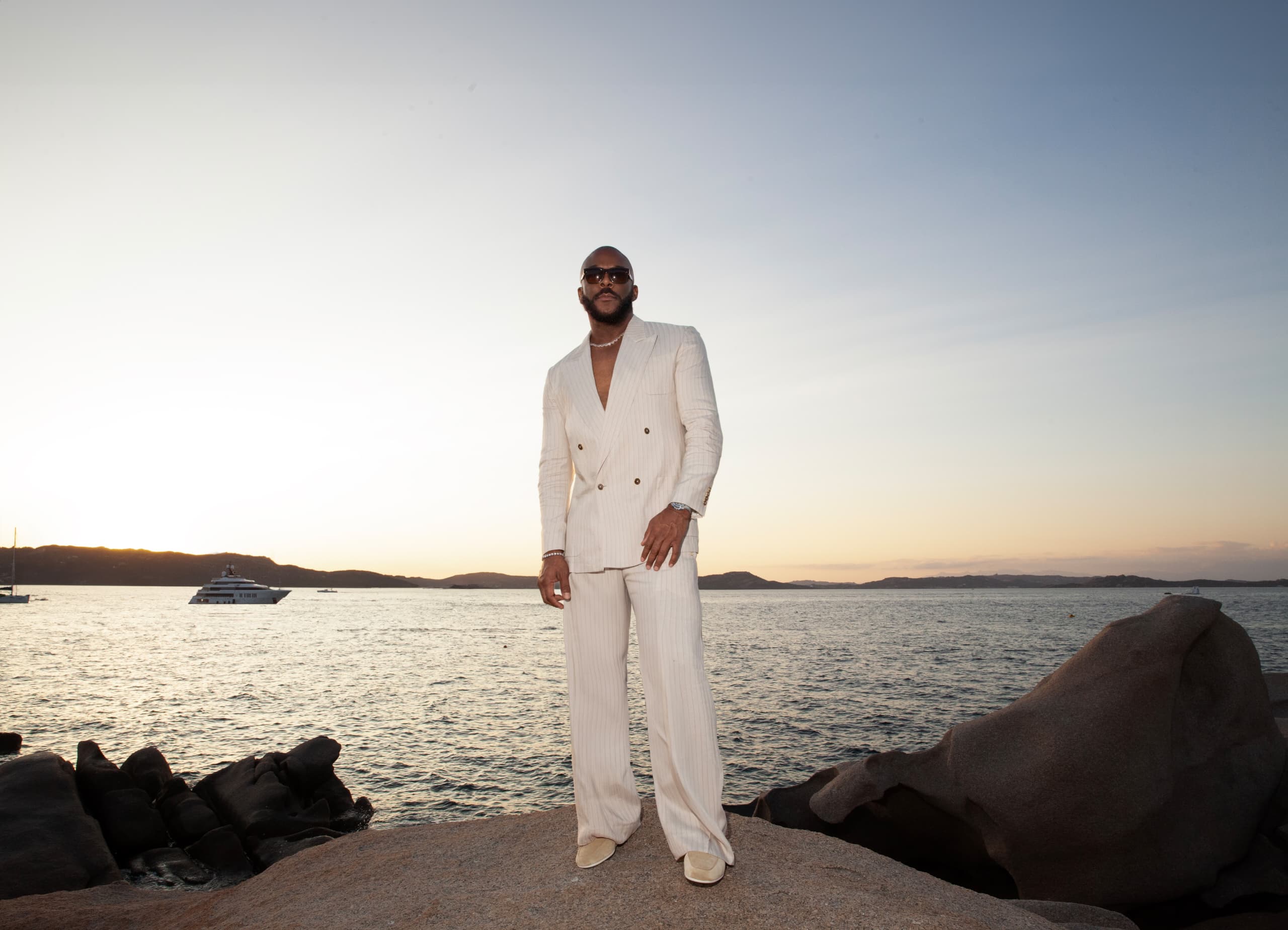
Photo: Instagram/@tylerperry
“It’s not the marriage that bothers me. It’s the divorce,” he said.
Perry explained that he has seen financially successful people go broke after divorce.
“Everybody that I know that did well and went broke, it was because of a divorce,” he added.
His Why Did I Get Married? films have followed couples dealing with problems in their relationships, even as Perry has chosen not to marry in his own life.
Perry, 57, was previously in a long-term relationship with model and filmmaker Gelila Bekele. The pair were together from 2009 to 2020 and share an 11-year-old son, Aman.
During an appearance on TODAY with Jenna & Sheinelle, he said he plans to move to Puerto Rico with Aman at the beginning of 2027 and cut back on his workload.
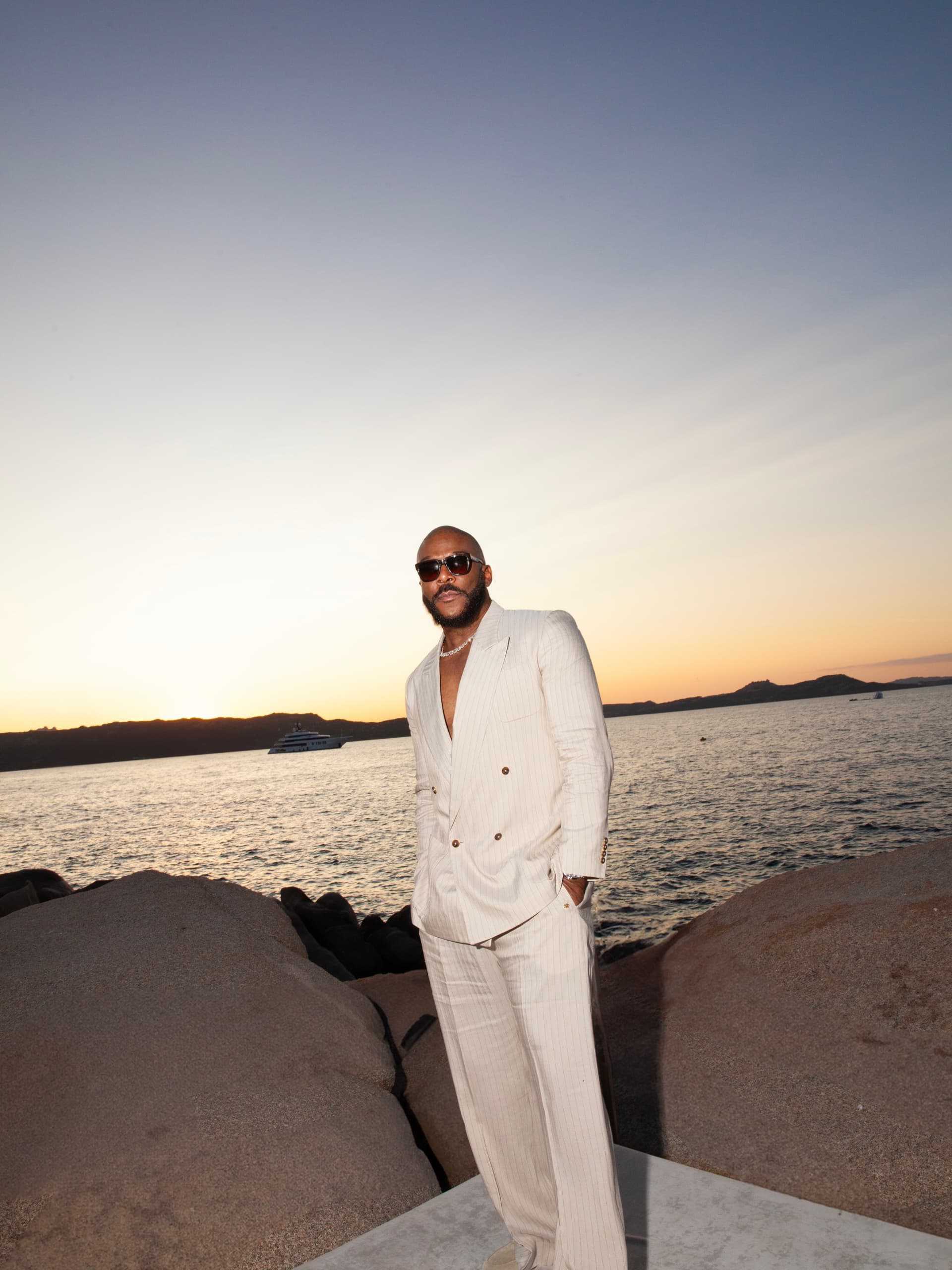
Photo: Instagram/@tylerperry
“Yes, I’m moving to Puerto Rico at the beginning of the year and I’m going to slow down a whole lot,” Perry said.
Meanwhile, Why Did I Get Married Again? continues the story of the couples from the earlier films. The new movie takes the characters to Lake Como, Italy, for the destination wedding of Marcus and Angela’s daughter.
Perry wrote, directed and stars in the film, which also features returning cast members Jill Scott, Tasha Smith, Michael Jai White, Richard T. Jones, Sharon Leal and Lamman Rucker, with Taraji P. Henson also joining the cast.
Why Did I Get Married Again? began streaming on Netflix on September 9, 2026.
Watch Below:

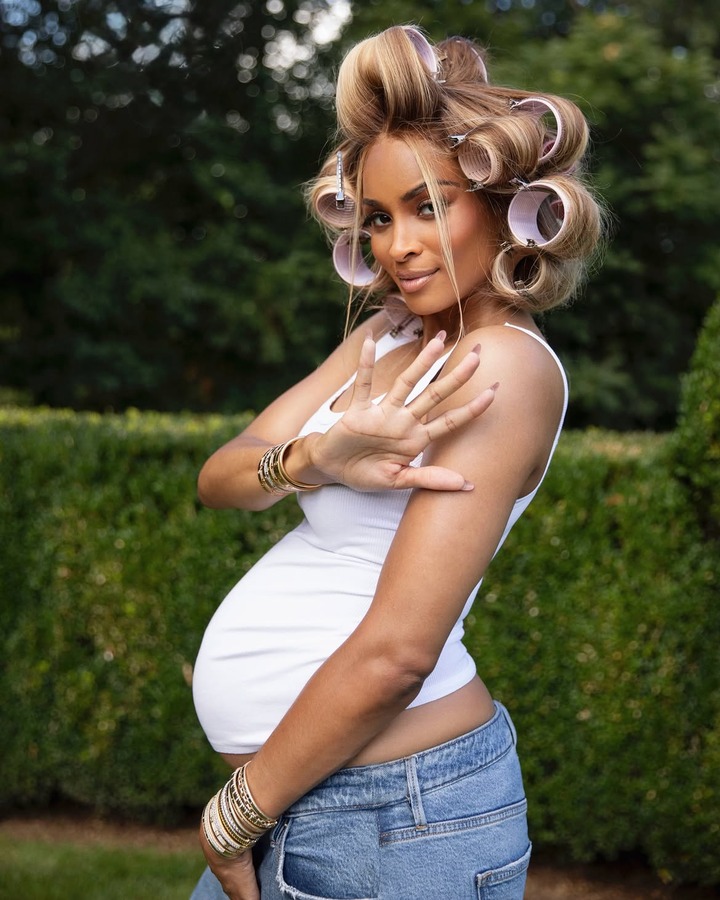
Ciara and her husband, Russell Wilson, are expecting another child. The couple announced the pregnancy on September 6, 2026.
The news was shared through a joint Instagram post featuring photos and videos of Ciara showing off her growing baby bump. In one of the clips, she is seen hanging white shirts on a clothesline, with each shirt representing one of her children. A blank baby onesie is then shown to represent the newest addition to the family.
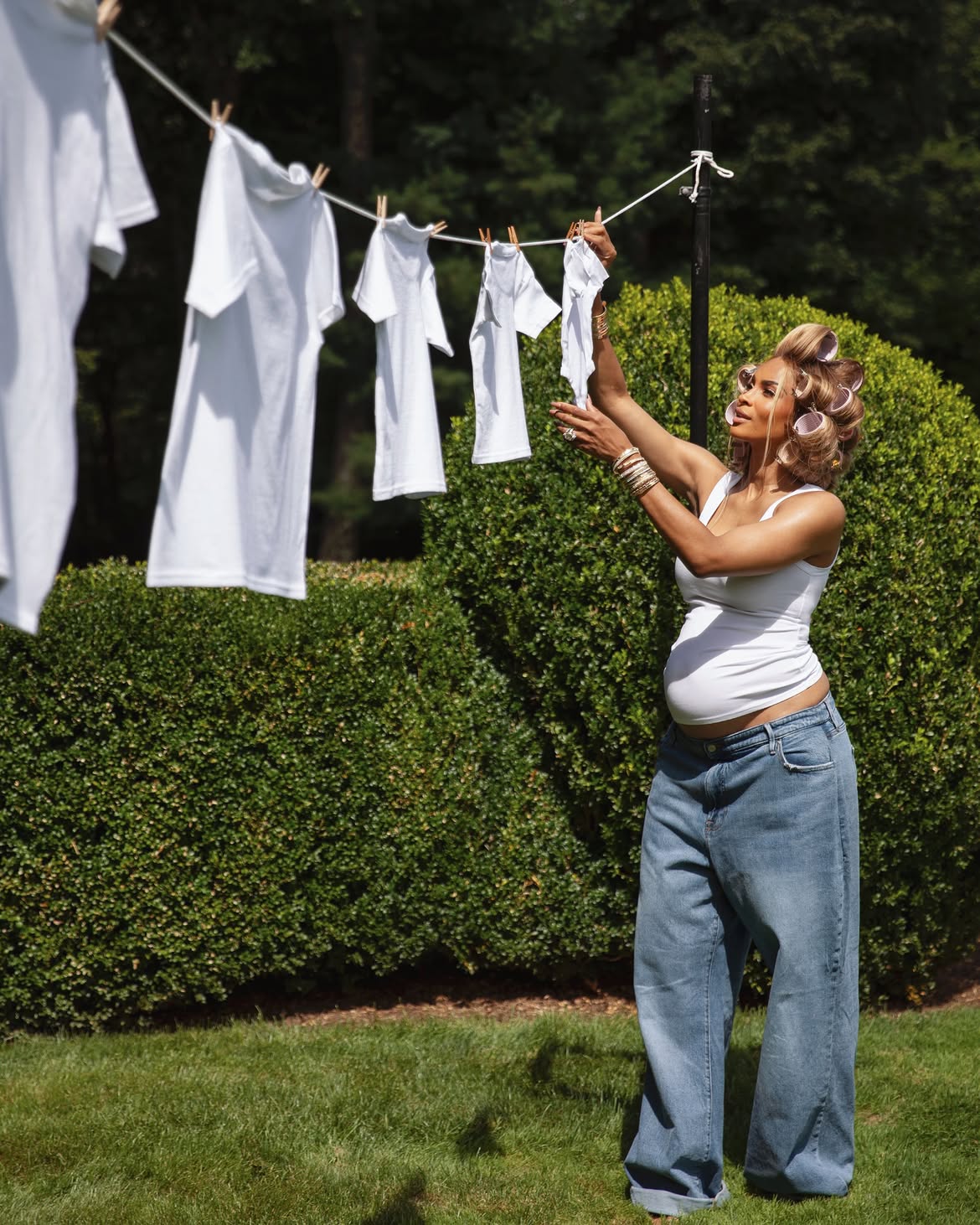
Photo: Instagram/@dangerusswilson
The couple captioned the announcement, “One more person to Love.” They also appeared together holding up five fingers.
Ciara already has four children. She shares 12-year-old Future Zahir with rapper Future, while she and Wilson are parents to 9-year-old Sienna Princess, 6-year-old Win Harrison and 2-year-old Amora Princess. The new baby will therefore be Ciara’s fifth child and Wilson’s fourth.
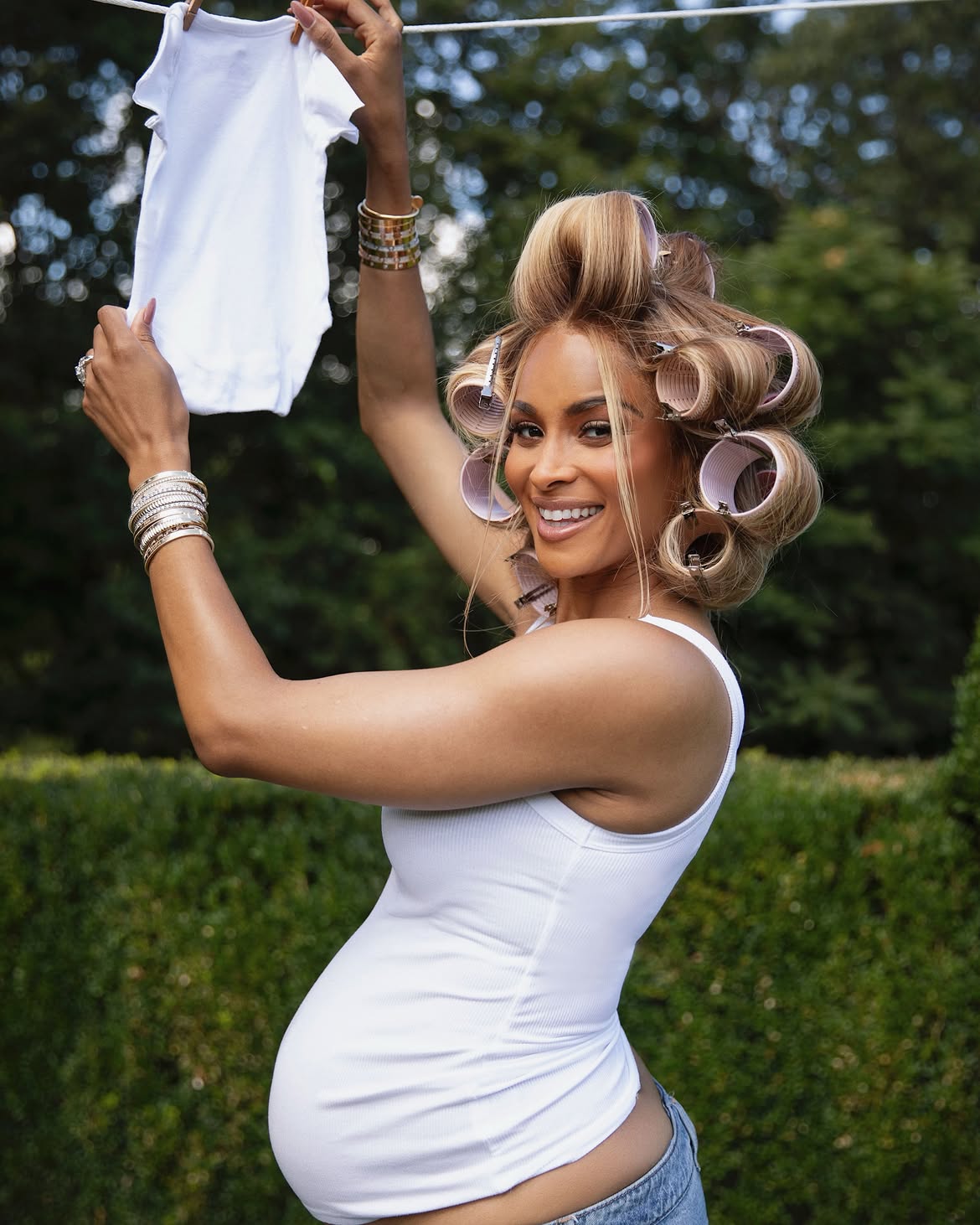
Photo: Instagram/@dangerusswilson
Read Also: Ciara Traces Her Roots to Benin Republic
The pregnancy comes after years of Wilson openly talking about wanting another child. Shortly after Amora was born in December 2023, Wilson joked about having a fifth baby, referring to the idea as “Cinco.” Ciara was open to the idea.
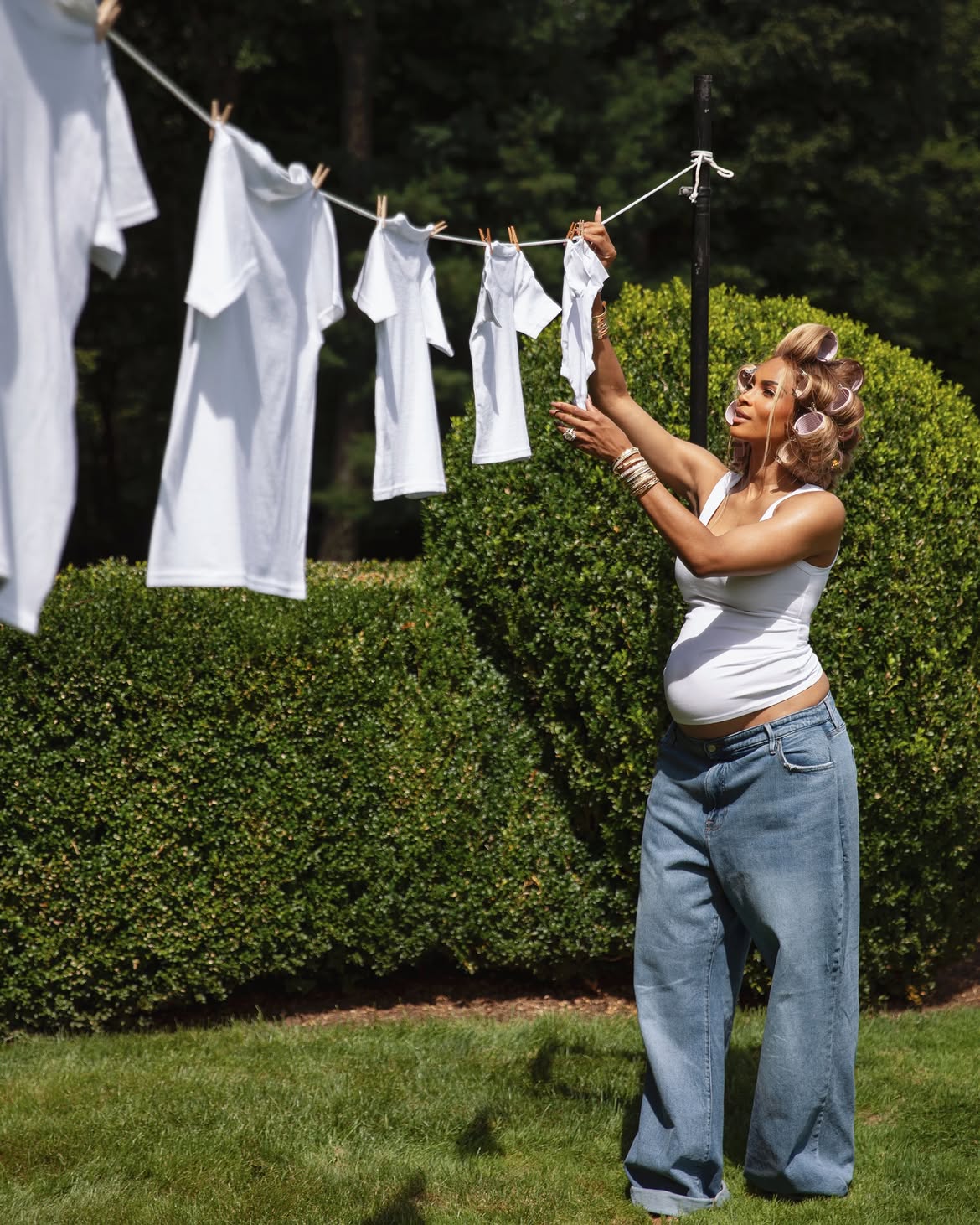
Photo: Instagram/@dangerusswilson
Wilson again spoke about the possibility in July 2026, saying that he was trying to convince Ciara to have a fifth child. He said the couple already had four amazing children and hoped “Cinco” would happen.
Ciara and Wilson got married in 2016. Wilson retired from professional football in June 2026. He has joined CBS Sports as a broadcaster.
The couple has not yet announced the baby’s sex or name. Their pregnancy announcement is a welcomed development for the couples.
Top Xclusiv
Shakira Reveals She Waited 20 Days for Burna Boy’s Verse on the FIFA World Cup Song “Dai Dai”

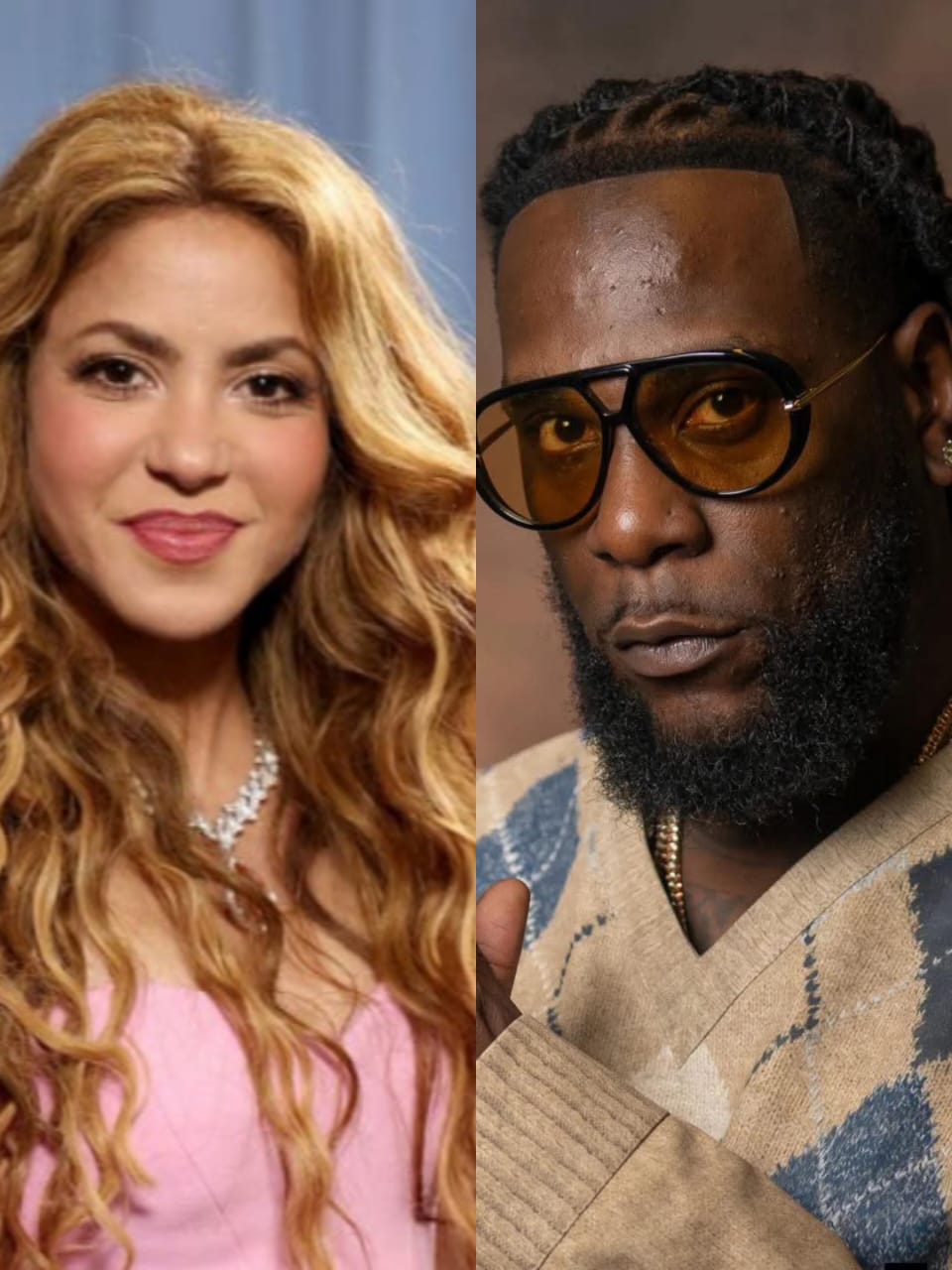
Colombian music star Shakira has shared a behind-the-scenes story about her collaboration with Nigerian Grammy winner Burna Boy on the 2026 FIFA World Cup anthem during a recent appearance on the Capital Evening Show with Jimmy Hill, revealing that she waited nearly three weeks before receiving his contribution to the song.
Speaking about how the collaboration came together, the singer explained that Burna Boy sent his verse 20 days after agreeing to be part of the project. Despite the delay, she said she remained confident that he would deliver because she was determined to have him on the record.
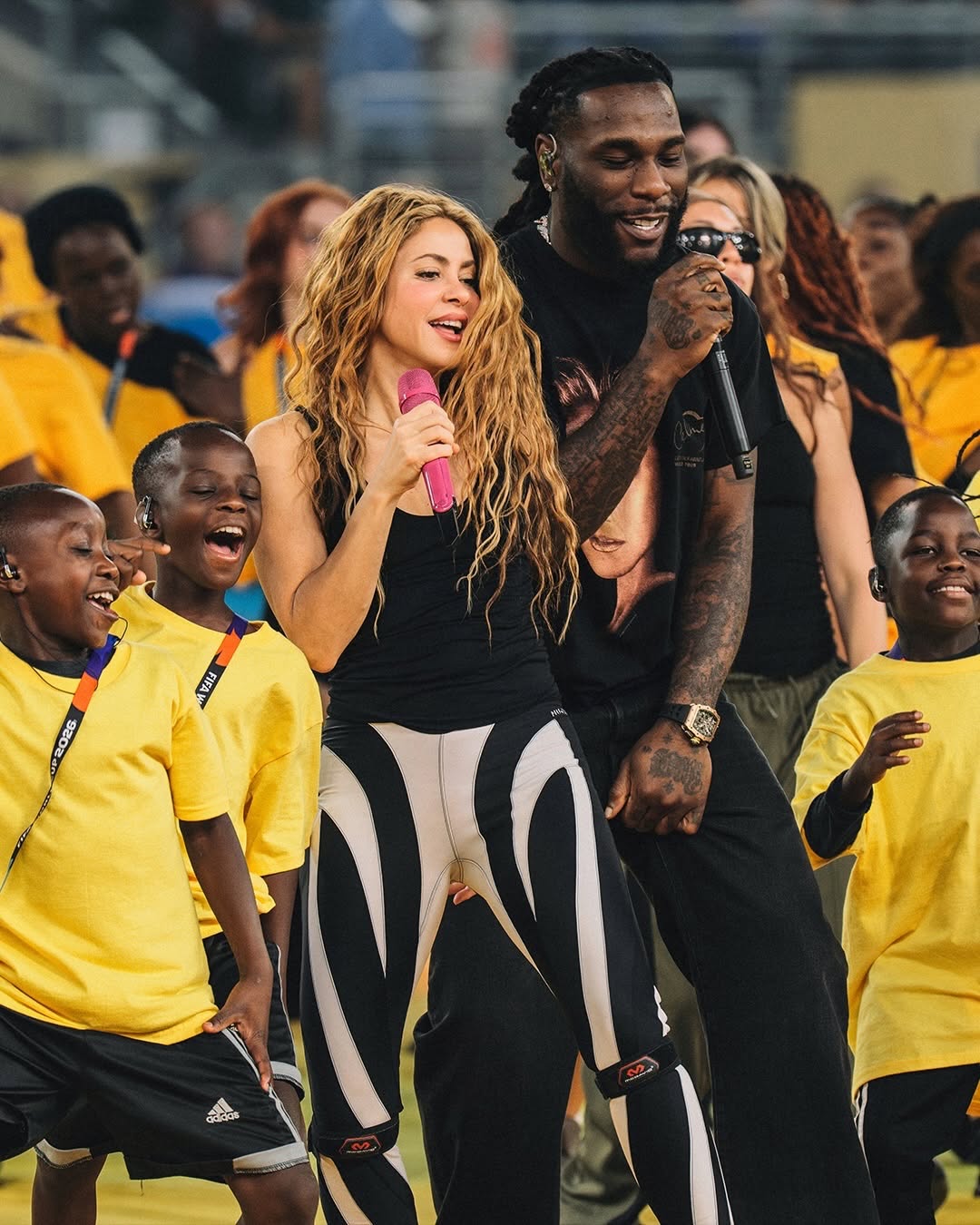
Photo: Instagram
“I called him and I was like, ‘Hey, are you down to do this?’ And he was like, ‘Yeah, why not?’… I was like waiting for 20 days for him to send something and I’m like, ‘Okay, maybe he’s not gonna do it.’ But then he sent his magic and it was just absolutely perfect,” Shakira said.
Shakira also explained why she specifically reached out to the African Giant hitmaker. According to her, she had been a fan of his music for years and wanted a distinctive male voice that could match the energy and global appeal of the World Cup.
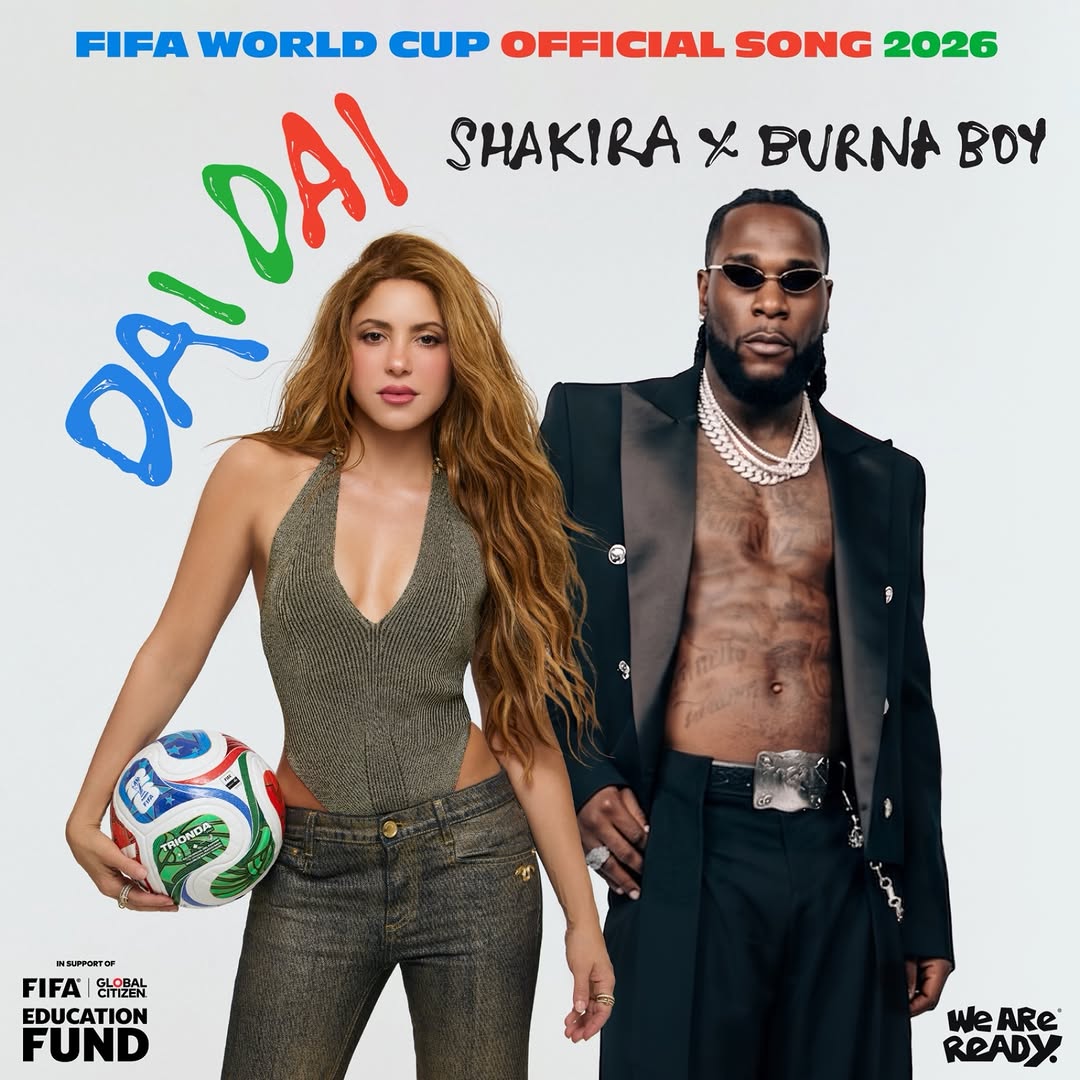
Photo: Instagram/@shakira
“And I’ve always loved Burna, like I always wanted to do something with him,” Shakira said. She praised his unique vocal style, adding, “I think his voice is just, it works so well on this song, so well. I couldn’t imagine anybody else on it, actually.”
The collaboration resulted in “Dai Dai,” the official song released for the 2026 FIFA World Cup. The track brought together two internationally recognised artists, pairing Shakira’s long-running connection with FIFA World Cup music with Burna Boy’s contribution to the tournament’s latest anthem.
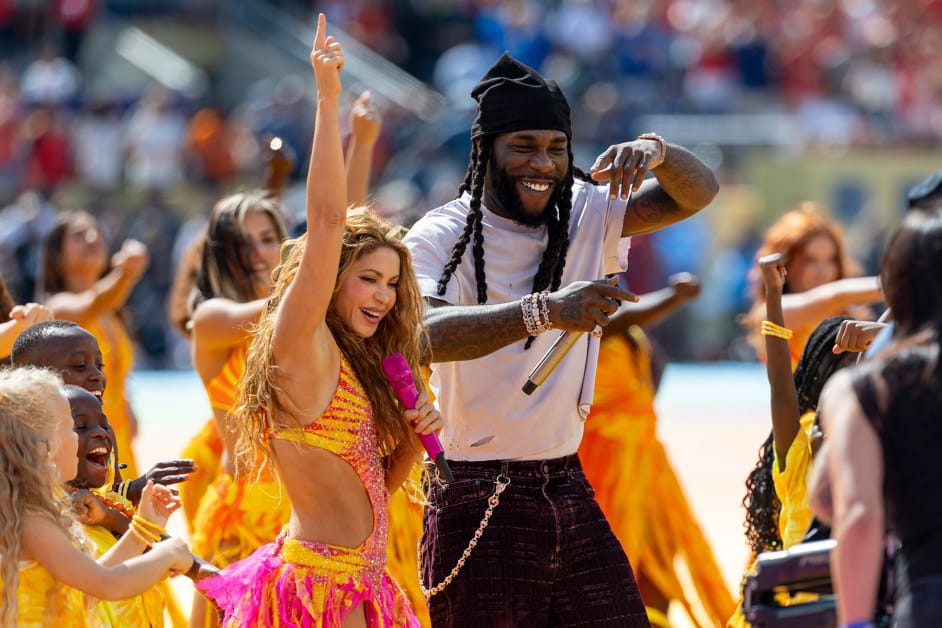
Photo: Instagram
The 2026 project also added another chapter to Shakira’s history with the FIFA World Cup. She performed “Waka Waka (This Time for Africa)”, the official song of the 2010 tournament in South Africa, before releasing “La La La” for the 2014 World Cup in Brazil. Her collaboration with Burna Boy on “Dai Dai” continued that association, this time alongside one of Africa’s biggest music stars.
Looking back on the collaboration, Shakira said Burna Boy’s contribution justified the wait. Although she admitted she briefly wondered whether he would eventually send his verse, she said the finished record confirmed why she had wanted him on the song from the beginning, describing his contribution as “absolutely perfect”.

Nail Colours for Dark Skin: What to Wear and What to Skip

Francis Duru Dies at 57

Broda Shaggi Reveals He Was Hit by a Stray Bullet

How to Protect Yourself From Ebola Virus Disease

Laura Ikeji Proves Polka Dots Are Back and Better Than Ever

5 Nollywood Films to Stream on YouTube

What Exactly Are Ayra Starr and ZAYN Singing About on “Heaven Baby”?

These Nigerian Bag Brands Are Raising the Bar for Made-in-Nigeria Fashion
Broda Shaggi Reveals He Was Hit by a Stray Bullet

New Nigerian Movies to Watch on Netflix

Ayra Starr Performs ‘Rush’ and ‘Heaven Baby’ at NFL Halftime Show in London | Watch Video

Ayra Starr and ZAYN Finally Share the Screen in “Heaven Baby” Video


-

 Celebrity Style1 week ago
Nancy Isime Gives Aṣọ Òkè a Cool, Corporate Look
-

 Big Brother Naija2 months ago
Gerard Evicted from Big Brother Naija
-

 Music1 month ago
Rema Tackles Mixed Signals and Desire on New Single “Oh No”
-

 High Tech1 month ago
Samsung, Duolingo Throw Shade at Apple Over iPhone Duo Reveal
-

 Fragrance2 months ago
Nigerian Fragrance Brands Winning Right Now — and You Need to Try
-

 Lifestyle1 month ago
5 Beaches in Lagos for Your Next Staycation
-

 Models2 months ago
Tamunosoye Karibi-George Secures Top 12 Finish at Miss World 2026
-

 Celebrity Bios1 month ago
Tems’ Journey From Lagos to Global Stardom
-

 Big Brother Naija1 month ago
Keivo Emerges as Week 9 Head of House, Barry Grants All Housemates Immunity
-

 The Best Dressed Celebrities This Week1 month ago
The Best Dressed Stars Of The Week