
Lifestyle
Top 5 Vacation Spots in Africa

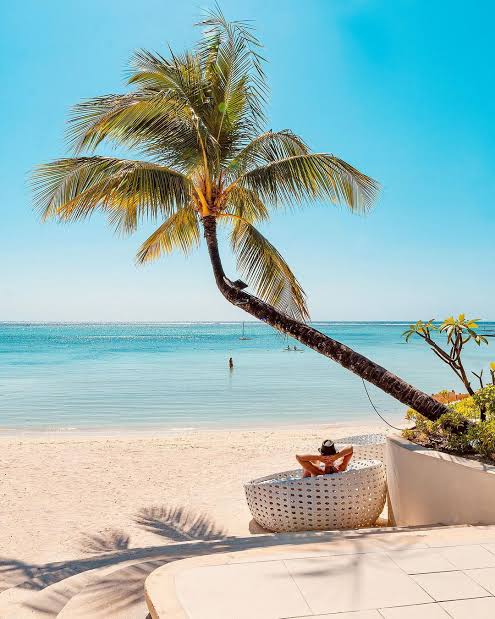
Africa is full of surprises and offers a diverse range of destinations for every kind of traveler. They have stunning beaches, vibrant cities, peaceful safaris, and breathtaking natural wonders. Are you planning your next vacation or you’re craving adventure? Consider Africa, a continent rich in beauty, culture, and unforgettable experiences. If you’re wondering where to go, here are five vacation spots in Africa that should be on your bucket list.
1. Cape Town, South Africa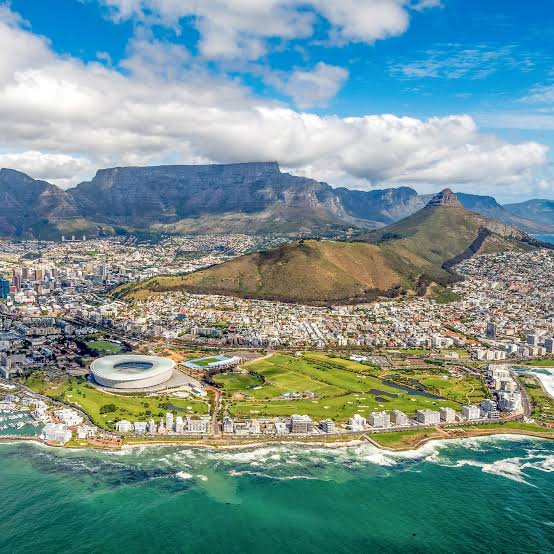
Cape Town is one of those places that has it all. You’ve got mountains, oceans, beaches, and a buzzing city vibe all in one. Ride the cable car up Table Mountain for incredible views, explore the colorful Bo-Kaap neighborhood, or take a day trip to the famous Cape Winelands. It’s the kind of place that makes you want to stay longer than planned.
Why you’ll love it is that It’s great for outdoor adventures, beach time, wine tasting, and exploring South African culture.
2. Zanzibar, Tanzania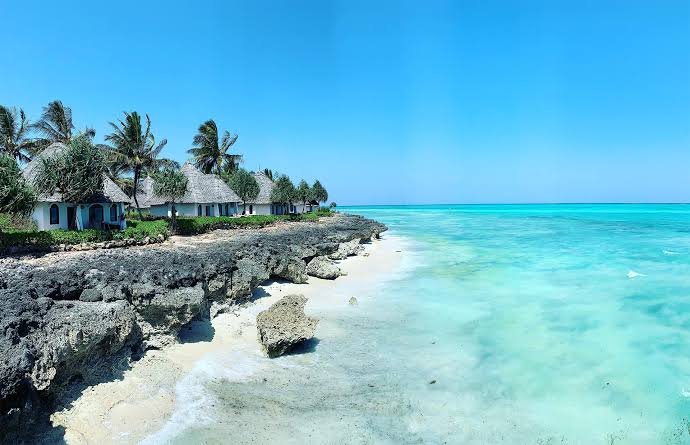
Zanzibar is a pure island. Think clear blue waters, white sandy beaches, and peaceful vibes. But it’s not just about the beach, you can explore Stone Town’s rich history, go on a spice tour, or dive into coral reefs full of marine life. It’s perfect for anyone who wants to relax and soak up some sunshine with a touch of culture. It’s Ideal for a romantic getaway or a relaxed retreat surrounded by rich history and crystal-clear seas.
3. Victoria Falls, Zambia/Zimbabwe
If you’ve never seen a massive waterfall in real life, Victoria Falls will blow your mind. It’s one of the biggest and most powerful waterfalls in the world, and it’s epic. You can walk along the edge of the falls, take a helicopter ride, or even go white-water rafting if you’re feeling brave.
This place is a bucket-list destination for those who love adventures and nature enthusiasts.
4. Marrakech, Morocco
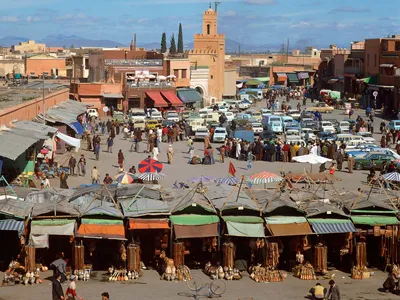
Marrakech is a city of ancient beauty and modern flair. The city is packed with markets, beautiful architecture, and cozy riads (traditional guesthouses). You can shop for spices and handmade goods, visit ancient palaces, or just chill with a glass of mint tea in a quiet courtyard. It’s a true taste of North Africa. Perfect for culture lovers, architecture fans, and anyone looking to experience North Africa’s vibrant energy.
5. Maasai Mara, Kenya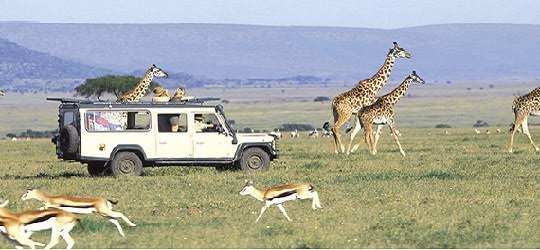
If going on safari is on your dream list, the Maasai Mara is the place to be. This famous wildlife reserve is home to lions, elephants, giraffes, and more. It is also best known for the Great Migration, where millions of wildebeest and zebras move across the plains. Locations like this expose you to an unforgettable experience for wildlife viewing and a deep connection with nature.
Africa is such a rich and diverse continent, and these are just a few of the amazing places you can explore.

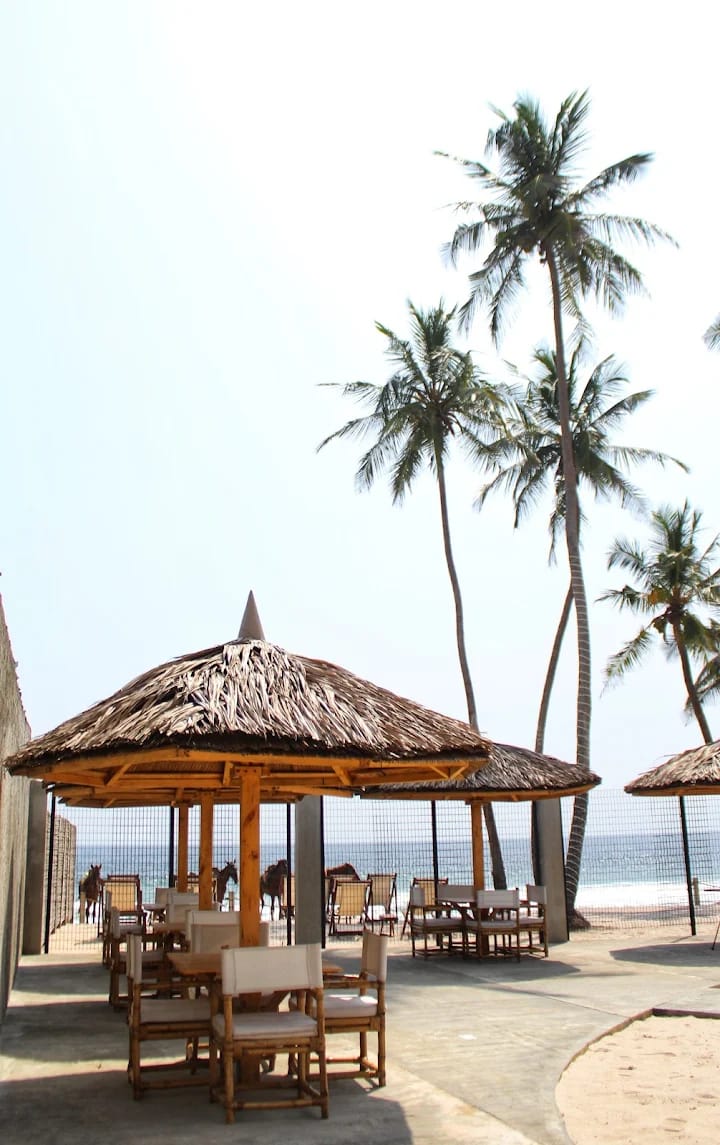
A beach break does not always mean leaving Lagos. Residents looking for a change of scenery can find several coastal spots around Lekki, Ajah and Sangotedo for a day out or a weekend break. From Ziba Beach Resort’s overwater accommodation to Nautica’s mix of recreation and beachfront stays, and beach clubs such as KYMA and Kivu, these five locations offer different ways to enjoy a local getaway.
Ziba Beach Phase 3
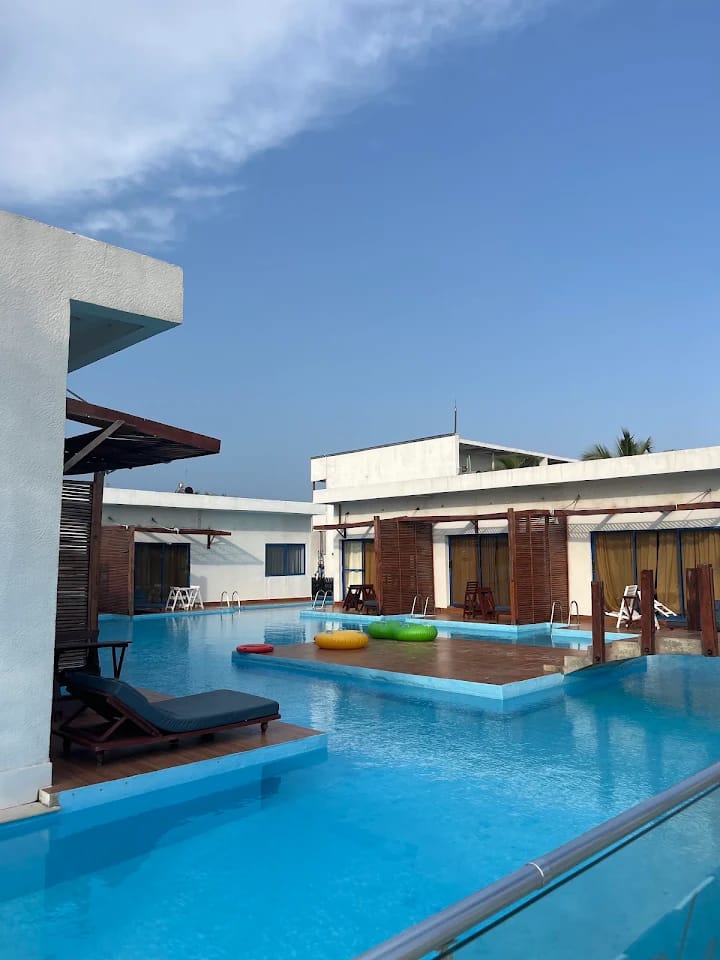
Photo: zibabeachresorts.com
Ziba Beach Resort in Okun Ajah unveiled Phase 3 on September 11, 2026, with larger Grand Overwater Rooms, loft-style overwater accommodation and a dedicated wellness centre. The resort also has beach-facing rooms and suites, family rooms, a two-bedroom apartment and other overwater rooms for guests planning an overnight stay.
Facilities at the resort include a lagoon pool, adult and children’s pools, a games room, cinema, spa, gym, restaurant and bar. Ziba also lists activities such as beach picnics, beachside dining and dinners. Some packages have included quad biking, horse riding and massage treatments.
Nautica Beach Resort
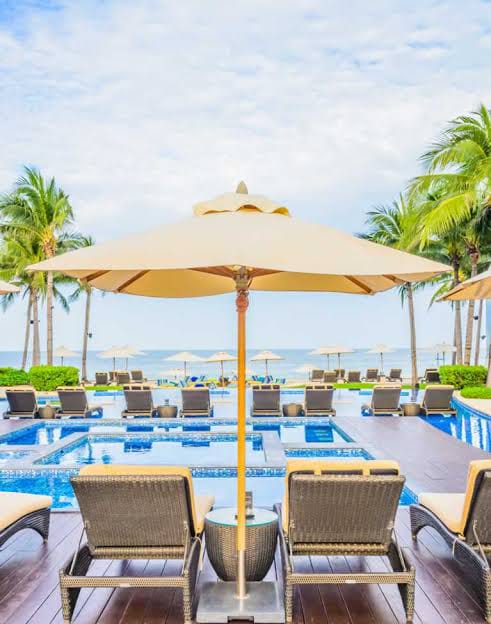
Photo: nauticabeachresort.com
Nautica Beach Resort is located in Lekki and describes itself as an in-city leisure and lifestyle destination. It combines beach access with recreation, dining, entertainment, wellness and sports. Activities listed on its website include quad biking, paintball, volleyball, football, snooker and VR gaming.
For visitors who want to stay longer, Nautica offers beachfront accommodation, including private beach chalets and apartments. Its website says guests can buy beach access and pre-book activities through the Orbit Lifestyle App. The resort also hosts events and entertainment for visitors who want to spend more time at the location.
Sunny Side Beach
Photo: Instagram/@sunnyside.beach
Sunny Side Beach is located at Mopo Onijebu, off Cardinal Anthony Olubunmi Okogie Road in Sangotedo. Current listings describe it as a bar and grill, beach club and leisure spot. It is more suited to visitors looking for a beach outing with food and drinks than a conventional hotel-style stay.
The location’s current listings show afternoon-to-evening operating hours on its open days. This makes it an option for visitors who want to spend part of the day by the coast before heading home. For a Lagos staycation, it is better presented as a local beach outing, while claims about overnight accommodation should be avoided unless confirmed directly with the business.
KYMA Beach
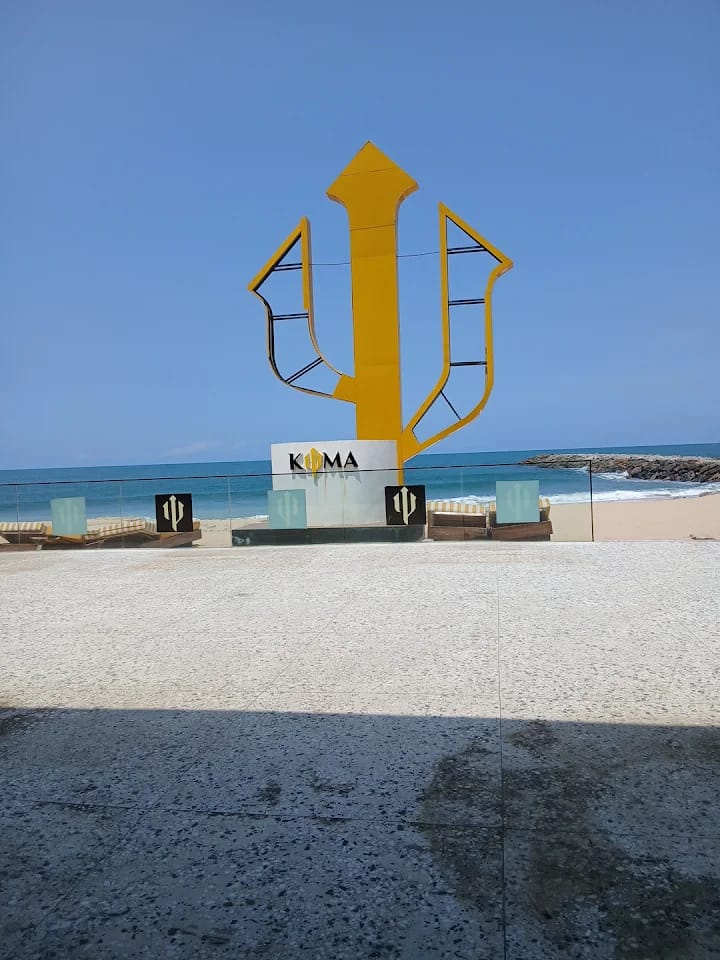
Photo: kymabeach.com
KYMA Beach is located at Elegushi Private Beach in Ikate, Lekki. It operates as a beachfront club with private cabanas, dining and spaces for private events. Its signature restaurant, LYA, is open to both members and non-members by reservation, allowing visitors to combine a beach outing with a restaurant visit.
KYMA also accepts non-members through day passes, which provide access to the beach, restaurant and selected facilities. Its official website lists public access from Tuesday to Sunday, with Mondays closed. This makes it an option for people who want to spend the day at the beach without booking an overnight stay.
Kivu Beach
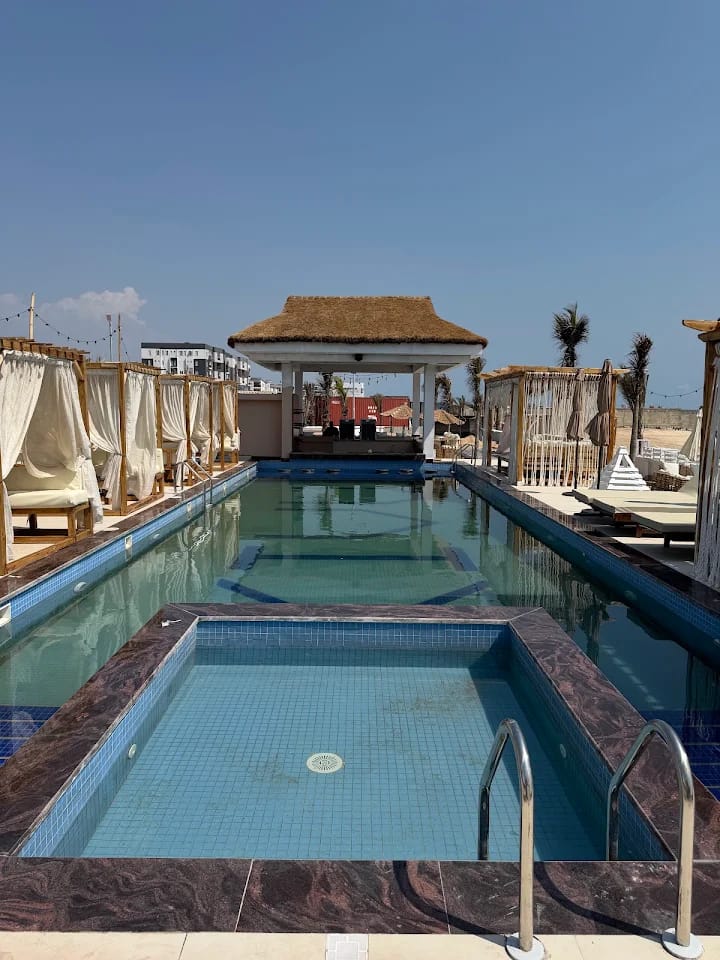
Photo: kivubeachclub.com
Kivu Beach is located at Oba Elegushi Beach in Lekki Phase I and is listed as a beach club and dining destination. Its location places it within one of Lagos’ coastal leisure areas, giving residents another option for a day by the water without travelling outside the city. Current listings describe Kivu as a casual dining restaurant serving international cuisine.
Kivu is better presented as a beach and dining option than an accommodation-focused resort. Visitors should confirm current access arrangements, opening times and charges with the venue before setting out, as these details can change.
For Lagos residents, a staycation can be as simple as choosing a coastal spot for a day or booking a resort for a longer break. Ziba and Nautica have accommodation options for visitors planning to stay overnight, while Sunny Side, KYMA and Kivu are more suited to beach outings, dining and leisure. The choice depends on whether the plan is a weekend away, a few activities, a meal by the beach or some time by the water.

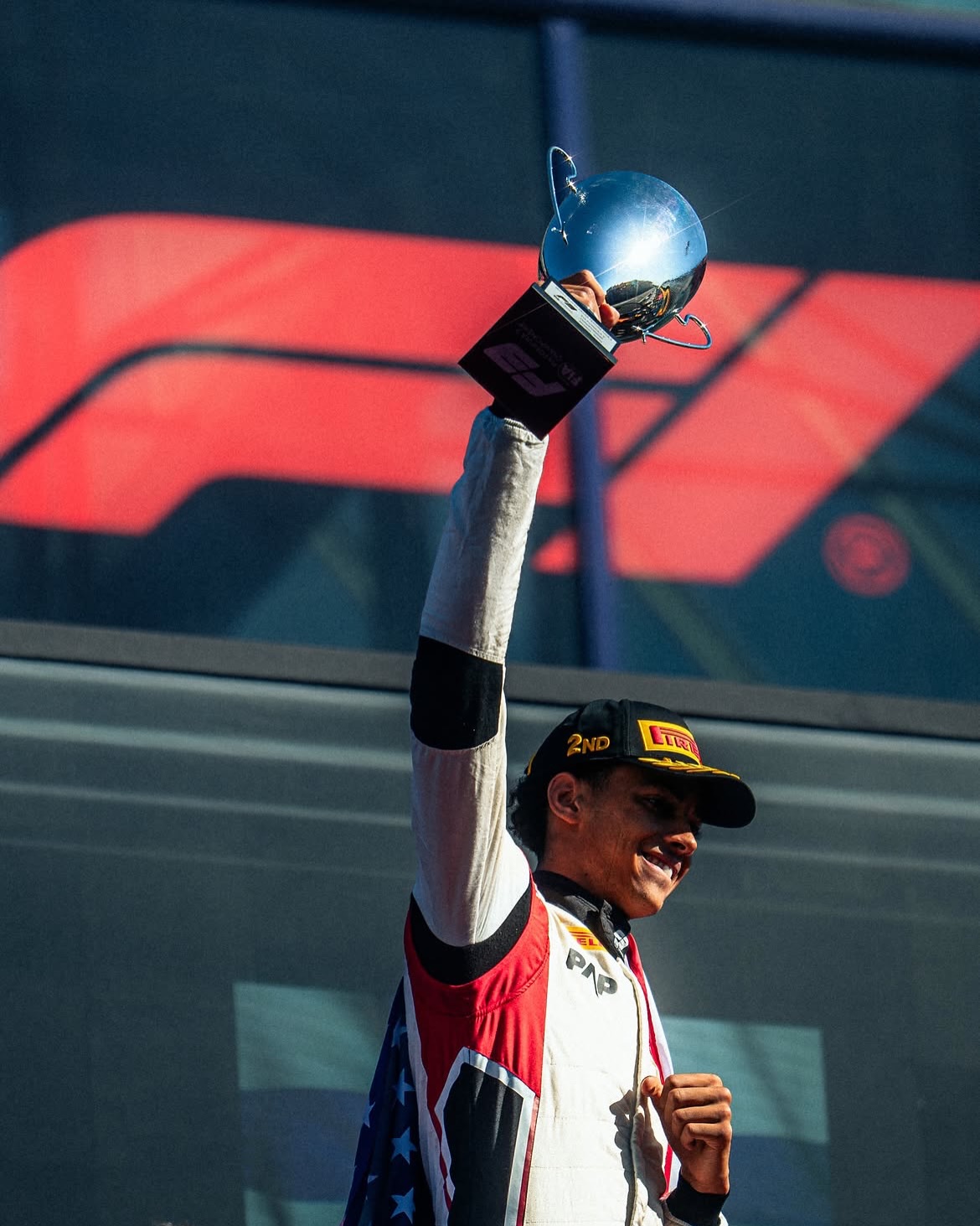
Ugo Ugochukwu has won the 2026 FIA Formula 3 Drivers’ Championship, becoming the first American driver to claim the title in the current FIA Formula 3 Championship.
The 19-year-old secured the championship on Sunday, September 13, at the Madring circuit in Madrid. Driving for Campos Racing, Ugochukwu finished second in the second Feature Race behind MP Motorsport’s Tuukka Taponen. Freddie Slater, his main title rival, finished eighth for Trident.
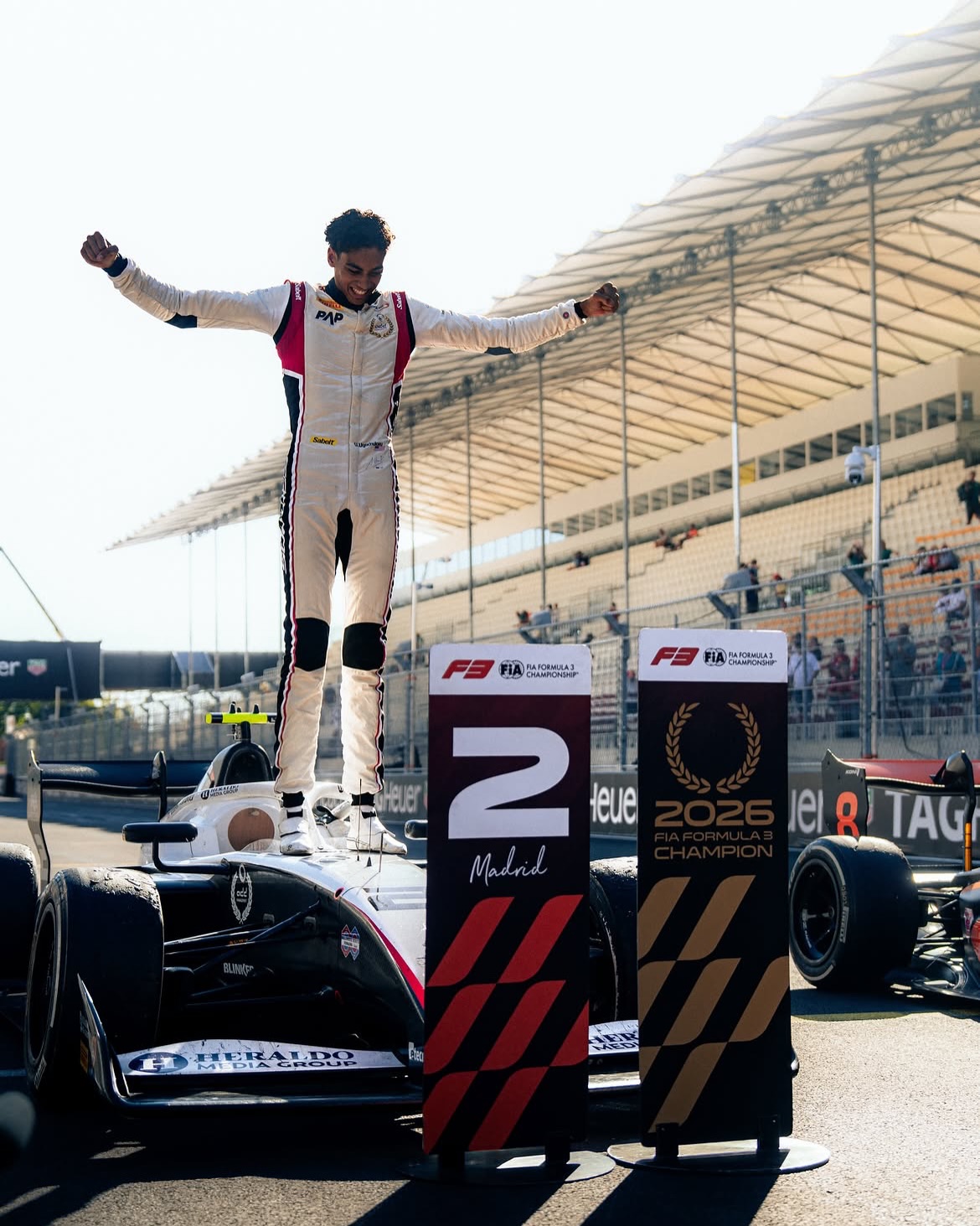
Photo: Instagram/@fiaf3
The result put Ugochukwu on 159 points for the season, 14 points ahead of Slater, who finished second with 145. Taponen’s victory also moved him into third place in the final Drivers’ Championship standings with 109 points.
Ugochukwu’s title came in his second FIA Formula 3 season. He won the opening Feature Race in Melbourne, Australia, before taking another victory in the Silverstone Sprint Race. He also finished on the podium in Catalonia, at the Red Bull Ring, in Hungary and in Madrid.
Ugochukwu arrived in Madrid 15 points behind Slater. After the weekend’s earlier races, the pair were level on 141 points going into the final Feature Race. Ugochukwu started the race from second on the grid, while Slater started eighth. Ugochukwu held second to the finish, while Slater remained eighth, giving Ugochukwu enough points to take the championship.
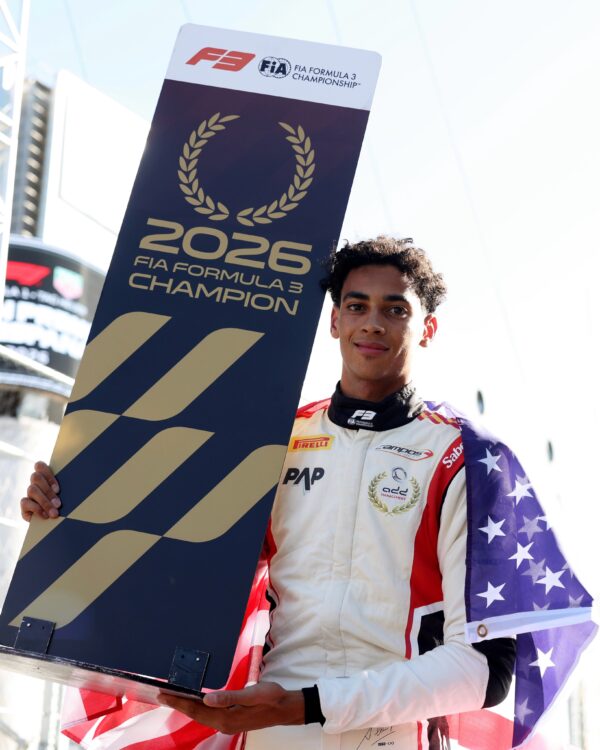
Photo: Instagram/@fiaf3
Ugochukwu is the son of Nigerian fashion model Oluchi Onweagba. Born in New York, he moved from karting into single-seater racing in 2022, competing in British F4. He won the Euro 4 Championship in 2023 and the Macau Grand Prix in 2024.
He joined the FIA Formula 3 grid with PREMA Racing in 2025, finishing 16th in the championship and recording two podiums. He switched to Campos Racing for 2026 and began the year by winning the Formula Regional Oceania trophy.
He now joins former FIA Formula 3 champions including Oscar Piastri and Gabriel Bortoleto, who have gone on to compete in Formula One.
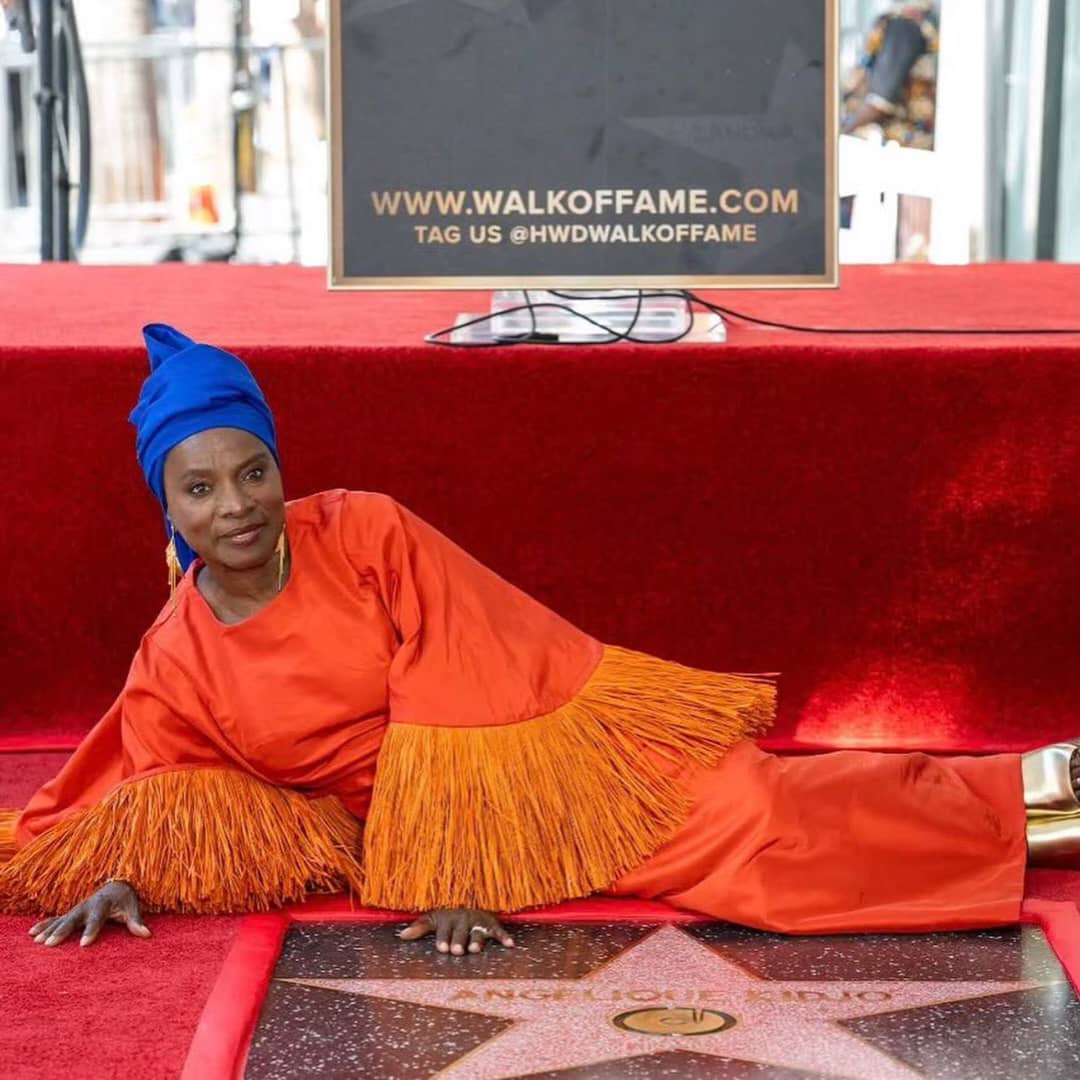
Angélique Kidjo has become the first African musician and first Black African artist to receive a star on the Hollywood Walk of Fame, marking a significant moment for the Beninese singer whose career has taken African music to audiences around the world.
The five-time Grammy Award winner received the honour on Tuesday, August 18, 2026, during a ceremony in Los Angeles. Her star, the 2,854th on the Hollywood Walk of Fame, was placed in the Recording category at 7011 Hollywood Boulevard.
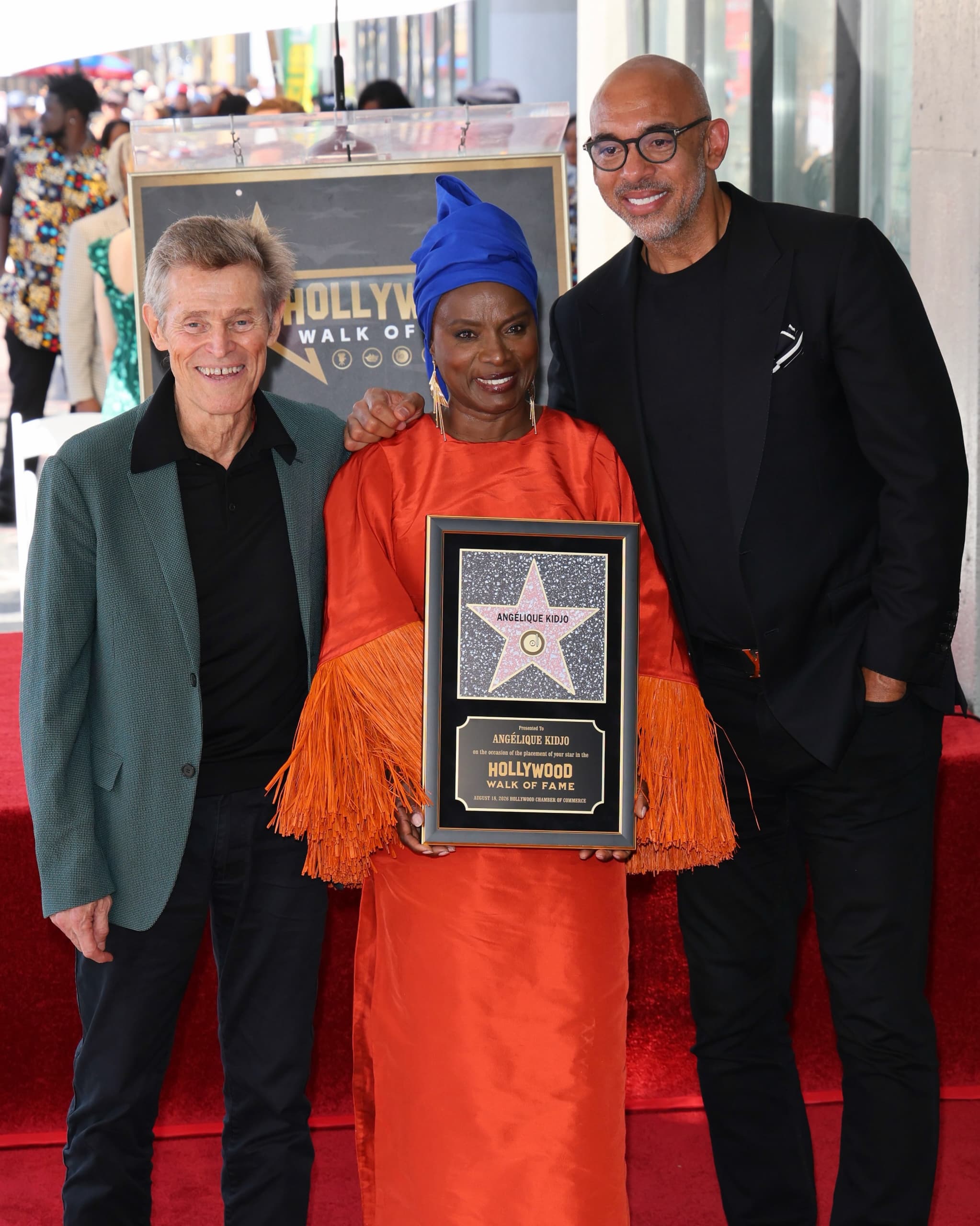
Photo: Getty images
Kidjo was among the names selected for the Hollywood Walk of Fame Class of 2026. The selection was announced in July 2025, with the Beninese singer included alongside several prominent figures from music, film, television and other areas of entertainment.
x.com/@MadamAfrika
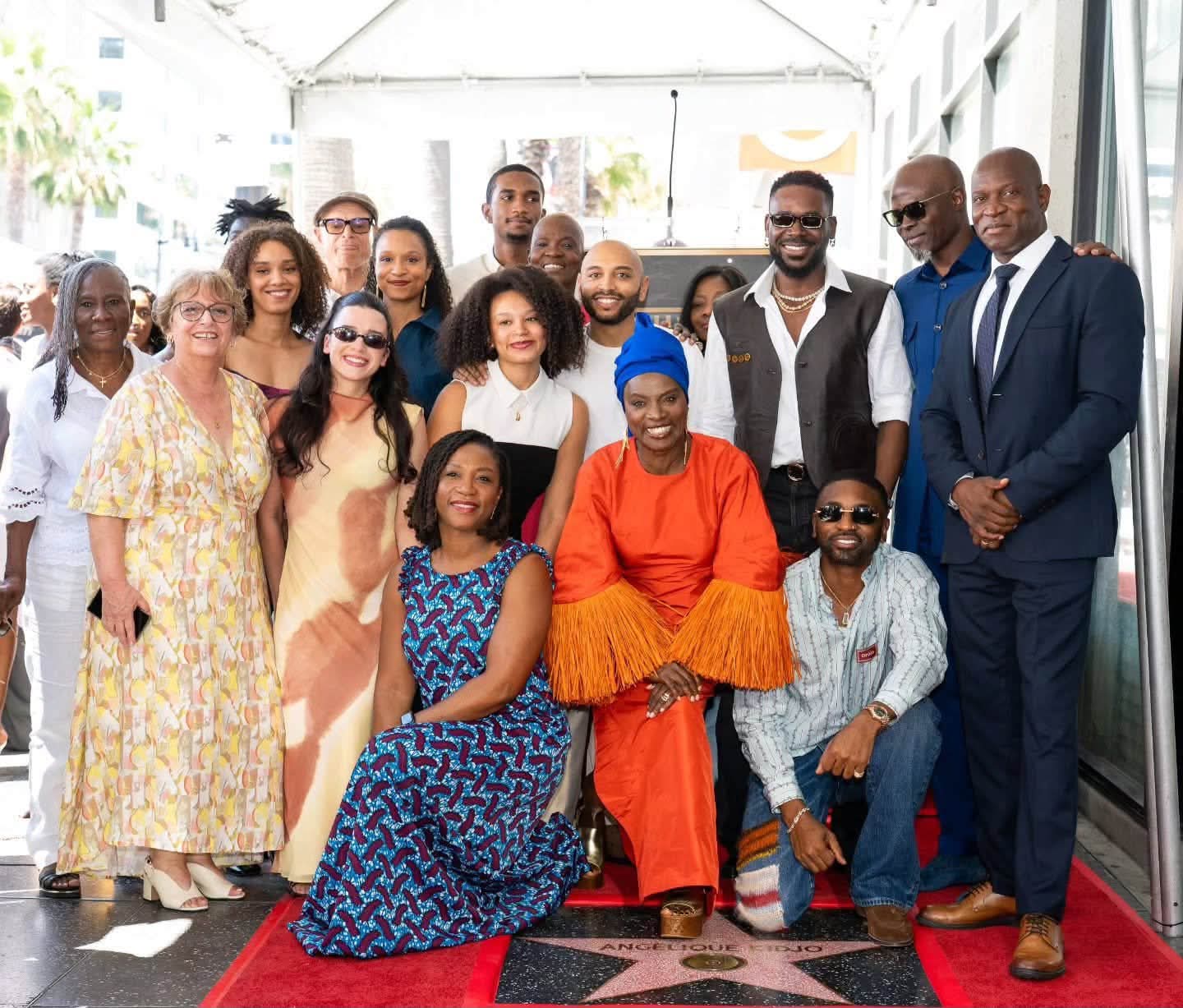
The ceremony brought together several notable figures, including Oscar-nominated actor Willem Dafoe and Recording Academy CEO Harvey Mason Jr. Nigerian singer Adekunle Gold and actor Djimon Hounsou were also reported to be among those who attended the occasion.
For Kidjo, the recognition is tied closely to where she comes from and the music she has carried across borders throughout her career. During her speech, she reflected on Africa’s contribution to music and the influence of the continent’s culture on sounds heard around the world.
“We Africans don’t know what we’ve given to the world. Without us, there’s no music possible on this planet,” she said during the ceremony.
The 66-year-old singer has spent more than four decades in music, building a career that extends beyond recording and live performances. She has released numerous albums, worked with international artists and used her public platform to support social and humanitarian causes. Her collaborations have included musicians such as Alicia Keys, Peter Gabriel, John Legend, Bono, Yo-Yo Ma and Burna Boy.
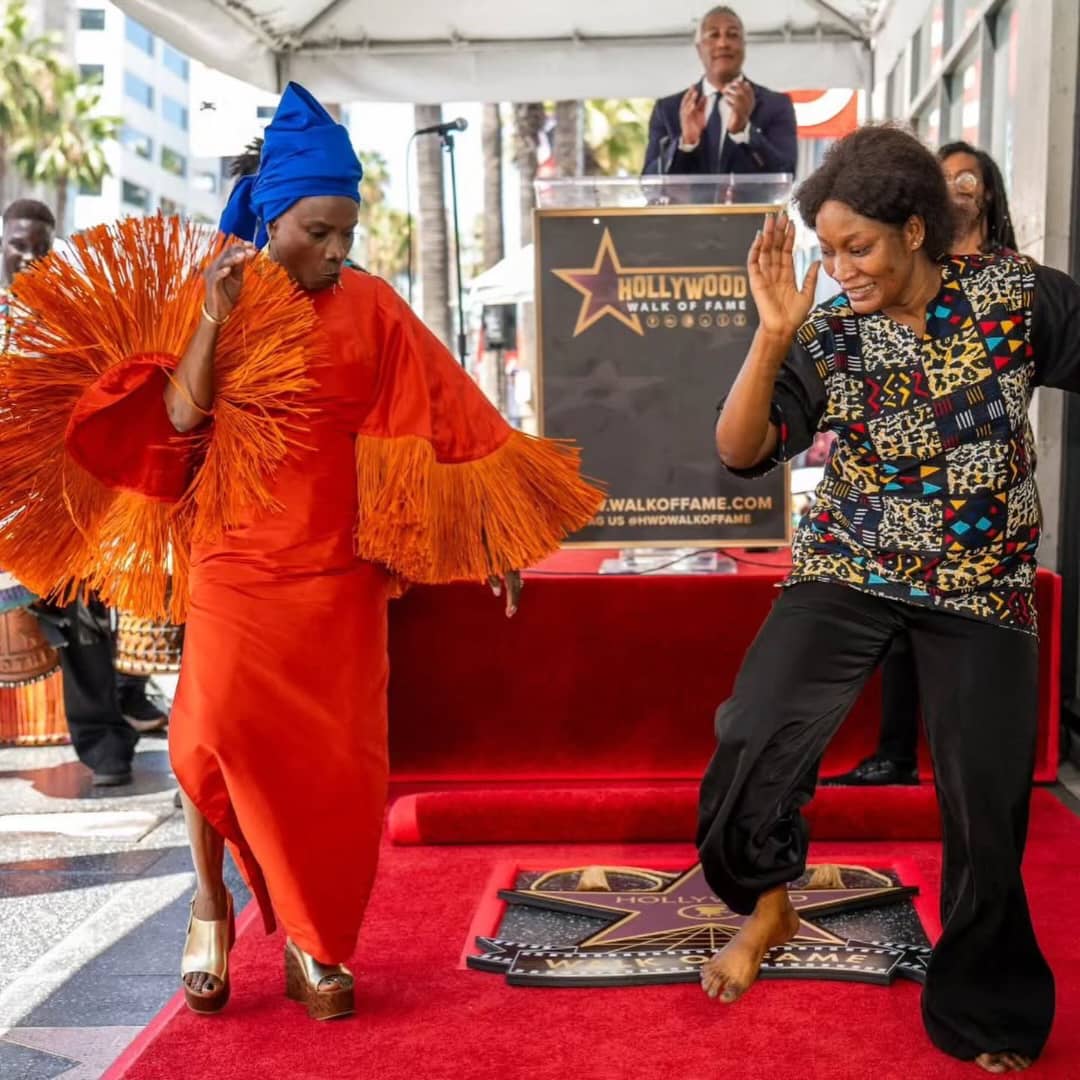
Photo: Getty images
Her Grammy history is another major part of that career. Kidjo has won five Grammy Awards, adding to a list of international honours that have established her as one of the most recognised African musicians working on the global stage.
The Hollywood recognition also came with a special declaration. August 18 was officially recognised as Angélique Kidjo Day in Hollywood, adding another distinction to the occasion.
The significance of the star goes beyond the name engraved on the famous boulevard. Kidjo’s achievement places a Beninese musician at a landmark that has long been associated with some of the biggest names in international entertainment. For African music, it is another visible acknowledgement of the artists who have carried sounds, languages and traditions from the continent into wider global audiences.

Ayra Starr Performs ‘Rush’ and ‘Heaven Baby’ at NFL Halftime Show in London | Watch Video

Brandy Set to Headline Flytime Detty December in Lagos

Oma Osele Wins Miss Continental World 2026

Best-Dressed Stars of the Week

Laura Ikeji Proves Polka Dots Are Back and Better Than Ever

Rapper Tommie Lee Arrested at 2026 FIFA World Cup.

New Music to Kickstart Your Week From Victony, Timaya, Duncan Mighty, Mr Eazi & Fave.

Toke Makinwa Weighs In on Love, Money and Dating Expectations.
Ayra Starr Performs ‘Rush’ and ‘Heaven Baby’ at NFL Halftime Show in London | Watch Video

Ayra Starr and ZAYN Finally Share the Screen in “Heaven Baby” Video

Kizz Daniel’s ‘Owo Oluwa’ Finds Grace in Faith, Family and Loss

‘Black Market’ Breaks Guinness World Record With Over 51,000 Viewers


-

 Music2 months ago
What Exactly Are Ayra Starr and ZAYN Singing About on “Heaven Baby”?
-
 Models2 months ago
Meet the African Queens Competing for the Miss World 2026 Crown
-

 Movies2 months ago
5 Nollywood Films to Stream on YouTube
-
 Big Brother Naija2 months ago
Everything You Missed on Big Brother Naija Week 5
-

 The Best Dressed Celebrities This Week1 month ago
The Best-Dressed Stars of the Week Kept Things Chic and Daring
-

 Movies1 month ago
“Dear Ajayi” Makes History as First Nigerian Production in Venice Days Competition | Watch Trailer
-

 Celebrity News2 months ago
Ayra Starr to Headline 2026 NFL London Game Halftime Show
-

 Celebrity Style1 month ago
Our Favourite Looks at ‘The Wedding Story’ Premiere
-

 Big Brother Naija1 month ago
All the Drama BBNaija Week 6 Brought
-

 Models1 month ago
Tamunosoye Karibi-George Wins African Top Model Title at Miss World