
Skin Care
Does Shea Butter Cause Breakouts?

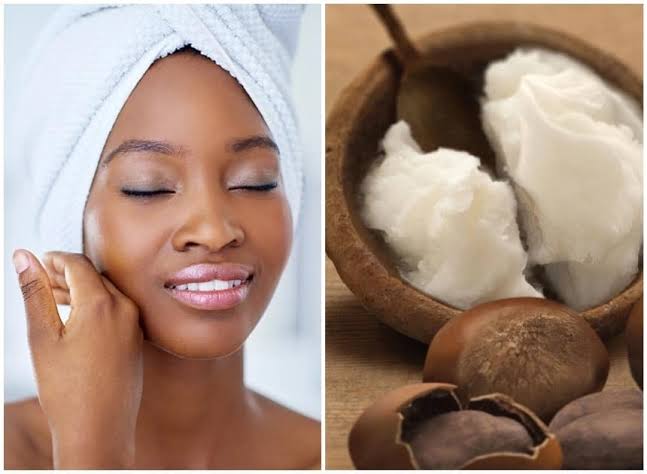
For many Nigerians, shea butter is more than a beauty product; it’s woven into daily life. From childhood, we’ve witnessed its magic on dry skin, cracked lips, and coarse hair. Its rich, creamy texture has made it a staple in homes across the country, passed down through generations. Today, as shea butter takes centre stage in modern skincare routines, a common question arises: can this age-old balm trigger breakouts?
Why the Worry?

Shea butter is prized for its deep moisturising properties, creating a protective barrier that locks in hydration. That same thickness, however, can be a double-edged sword. For skin prone to clogged pores, heavy application may lead to pimples, blackheads, or whiteheads. The concern is particularly strong among people who experience oily or combination skin, where excess oils sit on the skin’s surface rather than absorbing efficiently.
Skin Type Matters
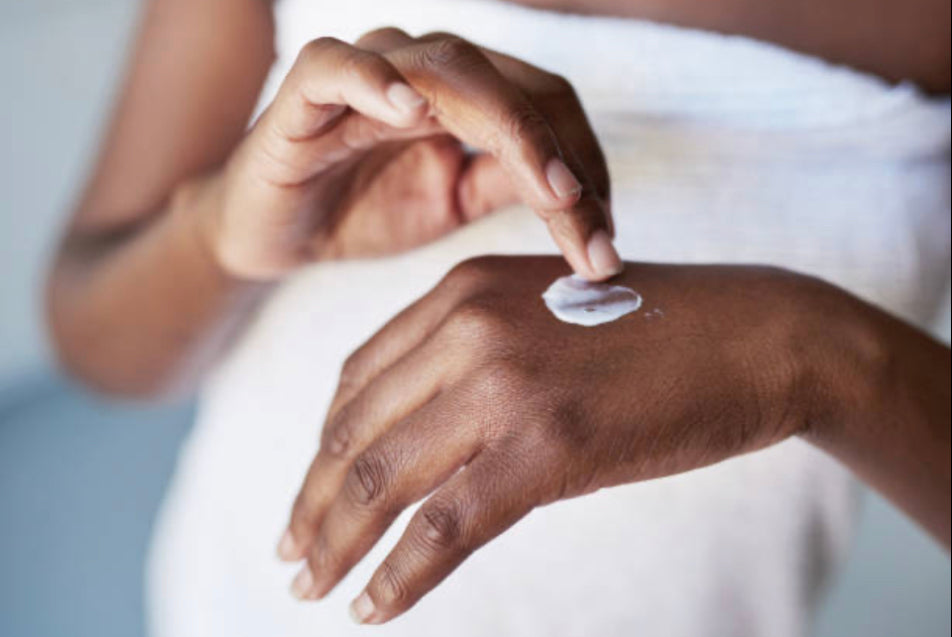
Not all skin responds the same way to shea butter. Dry and sensitive skin types often find it soothing, restorative, and protective against harsh weather conditions. Conversely, those with oily or acne-prone skin may notice more frequent breakouts when shea butter is applied directly to the face. The key lies in how your skin handles dense, occlusive oils: what nourishes one person might feel overwhelming for another.
How to Use It Wisely 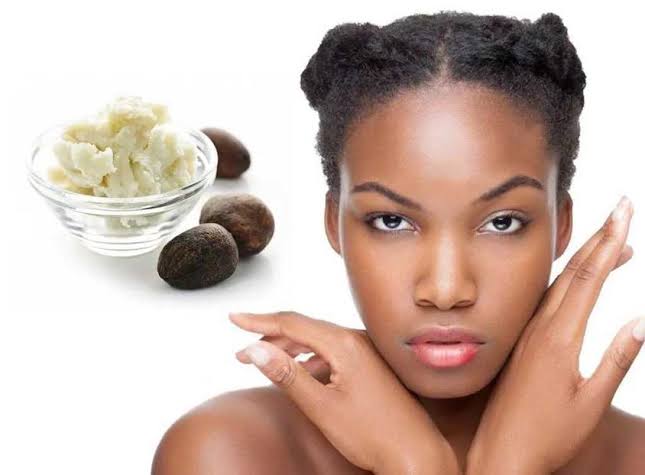
You don’t need to abandon shea butter entirely. Many skincare enthusiasts keep it reserved for the body, applying it to elbows, knees, heels, and other areas that need extra moisture. For the face, lighter oils or non-comedogenic creams may be a better option. If you love shea butter for facial care, try whipped formulations or products where it is blended with lighter ingredients, allowing your skin to enjoy the benefits without feeling clogged or heavy.
The Bottom Line
Shea butter remains one of nature’s treasures, but it is not a one-size-fits-all solution. The best guide is your own skin: if your face stays clear, smooth, and hydrated, continue using it. If breakouts appear, consider limiting it to the body. Thoughtful application ensures you enjoy the nourishing benefits of shea butter while keeping your complexion healthy and balanced.







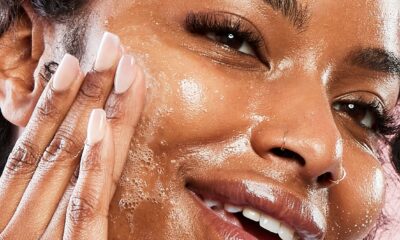



Cleansing oils have become essentials for anyone who wears long-wear makeup or relies on sunscreen daily. They break down pigment without stripping the skin, and the right formula keeps the complexion smooth, clear, and comfortable. We tested multiple options across different textures and skin types to find the oils that truly perform.
Kose Softymo Speedy Cleansing Oil

A lightweight favorite that cuts through foundation and brow products almost immediately. It emulsifies cleanly, making it ideal for oily and combination skin that needs a thorough cleanse without residue.
Hada Labo Gokujyun Cleansing Oil

Soft, hydrating, and perfect for dry or dehydrated skin. The formula gives a smooth glide and rinses off without leaving a coated feel, making it a strong choice for evening routines.
Simple Hydrating Cleansing Oil

A minimal, fragrance-free option made for sensitive skin. It removes makeup gently and keeps the moisture barrier intact, which is important for anyone prone to irritation or dark marks from harsh cleansers.
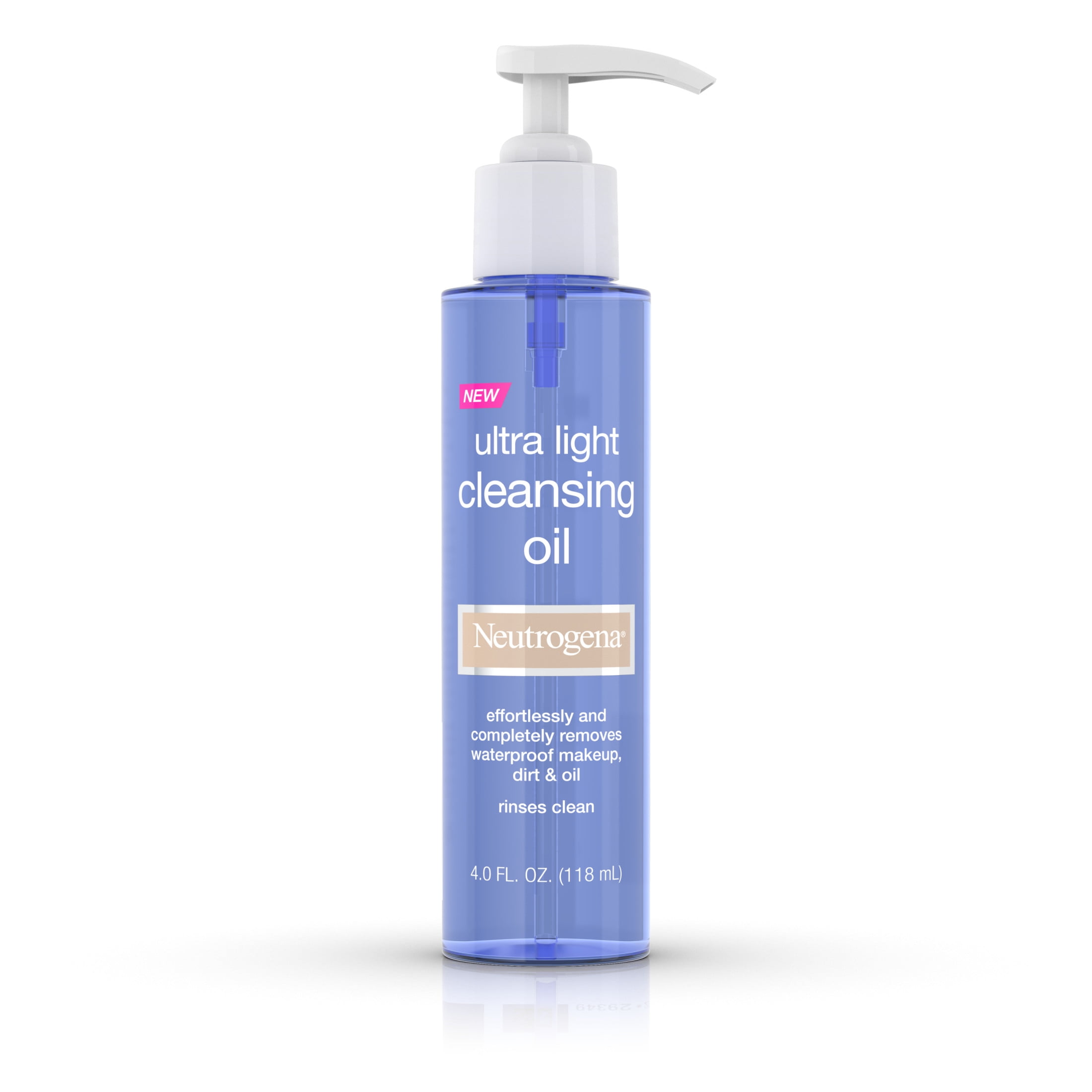
Neutrogena Ultra-Light Cleansing Oil

Featherlight and quick to dissolve sunscreen, dust, and daily buildup. It’s a reliable everyday cleanser for those who prefer a barely-there texture that still works efficiently.
A few seconds of massaging, a splash of water, and each of these oils transforms into a clean, milky rinse, dependable formulas that make end-of-day cleansing feel smooth instead of stressful.

Sunscreen rarely makes it onto the average Nigerian skincare list. We think cleanser, maybe moisturizer, but SPF hardly ever makes the cut. Many still assume darker skin doesn’t need sun protection. Unfortunately, that’s a myth. The sun spares no one, and UV rays can dull your glow, darken spots, and speed up ageing.
We live under a sun that can roast corn by noon, so skipping sunscreen is not a show of strength; it is self-sabotage. Thankfully, formulas have improved. There’s now an SPF for every skin type, and most blend beautifully on deeper tones without leaving that ghostly finish. Here’s how to find one that truly works for you.
For Oily Skin: Keep It Light and Matte

Oily skin and Lagos humidity are a risky combination. The trick is to pick a sunscreen that keeps you protected without adding extra shine. Lightweight, gel-based formulas are best. They dry fast, feel weightless, and help control oil throughout the day.
Look for products labelled oil free, mattifying, or niacinamide infused. They’ll give your skin a clean, smooth finish without clogging pores.
Tip: Keep blotting paper in your bag. The heat will always test you, so stay ready.
For Dry Skin: Think Moisture First

If your skin feels tight or flaky, creamy sunscreens are your best bet. Choose formulas with hydrating ingredients such as shea butter, glycerin, or hyaluronic acid. They protect your skin while locking in moisture, leaving it soft and comfortable instead of parched.
For best results, apply your moisturizer first, wait a few minutes, and then follow with sunscreen. It goes on evenly and lasts longer.
For Combination Skin: Aim for Balance

Combination skin means oily in some areas and dry in others, so balance is everything. A gel cream sunscreen works well; it is light enough for the T-zone, yet hydrating enough for the cheeks.
Go for non-comedogenic products that won’t clog pores or cause breakouts. The right texture should leave your skin feeling fresh, not sticky.
For Sensitive Skin: Gentle Does It

If your skin reacts easily, stick with mineral sunscreens containing zinc oxide or titanium dioxide. They sit on top of the skin instead of sinking in, which reduces the risk of irritation.
Fragrance-free formulas are safest. And if you notice ingredients like aloe vera or green tea on the label, even better; they help soothe and calm the skin after sun exposure.
For Dark Skin: No White Cast Allowed

Many people with darker skin tones have given up on sunscreen because of that chalky residue. But newer formulas now melt seamlessly into melanin-rich skin without dulling your complexion.
Look out for labels that say invisible finish, clear, or tinted. Gel or serum based sunscreens tend to blend best, leaving your skin with a healthy, natural sheen rather than an ashy film.
For Outdoor Lifestyles: Sweat Proof or Nothing

If you spend a lot of time outdoors, whether it is morning workouts, daily commutes, or weekend parties, choose a sunscreen that stays put. Water resistant or sport formulas are built to handle sweat and heat.
Remember to reapply every two hours if you’re under the sun for long periods. It may seem like extra effort, but your skin will thank you later.
Final Word: SPF is Essential
Sunscreen is not an optional step; it is the backbone of good skincare. You can invest in the best serums and scrubs, but without SPF, you’re undoing all that effort.
So, before you head out, whether for errands, work, or brunch, make sunscreen the last step in your routine. It’s not about vanity; it’s about care. Years from now, your skin will show the difference.
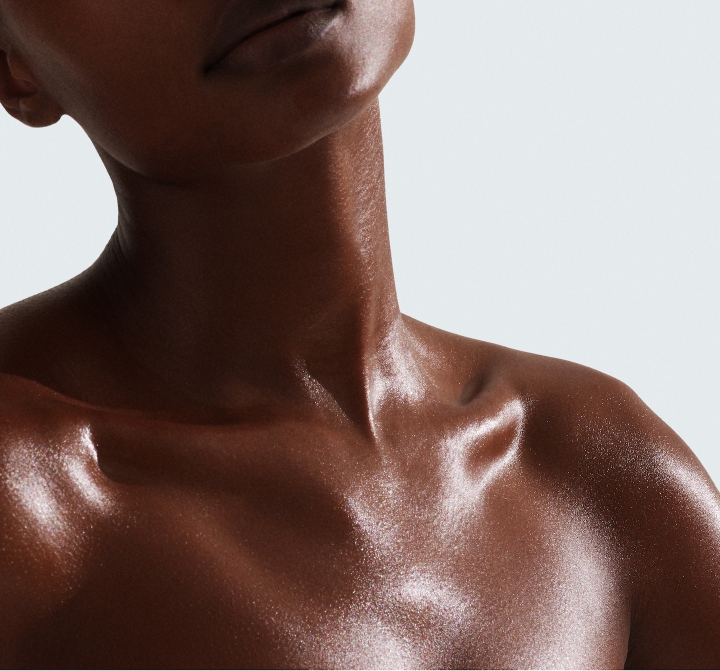
Body oils are lightweight, fast-absorbing oils that can be used to nourish and moisturize your skin. They’re perfect for hydrating dry skin, reducing inflammation, and even helping to improve the appearance of fine lines and wrinkles. If you struggle with a dry and dull skin, body oil should be a must-have in your routine.

Image: Google
Benefits of Using Body Oils
Body oils offer several notable advantages for skin health. Below are a few of them:
Hydration: they play a significant role in maintaining skin hydration by forming a barrier that helps retain moisture, resulting in softer, more supple skin.
Nourishments: many body oils are rich in antioxidants, vitamins, and essential fatty acids, which contribute to the nourishment and protection of the skin
Improved skin texture: Consistent application of body oils can also improve skin texture, potentially reducing the appearance of fine lines and wrinkles and promoting a smoother, more radiant complexion.
How to Choose the Best Body Oil for Your Skin Type:

Image: Argan oil from Saya
Selecting an appropriate body oil depends largely on one’s skin type. Here are a few tips to help:
Dry skin: Look for oils with deeply moisturizing properties, such as coconut oil, shea butter, or argan oil.
Oily skin: For those with oily skin, lighter oils like jojoba or sweet almond oil are preferable, as they provide hydration without blocking pores.
Sensitive skin: choose fragrance-free and hypoallergenic options to minimize the risk of irritation.
Top Body Oil Choice for Your Body
Here are some of the best body oils for achieving a glowing complexion:
Argan oil: rich in antioxidant and essential fatty acid content. It helps to nourish and protect the skin.

Image: Coconut body oil by Palmers
Coconut oil: recognized for its moisturizing and healing properties.
Jojoba oil: valued for its lightweight texture and rapid absorption.
Sweet almond oil: It is rich in vitamins and minerals that can help to nourish and soften your skin.
How to Use Body Oils

Image: Sweet almond body oil

Image: Jojoba body oil from Google
Applying body oils is a straightforward process, but there are some best practices that can maximize their benefits. First, it’s advisable to apply body oil immediately after showering while the skin remains damp. This timing helps to retain moisture more effectively.
When applying, gently massage the oil into your skin using circular motions. This method not only encourages absorption but can also support circulation and ease muscle tension—a small but beneficial addition to the routine.
For a more intensive treatment, consider applying a generous amount of oil and allowing it to sit on the skin for approximately thirty minutes before rinsing off. This approach can deliver deeper nourishment.
Body oils are a valuable addition to skincare routines. Their ability to hydrate, nourish, and improve skin texture is a game-change. Selecting an oil that suits your skin type and using it consistently will promote a healthier, and more radiant complexion.


Anna Ebiere Banner Confirms She’s Expecting in a Three-Part Shoot

Wizkid, Ayra Starr and Niko Omilana Named Among 2026 MOBO Awards Winners

Yvonne Godswill Looks Incredible In Black Leather During Night Out

Mimi Yina Means Business in a Pink Skirt Suit !

Toyin Abraham’s Over Sabi Aunty Crosses ₦1 Billion at the Box Office

Pantone’s 2026 Colour Cloud Trend Gets Uche Montana’s Seal of Approval

Uzor Arukwe, Idia Aisien and Others at the Bridgerton Season 4 Premiere in South Africa

Tolu Bally Impresses in Bold Floral Two-Piece Look

Toka McBaror’s ‘The Creek’ Trailer Drops, Full Cast (Bucci Franklin, Sam Dede, Sunshine Rosman) & What to Expect

Are We Finally Getting the R9 Album? Fans Read the Signs Around Rihanna

Tolubally Teases Her Bag-It Jeans from 2207byBally on Instagram!

Tiwa Savage Launches Music Foundation, Teams Up with Berklee to Empower African Creatives


-

 Lagos Fashion Week5 months ago
Lagos Fashion Week’s Earthshot Prize Win Highlights a Changing Direction in African Fashion Production
-
 Movies2 months ago
Toyin Abraham’s Over Sabi Aunty Crosses ₦1 Billion at the Box Office
-
 Celebrity Style3 months ago
Pantone’s 2026 Colour Cloud Trend Gets Uche Montana’s Seal of Approval
-
 Celebrity Style2 months ago
Uzor Arukwe, Idia Aisien and Others at the Bridgerton Season 4 Premiere in South Africa
-

 Celebrity News5 months ago
Burna Boy Commands the Spirit Tunnel on The Jennifer Hudson Show
-

 Celebrity Style4 months ago
Uche Montana Offers a Perfect Take on Wearing Leather
-

 Celebrity Style5 months ago
Diadem Okojie Perfects Polka Dots
-
 Fashion3 months ago
Tolu Bally Impresses in Bold Floral Two-Piece Look
-

 Movies4 months ago
4 Nollywood Movies To Watch This Week
-

 Health4 months ago
Disordered Eating Vs. Eating Disorder: Experts Explain The Differences And When To Seek Help