
Skin Care
How to Protect Your Skin from Pollution: Tips and Tricks

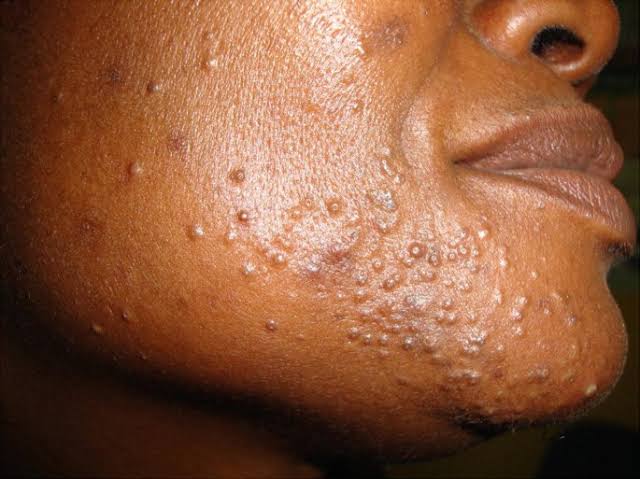
Do you know, Every day, your skin faces an invisible enemy? Pollution.
Pollution From car fumes to industrial smoke and even tiny dust particles in the air,
pollution can clog your pores, speed up aging, and leave your skin looking dull and tired.
Here’s the good news? You don’t have to accept it as part of your life. With the right habits, you can protect your skin and keep it healthy, glowing, and resilient.
How Does Pollution Affect Your Skin?
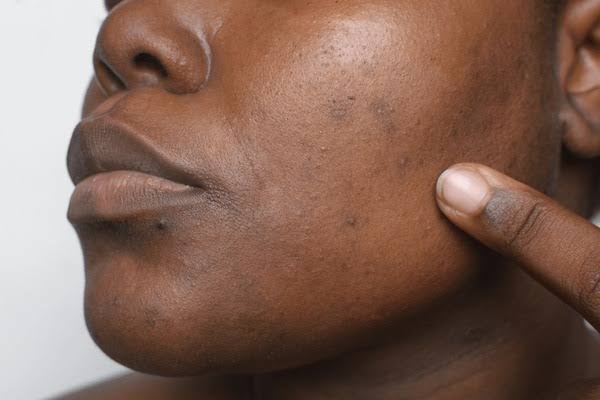
Pollution doesn’t just sit on your skin, it penetrates it. Tiny pollutants, known as free radicals, break down collagen, leading to wrinkles, fine lines, and sagging.
They also trigger inflammation, making skin more prone to acne, redness, and sensitivity. Over time, prolonged exposure can lead to hyperpigmentation and a generally uneven skin tone.
How to Shield Your Skin from Pollution
1. Start with a Strong Cleanser
Cleansing is your first line of defense. Wash your face every morning and night to remove dirt, toxins, and pollutants. A gentle, sulfate-free cleanser is best because harsh products can strip your skin of its natural moisture, making it more vulnerable.
If you live in a highly polluted area, consider double cleansing using an oil-based cleanser first to break down impurities, followed by a water-based cleanser to wash them away.
2. Never Skip Moisturizer
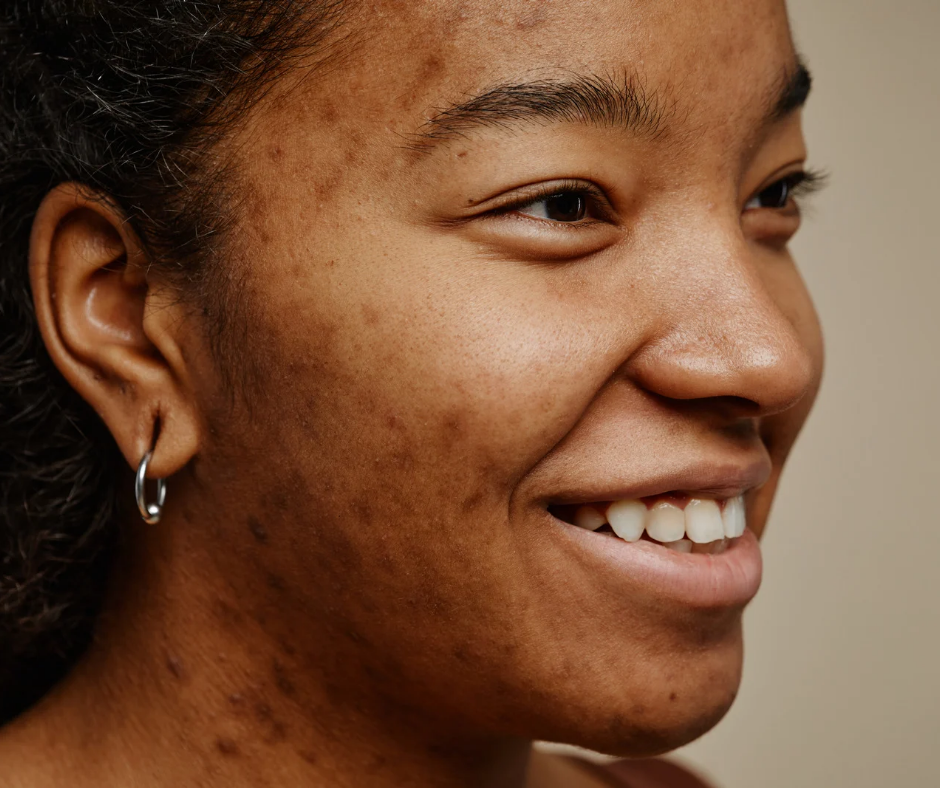
A well-hydrated skin barrier is harder for pollution to penetrate. Use a moisturizer rich in antioxidants like vitamin C or E, which neutralize free radicals before they cause damage. Ingredients like hyaluronic acid also help to lock in moisture, keeping your skin plump and protected.
3. Sunscreen is Non-Negotiable
UV rays and pollution are a dangerous duo that accelerate skin aging. A broad-spectrum sunscreen acts as a shield, preventing pollutants from breaking down your skin. Make sunscreen a daily habit even on cloudy days.
4. Antioxidants Are Your Best Friend
Pollution increases oxidative stress, which leads to premature aging. The best way to fight this is with antioxidants. Look for serums containing vitamin C, niacinamide, or green tea extract. These ingredients help repair skin damage and brighten your complexion.
5. Detox from the Inside Out
What you eat matters. A diet rich in fruits, vegetables, and healthy fats helps your skin fight off environmental damage. Drink plenty of water to flush out toxins, and consider green tea or lemon water for an extra detoxifying boost.
Final Thoughts:
Pollution is everywhere, but it doesn’t have to ruin your skin. With a solid skincare routine, a healthy diet, and protective habits, you can keep your skin strong, youthful, and glowing.
The key is consistency,
small, daily steps will make all the difference. Take care of your skin today,
and it will thank you in the years to come!
Read Next post: A Weekend Getaway in Lagos: What to Expect


Over the past few years, skincare has become one of the biggest trends on social media. What was once a conversation about treating acne or protecting the skin from the sun has evolved into elaborate routines featuring serums, exfoliating acids and anti-ageing products. As these routines gain popularity, more children and teenagers are reaching for products originally developed for adults, often without knowing how those ingredients work.
Dermatologists have increasingly warned that this trend can do more harm than good. Children’s skin is thinner and more delicate than adult skin, while teenagers generally do not need products designed to address concerns such as fine lines, wrinkles or loss of elasticity. Using the wrong products too early can disrupt the skin’s natural balance instead of improving it.
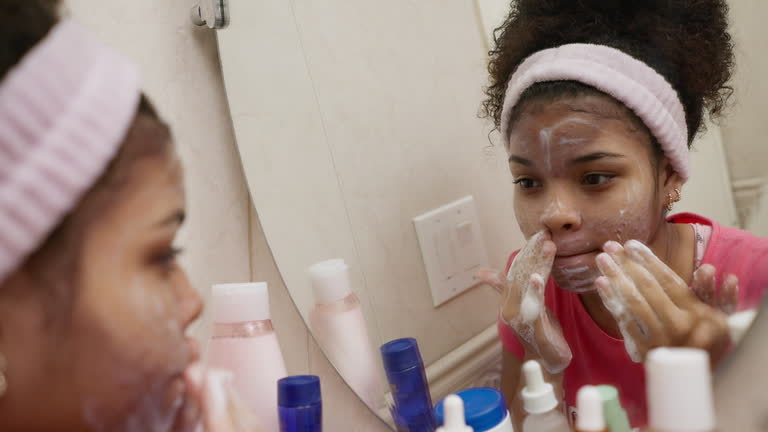
Photo: iStock
One of the biggest concerns is the growing use of retinoids, including retinol. These vitamin A derivatives are widely recommended for treating signs of ageing and some forms of acne in adults, but they can also cause dryness, peeling, redness and irritation, particularly when introduced without guidance. For younger users with healthy skin, the risks often outweigh any seen benefits.
Chemical exfoliants are another category that deserves caution. Ingredients such as glycolic acid and other alpha hydroxy acids (AHAs), along with beta hydroxy acids (BHAs) like salicylic acid, help remove dead skin cells. While some lower-strength salicylic acid products may be appropriate for certain teenagers with acne, frequent or unnecessary use of strong exfoliants can weaken the skin barrier, leaving the skin dry, sensitive and more vulnerable to irritation.
Some adult skincare products also contain high concentrations of active ingredients, fragrances or essential oils that can trigger allergic reactions or skin sensitivity in younger users. Products marketed for skin brightening, particularly those containing hydroquinone, should not be used by children or teenagers unless specifically prescribed and supervised by a qualified healthcare professional.
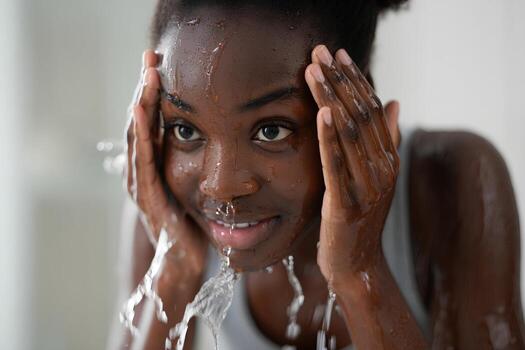
Photo: iStock
A damaged skin barrier is one of the most common consequences of using products that are too harsh. When the skin barrier is compromised, moisture escapes more easily and irritants can penetrate the skin more readily. This may lead to persistent dryness, stinging, flaking and discomfort. Certain active ingredients can also increase the skin’s sensitivity to sunlight, making daily sunscreen even more important.
For most children, skincare does not need to be complicated. A gentle cleanser, a fragrance-free moisturiser when needed and a broad-spectrum sunscreen are usually enough to keep the skin healthy. Teenagers can also benefit from a simple routine, with additional products introduced only when there is a genuine skin concern and after choosing ingredients that suit their age and skin type.
Healthy skin is not built by copying a viral routine or filling a bathroom shelf with expensive bottles. It comes from using products that match the skin’s actual needs. Before following the latest beauty trend, children and teenagers should remember that skincare is not one-size-fits-all. Choosing age-appropriate products and keeping routines simple is often the safest and most effective approach.
Watch Below:

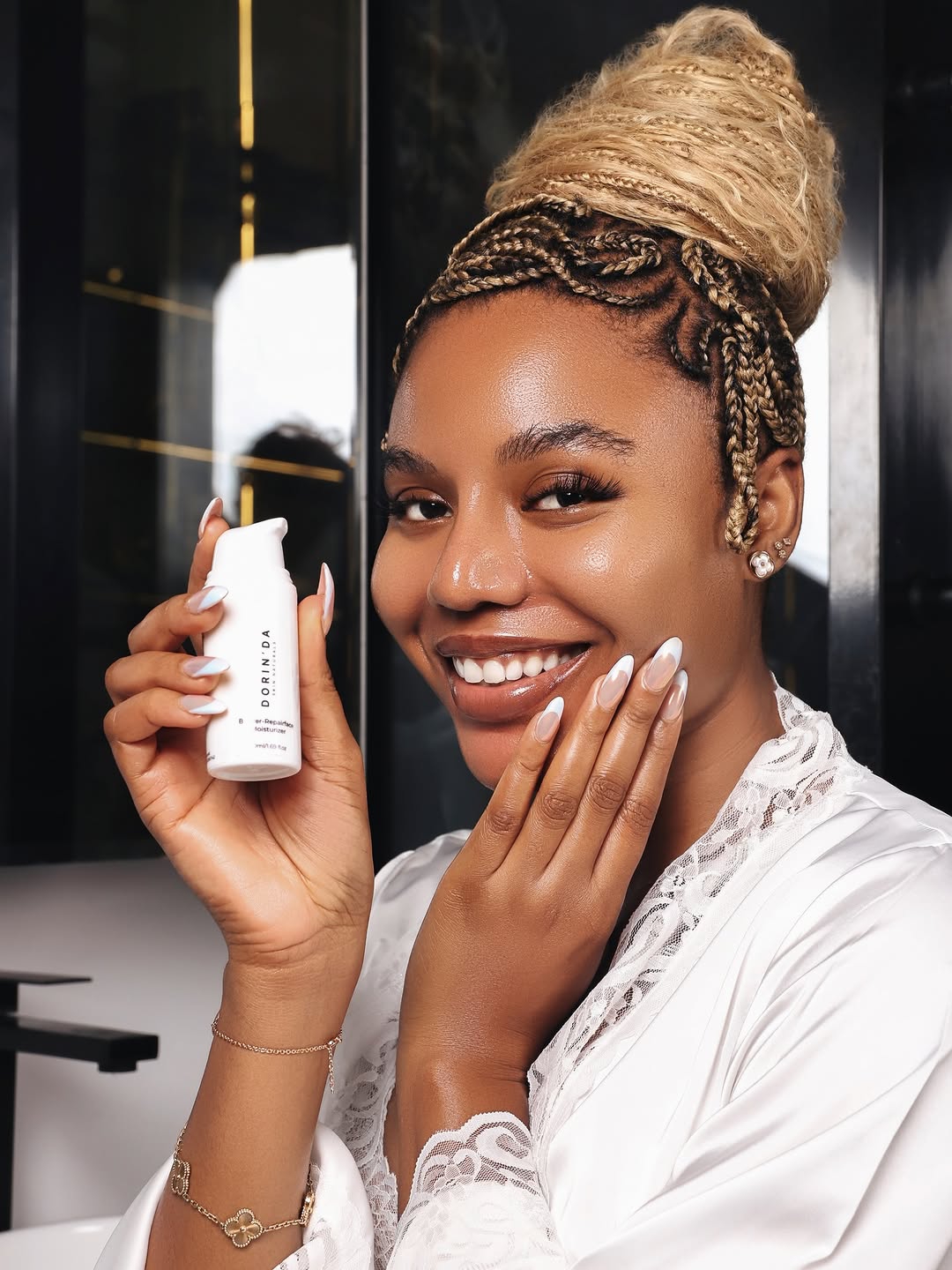
Nancy Isime finally shared the skincare routine behind her signature glow. You just hit 30, and suddenly your skin is changing? Here are 5 skincare tips from the media personality to consider in your 30s.
Clinical Facials
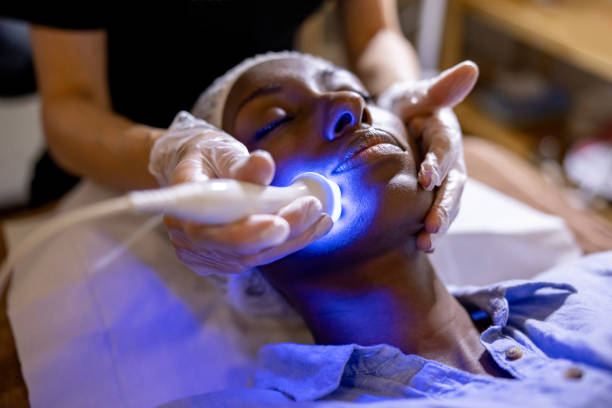
Photo – istock
She highlighted clinical facials as her number one routine to maintain her glow. Nancy pointed out that while women could get away with simple scrubbing and face masking in their 20s, their 30s require transitioning to professional and medical-grade skincare treatments by licensed skincare professionals.
She also mentioned treatments like microneedling, often known as collagen induction therapy, vampire facials, laser therapy, salmon DNA, chemical peels, and skin boosters.
Clinical facials provide deep extraction and medical exfoliation to revive your skin. She also talked about getting a good esthetician to test your skin type first.
Hydration
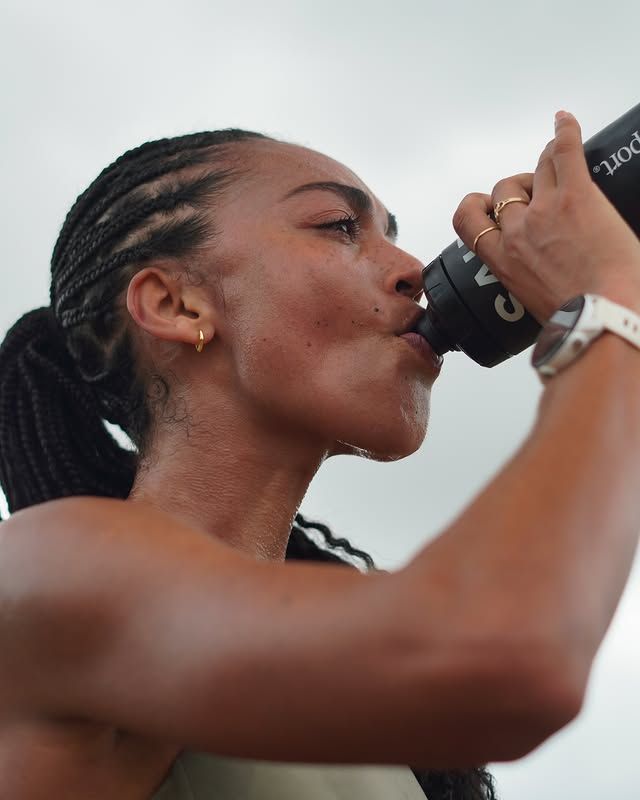
Photo – Instagram
Nancy mentioned how staying hydrated helps you glow from within, because drinking enough water supports skin health. She described hydration as an essential part of her routine. She also recommended drinking herbal tea and natural juices to support overall wellness. Nancy pointed out that taking IV (intravenous vitamins) drips helps with the infusion of vitamins, including vitamin C, biotin, and vitamin B.
Set Boundaries
Taking care of your skin requires setting boundaries. Nancy pointed out that maintaining healthy skin starts from making strict decisions on what to eat, drink, and do.
Intermittent Fasting
In addition to a structured diet, Nancy incorporates intermittent fasting into her routine.
Some studies suggest intermittent fasting may support cellular repair processes. Cell regeneration slows down during your 30s, causing the build-up of metabolic waste, which can contribute to visible skin changes over time.
She stated that skipping breakfast once or twice a week does not negatively affect your system. Instead, it triggers your body to clear out damaged cells and boost your natural glow. Nancy shared that doing an occasional 36-hour water fast may hasten the process.
Sleep

Photo – istock
Lack of sleep can affect the skin’s appearance, especially in your 30s. During deep sleep, the body naturally repairs itself, producing hormones that support skin repair and boost blood flow.
As someone who loves her sleep, Nancy advised that sleeping 6 to 9 hours, or even 10, rejuvenates your skin, which aligns with doctors’ recommended 8 hours of sleep every night. In cases where you find it hard to fall asleep, Nancy also mentioned taking supplements to help with sleep.
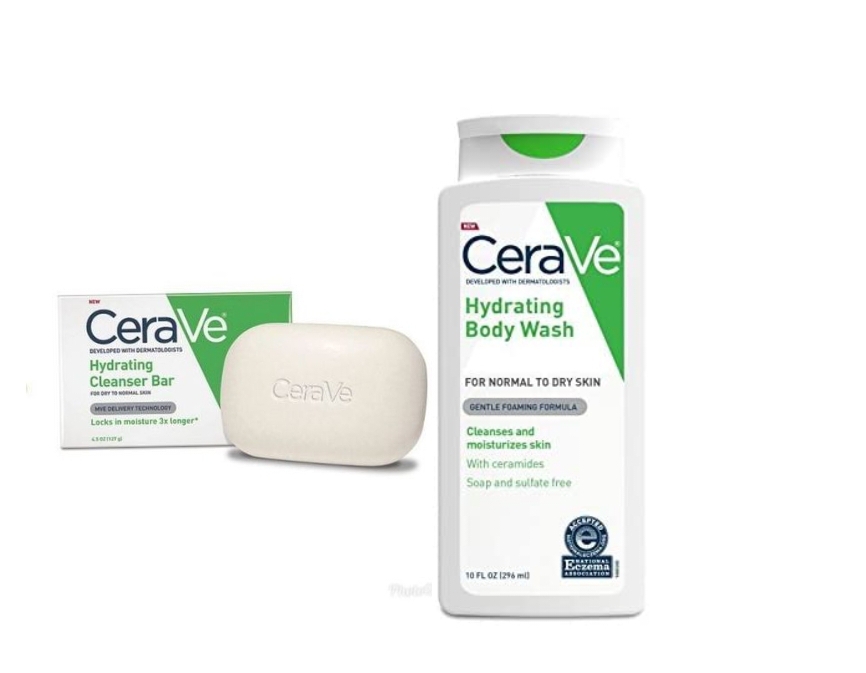
Bar soap and body wash both promise clean, fresh skin, but they do not always treat your skin the same way. The truth is, your choice between bar soap and body wash can affect how your skin feels, looks, and even behaves over time. If you have ever stepped out of the shower feeling tight and dry, or soft and moisturized, your cleanser probably played a big role.
Let’s break it down.
Bar Soap: Simple, But Sometimes Drying
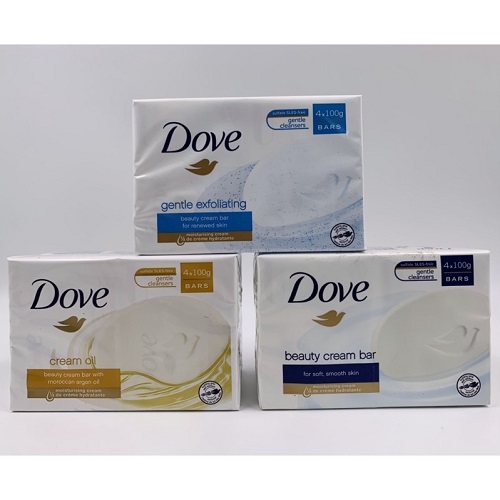
Photo: Dove
Bar soap has been around for generations. It is affordable, easy to use, and lasts longer than most body washes. For many people, it is the default choice.
Traditional bar soaps are made with cleansing agents that remove dirt, oil, and sweat. That sounds good in theory, but these cleansing agents can sometimes strip away your skin’s natural oils. When that happens, your skin may feel tight, dry, or slightly itchy after bathing. This is especially noticeable if you already have dry or sensitive skin.
Some bar soaps also have a higher pH level, which can disrupt your skin barrier. Your skin naturally leans slightly acidic, and when that balance is disturbed, it can lead to dryness, irritation, or even breakouts.
Bar soaps can also be a good option if you have oily or acne prone skin. They tend to cleanse deeply and remove excess oil effectively. Some medicated bar soaps even contain ingredients designed to help with body acne.
So while bar soap gets a reputation for being drying, it really depends on the formula and your skin type.
Body Wash: Gentle and Hydrating
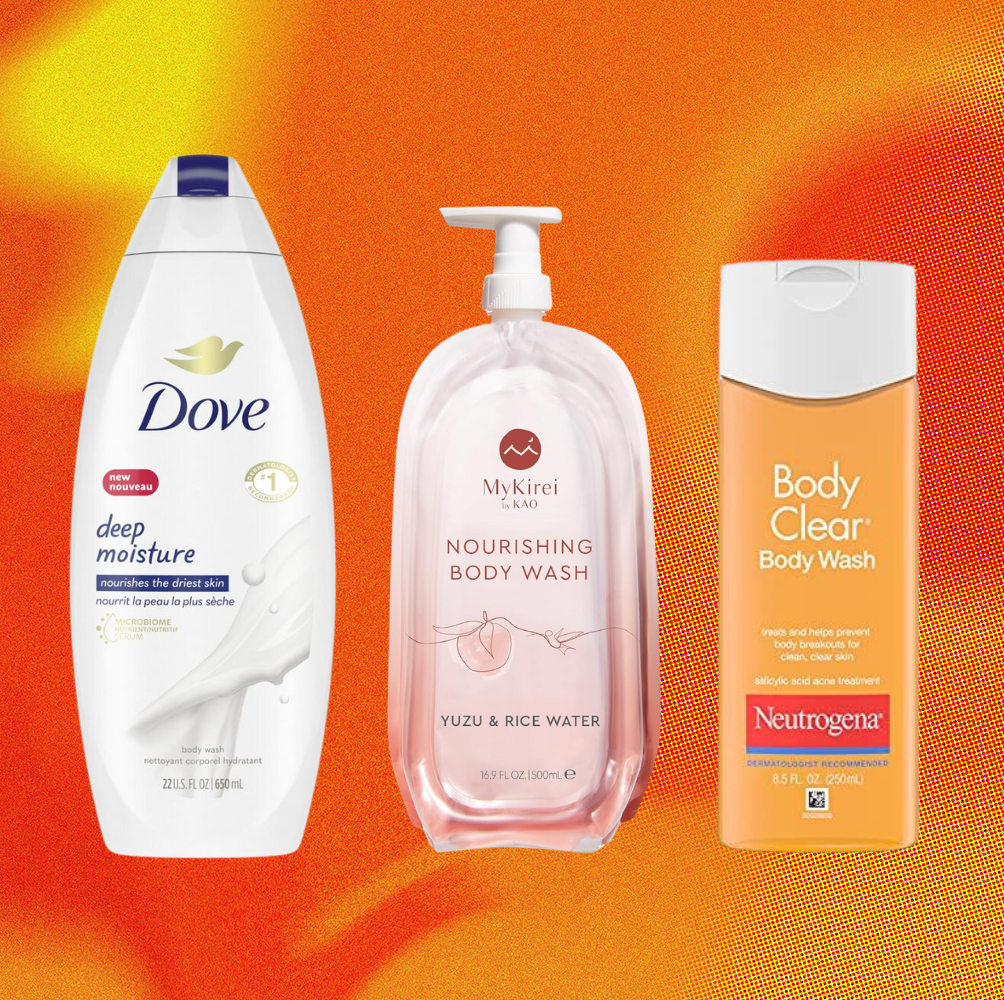
Photo: Dove x Mykirei x Neutrogena
Body washes tend to feel more luxurious, but their biggest advantage is how gentle they are on the skin. Most body washes are made with milder cleansing agents that clean without stripping away too much moisture. This makes them a popular choice for people with dry or sensitive skin.
Many body washes also contain added ingredients like aloe vera, ceramides, oils, or hyaluronic acid. These ingredients help hydrate the skin while you cleanse, which is why your skin often feels softer after using body wash.
Another benefit is flexibility. Body washes come in different formulas for different skin needs. There are moisturizing body washes, exfoliating ones, brightening formulas, and even body washes designed for sensitive skin.
However, body wash is not perfect. Some formulas contain fragrances and additives that can irritate sensitive skin. Also, if you use too much product, you may not rinse properly, which can leave residue on your skin.
So Which One Is Better?
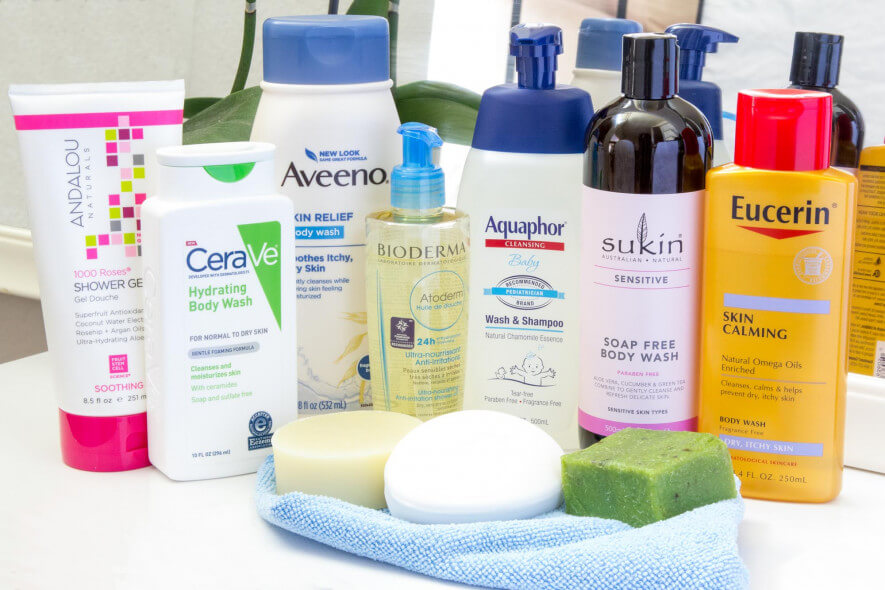
Photo: Google
There is no universal winner here. It depends on your skin and what it needs.
If your skin is dry or sensitive, body wash is usually the safer option. It is more hydrating and less likely to disrupt your skin barrier.
If your skin is oily or you prefer a deep clean, bar soap can work well, especially if you choose a gentle, moisturizing formula.
At the end of the day, both bar soap and body wash can keep your skin clean. The best choice is the one that keeps your skin comfortable, healthy, and happy.


Meet Nigeria’s Miss World 2026 Representative, Tamunosoye Karibi-George

Funke Akindele’s ‘The Four’ Sets December 11 Release Date

Mr P Gives Fans a New Reason to Love ‘I Love You Because’

Laetitia Ky Is Turning Natural Hair into Sculptural Art

“Clarissa” Brings a Nigerian Adaptation of Mrs Dalloway to Cannes Film Festival

Genevieve Nnaji Returns to Screen in BBC Drama Series “Wahala” Alongside Adelayo Adedayo & Cush Jumbo

Nike and Slawn Unveils Nigeria’s 2026 World Cup Collection.

Laura Ikeji Proves Polka Dots Are Back and Better Than Ever




-
 Celebrity Style2 weeks ago
Laura Ikeji Proves Polka Dots Are Back and Better Than Ever
-

 Celebrity Style1 month ago
Bimbo Ademoye Cuts Up a White Shirt to Style an Akwete Skirt
-

 Celebrity News2 months ago
Nancy Isime Reveals She May Not Have Children.
-

 Celebrity News1 month ago
4 Nigerian Celebrities Who Swapped Entertainment for the U.S. Military.
-

 Celebrity News2 months ago
Mr Eazi Reveals Reason Behind His Grey Hair.
-

 Fragrance1 month ago
Message in a Bottle: A New Wave of Fragrances for the Rainy Season.
-

 Fashion2 months ago
Celebrities Are Quietly Bringing Capri Pants Back
-

 Entertainment2 months ago
Osas Ighodaro Makes Bollywood Debut in Lead Role for Nolly-Bollywood Series.
-

 Fashion1 month ago
The Fashion-Girl Guide to Styling Jerseys This Season
-

 Fitness1 month ago
Should Women Train on an Empty Stomach?