
Music
With You: Davido and Omah Lay’s Visual Love Letter Hits All the Right Notes

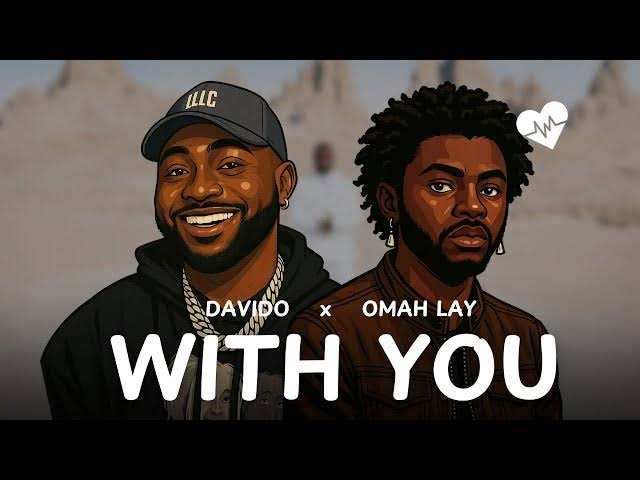
There’s a certain magic that happens when two musical heavyweights come together—not just to perform, but to truly connect. That’s exactly what Davido and Omah Lay bring to life in the freshly dropped video for “With You.” From the very first scene, you’re pulled into a sun-kissed world where love isn’t loud, it’s felt. No unnecessary theatrics. No forced intensity. Just two artists letting the music, the moment, and the mood do all the talking. It’s the kind of video that doesn’t ash for your attention—but somehow, you can’t look away.
Set against a backdrop of desert stillness and subtly shaded backgrounds, the video leans into simplicity—and it works. Wide open spaces, golden light, and thoughtful camera movement let the emotions brew instead of boil. You get the sense that this was intentional; that the goal was to strip things down and spotlight the unspoken feelings hidden in the lyrics. The shots breathe. The silence says as much as the words. And the warmth? It wraps around you like a quiet hug.
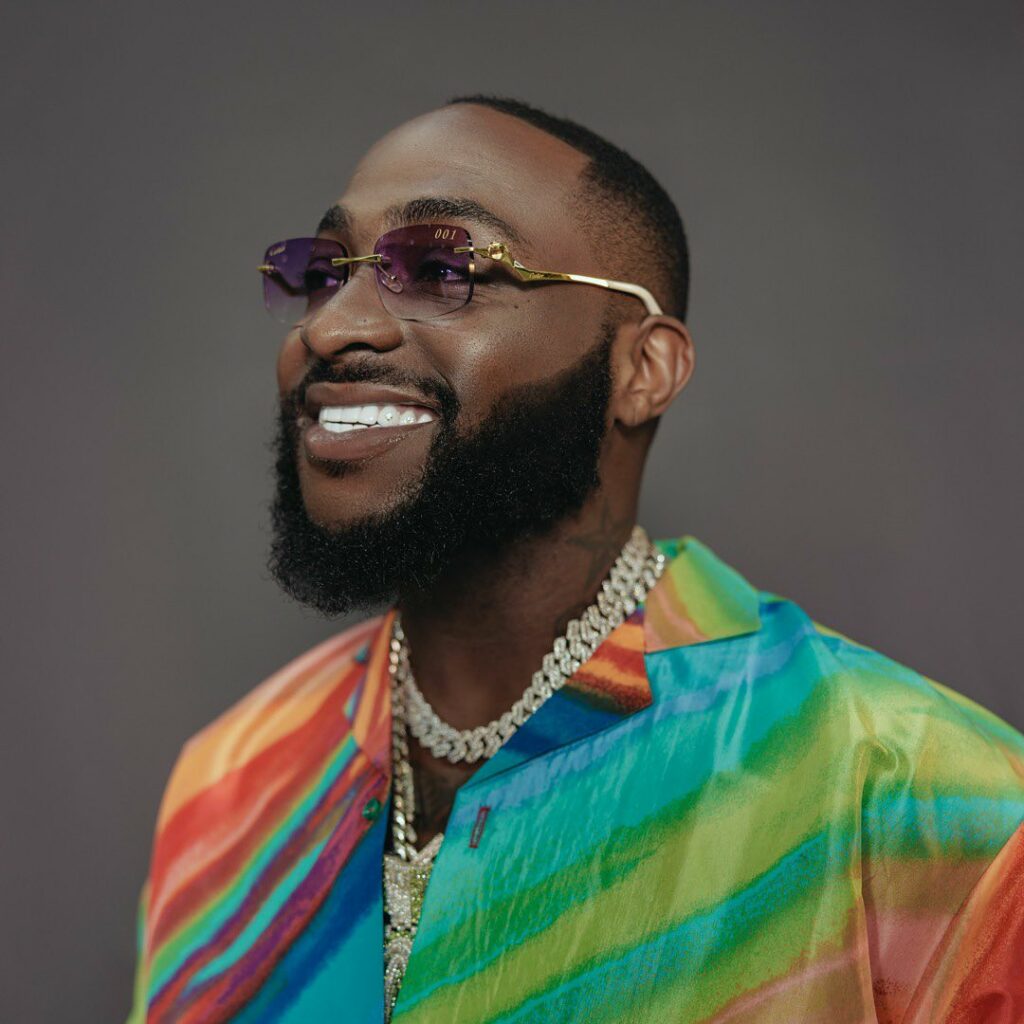
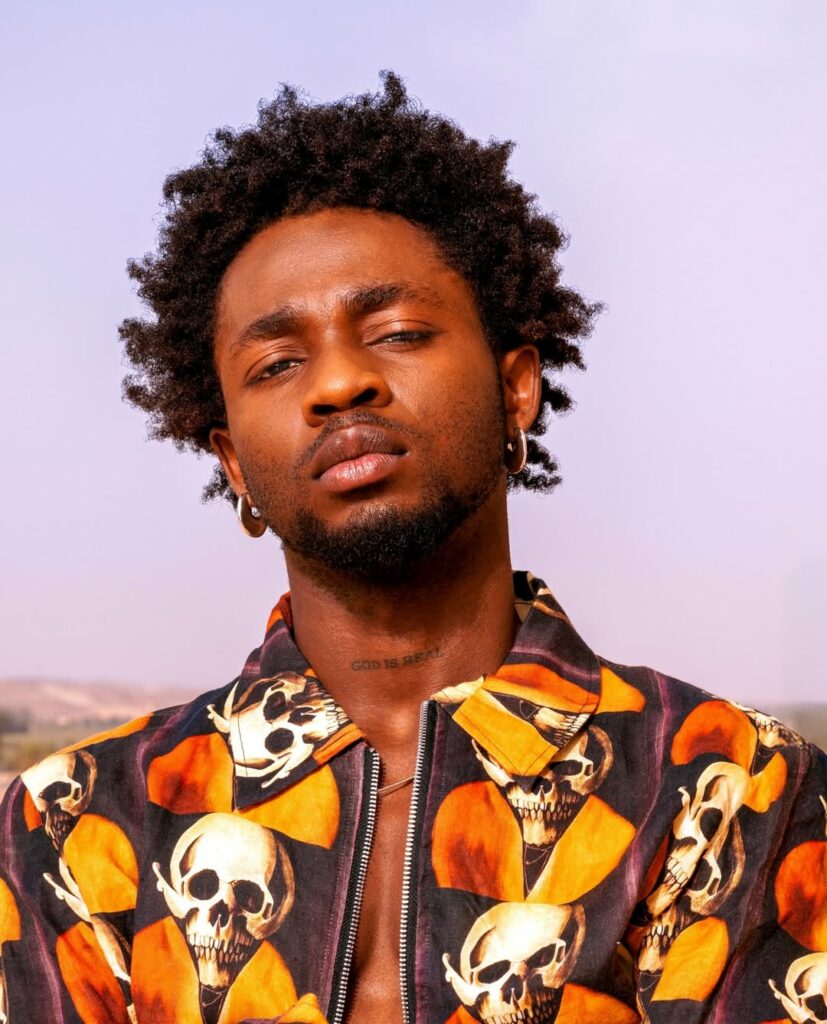
What truly elevates “With You” is the chemistry between Davido and Omah Lay. On-screen, their dynamic feels graceful and easy—almost like two old friends speaking the same language without needing to finish their sentences. It mirrors how the song itself flows: Omah Lay brings the soft ache of longing, and Davido follows with charm and boldness, adding spice without overshadowing the soul. Together, they paint a picture of romance that rings true—nothing staged or exaggerated
Visually, the director keeps things clean and intentional. There’s no rush. Long takes, slow pans, and gentle fades allow each moment to land. Every glance, every pause feels deliberate. And it pays off. Instead of bombarding viewers with fast cuts or flashy effects, the video builds an atmosphere—a calm flow that matches the song’s emotional pulse. Even the wardrobe choices lean into this quiet confidence. Neutral tones, relaxed fits, soft textures. It gives off a relaxed yet refined vibe.
The response from fans speaks volumes. Within hours of its release, “With You” was already racking up views and sparking reactions across platforms. People weren’t just watching—they were feeling it. Comment sections filled with heart emojis, deep takes, and fans replaying scenes on loop. For an industry often obsessed with spectacle, this kind of understated storytelling stands out. It proves that when you have the right pairing, less truly can be more.
But it’s not just about the visuals. It’s about what the visuals allow you to feel. The desert scenes don’t just look good—they convey the emotional honesty wrapped in “I can’t picture this world without you The close-up shots aren’t just for style—they bring you face-to-face with the quiet intensity behind the music. It’s this emotional honesty that sticks with you long after the video fades out.
Nowadays, when so many music videos go all out with flashy effects and grand gestures, “With You” stands out by proving that simplicity, done well, can hit the hardest. Davido and Omah Lay didn’t just release a song and a video—they created an experience. It’s like a quiet confession, a tender invitation to love, and a peaceful pause amid the chaos of everyday life.
If you haven’t watched it yet, do yourself a favour. Turn the lights down, put your phone on silent, and press play. Let the video wash over you. You might just find yourself watching it twice. Or more.













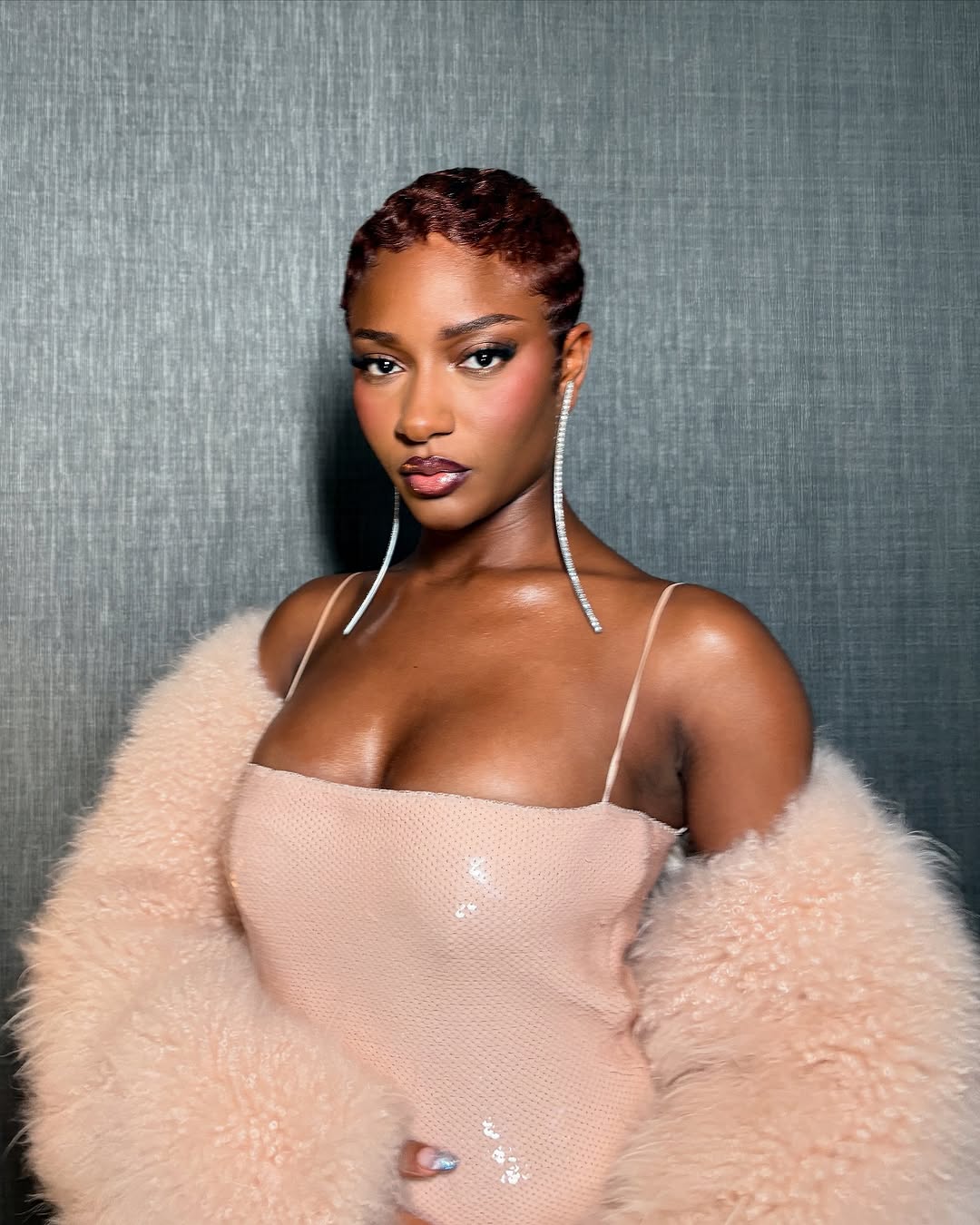
Ayra Starr has announced the StarrGirl World Tour. It covers 20 cities across Europe, the UK and North America and begins in January 2027.
The tour is for her third studio album, “Starrgirl”, which came out on August 14, 2026. She opens on January 20 at Live Music Hall in Cologne, Germany, and closes on April 14 at The Fillmore in San Francisco.
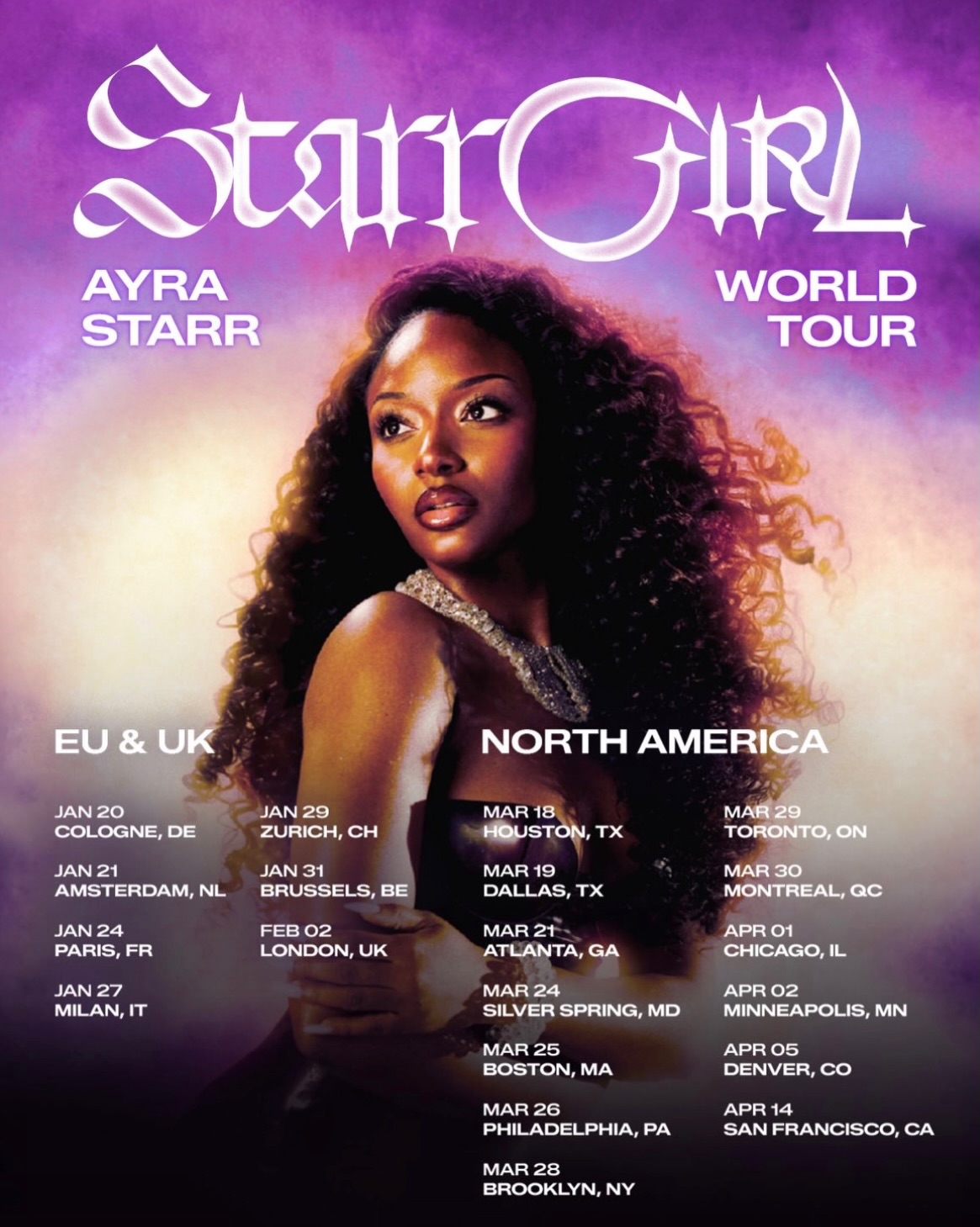
Photo: Instagram/@ayrastarr
In Europe, she plays Amsterdam on January 21, Paris on January 24, Milan on January 27, Zurich on January 29 and Brussels on January 31. The European leg ends in London on February 2 at Shepherd’s Bush Empire.
The North American shows start on March 18 in Houston. She then plays Dallas on March 19, Atlanta on March 21, Silver Spring on March 24, Boston on March 25, Philadelphia on March 26 and Brooklyn on March 28. After that come Toronto on March 29, Montreal on March 30, Chicago on April 1, Minneapolis on April 2 and Denver on April 5, before the San Francisco show.
Photo: Instagram/@ayrastarr
She announced the tour just after performing at the halftime show of the NFL game at Tottenham Hotspur Stadium in London on October 11.
Fans in Europe and the UK can access the artist presale from October 14, while Mastercard presale access is available to eligible cardholders in France, Italy and Belgium. General sales for all dates open on Friday, October 16, at 10am local time on Live Nation.

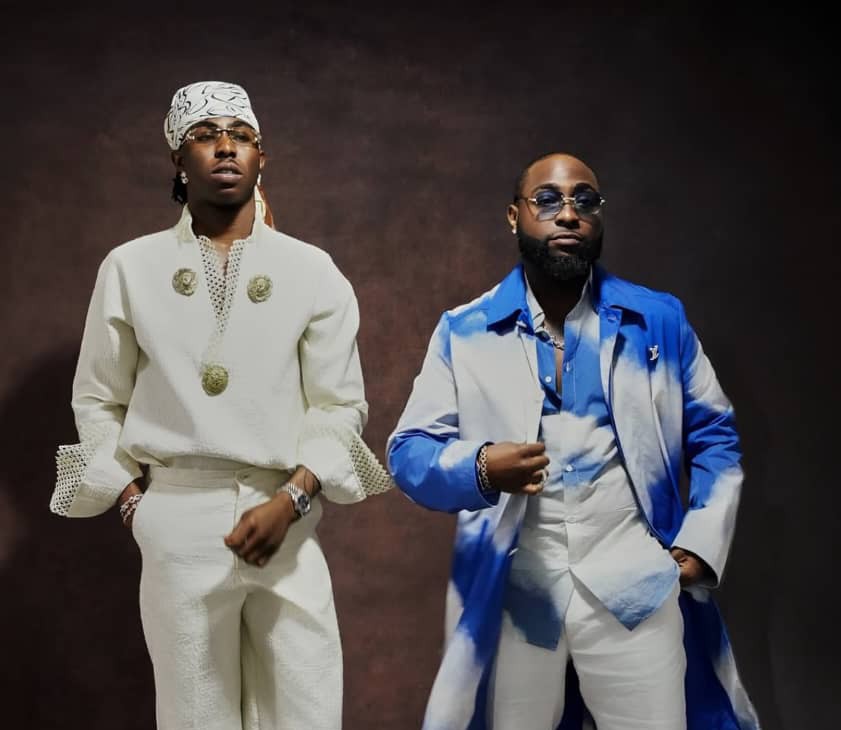
A good weekend playlist needs songs for different moods, whether you’re winding down after a long week or getting ready to head out. This week’s picks include a new collaboration between FOLA and Davido, Duncan Mighty’s link-up with Halver, and fresh releases from Ayo Maff, Zinoleesky, Blaqbonez and Asake. Each track brings something different, from a familiar take on romance to songs built around everyday struggles and lively rhythms.
Malaria – Ayo Maff ft. Zinoleesky
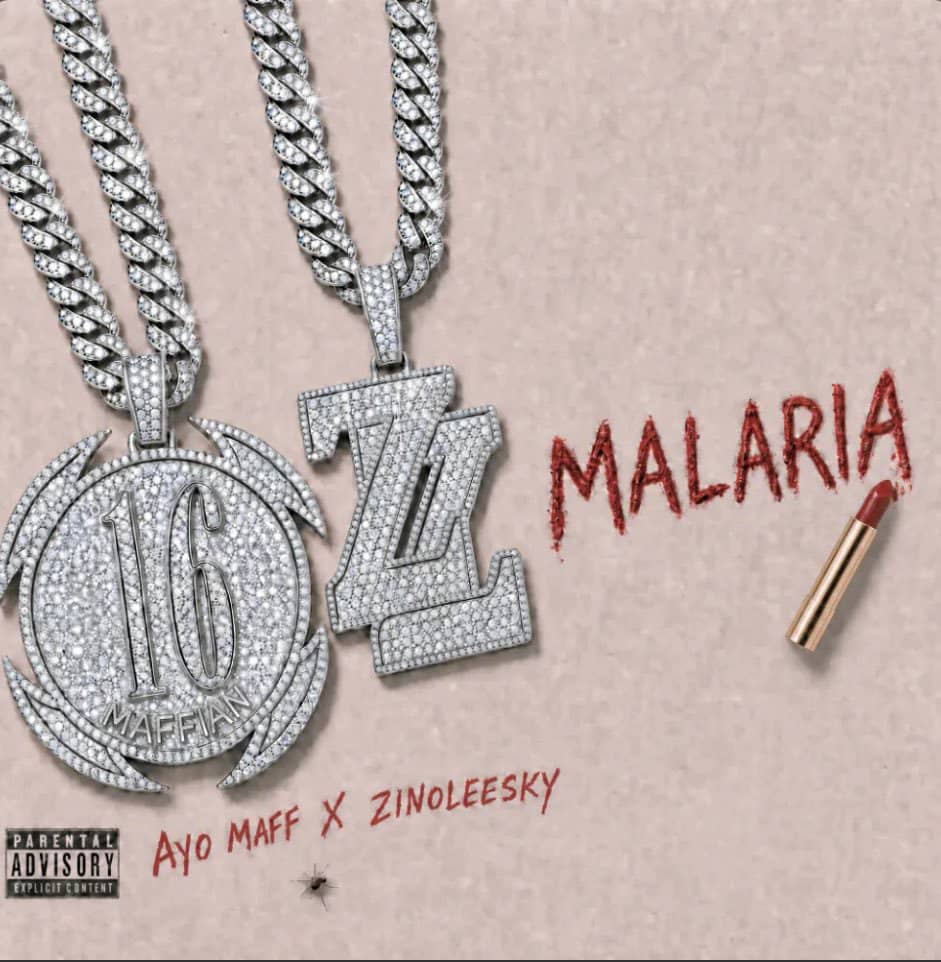
Photo: X/@chartsafrica
Love is the subject of “Malaria,” but Ayo Maff and Zinoleesky approach it through an unusual comparison. Released on September 24, 2026, the song likens falling in love to catching an infection, presenting romance as something that can take hold of a person and become difficult to ignore.
The midtempo street-pop production leaves room for both singers to bring their individual styles to the track. Ayo Maff delivers his verses in a deeper tone, while Zinoleesky adds a more melodic touch to the chorus. Their different vocal approaches give the song its character, with the hook providing a memorable centrepiece.
Ikebe 3000 – Blaqbonez ft. Asake
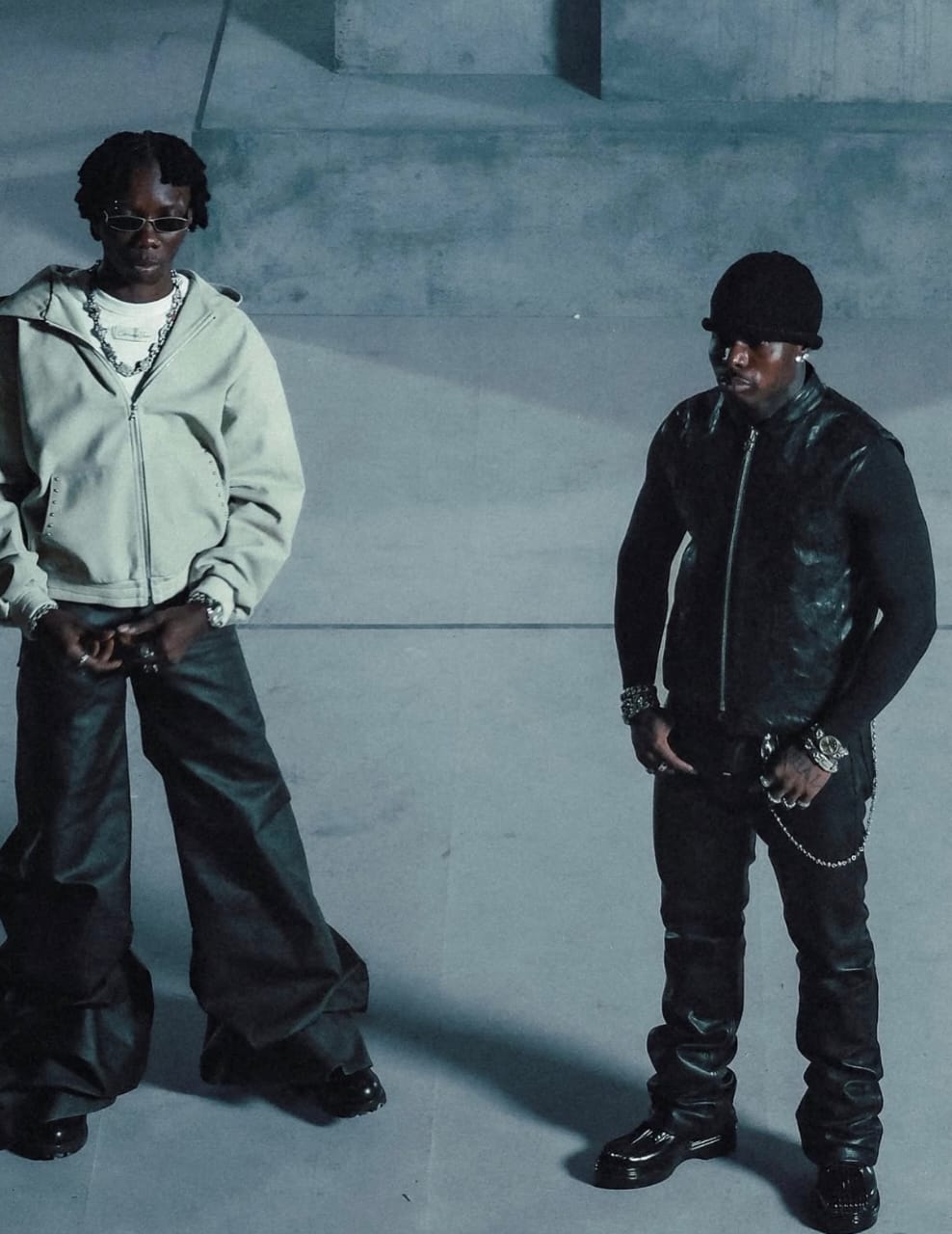
Photo: Instagram/@hypestribeng
Blaqbonez reunites with Asake on “Ikebe 3000,” released on October 2, 2026. The pair previously collaborated on “Chanel,” and their latest release brings them together again ahead of Blaqbonez’s forthcoming project, NOMADINHO: 4TH PRIME.
Punchy percussion and lively melodies drive the track, while the repeated chorus gives it an easy rhythm to follow. Blaqbonez takes a melodic approach to his delivery, and Asake adds his recognisable vocals to the mix. The result is a lively record suited to parties, social gatherings and moments when a playlist needs more energy.
Hustler – Halver ft. Duncan Mighty

Photo: Instagram/@thahalver
Halver teams up with Duncan Mighty on “Hustler,” released on October 8, 2026. The song focuses on the effort it takes to earn a living, with financial pressure and the sacrifices involved in pursuing personal goals shaping its message.
Its drill-inspired hip-hop foundation sets it apart from the other releases on this list. Traditional African instrumentation adds another layer to the production, while Duncan Mighty’s presence connects the track to the sound associated with the Port Harcourt singer.
2am in Toronto – FOLA ft. Davido
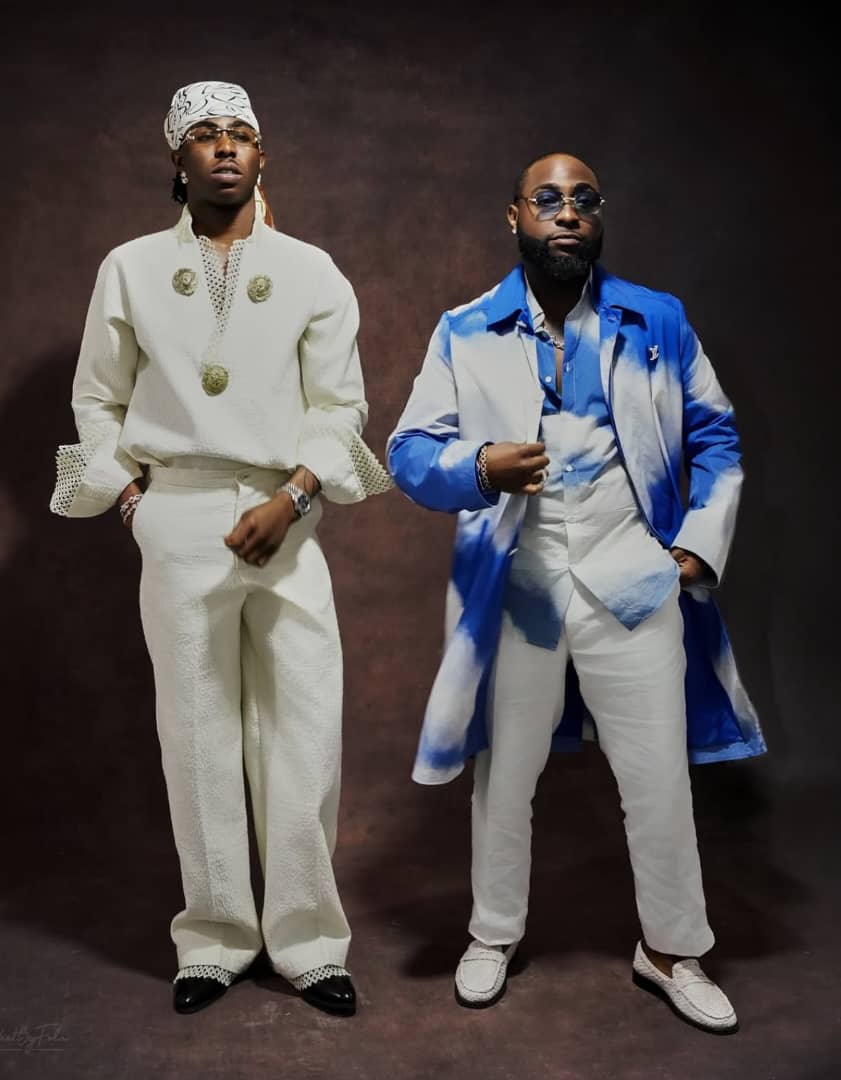
Photo: Instagram/@hypestribeng
“2am in Toronto” appears as the third track on FOLA’s sophomore album, 9, released on October 9, 2026. The 14-track project gives the song a place within a larger body of work, but the collaboration with Davido is one of its main attractions.
Romance takes centre stage as FOLA delivers the song with his melodic vocals, while Davido adds his own style to the record. The pairing suits the song’s love-focused theme, making it a natural fit for late-night listening or a playlist built around romantic Afrobeats.
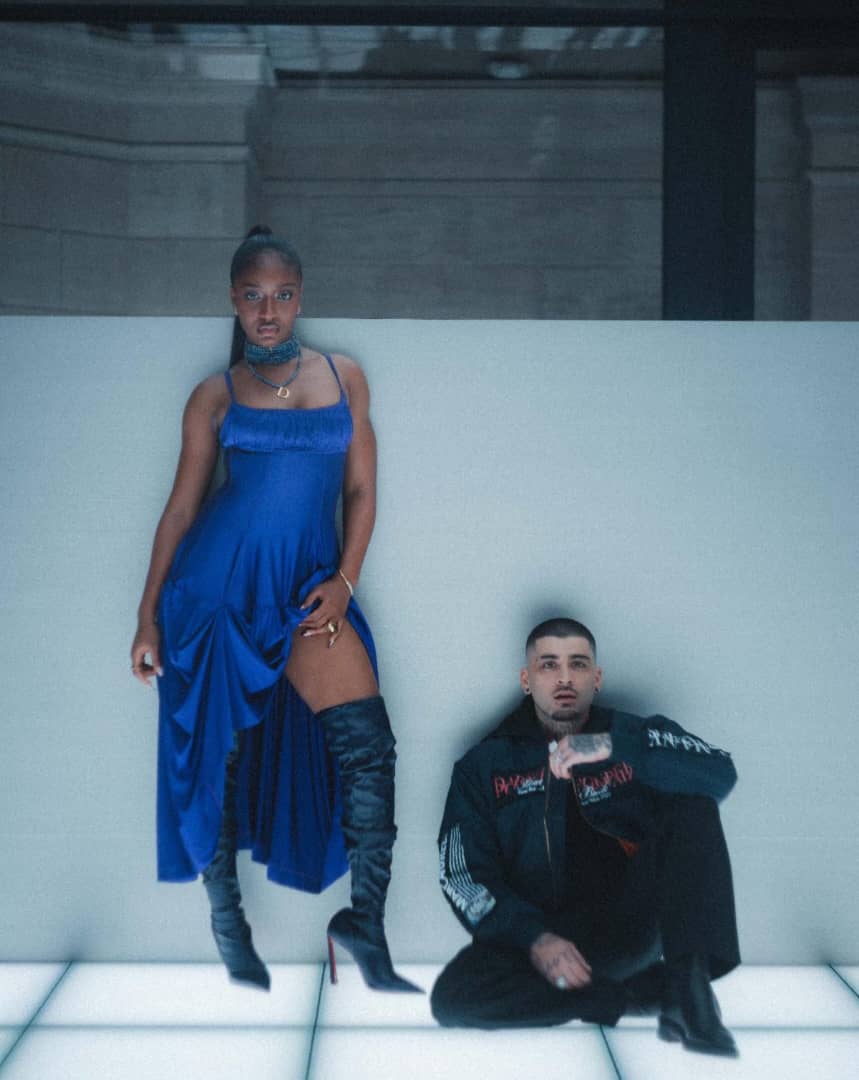
Ayra Starr and Zayn have appeared together in the official music video for “Heaven Baby,” giving their collaboration its first music video featuring both artists. Released on October 5, the video comes weeks after the Nigerian singer and British pop star teamed up on the track.
The video unfolds in a dark, futuristic setting with metallic surfaces, tinted glass and illuminated floor panels. Ayra Starr wears a royal blue satin dress, while ZAYN appears in a dark outfit as close-up shots capture his performance.
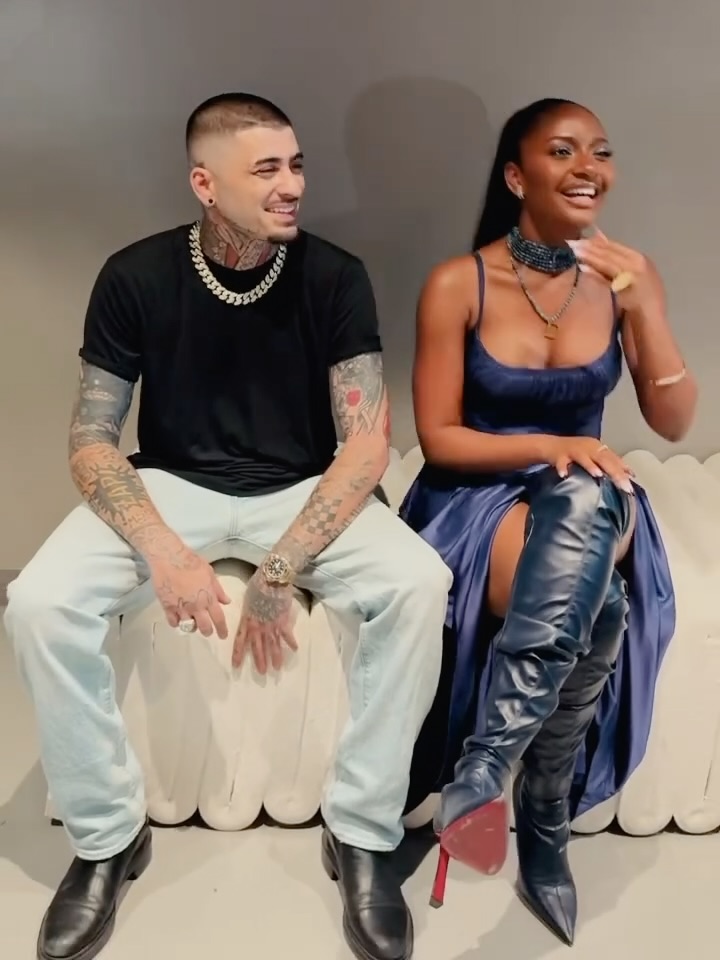
Photo: Instagram/@zsquad
Ayra and ZAYN appear separately in some scenes before coming together in the same setting. The visual also offers a different take on their August performance of “Heaven Baby” at All Points East in London, where ZAYN appeared on a large screen behind Ayra during their live duet. In the new video, they appear to share the same physical space.
“Heaven Baby” is featured on Ayra Starr’s third studio album, Starrgirl, released on August 14, 2026. ZAYN features on the track, pairing Ayra’s Afropop delivery with his pop and R&B-influenced vocals. Apple Music describes it as a piano-led duet about attraction, affection and a celestial idea of love.
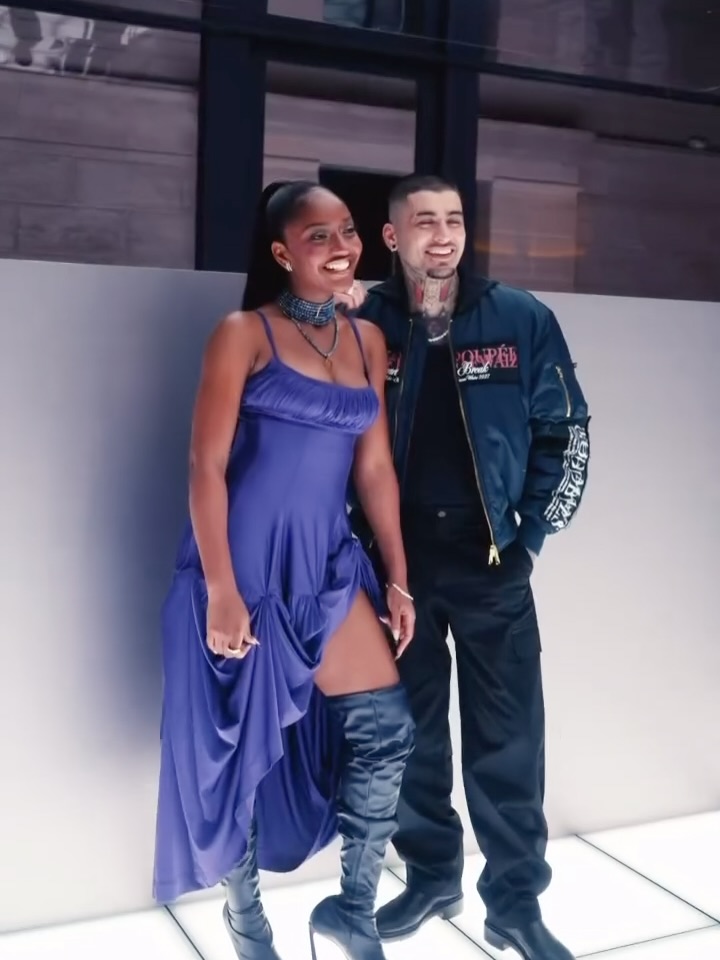
Photo: Instagram/@zsquad
The collaboration had already drawn attention before the video was released. Ayra Starr has spoken about being a fan of ZAYN since his One Direction days, making their meeting on the song a notable moment for the singer. Behind-the-scenes footage from the video shoot also gave fans an early glimpse of the pair before the full visual arrived.
“Heaven Baby” has also performed well on the UK charts. The song peaked at No. 2 on the UK Official Afrobeats Chart after entering the chart in August, giving the collaboration another milestone before the video’s release.
Directed by Earthboi, the “Heaven Baby” video gives the collaboration its first full visual featuring both artists.
Watch Below:

Dede Ashiogwu Styles Herself in a Black Jumpsuit With White Lace Trim

Ayra Starr Announces StarrGirl World Tour for 2027

Ayra Starr Performs ‘Rush’ and ‘Heaven Baby’ at NFL Halftime Show in London | Watch Video

Brandy Set to Headline Flytime Detty December in Lagos

Laura Ikeji Proves Polka Dots Are Back and Better Than Ever

Rapper Tommie Lee Arrested at 2026 FIFA World Cup.

New Music to Kickstart Your Week From Victony, Timaya, Duncan Mighty, Mr Eazi & Fave.

Toke Makinwa Weighs In on Love, Money and Dating Expectations.
Ayra Starr Performs ‘Rush’ and ‘Heaven Baby’ at NFL Halftime Show in London | Watch Video

Ayra Starr and ZAYN Finally Share the Screen in “Heaven Baby” Video

Kizz Daniel’s ‘Owo Oluwa’ Finds Grace in Faith, Family and Loss

‘Black Market’ Breaks Guinness World Record With Over 51,000 Viewers


-
 Models2 months ago
Meet the African Queens Competing for the Miss World 2026 Crown
-

 Movies2 months ago
5 Nollywood Films to Stream on YouTube
-
 Big Brother Naija2 months ago
Everything You Missed on Big Brother Naija Week 5
-

 The Best Dressed Celebrities This Week1 month ago
The Best-Dressed Stars of the Week Kept Things Chic and Daring
-

 Movies1 month ago
“Dear Ajayi” Makes History as First Nigerian Production in Venice Days Competition | Watch Trailer
-

 Celebrity News2 months ago
Ayra Starr to Headline 2026 NFL London Game Halftime Show
-

 Celebrity Style1 month ago
Our Favourite Looks at ‘The Wedding Story’ Premiere
-

 Big Brother Naija1 month ago
All the Drama BBNaija Week 6 Brought
-

 Models2 months ago
Tamunosoye Karibi-George Wins African Top Model Title at Miss World
-

 Entertainment1 month ago
Funke Akindele Releases First Images of ‘The Four’