
Fitness
Delonyii Looks More Like a Contestant Than a Judge at the Miss One Nigeria Beauty Pageant

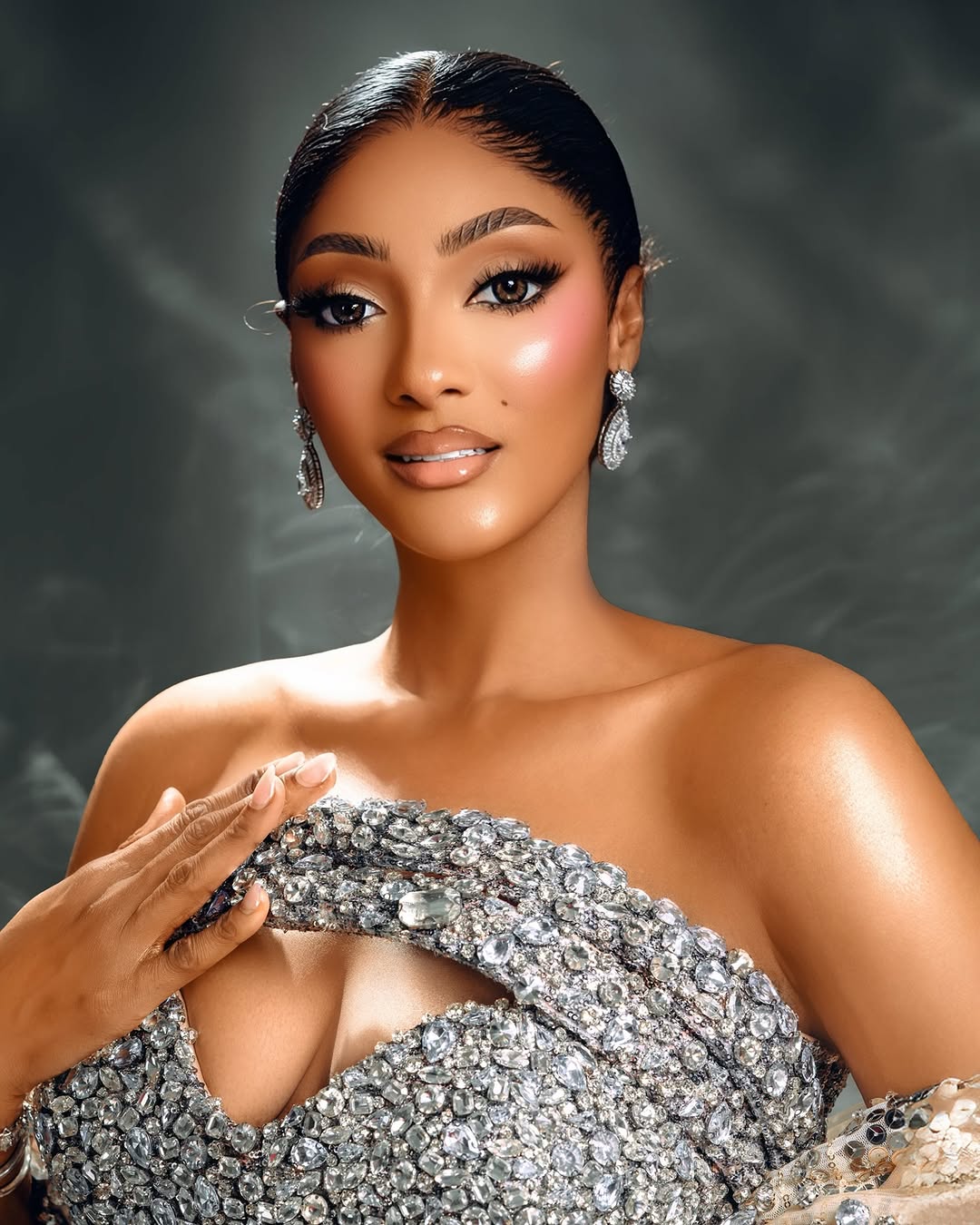
The Miss One Nigeria Beauty Pageant is a national beauty competition. The event brings together contestants from all across the country for the crown. Alongside a panel of judges monitoring the selection process. The event places priority on presentation, meaning everyone on stage, including the judges, are part of the overall visible presentation.
At this year’s edition of the pageant, Delonyii showed up as a judge, but her outfit matched the styling typically associated with that of the contestants. If you didn’t, know one would think she’s one of them. Delonyii’s outfit was different and well noticeable.
Delonyii – Instagram
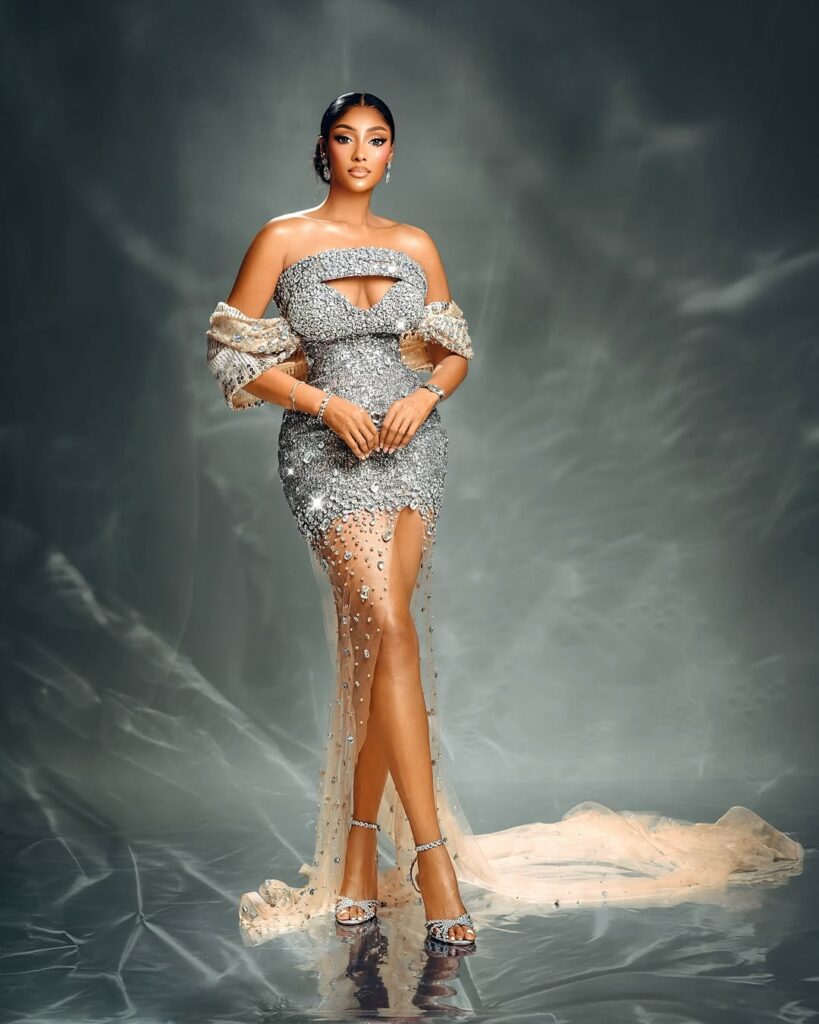
She wore a silver, body-con mini gown with a heart-shaped neckline and a keyhole cutout at the bust. The dress hugged her frame delicately and well above the knee. Its surface was covered with silver sequins and crystals.
What made the dress different was the sheer, champagne-colored train attached to the back. While the front of the dress stayed short and fitted, the train extended to the floor, adding length to the overall design. Typically, this mix of a mini dress paired with a flowing train is often seen on contestants more than on judges. The off-the-shoulder sheer short sleeves added another visual layer, easing the look while keeping its structure intact.

Delonyii – Instagram
Her accessories stayed within a neutral colour range to match the outfit. She wore silver dangle earrings, simple bracelets on both wrists, strappy silver high-heeled sandals, and a delicate anklet on her right leg.
In a context where judges usually choose simple gowns or tailored outfits, Delonyii’s dressing aligned closely with what is worn by those competing on stage. The dress element made her look more like a contestant than a judge.






When people think of strength training, heavy weights and gym sessions usually come to mind. But fitness experts are increasingly highlighting a different approach that delivers real results: power yoga. In just 20 minutes, a focused session can challenge your major muscles, improve balance, and boost endurance, all without stepping into a gym.
Power yoga emphasizes flowing movements linked to breath, rather than slow stretches. Many poses require you to support your own body weight, engaging multiple muscle groups at once. This helps develop functional strength, the kind your body uses every day, whether carrying groceries, lifting children, or sitting at a desk for long hours.
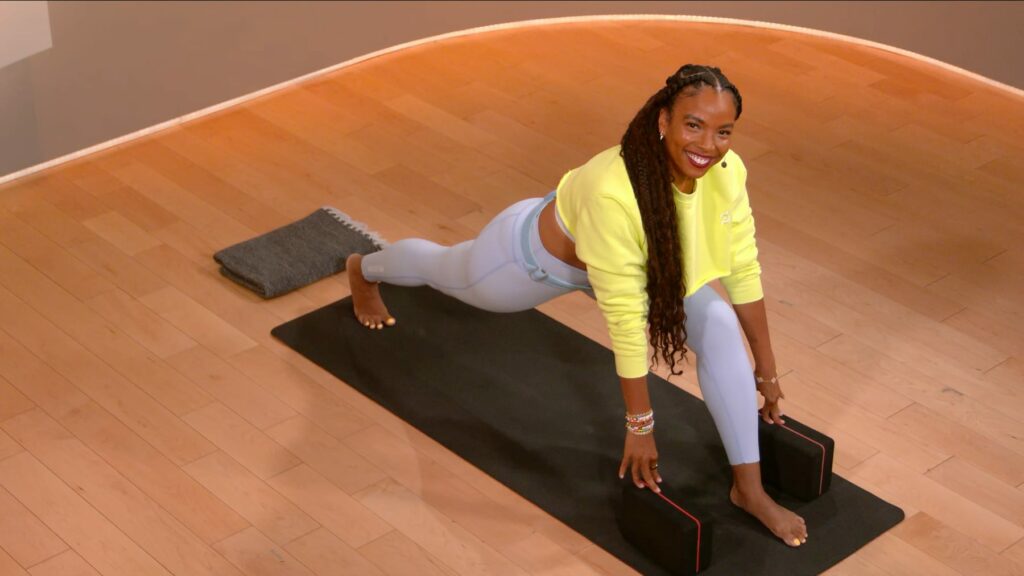
Photo Credit – Google
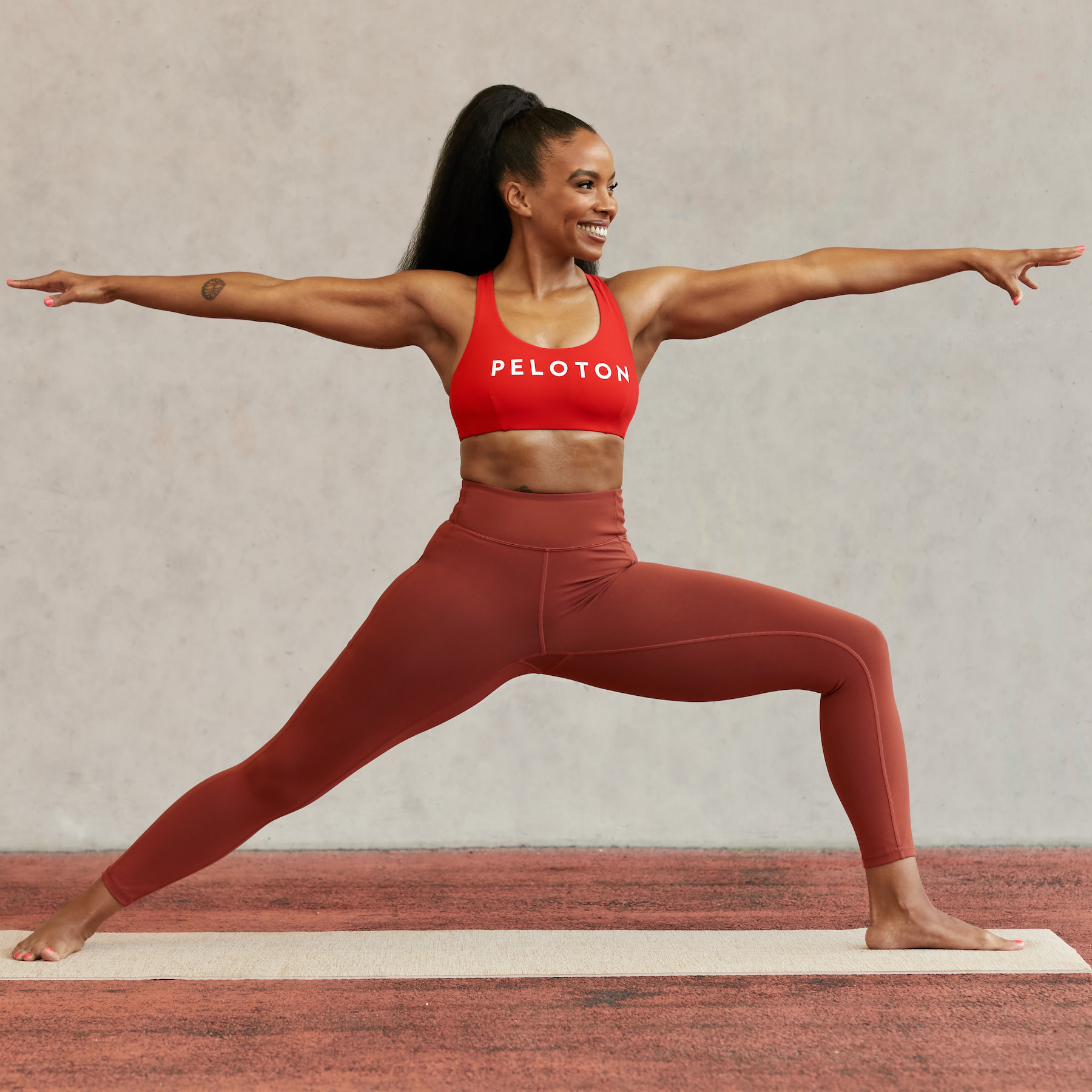
A 20-minute session usually starts with gentle stretches to wake up muscles and joints. The flow then moves into more challenging poses like high lunges, plank-to-chaturanga transitions, and standing balances such as Warrior III. Each posture works shoulders, core, legs, and back, helping you build strength while improving stability and coordination.
Because your muscles are constantly adjusting to maintain alignment, power yoga strengthens stabiliser muscles that protect joints and prevent injuries. Unlike traditional weight training, it develops lean, resilient muscles instead of bulk. Many practitioners also report better endurance, faster recovery, and improved body awareness when combining power yoga with other workouts.
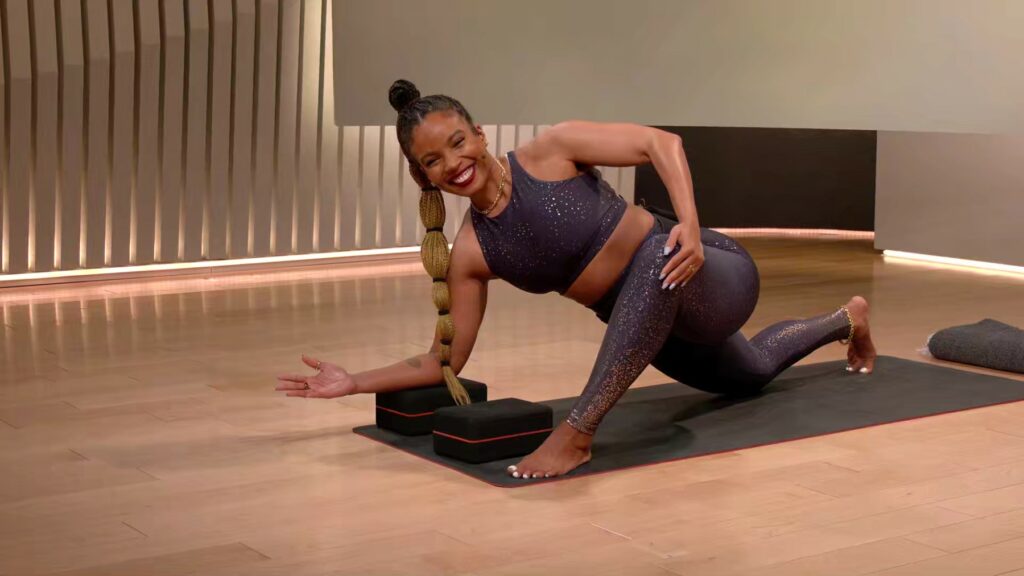
Photo Credit – Google
One of the best things about this 20-minute format is that it’s short but effective. Busy professionals, parents, or anyone with a tight schedule can practice daily or a few times a week and see real gains. All you need is a yoga mat, and optionally a block or strap for extra support.
Beginners can modify poses to match their level. Plank variations can be done on the knees, and balance holds can be shortened until strength improves. Keeping your breathing steady helps maintain control and reduces tension.
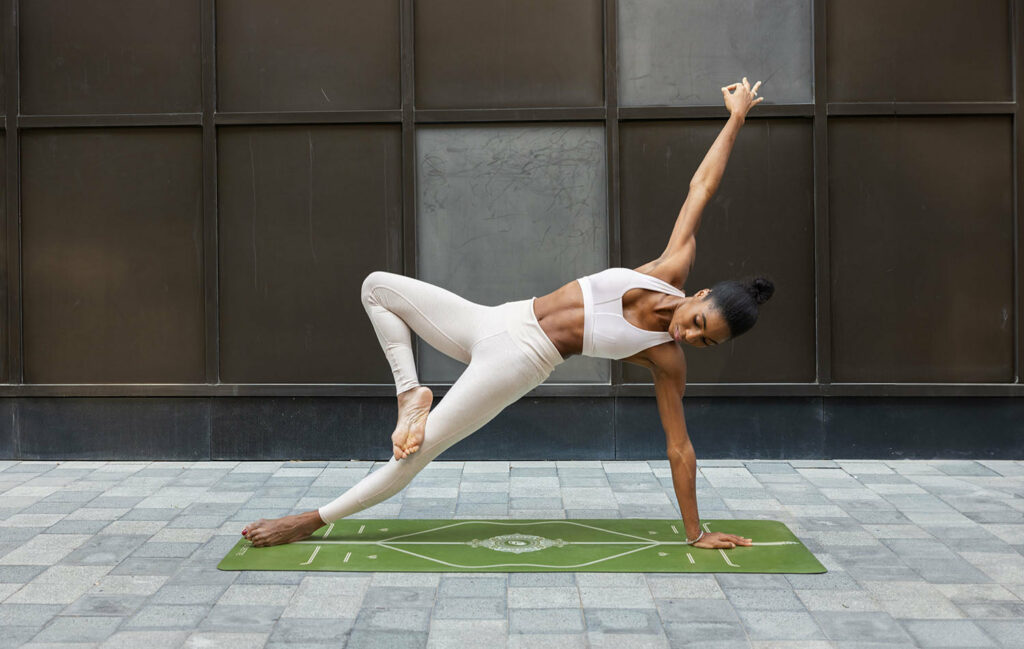
Photo Credit – Google
For Nigerians looking for a practical way to stay strong at home, before work, or even during a lunch break, a 20-minute power yoga session is a time-efficient, effective way to build strength, stability, and endurance. With consistency, it complements other workouts and improves overall fitness, without the need for heavy weights.
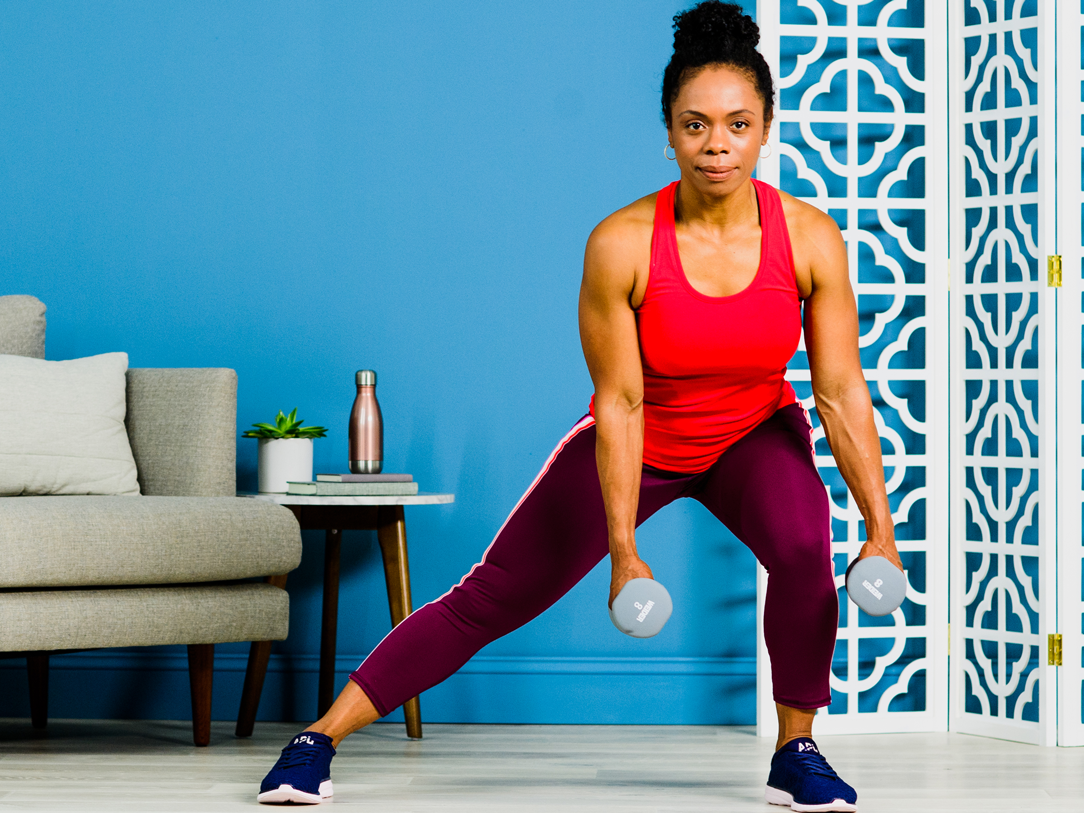
The dumbbell deadlift looks straightforward, but it requires precise form to get the benefits and protect your lower back. Done correctly, it strengthens your glutes, hamstrings, core, and muscles along the spine. Done poorly, it can lead to strain or injury. Experts agree: proper setup and technique are more important than lifting heavier weights.
Start with your feet hip-width apart. Hold a dumbbell in each hand in front of your thighs. Before you move, engage your core and lift your chest slightly while drawing your shoulders back. This keeps your spine in its natural curve and reduces unnecessary stress on your lower back.
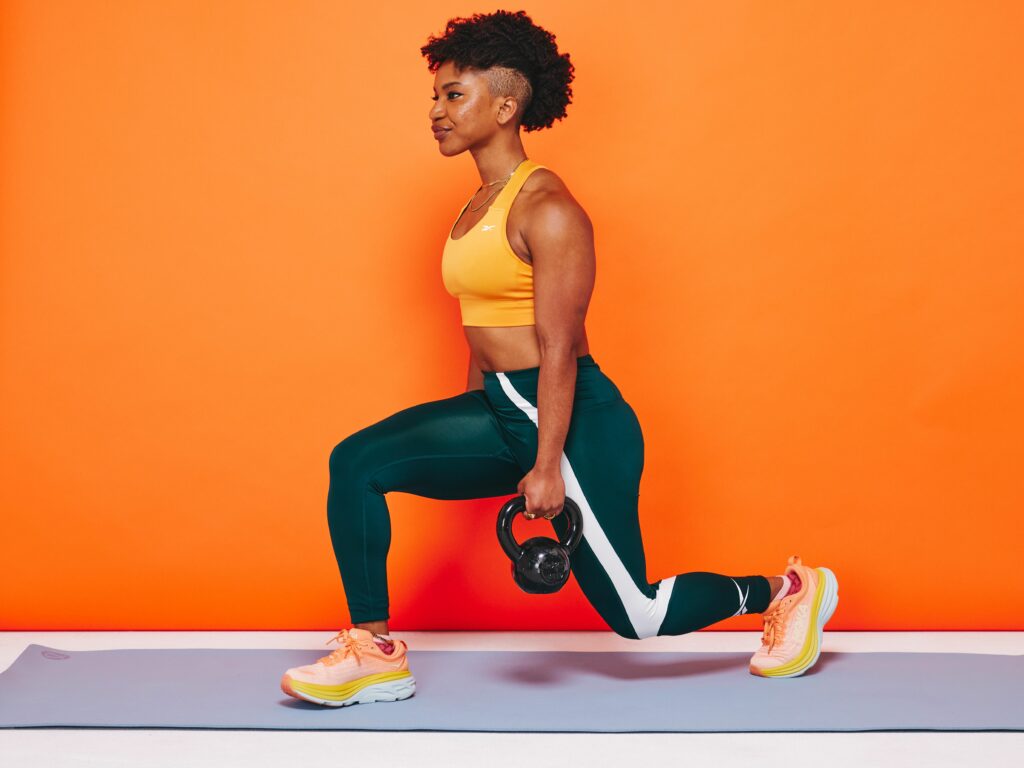
Photo Credit – Google
The key movement is the hip hinge, not a squat. Push your hips backward while keeping your spine neutral, allowing the dumbbells to slide down along your legs. Your knees bend slightly, just enough to let the weights pass. Focus on moving from the hips rather than bending your lower back.
Keep your back neutral throughout the motion. Avoid rounding or over-arching your spine. Look forward or slightly downward to maintain neck alignment. This positioning stabilizes your spine and reduces the risk of injury.
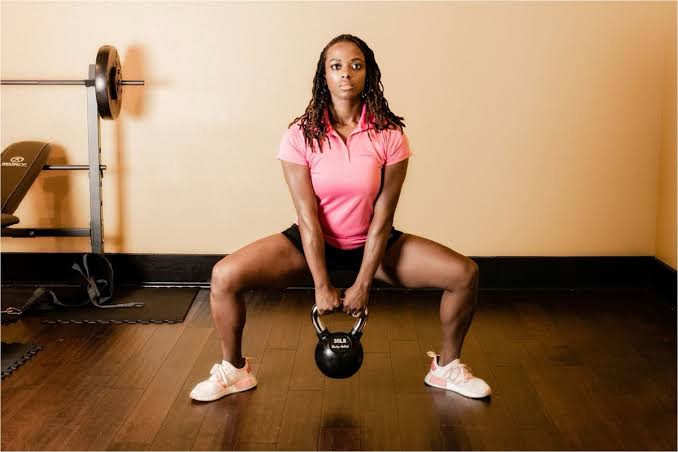
Photo Credit – Google
Lower the dumbbells until you feel a comfortable stretch in your hamstrings while maintaining a neutral spine. Then, push through your heels and squeeze your glutes to return to standing. Keep the dumbbells close to your legs; letting them drift forward increases strain on your lower back.
Your arms should hold the dumbbells steady. The power comes from your hips and legs, not your arms. Think of your arms as hooks keeping the weights in place rather than doing the lifting.
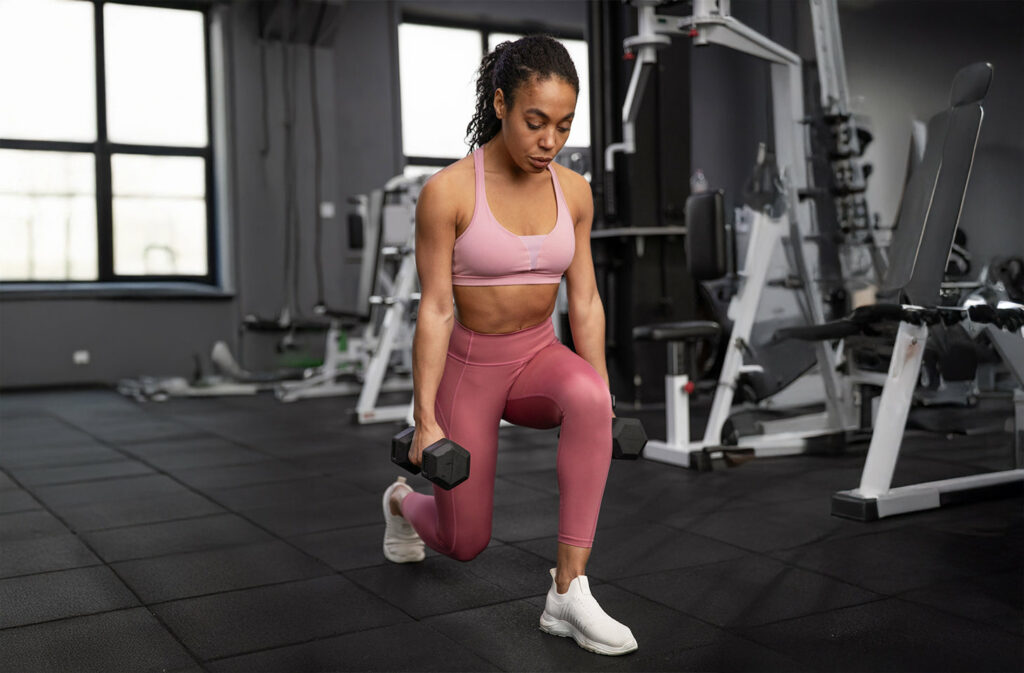
Photo Credit – Google
Common mistakes include lifting too quickly, bending your knees too much, letting the dumbbells drift forward, and trying to use your back to lift. Focus on slow, controlled movements. Start with lighter weights to build muscle memory and ensure your form is correct before increasing load.
Protecting your back means maintaining alignment under load, hinging at the hips, and engaging your core and glutes, rather than trying to keep it perfectly straight. When done properly, the dumbbell deadlift is a safe and effective exercise that builds strength, flexibility, and overall stability.

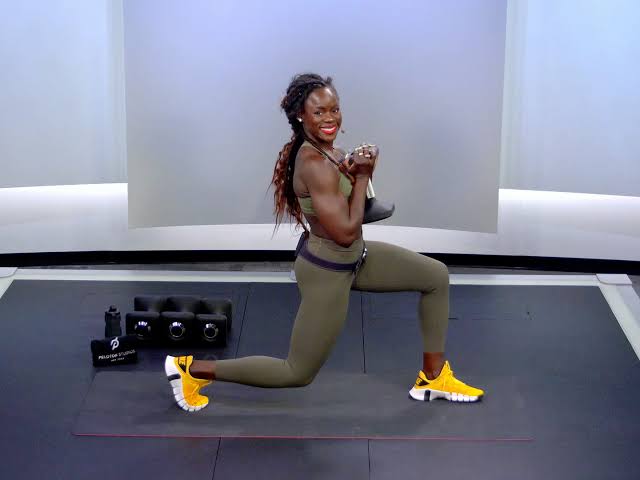
Building stronger glutes goes far beyond appearance; it supports balance, power, and everyday movement. The routines gaining the most credibility among trainers right now prioritise clean form, controlled tempo, and muscle engagement. They work across the entire gluteal group, creating strength that shows and strength you can feel.
Strong glutes support the hips, lower back, and pelvis. When they’re undertrained, posture, gait, and stability suffer. Effective training relies on technique: slow, intentional movement and a full range of motion make every rep count.

Photo credit: Google
Hip thrusts remain one of the most effective ways to activate the glutes. With your upper back braced and your heels driving the movement, the lift at the top creates deep engagement across the muscles. It’s a staple for both strength and shape.
Bulgarian split squats isolate each side of the body and challenge balance. The lowered stance forces the outer glutes to work harder, helping to build structure and stability in a way regular squats often don’t address.

Photo credit: Google
Romanian deadlifts develop the entire posterior chain. A controlled hinge stretches the hamstrings and loads the glutes, with the return to standing powering the muscles through a strong extension.
Step-ups seem straightforward but are highly effective when executed deliberately. Driving upward through the heel keeps tension in the glutes from start to finish, strengthening movement patterns used daily.

Photo credit: Google
Glute bridges offer focused activation with a shorter range than hip thrusts. They work well as warm-ups or as final burnout sets, reinforcing the mind-muscle connection.
Consistent training ideally two to three sessions a week produces the most visible and functional results. Slower reps increase time under tension, while progressive resistance keeps the muscles adapting. Warm-up drills like lateral walks help activate the glutes before heavier work, and recovery remains essential for strength gains.
These exercises continue to stand out because they deliver reliable, measurable improvement. With the right pace and technique, the glutes become stronger, more defined, and better equipped to support the body through both workouts and daily life.

Shine Rosman Brings a Fresh Edge to the White Bubble-Hem Dress

Ini Edo’s Trish O Couture Laser-Cut Dress is Pure Electricity

Omowunmi Dada is a Literal Princess in a Regal Gown at Her Movie Premiere

Bimbo Ademoye Puts a Casual Spin on Blazer

Toyin Abraham’s Over Sabi Aunty Crosses ₦1 Billion at the Box Office

Pantone’s 2026 Colour Cloud Trend Gets Uche Montana’s Seal of Approval

Uzor Arukwe, Idia Aisien and Others at the Bridgerton Season 4 Premiere in South Africa

Tolu Bally Impresses in Bold Floral Two-Piece Look

Toka McBaror’s ‘The Creek’ Trailer Drops, Full Cast (Bucci Franklin, Sam Dede, Sunshine Rosman) & What to Expect

Ashmusy Suited Up in Burgundy

Are We Finally Getting the R9 Album? Fans Read the Signs Around Rihanna

Tolubally Teases Her Bag-It Jeans from 2207byBally on Instagram


-
 Lagos Fashion Week5 months ago
Lagos Fashion Week’s Earthshot Prize Win Highlights a Changing Direction in African Fashion Production
-
 Movies2 months ago
Toyin Abraham’s Over Sabi Aunty Crosses ₦1 Billion at the Box Office
-
 Celebrity Style3 months ago
Pantone’s 2026 Colour Cloud Trend Gets Uche Montana’s Seal of Approval
-
 Celebrity Style2 months ago
Uzor Arukwe, Idia Aisien and Others at the Bridgerton Season 4 Premiere in South Africa
-
 Celebrity News5 months ago
Burna Boy Commands the Spirit Tunnel on The Jennifer Hudson Show
-

 Celebrity Style4 months ago
Uche Montana Offers a Perfect Take on Wearing Leather
-
 Celebrity Style5 months ago
Diadem Okojie Perfects Polka Dots
-
 Fashion3 months ago
Tolu Bally Impresses in Bold Floral Two-Piece Look
-

 Movies4 months ago
4 Nollywood Movies To Watch This Week
-
 Top Xclusiv5 months ago
Anok Yai Named Model of the Year 2025 at the Fashion Awards