
Top Xclusiv
Chimamanda Ngozi Adichie’s Dream Counts: A Story Born from Pain, Poetry, and Power

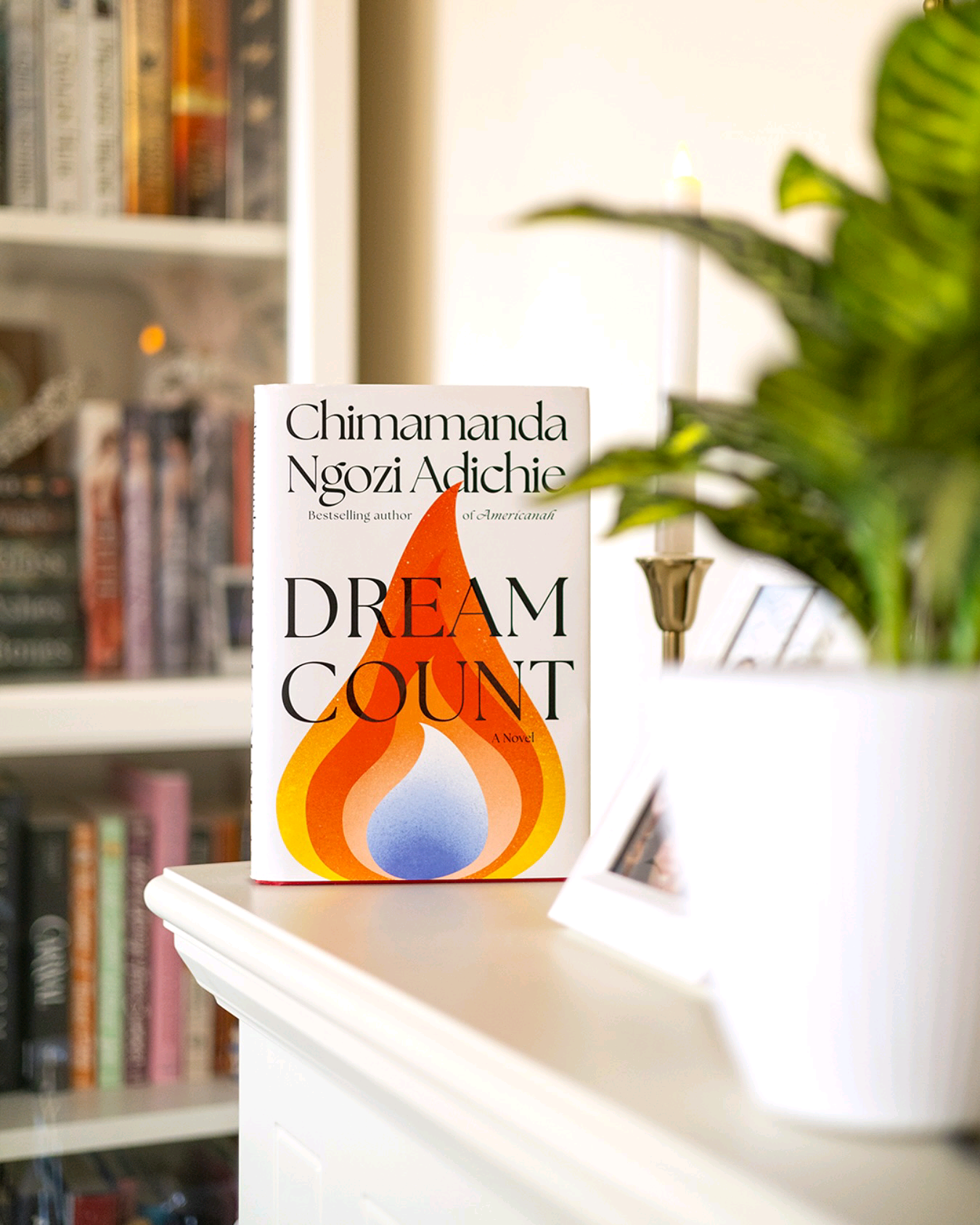
Chimamanda Ngozi Adichie is back, and it feels like a long-lost friend has finally returned. After more than a decade since her last novel, Americanah, she gifts us
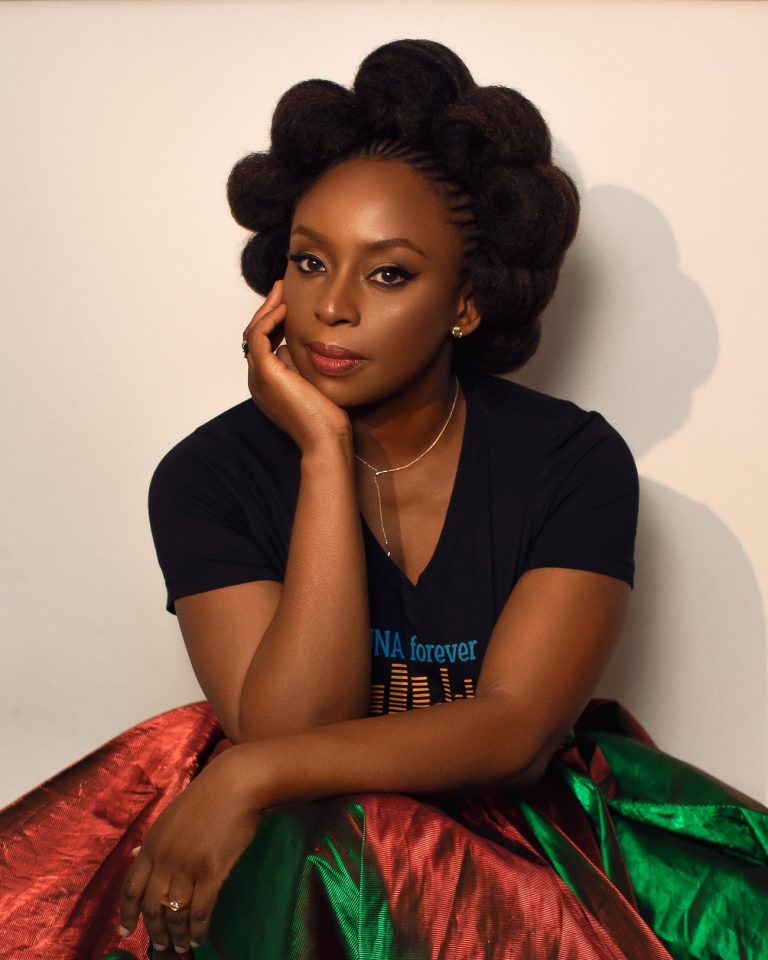
Chimamanda Ngozi Adichie
Dream Counts a book that is as much about storytelling as it is about survival.
This isn’t just another novel; it’s a deeply personal journey, shaped by grief, self-doubt, and the healing power of words.
Why This Book Feels Different
For years, many of us wondered why Adichie hadn’t written another novel. She kept giving us essays, speeches, and short fiction, but something was missing.
Then, she lost her father in 2020. Less than a year later, her mother passed away too. These tragedies silenced her in a way she had never experienced before.
In a recent New York Times interview, she admitted she thought she might never write fiction again. But poetry saved her.
In the depths of grief, she turned to poetry not for publication, but for herself. And slowly, those poems led her back to storytelling. That’s how Dream Counts was born.
What’s Dream Counts About?
This book tells the story of four African women, Chiamaka (Chia), Zikora, Omelogor, and Kadiatou each dealing with love, loss, ambition, and identity. Their lives intertwine in ways that feel both unexpected and deeply real.
Dream count
Adichie has always been a master of human emotions, and here, she explores:
- Sisterhood and female solidarity: How women uplift, challenge, and sometimes betray each other.
- Diaspora struggles: The balance between longing for home and embracing new worlds.
- Love, power, and justice: What it means to fight for yourself in a world that tries to silence you.
One of the most talked-about characters, Kadiatou, is inspired by Nafissatou Diallo, the woman who accused Dominique Strauss-Kahn of sexual assault.
Reading Dream Counts Feels Like…
Reading this book is like sitting across from Adichie herself and listening to her tell a story over tea. The words flow effortlessly, the emotions hit hard, and the characters feel like people you know.
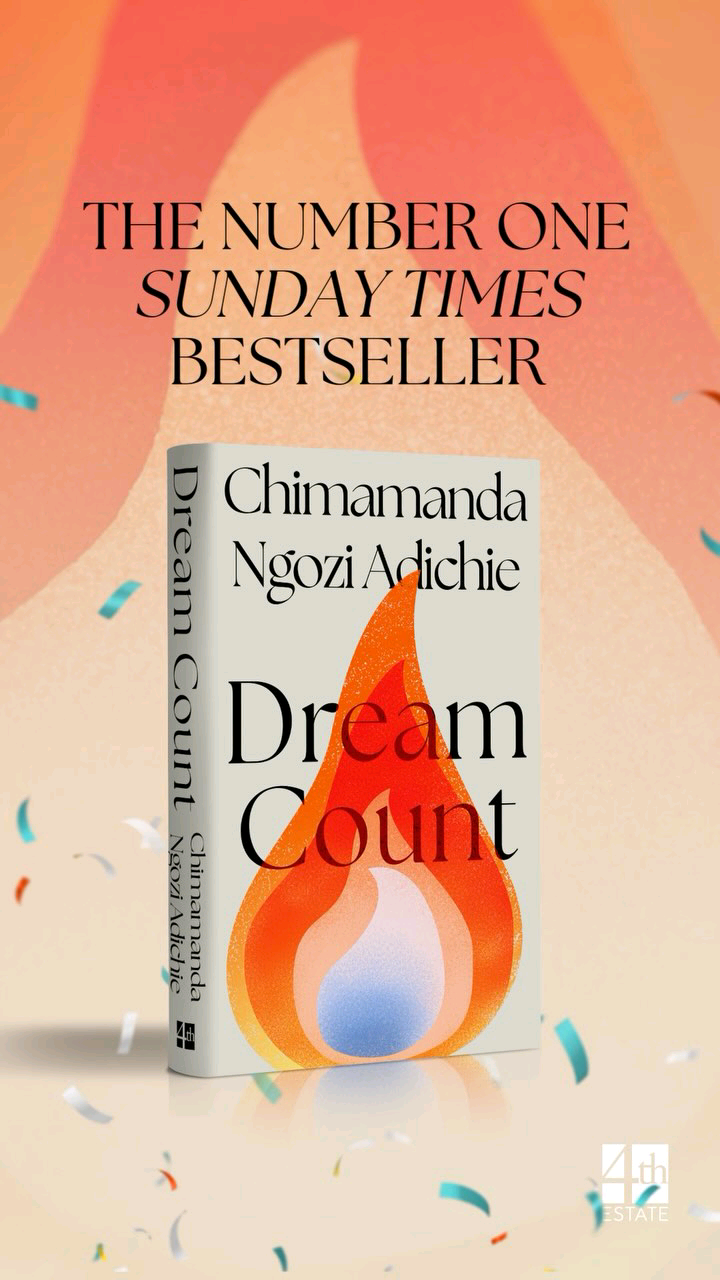
It’s the kind of novel that makes you pause, reflect, and sometimes even whisper, I’ve felt this before.
There’s pain here, but there’s also hope. There’s loss, but also strength. And more than anything,
there’s the reminder that even in the darkest times, stories still count and so do our dreams.
Why You Should Read It
If you’ve ever loved an Adichie novel, this one will feel like home. If you’ve ever felt lost, it will remind you of your strength.
And if you’ve ever doubted your own voice, Dream Counts will make you believe in its power again.
Chimamanda is back. And she has something important to say.
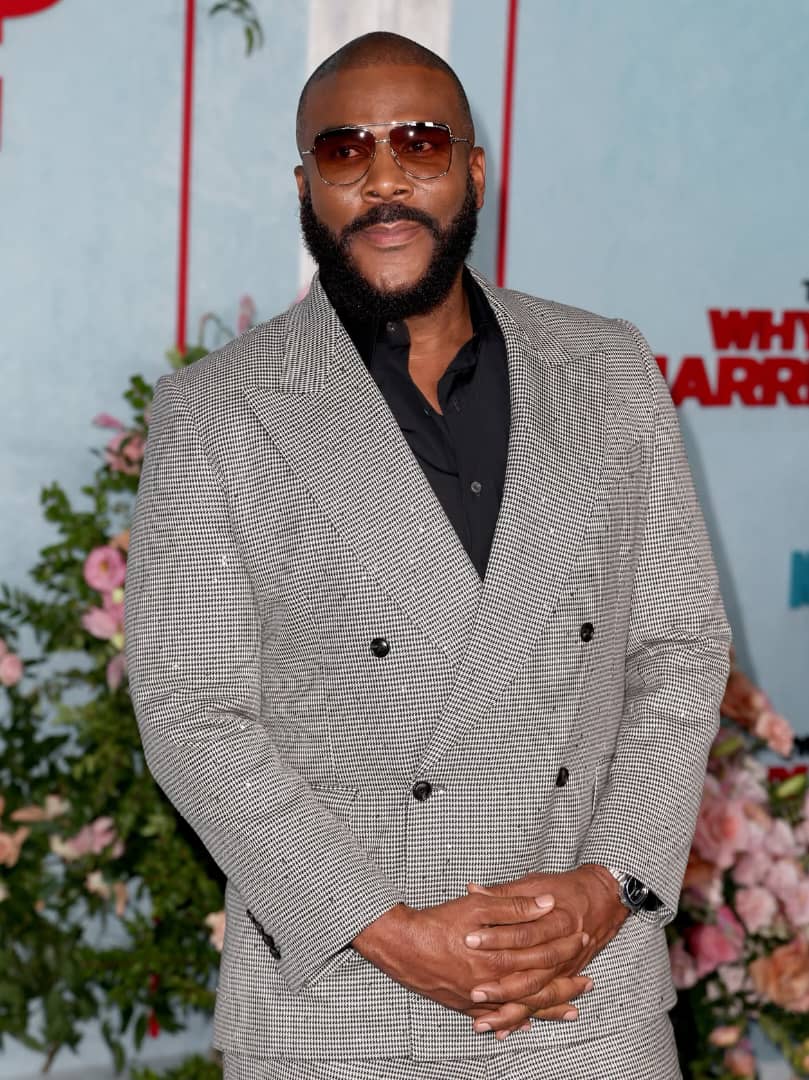
Tyler Perry has explained why he has no plans to get married, saying his decision is influenced by what he has seen people lose financially after divorce.
The actor, filmmaker and producer spoke about his decision during an appearance on The Jennifer Hudson Show while promoting his new Netflix film, Why Did I Get Married Again? The movie is the third instalment in Perry’s Why Did I Get Married? franchise, which began in 2007.
When Jennifer Hudson asked Perry if he planned to get married, he answered, “Nope.” When asked if he simply did not want to marry, Perry clarified that marriage itself was not his concern.
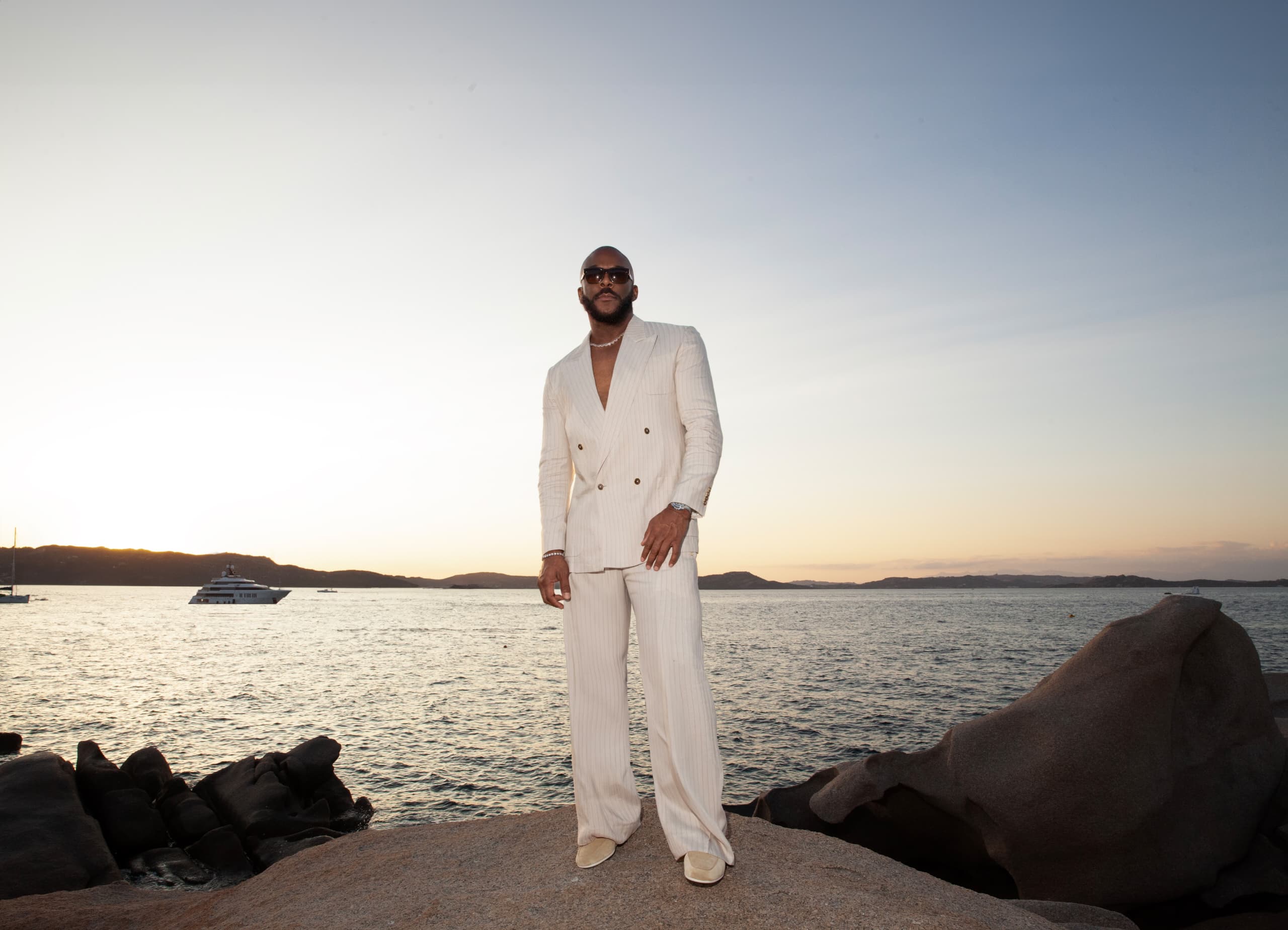
Photo: Instagram/@tylerperry
“It’s not the marriage that bothers me. It’s the divorce,” he said.
Perry explained that he has seen financially successful people go broke after divorce.
“Everybody that I know that did well and went broke, it was because of a divorce,” he added.
His Why Did I Get Married? films have followed couples dealing with problems in their relationships, even as Perry has chosen not to marry in his own life.
Perry, 57, was previously in a long-term relationship with model and filmmaker Gelila Bekele. The pair were together from 2009 to 2020 and share an 11-year-old son, Aman.
During an appearance on TODAY with Jenna & Sheinelle, he said he plans to move to Puerto Rico with Aman at the beginning of 2027 and cut back on his workload.
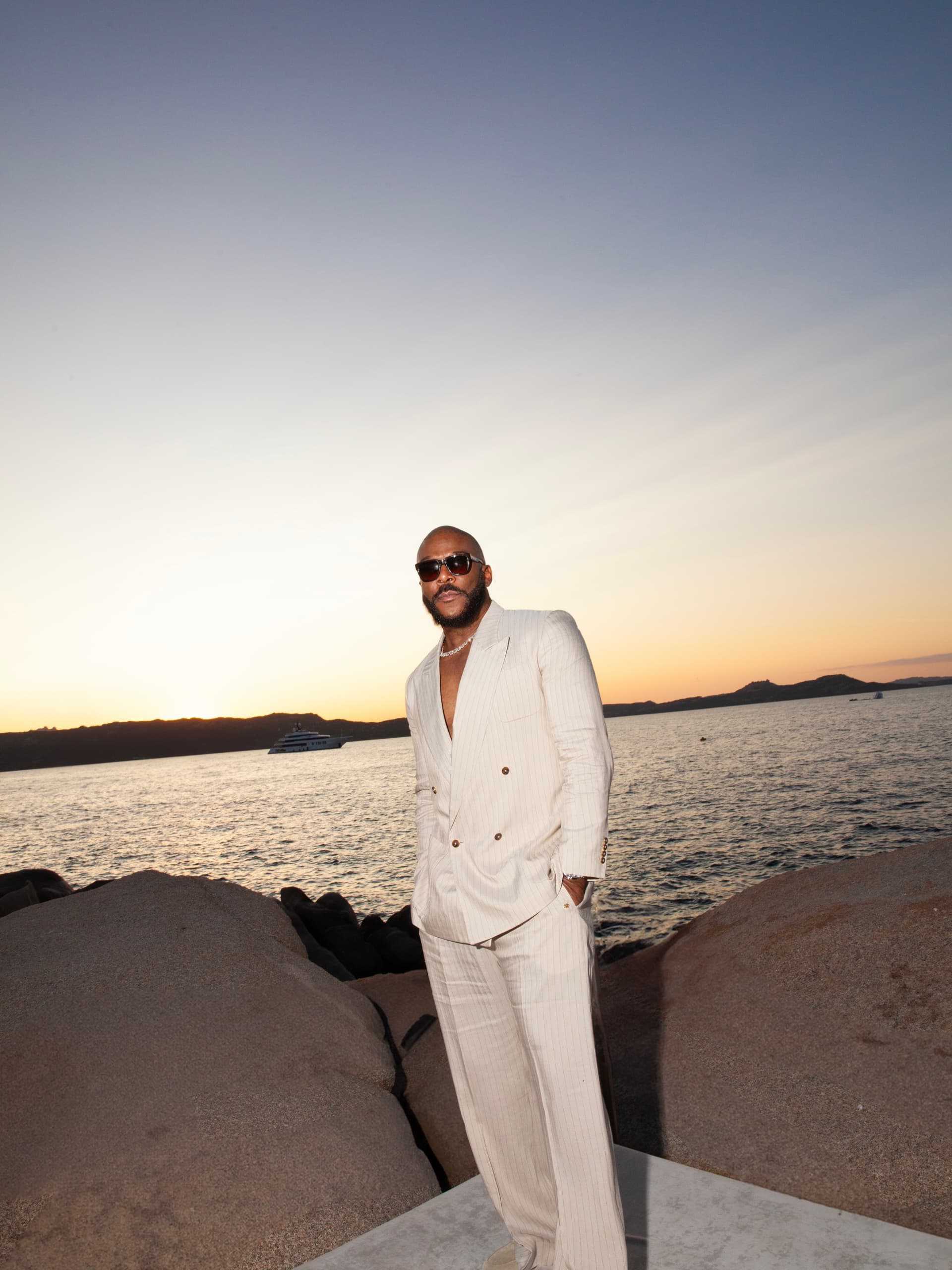
Photo: Instagram/@tylerperry
“Yes, I’m moving to Puerto Rico at the beginning of the year and I’m going to slow down a whole lot,” Perry said.
Meanwhile, Why Did I Get Married Again? continues the story of the couples from the earlier films. The new movie takes the characters to Lake Como, Italy, for the destination wedding of Marcus and Angela’s daughter.
Perry wrote, directed and stars in the film, which also features returning cast members Jill Scott, Tasha Smith, Michael Jai White, Richard T. Jones, Sharon Leal and Lamman Rucker, with Taraji P. Henson also joining the cast.
Why Did I Get Married Again? began streaming on Netflix on September 9, 2026.
Watch Below:

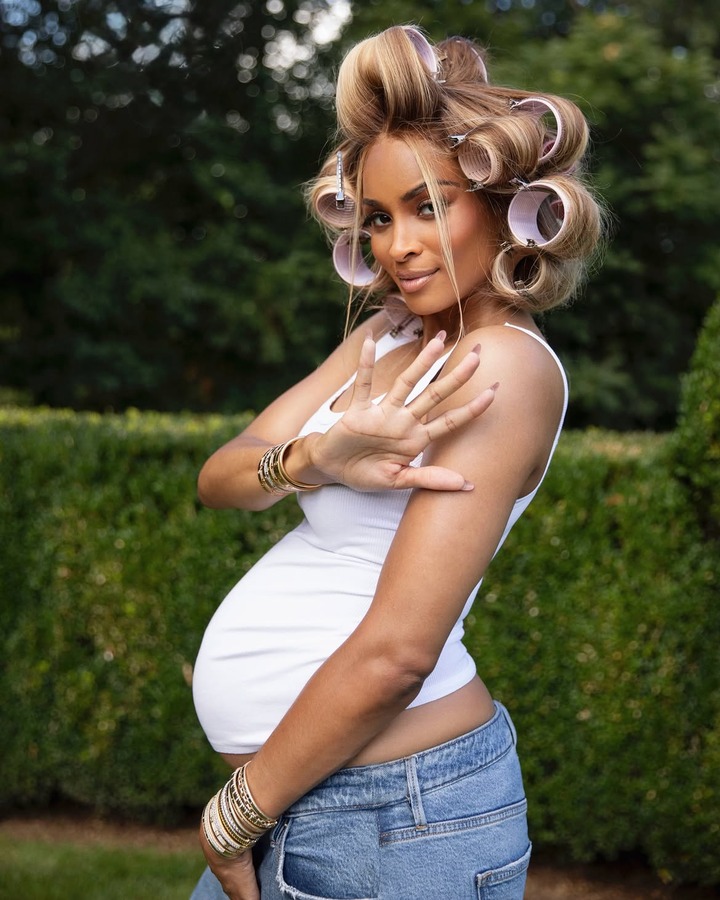
Ciara and her husband, Russell Wilson, are expecting another child. The couple announced the pregnancy on September 6, 2026.
The news was shared through a joint Instagram post featuring photos and videos of Ciara showing off her growing baby bump. In one of the clips, she is seen hanging white shirts on a clothesline, with each shirt representing one of her children. A blank baby onesie is then shown to represent the newest addition to the family.
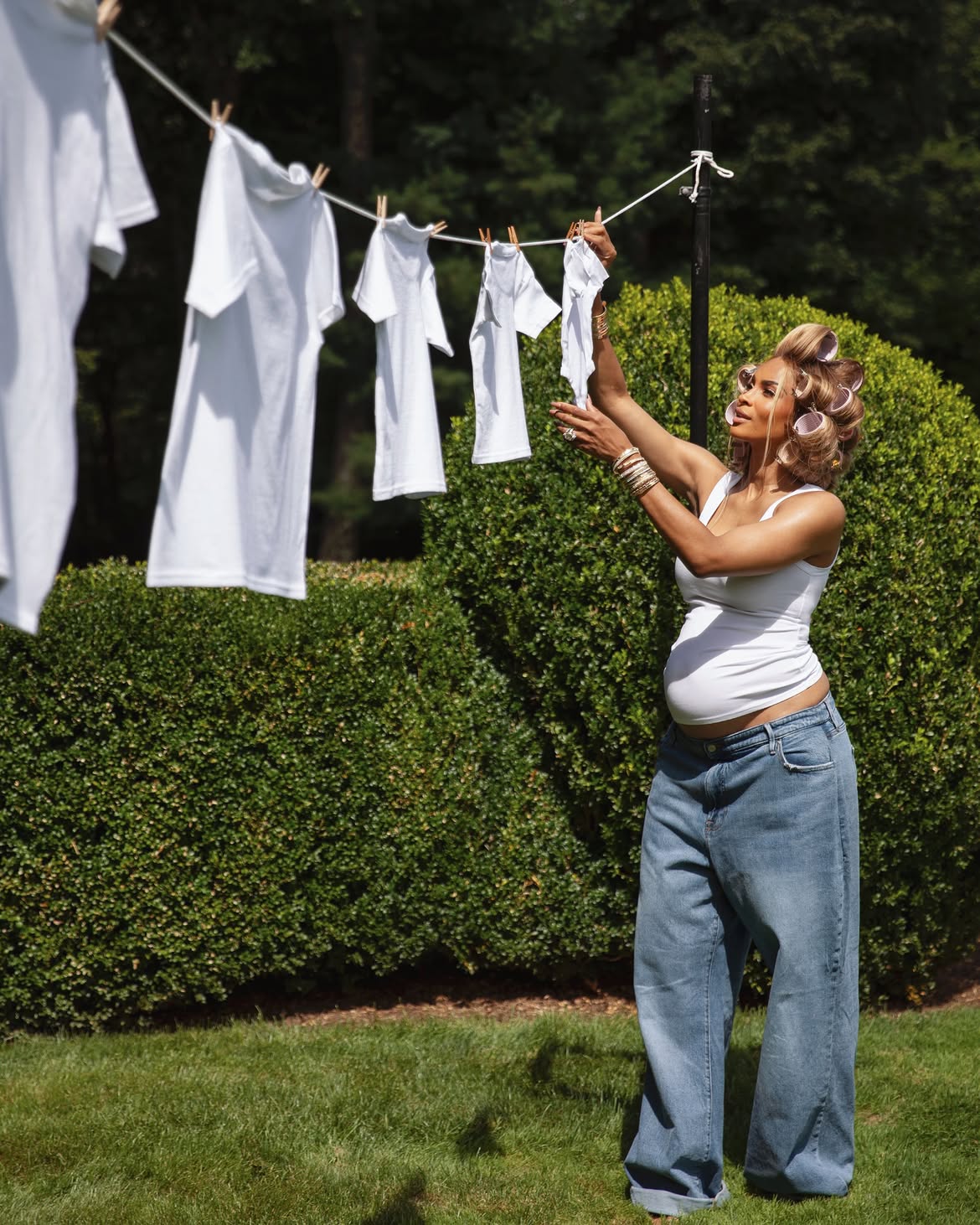
Photo: Instagram/@dangerusswilson
The couple captioned the announcement, “One more person to Love.” They also appeared together holding up five fingers.
Ciara already has four children. She shares 12-year-old Future Zahir with rapper Future, while she and Wilson are parents to 9-year-old Sienna Princess, 6-year-old Win Harrison and 2-year-old Amora Princess. The new baby will therefore be Ciara’s fifth child and Wilson’s fourth.
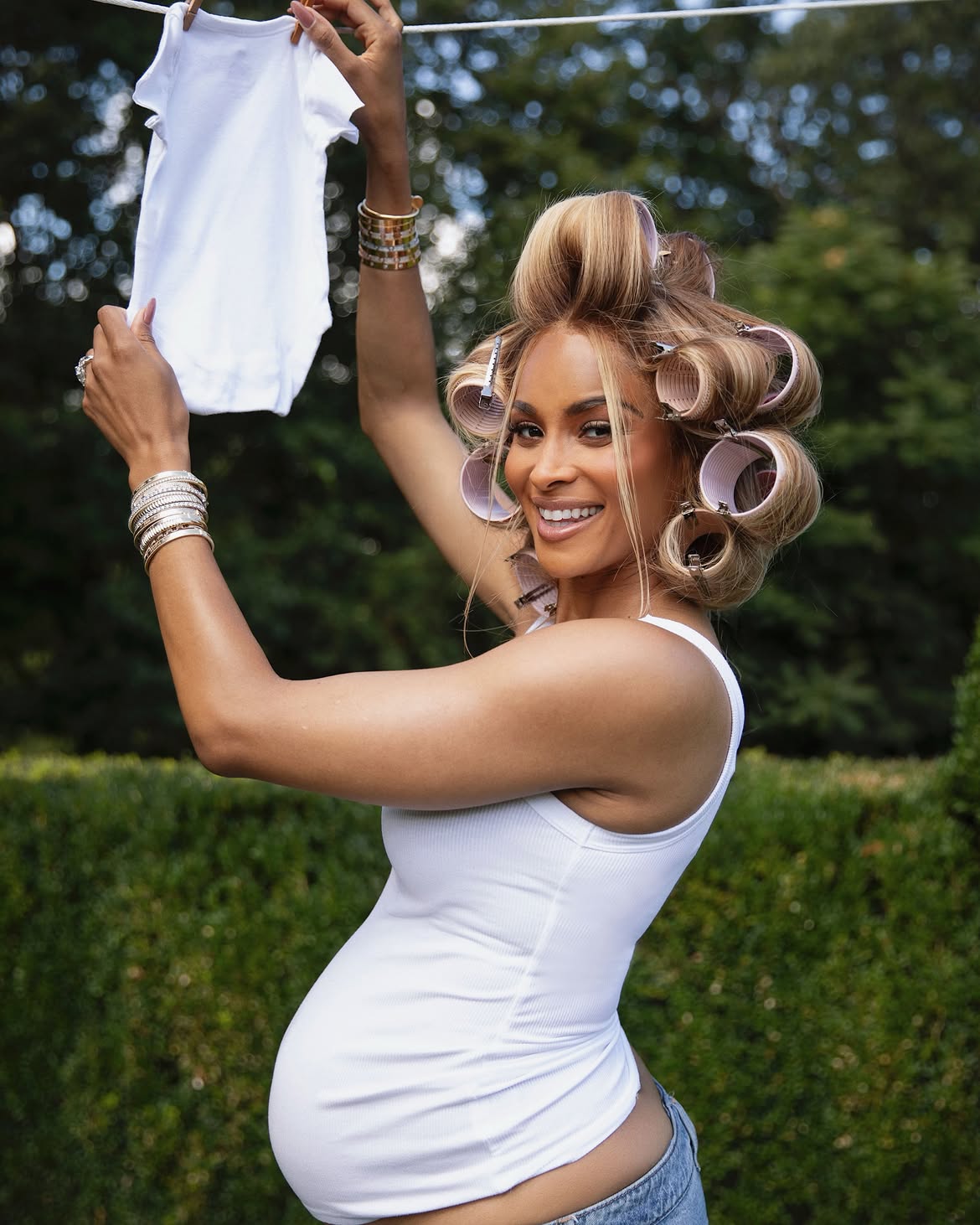
Photo: Instagram/@dangerusswilson
Read Also: Ciara Traces Her Roots to Benin Republic
The pregnancy comes after years of Wilson openly talking about wanting another child. Shortly after Amora was born in December 2023, Wilson joked about having a fifth baby, referring to the idea as “Cinco.” Ciara was open to the idea.
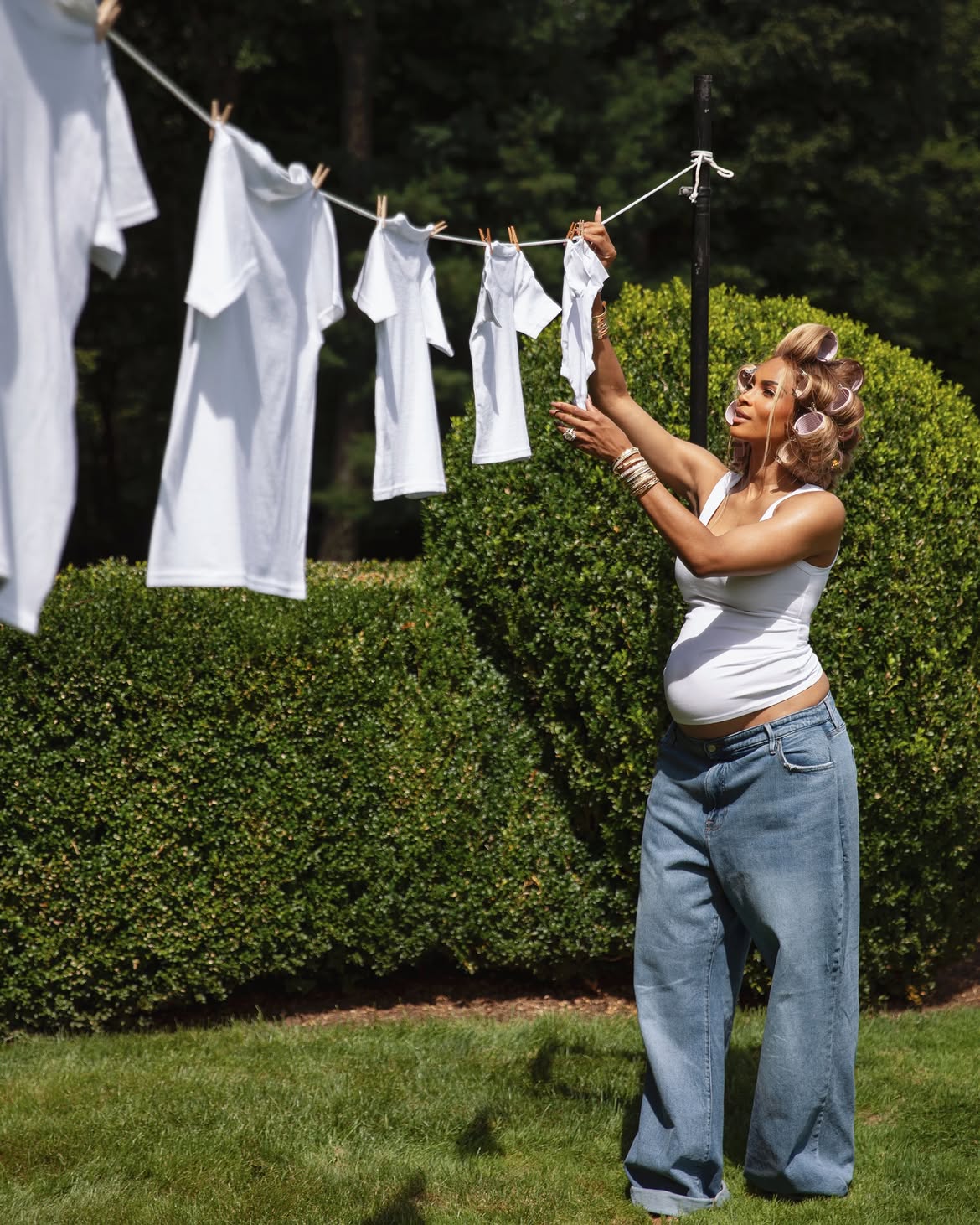
Photo: Instagram/@dangerusswilson
Wilson again spoke about the possibility in July 2026, saying that he was trying to convince Ciara to have a fifth child. He said the couple already had four amazing children and hoped “Cinco” would happen.
Ciara and Wilson got married in 2016. Wilson retired from professional football in June 2026. He has joined CBS Sports as a broadcaster.
The couple has not yet announced the baby’s sex or name. Their pregnancy announcement is a welcomed development for the couples.
Top Xclusiv
Shakira Reveals She Waited 20 Days for Burna Boy’s Verse on the FIFA World Cup Song “Dai Dai”

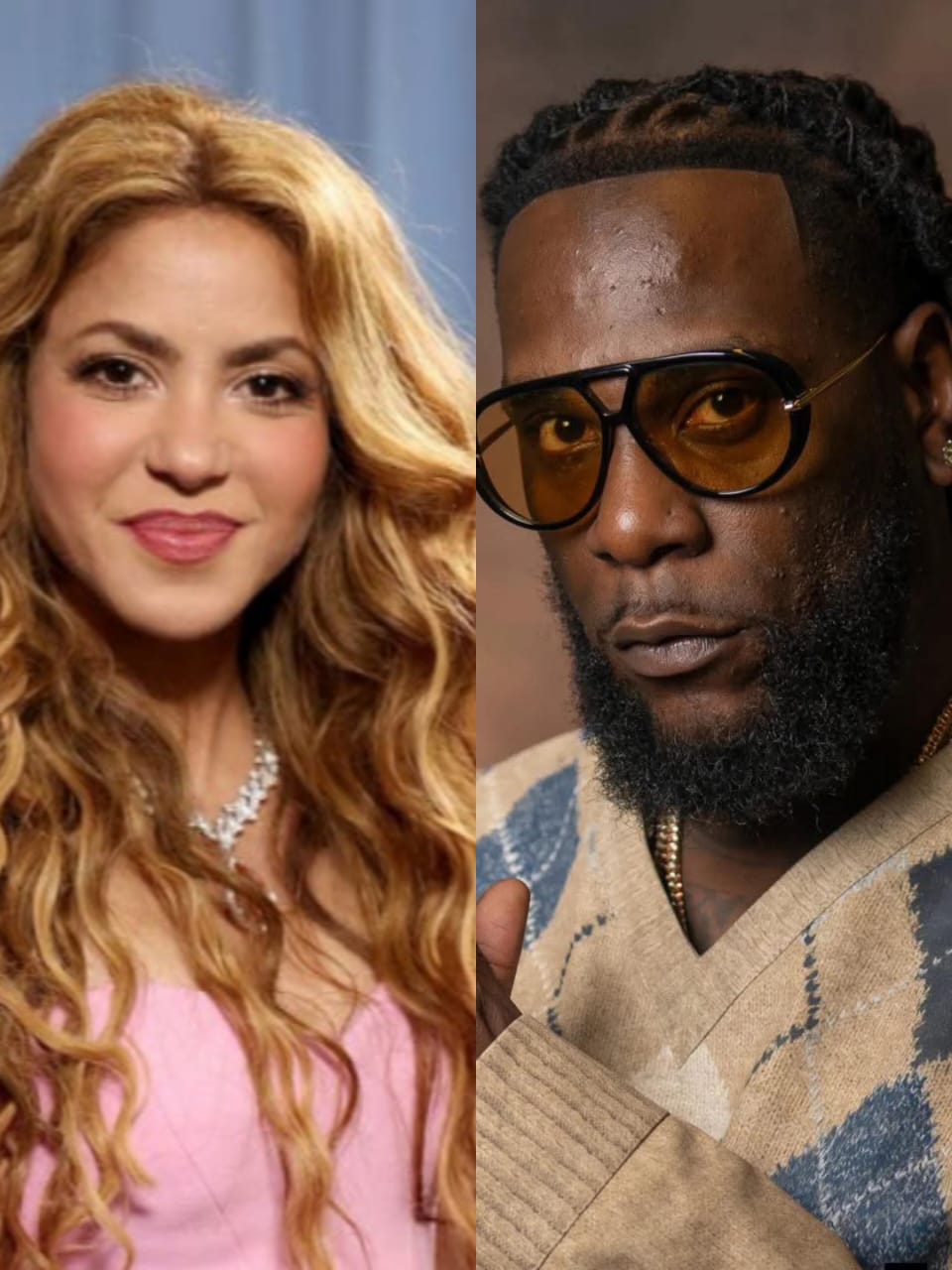
Colombian music star Shakira has shared a behind-the-scenes story about her collaboration with Nigerian Grammy winner Burna Boy on the 2026 FIFA World Cup anthem during a recent appearance on the Capital Evening Show with Jimmy Hill, revealing that she waited nearly three weeks before receiving his contribution to the song.
Speaking about how the collaboration came together, the singer explained that Burna Boy sent his verse 20 days after agreeing to be part of the project. Despite the delay, she said she remained confident that he would deliver because she was determined to have him on the record.
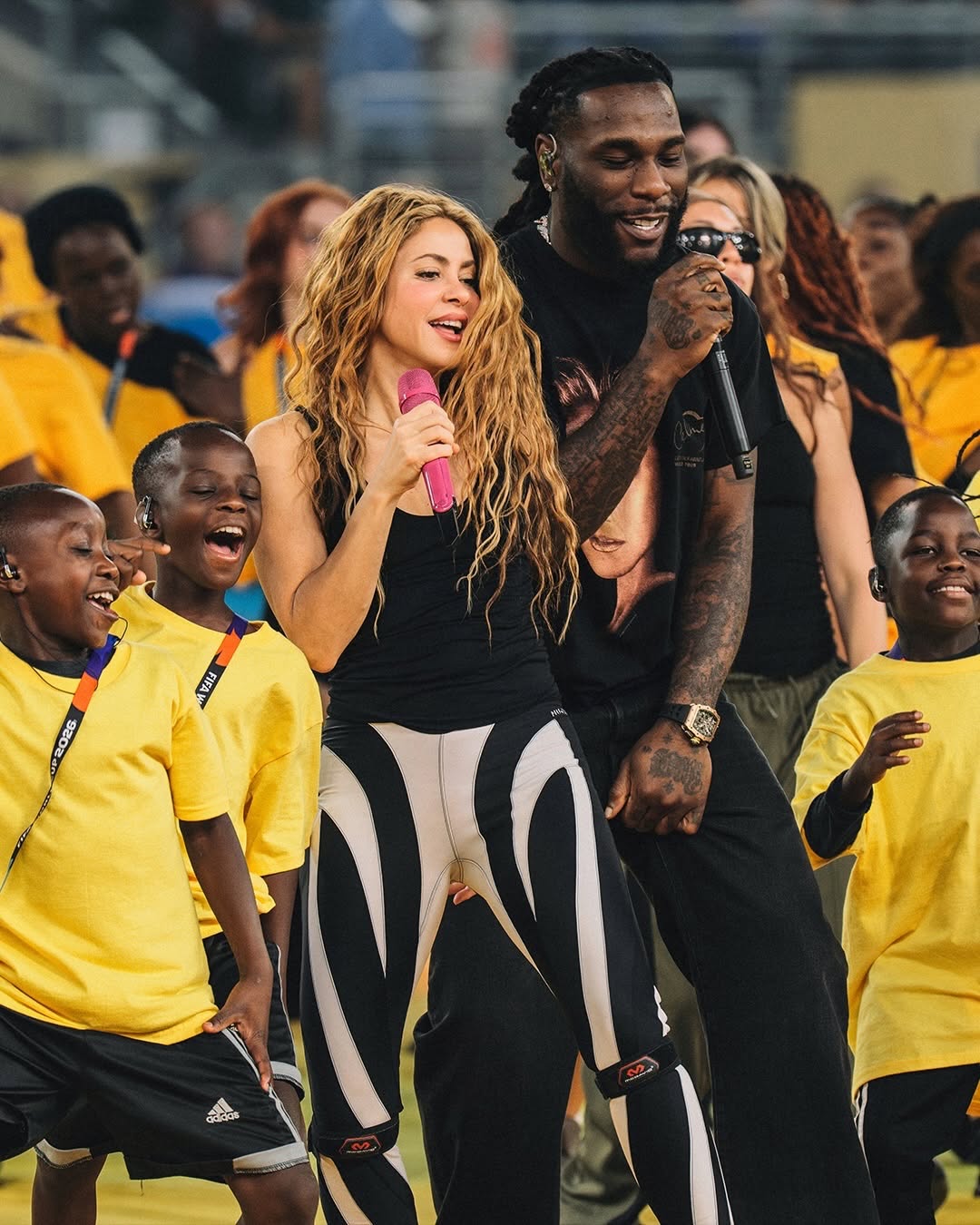
Photo: Instagram
“I called him and I was like, ‘Hey, are you down to do this?’ And he was like, ‘Yeah, why not?’… I was like waiting for 20 days for him to send something and I’m like, ‘Okay, maybe he’s not gonna do it.’ But then he sent his magic and it was just absolutely perfect,” Shakira said.
Shakira also explained why she specifically reached out to the African Giant hitmaker. According to her, she had been a fan of his music for years and wanted a distinctive male voice that could match the energy and global appeal of the World Cup.
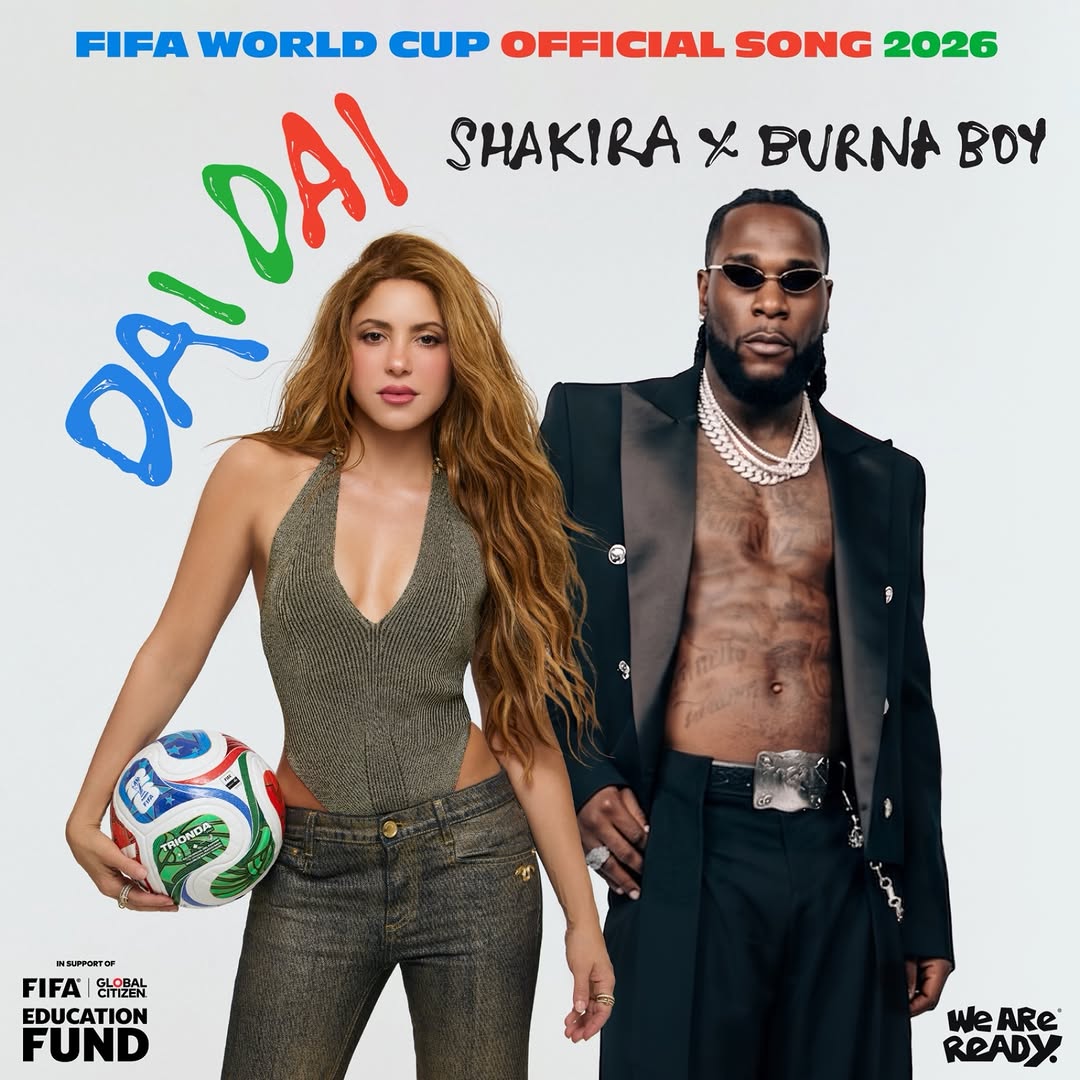
Photo: Instagram/@shakira
“And I’ve always loved Burna, like I always wanted to do something with him,” Shakira said. She praised his unique vocal style, adding, “I think his voice is just, it works so well on this song, so well. I couldn’t imagine anybody else on it, actually.”
The collaboration resulted in “Dai Dai,” the official song released for the 2026 FIFA World Cup. The track brought together two internationally recognised artists, pairing Shakira’s long-running connection with FIFA World Cup music with Burna Boy’s contribution to the tournament’s latest anthem.
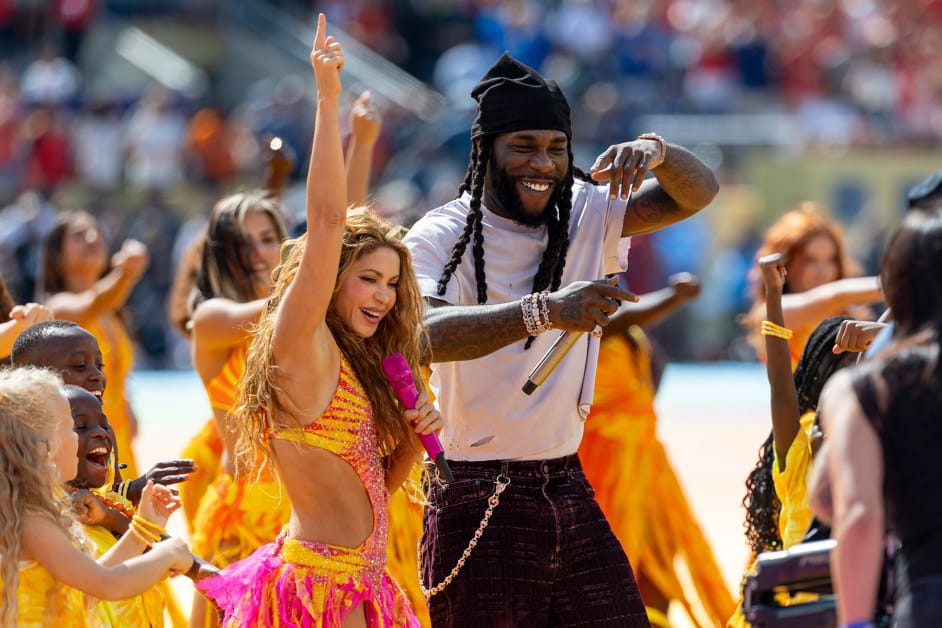
Photo: Instagram
The 2026 project also added another chapter to Shakira’s history with the FIFA World Cup. She performed “Waka Waka (This Time for Africa)”, the official song of the 2010 tournament in South Africa, before releasing “La La La” for the 2014 World Cup in Brazil. Her collaboration with Burna Boy on “Dai Dai” continued that association, this time alongside one of Africa’s biggest music stars.
Looking back on the collaboration, Shakira said Burna Boy’s contribution justified the wait. Although she admitted she briefly wondered whether he would eventually send his verse, she said the finished record confirmed why she had wanted him on the song from the beginning, describing his contribution as “absolutely perfect”.

What to Expect From Lagos Fashion Week 2026

Nail Colours for Dark Skin: What to Wear and What to Skip

Francis Duru Dies at 57

Broda Shaggi Reveals He Was Hit by a Stray Bullet

Laura Ikeji Proves Polka Dots Are Back and Better Than Ever

5 Nollywood Films to Stream on YouTube

What Exactly Are Ayra Starr and ZAYN Singing About on “Heaven Baby”?

These Nigerian Bag Brands Are Raising the Bar for Made-in-Nigeria Fashion
Broda Shaggi Reveals He Was Hit by a Stray Bullet

New Nigerian Movies to Watch on Netflix

Ayra Starr Performs ‘Rush’ and ‘Heaven Baby’ at NFL Halftime Show in London | Watch Video

Ayra Starr and ZAYN Finally Share the Screen in “Heaven Baby” Video


-

 Celebrity Style2 weeks ago
Nancy Isime Gives Aṣọ Òkè a Cool, Corporate Look
-
 Big Brother Naija2 months ago
Gerard Evicted from Big Brother Naija
-

 Fragrance2 months ago
Nigerian Fragrance Brands Winning Right Now — and You Need to Try
-

 Music1 month ago
Rema Tackles Mixed Signals and Desire on New Single “Oh No”
-

 Lifestyle1 month ago
5 Beaches in Lagos for Your Next Staycation
-

 High Tech2 months ago
Samsung, Duolingo Throw Shade at Apple Over iPhone Duo Reveal
-

 Celebrity Bios1 month ago
Tems’ Journey From Lagos to Global Stardom
-
 Models2 months ago
Tamunosoye Karibi-George Secures Top 12 Finish at Miss World 2026
-

 Big Brother Naija1 month ago
Keivo Emerges as Week 9 Head of House, Barry Grants All Housemates Immunity
-
 The Best Dressed Celebrities This Week1 month ago
The Best Dressed Stars Of The Week