
Beauty
Dark Circles: Here is How to Avoid Them.

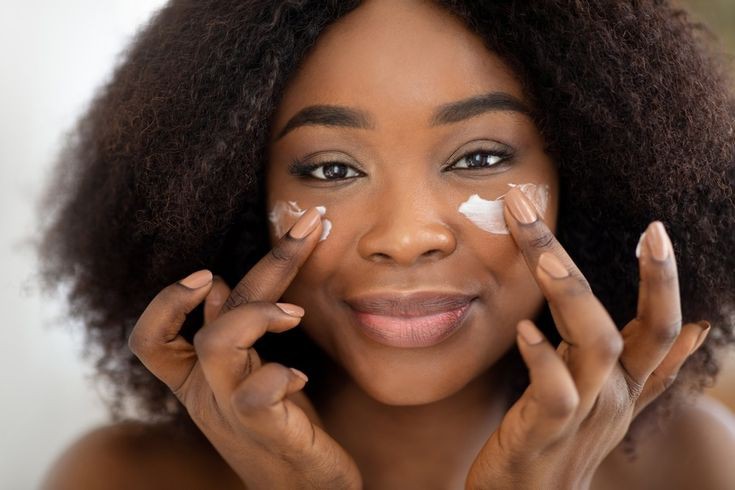
Dark circles are a very common concern among people of all ages and backgrounds. It is often associated with tiredness, stress, or lack of sleep. They can also stem from a variety of lifestyle, genetics and health related issues. Dark circles are a shadowy or discolored area that appear beneath the eyes. It can be blue, purple, brown, or black in colour depending on your skin tone and the underlying cause of the dark circles.
The skin under the eyes is thinner and more delicate than the skin on other parts of the body and this makes it more susceptible to changes in blood flow. pigmentation , and hydration. While dark circles are not typically a sign of serious medical issues, they can affect self esteem and appearance and that is the reason why many seek for solutions to it.
Meanwhile, let us explore some causes of dark circles.
Read Also: Best Sunscreens for Every Weather
Causes of Dark Circles.
There is no exact or single cause of dark circles as it is usually a combination of a number of factors. Some causes of dark circles include:
Genetics.
For a number of people, dark circles are hereditary. If any of your parents have dark circles, you are most likely to develop them too. This is because genetic dispositions can influence skin thickness, pigment levels, and other skin issues.
Lack of Sleep.
This is probably the most popular cause of dark circles. Inadequate sleep can cause the skin to look pale, allowing blood vessels beneath the skin to become more visible and give the appearance of dark circles.
Aging.
As we age, our skin loses collagen and becomes thinner. The loss of skin elasticity exposes the blood vessels beneath the skin, causing dark circles.
Dehydration.
When the body lacks water, the skin under the eyes can look dull and sunken, making dark circles more prominent.
Exposure to the Sun.
Overexposure to the sun can increase melanin production, especially in delicate areas of the eyes, leading to pigmentation and darkening.
How to Avoid Dark Circles.
Now that we have figured out some of the causes of dark circles, here are a few ways to avoid them.
Prioritize Sleep.
Beyond avoiding dark circles, adequate sleep is important for your overall health. You should aim for 7-9 hours of sleep, keep a consistent sleep schedule, avoid screens for at least 30 minutes before you fall asleep and create a calm sleeping environment.
This would keep you well rested and keep dark circles away from your eyes.
Adequately Hydrate.
Since we have discovered that dehydration is a leading cause of dark circles, it is important to drink plenty of water throughout the day to improve skin elasticity.
Drink at least 2 litres of water daily, eat fruits rich in water such as cucumber, watermelon, oranges, etc and reduce intake of dehydrating substances like caffeine.
Use Cold Compress.
Cold temperature constricts blood vessels and reduces swelling. To use, place chilled teaspoons, cucumber slices, ice block, or a gel eye mask on your eyes for 10-15 minutes. Then, repeat in the morning to reduce puffiness and dark circles.
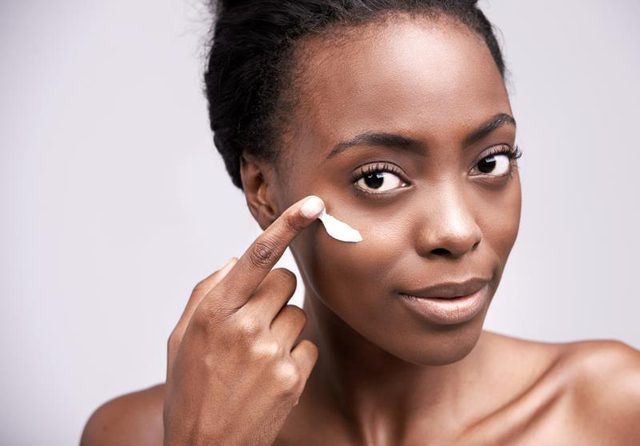
Protect your Eyes Against Sun Exposure.
As sun rays is one of the leading causes of dark circles and aging, it is important to protect yourself from the sun.
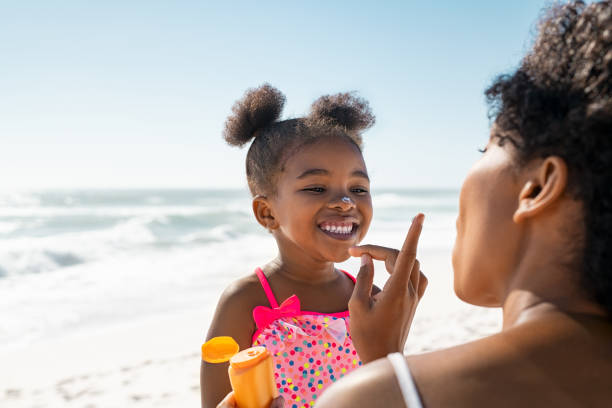
You can do this by always wearing sunscreen with SPF 30 or higher, even on days that are not sunny. You can also use sunglasses to protect yourself from UV radiation.
Putting these steps to action, you can as well say goodbye to dark circles.










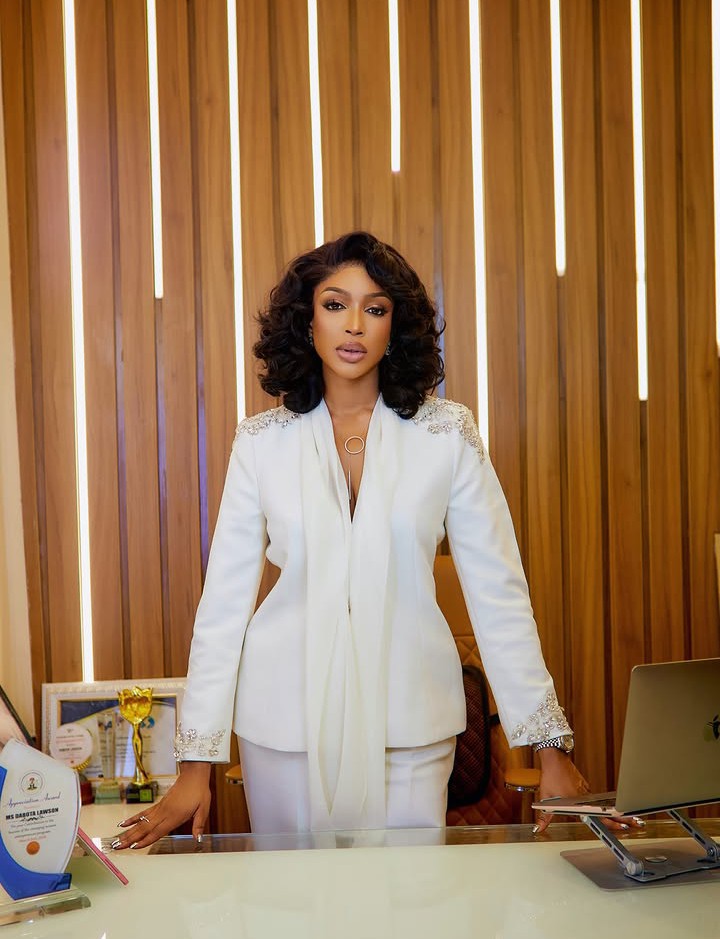
Dabota Lawson’s interest in beauty began long before she launched her cosmetics business. After working in modelling and pageantry, the Nigerian entrepreneur turned to developing makeup products for women with different skin tones. She founded Dabota Cosmetics in 2015. She is now looking to expand into international markets.
Lawson’s early exposure to fashion and makeup influenced her career. In a March 2025 interview with Vanguard Allure, she recalled growing up around her mother’s fashion and makeup collections. She started modelling at five and won Miss Nigeria UK in 2010. After returning to Nigeria, she saw an opportunity to offer premium cosmetics in shades suited to different complexions.
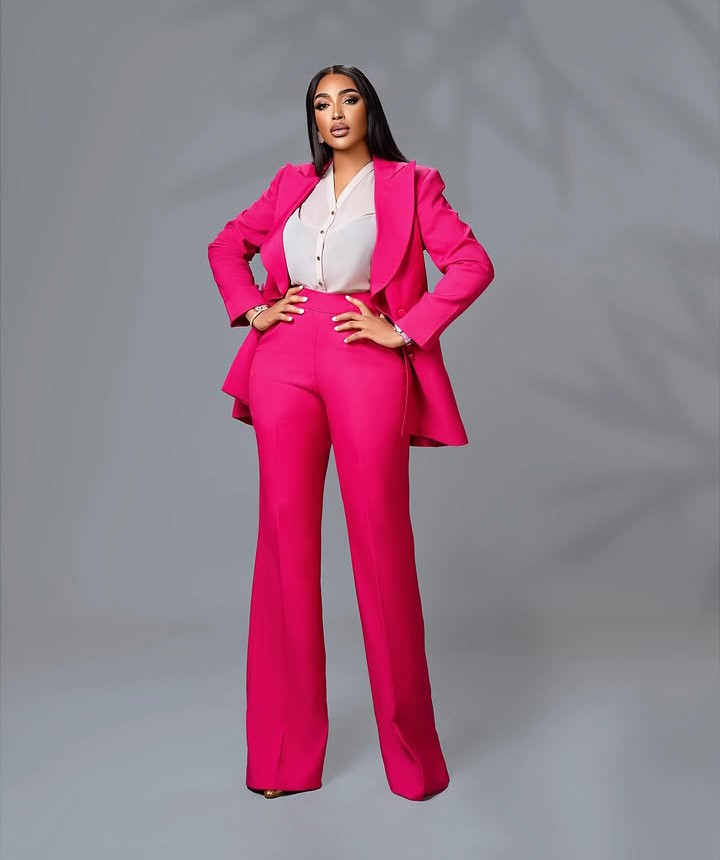
Photo: Instagram/@dabotalawson
Lawson had to learn the cosmetics trade as she built her business. In a July 2015 introductory statement, She explained that she attended cosmetics trade shows and met manufacturers in different countries. These experiences helped her understand cosmetics production and the process of establishing her brand.
Dabota Cosmetics sells foundations, concealers, powders, lip products and eyeshadows in shades for different skin tones. One of its offerings, the OPULEN Makeup Book, combines several makeup essentials in one collection, including primers, correctors, blushes, bronzers and highlighters.
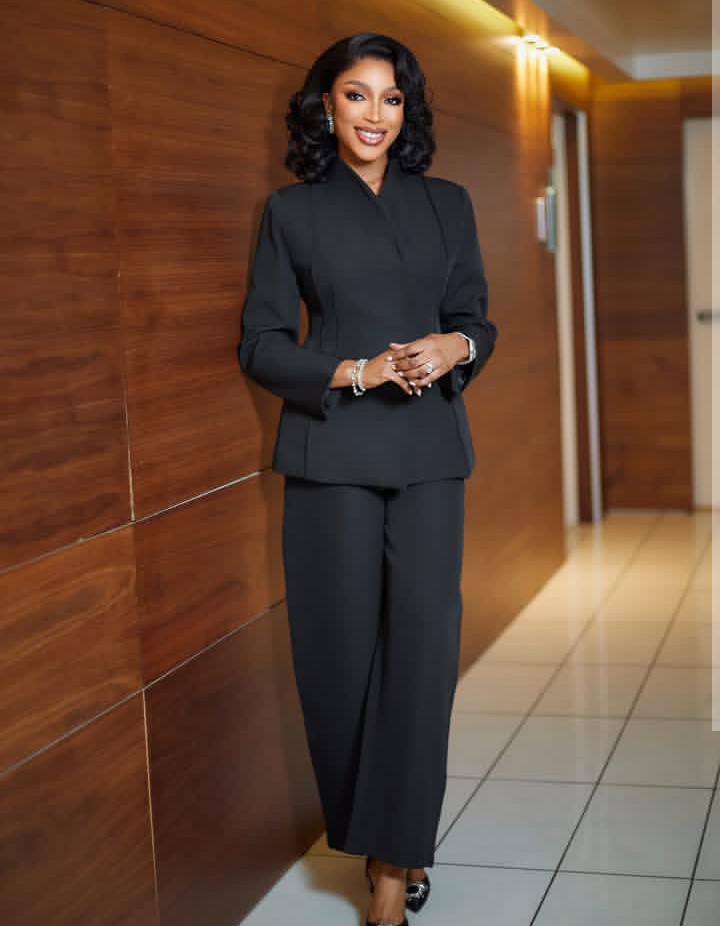
Photo: Instagram/@dabotalawson
In a November 2025 interview with Marie Claire Nigeria, Lawson discussed the challenges of raising funds and protecting product formulations. She also highlighted the need to understand the science behind cosmetics, particularly when developing products for people with specific skin needs.
In March 2026, Lawson signed a memorandum of understanding with Woodhall Capital International for a structured financing facility to support Dabota Cosmetics’ planned global expansion. She credited the firm’s founder and president, Mojisola Hunponu-Wusu, with providing mentorship and business guidance during the process.

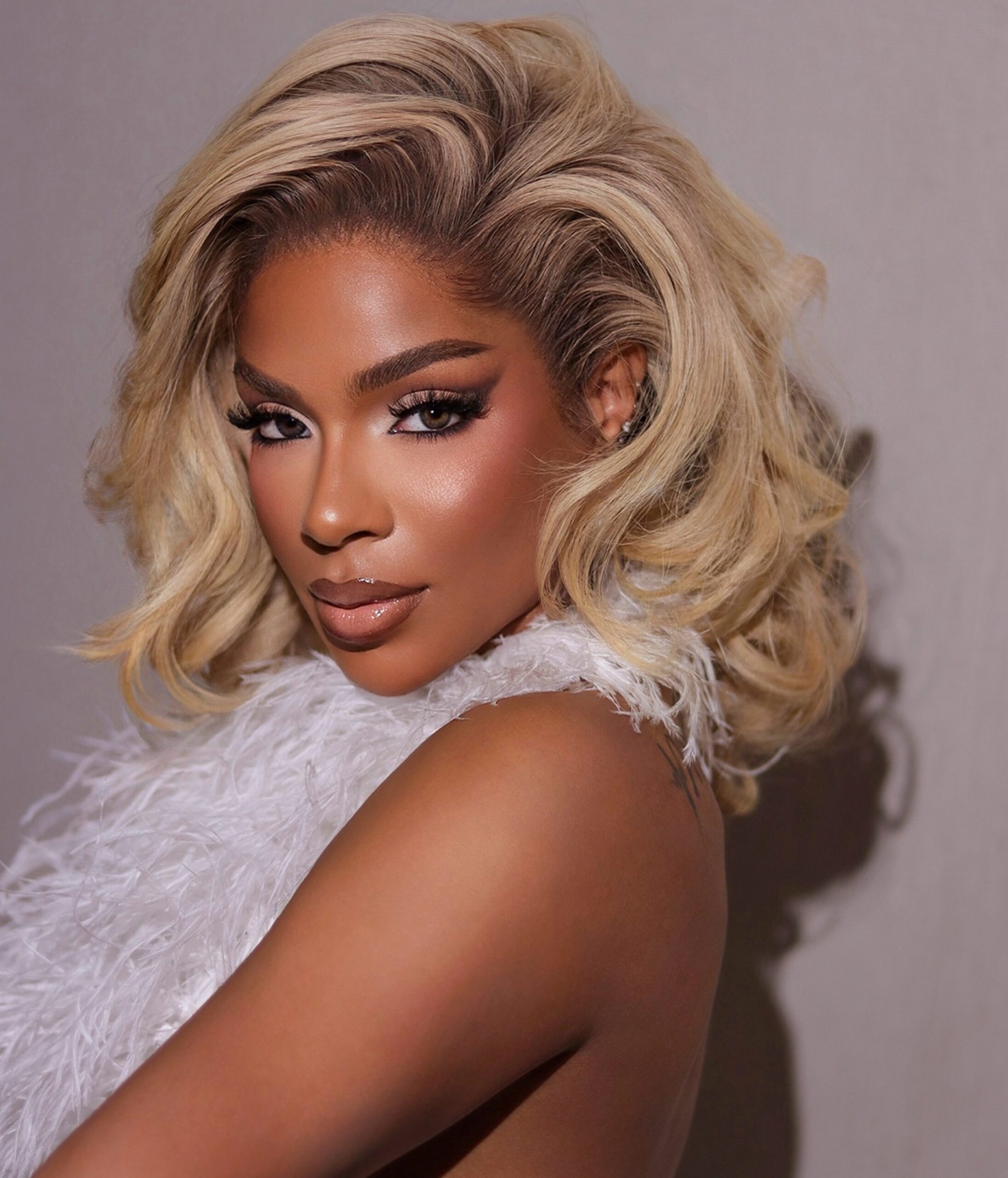
Venita Akpofure has gone blonde. The actress and reality TV star shared the new colour in a set of four Instagram photos on her page.
The hair is a golden honey blonde, darker at the roots and lighter toward the tips. She wore it shoulder-length and swept to one side, with loose, rounded waves that curled outward at the ends. The waves are thick and bouncy, so the hair sits wide around her face. The volume sat at the crown and sides, and the sweep lifts the hair off her face to show off her pearl drop earrings.
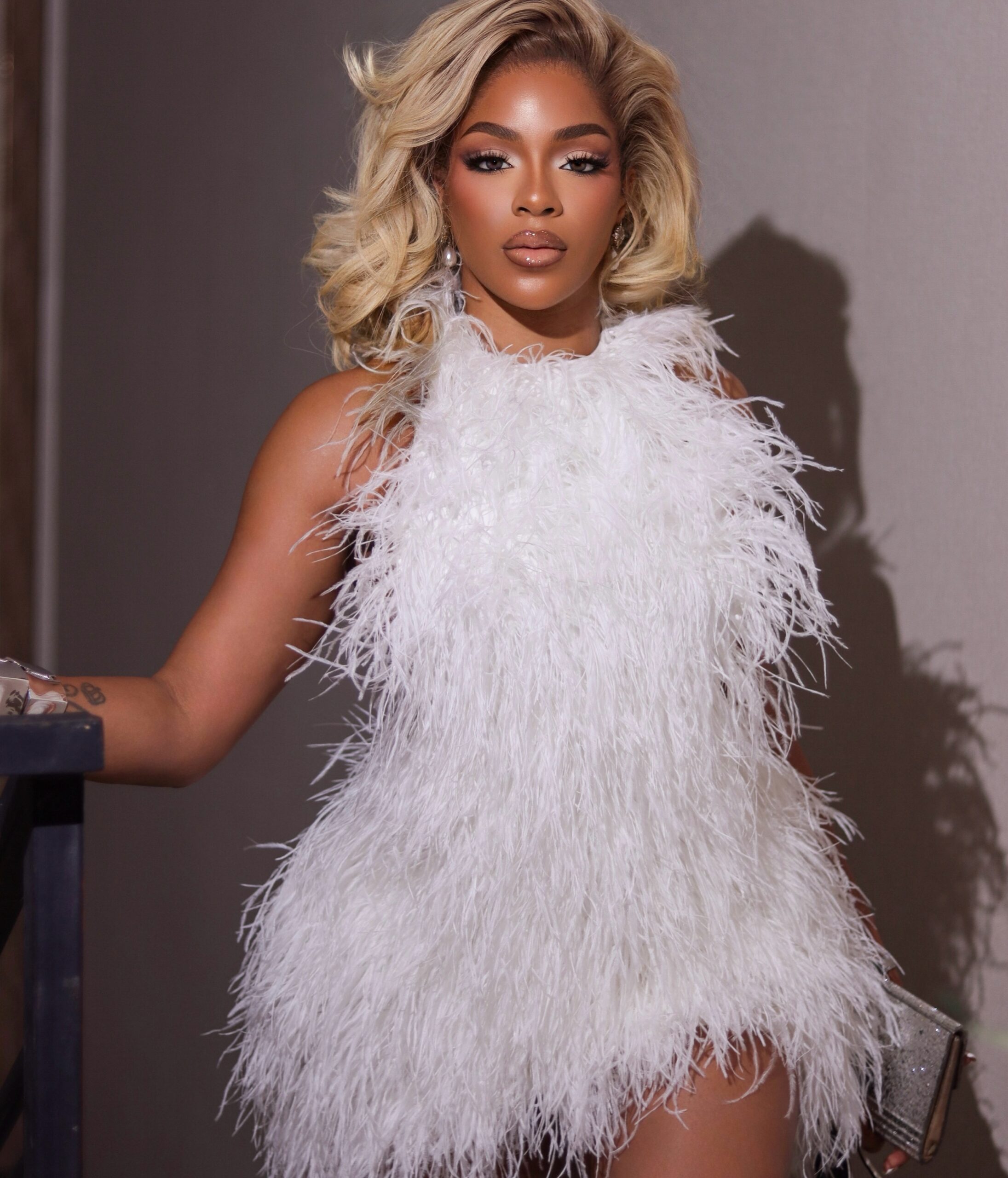
Photo: Instagram/@veezeebaybeh
At the all-white party where Venita debuted her blonde hair, she wore a sleeveless white feather mini dress with a high halter neck by Everyday by Andra. The feathers covered the dress from the neck to the hem, and ended at the upper thigh. Frontiers Brand handled her styling for the night, and she carried a glittery silver clutch. The colour is a big switch for Venita, who is known for going with darker shades.
The blonde hair was a wig from Laposhair, styled by Hair Smiles. Opulen Dabota did her makeup in neutral tones with a glossy lip, and Gwendilara handled her photos.
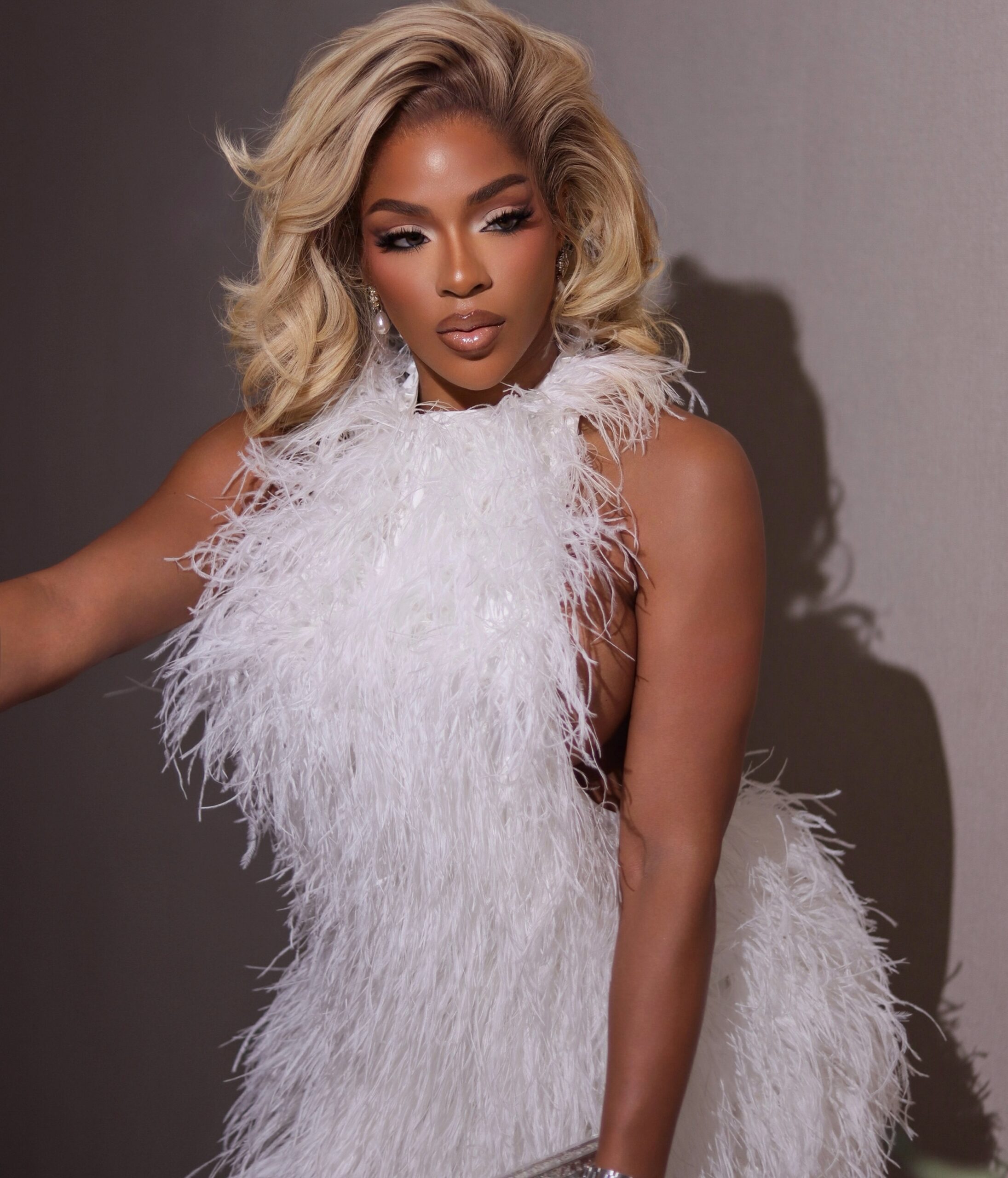
Photo: Instagram/@veezeebaybeh
She captioned the post with “If you’re going to ruffle feathers, at least look good whilst doing it.” She added, “Sweet enough to approach. Dangerous enough to reconsider.” and she also thanked Pretty Mike of Lagos and Tosin Akinbo. The caption did not say if she plans to keep the colour beyond the party.
The blonde waves happens to also be a big change for Venita, who is known for going with darker shades. Back in June, she posted some photos with her dark hair pulled into a high ponytail.

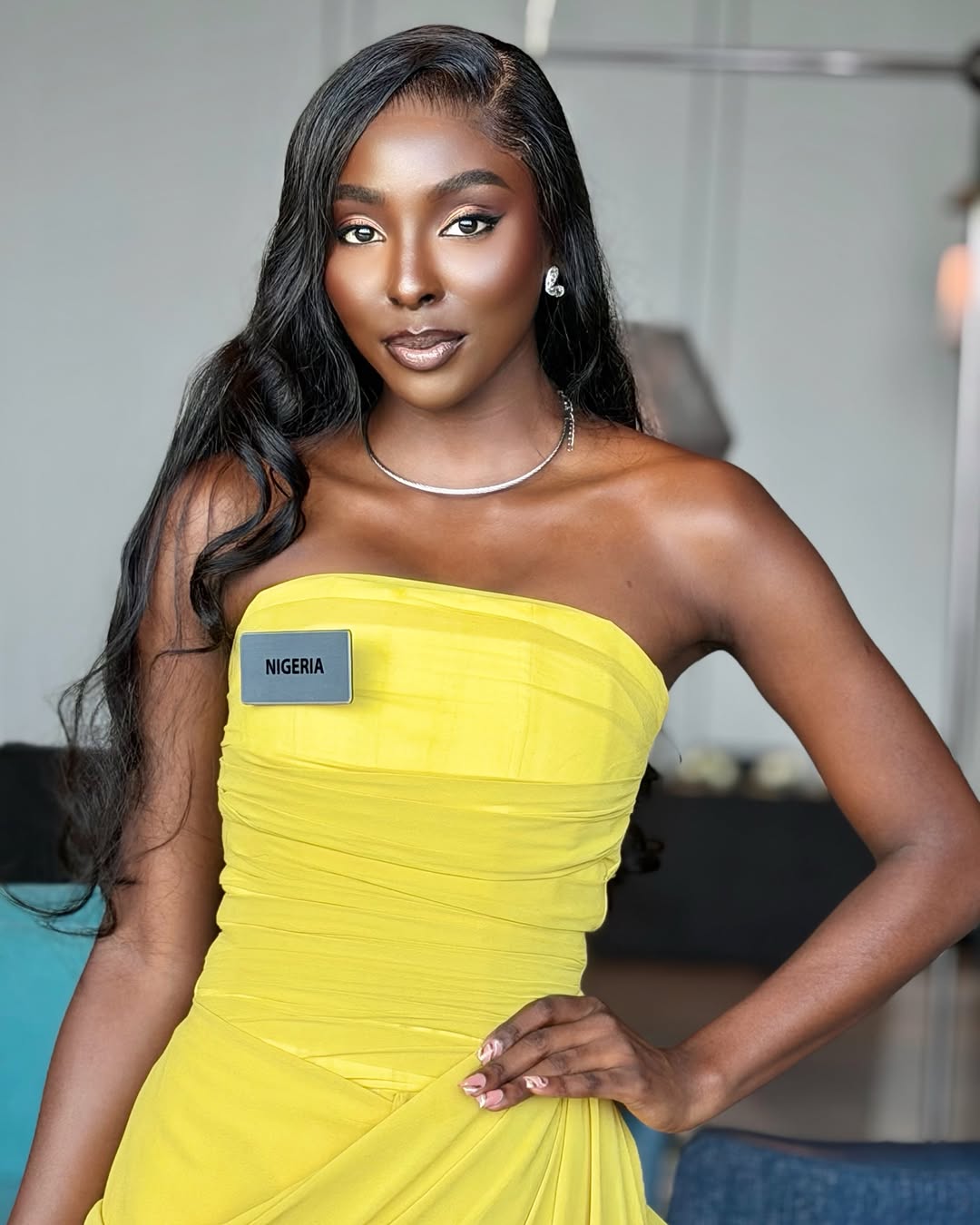
Tamunosoye Karibi-George is a 26-year-old Nigerian beauty queen currently representing the country at the 75th Miss World festival in Vietnam, competing for the international title.
Karibi-George earned the national crown on June 6 at Balmoral Hall, Federal Palace Hotel, Lagos, where she won the crown after competing against 19 other contestants under the theme “Pride, Power, and Purpose.”
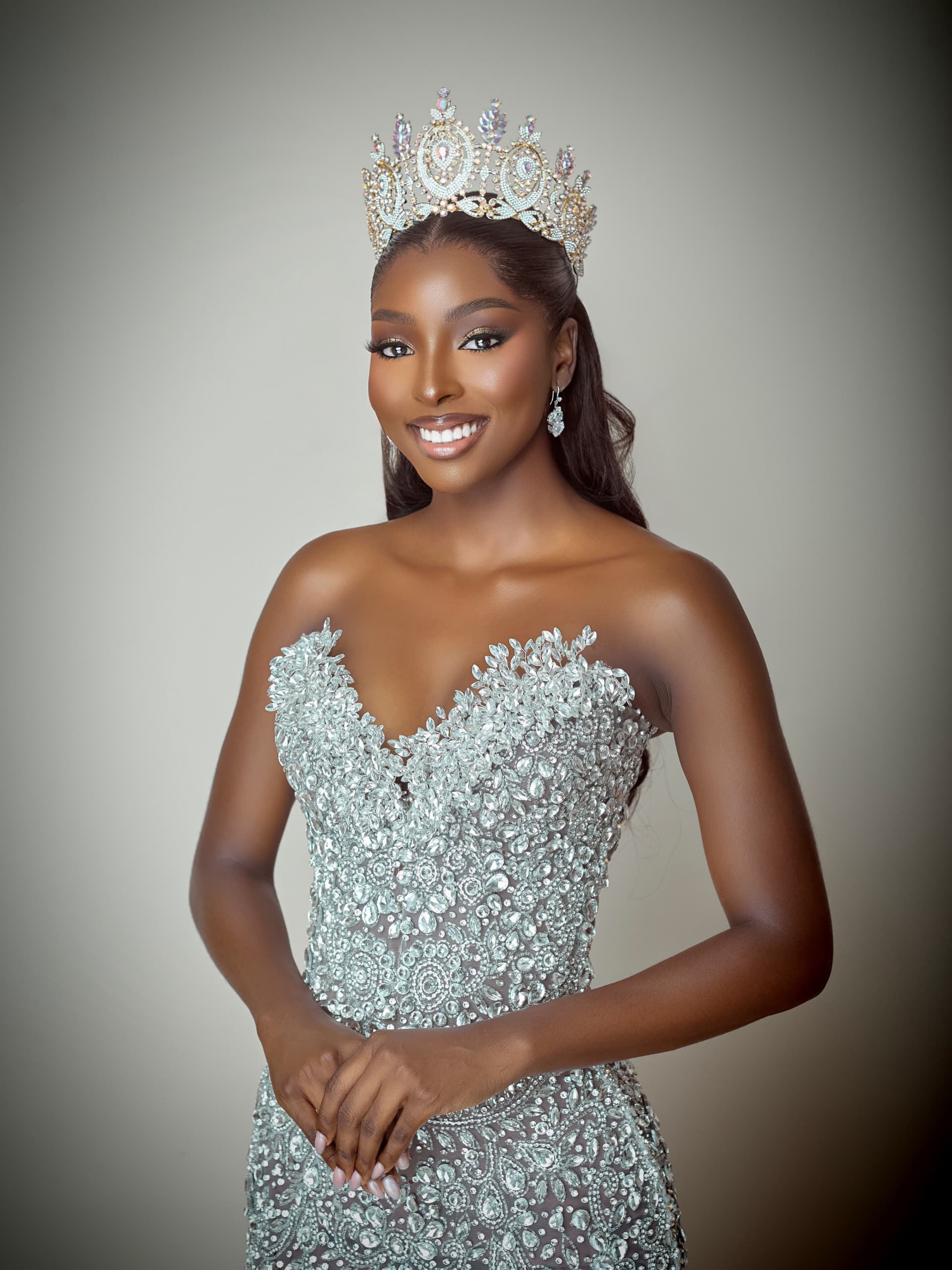
Photo: Instagram/@soye_kg
Although she represented Bayelsa State in the national competition, Karibi-George is a native of Port Harcourt, Rivers State. She is a communications professional who studied at Madonna University, Okija, and is an associate of the Nigerian Institute of Public Relations.
She had already gained international pageant experience before winning the Miss World Nigeria crown in 2024.
A key part of her profile is her work with children with disabilities and special needs. Through her initiative, Beyond Labels, she advocates for inclusion, dignity and opportunities for children. The project aims to create spaces where children can develop their talents and pursue their ambitions.

Photo: Instagram/@soye_kg
Her advocacy has continued to promote the cause since winning the national title. In June, she met with the Minister of Women Affairs and Social Development, Imaan Sulaiman-Ibrahim, to discuss ways of expanding Beyond Labels and creating possible partnerships for the initiative.
Karibi-George arrived in Vietnam ahead of the 75th anniversary edition of the Miss World Festival, which runs from August 9 to September 5, 2026. The grand final is scheduled for September 5 in Nha Trang.
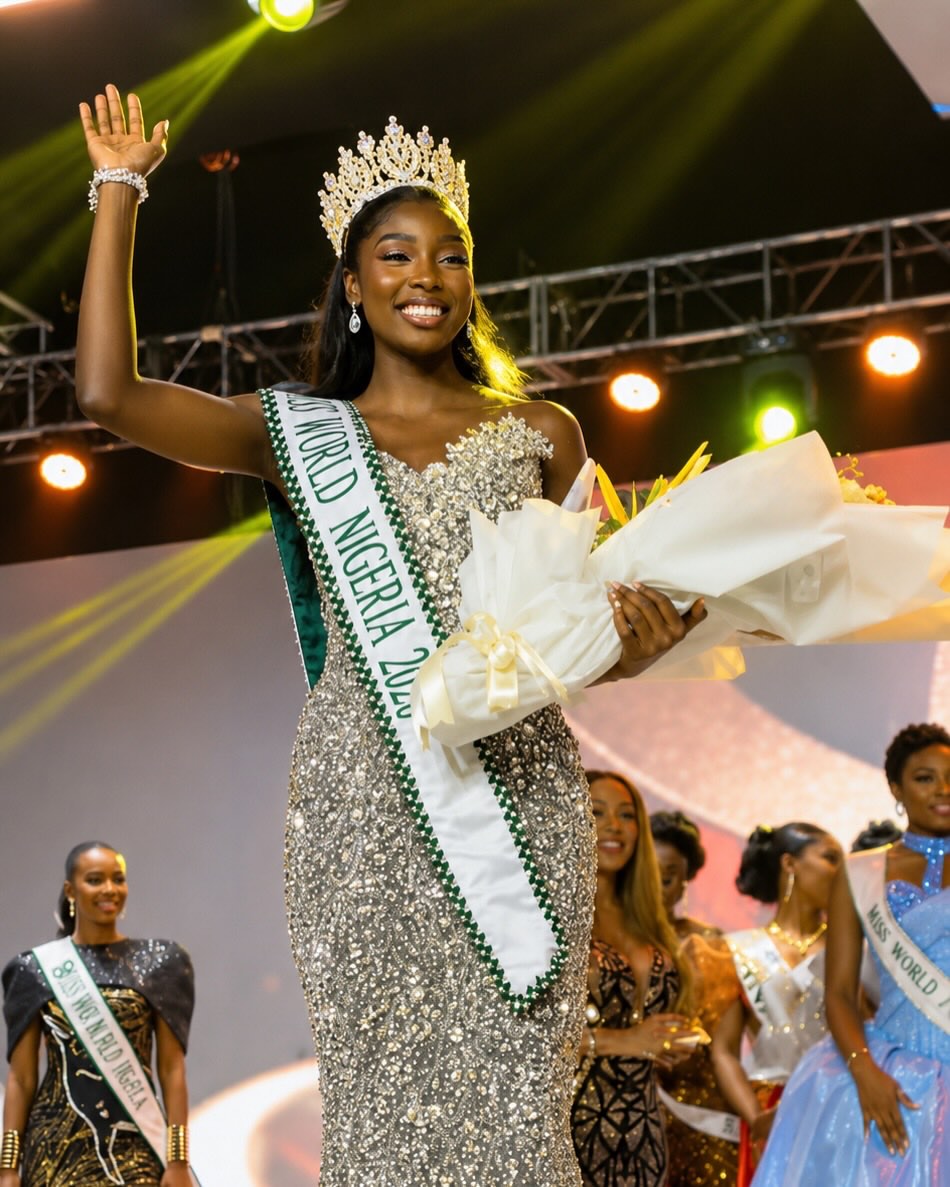
Photo: Instagram/@soye_kg
She takes over the Miss World Nigeria title from Joy Mojisola Raimi, who represented Nigeria at the previous edition, reaching the Top 20 and finishing among the Top Five contestants from Africa.
Ahead of her departure, Karibi-George described the trip as an opportunity to represent Nigeria’s culture and values while continuing to promote the Beyond Labels initiative.

Lil Baby Confirmed as Headliner for Flytime’s Detty December 2026

Nancy Isime Gives Aṣọ Òkè a Cool, Corporate Look

Dabota Lawson and the Rise of Her Luxury Beauty Brand

Mo Abudu Opens a Black and African Cinema Hub in London

Laura Ikeji Proves Polka Dots Are Back and Better Than Ever

Rapper Tommie Lee Arrested at 2026 FIFA World Cup.

New Music to Kickstart Your Week From Victony, Timaya, Duncan Mighty, Mr Eazi & Fave.
The Dangers of Adult Skincare Products for Children and Teens.

Ayra Starr Performs ‘Rush’ and ‘Heaven Baby’ at NFL Halftime Show in London | Watch Video

Ayra Starr and ZAYN Finally Share the Screen in “Heaven Baby” Video

Kizz Daniel’s ‘Owo Oluwa’ Finds Grace in Faith, Family and Loss

‘Black Market’ Breaks Guinness World Record With Over 51,000 Viewers


-
 Big Brother Naija2 months ago
Everything You Missed on Big Brother Naija Week 5
-

 The Best Dressed Celebrities This Week1 month ago
The Best-Dressed Stars of the Week Kept Things Chic and Daring
-

 Celebrity Style1 month ago
Our Favourite Looks at ‘The Wedding Story’ Premiere
-

 Movies2 months ago
“Dear Ajayi” Makes History as First Nigerian Production in Venice Days Competition | Watch Trailer
-

 Celebrity News2 months ago
Ayra Starr to Headline 2026 NFL London Game Halftime Show
-

 Entertainment1 month ago
Funke Akindele Releases First Images of ‘The Four’
-

 Big Brother Naija1 month ago
All the Drama BBNaija Week 6 Brought
-

 Models2 months ago
Tamunosoye Karibi-George Wins African Top Model Title at Miss World
-

 Entertainment1 month ago
Burna Boy Becomes First Nigerian Artist to Surpass 4 Billion YouTube Views
-

 Celebrity Style2 months ago
The Best-Dressed Celebrities of August 2026