
Movies
Throwback Faves: 5 Nollywood Movies to Rewatch


The Nigerian movie landscape is one of the best in the world with many iconic movies. Nollywood is known to churn out cultural, educational, and entertaining movies that have stood the test of time. Let’s look back at some of Nollywood’s past movies that are worth watching again.
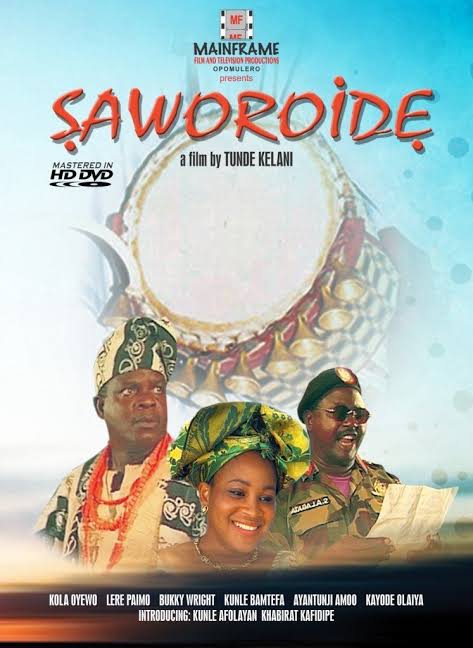
Saworoide
Saworoide is a movie that talks about a king who loses his position due to greed and the aftermath of his decisions . The enigmatic Tunde Kelani was the director, and he brought his A-game to this movie. While Tunde has produced more than 14 movies, Saworoide is one of his notable works. Other Kelani works include Oleku (1977) and Tí Olúwa Lọ Nílé (1994). Saworoide, however, remains a timeless movie, as it showcases genuine Yoruba culture and the repercussions of greed.
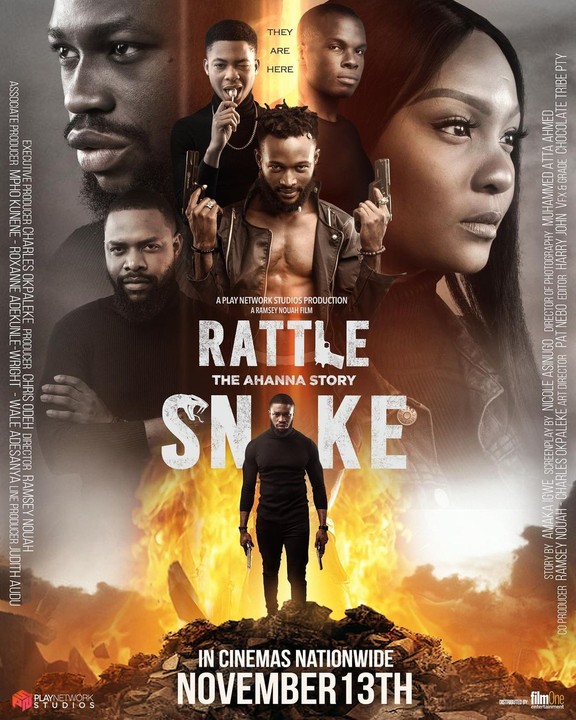
Rattle Snake
Amaka Igwe is one of Nigeria’s top movie directors, and Rattle Snake: The Ahanna Story is an excellent testament to that. Produced in 1995, this movie boasts legendary Nollywood stars like Francis Duru, Nkem Owh and Anne Njemanze. This movie is about the story of Ahana Okolo, a man who turned to crime because of a family tragedy. However, as he continued to rise in the crime world, he was betrayed and encountered several legal hurdles. Lovers of movies that talk about social issues and crimes will find this movie interesting, and it showcases how complex life can be.
Read Also : Omoni Oboli’s Love in Every Word review
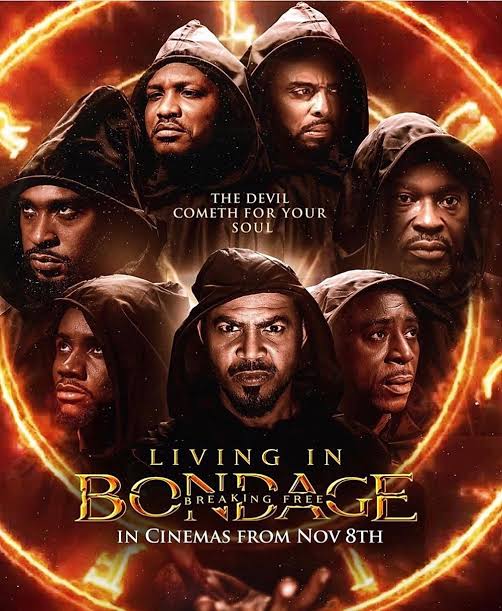
Living in Bondage
Another must-watch Nollywood movie to rewatch is Living in Bondage. Directed by Chris Obi, this is one movie that showcases how deep the Igbo culture is. The top Nollywood stars you will find in this movie are Kanayo Ó. Kanayo, Kenneth Okonkwo and Nnenna Nwabueze. These legendary actors and actresses brought their talents to make this movie one of the best Nigerian movies of that time. Living in Bondage is the story of an ambitious young man who became cultish as he searched for wealth, power, and influence.The movie had a sequel in 2019 called Living in Bondage: Breaking Free By Ramsey Noah.
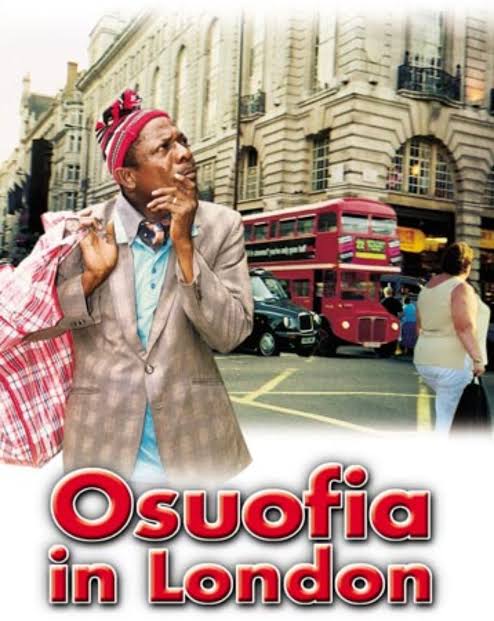
Osuofia In London
If you’re a lover of comedy, Osoufia in London is a movie to see. Kingsley Ogoro was the director and it was produced in 2003. It shows the adventures of Osuofia (Nkem Owoh), a village hunter who travelled to the United Kingdom. This is because he wanted to inherit the fortunes of his brother who passed away abroad. Osuofia in London is a perfect blend of drama and humour and shows a glimpse of the differences between cultures around the world.
 Naija
Naija
October 1st
This list won’t be complete without Kunle Afolayan’s 2014 movie, October 1st. This thriller takes the audience back to Nigeria before 1960. October 1st was set in a town in the western part of the country. It follows the life of Danladi Waziri, a police officer in a local village who was asked to solve a case involving female murders. What made the case difficult, though, was that it must be solved before Nigeria’s Independence Day. October 1st is a thought-provoking film that challenges viewers to note the effects of colonialism and how complex independence was.
Final Thoughts
Nollywood remains one of the best film industries around. While there are numerous blockbuster movies to watch today, there are some amazing oldies; the above-mentioned movies are worthy to be rewatched.












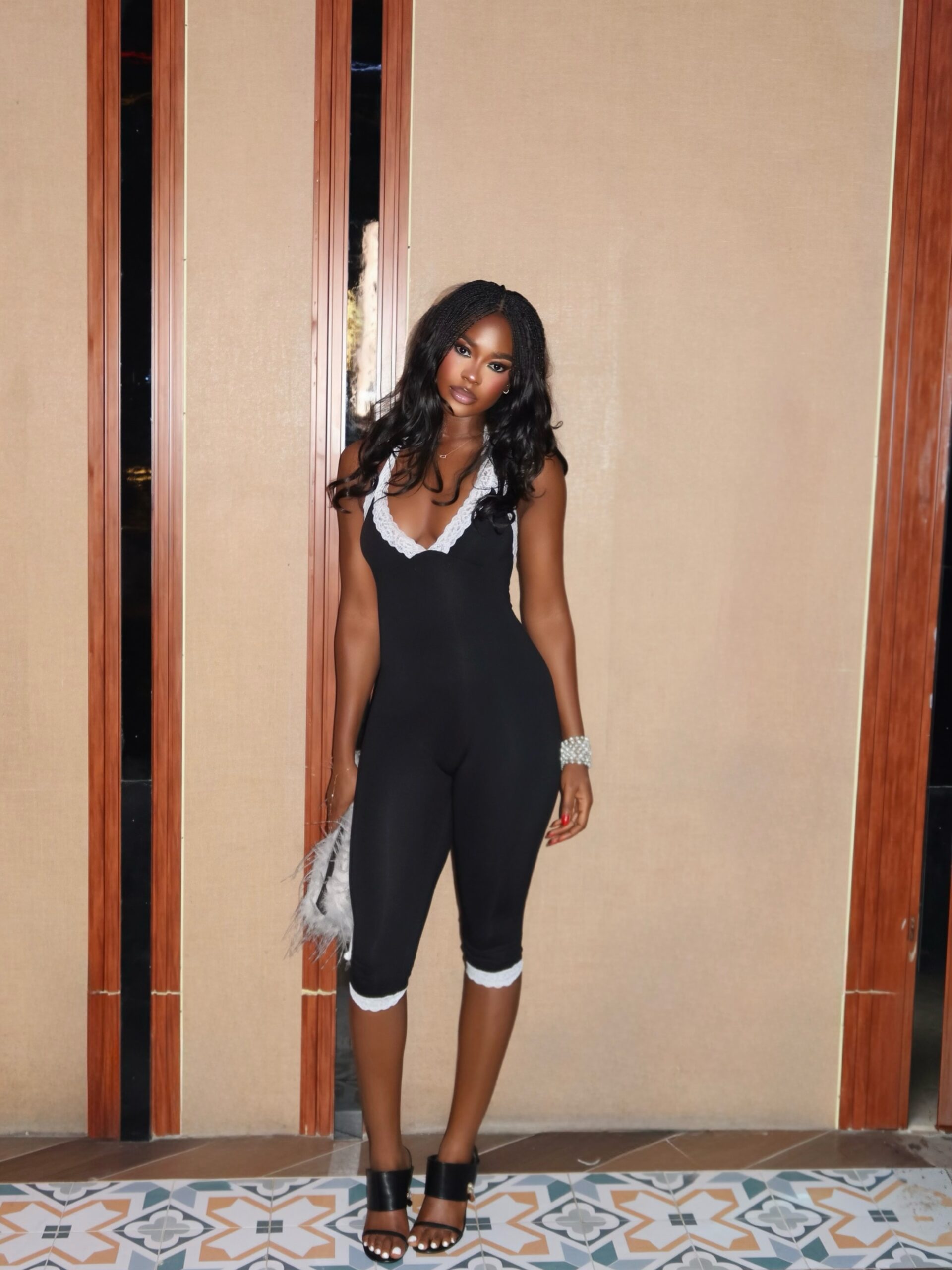
Sometimes the simplest outfit says the most. In a recent post on Instagram, Dede Ashiogwu styled herself in a fitted black jumpsuit and let the white lace trim stand out. She captioned the post “I pull up like I own the city”.
The photos were taken on a night out. She wore a black sleeveless Oh Polly halter capri jumpsuit with a deep V neckline and thin straps. White lace ran along the neckline and the edges of the straps, following the dip of the V. The legs ended just below the knee, with another strip of white lace at each hem.
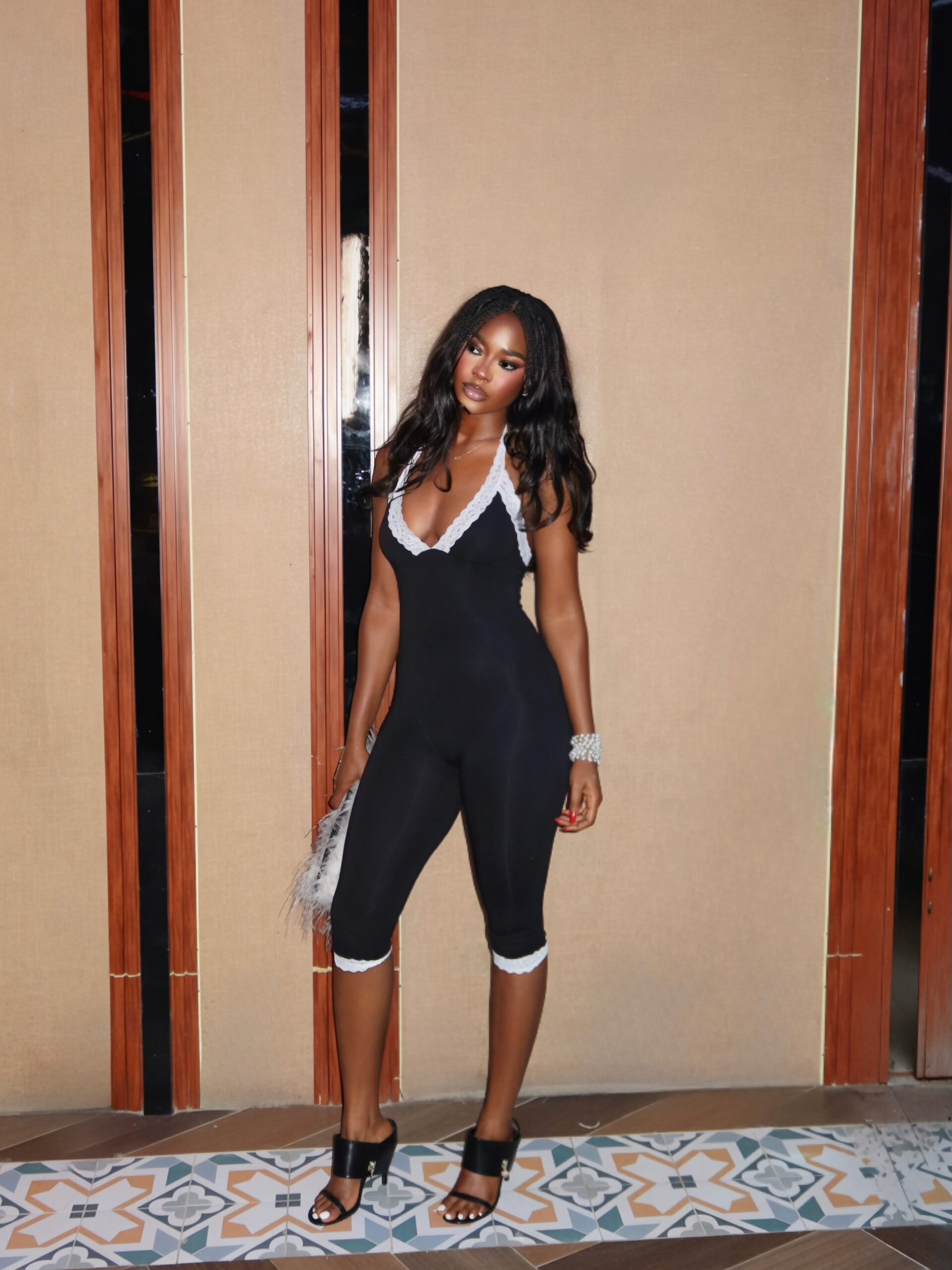
Photo: Instagram/@dedeashiogwu
She carried a fur structured clutch and wore a wide pearl bracelet.
Her hair was parted in the middle, with braids at the top that turned into long, loose waves past her shoulders. Her heels were Givenchy Shark Lock Heart sandals, with thick straps. Her makeup was soft, with warm tones and a nude pink lip.
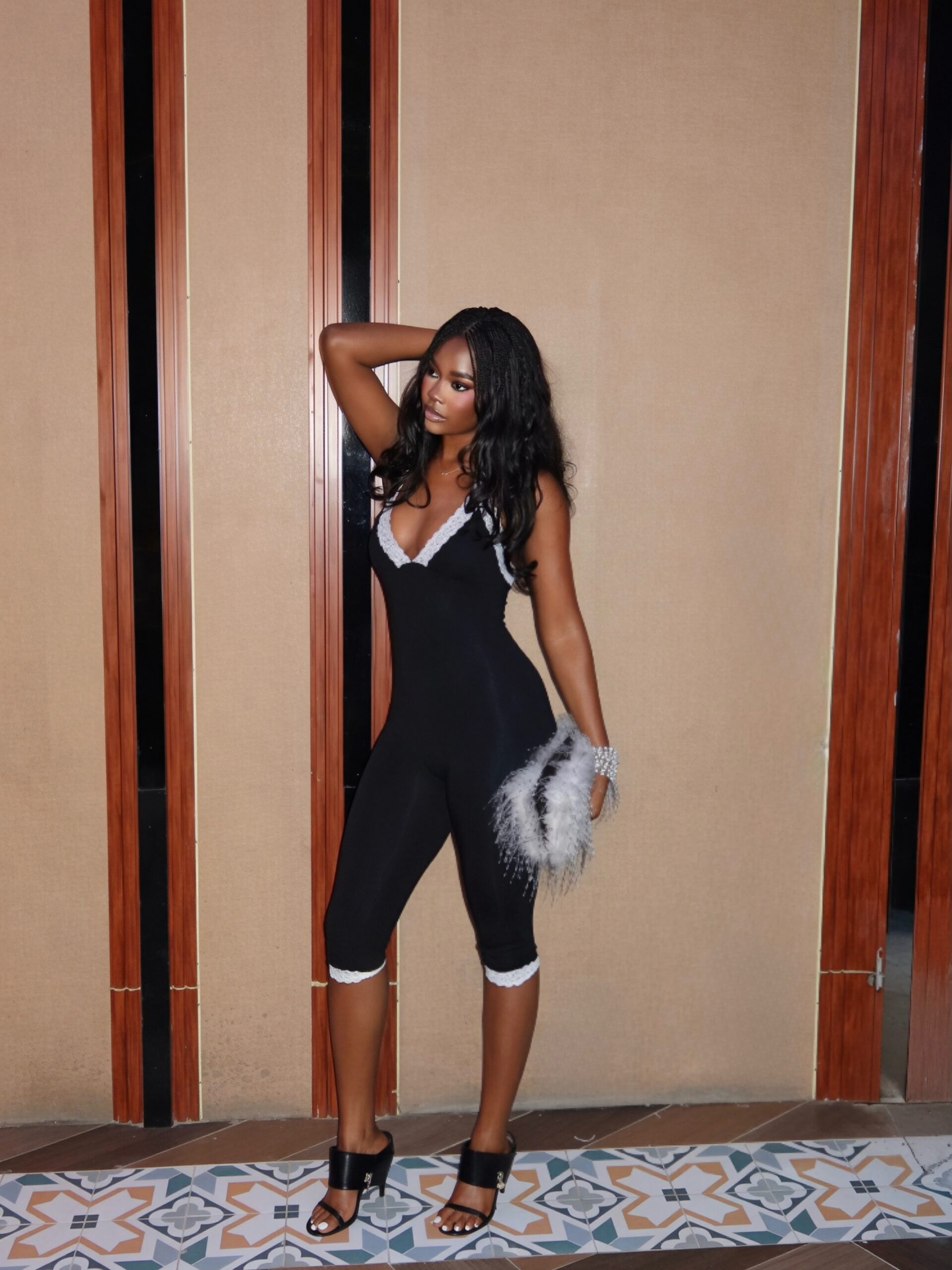
Photo: Instagram/@dedeashiogwu
Her 16 September post kept the same black base, with an oversized pinstripe blazer worn open over a short black skirt, sheer thigh-high stockings and pointed patent heels. The lace is what sets the jumpsuit apart from that look, running along the neckline, the straps and both hems.

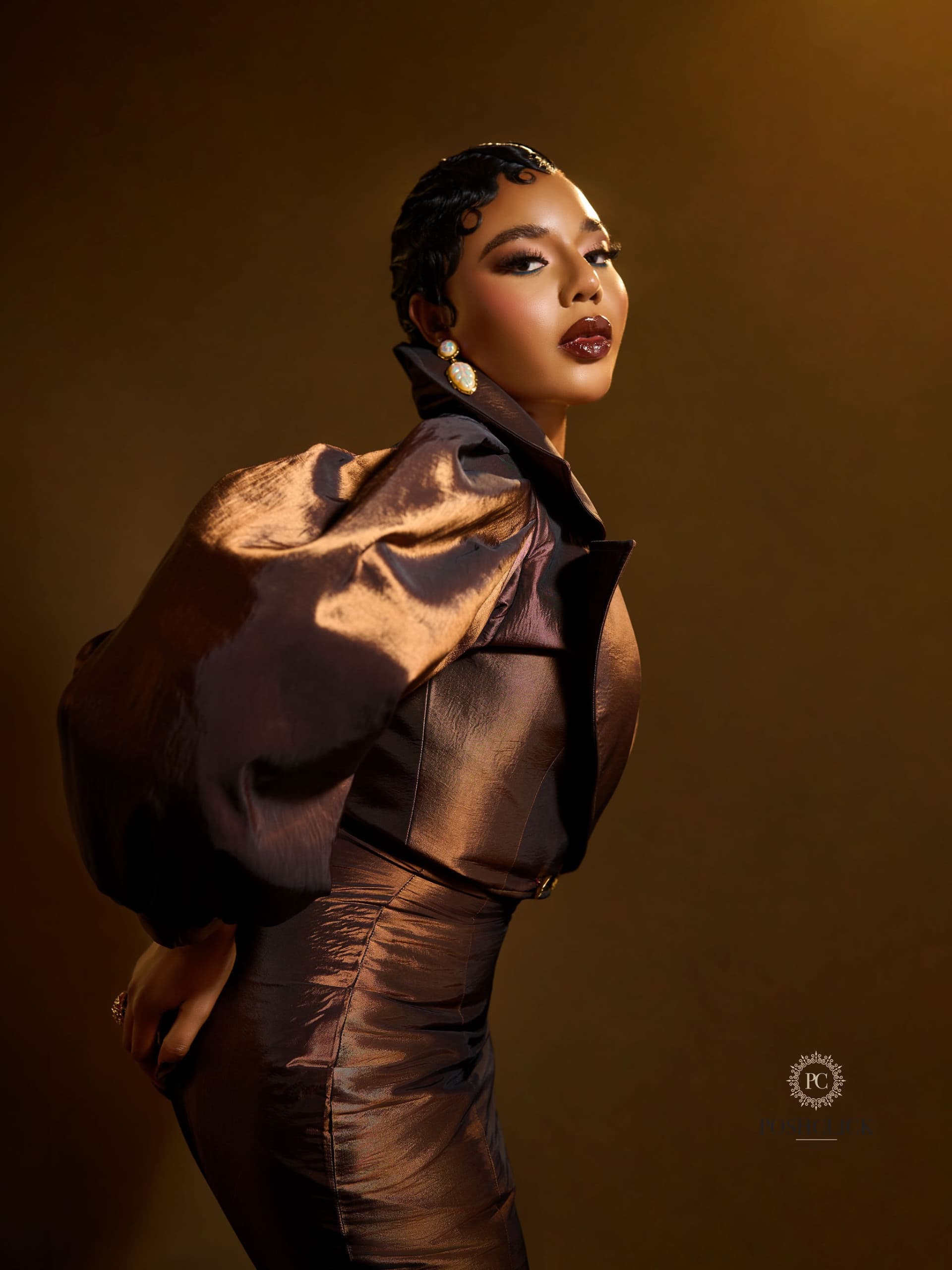
Nancy Isime has built a career across modelling, television presenting and acting. After years in front of the camera, the Nollywood actress is preparing to take on a new role as an executive producer, applying her experience in the entertainment industry to a project of her own.
In an Instagram video shared on October 7, 2026, Isime announced the project and admitted that she was nervous about taking on the responsibility.
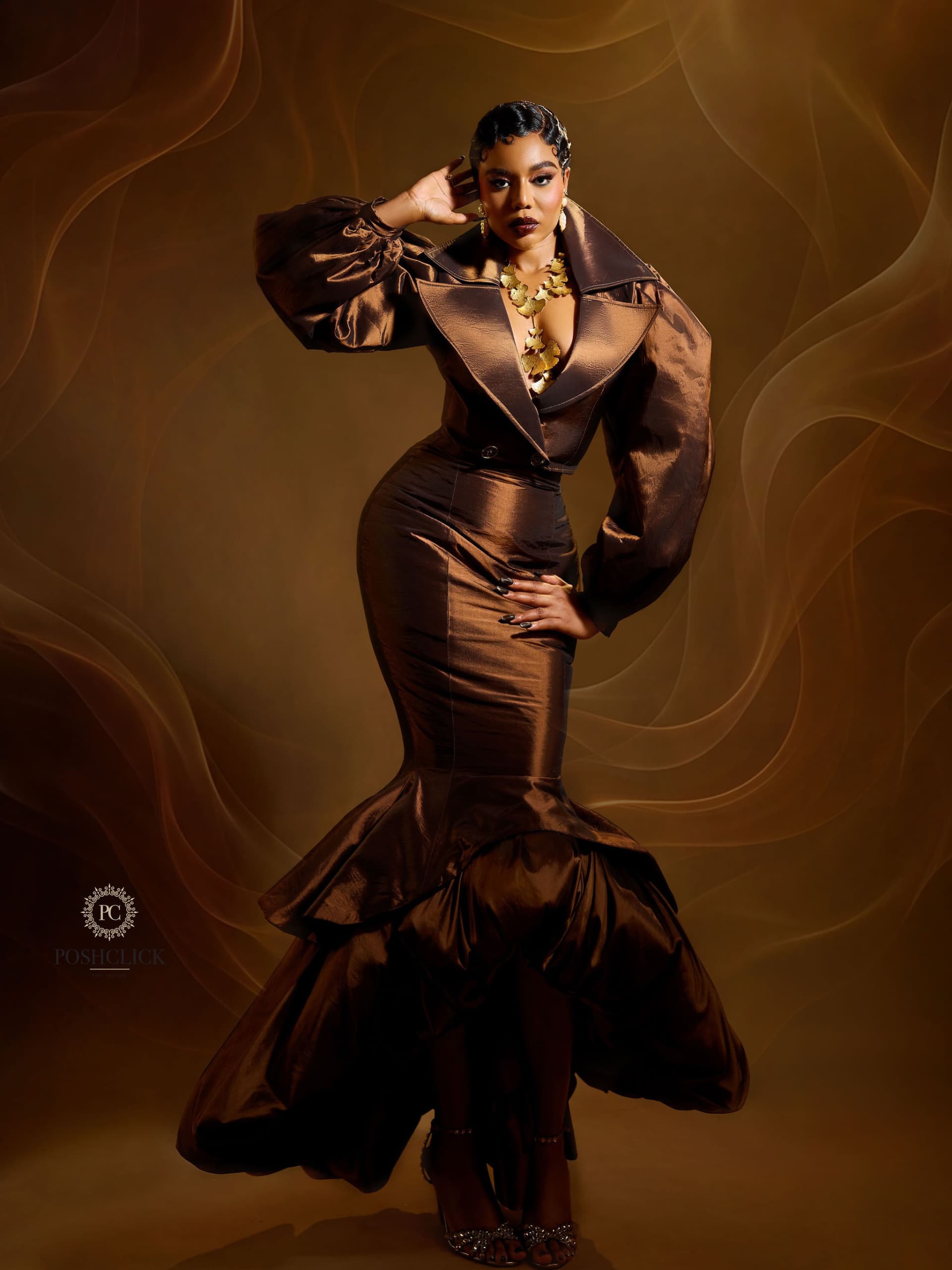
Photo: Instagram/@nancyisimeofficial
“This is my first production as executive producer. I can’t lie, I am nervous and wondering if I am ready, but I think it’s about time; I have also tried,” she said.
Isime also plans to document the production, giving fans a look at the process as the film takes shape. She intends to share updates on production meetings, creative decisions, successes and challenges along the way.
“My first film as an Executive Producer. And I want you to come along for the entire journey,” she added.
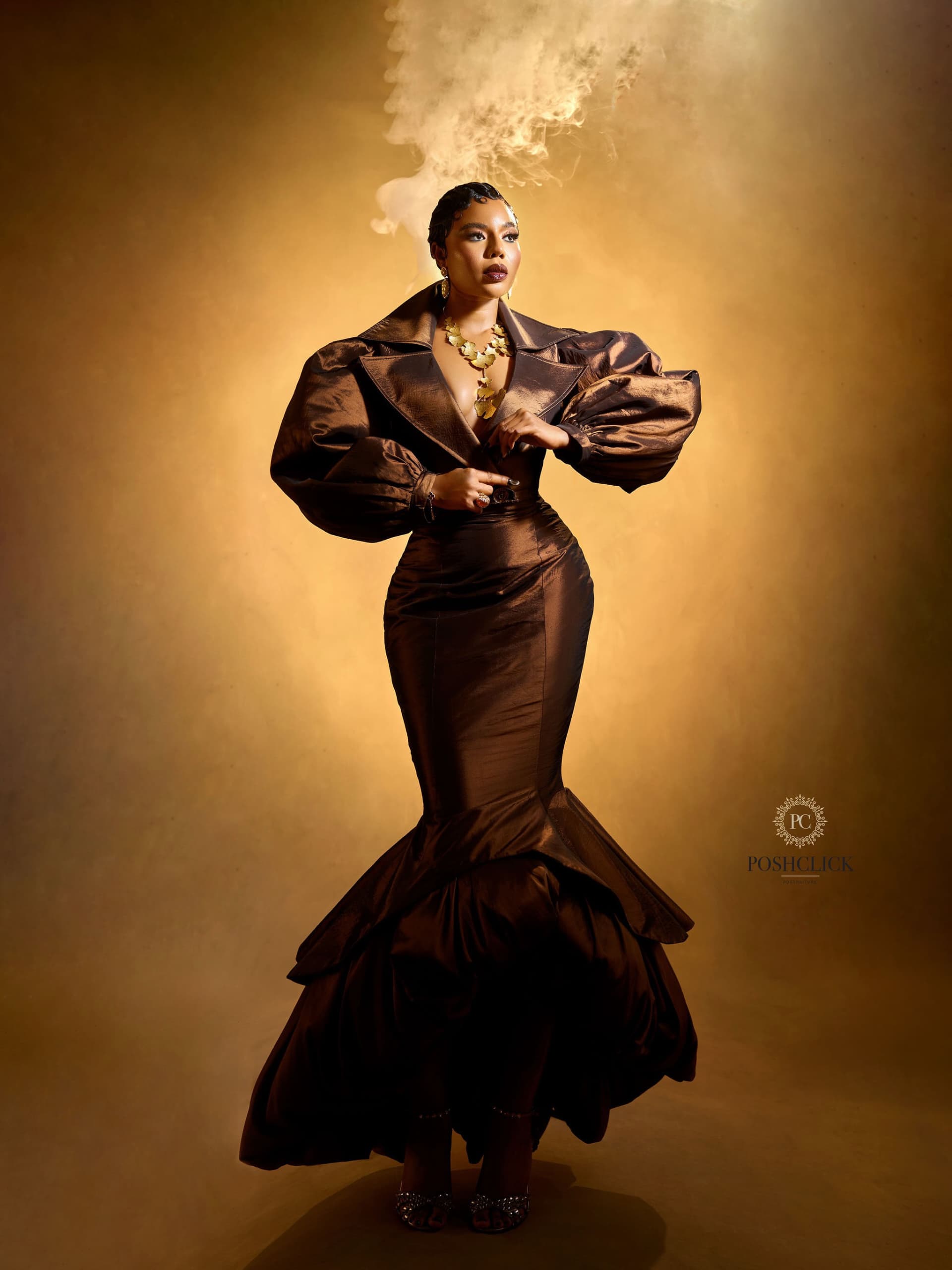
Photo: Instagram/@nancyisimeofficial
Her experience in television includes hosting The Nancy Isime Show, which launched in 2019. She also made her acting debut in the 2011 television series Echoes and has since appeared in Nollywood productions, including Blood Sisters, Shanty Town and The Wait.
Isime began her entertainment career as a model before moving into television presenting and acting, building experience across different parts of the industry before venturing into film production.
The film’s title, cast, storyline and release date have yet to be announced.
Movies
“Dear Ajayi” Makes History as First Nigerian Production in Venice Days Competition | Watch Trailer


“Dear Ajayi” Makes History as First Nigerian Production in Venice Damilola Orimogunje’s “Dear Ajayi” has been selected for the 2026 Giornate degli Autori, also known as Venice Days, at the 83rd Venice International Film Festival. The selection makes it the first Nigerian production to compete in the Venice Days section. The Nigeria-Germany co-production will have its world premiere as part of the competition.
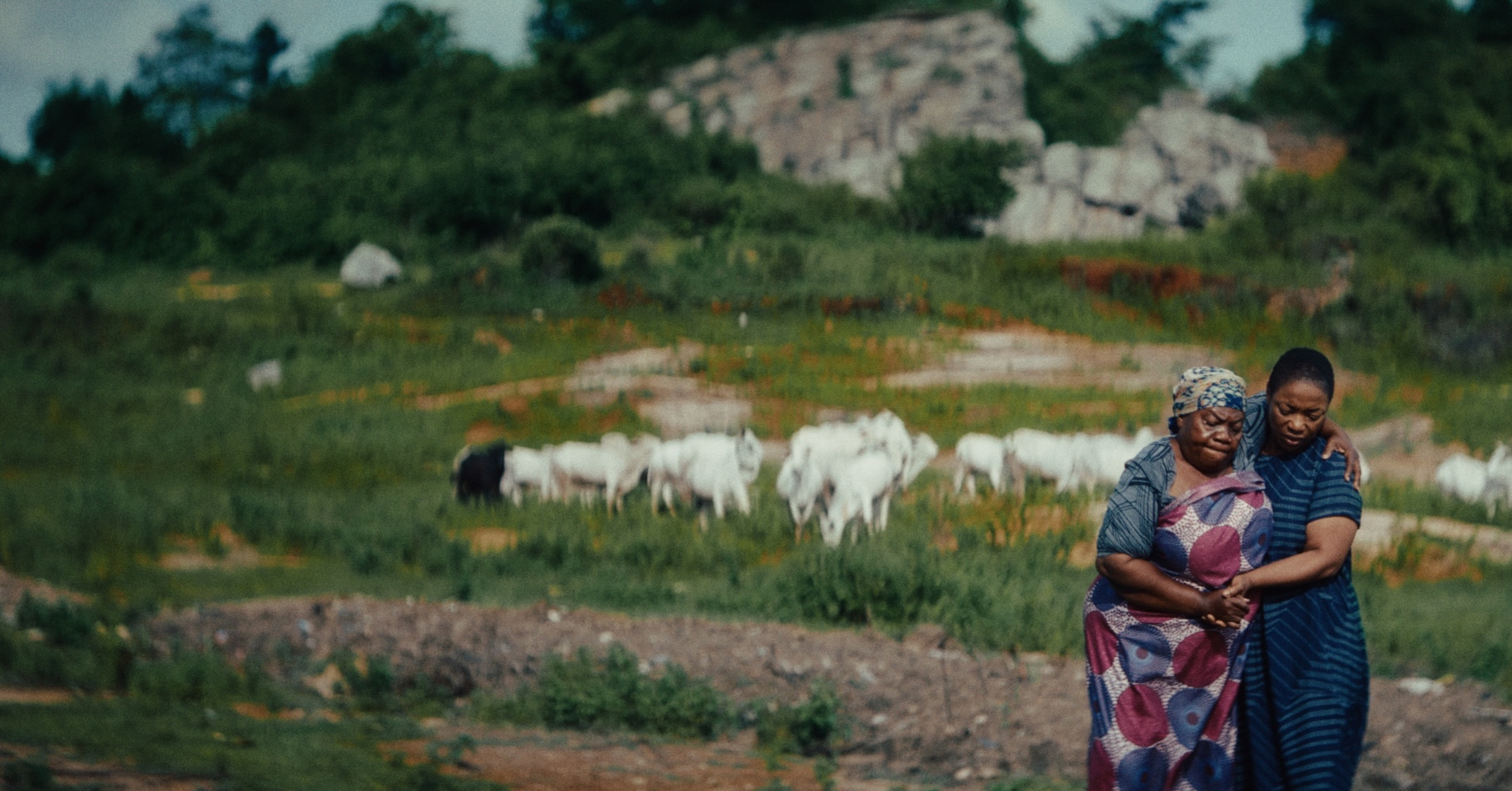
Photo: 2o9ine Films
Set in 1990s southwestern Nigeria, “Dear Ajayi” follows two sisters, Ade and Titi Ajayi, whose lives have gone in very different directions. Ade is a committed Christian and the main breadwinner in the family, while Titi is an aspiring singer who has chosen a more independent path. When their paralysed mother requires care, the sisters have no choice but to come back together.
Orimogunje wrote and directed the film. The cast includes Bimbo Akintola as Ade and Tosin Adeyemi as Titi, alongside Lanre Hassan, William Benson, Antar Laniyan, Uzoamaka Power, Michelle Dede and Chioma Omeruah, (Chigul)
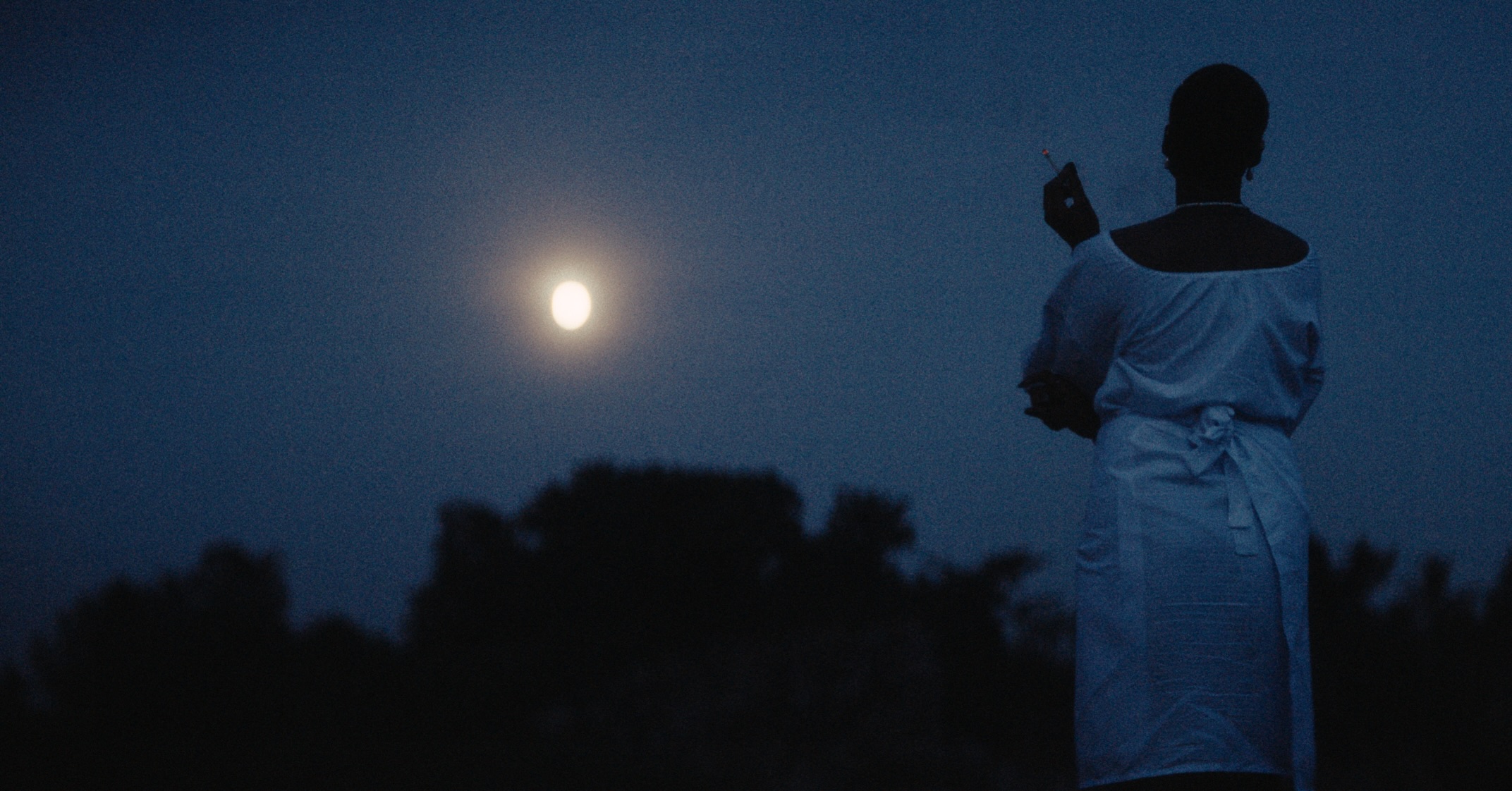
Photo: 2o9ine Films
Re Olunuga composed the music, while KC Obiajulu served as cinematographer. The film was produced by 2o9ine Films, with Mayana Films, Depth and Optics Productions and Zynox Productions joining as co-production partners.
The film received support from the Hubert Bals Fund+ Europe, while Luminalia is handling its world sales
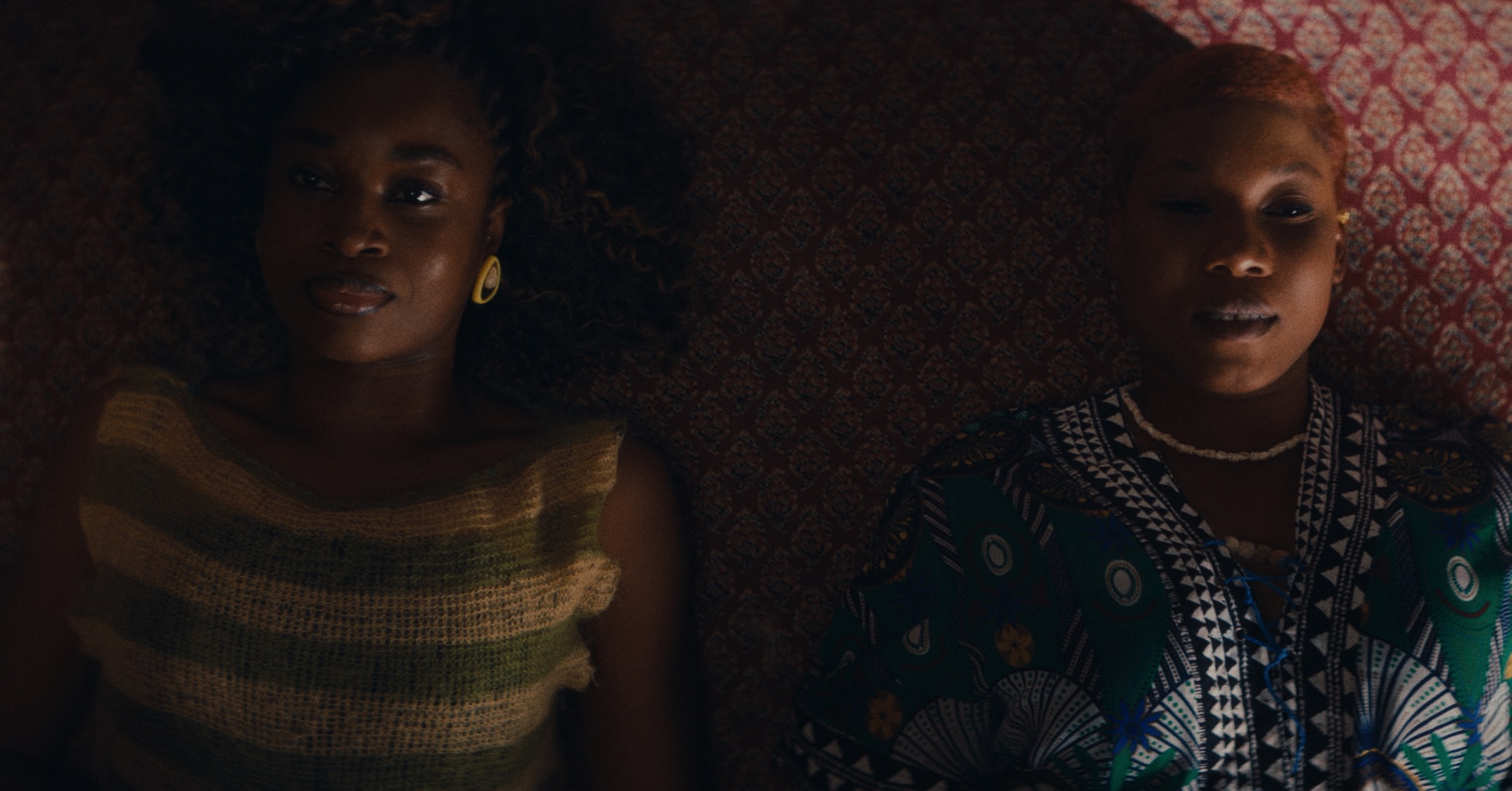
Photo: 2o9ine Films
Ahead of its Venice premiere, the first trailer gives viewers a look at the Ajayi family and the strained relationship between the two sisters.
Dear Ajayi will have its press and industry screening on September 4, with public screenings scheduled for September 10 and 12 during Venice Days.
Watch the trailer below.

What to Expect From Lagos Fashion Week 2026

Nail Colours for Dark Skin: What to Wear and What to Skip

Francis Duru Dies at 57

Broda Shaggi Reveals He Was Hit by a Stray Bullet

Laura Ikeji Proves Polka Dots Are Back and Better Than Ever

5 Nollywood Films to Stream on YouTube

What Exactly Are Ayra Starr and ZAYN Singing About on “Heaven Baby”?

These Nigerian Bag Brands Are Raising the Bar for Made-in-Nigeria Fashion
Broda Shaggi Reveals He Was Hit by a Stray Bullet

New Nigerian Movies to Watch on Netflix

Ayra Starr Performs ‘Rush’ and ‘Heaven Baby’ at NFL Halftime Show in London | Watch Video

Ayra Starr and ZAYN Finally Share the Screen in “Heaven Baby” Video


-

 Celebrity Style2 weeks ago
Nancy Isime Gives Aṣọ Òkè a Cool, Corporate Look
-

 Fragrance2 months ago
Nigerian Fragrance Brands Winning Right Now — and You Need to Try
-

 Big Brother Naija2 months ago
Gerard Evicted from Big Brother Naija
-

 Music1 month ago
Rema Tackles Mixed Signals and Desire on New Single “Oh No”
-

 High Tech2 months ago
Samsung, Duolingo Throw Shade at Apple Over iPhone Duo Reveal
-

 Lifestyle1 month ago
5 Beaches in Lagos for Your Next Staycation
-

 Celebrity Bios1 month ago
Tems’ Journey From Lagos to Global Stardom
-

 Models2 months ago
Tamunosoye Karibi-George Secures Top 12 Finish at Miss World 2026
-

 Big Brother Naija1 month ago
Keivo Emerges as Week 9 Head of House, Barry Grants All Housemates Immunity
-

 The Best Dressed Celebrities This Week1 month ago
The Best Dressed Stars Of The Week