
Lifestyle
Where to Shop Luxury Brands in Lagos

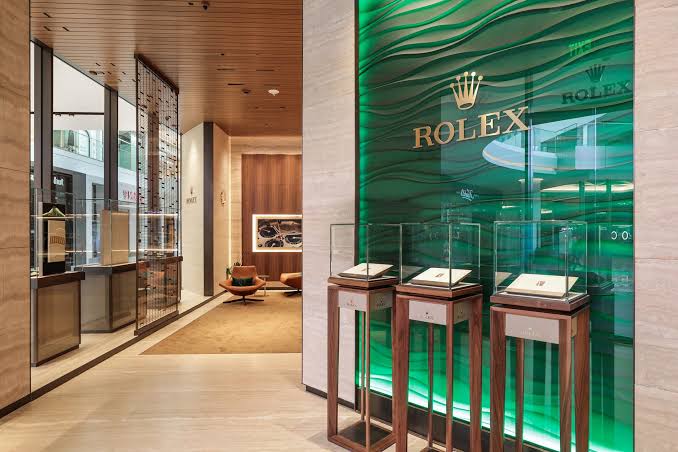
Lagos is a city that wears its style with pride. From the way people dress to the kind of spaces they shop in, there’s a deep appreciation for bold, well-made pieces and a certain love for the finer things. But luxury here takes a different shape; it’s often found in quiet, refined spaces tucked behind the city’s busiest corners. Whether you’re hunting for a timeless bag, a sharply cut blazer, or just something that feels special, the city offers more than a few places to explore.
Alara: A Store That Feels Like a Gallery
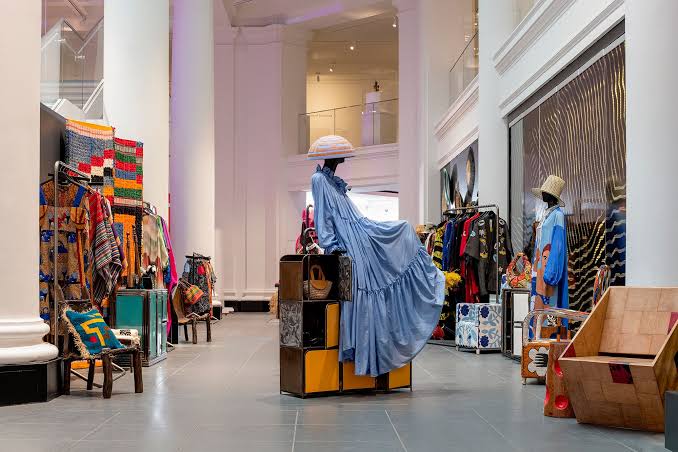
It’s hard to miss Alara, even before you step inside. The red exterior stands tall on Akin Olugbade Street, and once you’re in, the space feels more like an art installation than a boutique. But this is where serious fashion happens. From Bottega Veneta to Off-White, the racks hold carefully selected pieces from global heavyweights. What sets it apart, though, is how it gives space to African designers like Lisa Folawiyo and Orange Culture, without treating them like the “local option.” Everything here is treated as high fashion, because it is.
Temple Muse: Quiet, Polished, and Effortless
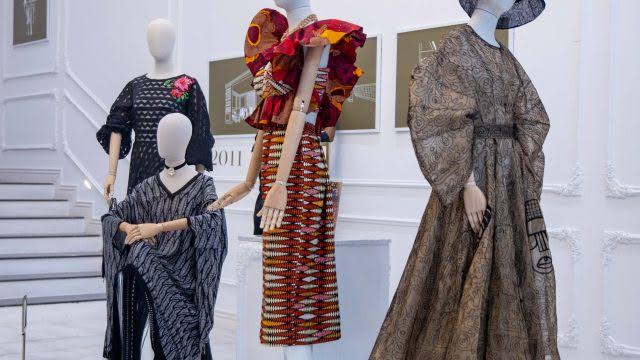
Tucked behind a white gate on Amodu Tijani Close, Temple Muse keeps a low profile on the outside. Step in, and the space is calm, cool, and lined with items that speak for themselves: shimmering eveningwear, elegant kaftans, designer handbags, and art books arranged like part of someone’s personal library. Labels like Elie Saab and Lanvin share the floor with homegrown names. You might come in for a clutch and leave with a scented candle or a hand-painted plate. The vibe is understated but exact.
Montaigne Place: The Fragrance Destination
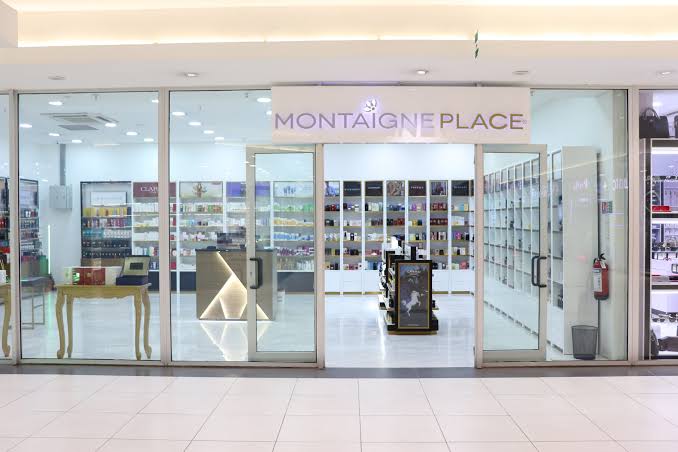
You know a perfume is special when someone asks you about it long after you’ve left the room. That’s what Montaigne Place is known for. With branches across Lagos, this beauty and fragrance store is where many turn when they want something beyond the usual. Think Creed, Tom Ford, Maison Francis Kurkdjian. There’s also high-end skincare: Clarins, Estée Lauder, and more. But it’s the scents that make Montaigne feel like a signature.
Zazaii: New School Style with African Edge
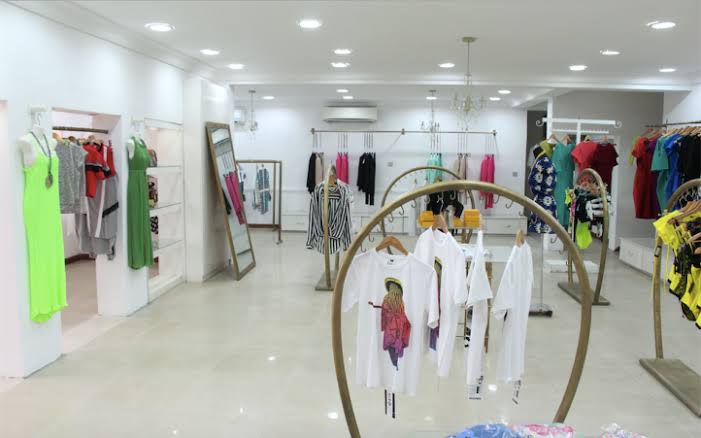
Zazaii isn’t trying to be Paris or New York; it’s proudly Nigerian, and it shows. Located in Lekki, it carries fashion-forward pieces from emerging African designers, with an emphasis on modern cuts, bright colours, and wearable art. It’s where shoppers go when they want to look current without blending in. The space feels young, clean, and fresh—like someone just opened their curated closet to let you in.
The Polo Avenue: Global Names, Lagos Setting
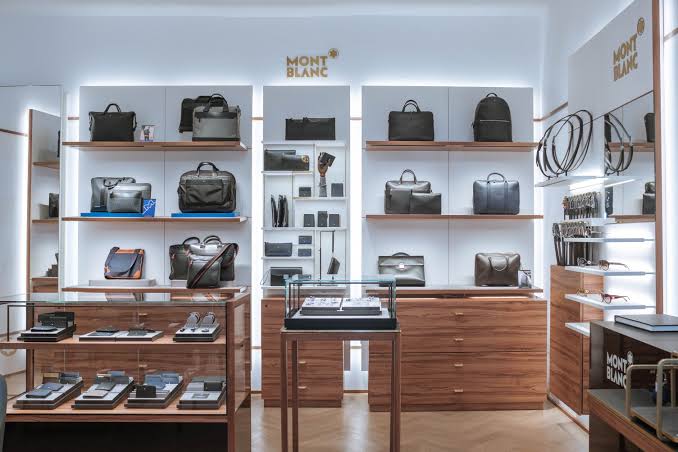
At The Polo Avenue in Victoria Island, everything is crisp and organised, from the rows of Ferragamo shoes to the handbags lined up like works of art. You’ll find brands like Gucci, Bottega Veneta, and Dolce & Gabbana here, all arranged in a way that makes it easy to browse without pressure. It’s the kind of store where shoppers know what they’re looking for, and usually find it. The staff understand that most people who walk in aren’t there to browse; they’re making an investment.
Final Thoughts
Luxury in Lagos isn’t about showing off; it’s about choosing well. The city’s best boutiques know this. They offer quality, yes, but also privacy, good taste, and a sense of ease. These aren’t just stores. They’re spaces that reflect the way Lagosians want to live: stylish, smart, and on their own terms.












Mr Eazi and DJ Cuppy shared a fun moment recently when the artist sat down with his sister-in-law for an intimate outing with family that turned into a private wine tasting session for DJ Cuppy. In the video shared online, he took her through a full tasting session taking his time without rushing.

Photo: Instagram
Mr Eazi married Temi Otedola, DJ Cuppy’s younger sister, in August 2025, making him a part of the Otedola family. The two have had a working relationship for years, but this was a different kind of session altogether.
In the video, Mr Eazi introduced the wine as a Barolo, an Italian red wine from the Piedmont region that he describes as “the wine of the kings.” He tells Cuppy exactly what to do. “You need to just swirl it a little bit just so that the body can open up. Then you close your eyes and breathe it in,” he says. He then turns to her and asks, “Can you smell anything? tell me what you smell.” Cuppy leans forward, takes a sniff, and gives him an interesting answer. “I smell soil. I actually smell soil. But why can’t I taste it?” she asked. Mr Eazi explains it simply. “When you let the air pass through it, you start to feel the spiciness,” he tells her.
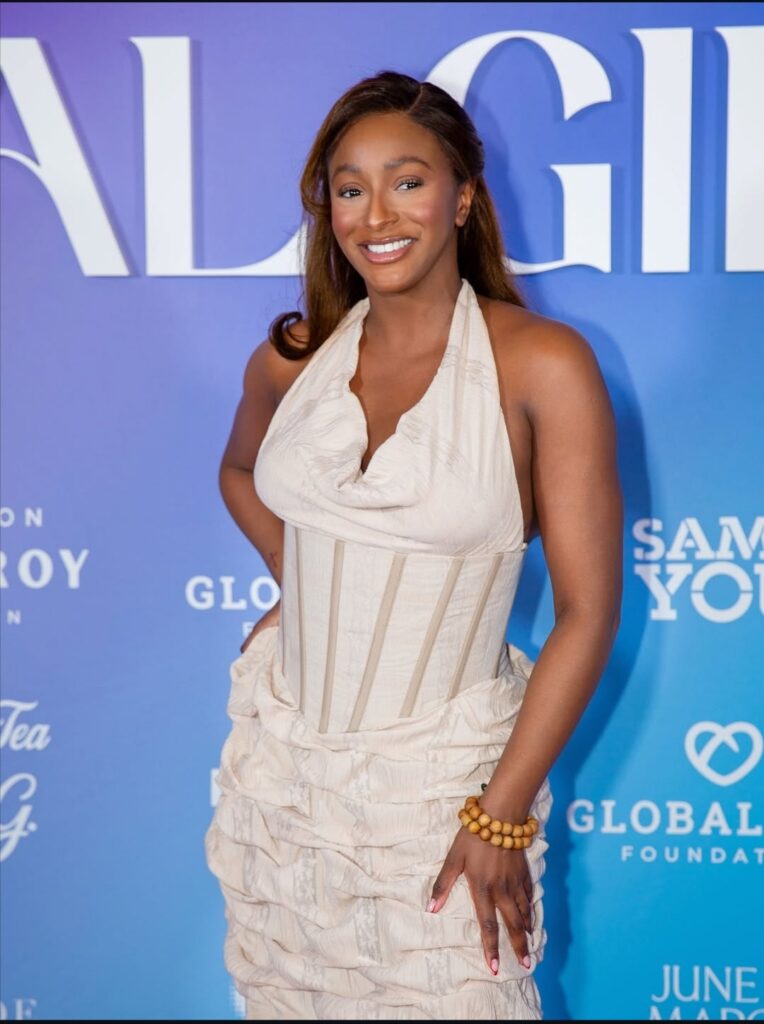
Photo: Instagram
The tasting was part of Temi Otedola’s 30th birthday trip to Spain. Temi celebrated with family including Mr Eazi, Nana Otedola and her sisters DJ Cuppy and Tolani Otedola. It was a quiet, private celebration with just the people she was closest with.
Between Temi’s 30th birthday and a wine lesson in Spain, the Otedola family clearly had a good time. And if this video is anything to go by, Cuppy might just be a wine person.

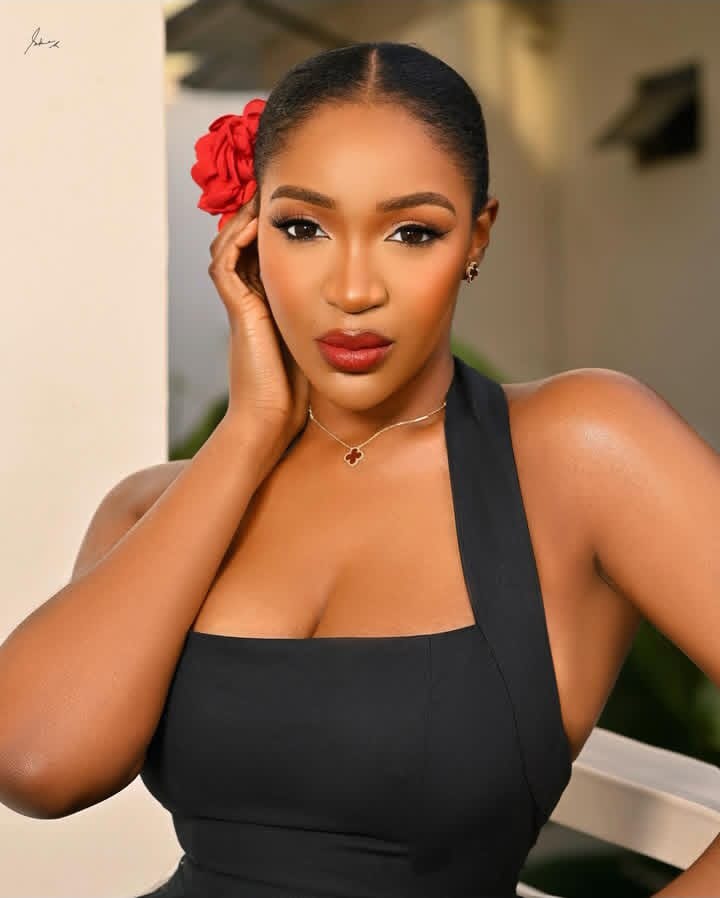
During the episode, Idia revealed, ‘I used to spend money on guys. If they complained that their business wasn’t doing well, I would give them several million naira,’ she told Toke.
She explained that at the time, she was dating with the intention of marriage, believing early support would be reciprocated. “I believed that if you help a guy in the beginning, later when he’s better, he will help you in return, and if that’s how you treat him, he will eventually treat you,” she said.

Photo credit: Instagram
showing Idia struggling to hold back tears as she reflected on how giving financially in relationships left her feeling taken advantage of. Her candidness resonated with viewers, and prompted conversations about emotional and financial boundaries.
Fans commented on clips from the podcast on YouTube and Instagram. Many shared similar experiences, noting that it’s common to help partners financially early in relationships only to feel let down later. Some viewers expressed support for Idia’s honesty, saying the episode was a conversation we all needed, while others debated whether financial support should ever be given without a clear commitment.
Overall, viewers could relate to Idia’s openness, turning her personal story into a broader discussion on love, trust, and boundaries. By speaking openly with Toke Makinwa, Idia transformed a private hurt into a public discussion, highlighting that relationships can be challenging.
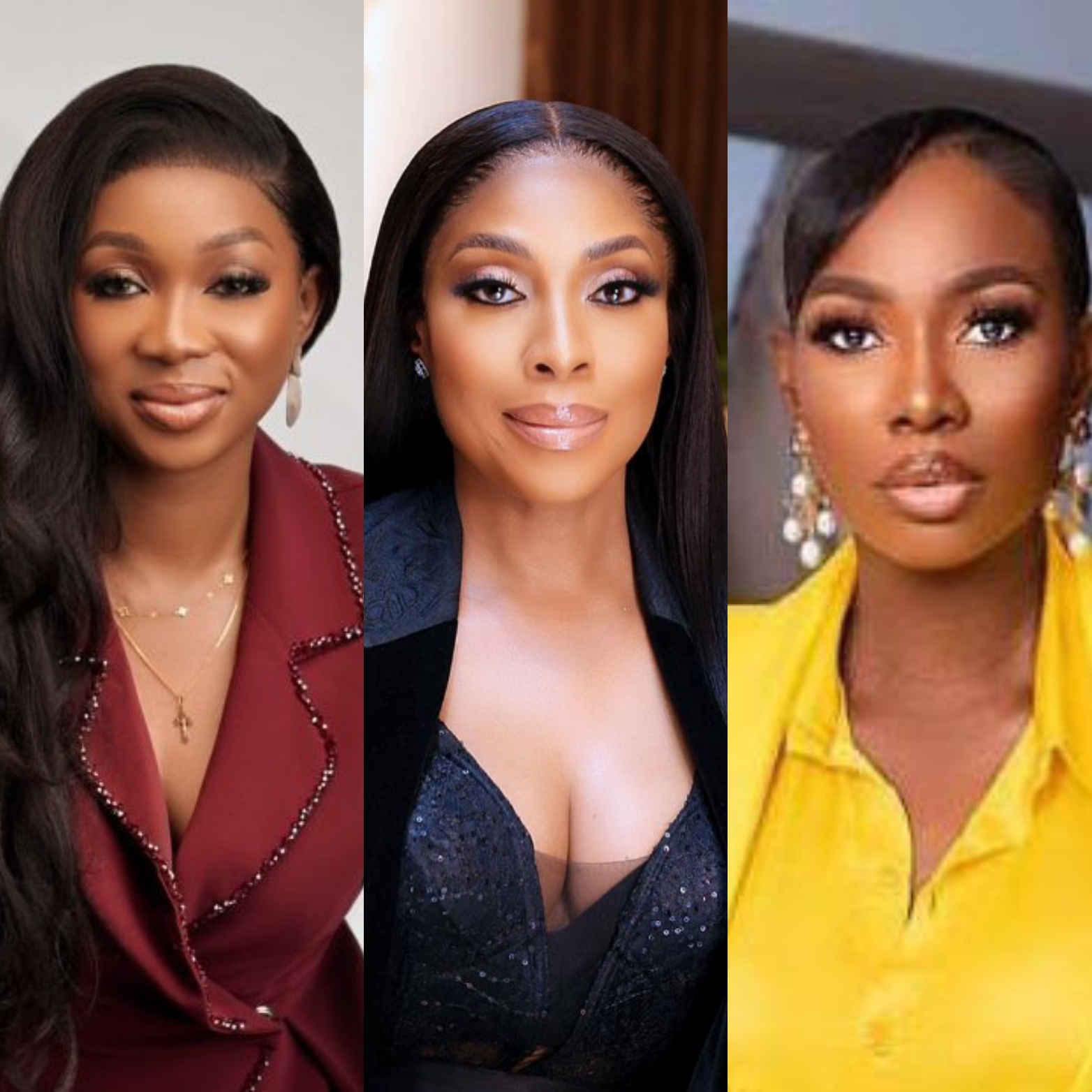
With International Women’s Day approaching this Sunday, March 8, 2026, we turn the spotlight on women who lead, inspire, and lift others. In this feature, we highlight five Nigerian women who have not only built remarkable careers in entertainment, beauty, fashion, media, and finance, but who have also built influential careers and created opportunities for others. Their stories showcase their professional impact that empowers those around them.
Tiwa Savage
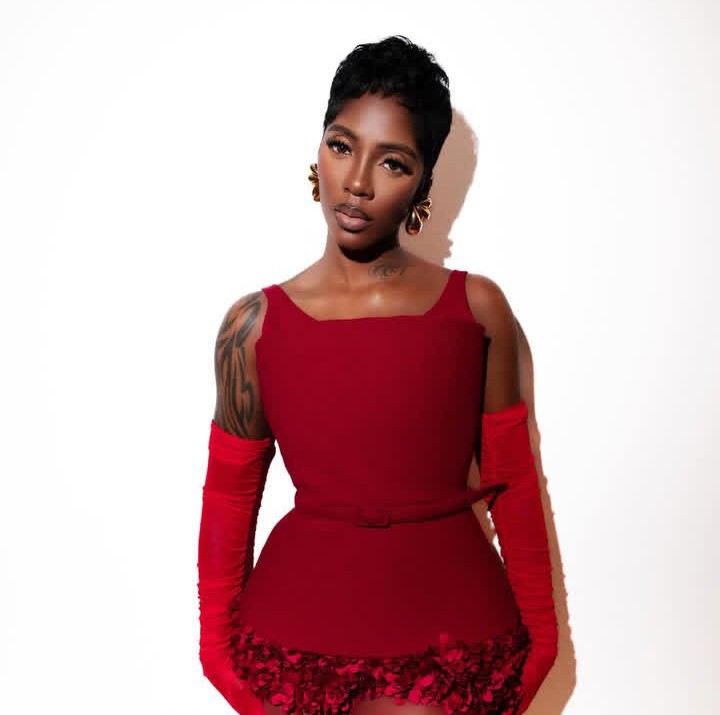
Tiwa Savage: Instagram
Tiwatope Omolara Savage, known as Tiwa Savage, is a singer, songwriter, and the first African female artist to sign with Jay-Z’s Roc Nation in July 2016. A graduate of Berklee College of Music in Boston, she signed with Mavin Records in 2012 and built one of the most recognised careers in Afrobeats.
She has spoken publicly throughout her career about the double standards female artists face: how their personal lives attract more attention than their work, and how they rarely receive the same professional respect as their male counterparts. For younger women in the industry, hearing someone at her level say it plainly has been widely noted.
In February 2026, she launched the Tiwa Savage Music Foundation, a philanthropic initiative dedicated to developing the next generation of African music creatives including producers, songwriters, sound engineers, and music executives, not just performers. Her reasoning was direct: behind every successful artist is an entire ecosystem of professionals, and across Africa, access to structured training for those roles is scarce. The foundation was created to change that.
Stella Ndekile

Stella Ndekile: Instagram
Stella Ndekile trained and worked as a Medical Laboratory Scientist at UNILAG Medical Centre before co-founding Nuban Beauty in 2015 alongside Jane Ogu. The brand officially launched in 2017, built around a straightforward observation: international cosmetics brands were not formulating products for African skin tones or Nigeria’s climate, and Nigerian women had been compensating for that gap for years.
Their In My Skin Foundation became popular among customers because it addressed that gap directly, matching the skin of the women buying it in a way that imported products consistently failed to do. Stella built the brand’s e-commerce platform herself and ran it solely online for two years before a physical store opened.
In 2025, she introduced an AI-powered Skin Decoder at the Lagos Makeup Fair, a tool that analyses hydration, pigmentation, and skin texture to generate personalised skincare recommendations, making that technology accessible to consumers. She has also published Success Uncharted, a book about building a business without a conventional roadmap to see that it has been done before.
Mimi Yina
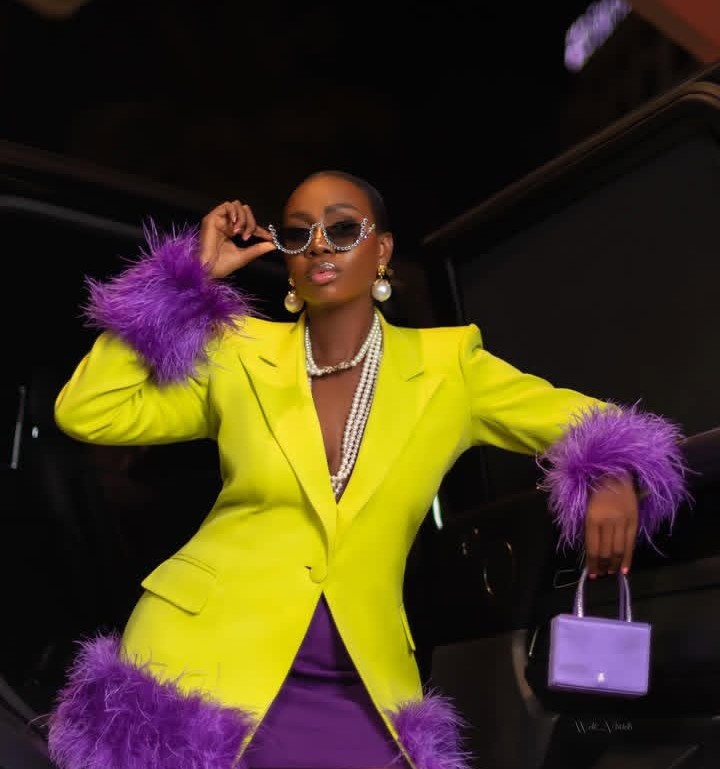
Mimi Yina: Instagram
Mimi Linda Yina, known as Medlin Boss, grew up in Gboko, Benue State, and studied Sociology at the University of Port Harcourt. She started her fashion business as a student, sourcing clothes on trips abroad for coursemates who liked what she wore. By graduation it had turned into a real business with paying customers.
Her first store in Port Harcourt attracted a clientele that grew steadily to include Funke Akindele, Yemi Alade, Omotola Jolade-Ekeinde, Ini Edo, and Nancy Isime. Her styling of Teddy A and Bam Bam’s traditional wedding outfits was covered widely across Nigerian entertainment and fashion media. In 2019, she relocated Medlin Couture to Lagos. By 2021, she was dressing the judges and host of The Voice Nigeria.
Beyond her client work, she runs outreach programmes for underprivileged women and children and has used her public profile to advocate for women’s rights. She has spoken about the responsibility that comes with visibility in the fashion industry.
Mo Abudu
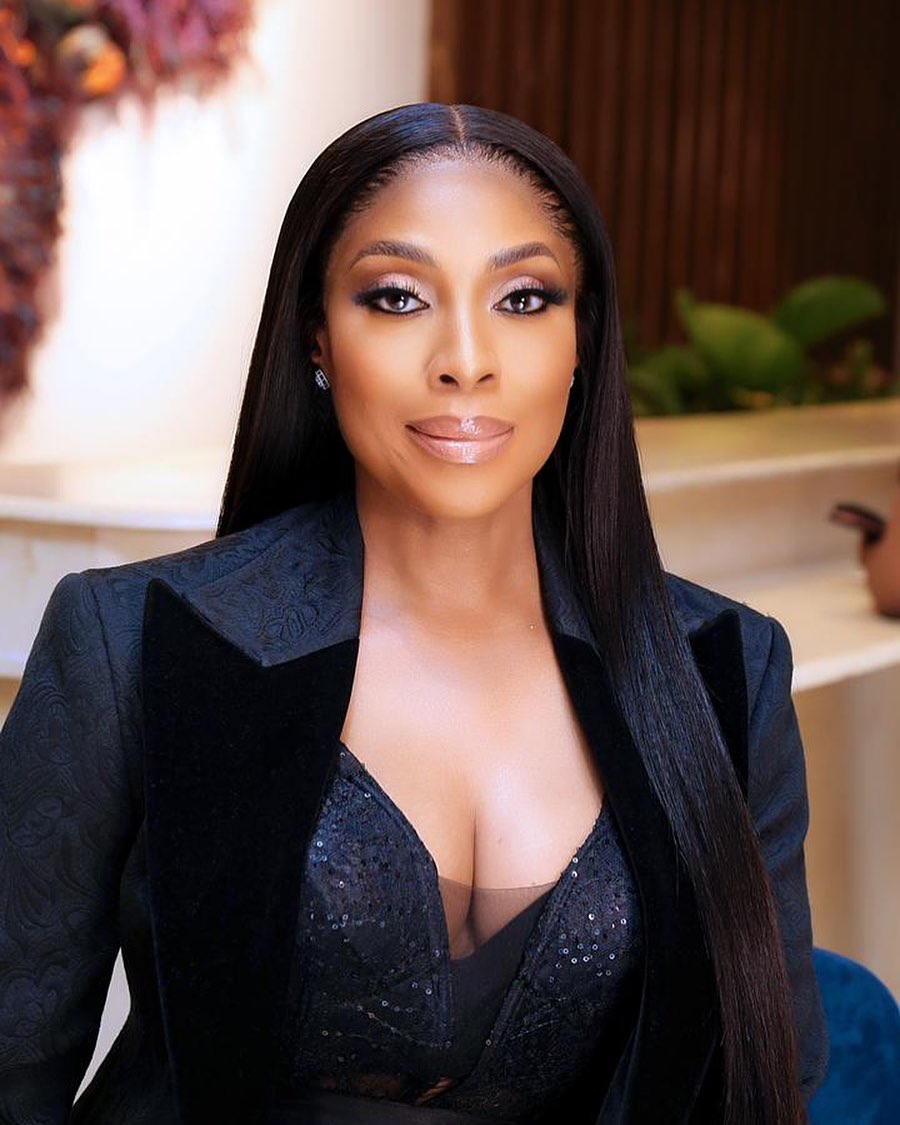
Mo Abudu: Instagram
Mosunmola Abudu, known as Mo Abudu, launched her talk show Moments with Mo in 2006. In July 2013, she founded EbonyLife TV on DSTV as Africa’s first global black entertainment and lifestyle network, putting together the content slate, brand identity, and business model herself.
EbonyLife produced Fifty, The Governor, and Chief Daddy. In 2018, the company signed a co-production deal with Sony Pictures Television. In June 2020, it signed a multi-title deal with Netflix, making EbonyLife the first African company to do so. “Forbes has recognised her among Africa’s most influential media figures.
What she has built for others is just as significant. In partnership with the Lagos State Government, she established the EbonyLife Creative Academy, which offers free, practical training in filmmaking and media content production. It is open to working professionals and to complete beginners. She has mentored women in media throughout her career and pushed publicly for better funding access for African content creators.
Dr. Ngozi Okonjo-Iweala
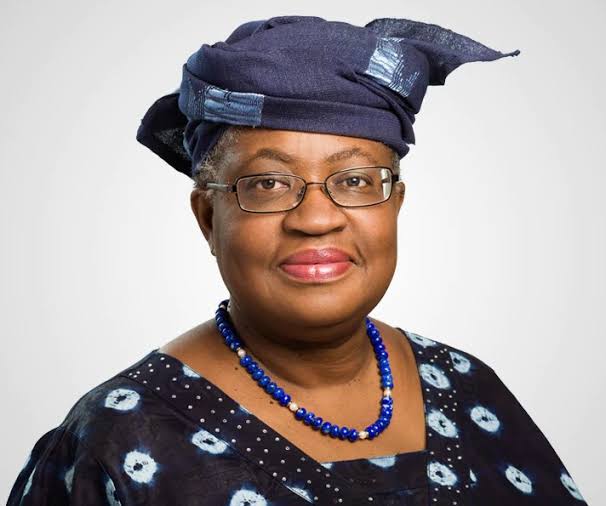
Ngozi Okonjo-Iweala: Instagram
Dr. Ngozi Okonjo-Iweala was confirmed as Director-General of the World Trade Organization in February 2021 and took office on March 1, 2021, becoming the first woman and the first African to hold that position. The United States under the Trump administration had opposed her nomination. She gathered international support from WTO member countries until the incoming Biden administration reversed course and her confirmation went through.
She brought 25 years at the World Bank, two terms as Nigeria’s Finance Minister, and a term as Foreign Affairs Minister to that role. As Finance Minister, she published monthly government allocations that had previously been withheld from the public, and refused to approve expenditures she considered corrupt. Her mother was kidnapped in what was widely seen as an attempt to pressure her. She continued in her role regardless.
She has demonstrated, over four decades, that it is possible to hold senior positions in global institutions without softening your positions to make others comfortable. At 71, she continues to advocate for African debt restructuring and fairer trade terms for developing economies.

The Nike Air Max Plus is Taking Over Lagos Homecoming Festival

Tracee Ellis Ross Launches Eyewear Collaboration with Emmanuelle Khanh

Priscilla Ojo Gets It Just Right in Brown Tones and Sharp Corsetry

Hawa Magaji Shows How to Style Sports Shorts

Toyin Abraham’s Over Sabi Aunty Crosses ₦1 Billion at the Box Office

Pantone’s 2026 Colour Cloud Trend Gets Uche Montana’s Seal of Approval

Uzor Arukwe, Idia Aisien and Others at the Bridgerton Season 4 Premiere in South Africa

Tolu Bally Impresses in Bold Floral Two-Piece Look
Tracee Ellis Ross Launches Eyewear Collaboration with Emmanuelle Khanh

Mr Eazi Leads DJ Cuppy Through a Private Wine Tasting

Toka McBaror’s ‘The Creek’ Trailer Drops, Full Cast (Bucci Franklin, Sam Dede, Sunshine Rosman) & What to Expect

Are We Finally Getting the R9 Album? Fans Read the Signs Around Rihanna


-
 Movies2 months ago
Toyin Abraham’s Over Sabi Aunty Crosses ₦1 Billion at the Box Office
-
 Celebrity Style3 months ago
Pantone’s 2026 Colour Cloud Trend Gets Uche Montana’s Seal of Approval
-
 Celebrity Style2 months ago
Uzor Arukwe, Idia Aisien and Others at the Bridgerton Season 4 Premiere in South Africa
-

 Celebrity Style4 months ago
Uche Montana Offers a Perfect Take on Wearing Leather
-
 Fashion3 months ago
Tolu Bally Impresses in Bold Floral Two-Piece Look
-

 Health4 months ago
Disordered Eating Vs. Eating Disorder: Experts Explain The Differences And When To Seek Help
-

 Fitness4 months ago
Glute Workouts That Deliver Real Results
-

 Movies5 months ago
4 Nollywood Movies To Watch This Week
-

 Celebrity Style4 months ago
November’s Best Dressed Star
-

 Sex & Relashionships3 months ago
Dating App Worth Swiping Right on in 2026