
Movies
Lisabi: The Uprising – 2024

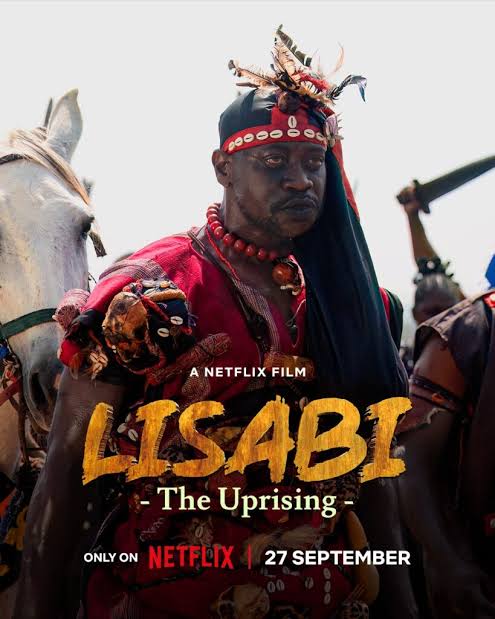
The 2024 Nigerian historical drama film Lisabi: The Uprising was written by Yinka Olaoye and Niyi Akinmolayan, produced by Victoria Akujobi and Adebimpe Oyebade. The cast includes iLateef Adedimeji and includes Olumide Oworu, Jide Awobona, Eniola Ajao, Adelimpe Oyebade, and Ibrahim Yekini Itele. It tells the narrative of Lisabi Agbongbo Akala, an Egba warrior who led a victorious insurrection against the tyrannical reign of the Oyo Empire, and is partially based on the legendary Lisabi Rebellion that took place in late 18th-century Abeokuta, Nigeria.
The mythical tale of a folk hero who rebelled against an oppressive empire, fighting for his independence and forever changing the path of Yoruba history.
From modest beginnings, Lisabi, a determined leader, emerges to lead the Egba people in their struggle for liberation from the tyrannical Oyo Empire. The narrative starts with King Olodan refusing to pay the high payment that the Alaafin of Oyo were demanding. The Alaafin orders Olodan’s cruel execution as payback. The vicious leader of the tribute collectors, Songodeyi, terrorises the Egba people by raping women, seizing more than is due, and executing those who rebel. Lisabi’s close buddy Oshokenu, a slothful farmer, rebels against them after seeing their brutality. On their wedding day, Songodeyi rapes Oshokenu’s wife, Abebi, which causes her to tragically commit herself. Before being shot to death, Oshokenu, in a fit of wrath, murders ten tribute collectors. He begs Lisabi to guide the Egba people towards justice as part of his final desire.
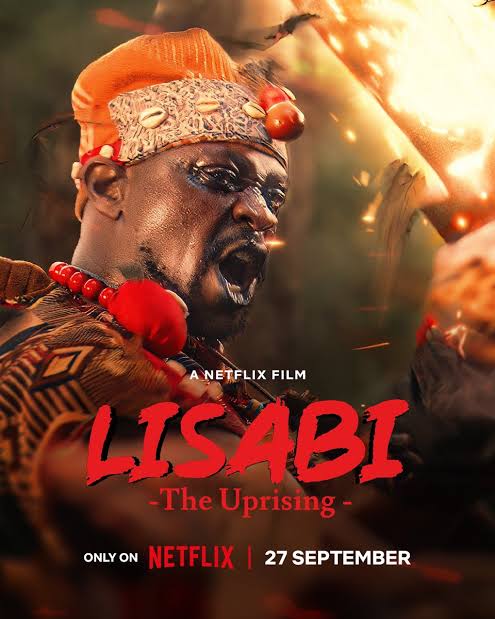
Lisabi: The Uprising
Lisabi comes up with a fantastic plan to bring the Egba people together since she is determined to carry out Oshokenu’s final desire. He establishes the Aaro society, a cooperative farming organisation that on the surface seems innocuous but actually serves as the core of the uprising. By using this secret network, Lisabi is able to gather information and prepare his followers for a planned rebellion against the Oyo Empire. Under Lisabi’s leadership, the Egba people fight bravely and strike at the heart of their oppressors during the final, gory, and violent conflicts. They achieve their long-awaited independence by overthrowing the Oyo army in a spectacular finale. With the win, Lisabi becomes a beloved hero, his name immortalized in history as the liberator who guided his people towards justice and independence. His legacy lives on as a testament to perseverance, harmony, and the victory of a people determined to restore their right to dignity.
From modest beginnings, Lisabi, a determined leader, emerges to lead the Egba people in their struggle for liberation from the tyrannical Oyo Empire. The narrative starts with King Olodan refusing to pay the high payment that the Alaafin of Oyo were demanding. The Alaafin orders Olodan’s cruel execution as payback. The vicious leader of the tribute collectors, Songodeyi, terrorises the Egba people by raping women, seizing more than is due, and executing those who rebel. Lisabi’s close buddy Oshokenu, a slothful farmer, rebels against them after seeing their brutality. On their wedding day, Songodeyi rapes Oshokenu’s wife, Abebi, which causes her to tragically commit herself. Before being shot to death, Oshokenu, in a fit of wrath, murders ten tribute collectors. He begs Lisabi to guide the Egba people towards justice as part of his final desire.
Lisabi comes up with a fantastic plan to bring the Egba people together since she is determined to carry out Oshokenu’s final desire. He establishes the Aaro society, a cooperative farming organisation that on the surface seems innocuous but actually serves as the core of the uprising. By using this secret network, Lisabi is able to gather information and prepare his followers for a planned rebellion against the Oyo Empire. Under Lisabi’s leadership, the Egba people fight bravely and strike at the heart of their oppressors during the final, gory, and violent conflicts. They achieve their long-awaited independence by overthrowing the Oyo army in a spectacular finale. With the win, Lisabi becomes a beloved hero, his name immortalized in history as the liberator who guided his people towards justice and independence. His legacy lives on as a testament to perseverance, harmony, and the victory of a people determined to restore their right to dignity.
Cast
- Lateef Adedimeji Lisabi Agbongbo Akala
- Oyebade Adebimpe Adedimeji as Ikeola
- Ibahim Yekini Icon as Salako
- Adebowale Adebay as Osokenu
- Olarotimi Michael Fakunle as Ogunlana
- Osobande Jide Awobona as Osobande
- Odunlade Adekola as Alaafin of Oyo
- Gabriel Afolayan as Odunbamitefa
- Kola Ajeyemi as Akinolu
- Boma Akpore as Osogbenro
- Olumide Oworu as Bejide
- Kevin Ikeduba as Obimodede
- Seun Akindele as Oduyale
- Femi Adebayo as Olu Olodan
- Muyiwa Ademola as Alake
- Roseline Afije “Liquorose” as Abebi
- Namisi Govin Emma as Sangu
- With a high number of Extras
The Executive producer: Lateef Adedimeji
Producers : Oyebade Adebimpe Adedimeji
Victoria Akujobi
Released : 27 September 2024 on Netflix
Production company : AI Notions Studious
Antihill Studios
Running time 120mins
Other search:Blood Sisters, The Nollywood series Now on Netflix












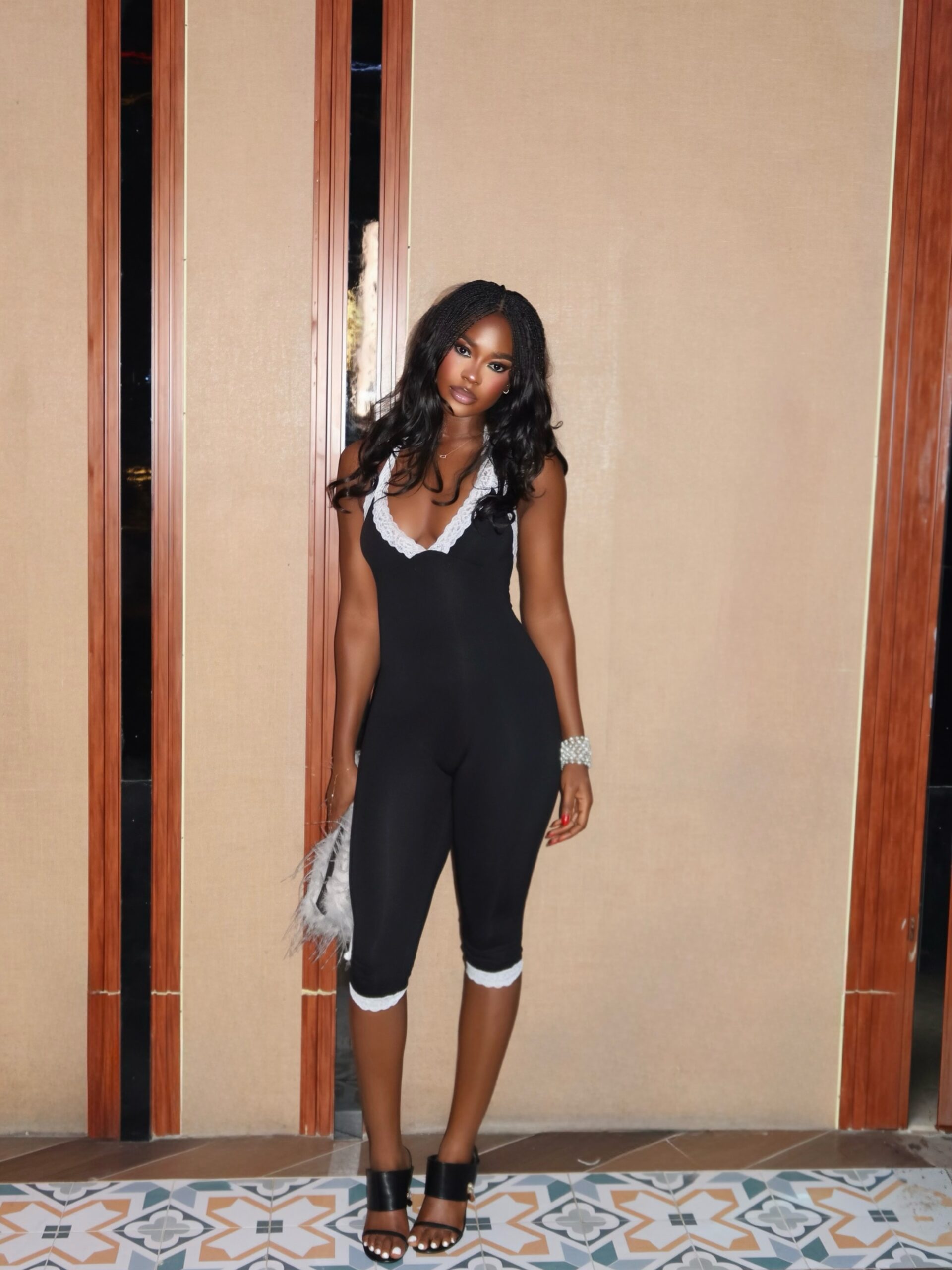
Sometimes the simplest outfit says the most. In a recent post on Instagram, Dede Ashiogwu styled herself in a fitted black jumpsuit and let the white lace trim stand out. She captioned the post “I pull up like I own the city”.
The photos were taken on a night out. She wore a black sleeveless Oh Polly halter capri jumpsuit with a deep V neckline and thin straps. White lace ran along the neckline and the edges of the straps, following the dip of the V. The legs ended just below the knee, with another strip of white lace at each hem.
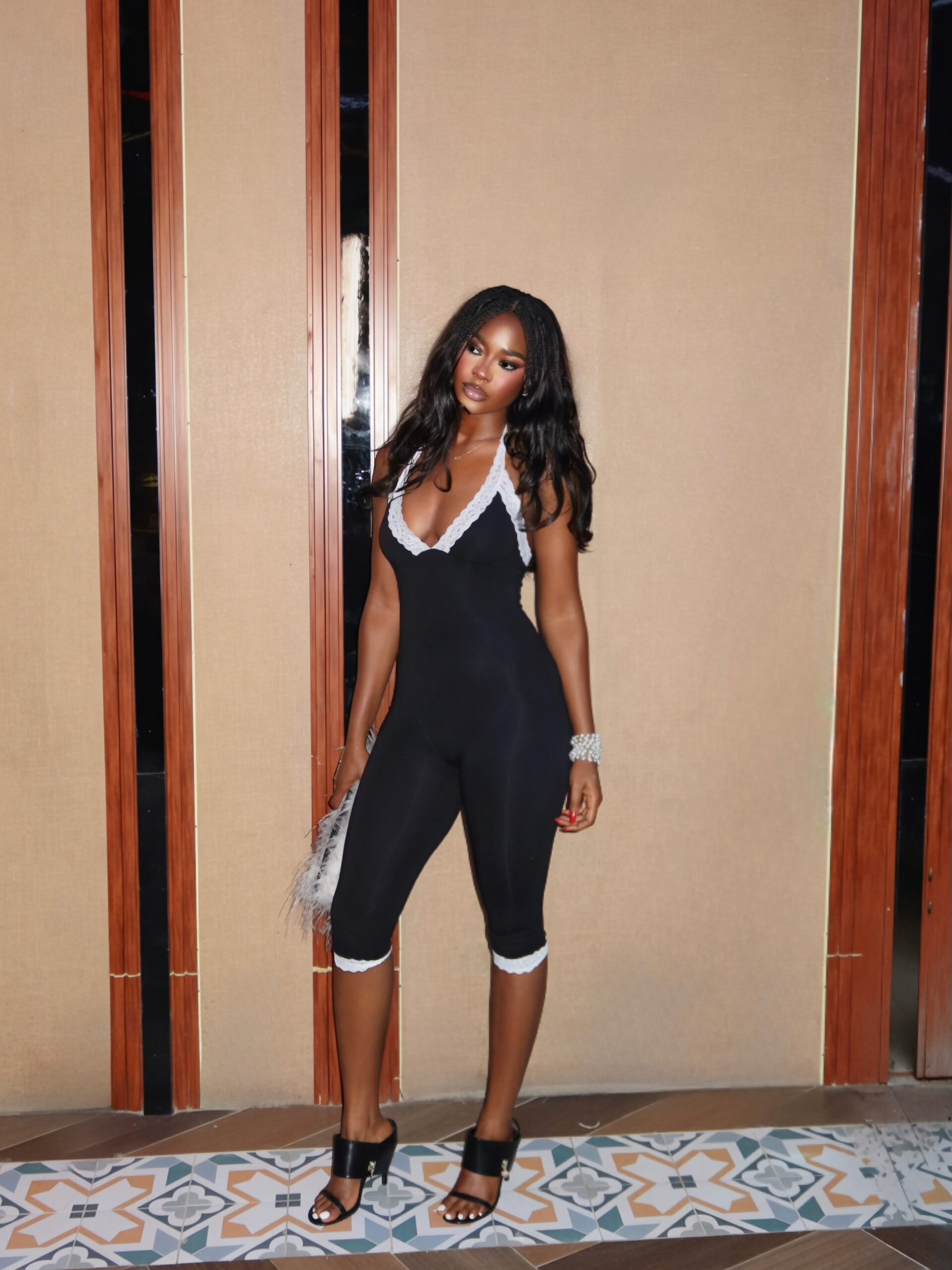
Photo: Instagram/@dedeashiogwu
She carried a fur structured clutch and wore a wide pearl bracelet.
Her hair was parted in the middle, with braids at the top that turned into long, loose waves past her shoulders. Her heels were Givenchy Shark Lock Heart sandals, with thick straps. Her makeup was soft, with warm tones and a nude pink lip.
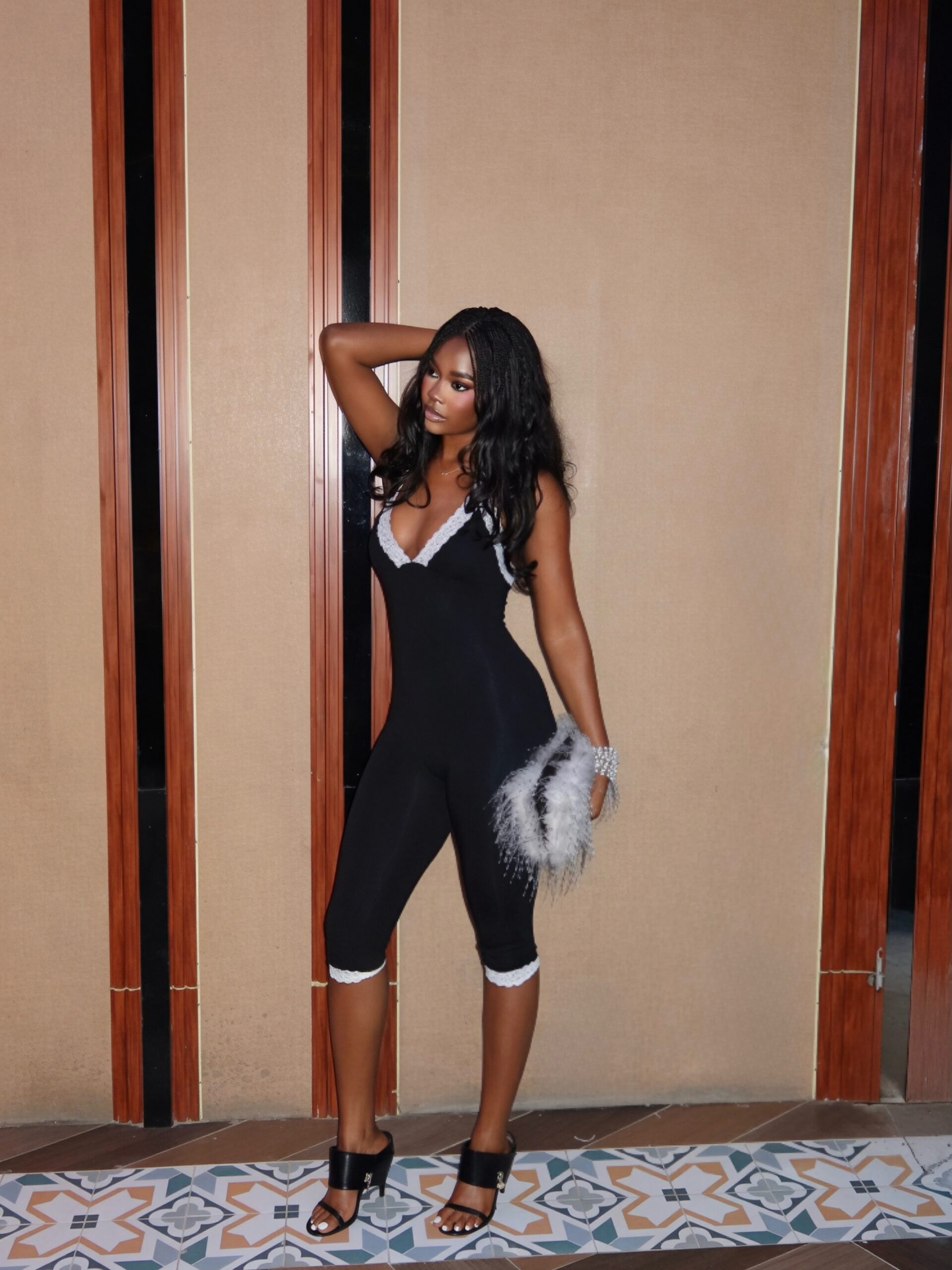
Photo: Instagram/@dedeashiogwu
Her 16 September post kept the same black base, with an oversized pinstripe blazer worn open over a short black skirt, sheer thigh-high stockings and pointed patent heels. The lace is what sets the jumpsuit apart from that look, running along the neckline, the straps and both hems.

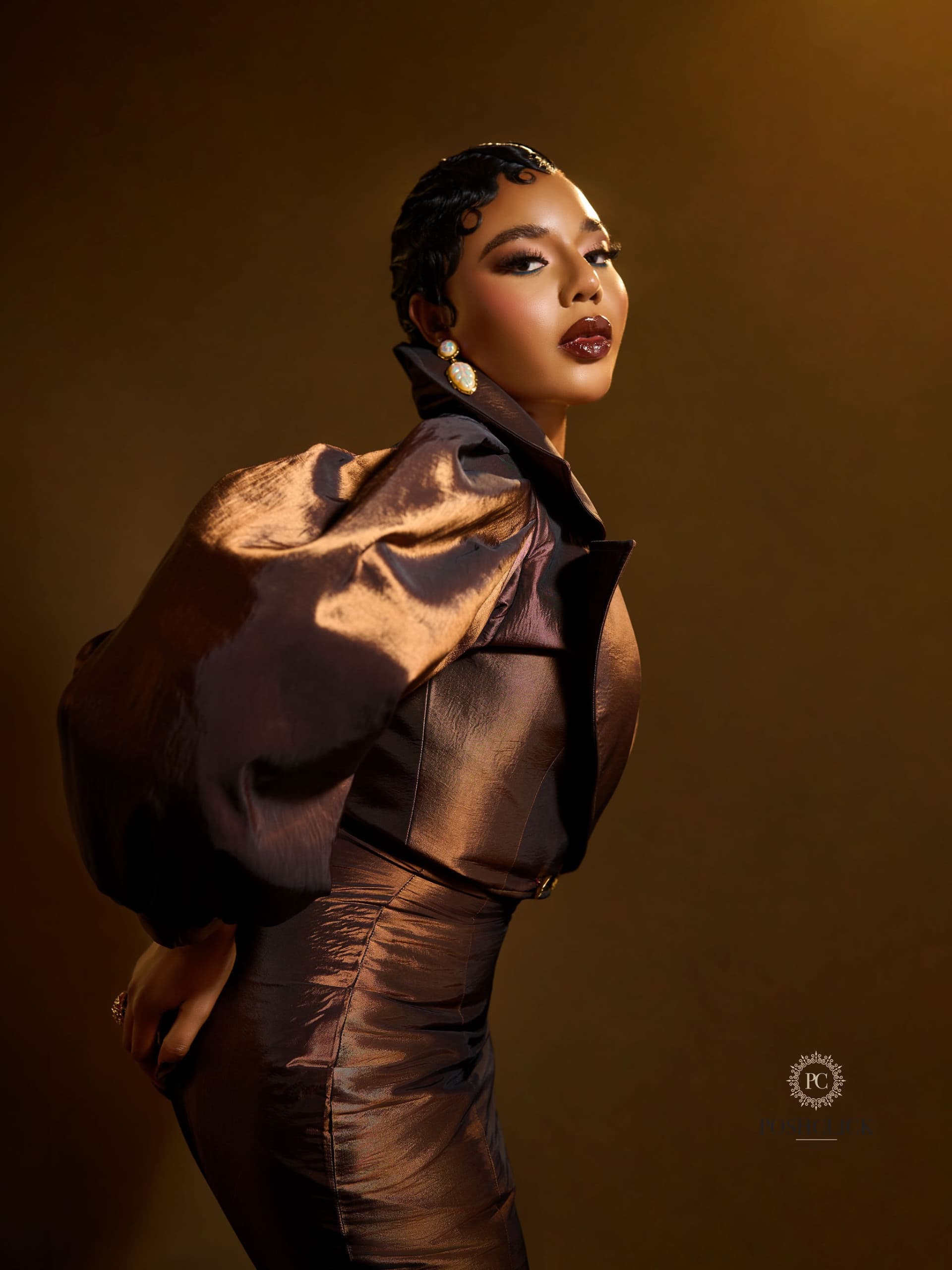
Nancy Isime has built a career across modelling, television presenting and acting. After years in front of the camera, the Nollywood actress is preparing to take on a new role as an executive producer, applying her experience in the entertainment industry to a project of her own.
In an Instagram video shared on October 7, 2026, Isime announced the project and admitted that she was nervous about taking on the responsibility.
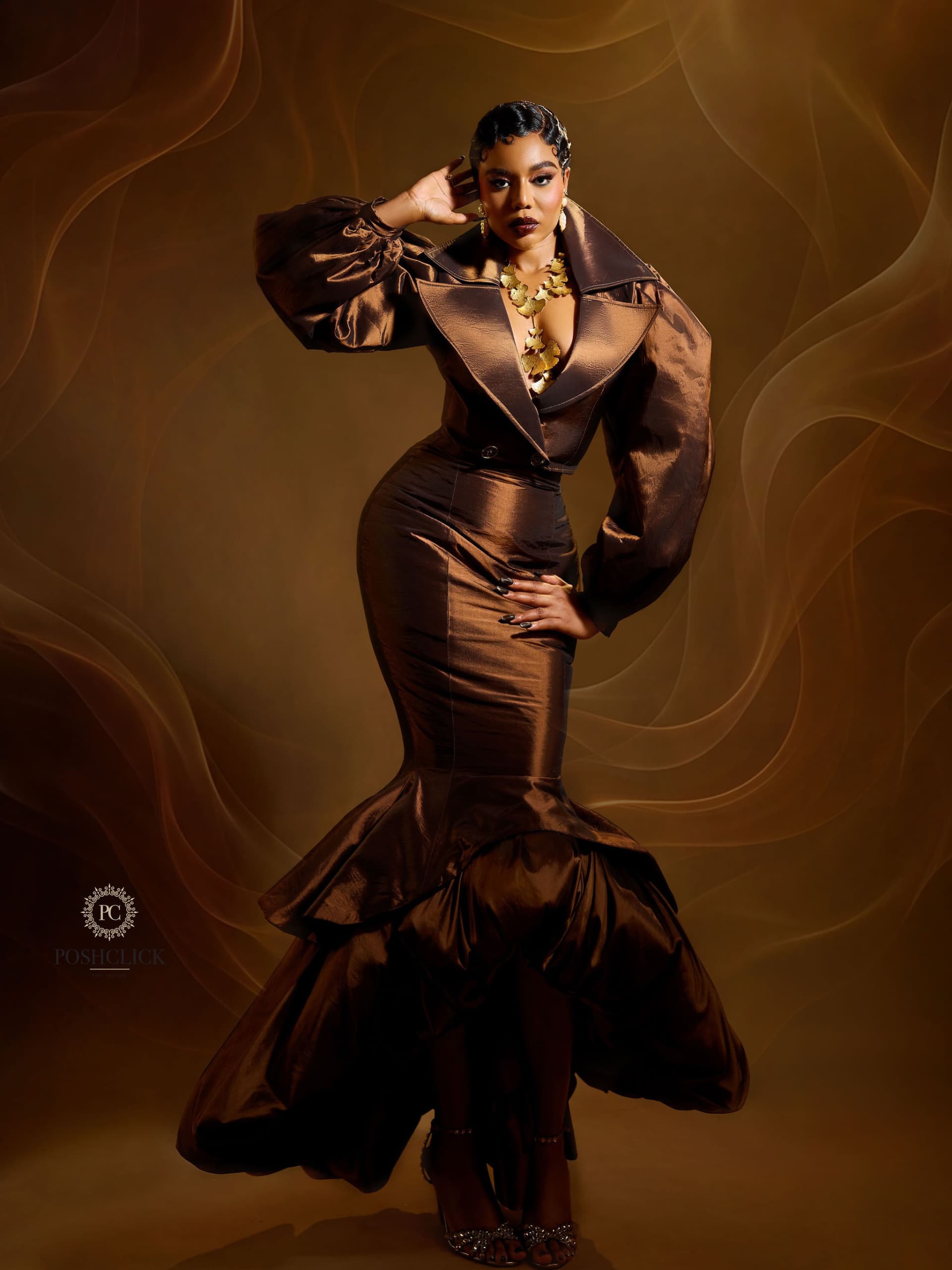
Photo: Instagram/@nancyisimeofficial
“This is my first production as executive producer. I can’t lie, I am nervous and wondering if I am ready, but I think it’s about time; I have also tried,” she said.
Isime also plans to document the production, giving fans a look at the process as the film takes shape. She intends to share updates on production meetings, creative decisions, successes and challenges along the way.
“My first film as an Executive Producer. And I want you to come along for the entire journey,” she added.
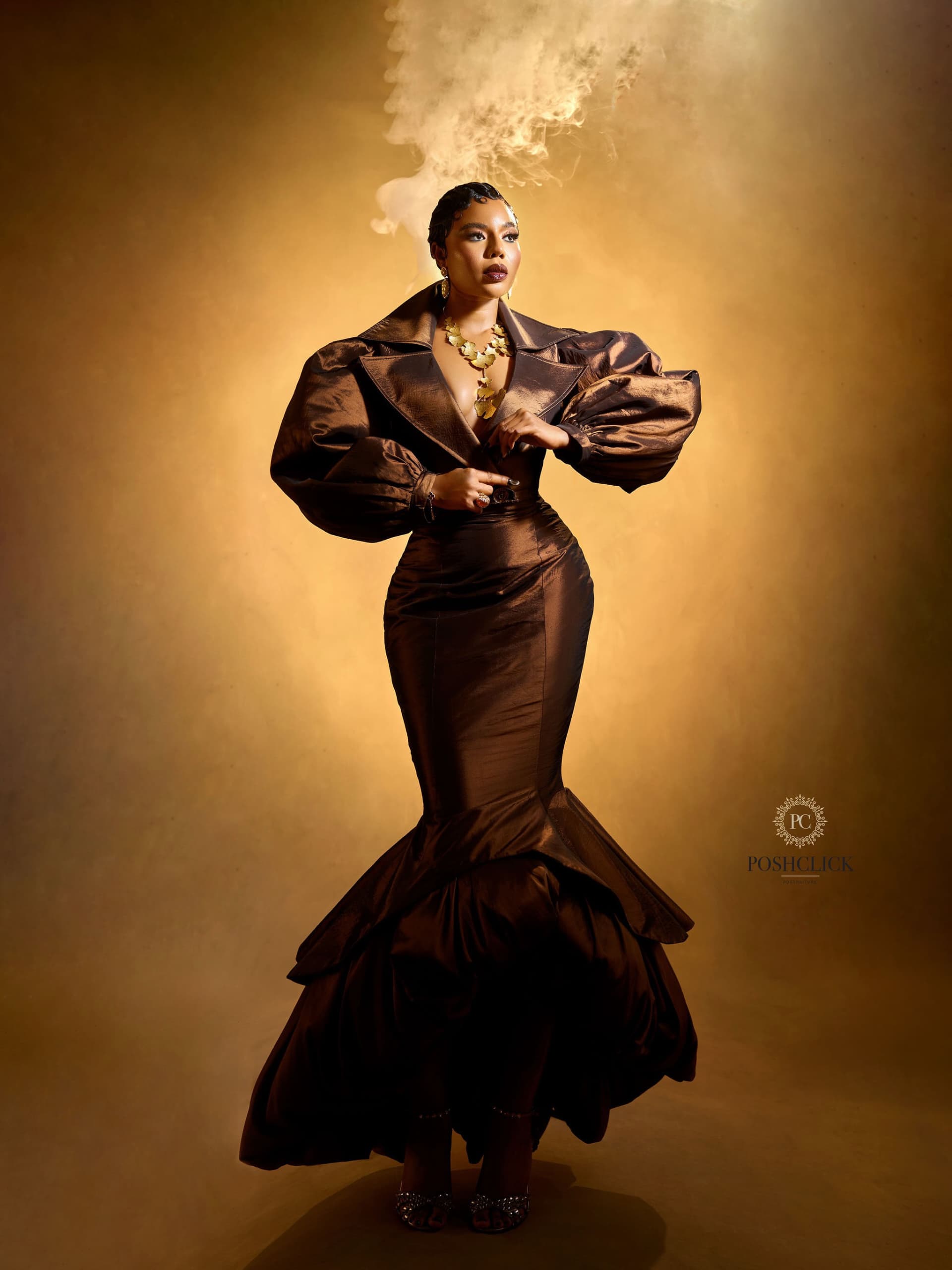
Photo: Instagram/@nancyisimeofficial
Her experience in television includes hosting The Nancy Isime Show, which launched in 2019. She also made her acting debut in the 2011 television series Echoes and has since appeared in Nollywood productions, including Blood Sisters, Shanty Town and The Wait.
Isime began her entertainment career as a model before moving into television presenting and acting, building experience across different parts of the industry before venturing into film production.
The film’s title, cast, storyline and release date have yet to be announced.
Movies
“Dear Ajayi” Makes History as First Nigerian Production in Venice Days Competition | Watch Trailer


“Dear Ajayi” Makes History as First Nigerian Production in Venice Damilola Orimogunje’s “Dear Ajayi” has been selected for the 2026 Giornate degli Autori, also known as Venice Days, at the 83rd Venice International Film Festival. The selection makes it the first Nigerian production to compete in the Venice Days section. The Nigeria-Germany co-production will have its world premiere as part of the competition.
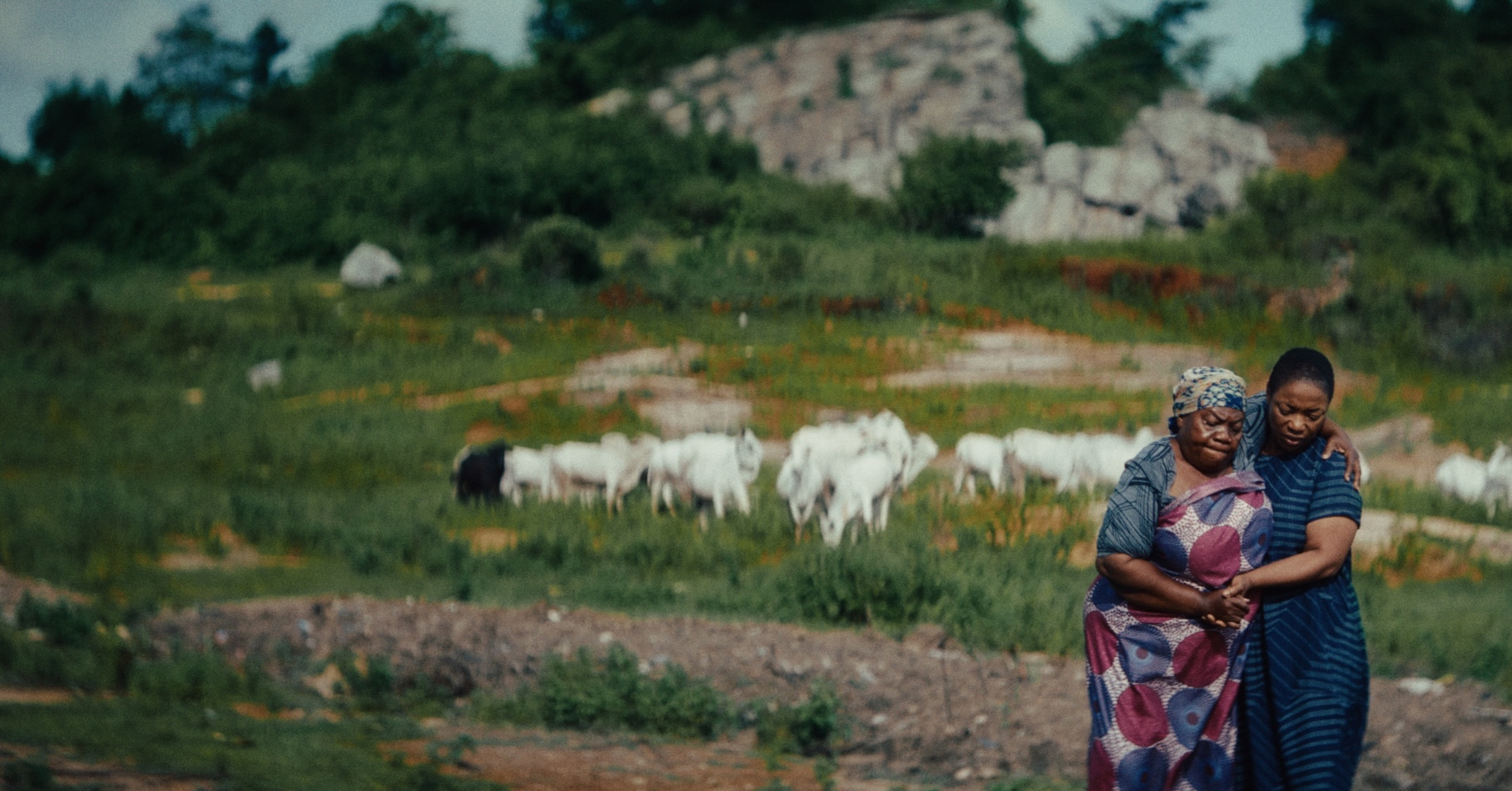
Photo: 2o9ine Films
Set in 1990s southwestern Nigeria, “Dear Ajayi” follows two sisters, Ade and Titi Ajayi, whose lives have gone in very different directions. Ade is a committed Christian and the main breadwinner in the family, while Titi is an aspiring singer who has chosen a more independent path. When their paralysed mother requires care, the sisters have no choice but to come back together.
Orimogunje wrote and directed the film. The cast includes Bimbo Akintola as Ade and Tosin Adeyemi as Titi, alongside Lanre Hassan, William Benson, Antar Laniyan, Uzoamaka Power, Michelle Dede and Chioma Omeruah, (Chigul)
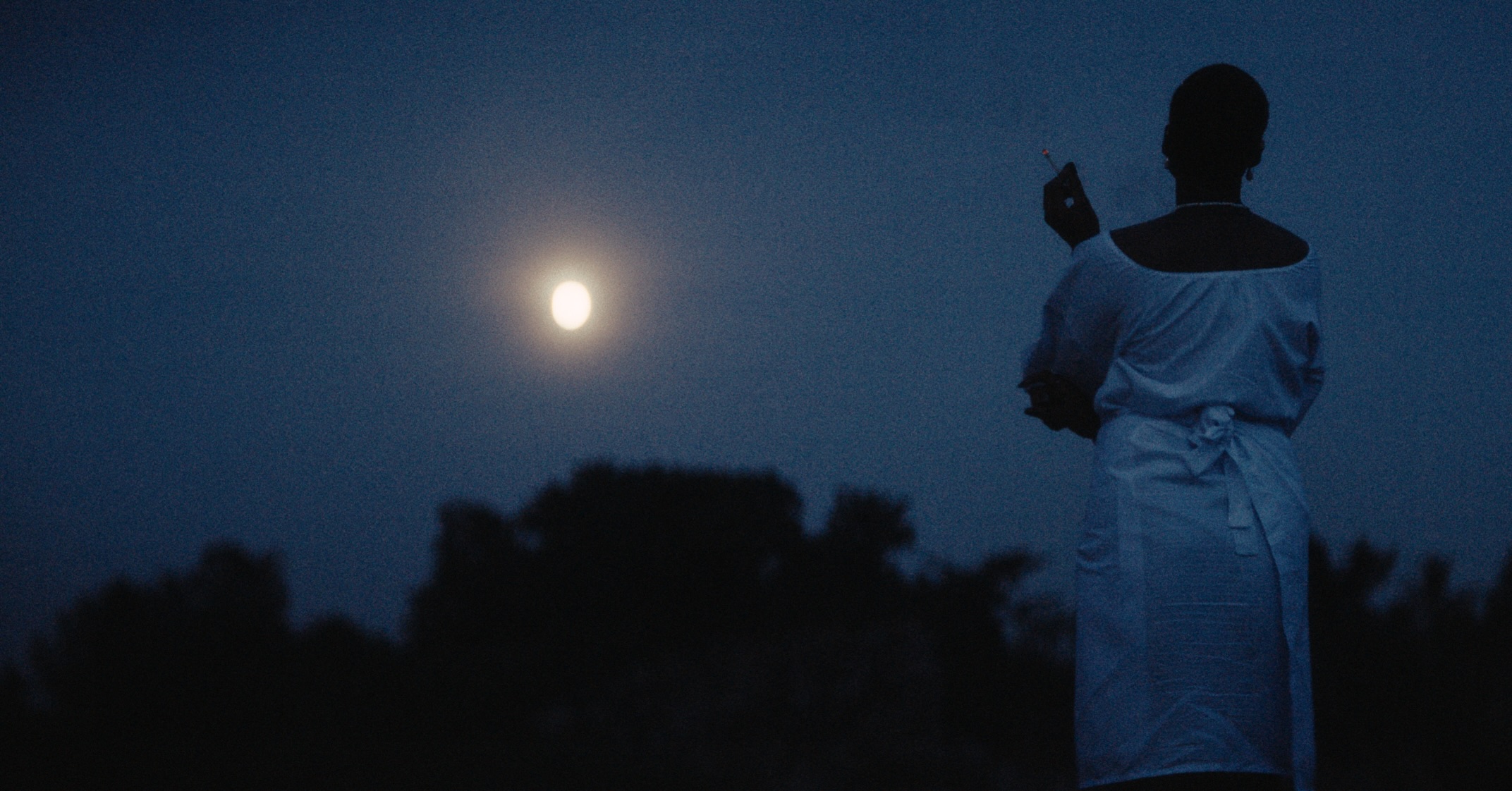
Photo: 2o9ine Films
Re Olunuga composed the music, while KC Obiajulu served as cinematographer. The film was produced by 2o9ine Films, with Mayana Films, Depth and Optics Productions and Zynox Productions joining as co-production partners.
The film received support from the Hubert Bals Fund+ Europe, while Luminalia is handling its world sales
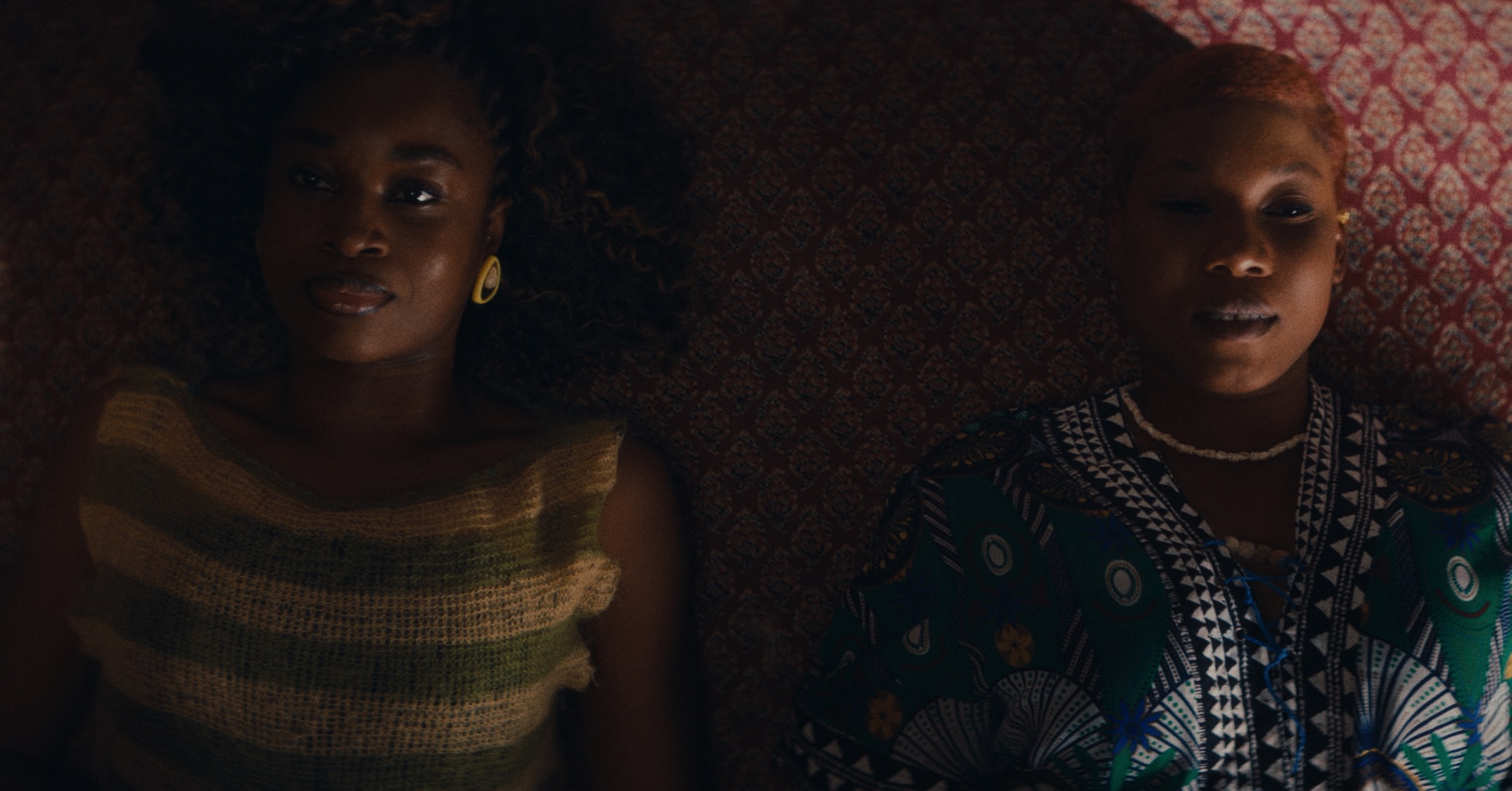
Photo: 2o9ine Films
Ahead of its Venice premiere, the first trailer gives viewers a look at the Ajayi family and the strained relationship between the two sisters.
Dear Ajayi will have its press and industry screening on September 4, with public screenings scheduled for September 10 and 12 during Venice Days.
Watch the trailer below.

Lil Baby Confirmed as Headliner for Flytime’s Detty December 2026

Nancy Isime Gives Aṣọ Òkè a Cool, Corporate Look

Dabota Lawson and the Rise of Her Luxury Beauty Brand

Mo Abudu Opens a Black and African Cinema Hub in London

Laura Ikeji Proves Polka Dots Are Back and Better Than Ever

Rapper Tommie Lee Arrested at 2026 FIFA World Cup.

New Music to Kickstart Your Week From Victony, Timaya, Duncan Mighty, Mr Eazi & Fave.

The Dangers of Adult Skincare Products for Children and Teens.

Ayra Starr Performs ‘Rush’ and ‘Heaven Baby’ at NFL Halftime Show in London | Watch Video

Ayra Starr and ZAYN Finally Share the Screen in “Heaven Baby” Video

Kizz Daniel’s ‘Owo Oluwa’ Finds Grace in Faith, Family and Loss

‘Black Market’ Breaks Guinness World Record With Over 51,000 Viewers


-
 Big Brother Naija2 months ago
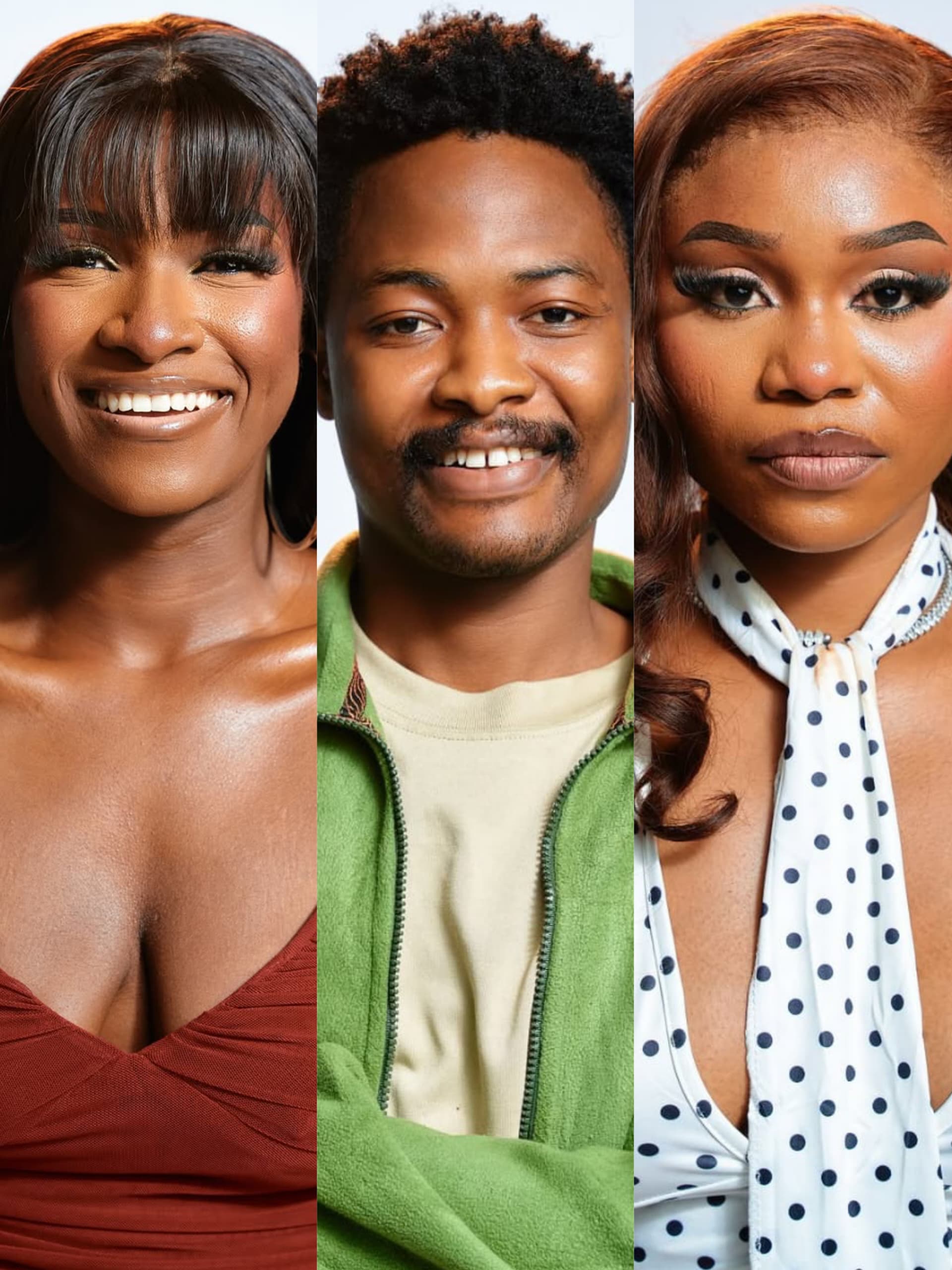
Everything You Missed on Big Brother Naija Week 5
-

 The Best Dressed Celebrities This Week1 month ago
The Best-Dressed Stars of the Week Kept Things Chic and Daring
-

 Celebrity Style1 month ago
Our Favourite Looks at ‘The Wedding Story’ Premiere
-

 Movies2 months ago
“Dear Ajayi” Makes History as First Nigerian Production in Venice Days Competition | Watch Trailer
-

 Celebrity News2 months ago
Ayra Starr to Headline 2026 NFL London Game Halftime Show
-

 Entertainment1 month ago
Funke Akindele Releases First Images of ‘The Four’
-

 Models2 months ago
Tamunosoye Karibi-George Wins African Top Model Title at Miss World
-

 Big Brother Naija1 month ago
All the Drama BBNaija Week 6 Brought
-

 Entertainment1 month ago
Burna Boy Becomes First Nigerian Artist to Surpass 4 Billion YouTube Views
-

 Celebrity Style2 months ago
The Best-Dressed Celebrities of August 2026