
Music
Oscar Heman-Ackah & 2Baba’s “Save Me from Myself”

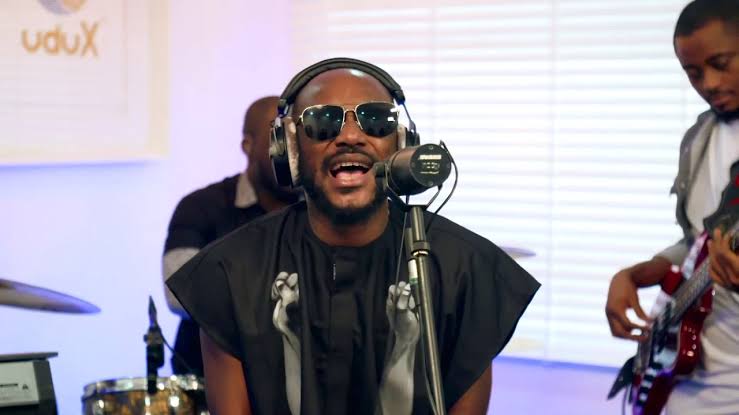
The video opens with 2Baba staring straight into the camera—not with flair, but with pain. No distractions. Just his face. His eyes. His voice. The way he sings that first line doesn’t feel like a performance—it feels like a plea. In that moment, you’re not watching—you’re inside the guilt, inside the quiet storm he’s been carrying for too long. The song, already weighty with emotion on its own, is the original soundtrack from To Kill a Monkey—a limited series already stirring conversation for its bold storytelling.
This is the heart of “Save Me from Myself”, the collaborative single by Oscar Heman-Ackah and 2Baba, paired with a striking visual directed by Kemi Adetiba.
A Man on Trial—By Himself

The central metaphor of the video unfolds in a surreal courtroom where 2Baba plays multiple roles: the judge, the accused, the spectator, and even part of the crowd. It’s a deliberate decision—and a powerful one. This is a trial of the self, where guilt isn’t just remembered, it’s performed. The imagery mirrors what many go through privately—punishing themselves long before anyone else does.
Each version of 2Baba feels distinct. The judge is cold and distant. The accused is visibly shaken. But perhaps the most jarring layer comes from the background noise: the crowd—loud, aggressive, and merciless—shouting and jeering at him as the trial unfolds. Their faces blur into the background, but their voices hit like stones. It’s not just judgment—it’s humiliation. It captures the chaos of a mind in crisis, when even imagined onlookers become enemies.
When the guilty verdict is delivered, he doesn’t protest. He doesn’t flinch. He accepts it quietly—like someone who’s been carrying that sentence long before it was spoken aloud.
The Drowning Man: A Soul in Crisis
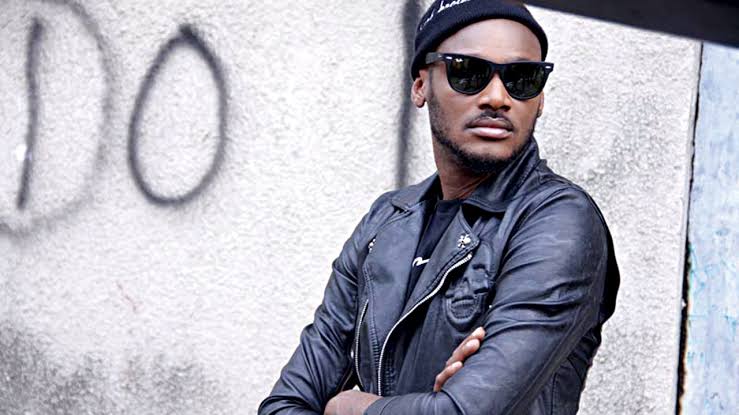
Scattered between the courtroom scenes are haunting underwater shots. 2Baba, submerged in dark water, not struggling—just sinking. Not screaming—just still. It’s not dramatic. It’s devastating. The kind of descent that speaks to people who’ve felt numb for so long they forget what the surface looks like.
When 2Baba Sings, He Means It
Throughout the video, 2Baba sings directly into the camera—unblinking, stripped of ego. There’s no act here. His performance feels more like a confession. His gaze doesn’t waver. And because of that, neither does yours. There’s a raw kind of bravery in singing something so heavy and looking your listener dead in the eye while you do it.
It’s the kind of moment that doesn’t beg for sympathy—it demands honesty. You’re not just hearing him. You’re seeing him. And maybe, seeing yourself too.
Themes That Stay With You

This isn’t a breakup song. It’s not a love ballad. It’s something heavier. A reckoning. The song—and especially the video—deals with emotional isolation, shame, regret, and the fear of never outrunning your past. The courtroom is the mind. The crowd is your conscience. The judge is your memory. And the sentence? That’s the part you’ve written for yourself.
Final Thoughts: A Confession Set to Music
“Save Me from Myself” is brave in its simplicity and relentless in its truth. Kemi Adetiba’s direction gives it space to breathe—to ache—to haunt. There are no distractions. No gloss. Just two things: a message, and a man willing to speak it.
And 2Baba? He delivers one of the most emotionally exposed performances of his career. Quiet. Controlled. Unforgettable.
In One Sentence?
This is what it looks like when guilt becomes the loudest voice in the room—and there’s nowhere left to hide.



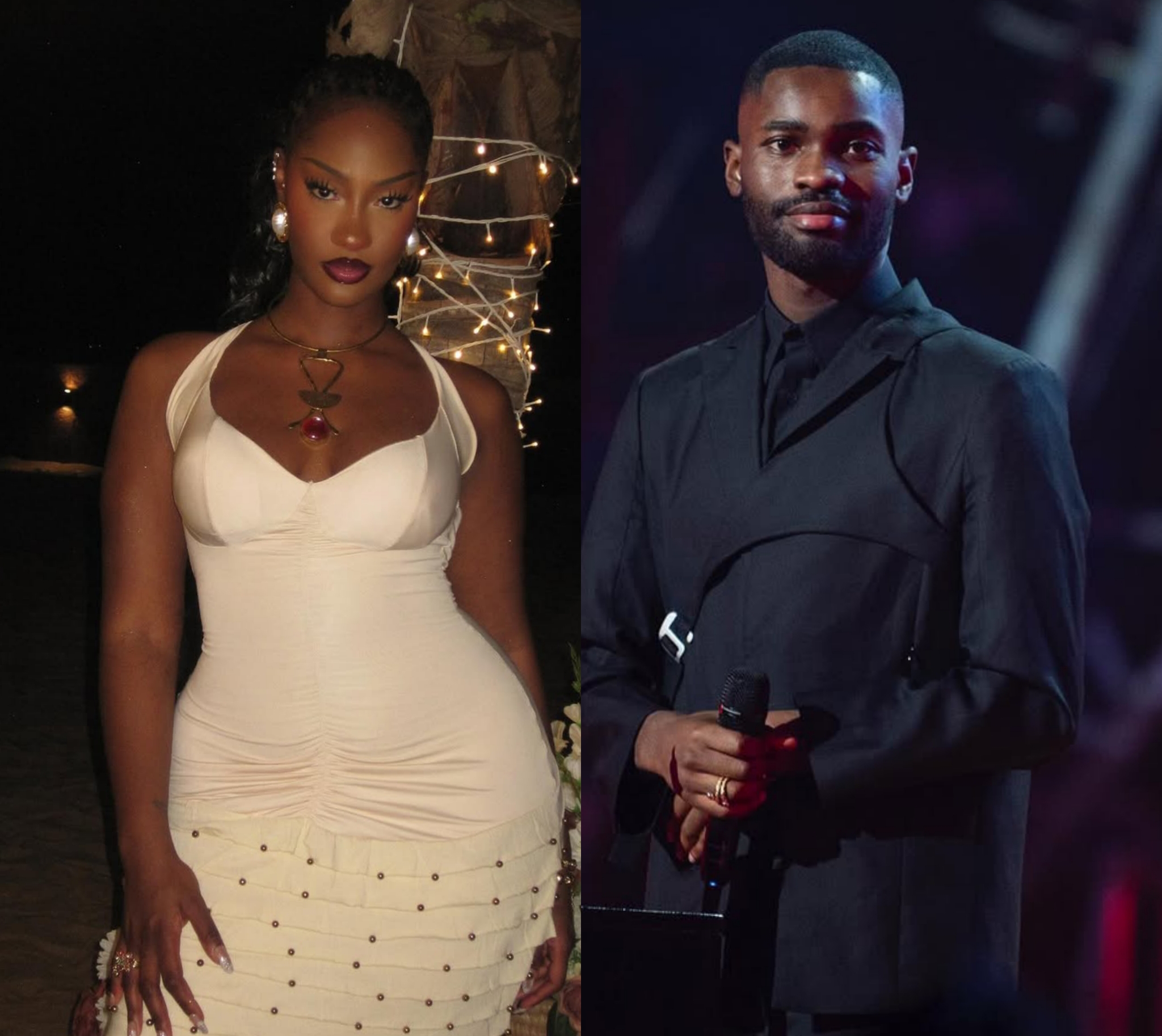






When a collaboration brings together three different voices in Afrobeats, people naturally want to see how the mix will work. That curiosity followed the release of the video for “Easy With Me,” a track led by DJ Tunez and supported by Wizkid and Odumodublvck. The song already carried a relaxed rhythm when it first dropped, but the video adds another layer that helps viewers understand the tone of the record.
The video follows a straightforward idea. It focuses on mood, movement, and presence rather than a complex storyline. From the opening scene, the camera settles into a calm pace that mirrors the sound of the song. There is no rush to introduce the artists or force dramatic scenes. Instead, the visual direction keeps things simple and steady.
DJ Tunez appears throughout the video in his usual position as the figure guiding the atmosphere. His presence is not loud or overdone. He moves through the scenes in a relaxed way that fits the record’s rhythm.

Photo: Instagram
Wizkid’s appearance in the video follows the style many viewers have come to associate with him. His delivery is calm and measured. Rather than pushing too hard for attention, he lets the song breathe. The camera stays close to him in several scenes, capturing his expressions and body language while he performs his part of the track.
Then comes Odumodublvck, whose presence introduces a slightly different energy. His style is naturally more forceful, both in sound and in delivery. In the video, this contrast becomes clear. His performance has more movement, and the camera follows that energy.
The locations used in the video also help maintain this calm tone. Instead of jumping across many settings, the production sticks with a few carefully chosen spaces. These settings give the video a grounded feel.

Photo: Instagram
Another noticeable detail is the pacing of the edits. The cuts are not rushed. Shots stay long enough for viewers to absorb the expressions, gestures, and surroundings. This slower rhythm matches the song’s tempo. It allows the visuals and music to move together instead of competing for attention.
Costuming in the video stays consistent with the personalities of the artists involved. The wardrobe choices do not try to dominate the screen. They simply reflect the artists’ personal styles. This approach helps the video maintain a natural tone.
Lighting also plays an important role. The scenes rely on soft, controlled lighting that supports the relaxed mood of the track.
The video for “Easy With Me” chooses clarity over complexity. It allows the music to guide the visual decisions. The result is a video that stays consistent with the tone of the track while giving each artist room to deliver their part in a natural way.


Nigeria’s strong performance on Spotify reflects growing influence in digital music streaming. Over the past year, five names have ranked among the most-streamed Nigerian artists driving local and international listening patterns: Asake, Wizkid, Seyi Vibez, Burna Boy and Davido.
Spotify’s year-end charts and regional performance data show a consistent pattern: these artists appear on global charts within Afrobeats and mainstream music categories.
Spotify has highlighted Nigeria as one of its fastest-growing markets in Sub-Saharan Africa. Streams of Nigerian music continue to rise domestically and internationally, with Afrobeats remaining the most-streamed genre internationally.
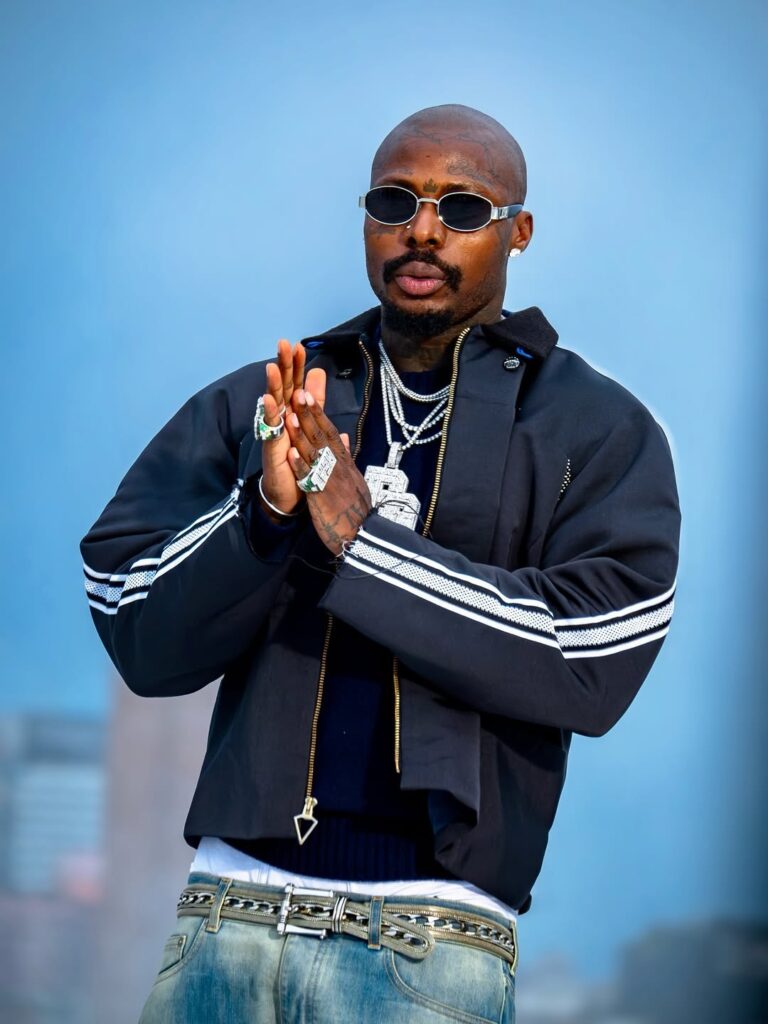
Asake – Instagram
Among the standout performers, Asake’s catalog maintains frequent placement on major playlists, supported by projects that combine Fuji-inspired rhythms with street-pop structures that encourage repeat streams. His steady release pattern and high-energy projects have resulted in strong streaming numbers.
Wizkid, with an established international audience, continues to benefit from a wide listener base outside Nigeria. Cross-market collaborations and strategic single releases support his global reach. Spotify data across multiple periods shows that his monthly listener figures rise around global festival seasons and international tour periods.
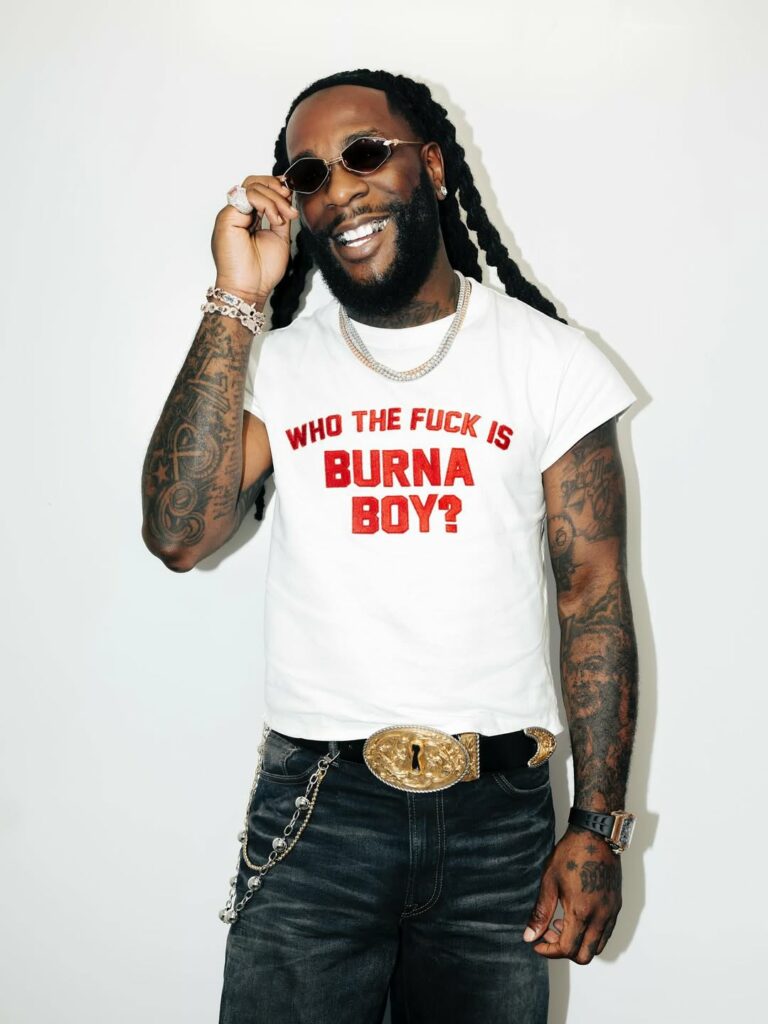
Burna Boy – Instagram
Burna Boy follows a similar international strategy but focuses more on album-driven releases. His projects tend to generate sustained streaming activity rather than short-term spikes, helping keep older records active across territories long after release.
Davido’s streaming strength lies in high first-week streaming performance and accessibility. His records are built around strong choruses and collaborative features that broaden audience reach. Each release cycle has been associated with increased streaming activity across African markets and diaspora communities in the United Kingdom and North America.

Seyi Vibes – Instagram
Seyi Vibez represents a locally driven streaming model. His rise has been supported largely by core Nigerian audiences. While some artists prioritise crossover markets, his numbers show strong domestic streaming figures. His catalog performs well in urban centres, demonstrating that local streaming support can remain commercially competitive.
Spotify’s editorial playlists have contributed to increased visibility of Nigerian acts. Major Afrobeats playlists frequently feature these five artists, and their music also appears on global mood, workout and pop playlists, extending reach beyond genre-specific audiences.
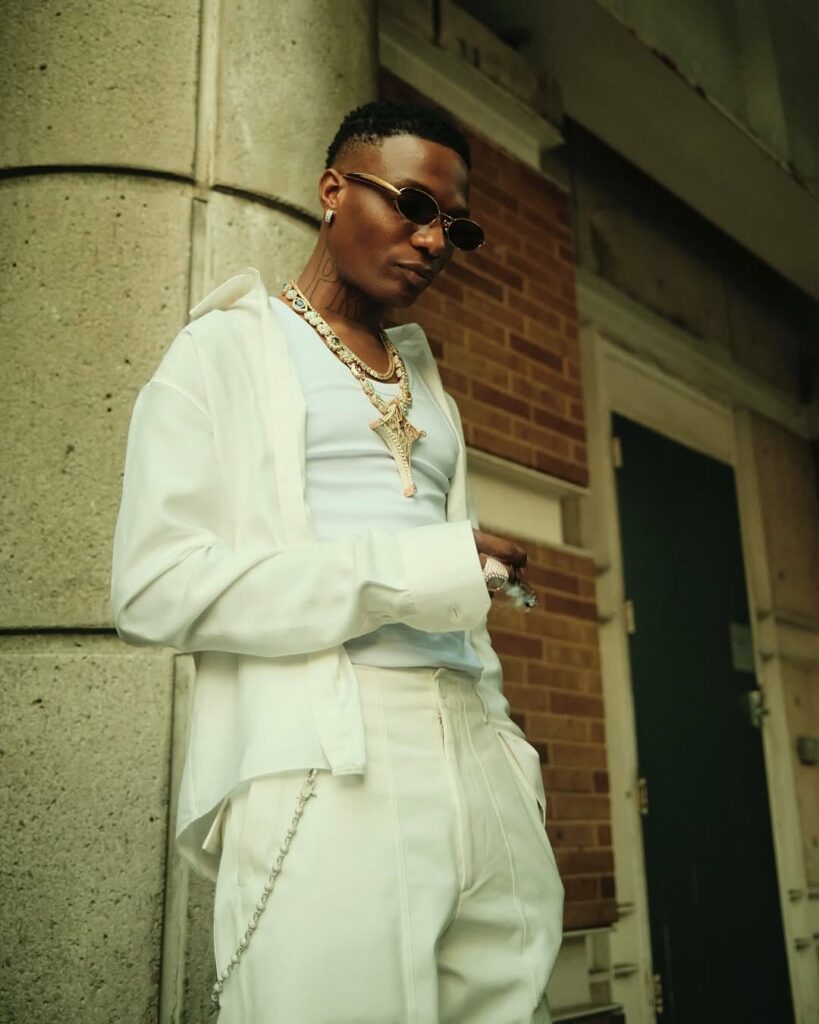
Wizkid – Instagram
Release timing also supports algorithmic visibility. Singles are often released months before albums, allowing streaming traction to build before full projects arrive.
International streams remain important. Cities such as London, Toronto and New York consistently rank among the top streaming locations for Nigerian artists. Diaspora listeners provide additional support for global chart placements.
Burna Boy and Wizkid receive strong support from diaspora audiences, while Davido’s collaborations help maintain cross-border visibility. Asake’s international touring has also been followed by noticeable streaming increases after live performances.
Catalog depth remains a defining factor. The artists’ success is not dependent on a single hit record. Their catalogs extend beyond breakout singles, with older tracks continuing to generate daily streams. This pattern is particularly visible in the streaming performance of Wizkid and Burna Boy.
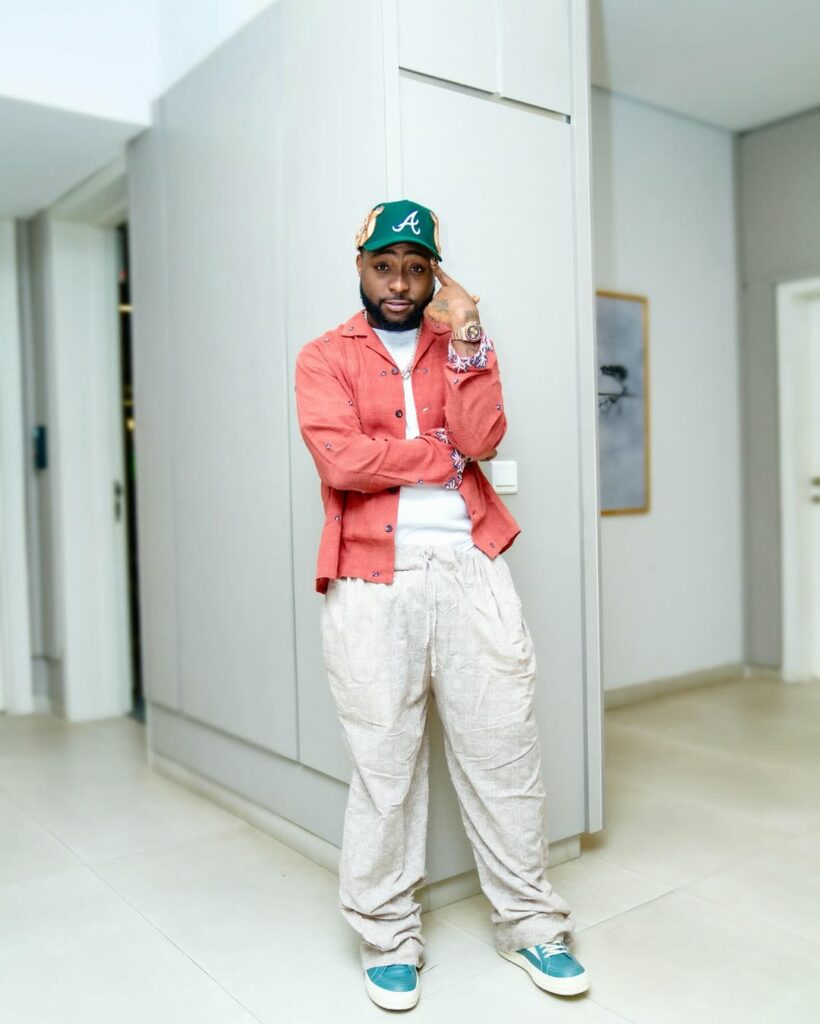
Davido – Instagram
Asake and Seyi Vibez, though newer on the mainstream international stage, have built compact catalogs that are highly replayable. Regular releases help sustain their monthly listener figures.
The conversation around Nigerian streaming growth often focuses on cultural influence. Spotify’s data instead reflects strategic release patterns, audience segmentation and market expansion. These five artists represent different commercial models: international crossover reach, strong local loyalty, catalog longevity and consistent release cycles.
Nigeria’s streaming growth is not dependent on one musical style or marketing approach. The market remains diversified. As Spotify expands further across African regions, current data suggests these artists are contributing significantly to streaming growth.
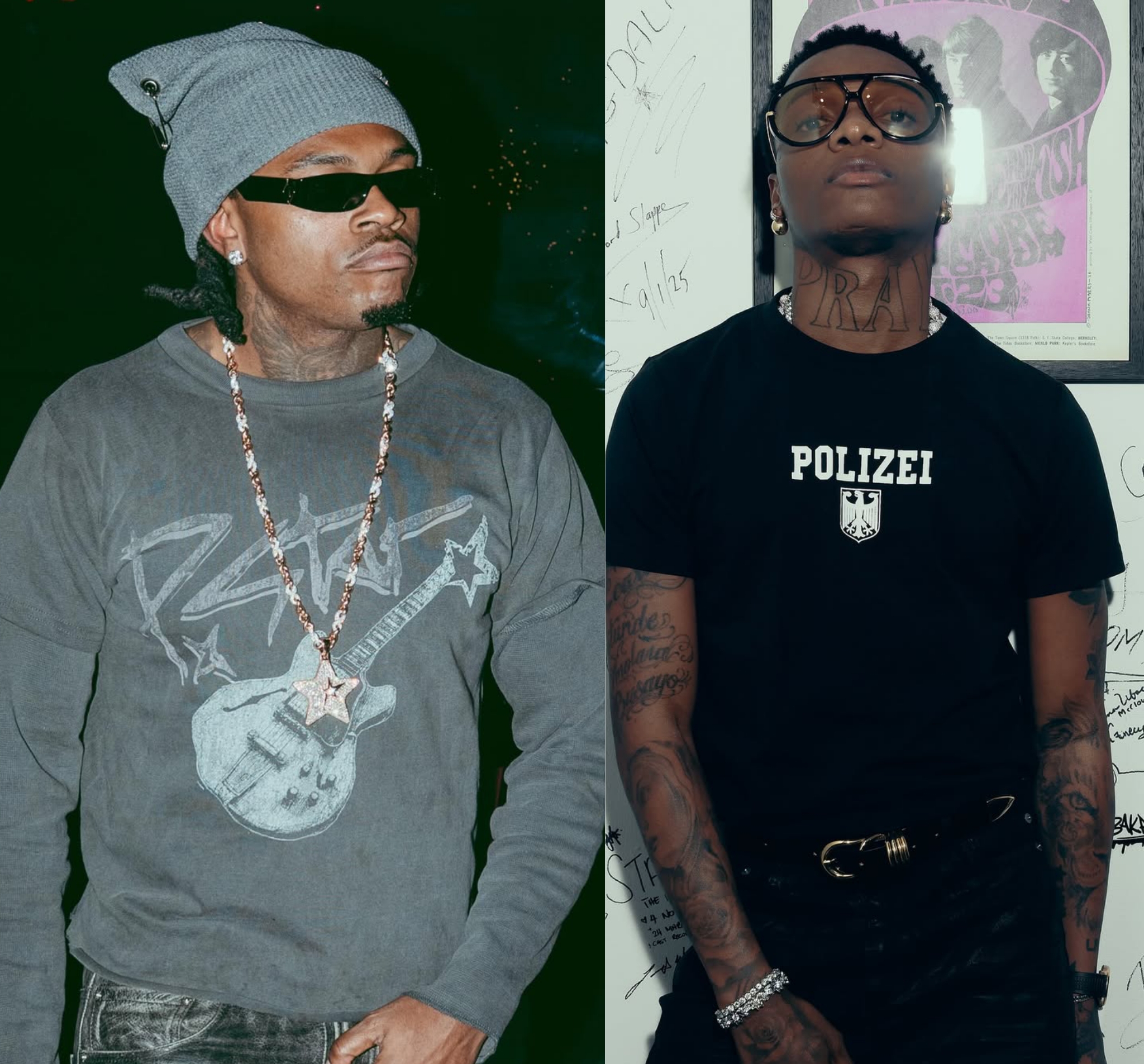
The official video for “Forever Be Mine” sees Gunna and Wizkid bring their collaboration to screen months after the song first appeared on Gunna’s sixth studio album, The Last Wun, released in August 2025. The project featured several melodic tracks and international collaborations, with “Forever Be Mine” standing out for its cross-continental pairing.
The video does not follow a storyline. Gunna appears in polished indoor settings, often surrounded by women, aligning with the song’s romantic theme. Wizkid’s scenes shift to relaxed outdoor settings, including beachside performance shots that match his laid-back delivery. Both artists remain within their familiar performance styles, and the scenes are built around mood.
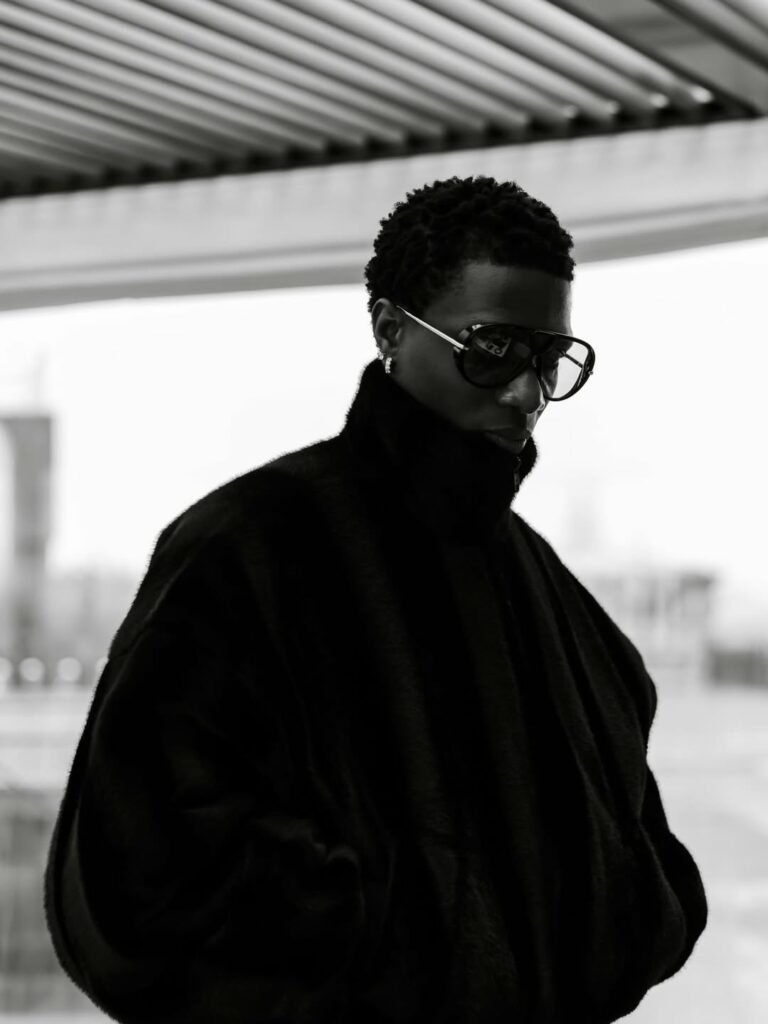
Wizkid – Instagram
The production relies on warm lighting and steady pacing, moving between interior lounge scenes and open-air shots. The song itself uses mid-tempo trap percussion layered with Afrobeats elements. Wizkid’s melodic hook contrasts with Gunna’s measured flow, creating a balance between Atlanta rap and contemporary Afropop.
For Nigerian audiences, the collaboration reflects Wizkid’s continued presence in high-profile international releases. His feature places Afrobeats within a mainstream American rap project without altering his established sound. The pairing highlights how Nigerian artists continue to secure visible roles in global hip-hop collaborations.
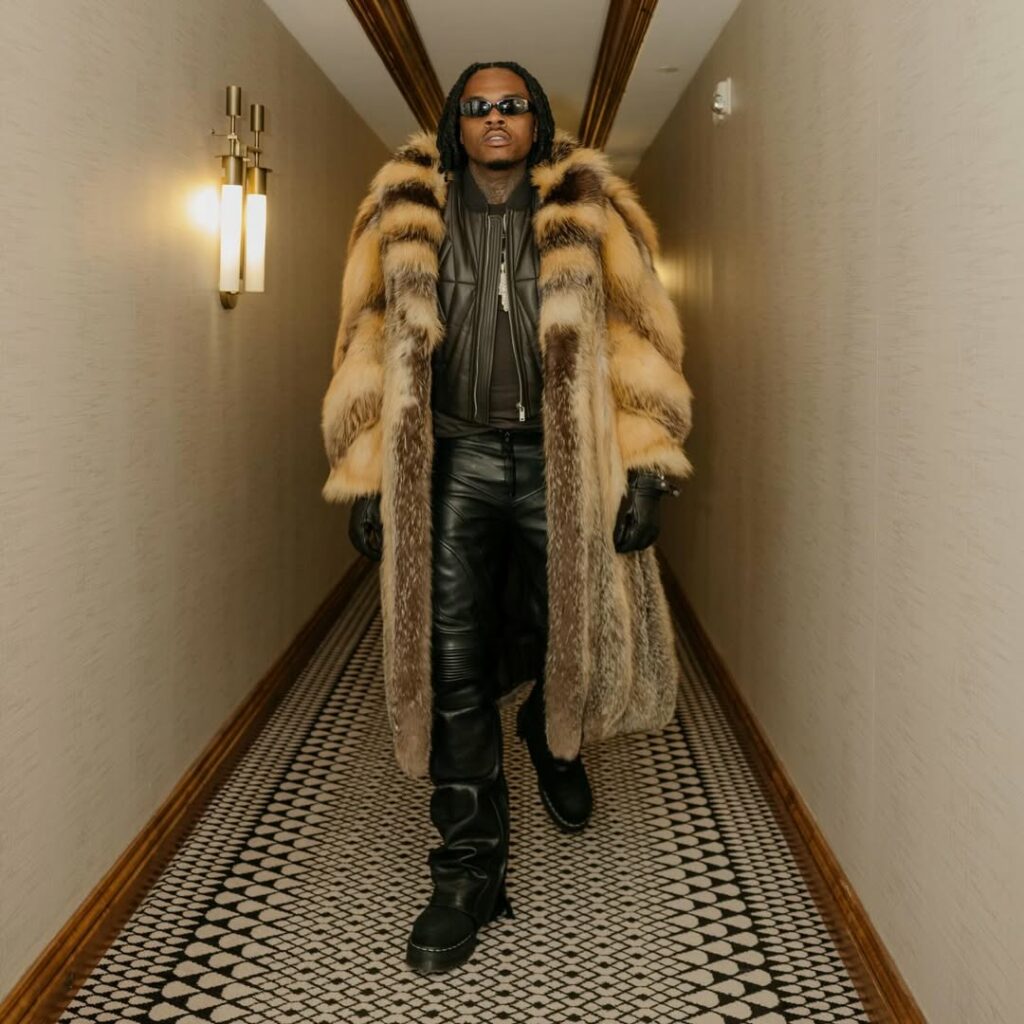
Gunna – Instagram
The video keeps its presentation straightforward. Styling is modern and minimal, with no elaborate props or heavy narrative elements. The video maintains a performance-driven approach throughout.
“Forever Be Mine” extends the lifespan of The Last Wun while reinforcing Wizkid’s role in cross-market collaborations. The result is a performance-driven visual that centres on the artists and the track itself.

The Nike Air Max Plus is Taking Over Lagos Homecoming Festival

Tracee Ellis Ross Launches Eyewear Collaboration with Emmanuelle Khanh

Priscilla Ojo Gets It Just Right in Brown Tones and Sharp Corsetry

Hawa Magaji Shows How to Style Sports Shorts

Toyin Abraham’s Over Sabi Aunty Crosses ₦1 Billion at the Box Office

Pantone’s 2026 Colour Cloud Trend Gets Uche Montana’s Seal of Approval

Uzor Arukwe, Idia Aisien and Others at the Bridgerton Season 4 Premiere in South Africa

Tolu Bally Impresses in Bold Floral Two-Piece Look
Tracee Ellis Ross Launches Eyewear Collaboration with Emmanuelle Khanh

Mr Eazi Leads DJ Cuppy Through a Private Wine Tasting

Toka McBaror’s ‘The Creek’ Trailer Drops, Full Cast (Bucci Franklin, Sam Dede, Sunshine Rosman) & What to Expect

Are We Finally Getting the R9 Album? Fans Read the Signs Around Rihanna


-
 Movies2 months ago
Toyin Abraham’s Over Sabi Aunty Crosses ₦1 Billion at the Box Office
-
 Celebrity Style3 months ago
Pantone’s 2026 Colour Cloud Trend Gets Uche Montana’s Seal of Approval
-
 Celebrity Style2 months ago
Uzor Arukwe, Idia Aisien and Others at the Bridgerton Season 4 Premiere in South Africa
-

 Celebrity Style4 months ago
Uche Montana Offers a Perfect Take on Wearing Leather
-
 Fashion3 months ago
Tolu Bally Impresses in Bold Floral Two-Piece Look
-

 Health4 months ago
Disordered Eating Vs. Eating Disorder: Experts Explain The Differences And When To Seek Help
-

 Fitness4 months ago
Glute Workouts That Deliver Real Results
-

 Movies5 months ago
4 Nollywood Movies To Watch This Week
-

 Celebrity Style4 months ago
November’s Best Dressed Star
-

 Sex & Relashionships3 months ago
Dating App Worth Swiping Right on in 2026