
Music
Tiwa Savage Was in New York for Her Album Media Run


Tiwa Savage recently embarked on a media run in New York to promote her latest album “This One is Personal” a 15-track masterpiece which showcased her life and growth as an artist. She stopped by Apple music and had a sit-down intimate chat with oldmanebro.
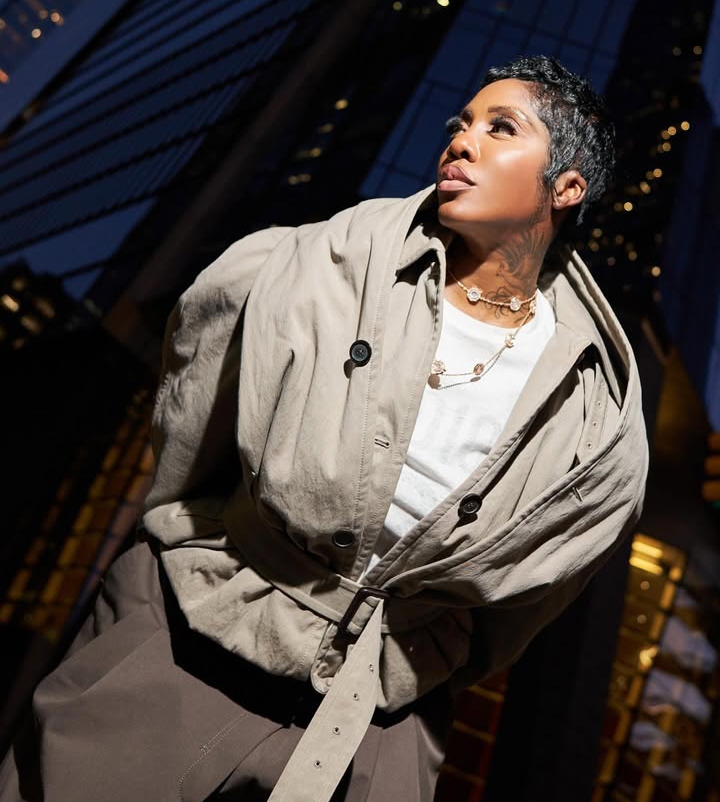
Tiwa Savage in New York City
During the interview with oldmanebro, she opened up about everything—music, life as a woman hustling her way through the industry, those moments nobody sees behind the glitz. Some of her stories were deeply personal and universally relatable; you can tell she’s lived a little.
Her album “This one is Personal” is a testament to her artistic prowess. She blended afrobeats, R&B, and pop, showcasing her versatility. The album recently tops 18 on UK chart, making it a big win for the album.
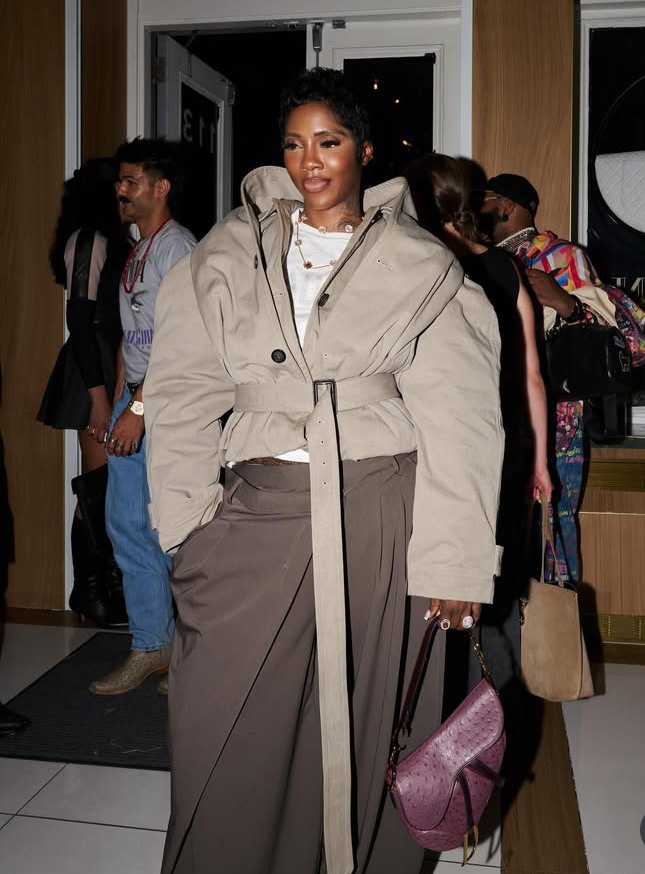
Tiwa Savage
What is Tiwa without a chic fashion style for her media runs? She’s known for her iconic dress sense. She doesn’t do too much; always keeping it simple and stylish. She turned up for this interview looking like the afrobeats queen that she is. She’s dressed in a thick beige coloured padded jacket with a bold collar, cinched at the waist with a matching fabric belt. Underneath the jacket is a white top. She pairs this with a wide-leg, flowy dark grey trousers. She completes this look with her dark purple structured saddle-style bag with distinct detailing and her signature tiwa short hair style.
Her media run in the New York serves as a reminder of her talent, and her unwavering dedication to her craft.










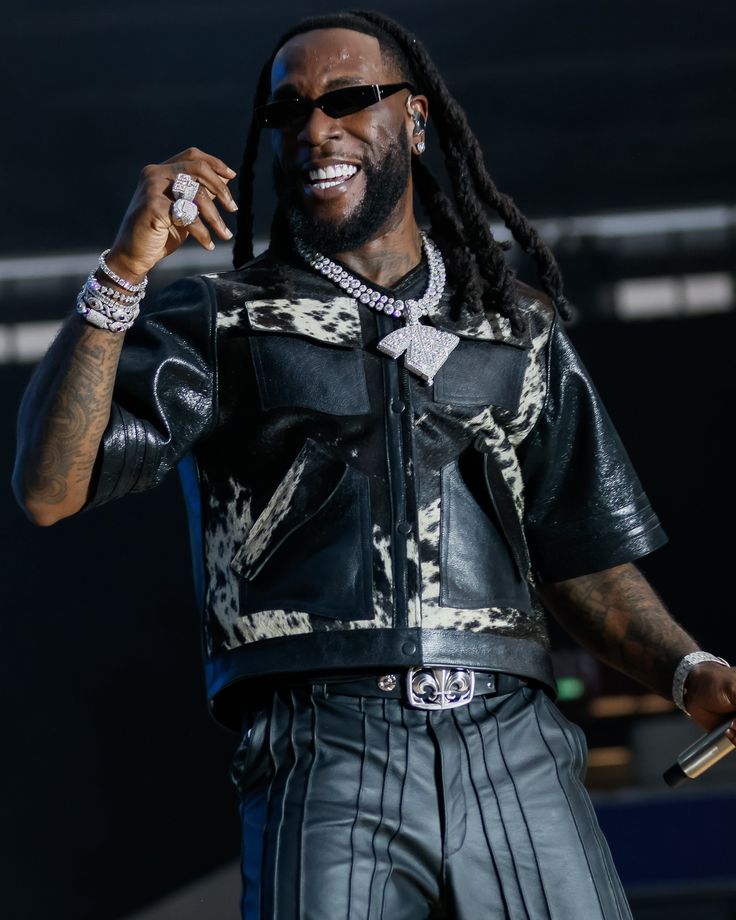
Burna Boy is debuting in India for the first time. The Grammy-winning Nigerian star is on the lineup for Rolling Loud India 2026, and he will headline Day 1 on Saturday, December 12, in Mumbai. American producer Metro Boomin joins him at the top.
The festival goes on for two days, December 12 and 13, and the full lineup was announced on October 19. Thirty artists will perform, and ten of them have Indian roots.
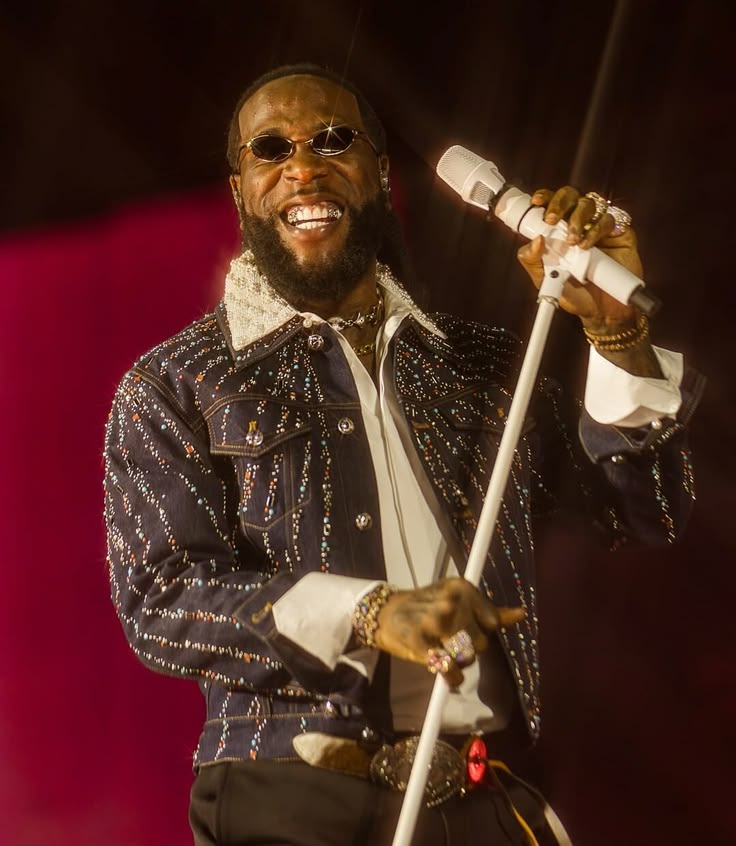
Photo: Pinterest/@Ravi Sidhu
Burna Boy, Metro Boomin and UK grime artist Skepta will all perform in India for the first time. Big Sean is also making his India debut. Others on Day 1 include GoldLink, Haryanvi rapper Dhanda Nyoliwala and Steel Banglez. Slayr and Paal Dabba also perform that day.
Day 2 on December 13 is headlined by Karan Aujla and Skepta. ScHoolboy Q and Seedhe Maut will also perform that day. Aujla is back for the second year running. In 2025, when the festival made its India debut, he became the first Punjabi artist to headline Rolling Loud India.
Burna Boy won the Grammy for Best Global Music Album in 2021 with “Twice as Tall”. He has also worked with Punjabi singer Sidhu Moose Wala on a collaboration.
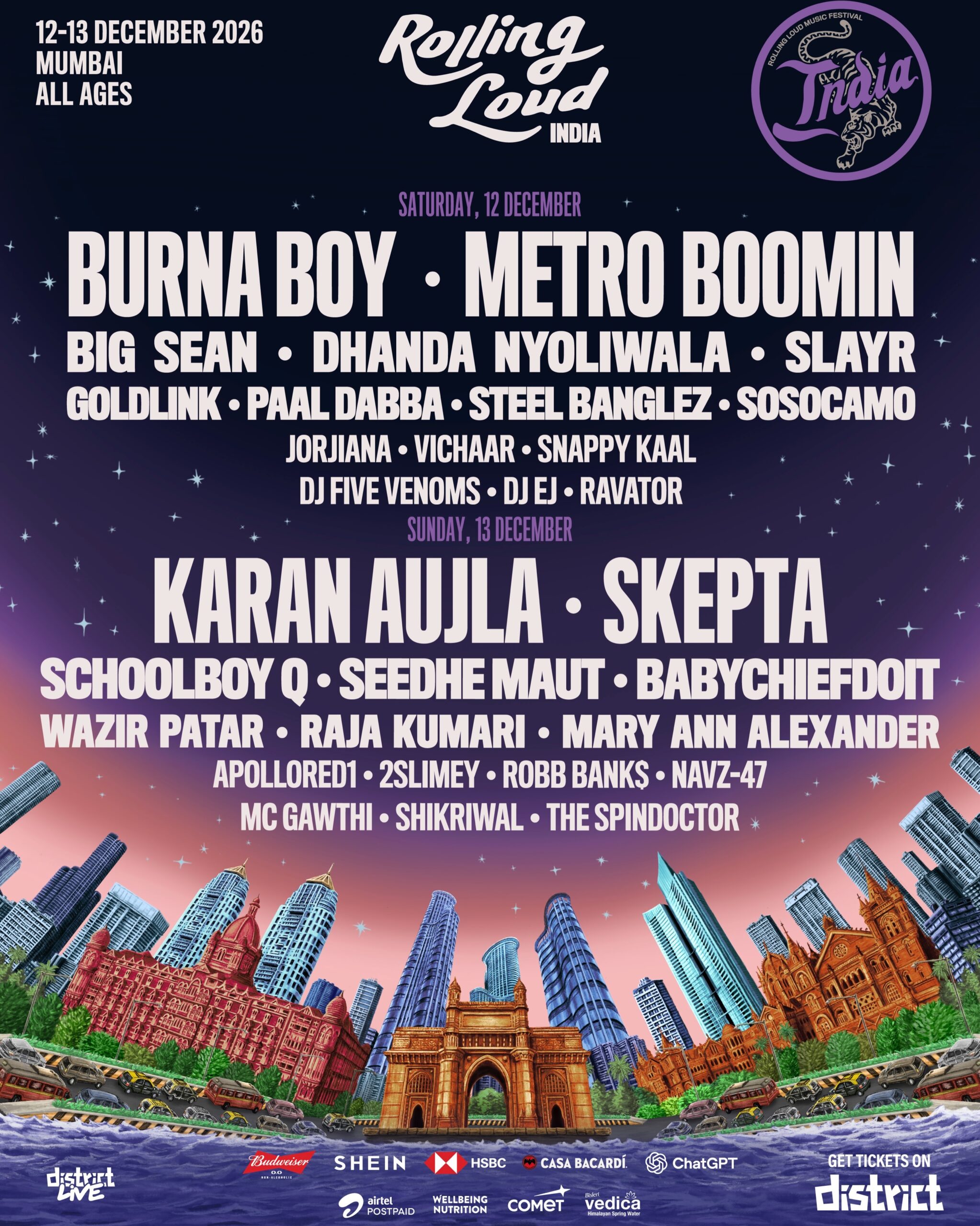
Photo: Instagram/@rollingloud
The first India edition was held on November 22 and 23, 2025, at Loud Park in Navi Mumbai. Central Cee, Wiz Khalifa and Don Toliver performed alongside Aujla that year.
Rolling Loud co-founder and CEO Matt Zingler said fans in India were open to all kinds of music, and that this shaped how the lineup was put together.
Tickets are sold exclusively on District, and the festival is open to all ages.
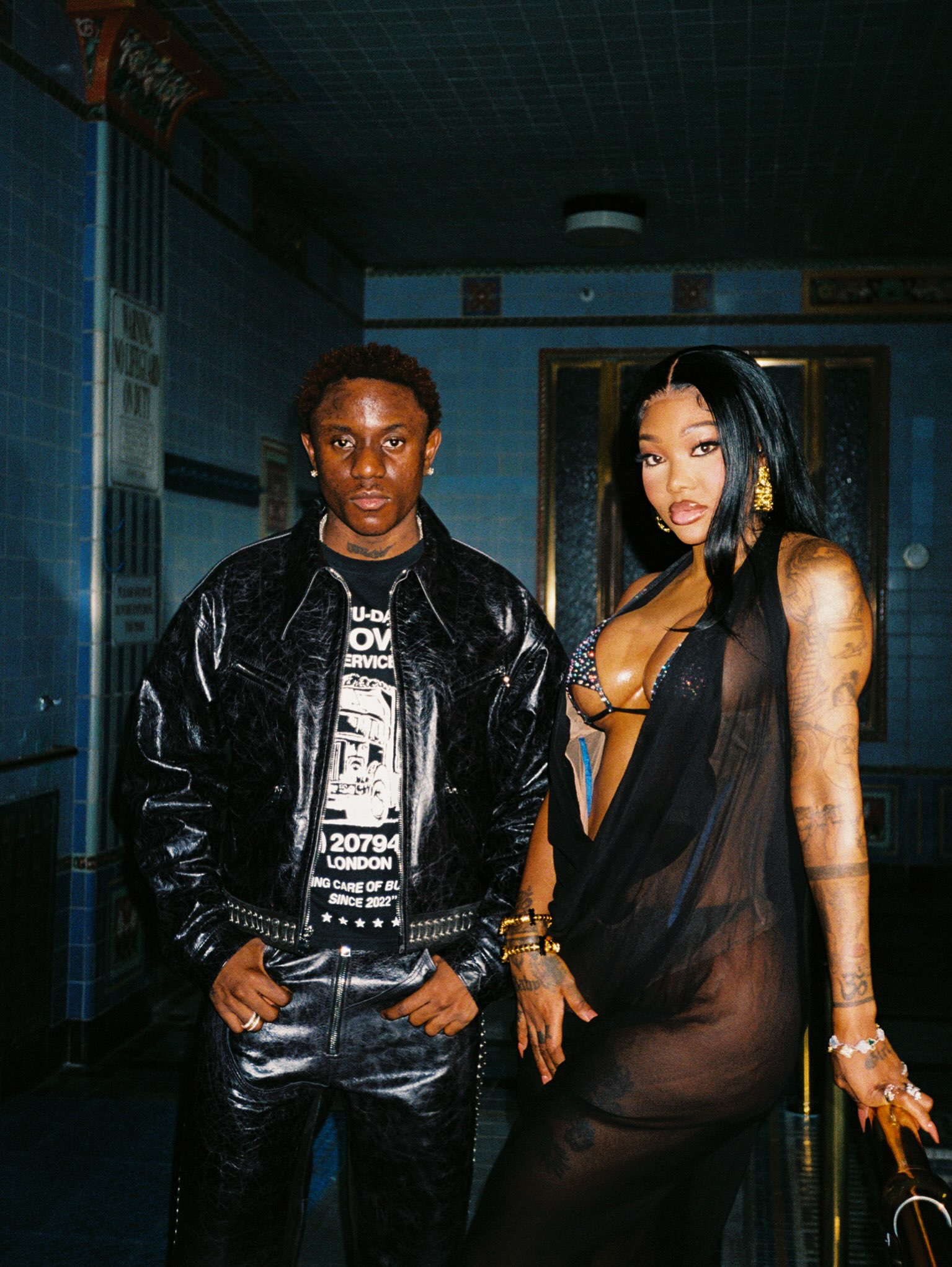
Victony has released the official video for the SLICK remix, and he shot it in a locker room and an indoor pool. The video was uploaded at midnight on October 16 and lasted for 2 minutes 31 seconds. Only Victony and Summer Walker appeared on screen. Don Toliver was on the song but not in the visuals.
The video started in a bright locker room full of wooden lockers. Women in matching light blue bodysuits dance around, with blue and white striped towels thrown on the benches. Later, the settings shifts to a tiled pool with gold railings, where women in blue swimsuits and swim caps posed in the water.
Victony appeared at the poolside in a black jacket with thin white stripes on the front and sunglasses. He stood still against the blue wall while the swimmers stretched out beside him. In another scene, he wore a shiny black leather jacket with glossy trousers while singing and making little gestures with his hands.
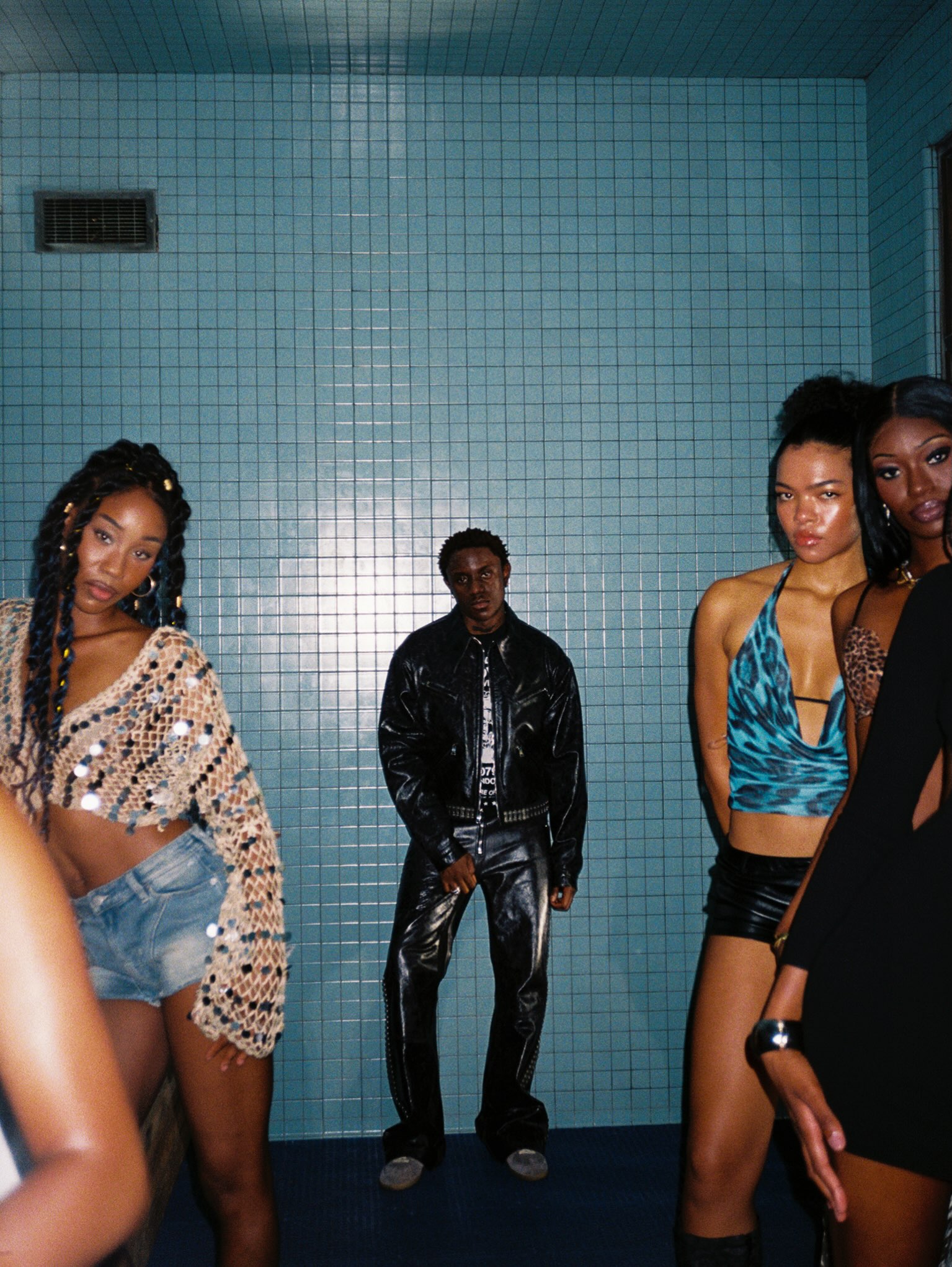
Photo: Instagram/@vict0ny
Summer Walker appeared in the darkest scenes. She leaned on a railing in a glittery two-piece under a sheer outfit, with only black behind her. In another shot, she wore a rust-coloured one-shoulder gown with big hoop earrings and bangles. The light hit her from the side, so half of her body stayed in shadow.
The dancing in the locker room and at the poolside suited SLICK, an Afrobeats song made for the dance floor. Summer Walker’s scenes, lit low and dark, suited her calm R&B delivery. The song came out in July 2026 and stayed at number one on Nigeria’s Official Top 100 for three weeks, Victony’s first solo song to do that. It also spent 13 weeks at number one on the UK Official Afrobeats Chart and reached number 2 on Billboard’s US Afrobeats Songs chart.
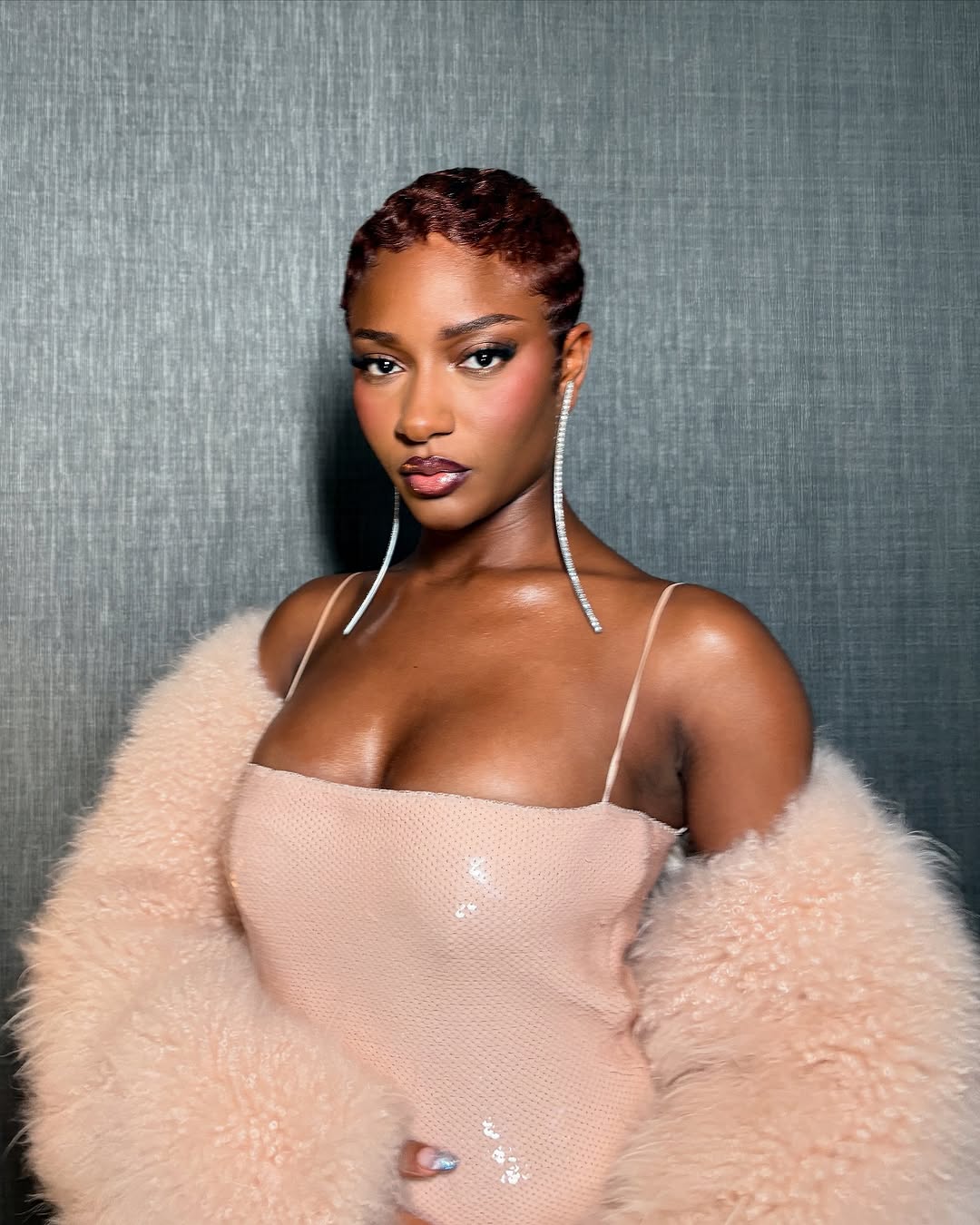
Ayra Starr has announced the StarrGirl World Tour. It covers 20 cities across Europe, the UK and North America and begins in January 2027.
The tour is for her third studio album, “Starrgirl”, which came out on August 14, 2026. She opens on January 20 at Live Music Hall in Cologne, Germany, and closes on April 14 at The Fillmore in San Francisco.
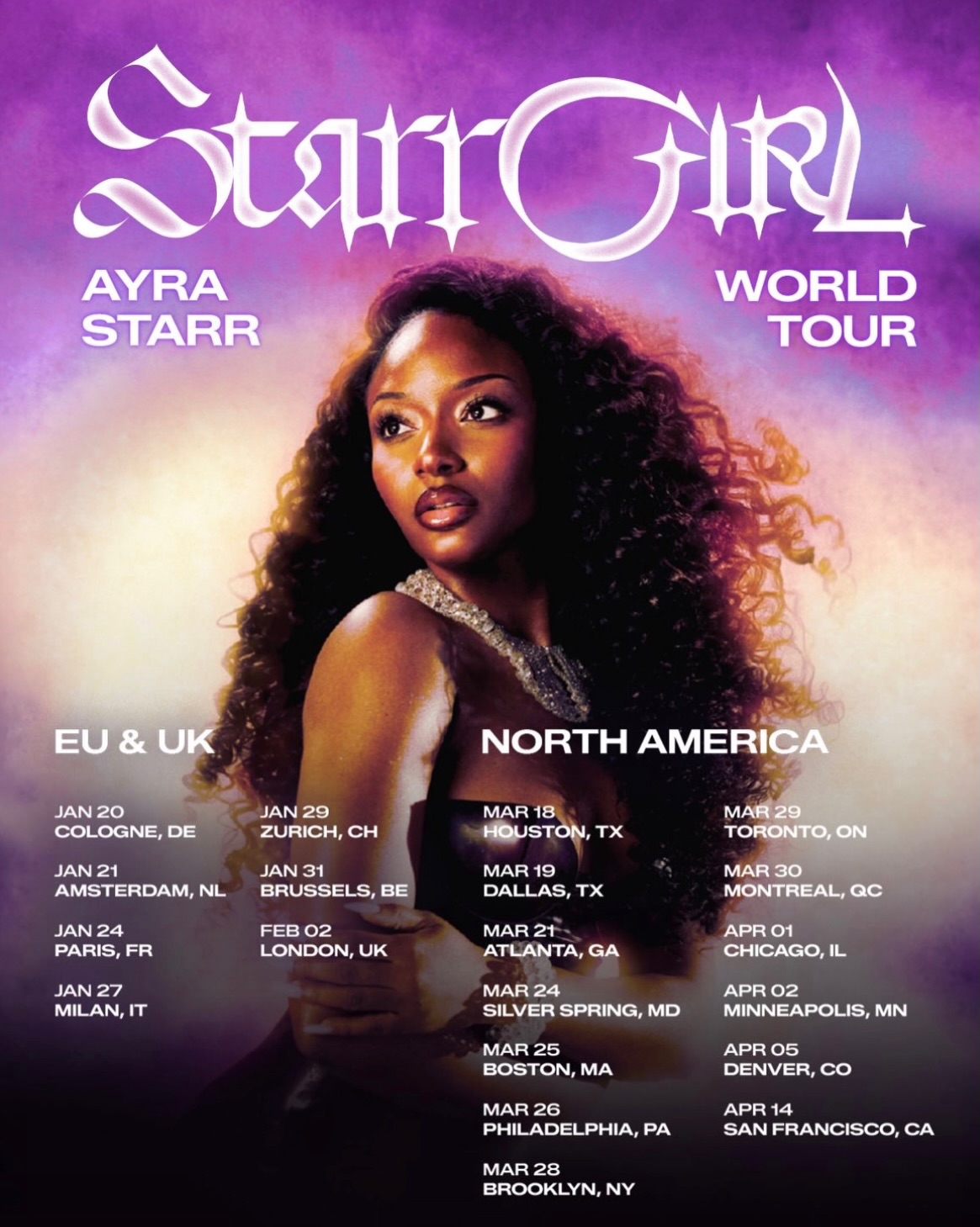
Photo: Instagram/@ayrastarr
In Europe, she plays Amsterdam on January 21, Paris on January 24, Milan on January 27, Zurich on January 29 and Brussels on January 31. The European leg ends in London on February 2 at Shepherd’s Bush Empire.
The North American shows start on March 18 in Houston. She then plays Dallas on March 19, Atlanta on March 21, Silver Spring on March 24, Boston on March 25, Philadelphia on March 26 and Brooklyn on March 28. After that come Toronto on March 29, Montreal on March 30, Chicago on April 1, Minneapolis on April 2 and Denver on April 5, before the San Francisco show.
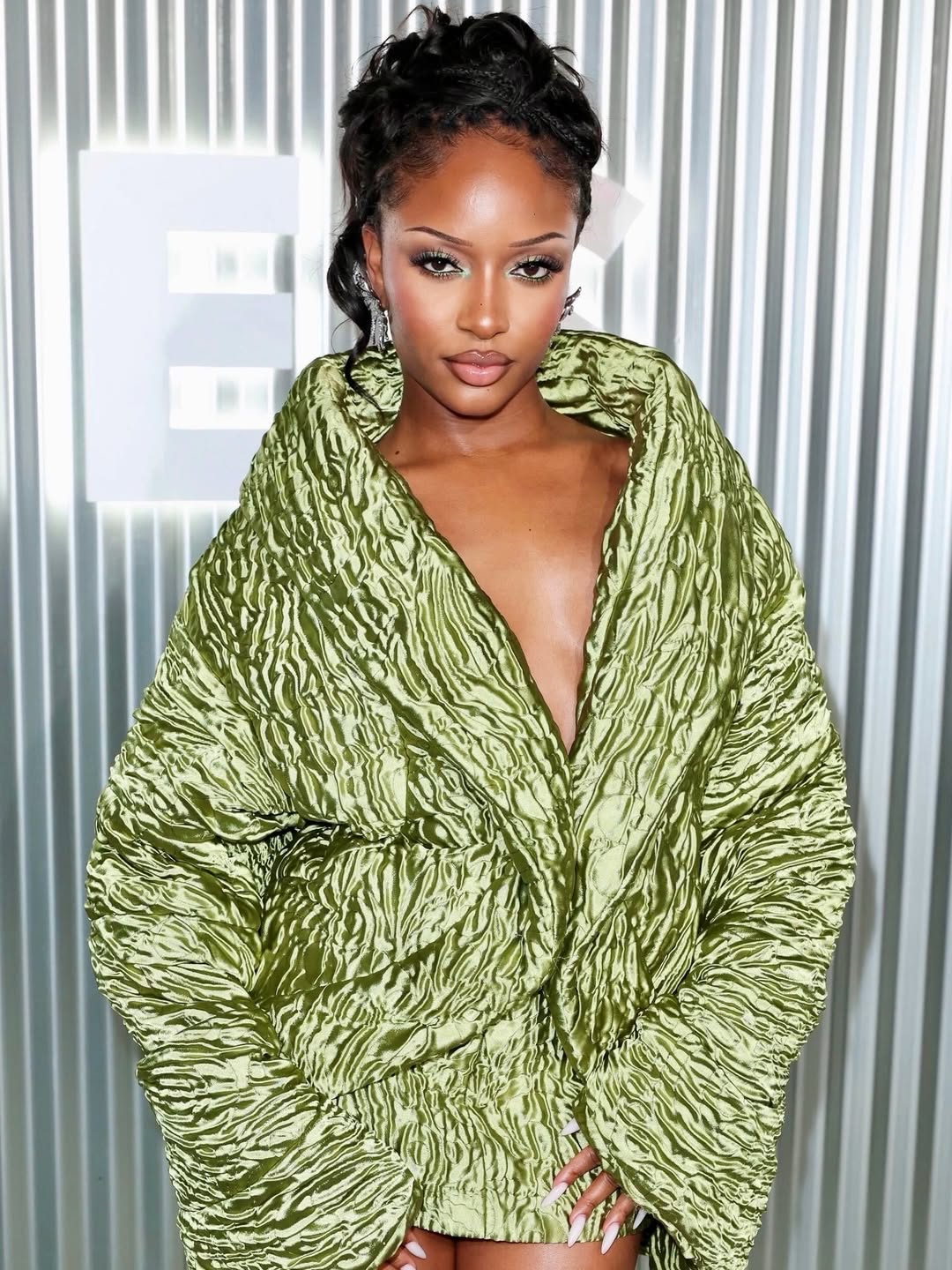
Photo: Instagram/@ayrastarr
She announced the tour just after performing at the halftime show of the NFL game at Tottenham Hotspur Stadium in London on October 11.
Fans in Europe and the UK can access the artist presale from October 14, while Mastercard presale access is available to eligible cardholders in France, Italy and Belgium. General sales for all dates open on Friday, October 16, at 10am local time on Live Nation.

Nail Colours for Dark Skin: What to Wear and What to Skip

Francis Duru Dies at 57

Broda Shaggi Reveals He Was Hit by a Stray Bullet

How to Protect Yourself From Ebola Virus Disease

Laura Ikeji Proves Polka Dots Are Back and Better Than Ever

5 Nollywood Films to Stream on YouTube

What Exactly Are Ayra Starr and ZAYN Singing About on “Heaven Baby”?

These Nigerian Bag Brands Are Raising the Bar for Made-in-Nigeria Fashion
Broda Shaggi Reveals He Was Hit by a Stray Bullet

New Nigerian Movies to Watch on Netflix

Ayra Starr Performs ‘Rush’ and ‘Heaven Baby’ at NFL Halftime Show in London | Watch Video

Ayra Starr and ZAYN Finally Share the Screen in “Heaven Baby” Video


-
 Celebrity Style2 weeks ago
Nancy Isime Gives Aṣọ Òkè a Cool, Corporate Look
-
 Big Brother Naija2 months ago
Gerard Evicted from Big Brother Naija
-
 Music1 month ago
Rema Tackles Mixed Signals and Desire on New Single “Oh No”
-

 High Tech1 month ago
Samsung, Duolingo Throw Shade at Apple Over iPhone Duo Reveal
-

 Fragrance2 months ago
Nigerian Fragrance Brands Winning Right Now — and You Need to Try
-

 Lifestyle1 month ago
5 Beaches in Lagos for Your Next Staycation
-

 Celebrity Bios1 month ago
Tems’ Journey From Lagos to Global Stardom
-

 Models2 months ago
Tamunosoye Karibi-George Secures Top 12 Finish at Miss World 2026
-

 Big Brother Naija1 month ago
Keivo Emerges as Week 9 Head of House, Barry Grants All Housemates Immunity
-

 The Best Dressed Celebrities This Week1 month ago
The Best Dressed Stars Of The Week