
Top Xclusiv
Bucci Franklin Isn’t Just a Leading Man — He’s a Style Statement

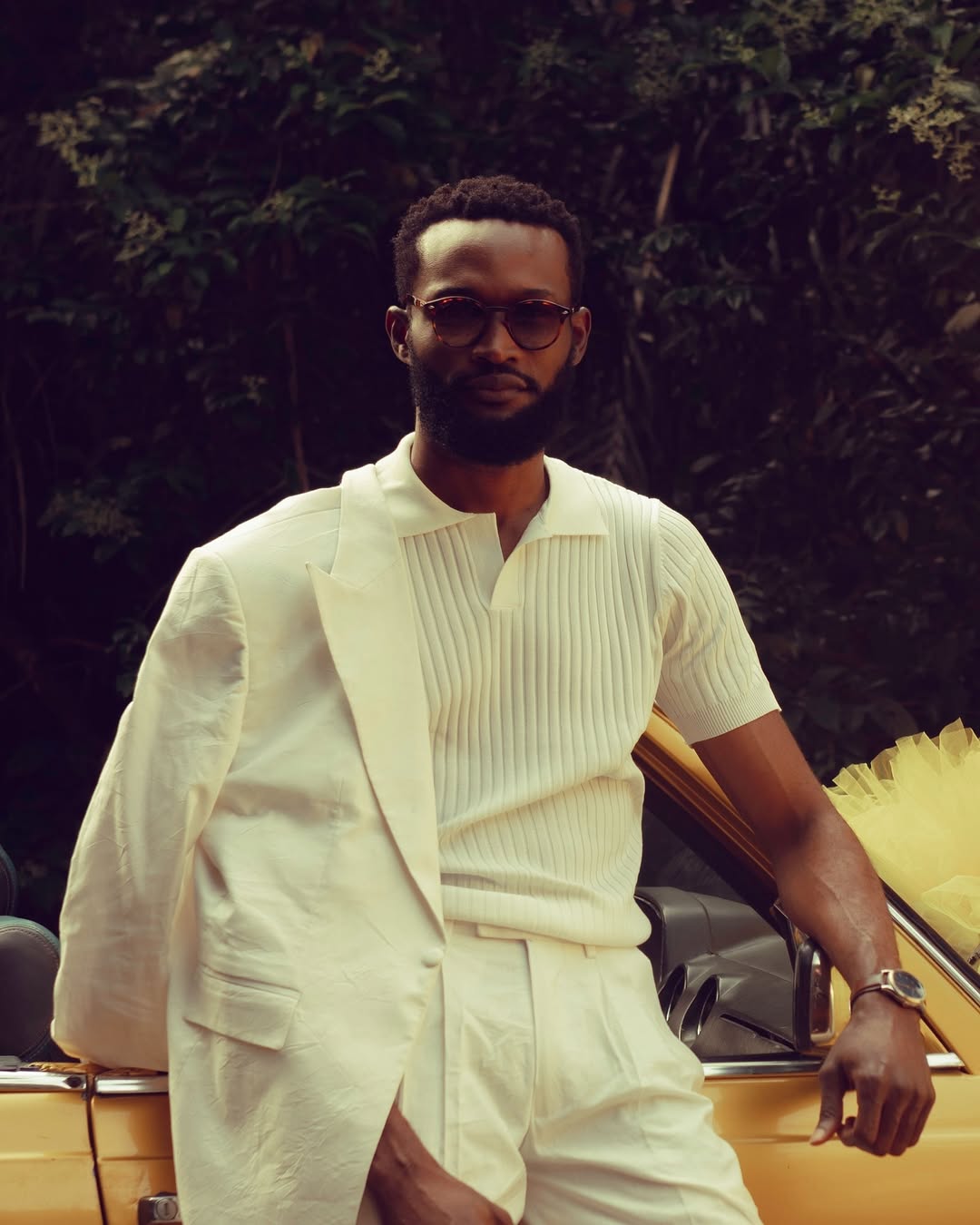
Bucci Franklin has a way of standing out, without saying anything at all. It’s not the clothes that draw attention, it’s the ease with which he wears them. His style is sharp, but never stiff. On red carpets or in everyday moments, he wears simple pieces with intention—nothing overdone, everything in place.
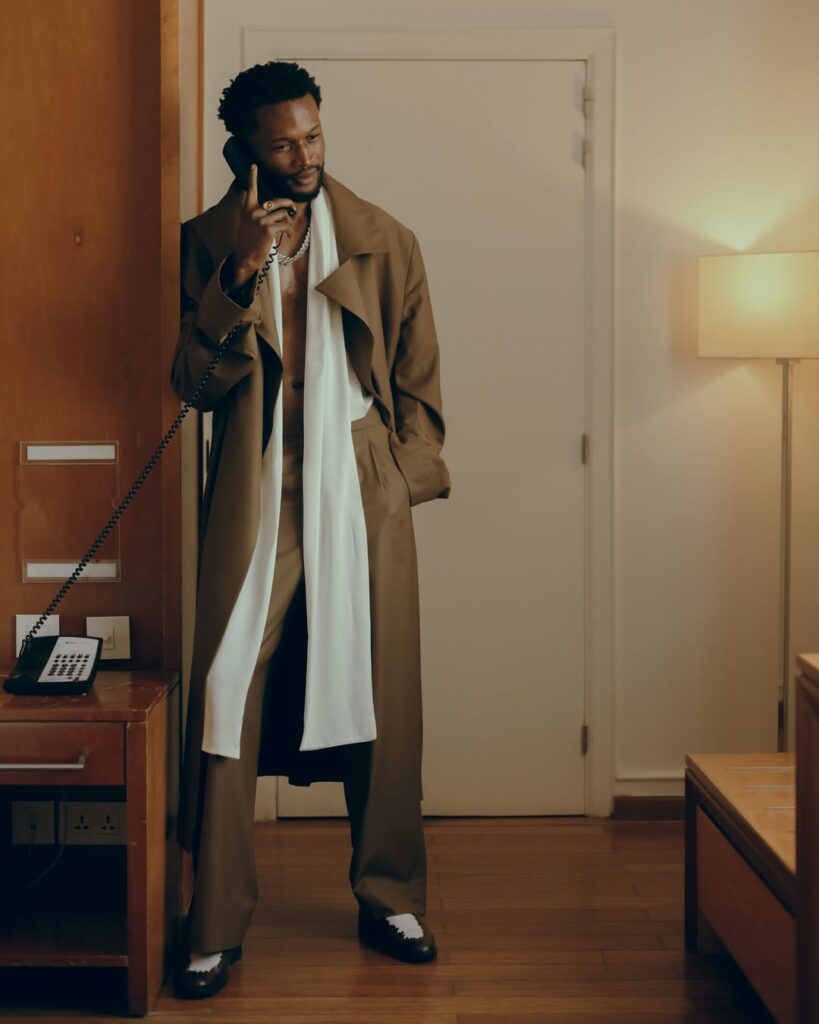
His style leans into sharp tailoring, clean lines, and an understated ease that’s hard to miss. There’s no obsession with logos or trends, just clothes that fit right, choices that feel deliberate, and a sense of presence that comes from knowing exactly what suits him. It’s the kind of dressing that doesn’t beg to be noticed, but always is.
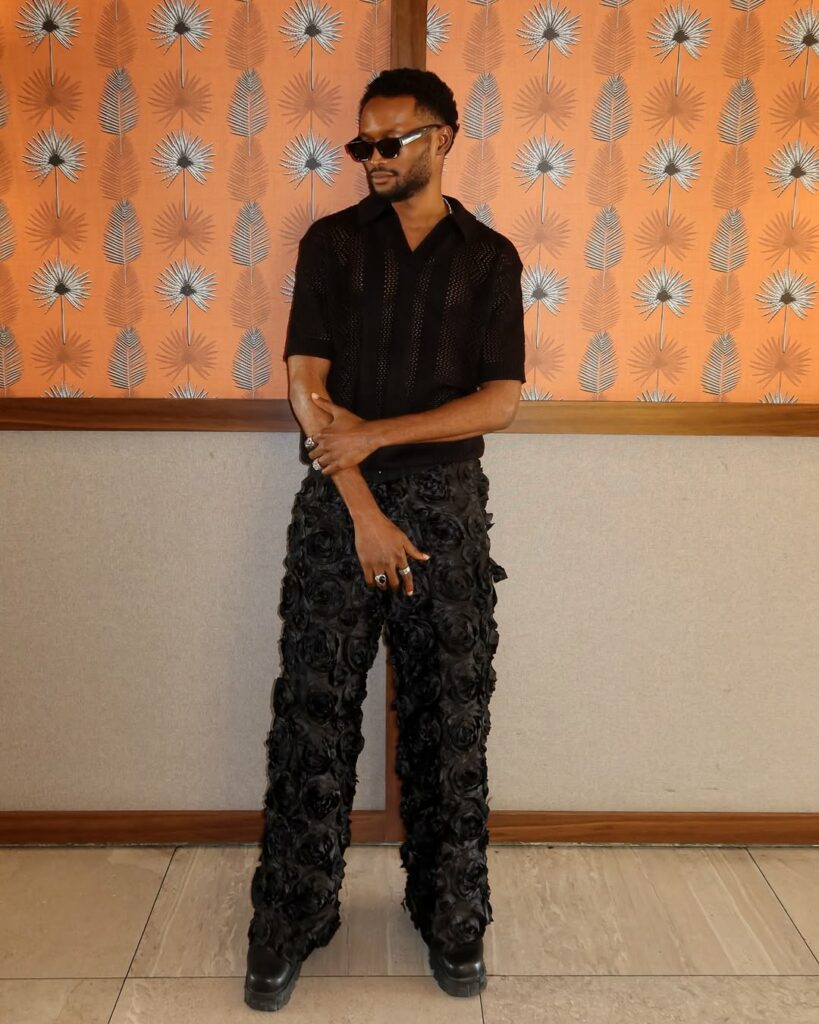
In To Kill a Monkey, where he plays Oboz—a smooth-talking figure with a dangerous edge, his wardrobe mirrors the same control we’ve seen offscreen. But even when the cameras stop rolling, Bucci’s personal style doesn’t soften. If anything, it’s more honest. A jacket might be perfectly structured, but worn open with a T-shirt. Trousers might taper cleanly at the ankle, paired with boots that look like they’ve walked through Lagos more than once. There’s no performance in it, just polish.
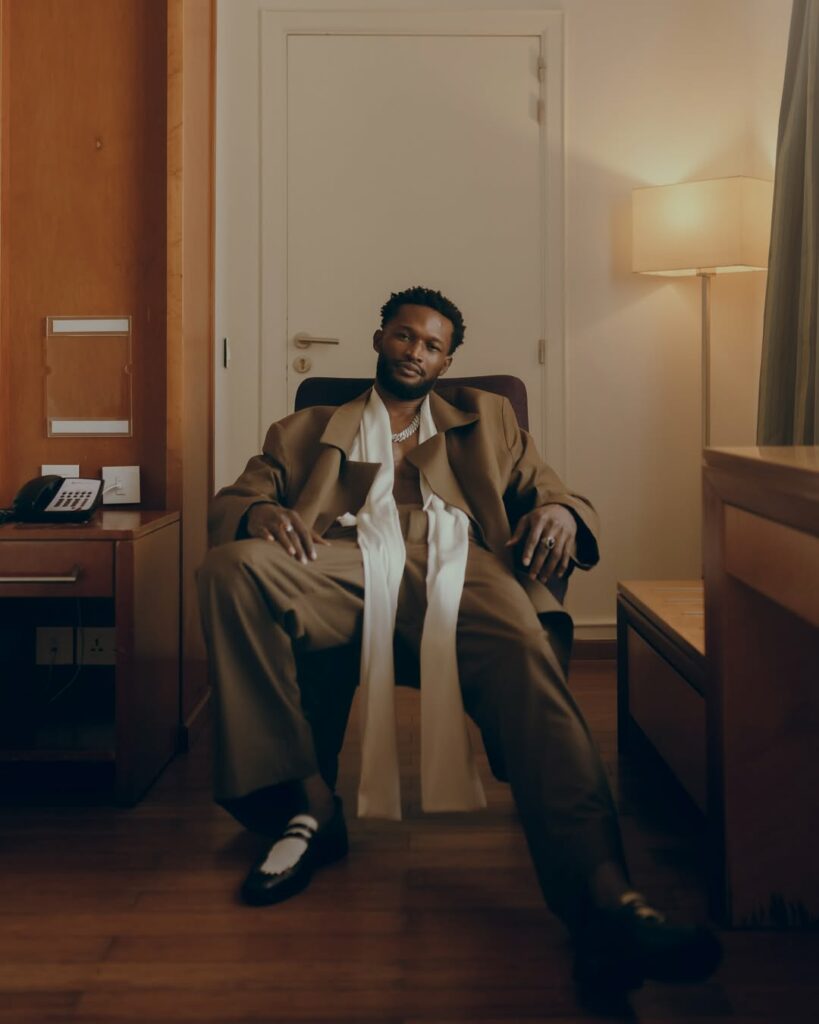
What makes Bucci’s style stand out is how grounded it feels. He doesn’t dress like he’s performing for the camera, even when he’s standing in front of one. There’s a rhythm to what he wears, nothing loud, nothing lazy. Just well-cut pieces, worn like they’ve been lived in. And while it’s clear he pays attention to detail, there’s no sense of trying to impress anyone. That’s part of the charm.
He also doesn’t overcomplicate things. While others layer trends and chase new looks, Bucci stays steady. He works with what fits and sticks with what feels right. There’s a consistency to his style that reads as self-assured, not safe. It’s the kind of dressing that says: this is me, not look at me.
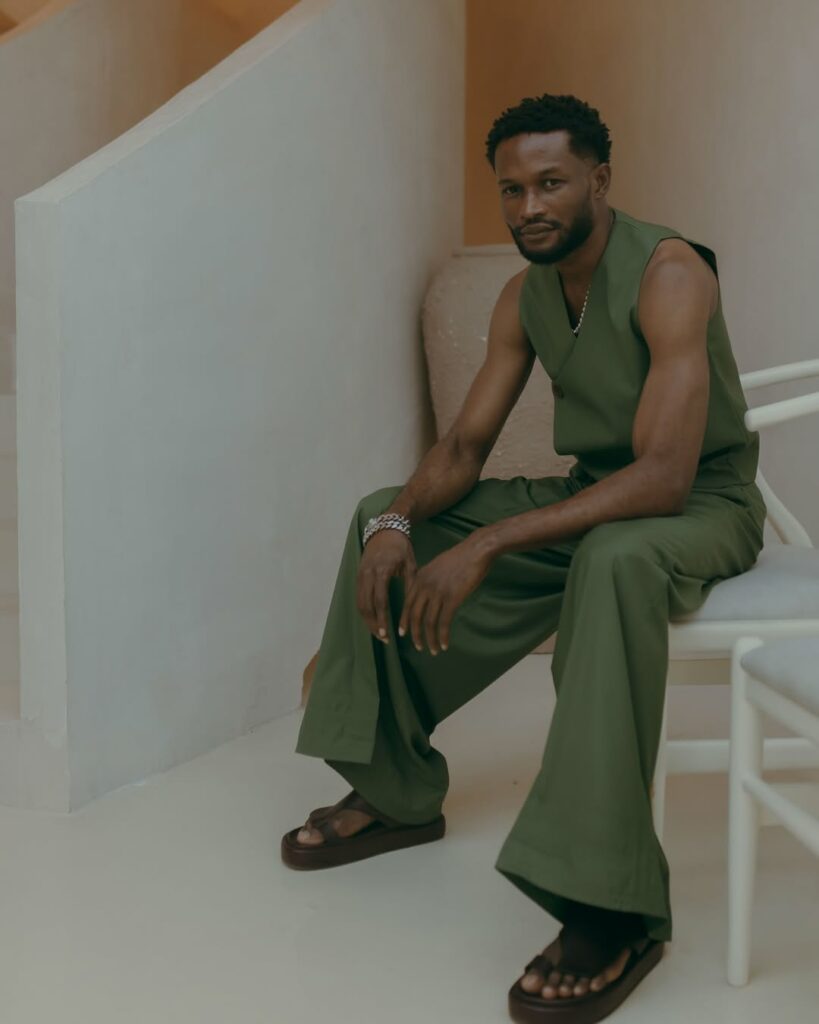
Even when he’s dressed up, it’s never stiff. You can tell the clothes move with him. A crisp white shirt, a dark suit, maybe no tie—but always a look that makes sense for the man wearing it. He doesn’t vanish inside the outfit. He brings it to life.
In an industry where appearance often overshadows substance, Bucci Franklin keeps things grounded. He pays attention to detail, but never lets it feel like a performance. What he wears reflects the same steadiness he brings to his roles—measured, thoughtful, and quietly sure of itself.






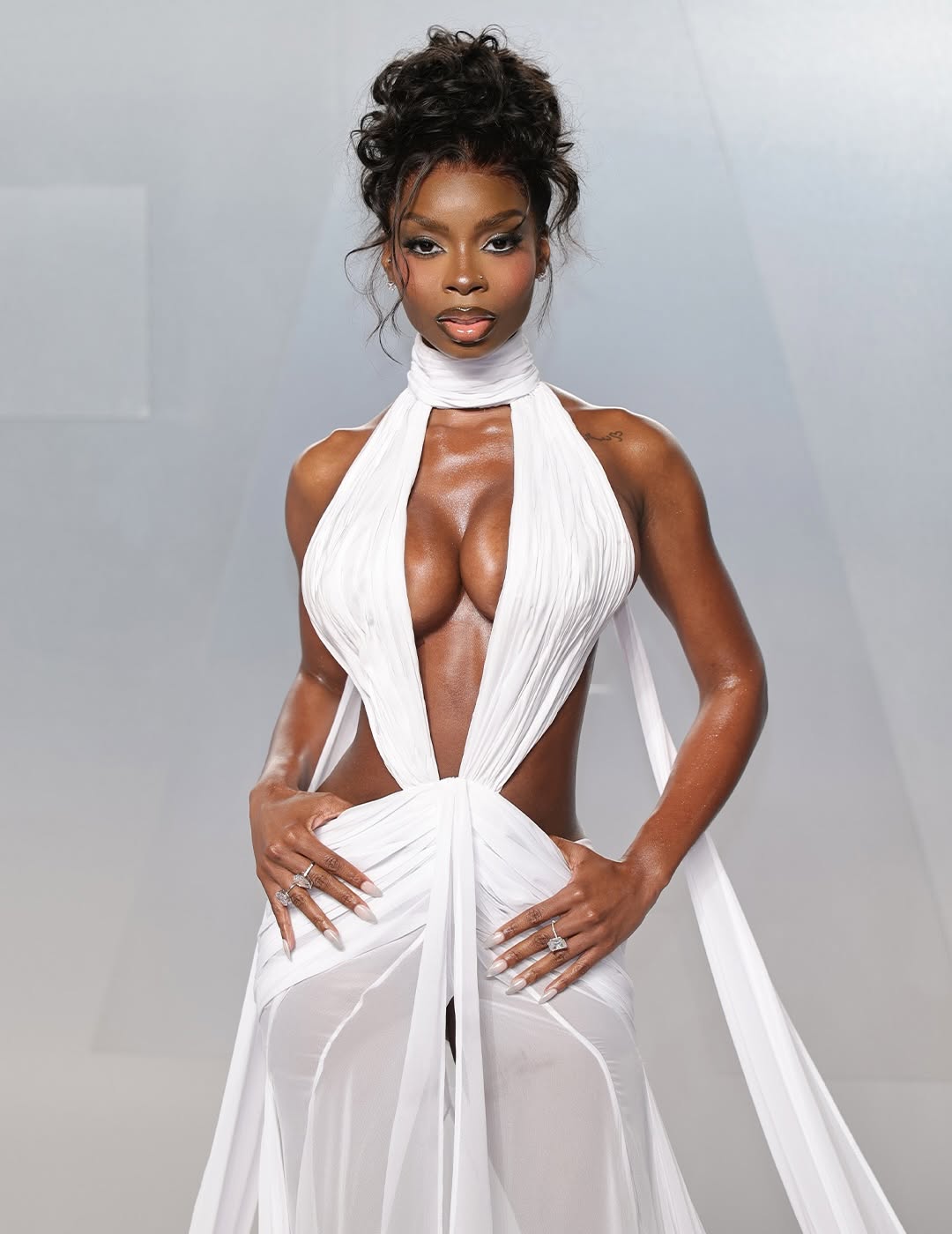
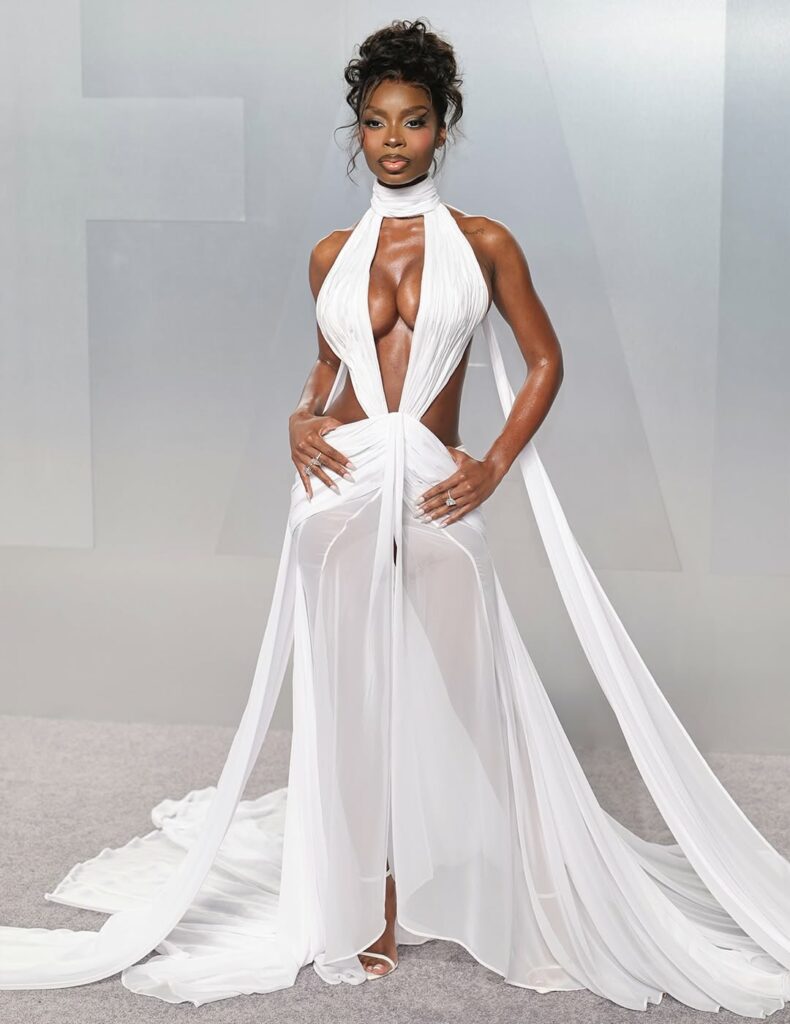
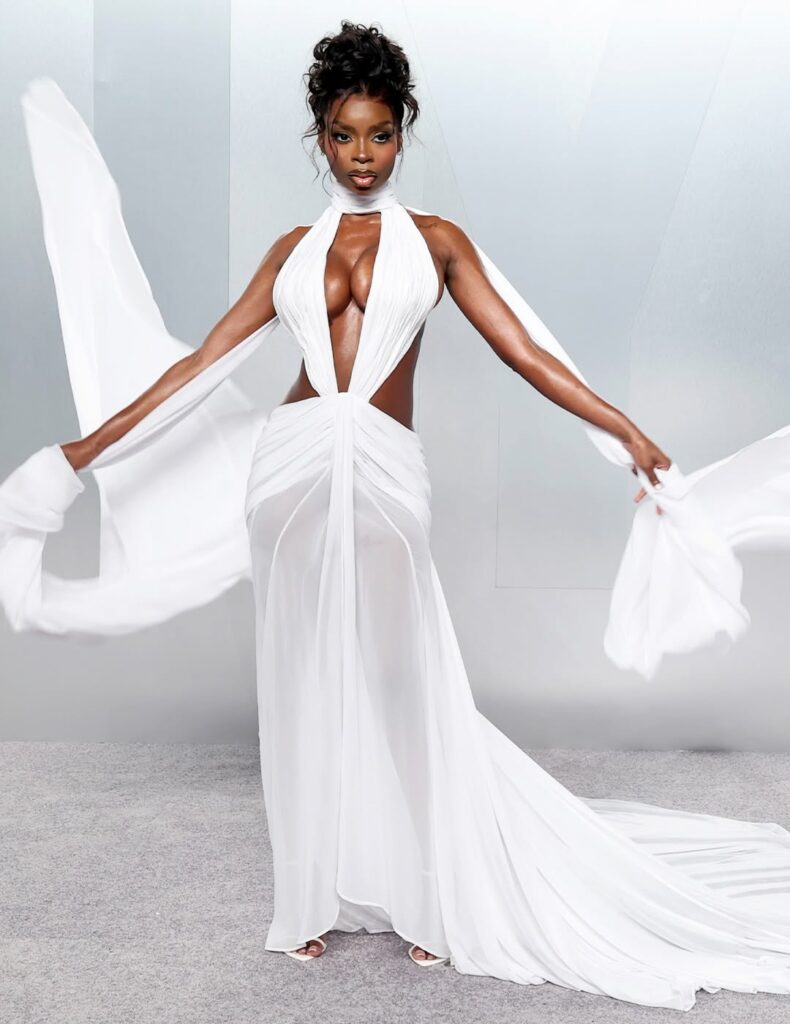
After the Oscars ceremony, the Vanity Fair after‑party becomes its own runway, where attendees arrive in remarkable looks and make as much of a style statement as they did on the official red carpet. Olandria Carthen, who has been making headlines for her fashion looks since appearing on Love Island USA as “Bama the Barbie,” lived up to her reputation at the 2026 Vanity Fair Oscars after‑party in Los Angeles on March 15, 2026, wearing a custom white gown by Pajtim Raci.
Olandria Carthen – Instagram
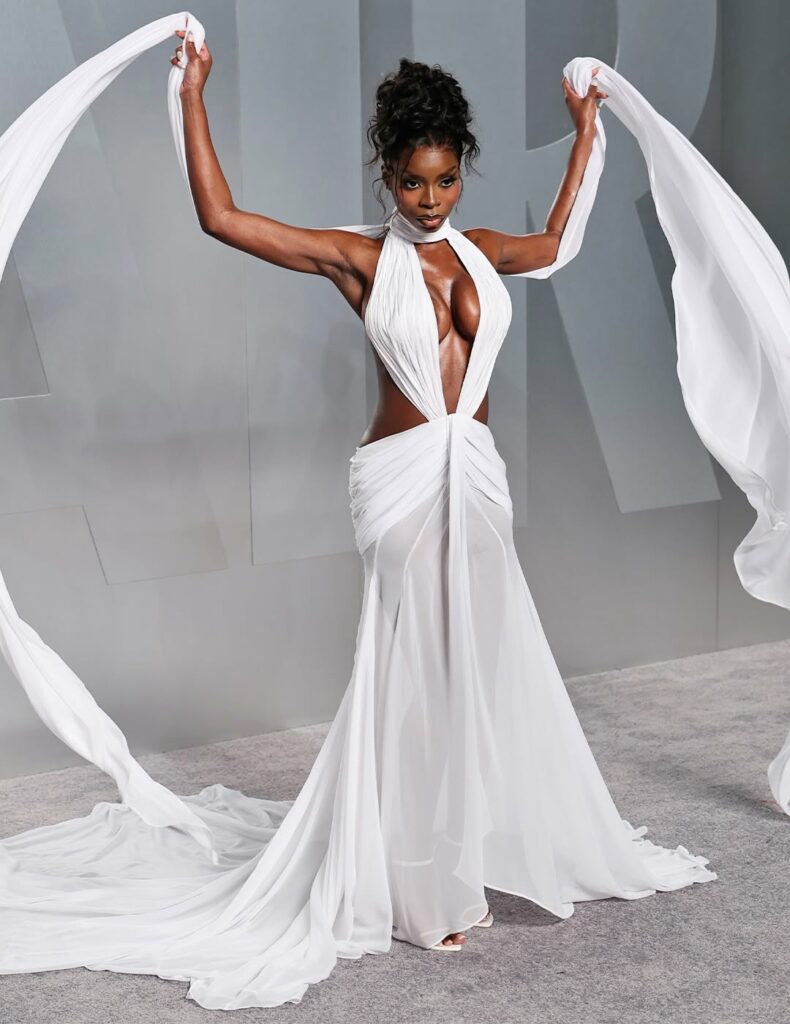
Olandria wore a custom pleated gown featuring a dramatic halter-neckline that transitions into a plunging, open front bodice. The bodice is tightly ruched, all the white chiffon pulled into a single structured point at the waist before opening into a sheer floor-length skirt with a train.
Olandria Carthen – Instagram
Wide cutouts on both sides of the waist left her midsection exposed, reflecting the gown’s deliberate design.
Her hair was styled in a loose curly updo with a few pieces falling around her face. Makeup included sculpted eyebrows, a soft smoky eye, and a glossy 90s inspired lip. Accessories were diamond pieces by Azature, including statement rings.
Olandria Carthen – Instagram
This gown showed a more sculptural side of Pajtim Raci. Chiffon is a difficult fabric to work with keeping the bodice firm while allowing the skirt and cape to flow is not easy. Pajtim got it right, and Olandria had no trouble wearing it. That credit belongs to the designer.

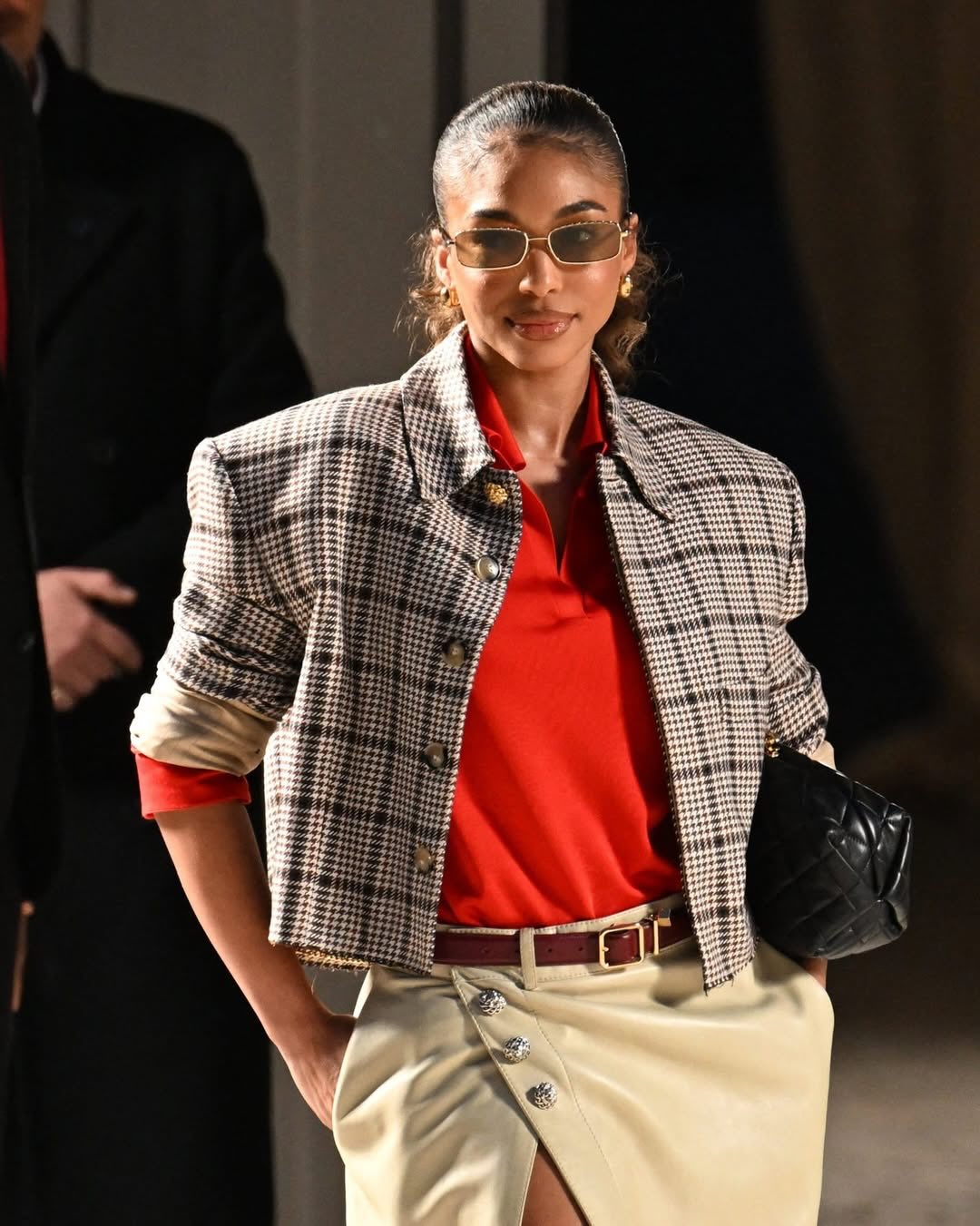
Lori Harvey stepped out for the Chanel Fall/Winter 2026 Womenswear Show in Paris, wearing a look that paired a cropped tweed jacket with a vivid red blouse and a beige Chanel skirt cut with a striking high slit.
The look consists of a bright red blouse worn beneath a cropped brown and cream tweed jacket. The blouse was slightly open at the collar, creating a V-shaped neckline. The jacket featured tweed fabric and metallic buttons along the front.
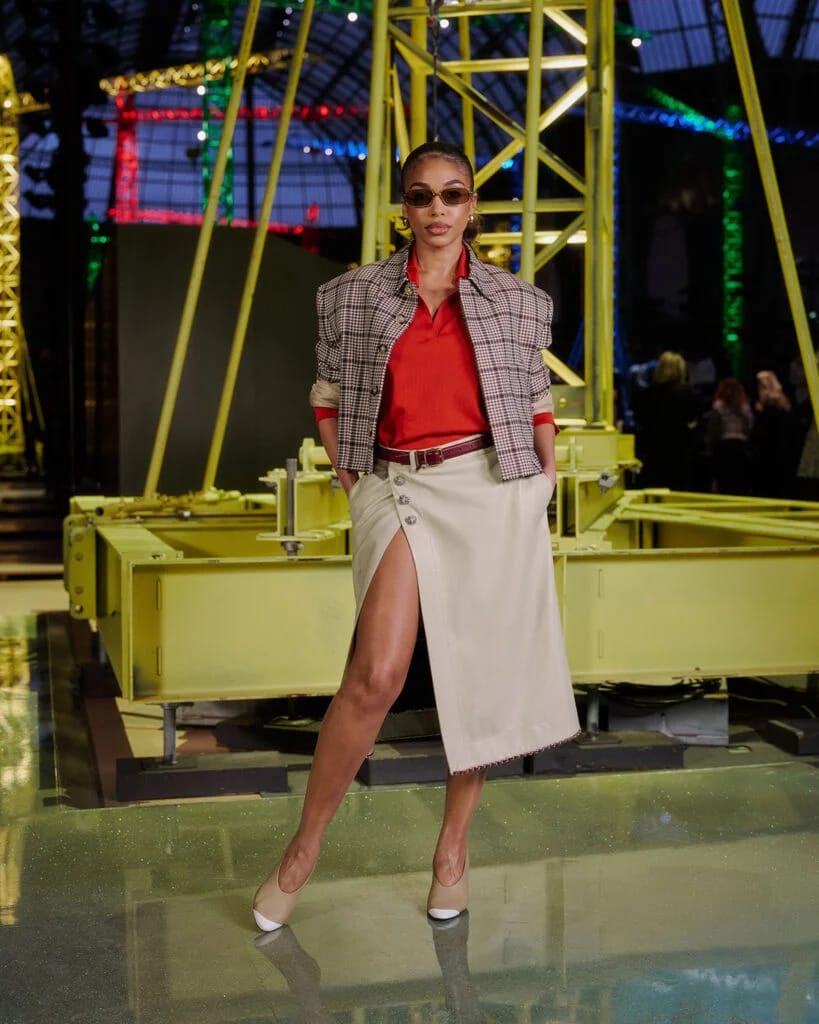
Photo credit: Instagram
Harvey wore a beige Chanel midi skirt that was fastened in front with three rows of large buttons. The cut opened high along the right side, forming a high slit revealing her leg. A slim burgundy belt sat at the waist, repeating the colour of the blouse.
She completed her look with a small black quilted Chanel clutch, narrow-tinted sunglasses, and pointed nude heels.
Harvey kept her hair pulled back into a firm ponytail. Her makeup featured warm tones, with softly shaped brows, light eye definition and glossy nude lips. Harvey’s styling and choice of accessories helped her stand out among the guests at the Paris show.

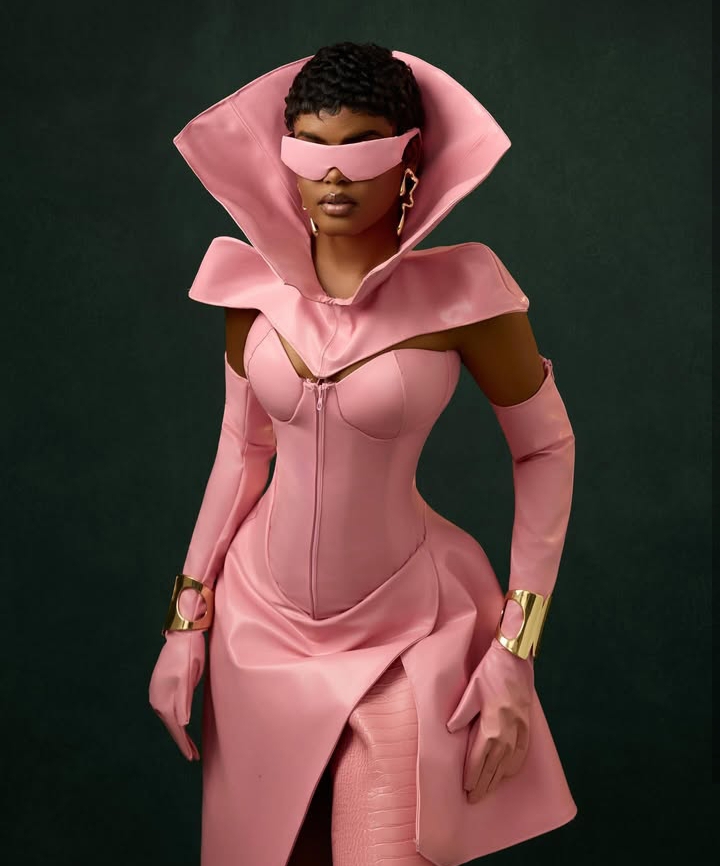
When it comes to birthday photoshoots, most celebrities play it safe. A glamorous dress, soft lighting, a cake prop and a few smiles for the camera. But Jadrolita chose a completely different direction for her latest birthday shoot. She stepped into a futuristic world, dressed head to toe in pink, poses as a character pulled straight from a sci-fi film rather than a traditional celebrant.
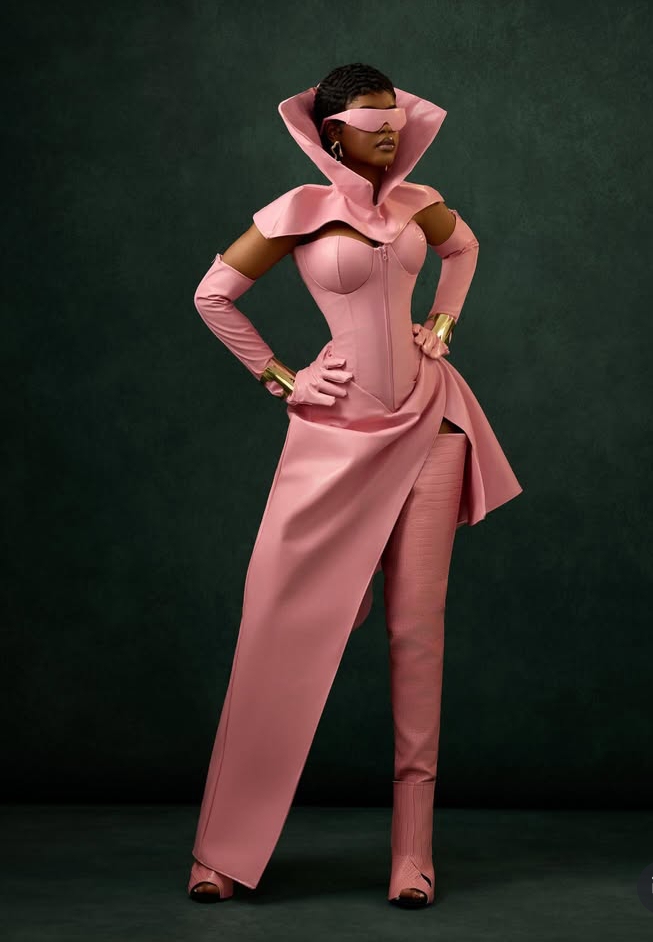
Photo: Ibor Edosa Victor
The concept leaned heavily into technology, identity, and digital culture, themes that already sit at the center of Jadrolita’s public persona. Known for blending artificial intelligence storytelling with lifestyle content, her birthday shoot felt personal and carefully planned rather than experimental.
The first thing that stands out is the colour choice. Every part of the look revolves around pink. It gave the impression of someone existing in a digital universe where colour replaces emotion and storytelling happens visually before words are spoken.
Her outfit consists of a fitted bodysuit crafted from a glossy material. The structure hugged her silhouette closely, creating a clean outline from shoulder to ankle.
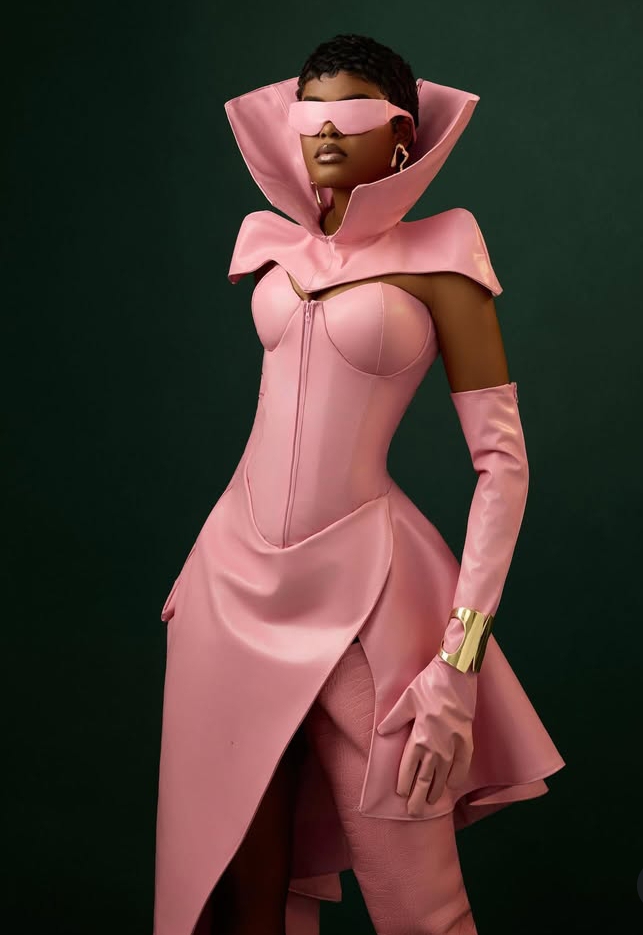
Photo: Ibor Edosa Victor
Layered over the bodysuit was a sculpted jacket designed with exaggerated shoulders and defined edges. The tailoring introduced structure without making the outfit look heavy. Instead, it reinforced the futuristic theme, resembling protective gear worn by a character built for a digital era. Not forgetting her glasses which completed the futuristic look.
Hair and makeup followed the same direction. Her hair was styled in a short pixie cut with clean edges. Her makeup was kept nude.
What makes this birthday shoot notable is how clearly it reflects Jadrolita’s brand. She has built an online identity around digital intelligence, virtual interaction, and futuristic storytelling. Instead of separating her birthday celebration from that identity, she leaned fully into it.

The Nike Air Max Plus is Taking Over Lagos Homecoming Festival

Tracee Ellis Ross Launches Eyewear Collaboration with Emmanuelle Khanh

Priscilla Ojo Gets It Just Right in Brown Tones and Sharp Corsetry

Hawa Magaji Shows How to Style Sports Shorts

Toyin Abraham’s Over Sabi Aunty Crosses ₦1 Billion at the Box Office

Pantone’s 2026 Colour Cloud Trend Gets Uche Montana’s Seal of Approval

Uzor Arukwe, Idia Aisien and Others at the Bridgerton Season 4 Premiere in South Africa

Tolu Bally Impresses in Bold Floral Two-Piece Look
Tracee Ellis Ross Launches Eyewear Collaboration with Emmanuelle Khanh

Mr Eazi Leads DJ Cuppy Through a Private Wine Tasting

Toka McBaror’s ‘The Creek’ Trailer Drops, Full Cast (Bucci Franklin, Sam Dede, Sunshine Rosman) & What to Expect

Are We Finally Getting the R9 Album? Fans Read the Signs Around Rihanna
-
 Movies2 months ago
Toyin Abraham’s Over Sabi Aunty Crosses ₦1 Billion at the Box Office
-
 Celebrity Style3 months ago
Pantone’s 2026 Colour Cloud Trend Gets Uche Montana’s Seal of Approval
-
 Celebrity Style2 months ago
Uzor Arukwe, Idia Aisien and Others at the Bridgerton Season 4 Premiere in South Africa
-

 Celebrity Style4 months ago
Uche Montana Offers a Perfect Take on Wearing Leather
-
 Fashion3 months ago
Tolu Bally Impresses in Bold Floral Two-Piece Look
-

 Health4 months ago
Disordered Eating Vs. Eating Disorder: Experts Explain The Differences And When To Seek Help
-

 Fitness4 months ago
Glute Workouts That Deliver Real Results
-

 Movies5 months ago
4 Nollywood Movies To Watch This Week
-

 Celebrity Style4 months ago
November’s Best Dressed Star
-

 Sex & Relashionships3 months ago
Dating App Worth Swiping Right on in 2026