
Health
Detox Your Body in 2025: 5 Proven Strategies for a Healthier You


As you welcome the new year, you’re probably thinking about refreshing your body and mind. Detoxing is an excellent way to reboot your system, it’s a type of cleansing that purifies you from within. We’ve got five evidence-based strategies that girls and women worldwide swear by. Get ready to glow from the inside out!
1. Hydrate with Intention: Drink Water Mindfully

Drinking Water helps in detoxifying the body
You’ve heard it before: drink plenty of water! But this time, make it a mindful practice. Aim for at least eight glasses of water a day, and infuse it with slices of lemon, lime, or cucumber for added flavor and nutrition. As you drink, focus on the sensation of the water flowing through your body, cleansing your cells and flushing out toxins.
2. Greenify Your Diet: Eat Chlorophyll-Rich Foods
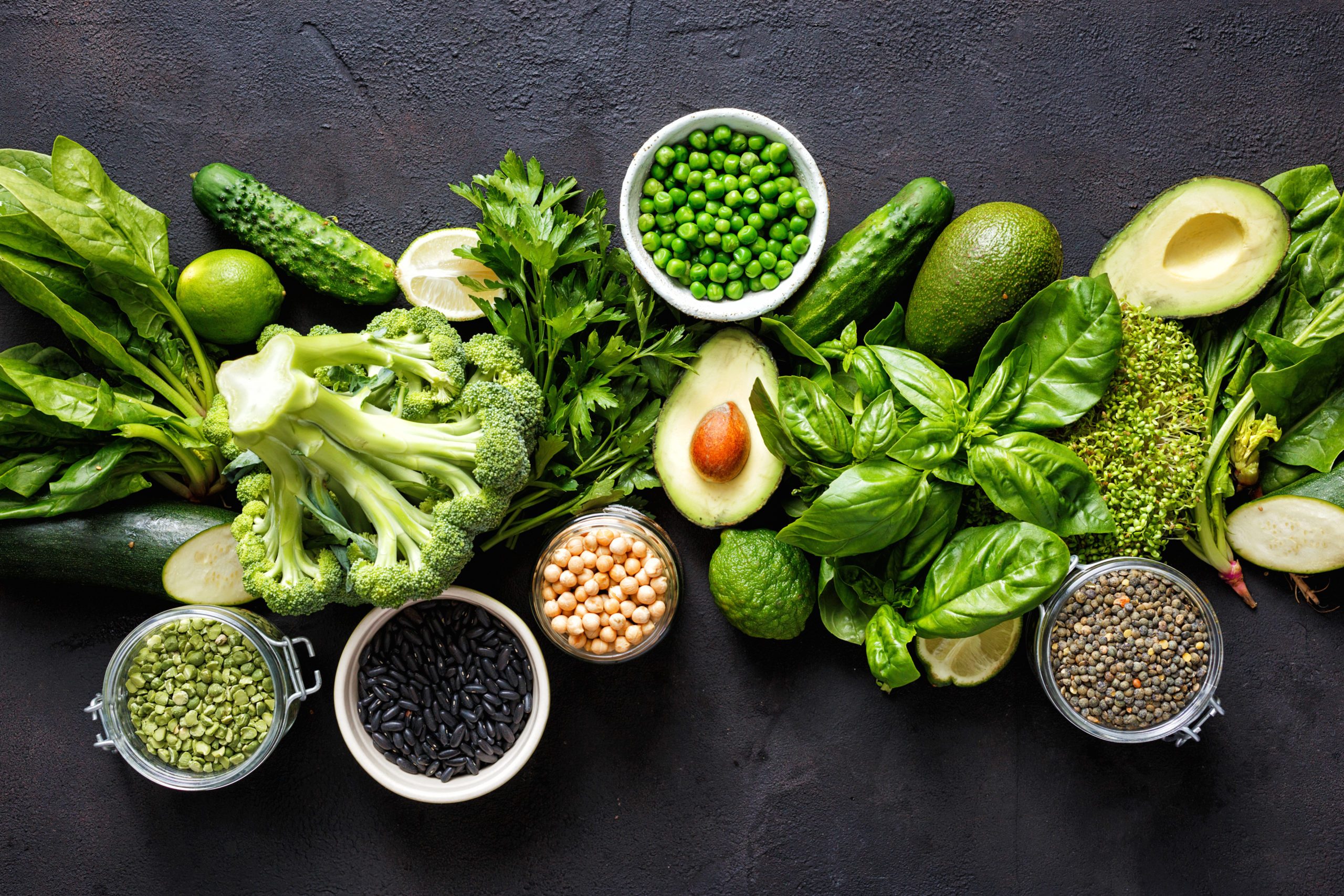
Chlorophyll rich foods
Chlorophyll, the green pigment in plants, is a potent detoxifier. Incorporate more green foods into your diet, such as:
– Leafy greens like kale, spinach, and collard greens.
– Green juices made with wheatgrass, spirulina, or matcha.
– Green smoothie bowls with avocado, banana, and spinach.
These foods will help alkalize your body, reduce inflammation, and support the elimination of toxins.
3. Move Your Body: Detox through Exercise

A light skinned lady in Lavender work out fit.
Exercise is a powerful detoxifier, as it stimulates circulation, boosts lymphatic drainage, and promotes sweating. Try these detox-friendly workouts:
– Yoga: Focus on twists, bends, and inversions to stimulate digestion and lymphatic flow.
– High-Intensity Interval Training (HIIT): This type of exercise promotes sweating and boosts metabolism.
– Dance-based workouts: Shake off toxins with fun, energetic dance classes like Zumba or Hip Hop Abs.
4. Sleep Your Way to Detox: Prioritize Restful Sleep

A black skinned lady beautifully sleeping
Sleep is essential for detoxification, as it allows your body to repair and rejuvenate itself. Aim for 7-9 hours of sleep each night and establish a relaxing bedtime routine:
– Dim the lights and cool down your bedroom
– Practice gentle stretches or meditation to calm your mind
– Avoid screens and electronic devices before bedtime
5. Breathe Deeply: Practice Conscious Breathing

A black skinned lady taking in a deep breath
Conscious breathing is a simple yet powerful detox technique. By focusing on your breath, you can calm your nervous system, reduce stress, and promote lymphatic flow. Try this technique:
– Find a quiet, comfortable spot to sit or lie down
– Close your eyes and focus on your breath
– Inhale deeply through your nose, filling your lungs completely
– Exhale slowly through your mouth, releasing any tension or stress
As you incorporate these five detox strategies into your daily routine, remember that patience and consistency are key. Listen to your body, and don’t be too hard on yourself if you slip up. You’re on a journey to a healthier, happier you – and that’s something to celebrate!














You get home late, hungry enough to eat a full plate. Maybe you have spent the whole of the day moving from place to place, or traffic held you up longer than usual. Either way, you walk in, spot the leftover jollof in the kitchen, and before long you’re eating.
For many Nigerians, a late-night meal could mean rice and chicken, pepper soup, suya or a well-served swallow. Trouble tends to show up when a heavy meal is followed almost immediately by sleep. Eating late once in a while won’t hurt most people, but large portions, spicy dishes and greasy foods can leave you too full, bring on heartburn or worsen acid reflux once you lie down. If this happens to you often, try finishing a substantial meal about three hours before bed.
Pounded Yam and Other Heavy Swallows
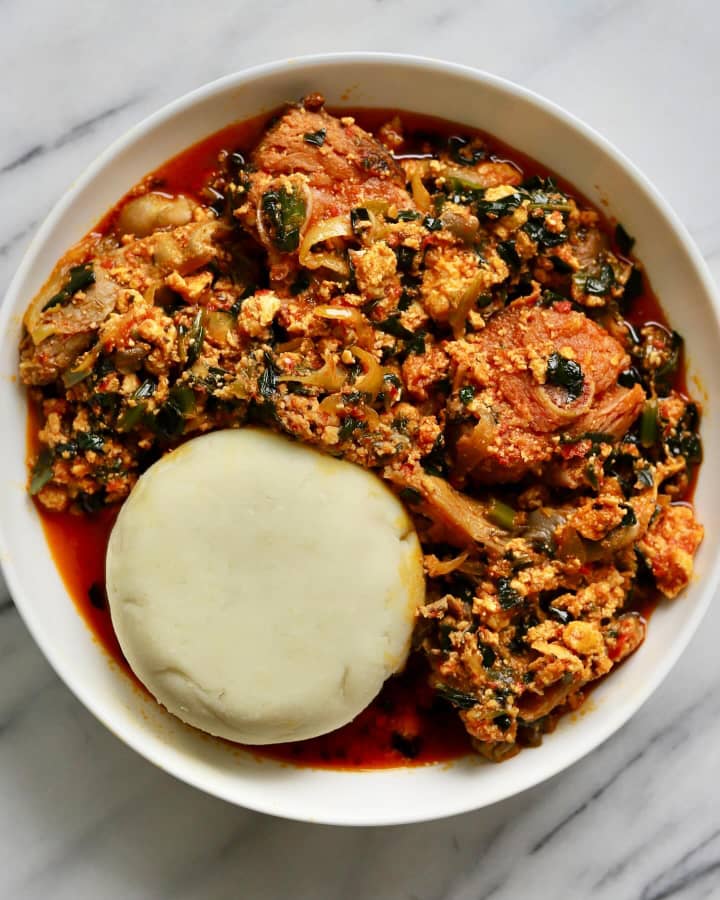
Photo: Instagram/@travelandmunchies
Pounded yam, eba and fufu are regular features at most Nigerian dinner table, and paired with egusi, ogbono or a rich vegetable soup, they make for a meal that keeps you full for hours.
That’s fine earlier in the day, when you still have hours ahead of you. But during the night, a large serving can leave your stomach still working overtime. A sizeable portion, oily soup and plenty of meat only add to that load, and going straight from the dining table to bed can raise the odds of discomfort or reflux, especially if you already deal with it.
Jollof Rice With Fried Meat

Photo: Instagram/@kikifoodies
Jollof rice holds a notable spot in Nigerian food culture, and for good reason. It becomes an issue when a late-night plate turns into a mountain of rice, fried chicken, beef and a few extra sides for good measure.
Fried meat and other oily additions push up the fat content of the meal, and high-fat foods tend to slow digestion and trigger heartburn in some people. Eating a heavy plate and lying straight down afterwards only makes it worse. If you get home late and yesterday’s jollof is all that’s in the fridge, go ahead and eat it, nobody’s saying otherwise. Just dish out a smaller portion and give yourself time before bed, rather than piling your plate minutes before you sleep.
Suya

Photo: adukecuisine.com
Few things are more tempting on a Nigerian evening than the smell of freshly grilled suya. You stop by the roadside, order a portion, and within minutes the meat is gone.
At bedtime, though, suya’s mix of fatty meat, seasoning and plenty of pepper can work against you. For anyone sensitive to spicy food, that familiar peppery kick can turn into heartburn or indigestion later in the night. Timing matters here too: suya at 11 pm followed by bed hits differently than suya eaten earlier in the evening. If pepper tends to unsettle your stomach at night, have your suya earlier and go easy on the extra pepper.
Pepper Soup
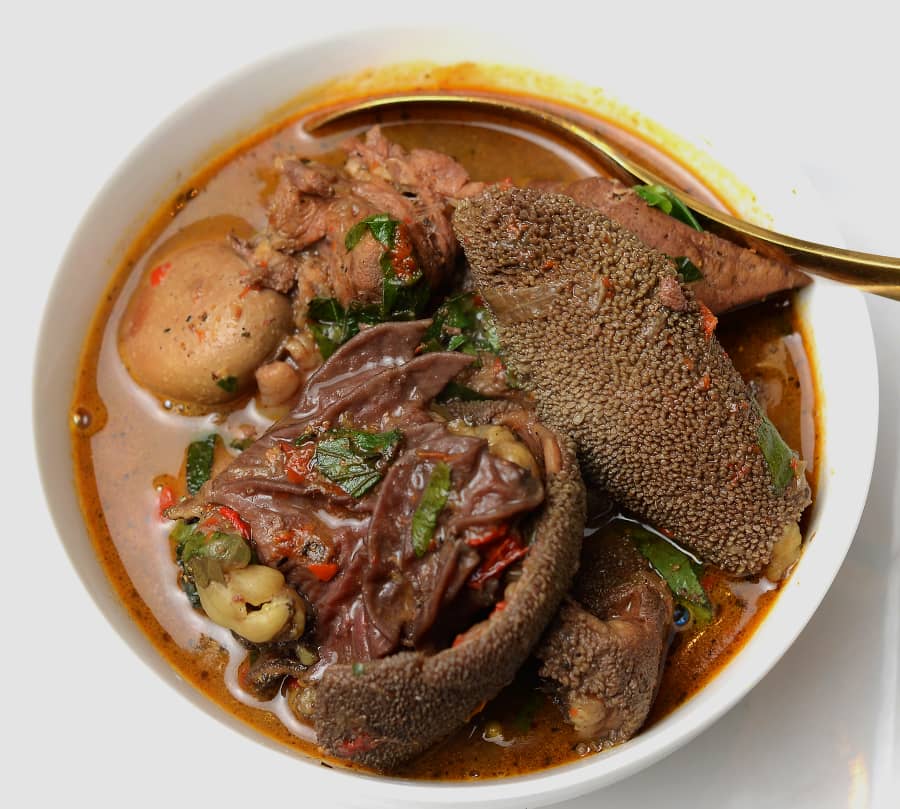
Photo: africanchopbetter.com
Pepper soup sounds like the lighter option depending on how it’s made, but Nigerian pepper soup can also pack serious heat.
If you’re prone to heartburn or acid reflux, a very spicy bowl shortly before bed isn’t the wisest choice, lying down tends to make the discomfort worse. There’s also a real gap between a mild bowl of fish pepper soup and one loaded with pepper, spices and oil, so how yours is usually prepared matters.
Akara and Other Deep Fried Snacks
Photo: kikifoodies.com
Akara and puff puff are easy to reach for when you’re hungry but don’t want to cook a proper meal, and pair either one with bread and you’ve got a quick, low effort dinner.
Deep fried foods are high in fat and a large amount close to bedtime tends to leave you feeling heavy and uncomfortable. They can also trigger heartburn in some people. A few pieces with bread late at night can add up to a much heavier meal than it looks.
What Can You Eat If You Are Hungry at Night?

Photo: kitchenreadybetty.com
Nobody wants to lie in bed listening to their stomach growl. If you’re genuinely hungry, a small snack is usually easier on your system than a full plate.
A piece of fruit, plain yoghurt, a little oatmeal or a small handful of nuts make good lighter options, enough to take the edge off your hunger without turning midnight into a second dinner. And if heartburn or reflux is something you deal with regularly, pay attention to what tends to set it off, not everyone reacts to the same foods.
Still, that’s no reason to give up pounded yam, jollof, suya, pepper soup or akara. They’re everyday foods, not forbidden ones. What actually makes the difference at night is portion size, how the food was prepared and how close to bedtime you eat it. Sometimes the simplest fix is just eating earlier. If dinner is going to be heavy, give your body enough time to digest before you go to bed.

For many young adults, blood pressure is probably not something that crosses their minds between work, school, social plans and trying to keep up with everyday life. It is often seen as a health concern for parents or grandparents. Yet, hypertension is showing up in young adults to, sometimes during a routine medical check they had no particular reason to worry about.
A 2025 study, using data collected in 2021, young adults aged 18 to 40 in Abia, Oyo and Kano states found that 18.2% of the participants had hypertension. The study also looked at awareness and healthcare-seeking habits.
Another Nigerian study published in the Nigerian Medical Journal in 2024 found hypertension in 19.93% of 279 medical students aged 18 to 35 at the University of Nigeria, Enugu. Almost half of the participants also had prehypertension, showing that blood pressure problems can appear well before middle age.

Photo: Pinterest
Several factors can increase the risk of high blood pressure in young adults. Meals loaded with salt, frequent consumption of processed foods, spending long hours sitting down and not getting enough physical activity can all raise the risk. Being overweight, smoking and drinking too much alcohol are also linked to hypertension. Stress and poor sleep can add to the problem, particularly when they become a regular part of life rather than occasional experiences.
Still, it would be unfair to blame everything on lifestyle. Genetics can play a role, while conditions such as diabetes and kidney disease may also increase someone’s chances of developing the problem.
Perhaps the tricky part is that there may be nothing obvious to notice. A young person can feel fine, go about their normal routine and have no idea that their blood pressure is higher than it should be. That makes regular checks important, especially for people with a family history of hypertension or other risk factors.

Photo: Dreamstime.com
Ignoring it, however, can have consequences later. Persistently high blood pressure can put extra strain on the heart and blood vessels and increase the risk of serious problems such as heart disease, stroke and kidney disease.
The encouraging part is that some of the risk can be reduced. Eating more balanced meals, cutting back on excess salt, staying active, avoiding tobacco, limiting alcohol and getting enough sleep are useful steps. Anyone who has already been diagnosed should also follow the advice of a healthcare professional rather than trying to manage the condition alone.
High blood pressure may not fit the picture many people have of a young person’s health problem, but age does not make someone immune. Sometimes, a simple blood pressure check can reveal something that the body has been quietly hiding.


For years, women have known the condition as PCOS, short for Polycystic Ovary Syndrome. It is one of the most talked about hormonal disorders affecting women of reproductive age. But now, health experts are pushing for a new name: PMOS, which stands for Polyendocrine Metabolic Ovary Syndrome.
At first glance, it may seem like a simple rebrand. But the proposed change says a lot about how doctors now understand the condition and how women’s health is evolving.

Photo: Getty images/PMOS attributed beards
The problem with the name PCOS is that it focuses heavily on ovarian cysts. In reality, not every woman with PCOS has cysts on her ovaries. Some women are diagnosed without having any visible cysts at all. On the other hand, many women with ovarian cysts do not have PCOS.
This has caused confusion for years. Health professionals argue that the old name also downplays the broader impact the condition has on the body. PCOS is not just about irregular periods or fertility struggles. It is closely linked to metabolism, insulin resistance, weight changes, inflammation, cholesterol problems, and even increased risk of type 2 diabetes and heart disease.
That is where PMOS comes in.
The proposed name, Polyendocrine Metabolic Ovary Syndrome, shifts attention to the metabolic side of the condition. Doctors want people to understand that this is not only a reproductive health issue. It affects the entire body.
For many women, that explanation may finally make their symptoms feel connected. A woman dealing with fatigue, stubborn weight gain, acne, excessive hair growth, anxiety, irregular cycles, and blood sugar issues may not realize all of these can stem from the same condi

Photo: Getty images/hormonal acne
The name change also matters because language shapes healthcare. When a condition is misunderstood, patients often struggle to get proper treatment. Some women with PCOS spend years being told to “just lose weight” without receiving deeper evaluation for insulin resistance or hormonal imbalance.
By highlighting the metabolic component, PMOS could encourage more comprehensive care. That means treatment may go beyond fertility medications or birth control. Doctors may focus more on blood sugar management, nutrition, exercise, mental health support, and long term disease prevention.
Still, not everyone agrees on the new name yet. Some researchers believe changing the name could create temporary confusion, especially since PCOS is already widely recognized in medical spaces and online communities. Others argue that awareness campaigns would be needed to help patients understand the transition.
But one thing is clear. Women’s health conversations are changing. Conditions that were once reduced to reproductive symptoms are now being viewed through a wider lens.


BBNaija Season 11: Week 9 Recap

Venita Akpofure Debuts Bold New Blonde Hair

Sharon Ooja Proves She’s Anything But ‘Ordinary’ During Her Latest Media Round

Onalaja Unveils Re:Birth at London Fashion Week After Studio Fire

Laura Ikeji Proves Polka Dots Are Back and Better Than Ever

DJ Cuppy Explains Why She Cannot Marry a Nigerian and Reflects on Her Past Relationships.

‘The Polygamist’: Nigerians Weigh In on Netflix’s New Series.

The Headies Awards Heads to Canada for Its 18th Edition.

Omah Lay Brings Raw Emotion to Clean Bandit and Chlöe’s ‘Company’

Tyler Perry Reveals Why He Has Chosen to Stay Away From Marriage

Rema Tackles Mixed Signals and Desire on New Single “Oh No”

5 Nollywood Films to Stream on YouTube


-

 Celebrity Style2 months ago
How Dede Ashiogwu Styles a Classic White Dress
-

 Music1 month ago
What Exactly Are Ayra Starr and ZAYN Singing About on “Heaven Baby”?
-

 Models1 month ago
Meet the African Queens Competing for the Miss World 2026 Crown
-

 Fashion2 months ago
Yvonne Godswill’s LBD? A Black Dress Done Right — Here’s How to Wear One Now
-

 Music1 month ago
Ayra Starr’s ‘Starrgirl’: Tracklist, Features and Everything You Need to Know
-

 Lifestyle1 month ago
These Women Are in Their ‘Rich Girl Era’ and We’re Taking Notes
-
 Movies4 weeks ago
5 Nollywood Films to Stream on YouTube
-
 Big Brother Naija4 weeks ago
Everything You Missed on Big Brother Naija Week 5
-

 Models1 month ago
Teminikan Goes Blonde-Girl for Birthday Shoot
-

 Lifestyle1 month ago
Angélique Kidjo Makes History With Hollywood Walk of Fame Star